

Winter sowing is a gardening method that involves planting seeds outside during January and February when it’s cold. This method uses natural cold stratification, which can improve seed germination for some species. By planting seeds in the winter, you can get a head start on the growing season and harvest fresh vegetables earlier.
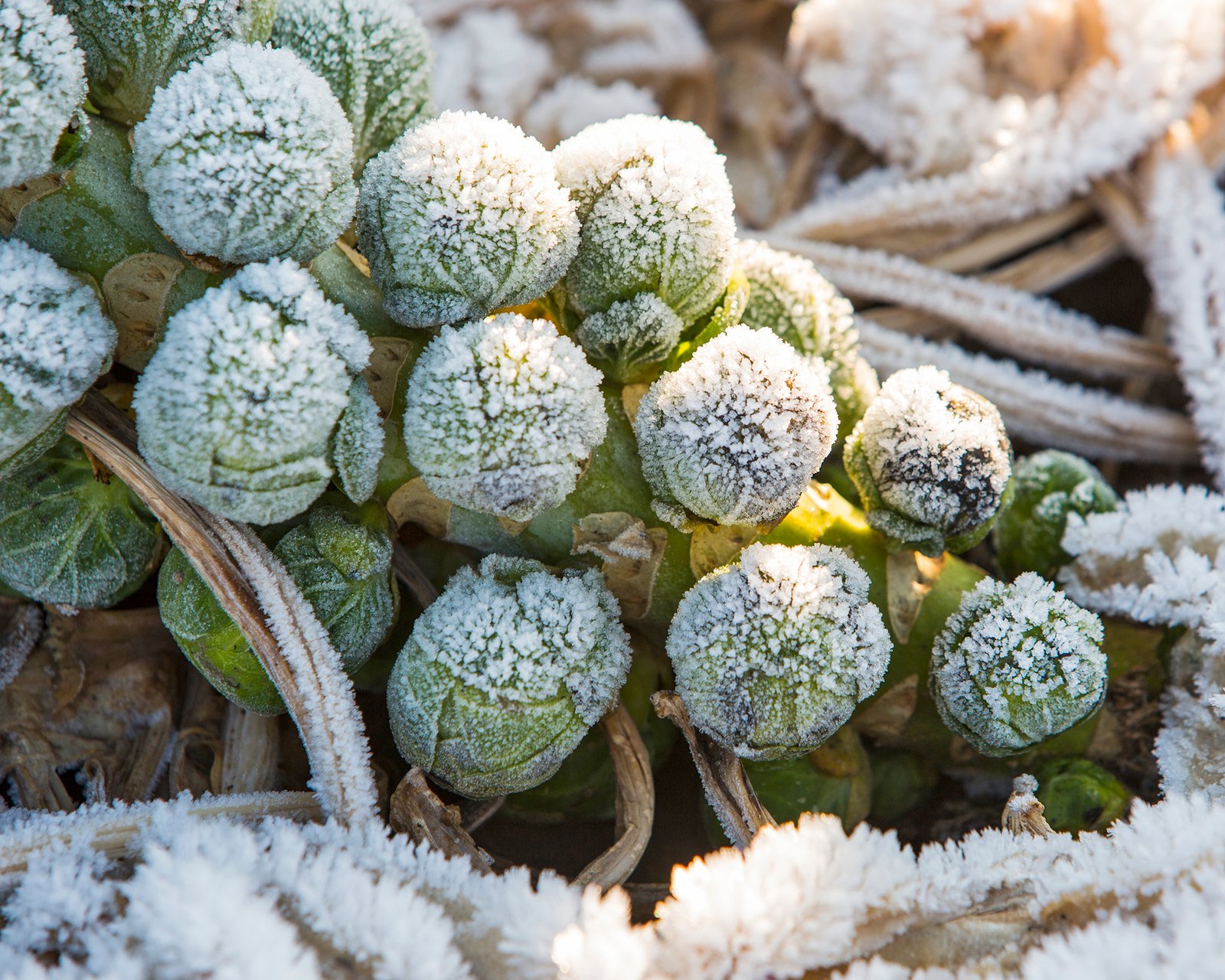
Benefits of Sowing Vegetable Seeds in January and February
Planting vegetable seeds in January and February has many advantages. Gardeners can extend their growing season and harvest crops earlier than usual. This early start can result in a more plentiful harvest because plants have more time to mature. Furthermore, winter sowing can decrease the need for artificial light and heat, making it a more sustainable and cost-effective approach.
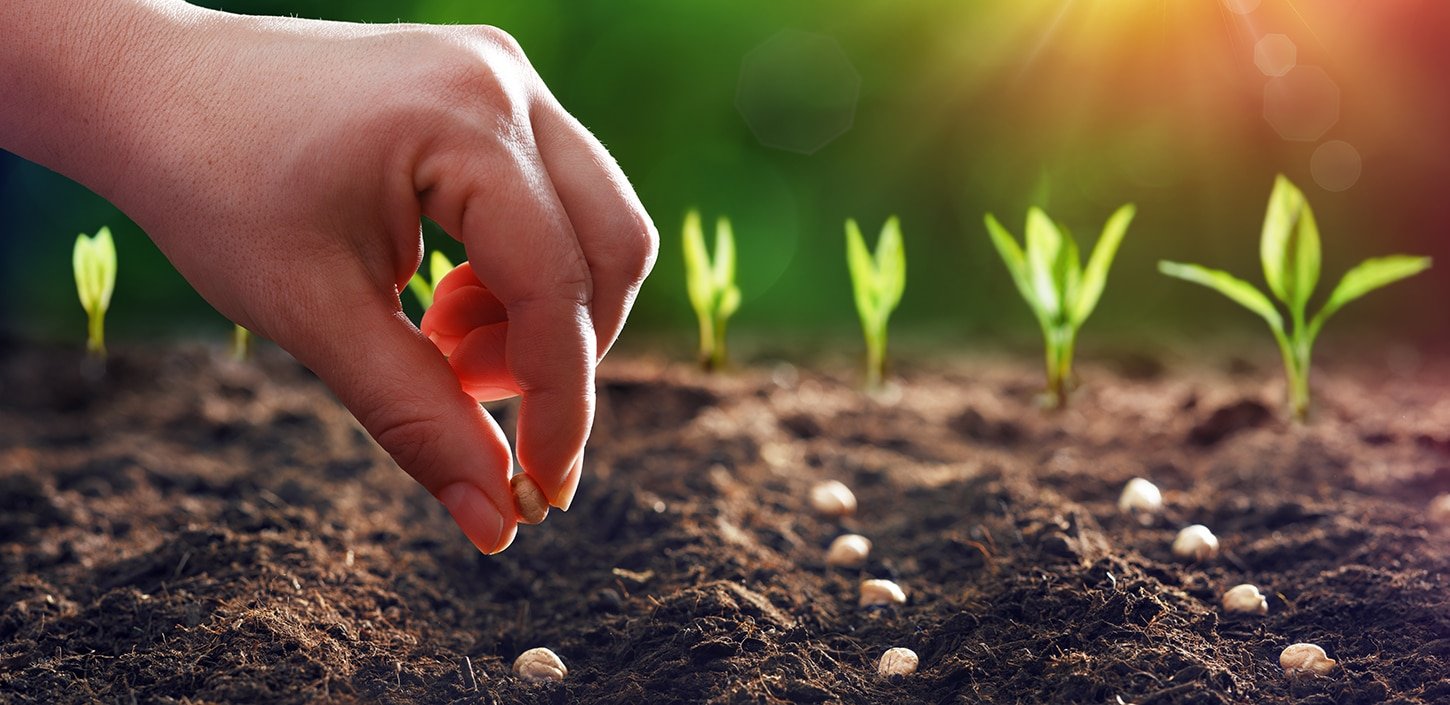
Understanding Climate and Soil Conditions
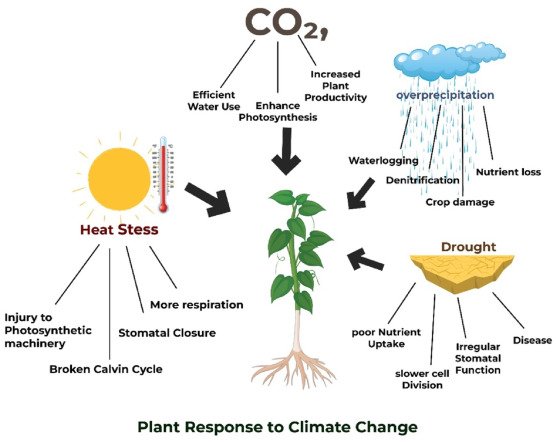
It is vital to understand your local climate and soil conditions before planting seeds in winter. Many seeds can be planted directly outdoors in areas with mild winters. However, frost blankets or cold frames may be necessary for protection in colder climates. Make sure your soil has good drainage and is high in organic matter to promote healthy seedling development.
Selecting the Right Seeds for Early Sowing
Successful winter sowing depends on selecting the appropriate seeds. Seek out cold-hardy vegetables that can withstand freezing temperatures and frost. Leafy greens, root vegetables, and particular herbs are great choices. It is also important to choose seeds with faster germination times to take advantage of the early start.
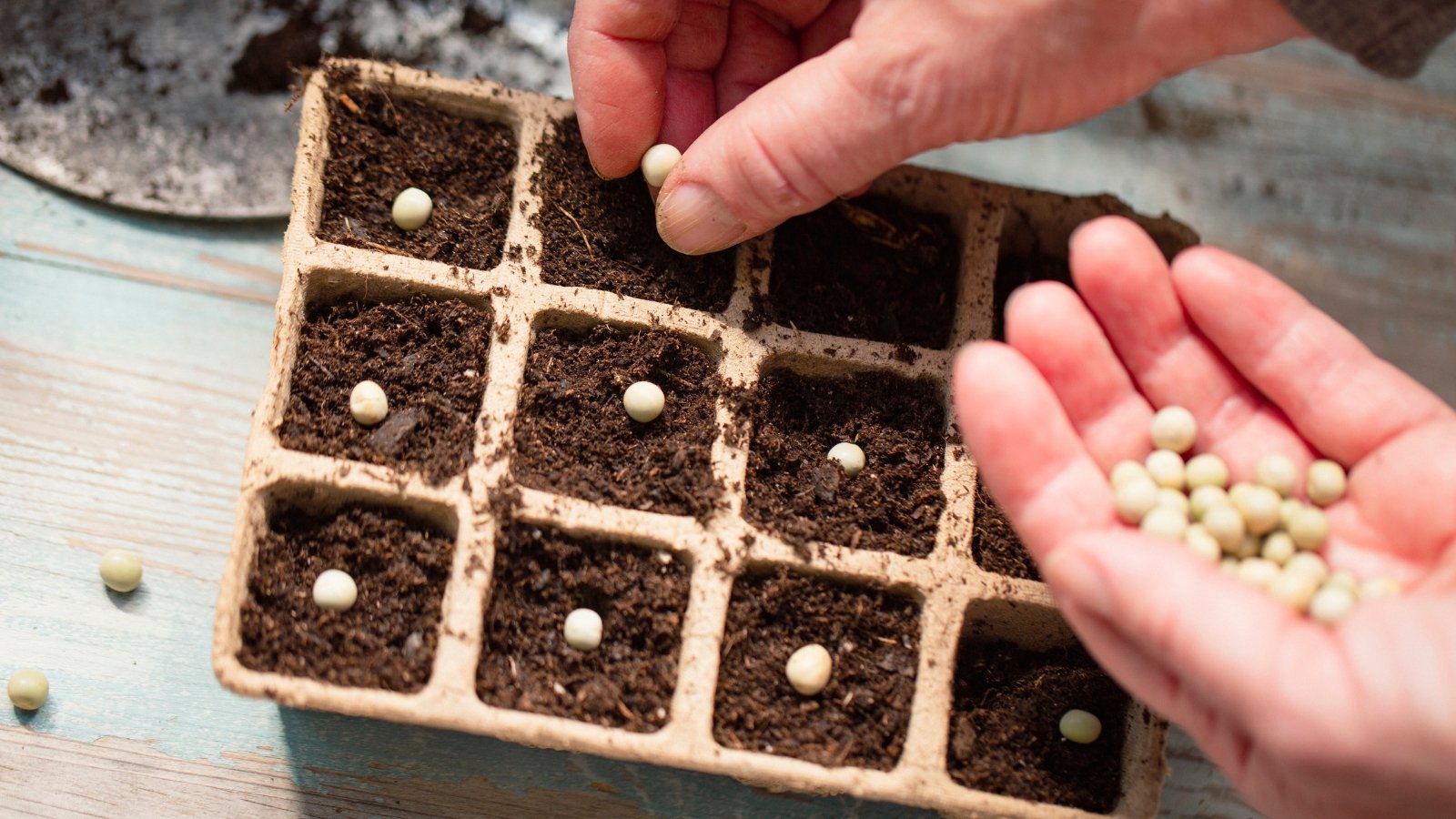
Preparing Your Garden for Winter Planting
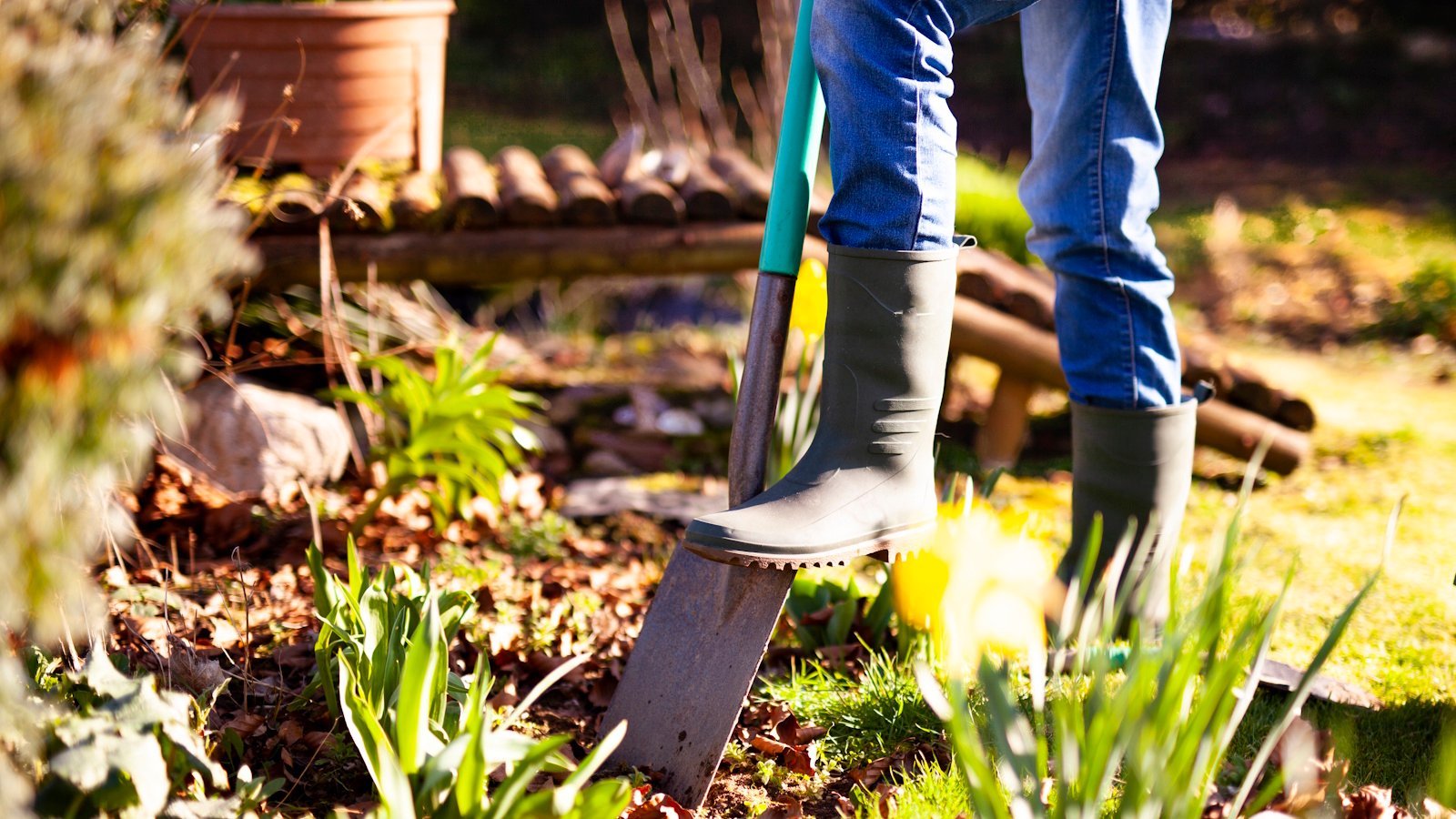
Begin by removing any trash or weeds from the previous season to get your garden ready for winter planting. To increase fertility and drainage, amend the soil with compost or well-rotted manure. To protect young plants from harsh weather, think about building protective structures like cold frames or row covers.
Seed Starting Indoors Versus Outdoors
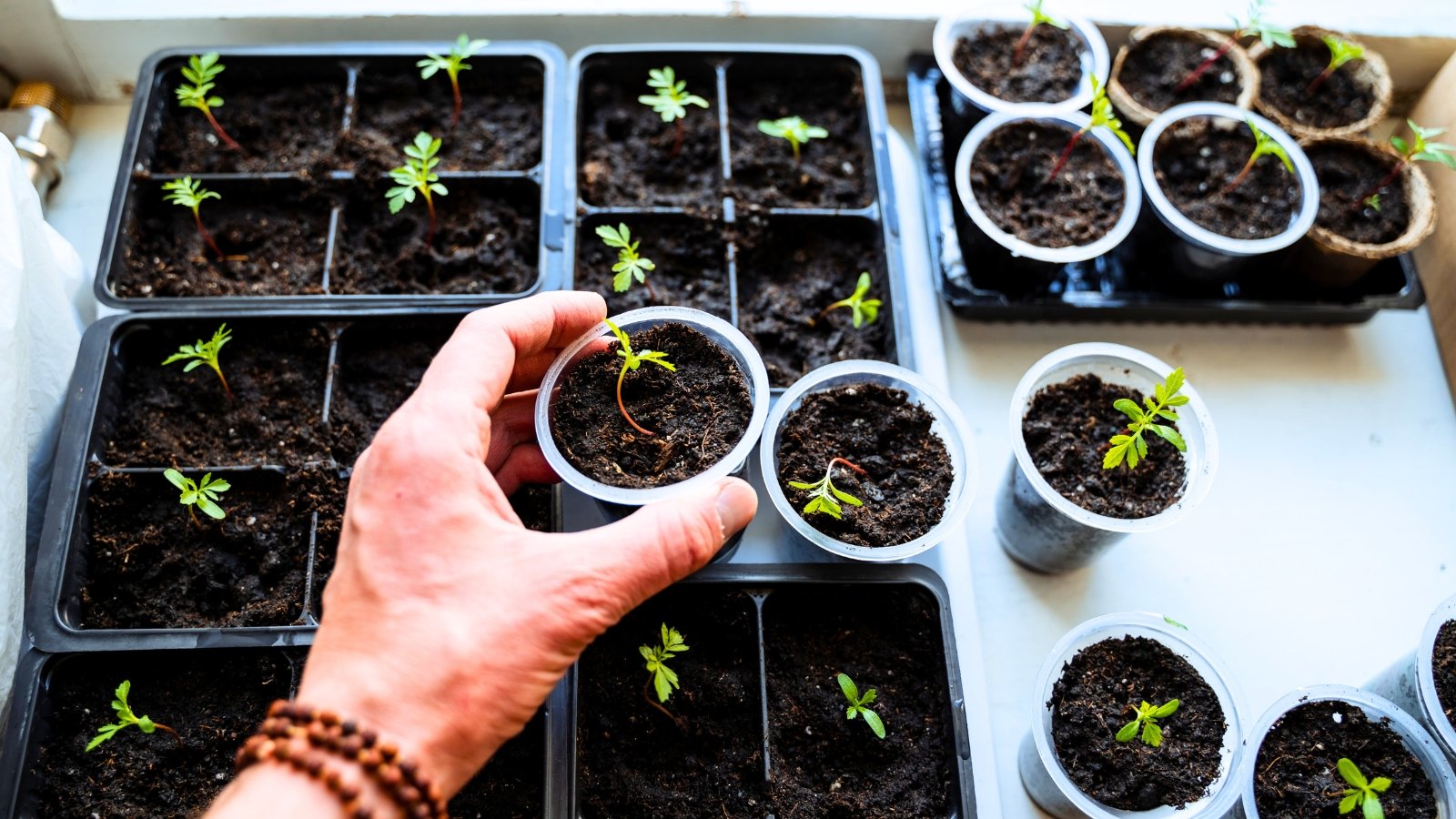
The best approach for seed starting—indoors or outdoors—depends on your local environment and the particular needs of your plants. Starting seeds indoors allows for greater control over variables such as temperature and light, which can be helpful for more fragile plants. Outdoor sowing, on the other hand, may be more practical and frequently produces stronger seedlings as a result of natural acclimatization.
Top Vegetable Seeds to Sow in January and February
- Spinach
- Kale
- Lettuce
- Radishes
- Carrots
- Onions
- Peas
- Broccoli
- Cabbage
- Leeks
- Swiss Chard
- Parsnips
These vegetables are ideal for winter gardens because they are well-suited to early planting and thrive in cooler conditions.
Tips for Successful Germination in Cold Weather
To ensure successful germination in cold weather, keep the soil consistently moist but not soaked. Use mulch to insulate the soil and keep moisture in. If planting outside, use row covers or cloches to shield the seeds from severe cold and wind. Watch the weather prediction and be prepared to take extra precautions in case of unexpected cold.
Caring for Seedlings During Winter
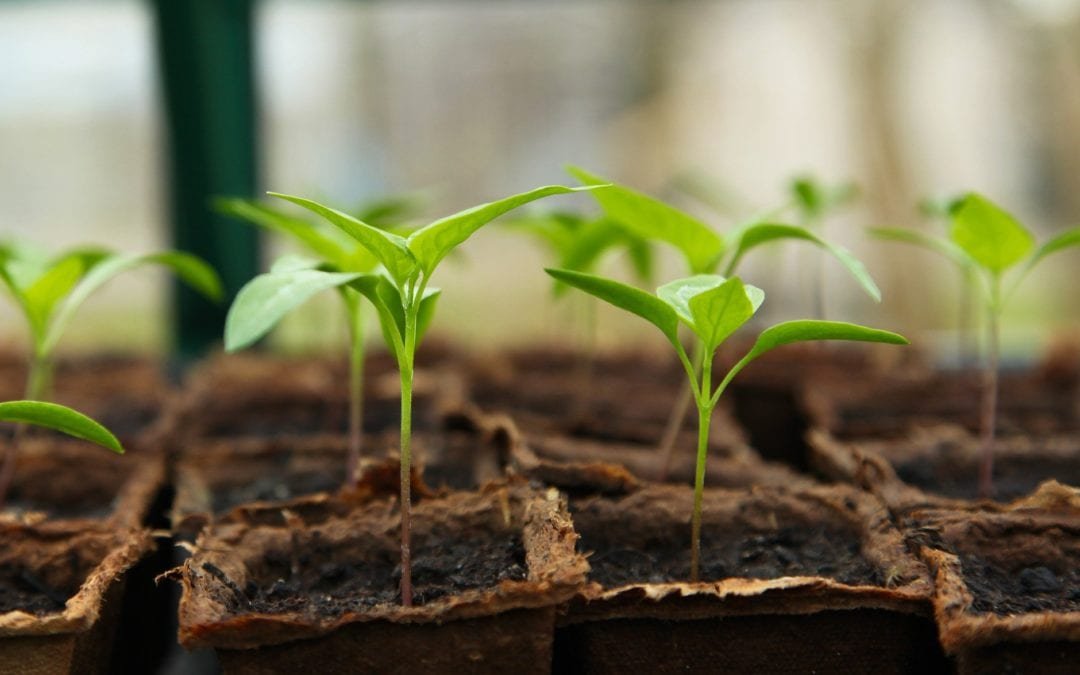
It’s crucial to take good care of the seedlings after your seeds have sprouted. Ensure that they receive enough sunlight by either positioning them in a sunny area or utilizing grow lights. Water them frequently, but not excessively, as this could result in root rot. If seedlings are started indoors, gradually expose them to outdoor conditions before transplanting them into the garden.
Common Challenges and How to Overcome Them
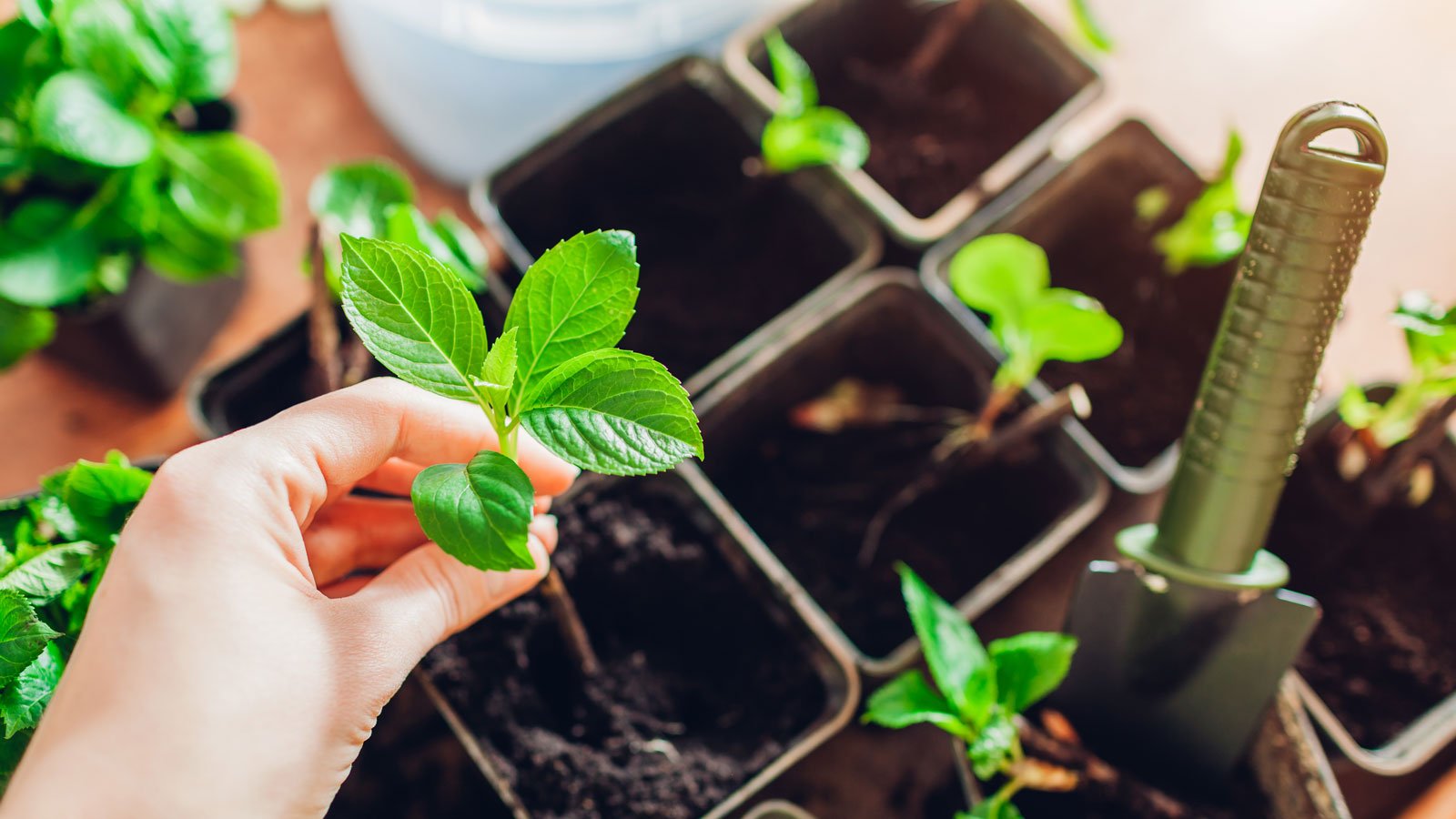
Winter sowing can be difficult due to issues like temperature swings, frost damage, and pests. To prevent these, use safeguards such as frost cloths and cloches. To avoid drying out or waterlogging, carefully monitor soil moisture levels. Keep an eye out for pests and use organic pest control methods if needed.
:strip_icc()/houseplants-inside-during-winter-ea434732748e4be2ac51a9883aee3623.jpg)
Harvesting and Enjoying Your Early Crops
You can start harvesting your winter-sown vegetables for fresh, nutritious meals as they grow. As soon as leafy greens like spinach and lettuce reach an acceptable size, they can be harvested. Root vegetables like radishes and carrots can be harvested when they have grown to the appropriate size. Serve the fruits of your labor in salads, soups, and other meals.
Conclusion
Winter sowing is a fulfilling gardening technique that enables you to maximize your usage of the cold months. With careful seed selection, garden preparation, and proper care, you can reap an early and abundant harvest. Accept the difficulties and delights of winter gardening and look forward to the fresh produce that will adorn your table in the months to come. `


