

Frog hotels are inventive constructions designed to offer frogs a secure and supportive habitat within your garden. These structures replicate the natural environments of frogs, providing them with refuge, breeding areas, and protection against predators. Because urbanization is constantly encroaching on natural habitats, frog hotels act as essential safe spaces for these amphibians, assisting in the preservation of their populations. Installing a frog hotel allows you to aid in the protection of local wildlife and improve your garden’s ecological equilibrium.
Understanding the Role of Frogs in Your Garden Ecosystem
Frogs are essential for preserving a healthy and balanced garden ecosystem. They play an important role in the food web as both predators and prey. Frogs eat many insects, which helps to control insect populations naturally. They also provide food for birds, snakes, and other animals, which promotes biodiversity. Their existence signifies a healthy environment, as frogs are susceptible to pollution and environmental changes. Gardeners gain insight into the significance of frogs when they comprehend their function.
Benefits of Setting Up a Frog Hotel in Your Garden
Constructing a frog hotel in your garden has several advantages, including improved biodiversity and natural pest control. It gives kids and adults alike the chance to learn, fostering a deeper bond with the natural world. Furthermore, frog hotels support initiatives for environmental protection and give your garden beauty and sound. You maintain a balanced ecosystem and relish a more lively garden environment by encouraging frog populations.
Natural Pest Control
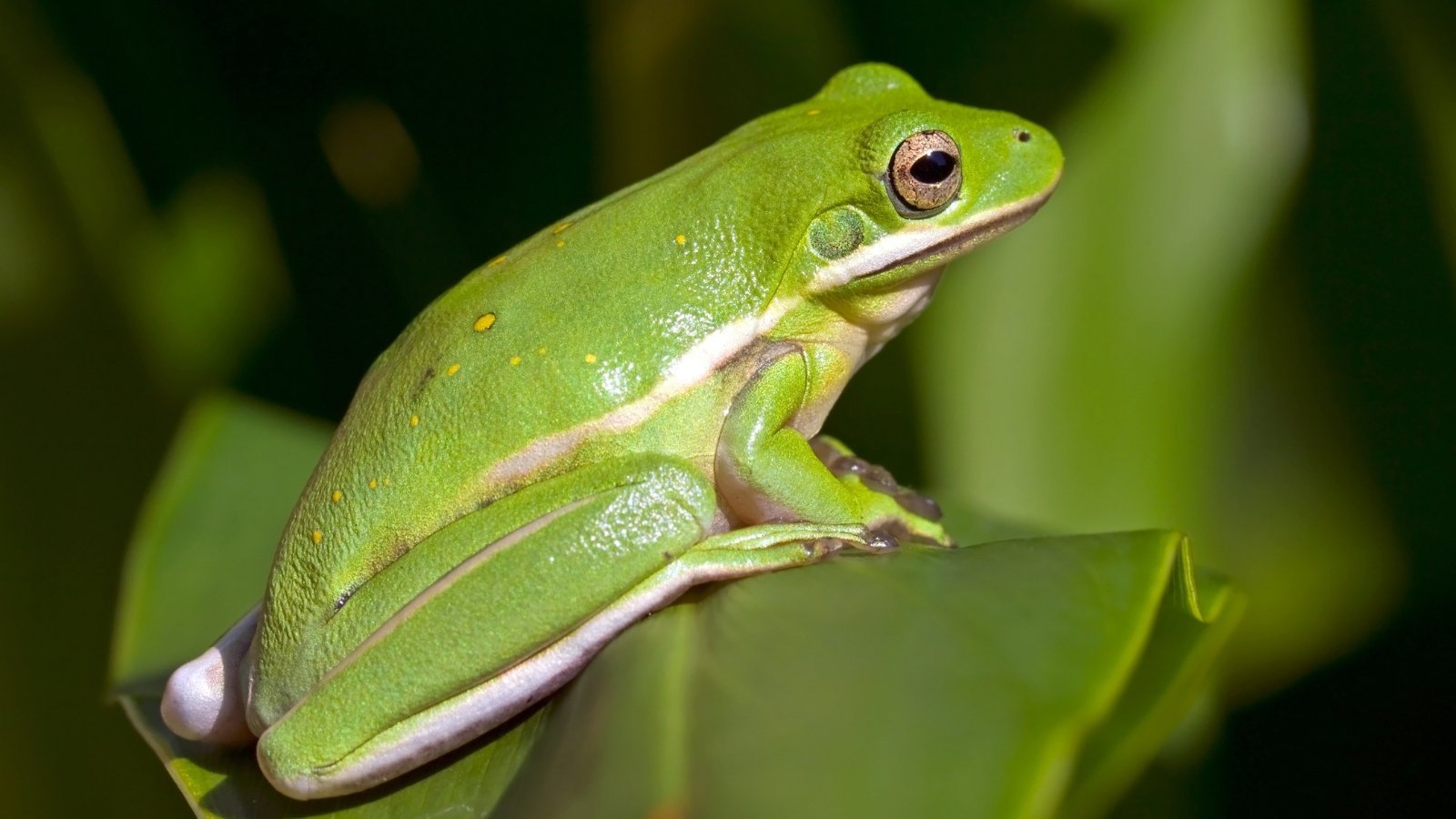
Frogs eat insects with a great appetite, including flies, mosquitoes, and other common garden pests. You support these natural predators to take up residence in your garden by building a frog hotel, which lowers the demand for chemical pesticides. This benefits all garden occupants by shielding your plants and fostering a more hygienic environment.
Biodiversity Enhancement
A frog hotel draws in not only frogs but also other wildlife, like insects and birds, which make up a varied ecosystem. You create a ripple effect by giving frogs a place to live, which benefits various species and improves the general biodiversity of your garden. When it comes to resisting pests and diseases, this diversity is crucial.
Educational Opportunities
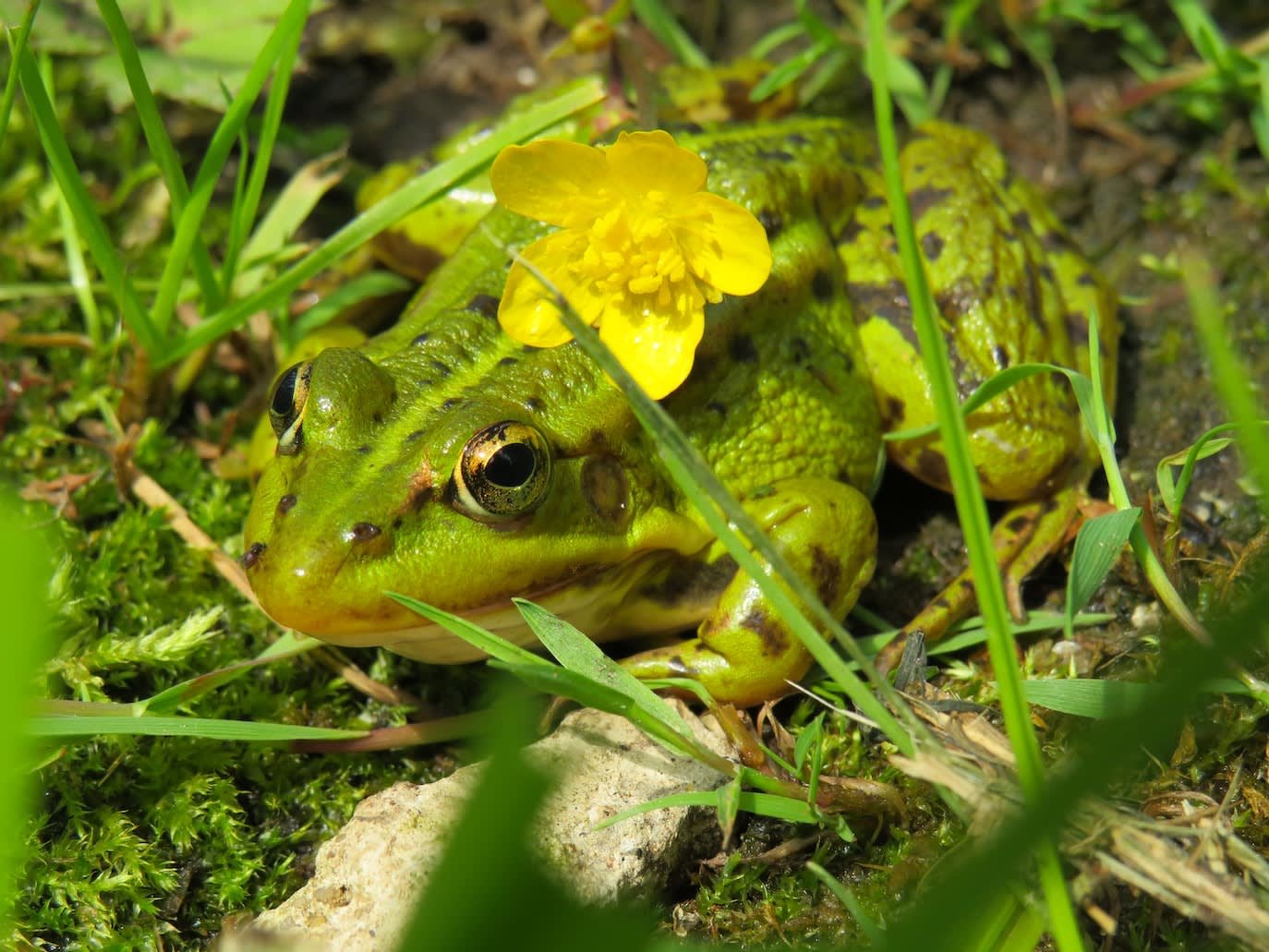
Establishing a frog hotel offers a special chance to discover more about amphibians and their place in the ecosystem. It can be a pleasurable and instructive endeavor for families, schools, and community groups. Observing frogs in their natural habitat can spark interest and promote an enduring interest in wildlife and conservation.
Environmental Conservation
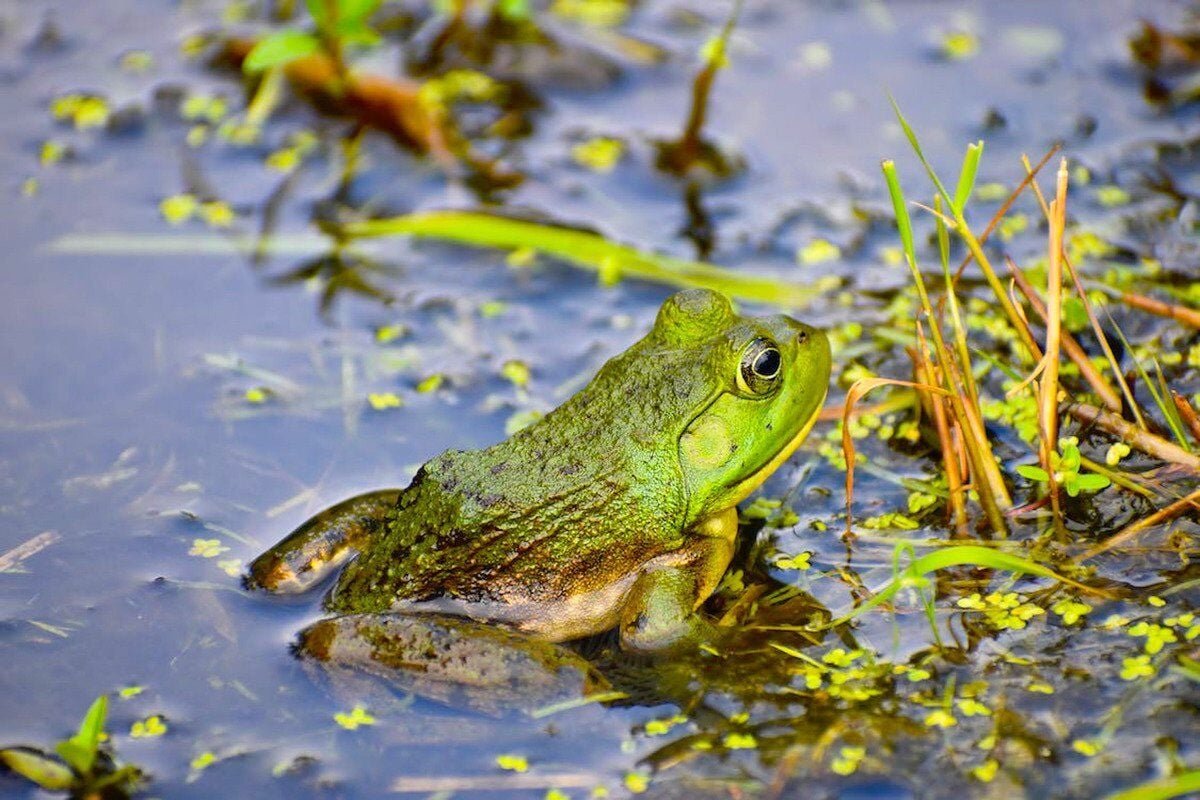
Frog populations are declining globally due to pollution, climate change, and habitat degradation. You support the preservation of these vital species by building a frog hotel. Giving frogs a safe haven in your garden lessens some of the challenges they encounter in the wild and supports broader conservation initiatives.
Aesthetic and Acoustic Appeal
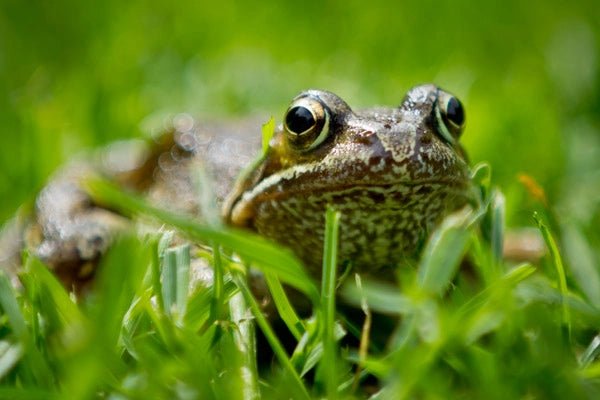
Frog hotels can be created to enhance the aesthetic of your garden, adding a unique and attractive element. Furthermore, the presence of frogs introduces a lovely acoustic component, as their melodies give your outdoor space a calming and natural soundtrack. By enhancing the overall atmosphere of your garden, it becomes a more pleasant place to unwind and relax.
Step-by-Step Guide to Setting Up a Frog Hotel
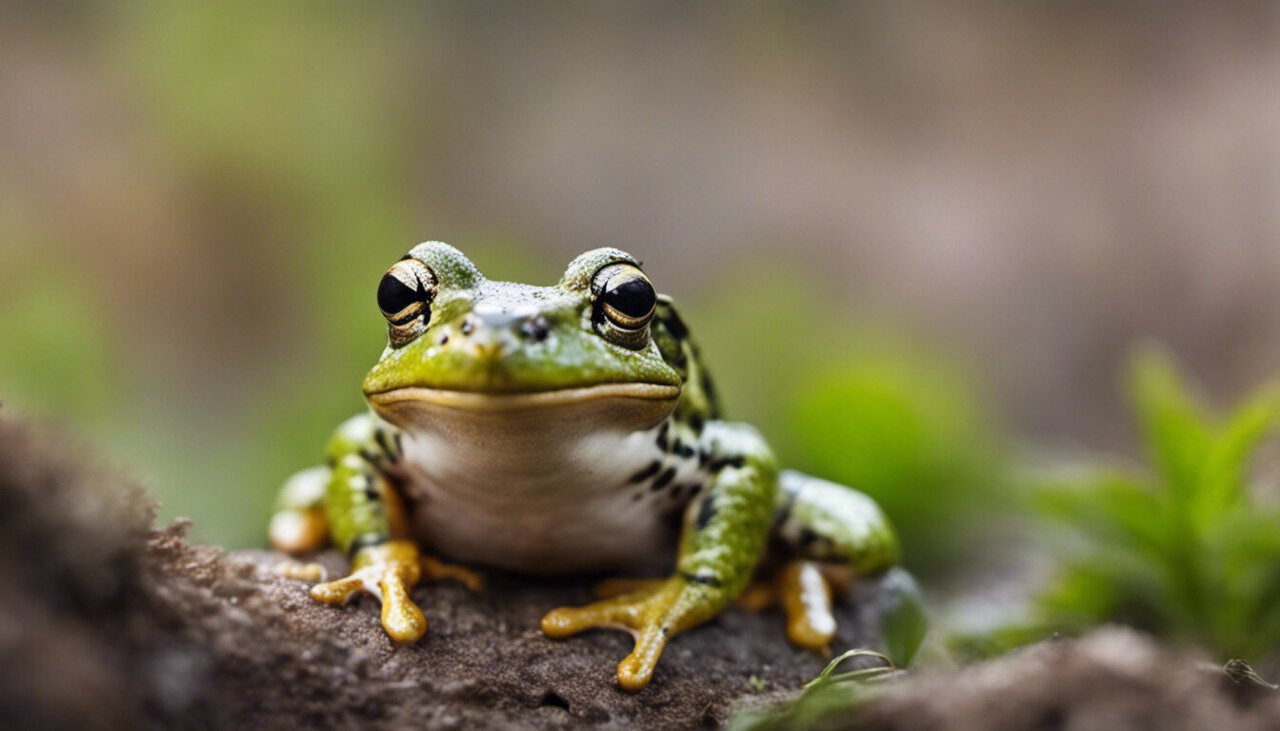
Creating a frog hotel involves gathering materials, choosing a suitable location, and building the construction, all of which are reasonably easy to do. You can build a welcoming habitat for frogs in your garden by following these instructions.
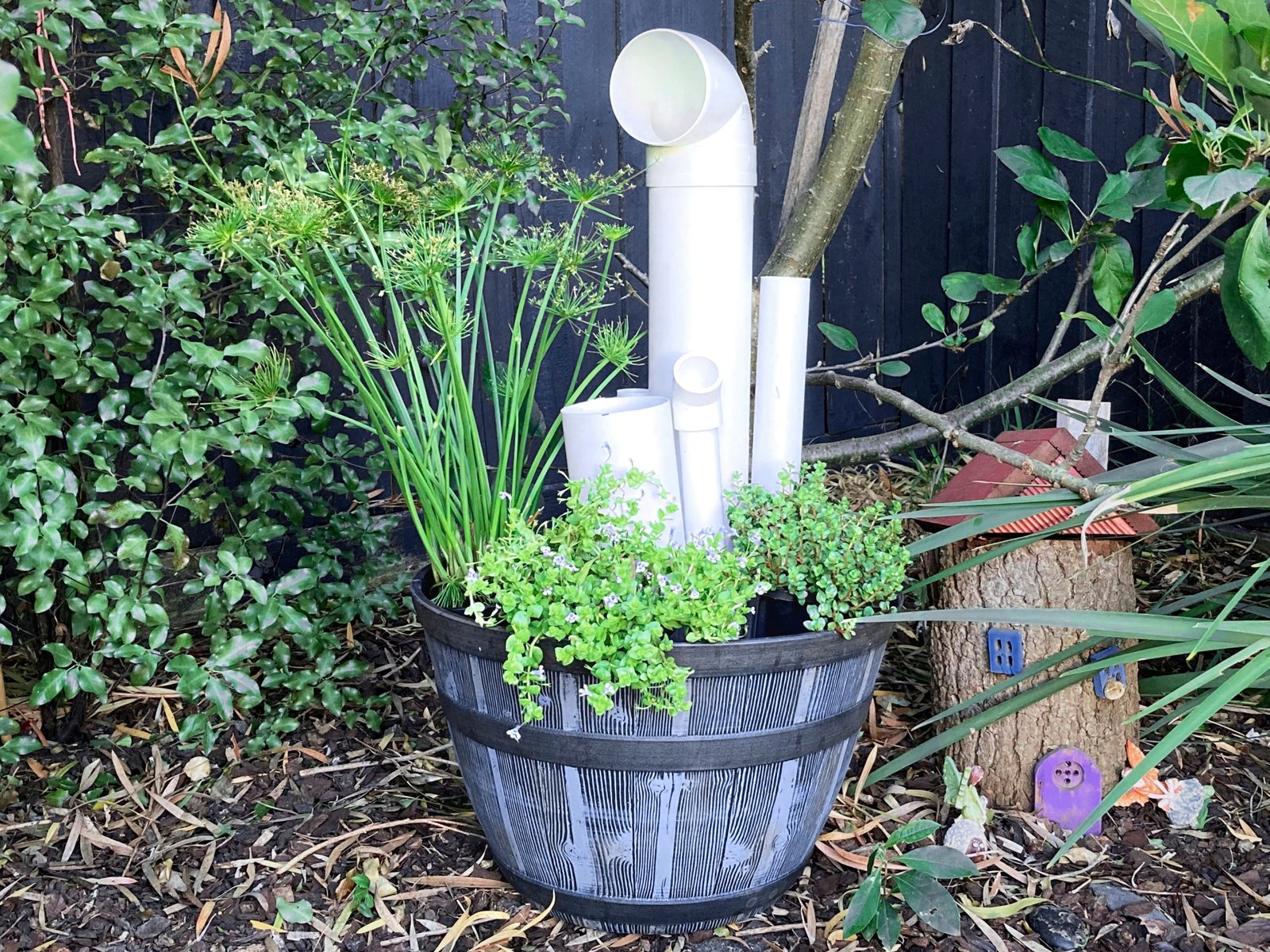
Choosing the Right Location for Your Frog Hotel
Choose a shaded, moist location in your garden, preferably close to a water source like a stream or pond. Because frogs like cold, damp environments, avoid placing the hotel directly in the sun. To keep disruptions to a minimum, ensure that the area is free from pets and people.
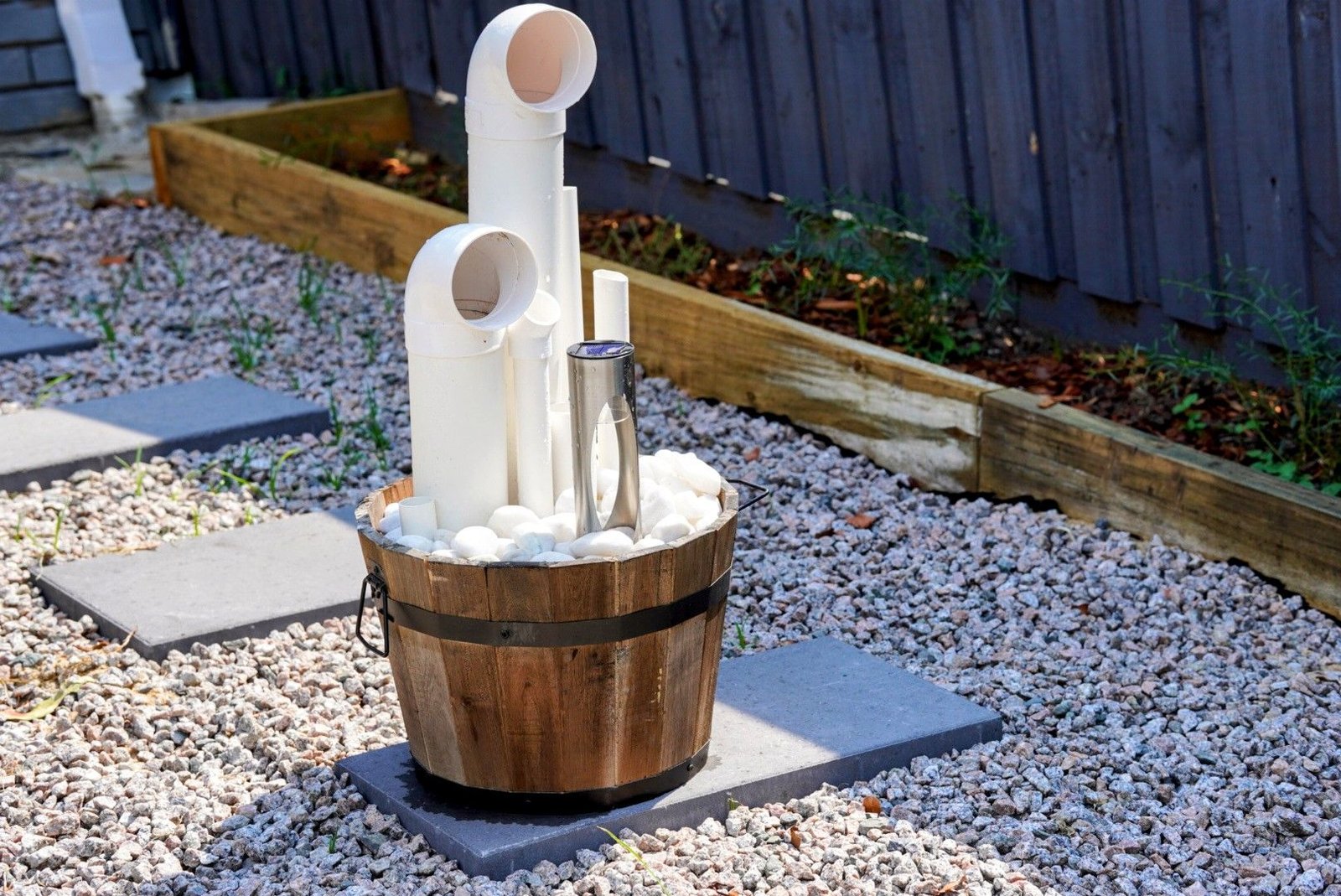
Materials Needed for Building a Frog Hotel
The following supplies are needed to build an appealing and useful frog hotel:
Shelter Materials
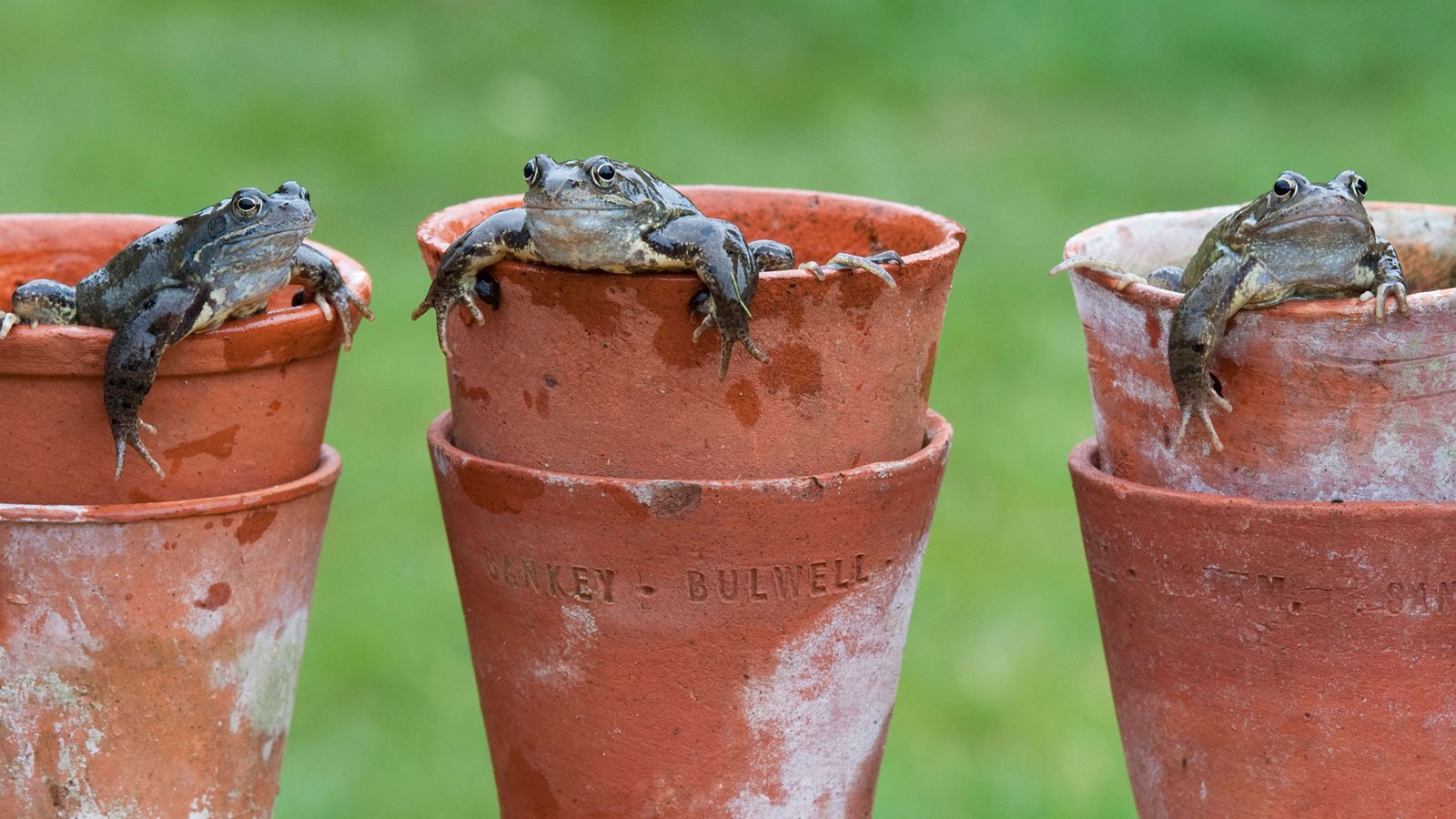
- Ceramic pots (medium to large size) – Offers shielded hiding places.
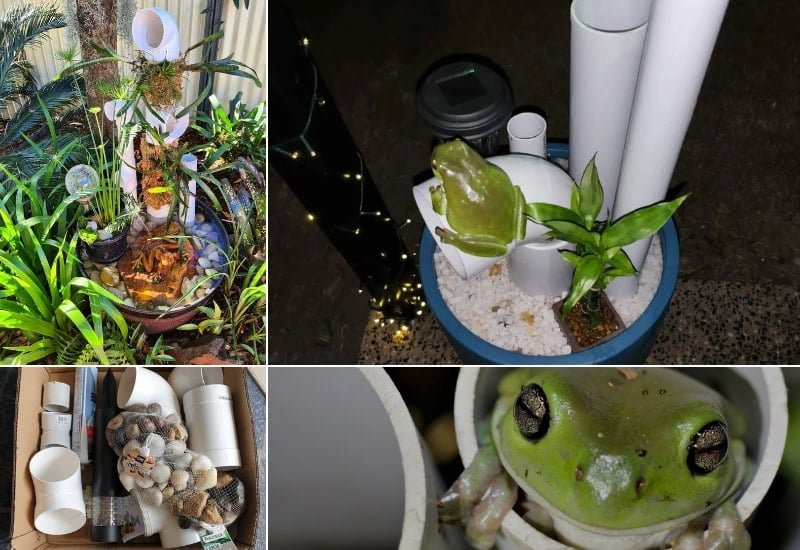
- PVC pipes (various diameters) – Replicates natural crevices for further shelter.
- Hollow logs – Delivers all-natural hiding places and blends in with the surroundings.
- Rocks and stones – Aids in retaining damp, cool microhabitats and stabilizes structures.
Habitat Enhancement Materials
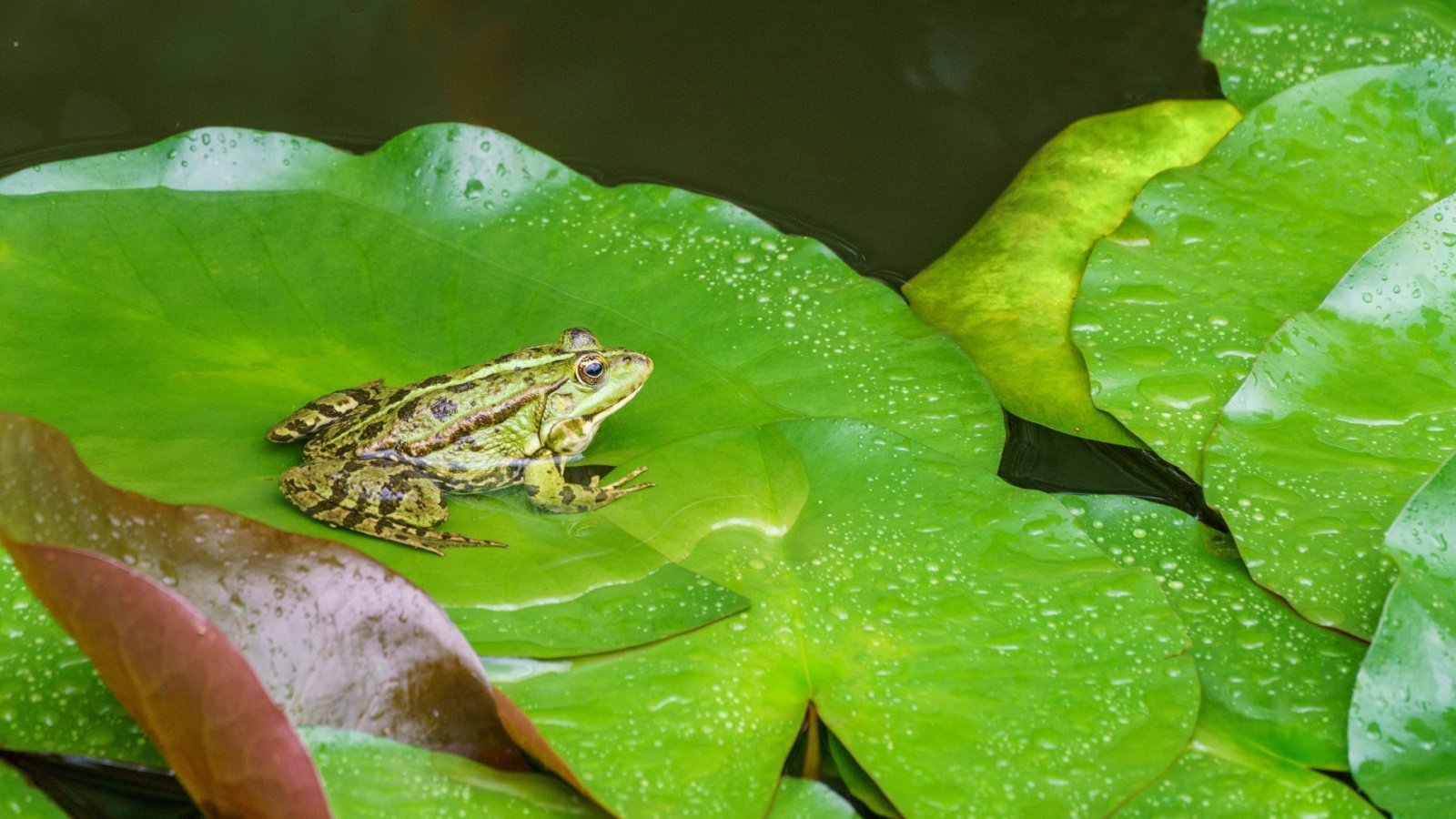
- Water plants (e.g., ferns, water lilies) – Draws insects to provide food, shelter, and shade.
- Leaf litter or mulch – Promotes insects for use as a food source and retains moisture.
- Small water container or shallow pond – Guarantees that frogs have access to water for hydration and reproduction.
Tools Required
- Shovel or trowel – Used for positioning materials and digging.
- Saw – Used to prune PVC pipes or cut logs.
- Drill (optional) – If ceramic pots require additional drainage holes.
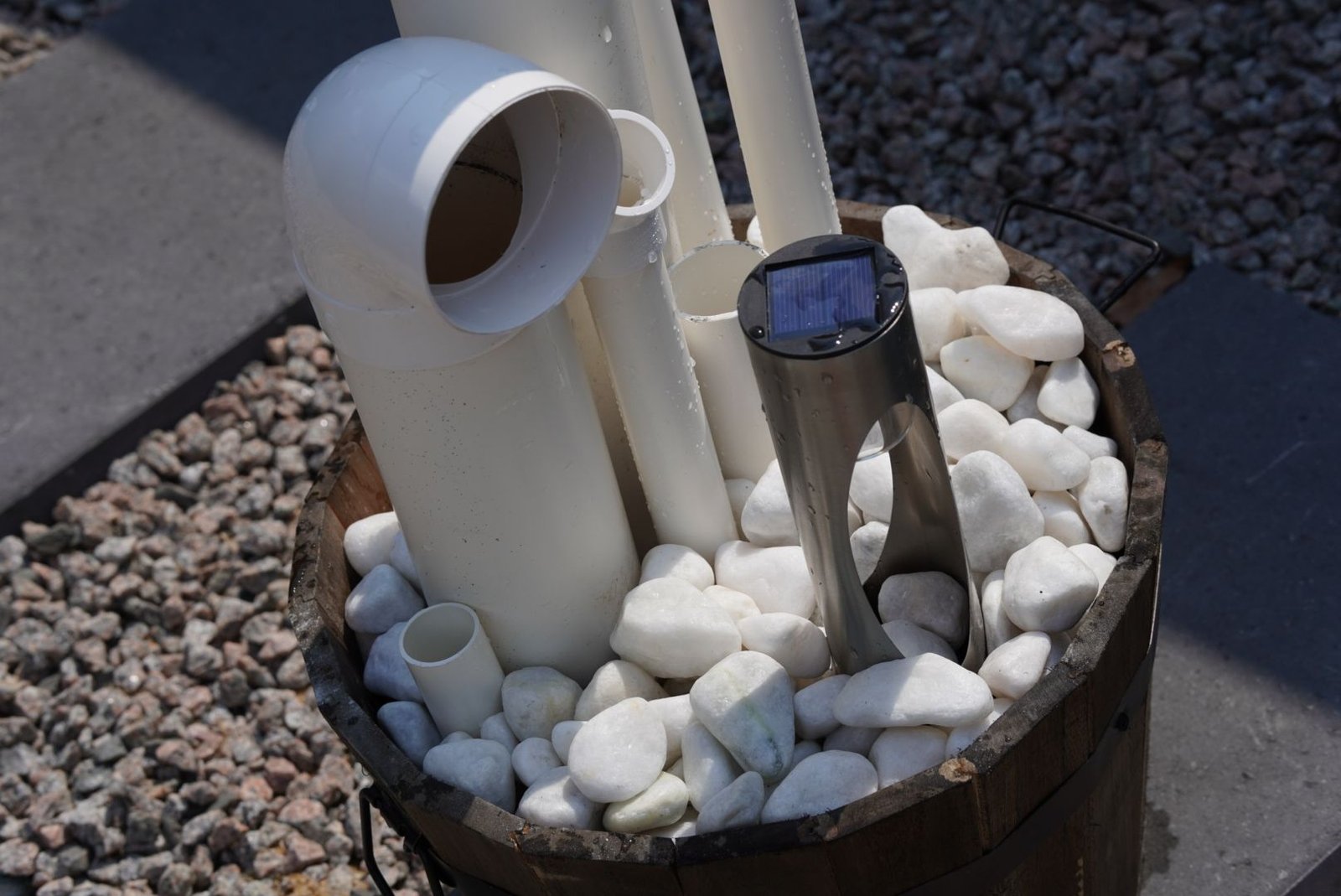
Step 1: Preparing the Base with Ceramic Pots or Other Suitable Materials
For frog habitat, a robust base is crucial for maintaining stability and long-term appropriateness.
Pick a semi-shaded or shaded location in your garden that is next to a water source, such as damp ground or a pond.
Partially bury ceramic pots in the soil on their sides, making sure the openings are still clear. This produces cold, humid hiding spots for frogs.
To keep the pots from collapsing or rolling, secure them with dirt or tiny stones.
Surround the pots with logs and stones to offer a variety of shelter options and to further insulate.

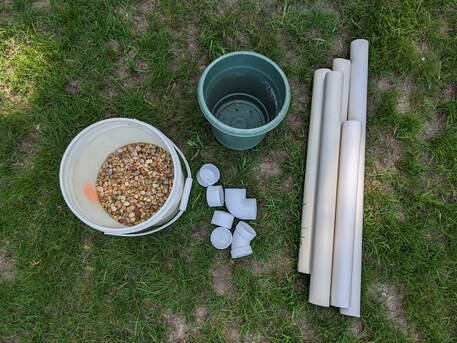
Step 2: Constructing Frog Shelters with PVC Pipes
PVC pipes mimic the confined spaces that frogs naturally seek out for shelter.
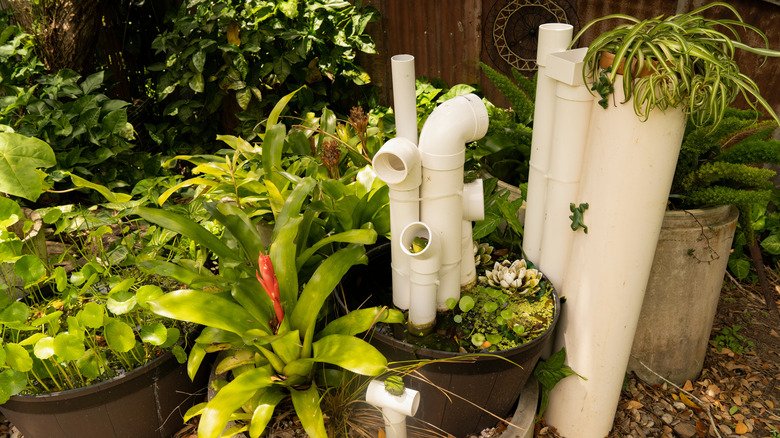
Cut PVC pipes into pieces between 6 and 12 inches (15 and 30 cm) long to fit frogs of various sizes.
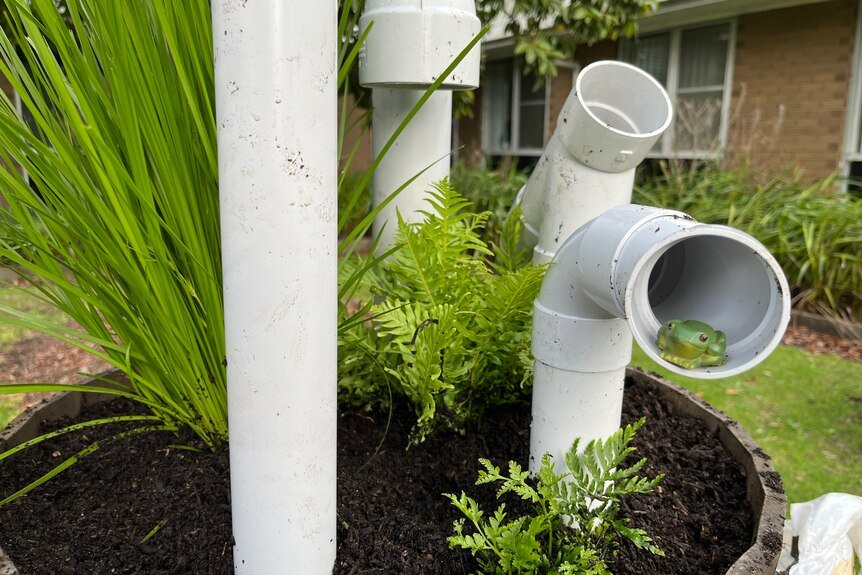
Arrange the pipes vertically and horizontally within the construction to provide a range of shelter options.
To maintain their stability and maintain moisture, bury the lower portions of vertical pipes in the soil.
To prevent water from collecting inside and lower the possibility of drawing mosquitoes, slightly angle some pipes downward.
Step 3: Incorporating Water Plants and Natural Elements
A frog-friendly environment needs plant cover and moisture retention.
Enclose the frog hotel with indigenous aquatic vegetation, such as:
- Water lilies – Entice helpful insects and give shade.
- Ferns and mosses – Aid in keeping humidity and giving shelter.
- Broadleaf plants – Provide more hiding places.
Nearby, add a small water feature, like:
- A shallow dish filled with rainwater.
- A shallow, natural pond with gently sloping sides for simple entry and exit.
To promote insect activity and maintain humidity, cover the soil with damp leaf litter or mulch.
Step 4: Maintaining and Monitoring Your Frog Hotel
Frequent upkeep guarantees a secure and welcoming environment for frogs.
- Check for debris and predators – Get rid of any accumulated leaves or possible dangers, such as invasive species or stray animals.
- Replenish water sources – Ensure that the water is still pure and devoid of pollutants.
- Monitor frog activity – Watch what species visit the hotel and keep an eye on any changes in population, as these can point to changes in your garden’s ecology.
- Adjust the structure as needed – You might need to add more vegetation or shelters over time to keep the habitat appealing.
Conclusion: Embracing the Benefits of a Frog Hotel in Your Garden
You contribute to biodiversity and natural pest control by building a refuge for these vital amphibians through the establishment of a frog hotel. The advantages go beyond your garden by promoting educational opportunities and supporting broader conservation initiatives. Accept the charming aesthetics and noises that frogs produce, and take pleasure in a more vigorous and healthier garden ecosystem.


