

A bay tree, scientifically known as Laurus nobilis, is more than an attractive, fragrant addition to your garden. Bay trees provide a multitude of benefits, both in terms of aesthetics and practical use. They not only enhance your backyard with lush greenery, but also offer a continuous supply of bay leaves, which are essential in many recipes. Bay trees are a gift that keeps on giving for both gardeners and cooks. This article will explore why a bay tree should be a staple in every backyard and how to use its leaves to improve your cooking and overall well-being.
Understanding the Bay Tree: A Brief Overview
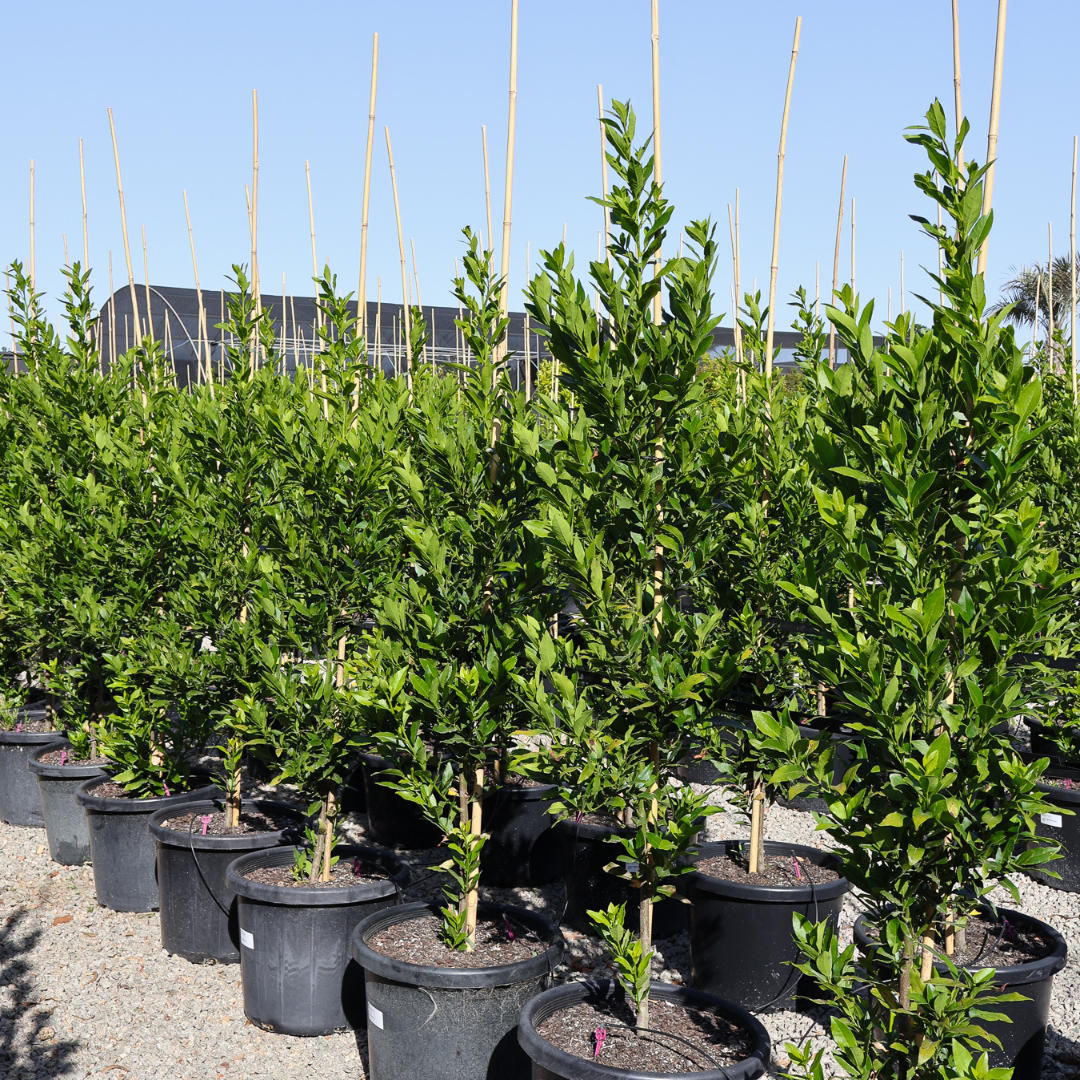
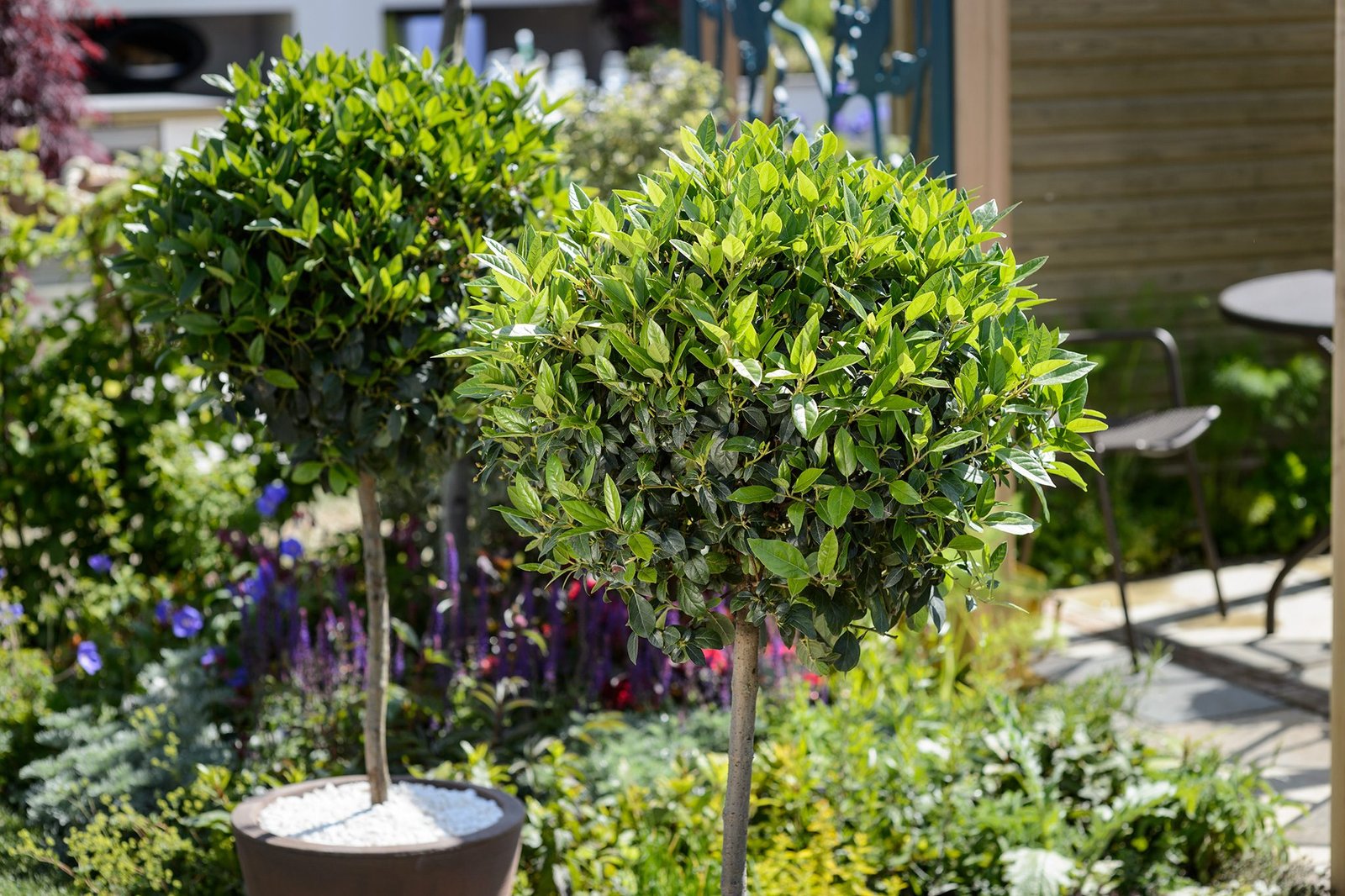
The bay tree, also called bay laurel, represents a hardy evergreen shrub that originated in the Mediterranean. Grown as either a tree or a shrub, it stands out with its shiny, dark green leaves, which emit a strong, pleasant aroma. Though slow-growing, bay trees can reach up to 30 feet in height, but can be kept smaller with proper pruning. As they are rather low-maintenance, drought-resistant, and capable of thriving in diverse soil types, they make a great option for home gardeners.
The Culinary Uses of Bay Leaves in Everyday Cooking
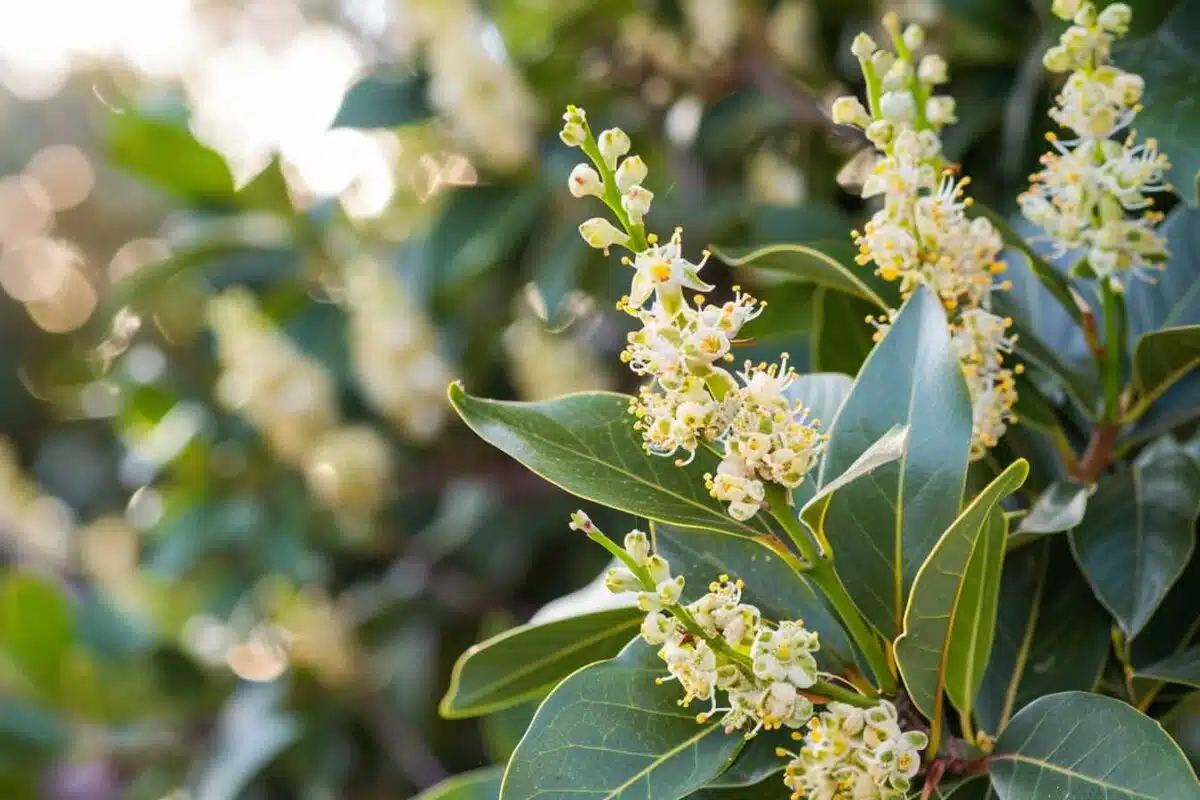
Bay leaves have become a staple in kitchens around the globe, celebrated for their ability to enhance the flavor profiles of soups, stews, sauces, and braised dishes. The flavor is released gradually during cooking, making them ideal for recipes that require long cooking times. Whether you’re preparing a traditional French bouquet garni or adding complexity to an Italian ragu, a bay leaf frequently serves as the secret ingredient. To use, simply incorporate whole leaves into your dish while cooking and be sure to eliminate them before serving. The subtle, earthy flavor of bay leaves has the power to elevate everyday meals into gourmet experiences.
Health Benefits Associated with Bay Leaves
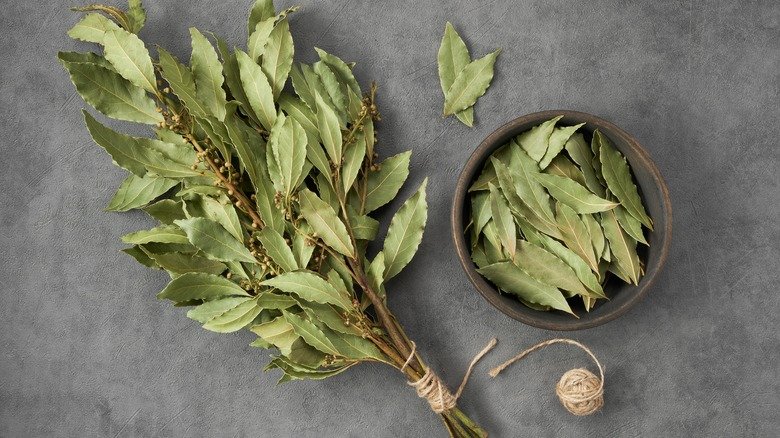
Beyond their role in the kitchen, bay leaves also offer various health advantages. They boast a rich supply of vitamins A, C, and B6, alongside minerals such as iron and manganese. Featuring anti-inflammatory, antifungal, and antibacterial characteristics, bay leaves represent a natural choice for reinforcing immunity and promoting overall health. Traditional medicine has utilized them to alleviate digestive problems, alleviate stress, and foster heart health. Integrating bay leaves into your dietary regimen can be a straightforward, yet effective approach to boost your wellness.
Growing and Caring for Your Bay Tree: A Step-by-Step Guide
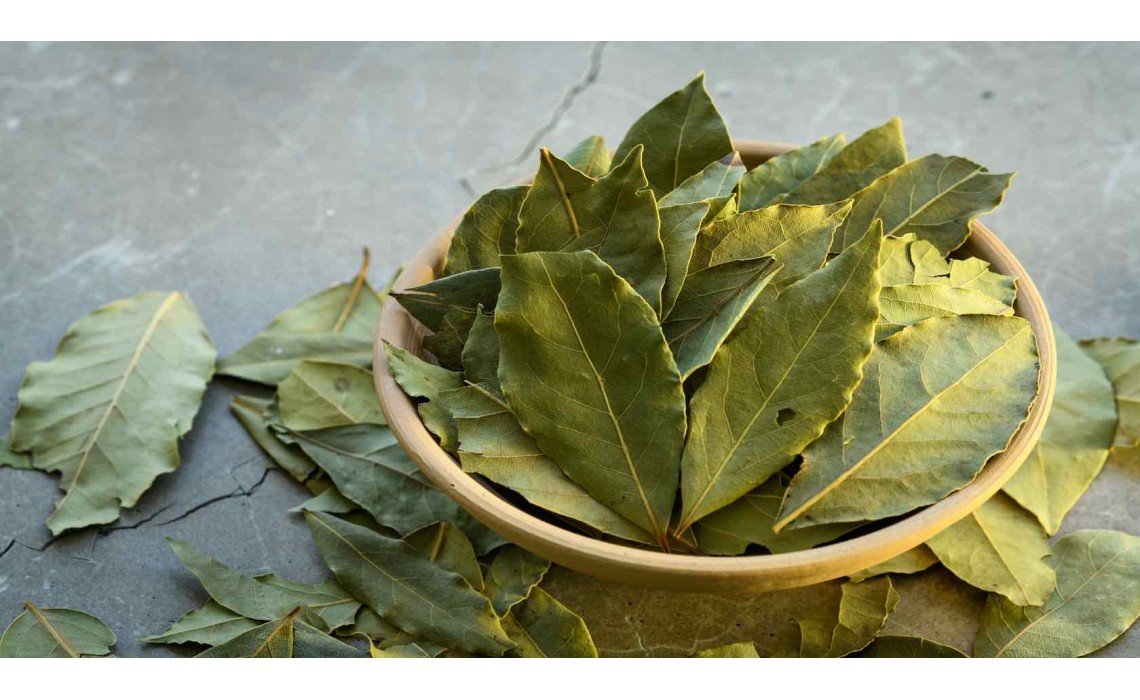
Your bay tree journey begins by carefully selecting the perfect spot within your garden. Bay trees thrive best in sunny or partially shaded environments that provide well-drained soil. Plant young bay trees in the spring and supply regular watering during their first year to encourage the establishment of a robust root system. Once established, bay trees need only minimal watering and tolerate drier conditions. Prune your tree on a yearly basis to manage its shape and size, and implement mulch around its base to help retain moisture and fend off weeds. Your bay tree will thrive and consistently give you fragrant leaves with proper care.
Harvesting Bay Leaves: When and How to Do It Properly
Midsummer offers the ideal time to harvest bay leaves, aligning with the peak concentration of essential oils in the leaves. Choose well-developed, deep green leaves, as they will provide the strongest taste. Employ sharp scissors or pruning shears to cut the leaves, taking the necessary precaution to leave ample foliage to maintain growth. Rinse the leaves using cool water and pat them dry before you use or store them. Consistent harvesting yields flourishing growth and provides a continual source of fresh leaves.
Storing and Preserving Bay Leaves for Long-Term Use
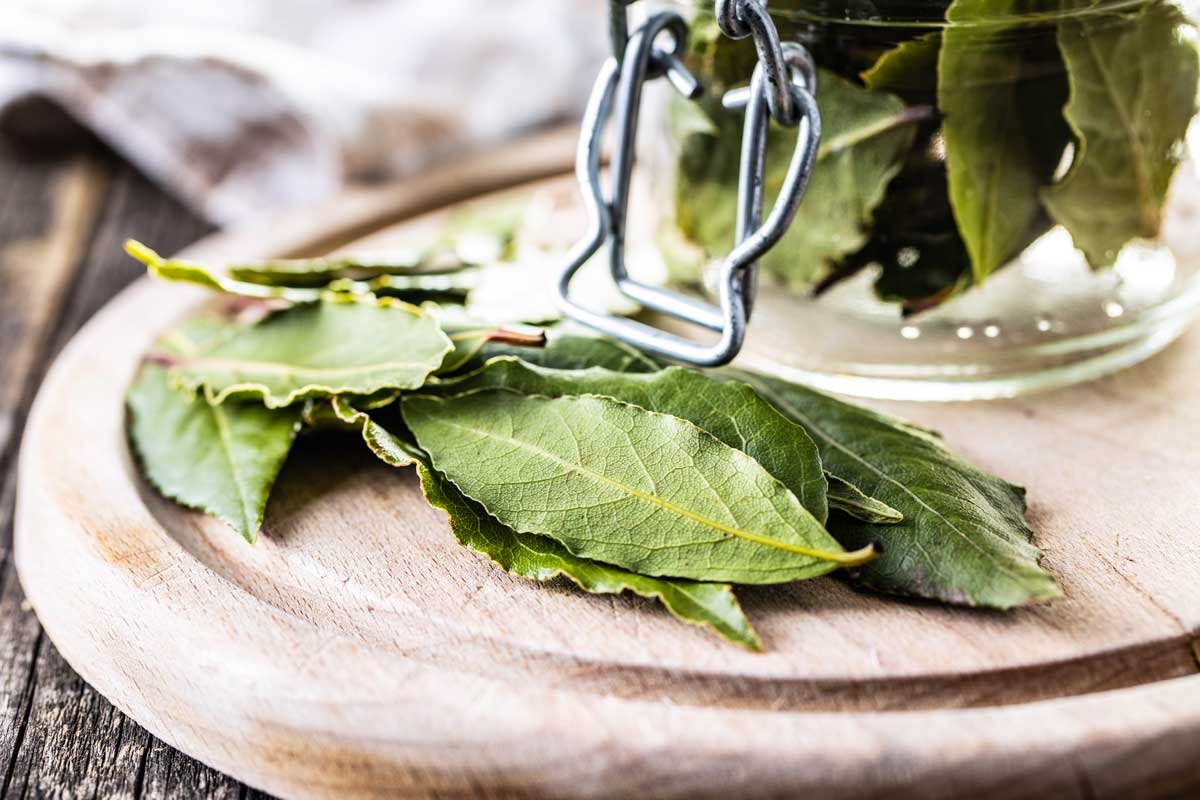
Fresh bay leaves can be put to immediate use or dried and stored for future cooking. To dry, distribute the leaves in a single layer across a baking sheet, putting them in a warm, dry space that is away from direct sunlight. Turn the leaves on occasion until they reach total dryness and turn brittle. Place the dry bay leaves in an airtight container away from light and moisture. Bay leaves, when stored correctly, can preserve their taste for up to one year. Alternatively, fresh bay leaves can be frozen; just put them into a sealed plastic bag and store in the freezer for a duration up to six months.

Creative Non-Culinary Uses for Bay Leaves in Your Home
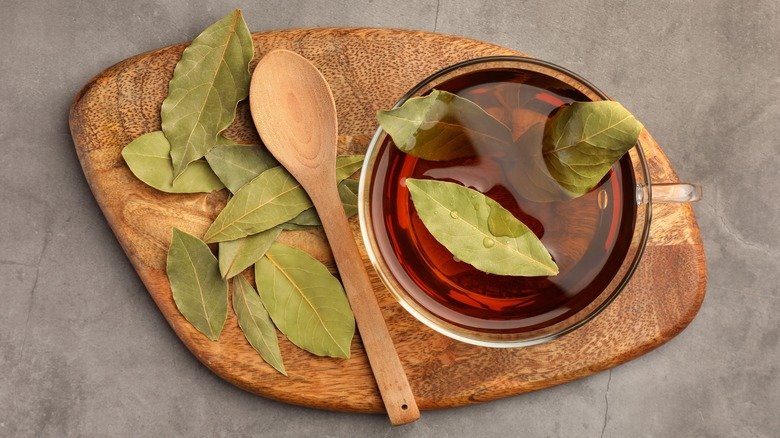
Beyond their use in the kitchen, bay leaves offer diverse utility throughout the home. Use bay leaves to create a natural air freshener by boiling a handful in water to release their pleasant scent. Because of their antibacterial abilities, bay leaves are also useful in DIY cleaning solutions. In addition, placing bay leaves within pantries and storage locations tends to repel pests such as moths and cockroaches. Some individuals also incorporate bay leaves into handmade sachets and wreaths, blending aesthetic appeal with practical function. Their versatility makes bay leaves an essential resource to any household.
Common Pests and Diseases Affecting Bay Trees
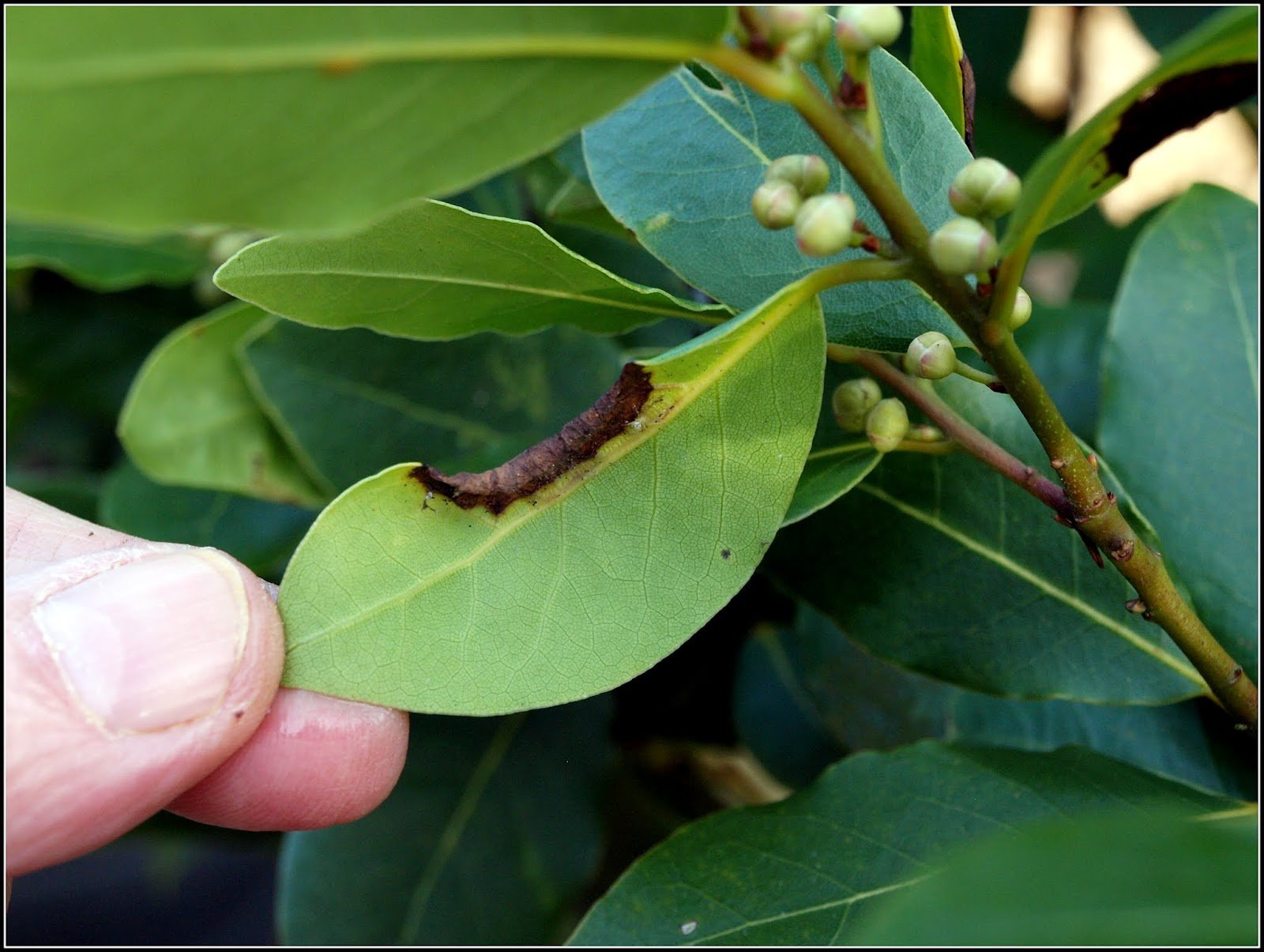
Even though bay trees are generally tough, they can sometimes experience issues with pests or diseases. Common pests include scale insects or aphids, which are manageable with horticultural oil or insecticidal soap. Fungal diseases, such as powdery mildew and leaf spot, can occur in humid weather, but management consists of promoting good airflow and avoiding watering from above. Frequently inspecting your bay tree and implementing efficient garden practices should prevent most issues. Should issues arise, prompt care will maintain the productivity and health of your bay tree.
Conclusion: Why Every Gardener Should Consider Planting a Bay Tree
Introducing a bay tree to your backyard improves not only garden aesthetics and structure but also ensures a consistent source of flavorful and health-boosting bay leaves. Including ease of care and numerous health benefits, in addition to their usefulness for cooking, make bay trees a great option for both experienced and novice gardeners. Additionally, the practical functionality of the leaves within the household only further enhances their value. Planting a bay tree constitutes an investment in a multifunctional plant that enriches your cooking, promotes your health, and supports a sustainable lifestyle. `


