

Sansevieria or Dracaena trifasciata, commonly called snake plants, are well-liked indoor plants because they are tough and have interesting leaves. While many appreciate them for their structural appearance, few are aware that these plants can actually flower. Getting a snake plant to flower is a rare and satisfying occurrence that needs both knowledge and persistence. This article aims to instruct you on how to encourage your snake plant to flower.

Understanding the Natural Habitat of Snake Plants
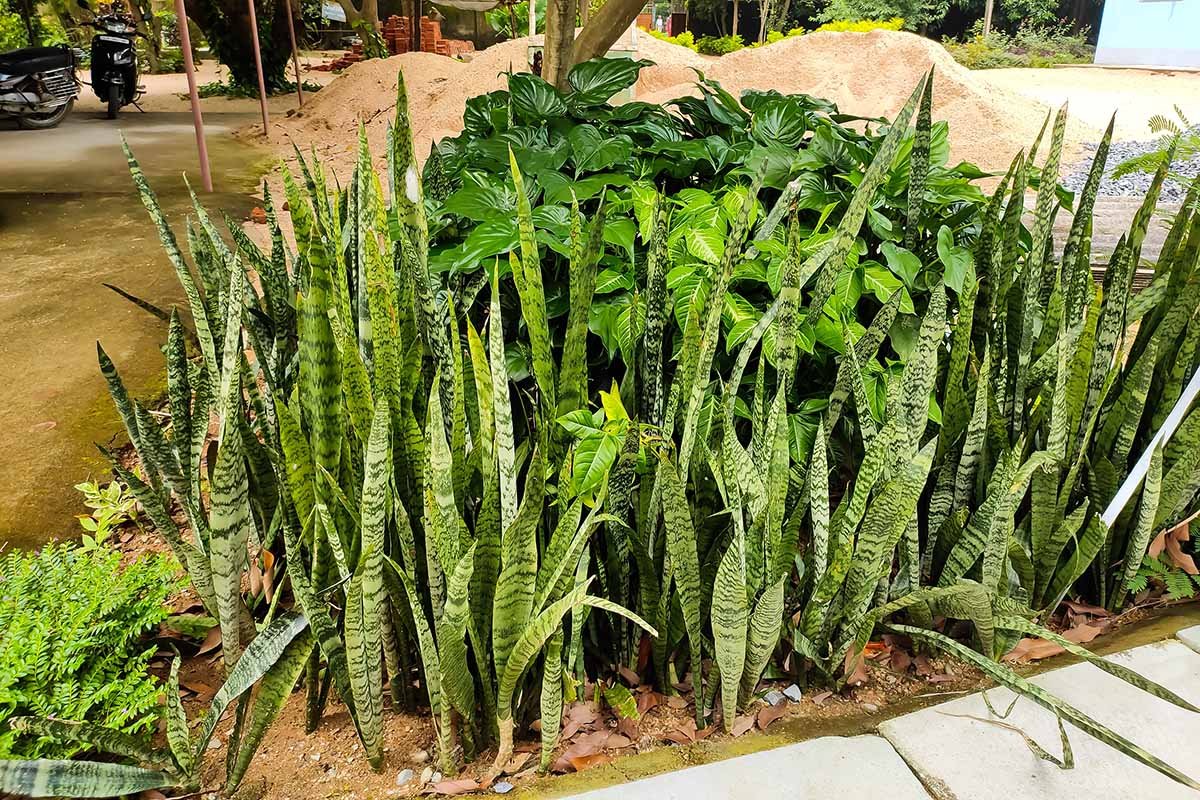
Snake plants come from the hot and dry regions of West Africa, where they do well in rocky areas. In their native environment, they are used to periods of dryness followed by significant rainfall, and this cycle affects how they grow and their potential to flower. By mimicking these conditions, you can foster an environment that encourages the plant to bloom.
Factors Influencing Snake Plant Blooming
Whether a snake plant will flower is influenced by factors such as light, temperature, water, nutrients, and the soil it’s planted in. Understanding the interaction of these elements is key to promoting flowering. Usually, snake plants will flower when they’re a little stressed, achieved with carefully managed environmental adjustments.
![The Puzzling Snake Plant Flower: What Does it Mean? [Solved]](https://seedtoflowers.com/wp-content/uploads/2025/08/snake-plant-flowering-guide-tips-to-encourage-rare-blooms-68a31e10772f0.jpg)
Optimal Light Conditions for Encouraging Blooms
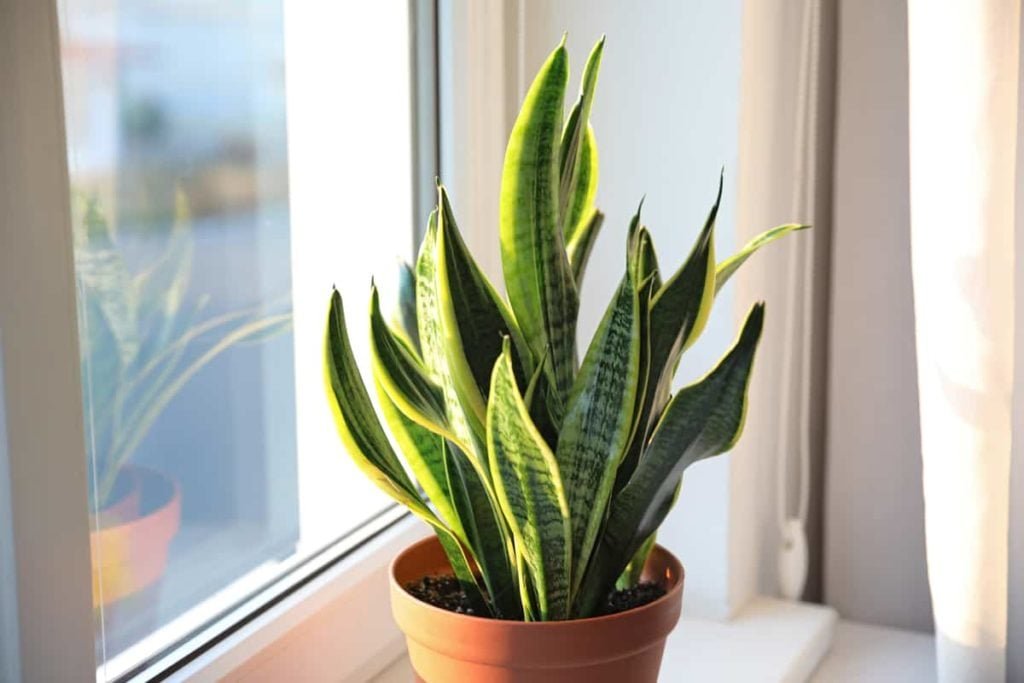
While snake plants thrive best in bright, indirect light, they can handle lower light levels. However, to stimulate blooming, it’s best to provide a few hours of direct sunlight daily. This boosts light exposure, imitating the brighter conditions of their habitat during certain seasons, which can prompt flower growth.

The Role of Temperature in Snake Plant Flowering
Temperature is a major factor in the flowering of snake plants. They flourish in warm daytime temperatures, around 70-90°F (21-32°C), and cooler nighttime temperatures. This change in temperature replicates their native setting and can start the flowering process. Avoid exposing them to temperatures lower than 50°F (10°C), as this might cause plant stress and prevent blooming.
Watering Techniques to Promote Flowering
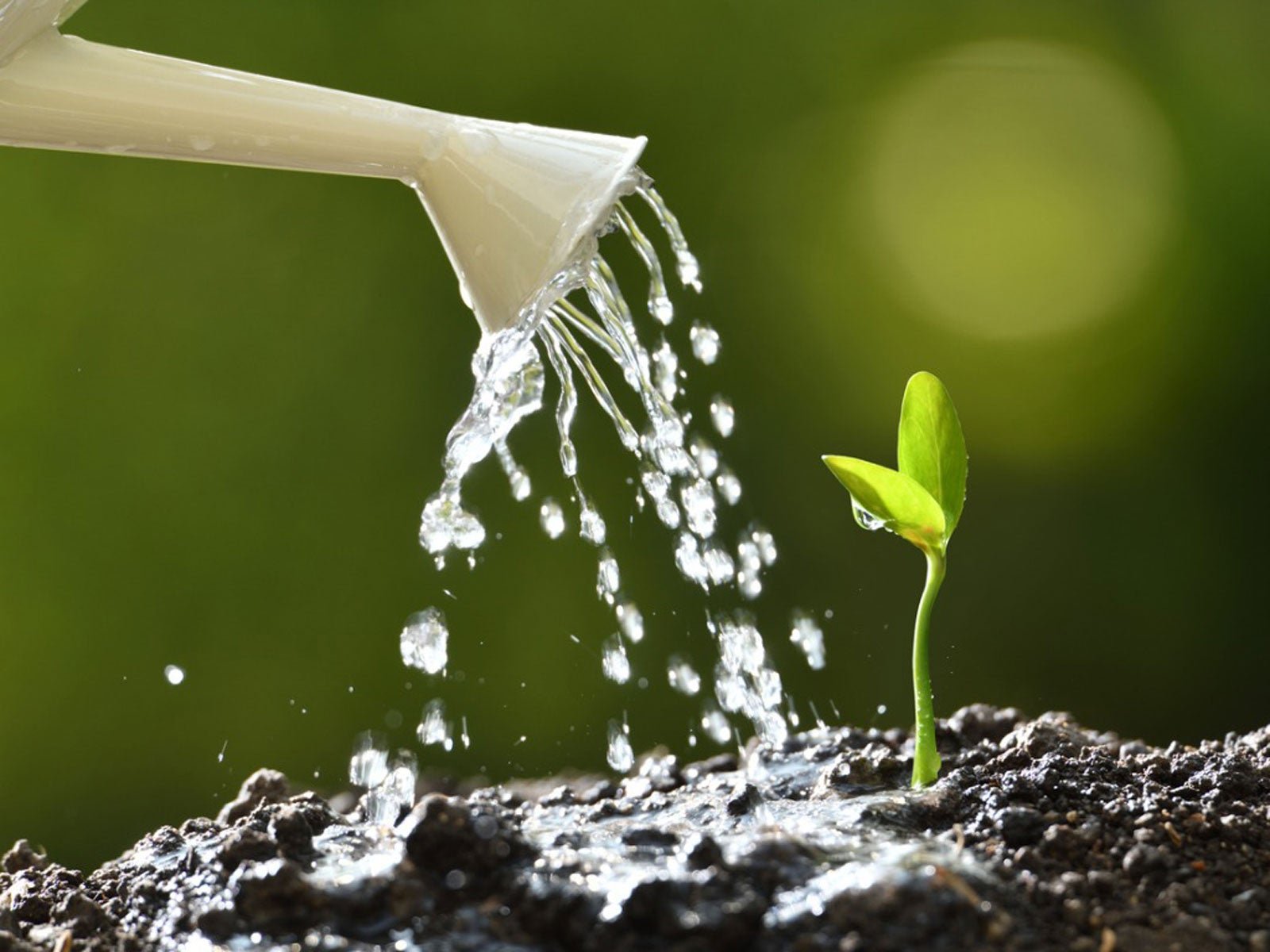
The right watering method is vital for encouraging snake plant blossoms. These plants are able to withstand drought for a time and are better if their soil is allowed to dry fully between waterings. Root rot, caused by overwatering, stops blooming. To encourage flowering, first let the earth become completely dry before watering again. During the growth period, watering may be done a little more often, mimicking the rainy season.
Nutrient Requirements for Blooming Snake Plants
Snake plants don’t need a lot of feeding, but the right nutrients can help them flower. Throughout the growing season, a balanced, slow-release type of fertilizer will meet their basic requirements. But be careful not to over-fertilize, as salt can build up in the soil, which can be dangerous to the plant and stop it from blooming.
The Importance of Proper Potting and Soil
Proper potting is essential to the health and development of snake plants, as well as their capacity to flower. Select a potting mix that drains well, such as one designed for cacti or succulents, to prevent water from sitting in the soil. Ensure that water can escape by including drainage holes in the pot. Repotting every so often also helps to replenish the soil while also providing the plant with more room, which may encourage blooms.

Identifying and Addressing Common Issues
Overwatering, not enough light, and lack of nutrients are typical problems that can stop snake plants from flowering. In addition, pests such as spider mites and mealybugs can stress the plant and inhibit blooming. Regularly check the plant for signs of difficulty and address any issues as soon as possible to preserve its health and ability to blossom.
Signs That Your Snake Plant Is Ready to Bloom
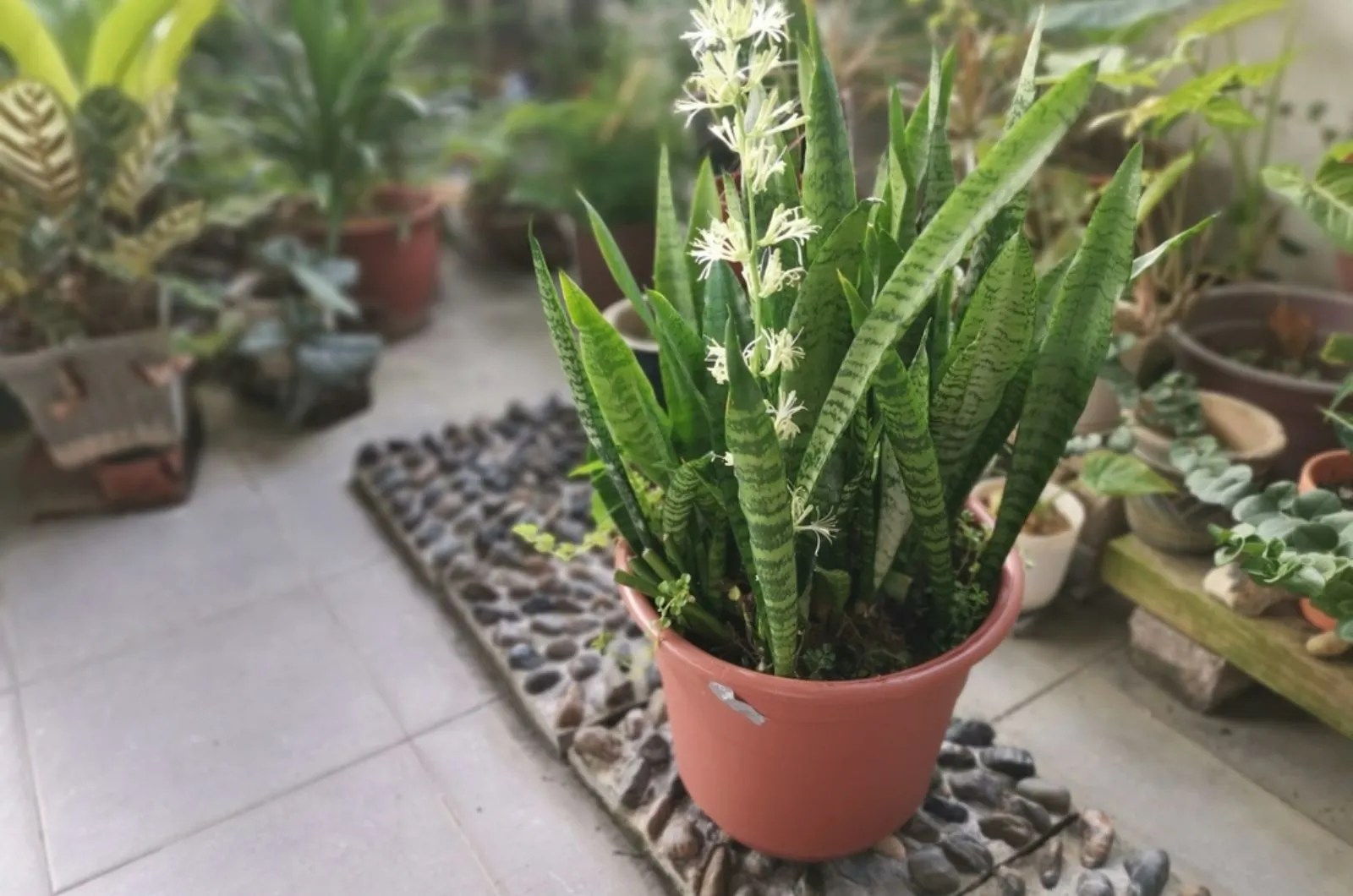
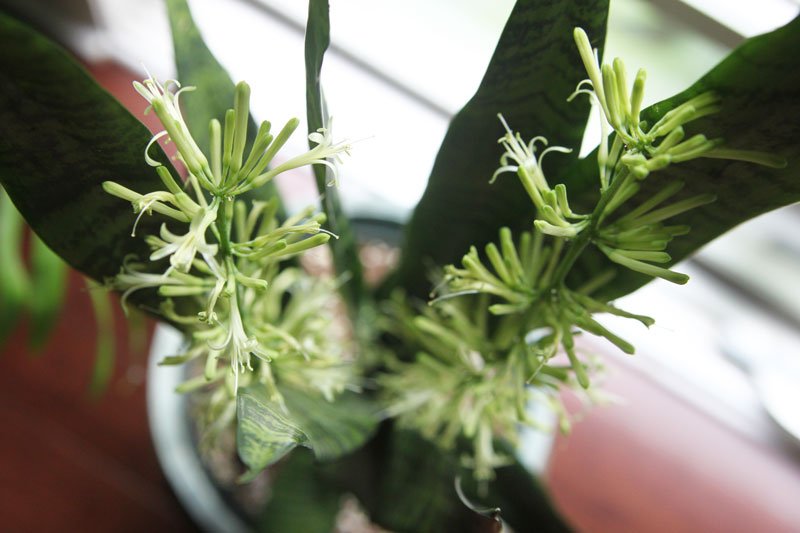
A tall bloom stalk will appear in the center of the plant when a snake plant is prepared to blossom. The blossoms are often tiny, white, fragrant, and open in the evening. Additional signs that the plant is thriving in its current environment include vigorous growth and a healthy appearance.
Caring for Your Snake Plant During the Blooming Phase
Keep providing excellent care for your snake plant after it starts to blossom. To maintain steady growth, maintain consistent light, temperature, and watering schedules. Avoid moving the plant or making any significant environmental changes, as this could cause it stress and stop flowering.
Conclusion
Getting a snake plant to blossom calls for patience and meticulousness. You can create the perfect environment for growth by being aware of the plant’s natural environment and modifying its care as needed. Remember that it is unusual for snake plants to blossom, and even with the greatest attention, it might take several years for your plant to produce blooms. Nevertheless, the delight of witnessing your snake plant in flower is well worth the work.


