

Peonies, cherished for their full blooms and sweet scent, are a garden favorite. Gardeners often see ants crawling on these plants’ buds, which can be confusing or worrying for those unfamiliar with the natural connection. Knowing why peonies attract ants and how to handle their presence is key to a healthy garden.
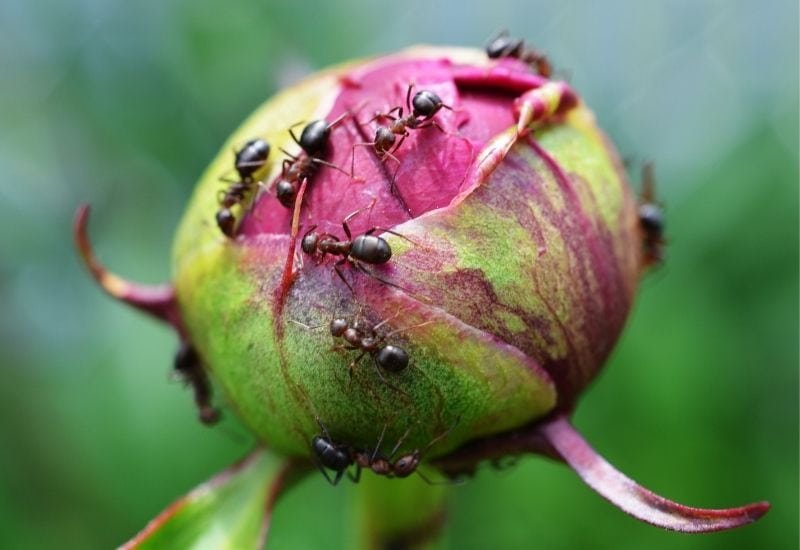
Understanding the Relationship Between Peonies and Ants
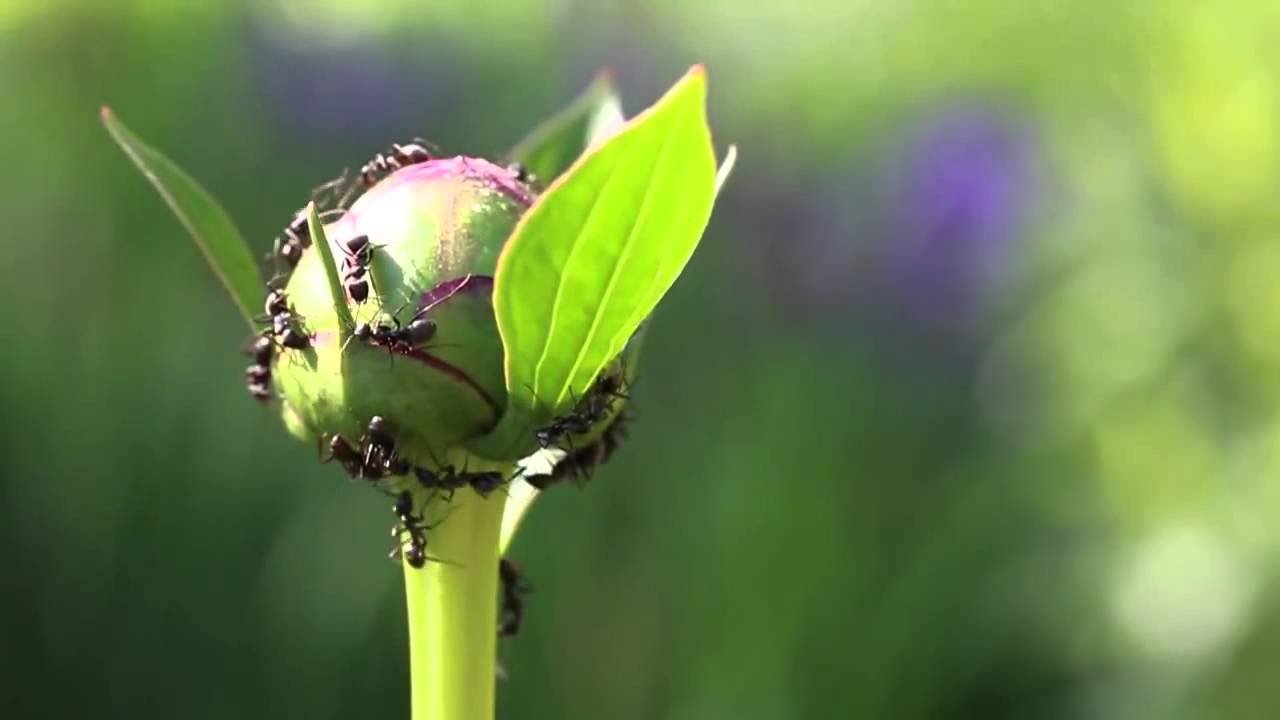
The peony-ant interaction exemplifies mutualism, where both species gain. While ants might seem to hurt peonies, they’re actually involved in a natural process that aids plant growth. Over time, this symbiotic relationship evolved; the ants are drawn to the peony buds’ sweet nectar.
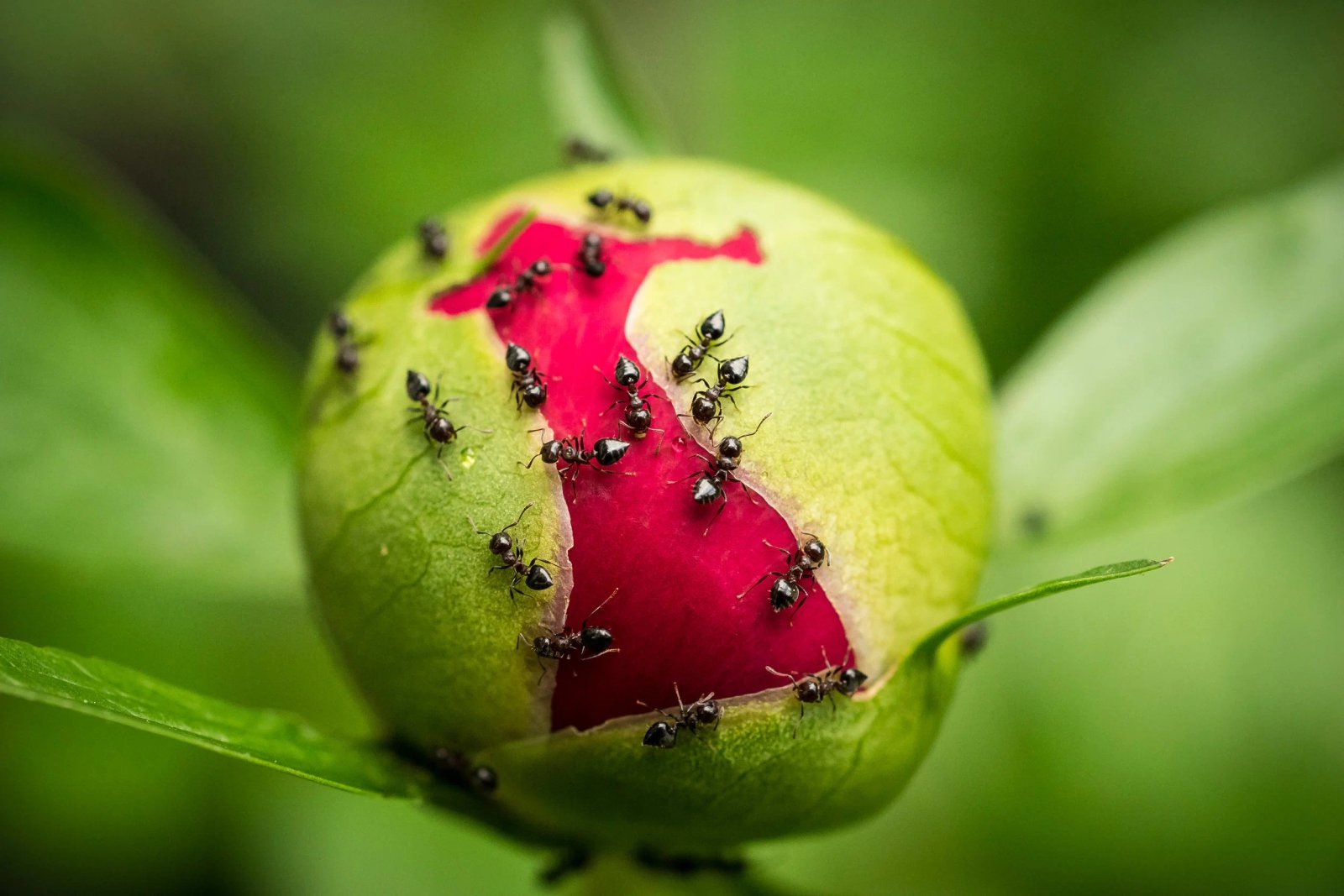
Reasons Why Ants Are Attracted to Peony Buds
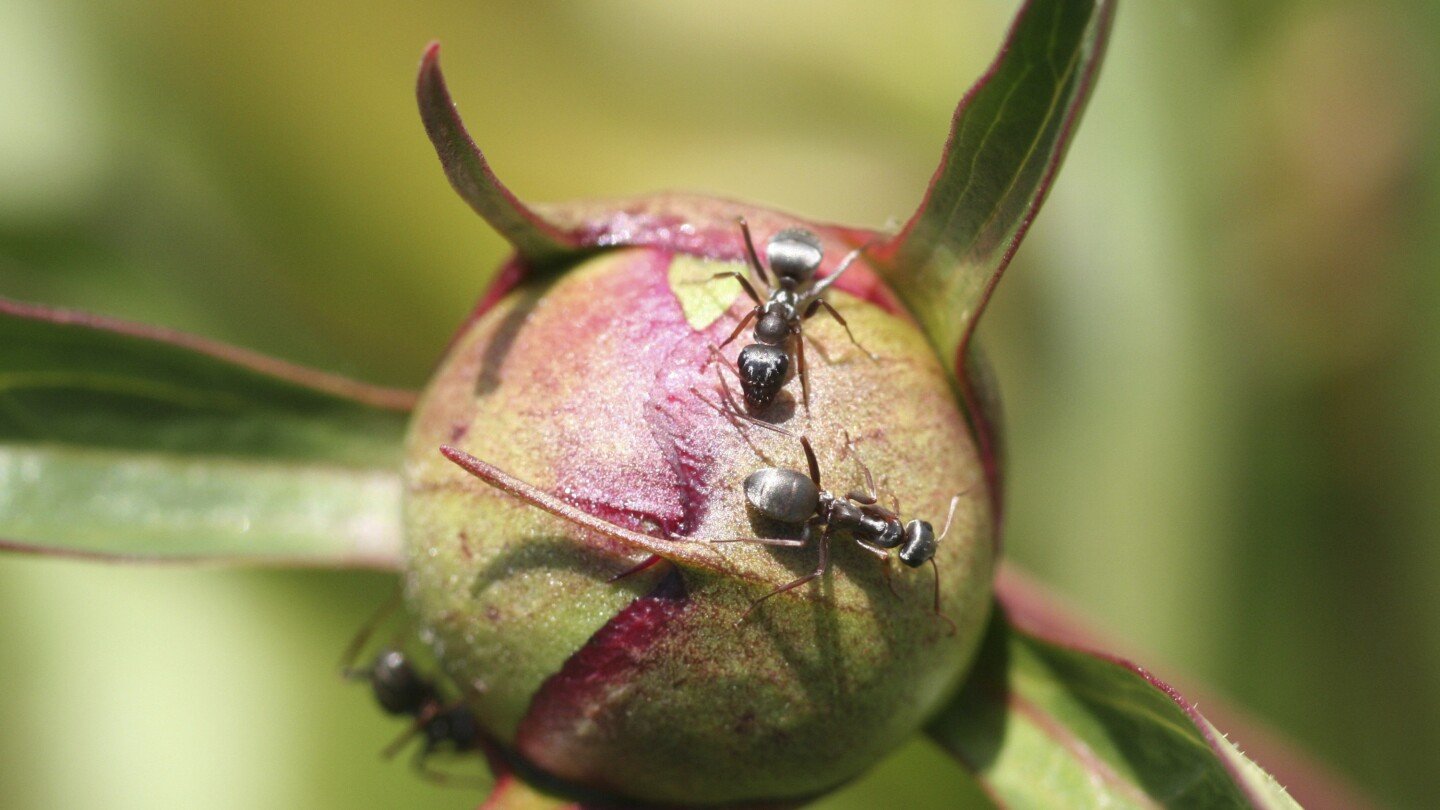
The primary attraction for ants to peony buds stems from the nectar, which serves as their food. Moreover, ants can be protectors of peonies, warding off other pests that could damage the plant. Environmental factors and the role of ants, potentially in pollination, also contribute to their interest in the buds.
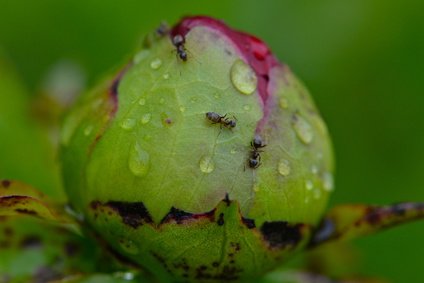
Presence of Nectar on Peony Buds
Peony buds exude nectar, a sugary substance extremely appealing to ants. Extrafloral nectaries, glands outside the flowers, produce this nectar. Because it is a carbohydrate-rich food source, peony buds become highly attractive destinations for ants.
Ants as Natural Protectors
In return for the nectar, ants provide a safety net for peony buds. They deter insects like aphids or caterpillars that could injure the plant. By monitoring the buds, ants help keep damaging pests away, which is indirectly beneficial for peonies.

Environmental Factors
Temperature and humidity influence ant activity on peony buds. Warm, humid conditions particularly boost both nectar production and ant activity. These conditions often result in more ants during certain times of the year.
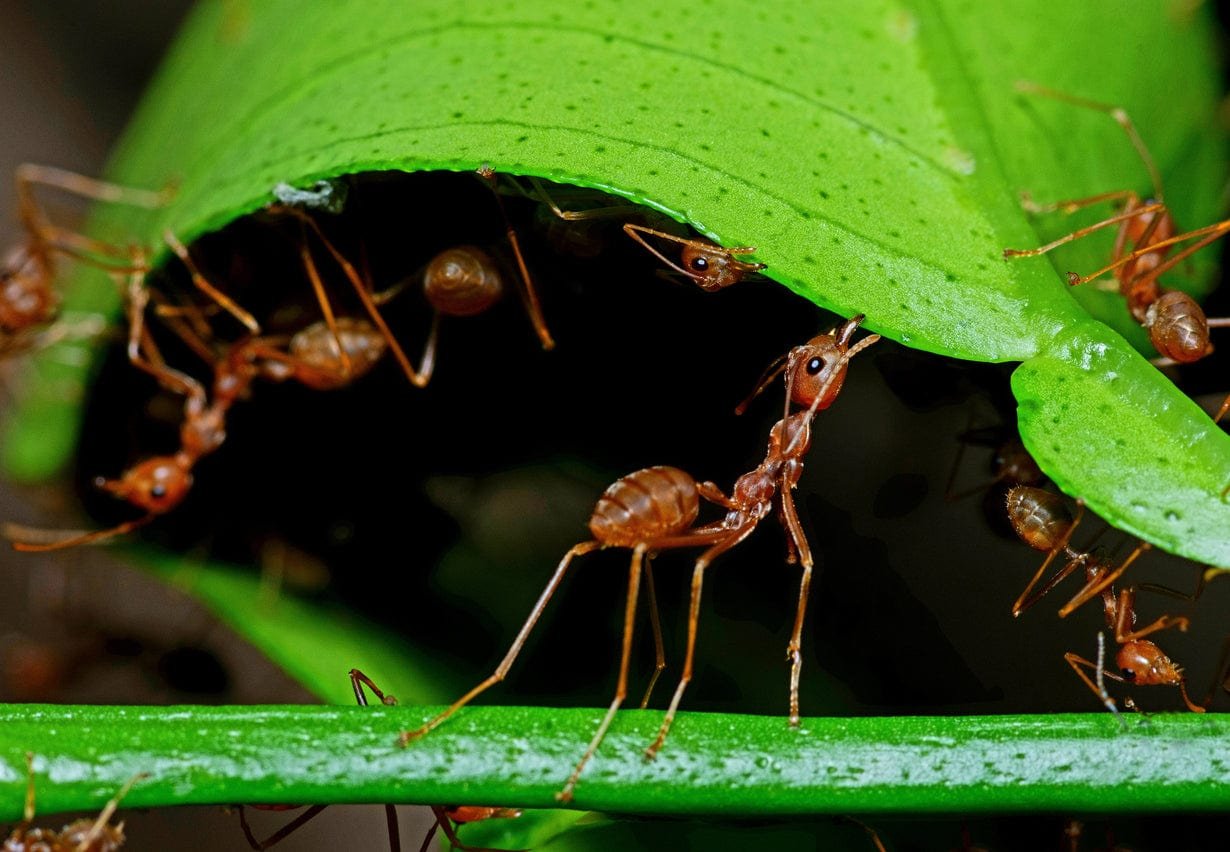
Ants’ Role in Pollination
Though not the primary pollinators, ants moving across buds can assist in pollination. As ants travel between buds, they can inadvertently transfer pollen, aiding the plant’s reproduction.
Potential Concerns with Ants on Peony Buds
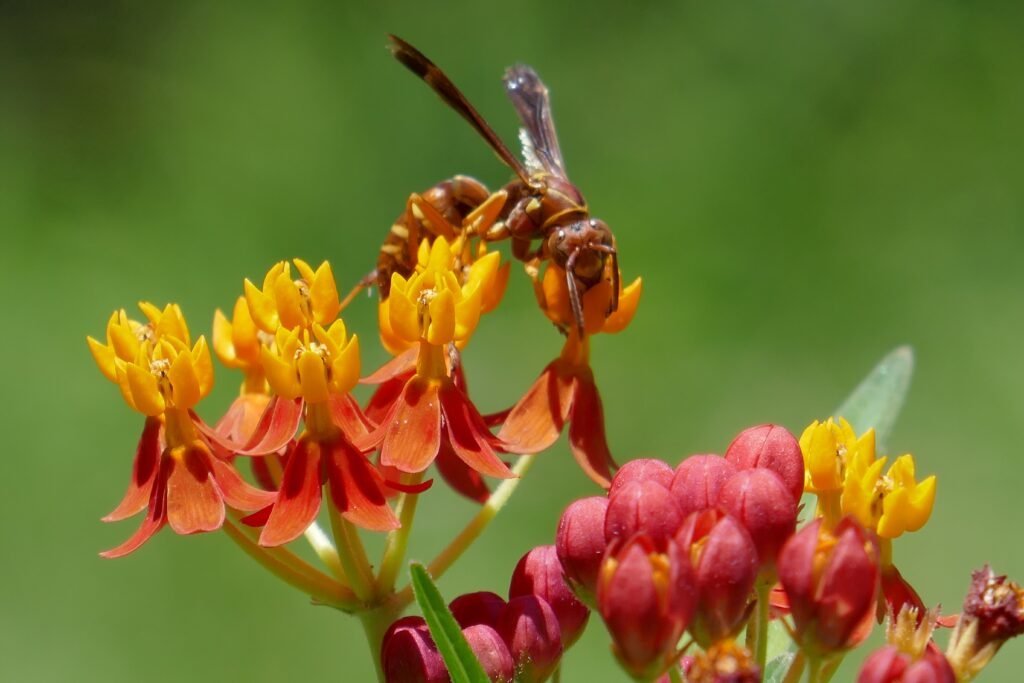
While typically harmless to peonies, their presence can bother gardeners. Also, problems can arise if ants move to other parts of the garden. However, crucial to note is the fact that ants themselves do not harm peony buds.
How to Manage Ants on Peony Buds
Handling ants on peony buds calls for a balanced strategy that respects the natural ecosystem while addressing concerns. Gardeners can adopt various methods to manage ant activity without relying on harmful chemicals.
Gently Removing Ants
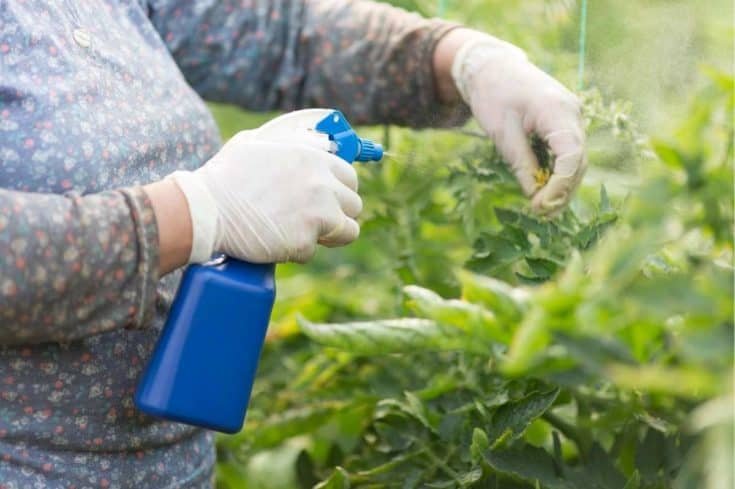
Brushing ants gently off the peony buds using a soft brush or spraying them with a gentle water stream works as a simple method. You can reduce their numbers while minimizing harm to the plants or ants.
Using Natural Repellents
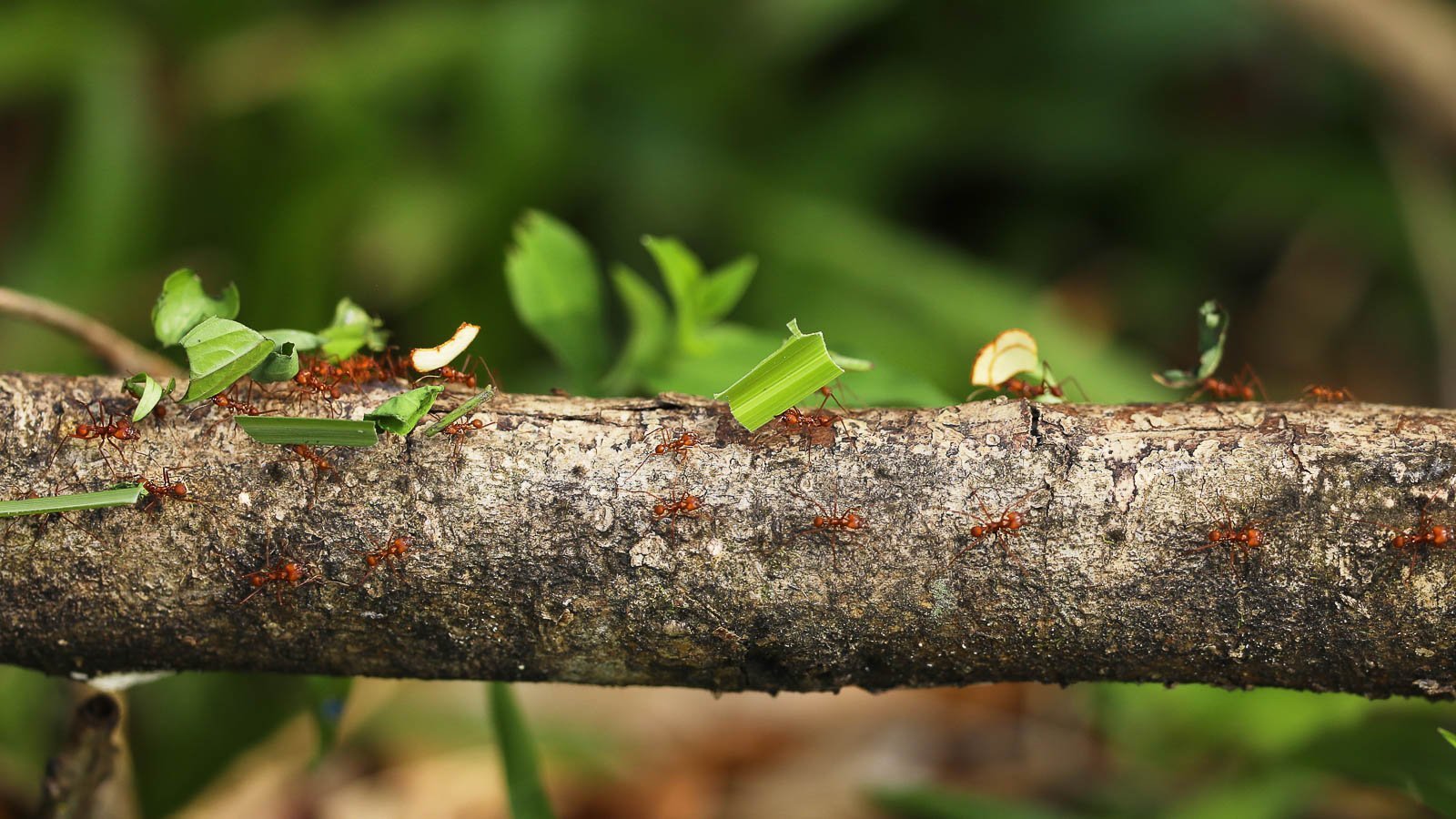
Deterring ants can be achieved using natural repellents like cinnamon, mint, or citrus peels. Ants can be kept at bay without harming them or the environment by sprinkling these around the base of the peony plants.
Maintaining Garden Hygiene
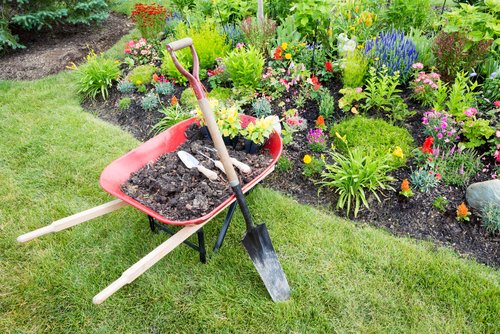
The chance of ant infestations decreases when the garden is clean and clear of debris. Regularly eliminating dead leaves and other organic matter helps minimize habitats for ants, as well as other unwanted pests.
Encouraging Beneficial Insects
Naturally managing pest populations is possible when beneficial insects like ladybugs or lacewings get introduced to the garden. Since these insects prey on destructive pests, the ants’ role as protectors of peony buds becomes less necessary.
:strip_icc()/bhg-beetles-primary-2ddc567687b54c98a9609966655b380a.jpg)
Avoiding Harmful Chemicals
Using chemical pesticides that can harm both ants and the broader garden ecosystem should be avoided. These chemicals can throw the natural balance off and hurt beneficial insects and soil health.
Conclusion: Embracing the Natural Ecosystem
While seeing ants on peony buds might initially cause worry, they belong to the garden’s natural workings. Gardeners can appreciate the peonies’ beauty while keeping a healthy, balanced garden environment by understanding their role and practicing gentle management. A more sustainable and prosperous garden can result from accepting this natural connection.


