

Perennials are garden essentials that provide blooms consistently, year after year. Essential to their longevity and beauty is routine upkeep. Pruning specific plants at the correct time is a crucial component of perennial care. This aids in growth management and encourages more abundant flowering.
June provides an excellent opportunity to prune several perennials. Some plants exhibit wear from their early rapid growth as summer progresses. Gardeners can revive these plants by pruning them in June, guaranteeing they stay brilliant and fruitful for the remainder of the growing season.
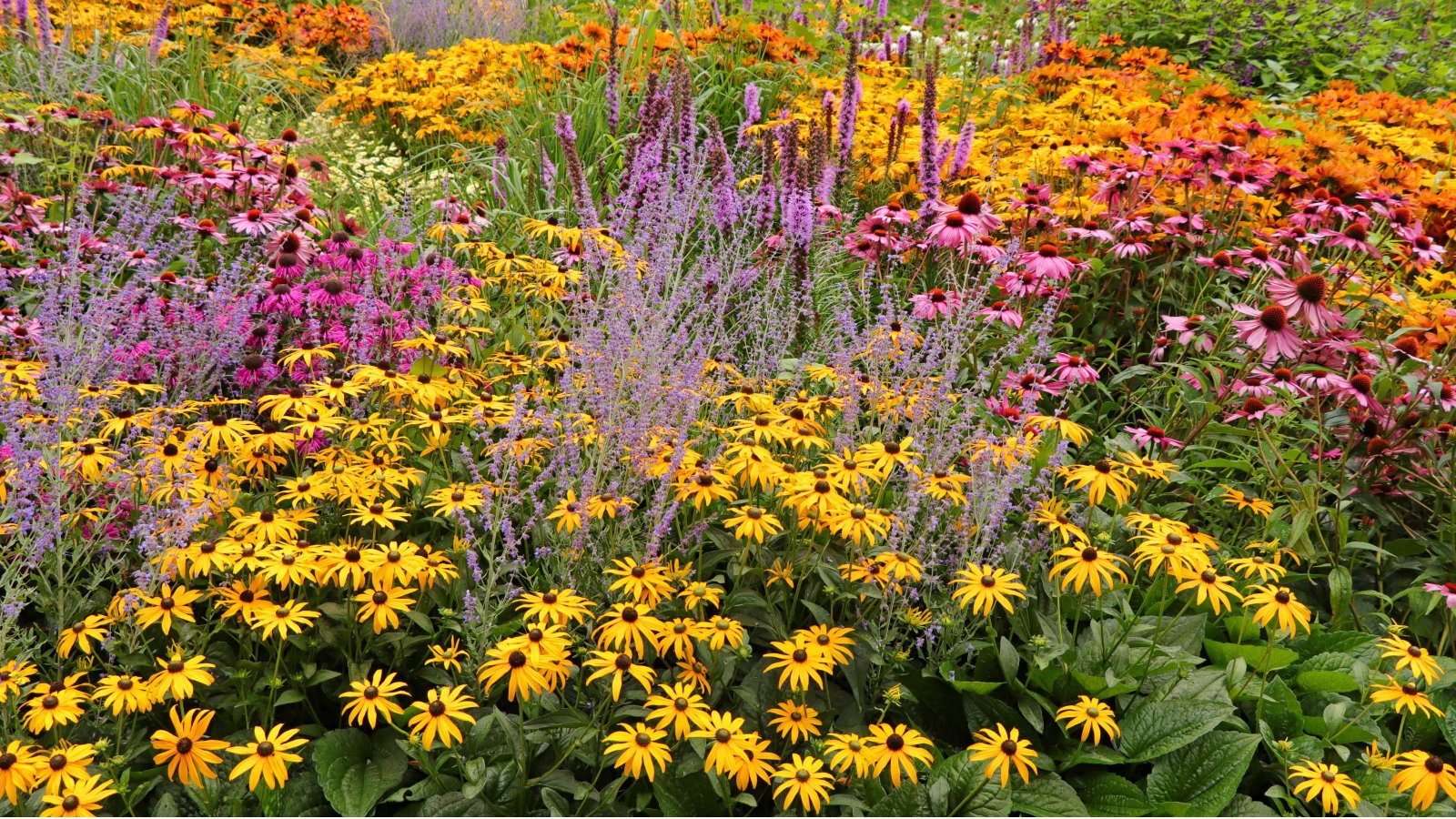
Why June is the Perfect Time for Pruning
The time when many perennials complete their primary flowering makes the transition from spring to summer in June an ideal time for pruning. Pruning spent flowers combined with excessive growth can cause a second bloom. Warm temperatures and extended daylight hours throughout June also promote swift recovery and renewed growth post-pruning.
Gardeners are able to shape their plants prior to the peak heat of summer by pruning in June. This period helps to alleviate plant stress because they will have lots of time to recover and produce fresh growth before the summer is over. Furthermore, plants may be managed with the aid of a cutting back that is done in June, which will prevent perennials from growing too large or wild in the garden.
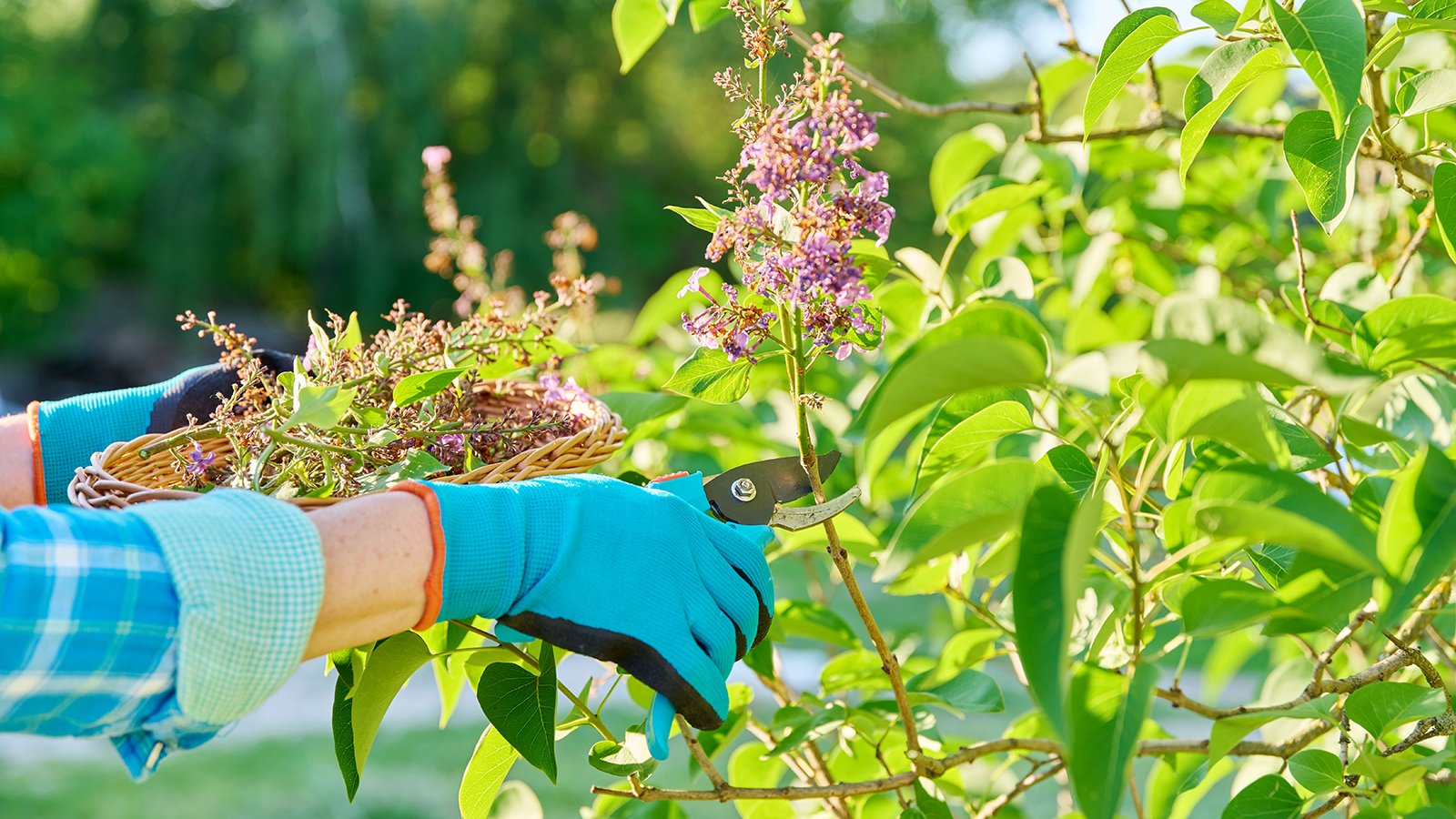
The Benefits of Cutting Back Perennials
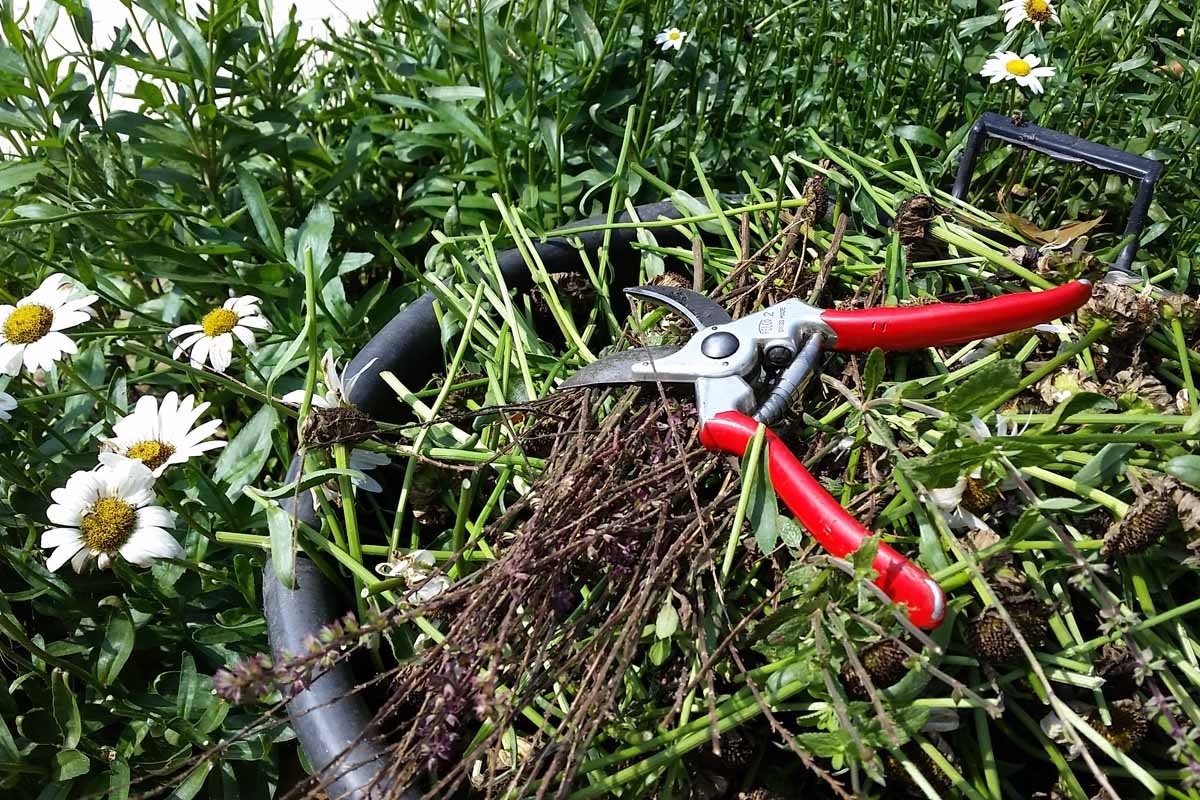
Cutting back perennials offers many advantages, including enhanced plant health and visual appeal. Gardeners can lower the possibility of disease and pest infestations by eliminating spent blooms and dead leaves. This technique also promotes air flow around the plant, which can stop problems, such as powdery mildew.
The promotion of new growth is another considerable advantage. Perennials typically react by sprouting new, strong shoots when pruned. This enhances the plant’s aesthetic appeal and promotes a second bloom. Perennial shrinking can also aid in managing the shape and size of perennials, maintaining the garden’s cleanliness.
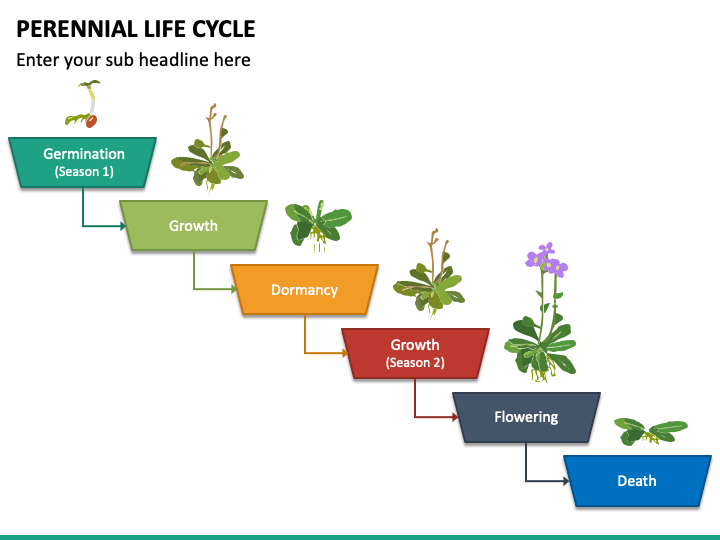
Understanding Perennial Growth Cycles
Perennials have unique growth patterns that dictate when and how they should be pruned. The majority of perennials have rapid development during the spring, followed by flowering. A sluggish growth stage occurs after the initial bloom, which makes it a great time to prune many perennials.
Understanding these cycles is essential for successful pruning. Gardeners can encourage a second blooming by pruning perennials once their first bloom is over. This extends the blossom season and promotes the plant’s robustness and health. Gardeners may also customize their pruning strategies to meet the demands of each plant by having a solid grasp of the growth patterns of various perennials.
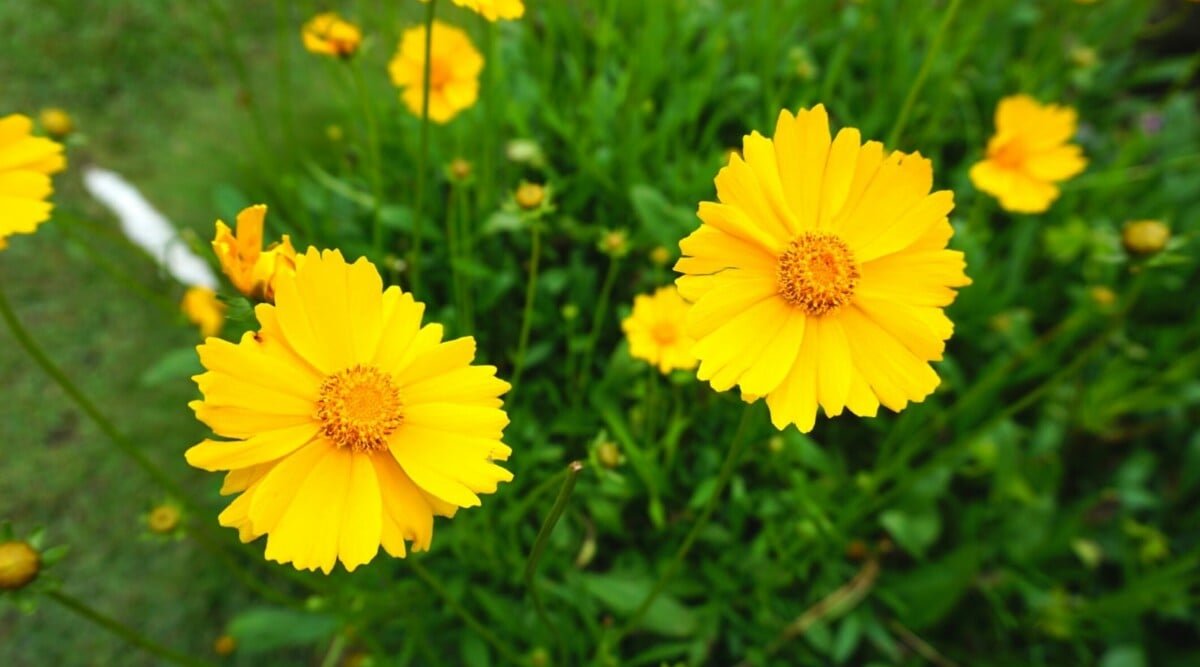
Coreopsis: Encourage a Longer Bloom
The blooms of Coreopsis, which are well known for their brilliant, daisy-like appearance, gain immensely from pruning in June. By pruning spent blooms and about one-third of the plant’s height, gardeners can promote a bloom that lasts longer. The plant is motivated to produce new blossom buds as a result of this activity, which leads to a greater display of color.
Cutting back Coreopsis helps to maintain a tidy appearance in addition to encouraging more blooms. This is particularly important for taller varieties, which become leggy if left unpruned. Regular pruning also helps to prevent the plant from self-seeding excessively, which leads to overcrowding within the garden.
Salvia: Promote a Second Flowering
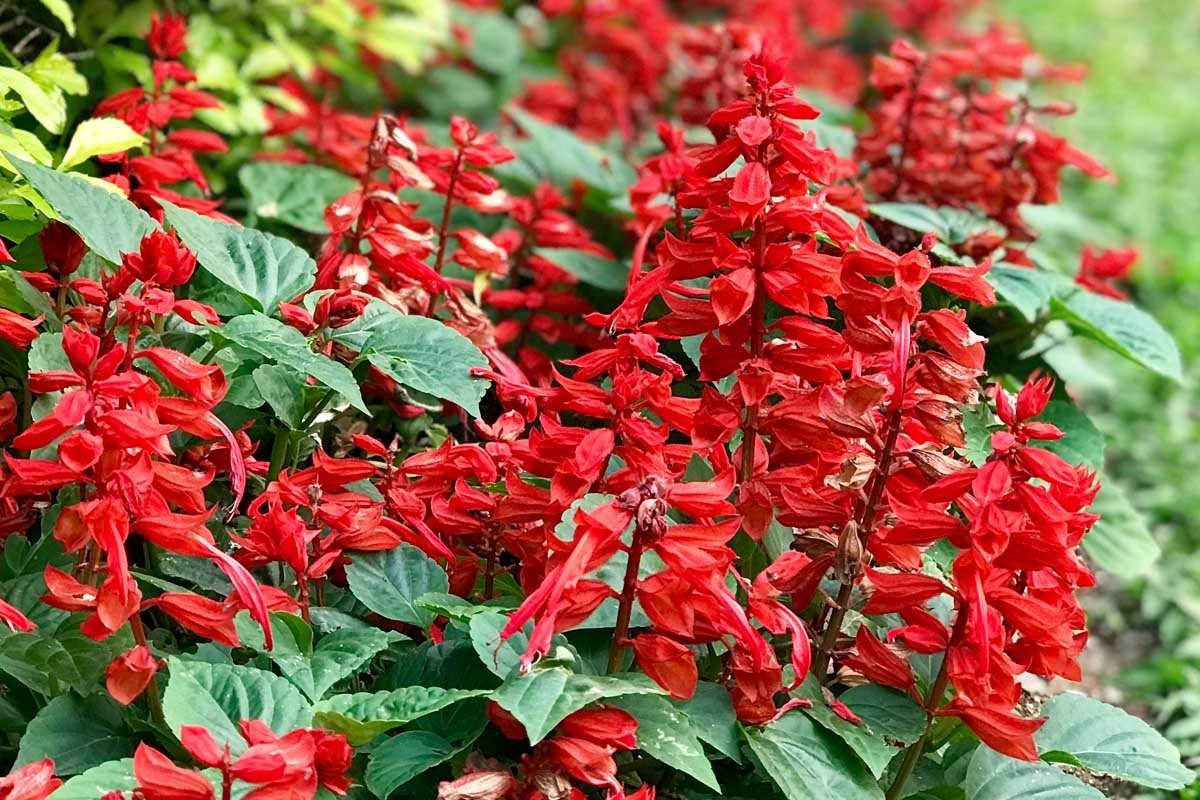
Salvia, with its dazzling flower spikes, is favored by gardeners and pollinators alike. Trimming Salvia is crucial if you want to promote a second flowering once the first flush is over. This requires taking out faded flower spikes and trimming about a third of the plant.
This procedure facilitates a second round of flowering in addition to assisting in shape and size maintenance. Gardeners may make sure Salvia remains a point of interest in the garden during the summer by preventing the plant from becoming too woody or overgrown.
Catmint: Maintain a Tidy Appearance
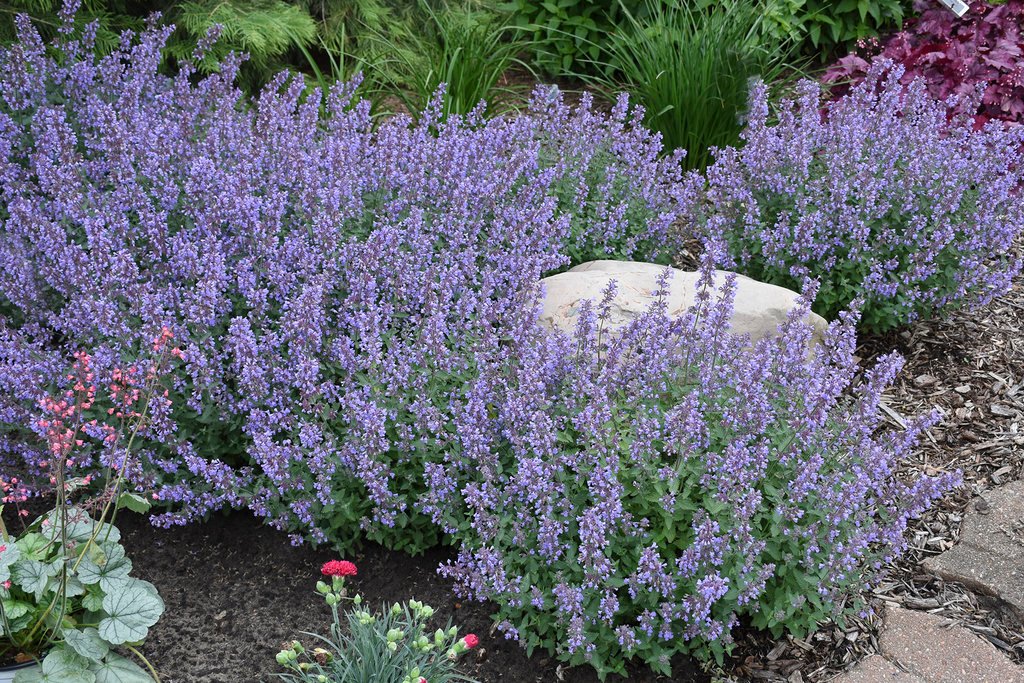
Catmint, distinguished by its fragrant foliage and lavender-blue blooms, may rapidly get uncontrollable if not regularly pruned. After the first bloom in June, cut away half of Catmint. This encourages a second wave of flowering and a more compact growth tendency.
Pruning Catmint inhibits the plant from falling over, which can happen when the stems get too long and heavy. Gardeners can enjoy Catmint’s scent and beauty without it taking over the garden by maintaining a clean appearance.
Geranium: Stimulate Fresh Growth
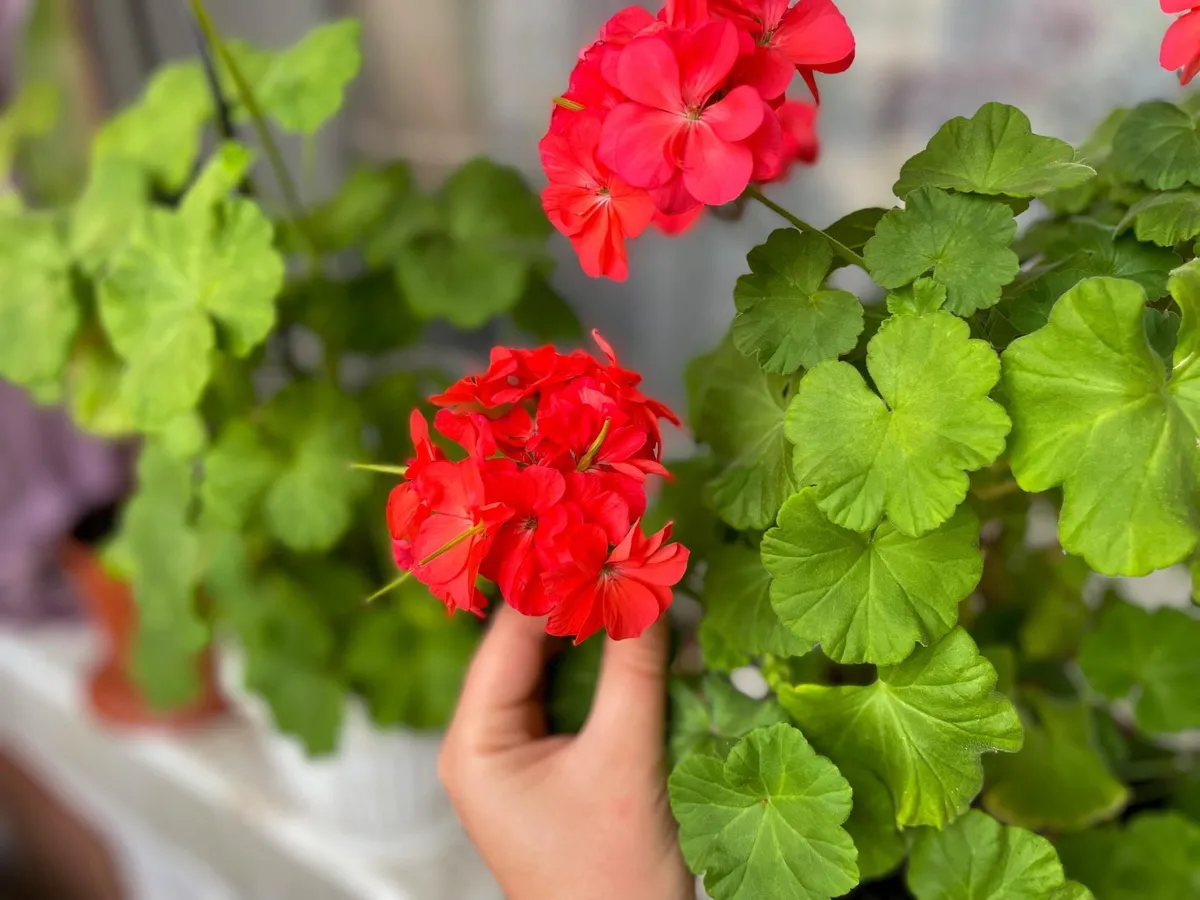
Hardy geraniums, distinguished by their lush foliage and delicate blooms, profit from a mid-season clipping. Following the first bloom period, cutting the plant’s back by around one-third can boost new growth and perhaps trigger a second round of blossoms.
This approach also aids in controlling the plant’s growth and promotes a more compact growth tendency. Gardeners can retain geraniums appearing their best all through the summer by eliminating spent flower spikes and leggy stems.
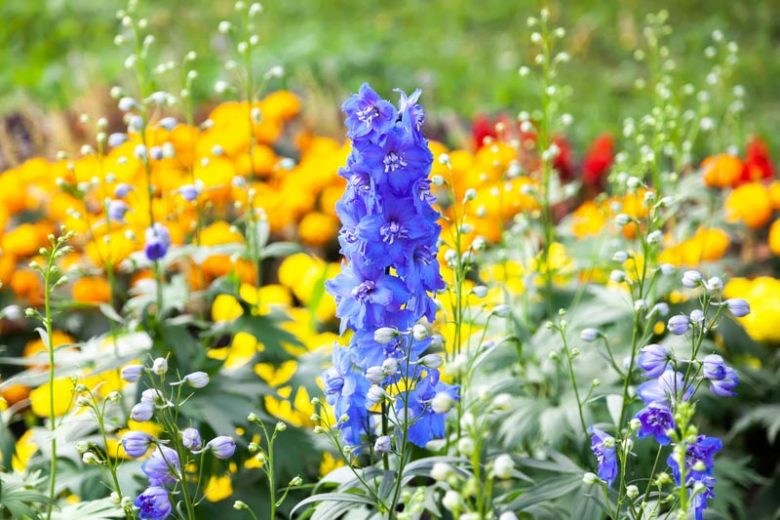
Delphinium: Prepare for a Second Show
Delphiniums stand out for their towering, eye-catching flower spikes. Cutting off the flower stalks to the root can encourage a second bloom, albeit smaller, later within the season, following the initial bloom. Aside from boosting the blooming period, this also aids in upholding the plant’s well-being.
Pruning Delphiniums in June also prevents the plant from using energy on seed production, redirecting it toward new growth and blooms. In addition, cutting away spent flower spikes aids in keeping the garden clear and lowers the danger of illness.
Phlox: Prevent Mildew and Encourage Blooms
Phlox is susceptible to powdery mildew, particularly in wet conditions. Gardeners can enhance air circulation and lower the possibility of mildew by trimming the plant following its initial bloom. This requires removing spent flower heads and trimming the plant’s back by around one-third.
Pruning Phlox promotes a second blossoming surge in addition to disease prevention. This technique aids in sustain the plant’s vigor and guarantees a never-ending color display within the garden.

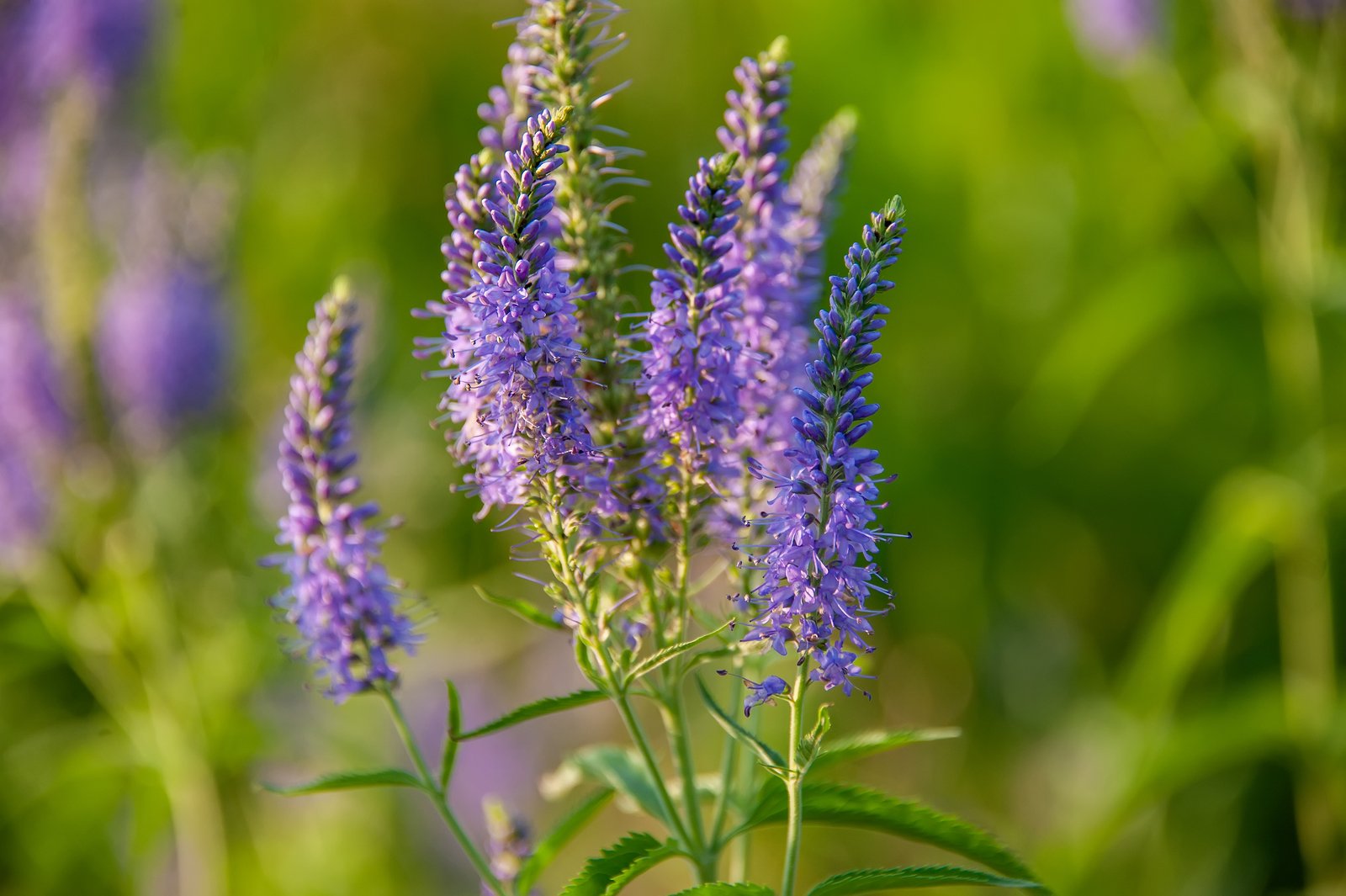
Veronica: Extend the Flowering Season
Veronica, with its spiky blooms, gains from routine deadheading and pruning. Slicing through the flower spikes following the first bloom can promote a second round of flowering. This entails trimming the plant lower to about one third and getting rid of faded blossoms.
By lengthening the bloom period, gardeners get a prolonged enjoyment of Veronica’s brilliant colors. Furthermore, routine pruning aids in maintaining the plant’s form and inhibits it from growing excessively leggy or overgrown.
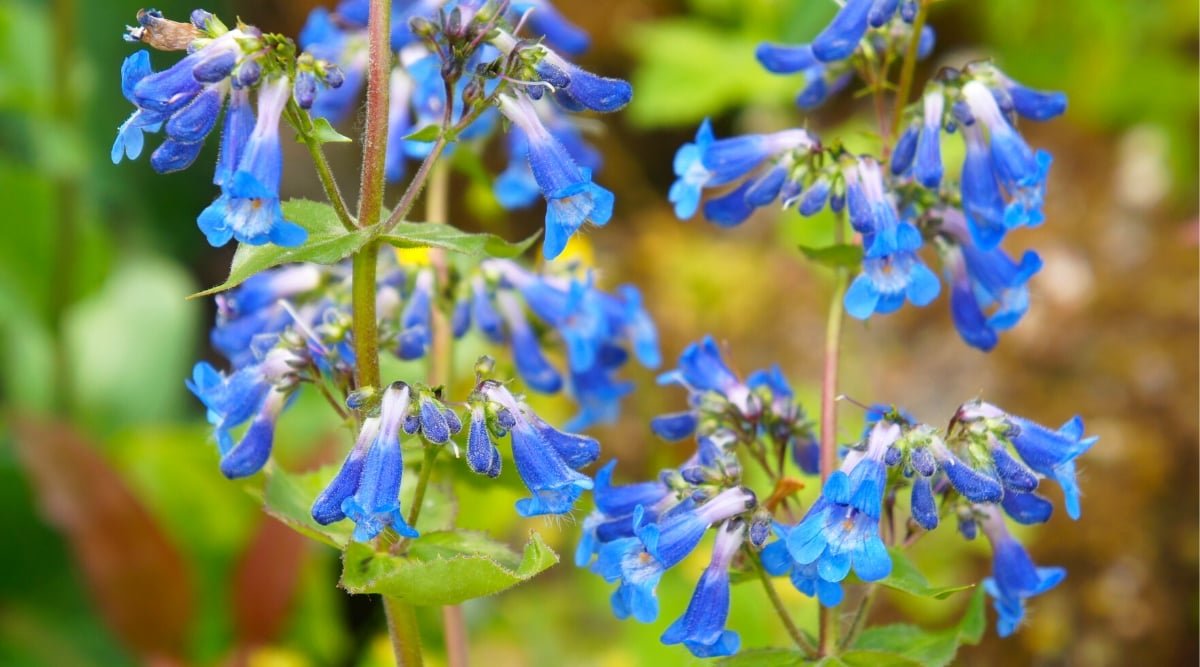
Penstemon: Enhance Flower Production
Penstemon, distinguished by its tubular blooms, thrives with June pruning for increased flower production. Reducing the plant’s back by one-third following the initial bloom can stimulate new growth and further flowering.
This practice also aids in keeping the plant from growing too woody or leggy and maintains its size and shape. By encouraging a higher bloom count, gardeners get a prolonged enjoyment of Penstemon’s brilliant colors all through the summer.
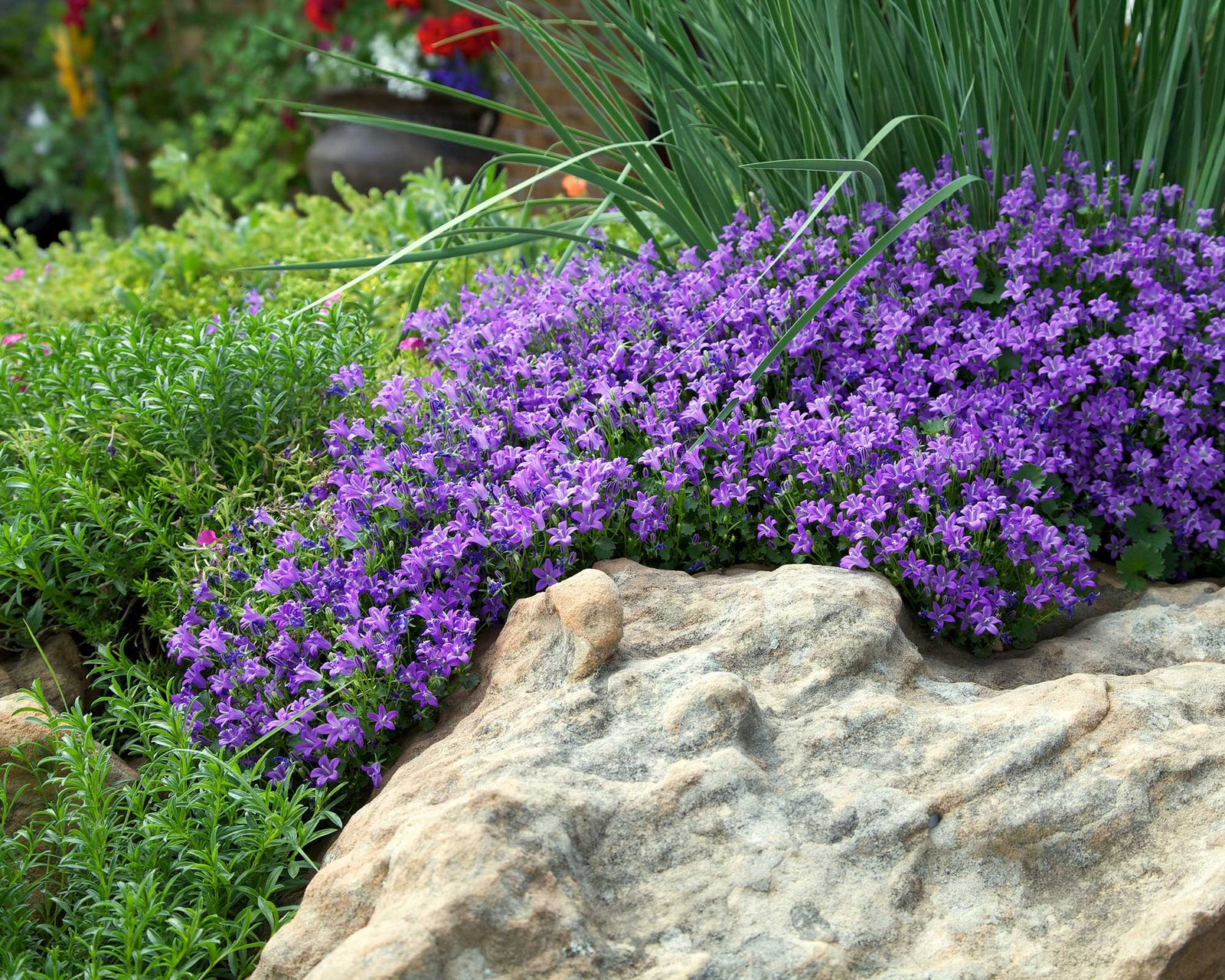
Campanula: Keep the Garden Neat and Blooming
Campanula, with its bell-shaped blooms, can rapidly get unruly if not regularly pruned. Slicing the plant back by one-third following its initial bloom might promote a second wave of flowering and uphold a decent appearance.
Pruning Campanula also aids in inhibiting the plant from self-seeding too vigorously, which might result in garden overcrowding. Gardeners can enjoy its enchanting blooms during the summer by preserving the plant’s cleanliness and blooms.
Shasta Daisy: Encourage Re-Blooming
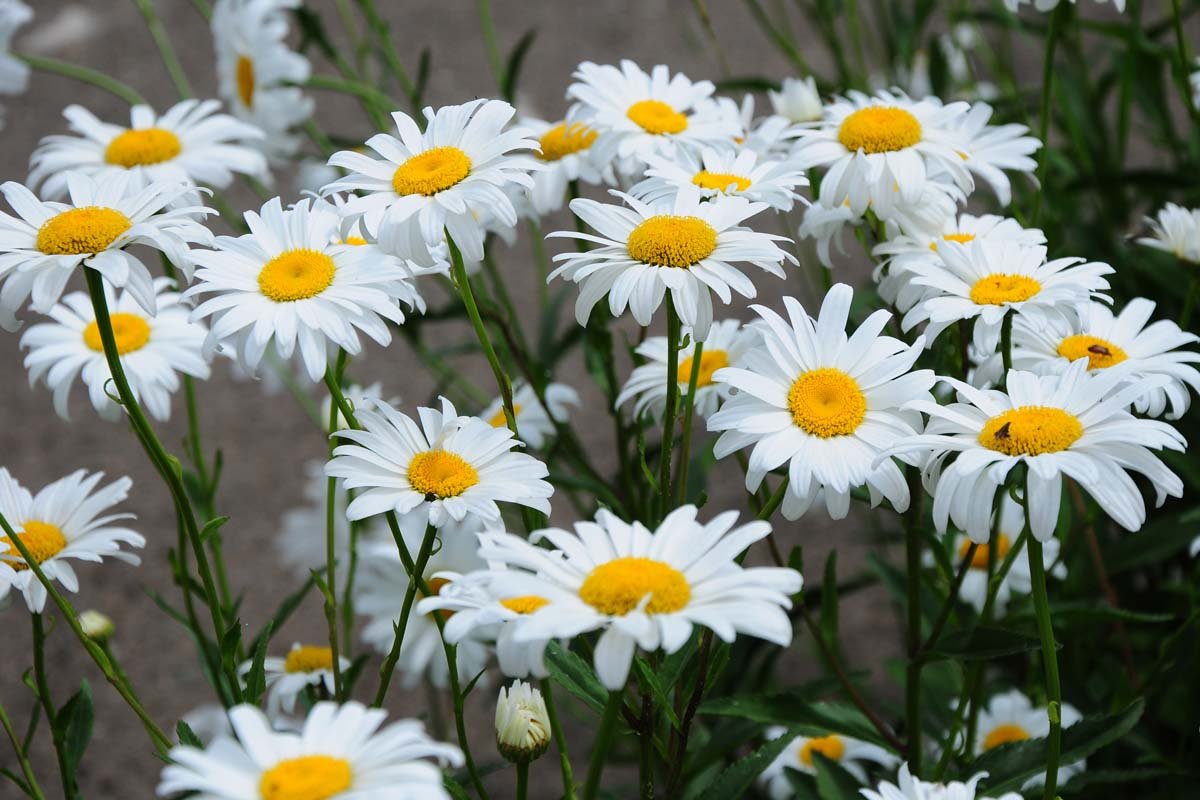
Deadheading and trimming Shasta Daisies, which have traditional white petals and yellow centers, are advantageous following the first bloom. Gardeners can promote re-blooming by trimming the plant’s back by around one-third and getting rid of faded blossoms.
This practice not only extends the bloom period but also aids in upholding the plant’s health and vigor. By preventing the plant from expending energy on seed production, gardeners can enjoy a continuous display of Shasta Daisies in the garden.
Conclusion
In summary, regular pruning and deadheading of flowering plants such as Coreopsis, Salvia, Catmint, Geranium, Delphinium, Phlox, Veronica, Penstemon, Campanula, and Shasta Daisy not only enhances their aesthetic appeal but also promotes healthier growth and extended blooming periods. By strategically cutting back these plants after their initial blooms, gardeners can foster new growth and ensure vibrant, continuous displays of color throughout the growing season. This maintenance not only encourages more prolific flowering but also helps prevent problems like overcrowding and disease, making these practices essential for a thriving garden.


