

Frequently tossed out as kitchen refuse, potato peels offer a wealth of advantages for your garden. These humble remnants are loaded with nutrients beneficial for enhancing soil fertility, promoting plant growth, and even aiding pest management. Utilizing potato peels in your gardening can decrease waste and boost plant health. This article will delve into the many uses of potato peels in gardening, transforming what used to be considered trash into a precious resource.
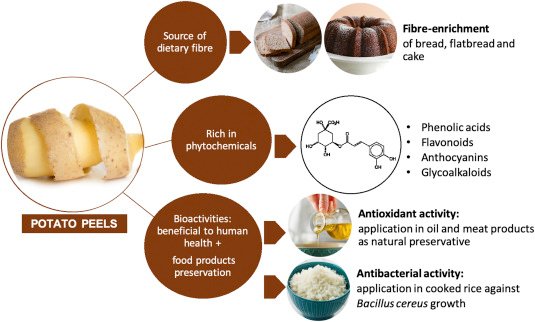
Understanding the Nutritional Composition of Potato Peels
Rich in vital nutrients like potassium, magnesium, and phosphorus, potato peels are essential for healthy plant development. They also include smaller amounts of nitrogen, calcium, and iron. These nutrients gradually leach into the soil as the peels break down, feeding plants steadily. Particularly for flowering and fruiting plants, the elevated potassium promotes robust root systems and greater disease resistance.
How Potato Peels Enrich Soil Health
Incorporating potato peels into the soil improves its structure and aeration through the addition of organic matter. By boosting the soil’s moisture and nutrient retention capabilities, this organic matter establishes a more welcoming setting for root systems. Also, microorganisms crucial for nutrient cycling and disease suppression gain momentum due to peel breakdown. Healthy plant development thrives with enriched soil due to the creation of a robust ecosystem.

Using Potato Peels as a Natural Fertilizer
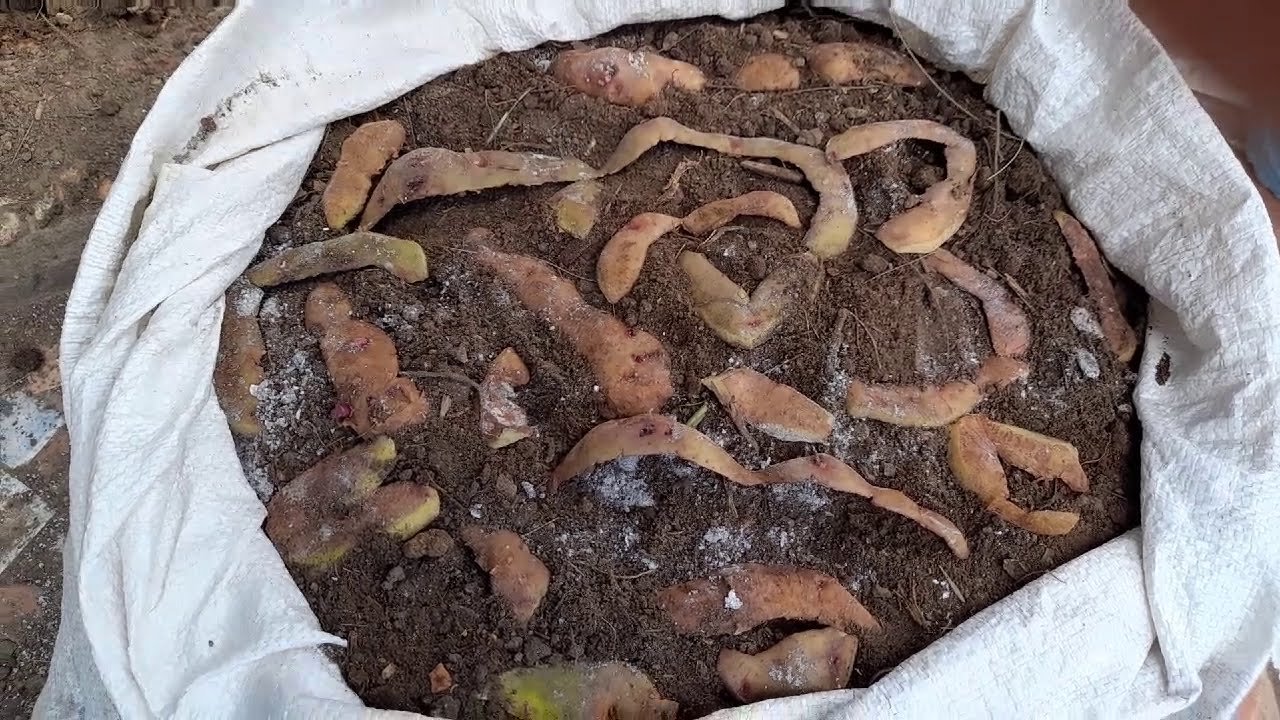
Directly burying potato peels in the garden or adding them to compost makes them effective natural fertilizers. Nutrients are slowly released into the soil as the buried peels decompose, offering a slow-release fertilization. In particular, this technique is beneficial for leafy greens and root crops. Or, potato peels can be added to compost heaps where they disintegrate along with other organic substances to produce nutrient-dense fertilizer for a broad spectrum of plants.
Composting Potato Peels for Enhanced Garden Growth
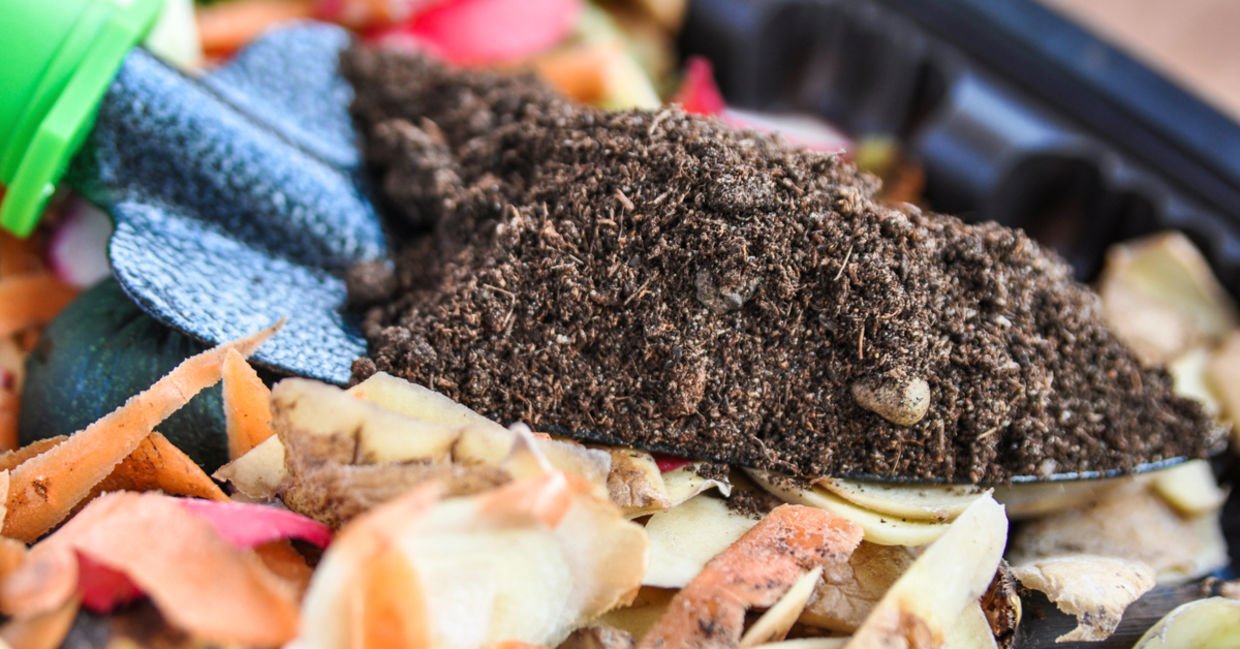
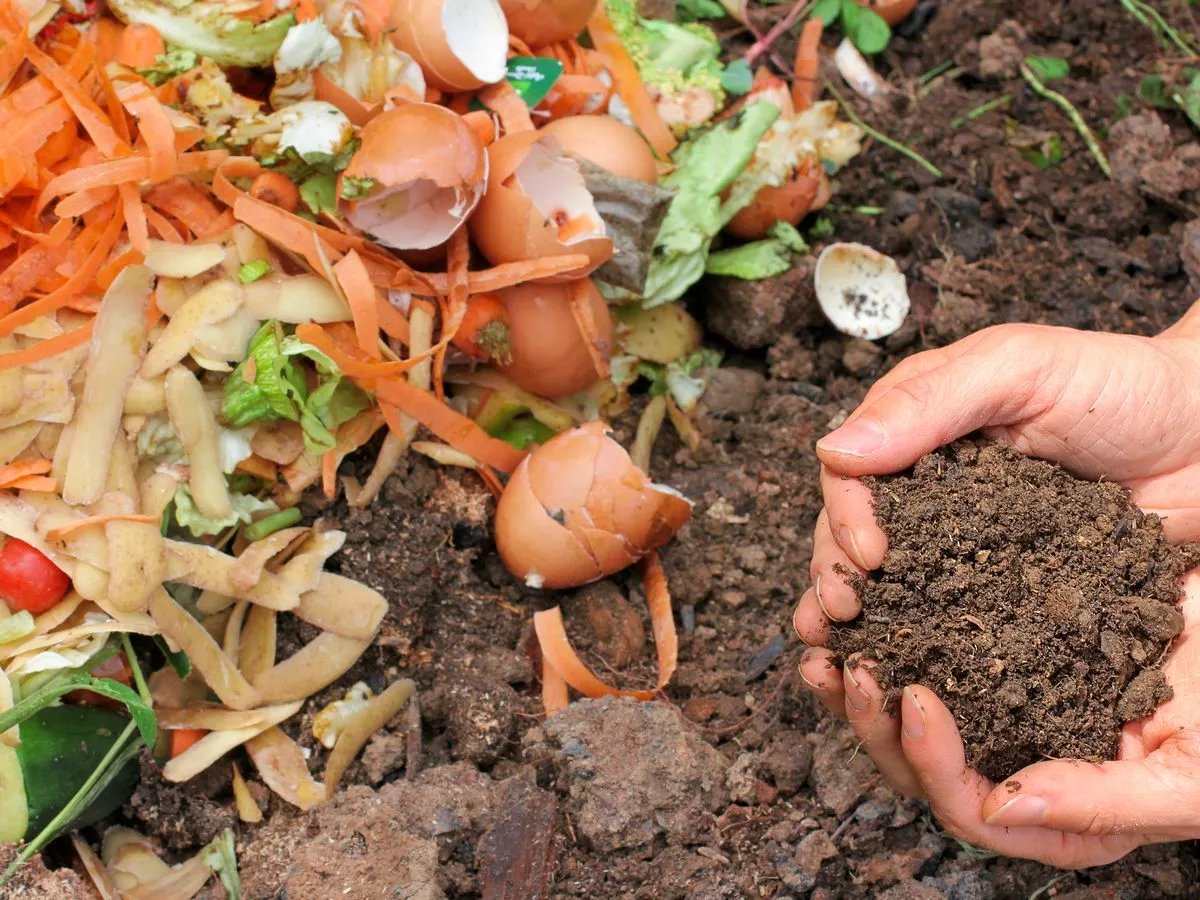
Recycling potato peels via composting is a superb way to generate abundant, organic fertilizer for your garden. Simply integrate potato peels into your compost bin alongside other green and brown ingredients. To promote decomposition, ensure the compost remains well-aerated and damp. As time passes, the peels break down, enriching the compost with valuable nutrients, which in turn enriches garden plots, boosts soil fertility, and facilitates strong plant growth.
The Role of Potato Peels in Pest Control
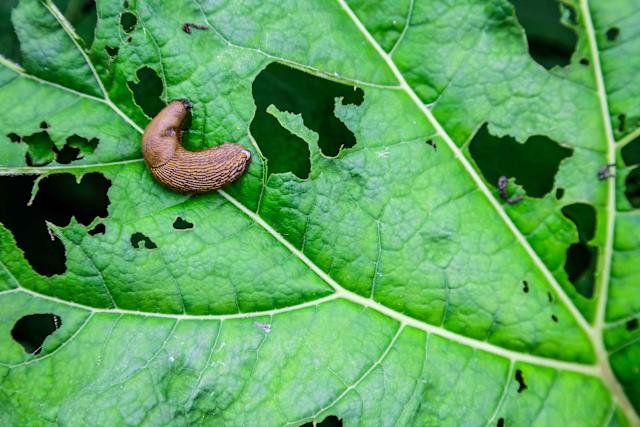
As a natural pest repellent in gardens, potato peels can be quite effective When positioned near a plant’s base, peels can fend against slugs and snails. The feel and scent of the peels tend to keep pests away, limiting the reliance on chemical pesticides. Moreover, potato peels attract helpful creatures such as worms, who boost soil aeration and conditioning, which indirectly supports pest management through a healthy garden environment.
Potato Peels as a Moisture Retention Aid
The water retention qualities of soil can be improved by adding potato peels. The peels’ organic content enables the soil to conserve moisture, requiring less frequent irrigation, particularly useful during dry weather or droughts. By retaining consistent amounts of soil moisture, potato peels aid in deterring plant stress and promoting healthy plant development. Further boosting soil health is the support of beneficial soil organism operations provided by this moisture storage.
Enhancing Plant Growth with Potato Peel Tea
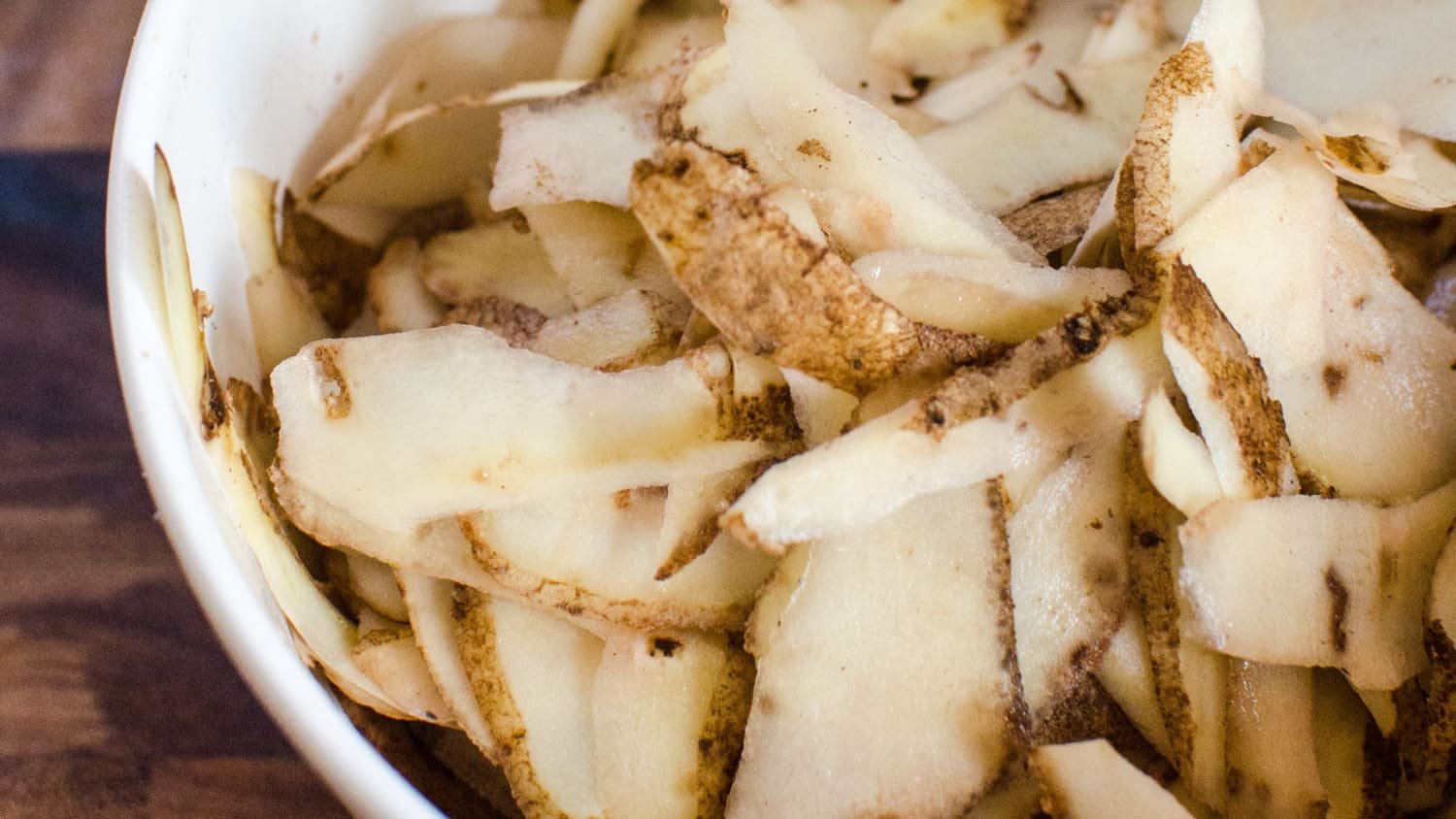
A straightforward but efficient method for offering plants a nutrient boost is using potato peel tea. Nutrient extraction takes place when fresh potato peels are soaked in water for days. The liquid that results can be applied as a foliar spray or soil drench, delivering crucial nutrients straight to the plants. Particularly during critical growth phases like flowering and fruiting, this technique proves helpful for giving plants a rapid nutrient boost.
Potato Peels for Improving Seed Germination
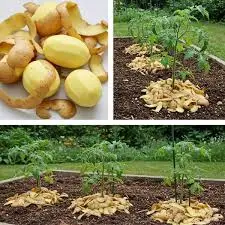
Supplying a nourishing habitat for seeds to germinate, potato peels can enhance seed germination. Deposit a layer of potato peels in the seed tray or germination hole when planting seeds. Seedling development and growth is fueled by the nutrients released as peels decompose. Germination rates can improve, resulting in stronger, more robust seedlings. Furthermore, seedlings rapidly become healthier and more productive as a result of nutrients received early during planting.
Creating Mulch from Potato Peels for Weed Suppression
Generating mulch from potato peels to keep weeds down is effective. To block sunlight and prevent weed development, distribute potato peels around the plant’s base. Nutrients are contributed to the soil as peels break down as weed suppression continues. This natural mulch lessens the necessity of weeding, helps maintain soil hydration and regulates soil temperature to bring about a more conducive setting for plant development.
Using Potato Peels to Attract Beneficial Insects
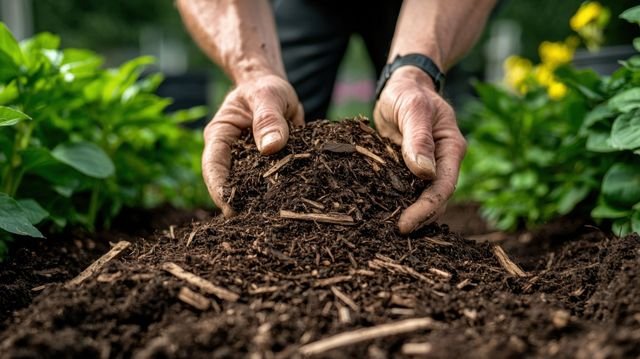
By luring earthworms and certain predatory insects, potato peels can draw beneficial insects to the garden. Earthworms are extremely drawn to decomposing organic substances like potato peels, and their actions promote soil ventilation and makeup. Decomposing peels may also serve as a habitat for predatory insects like lacewings and ladybugs, attracting them with the possibility of finding prey. Potato peels assist in building a stable garden ecosystem that supports plant health and lowers pest populations.
The Environmental Impact of Recycling Potato Peels
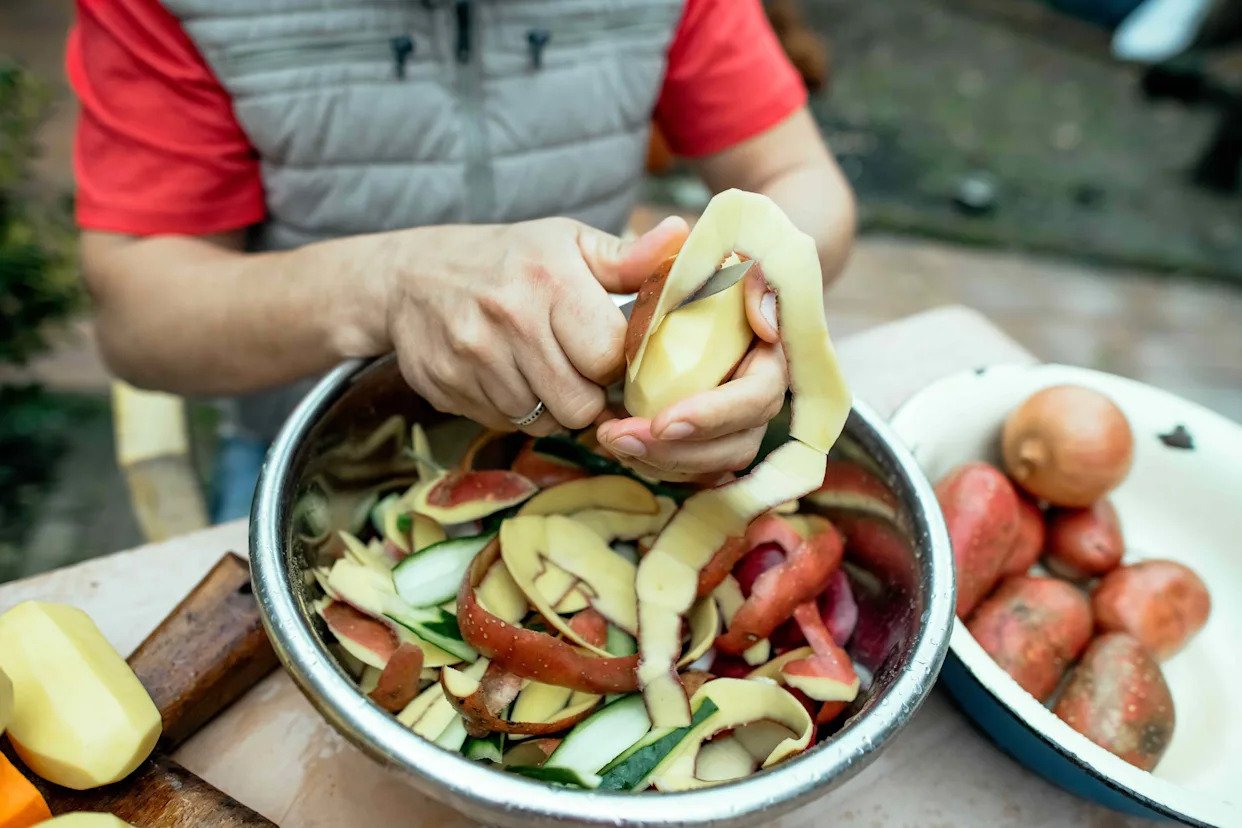
By reducing methane emissions and contributing towards a more sustainable waste management system, gardeners can reduce kitchen waste and decrease the ecological effects of disposing food by composting potato peels in their garden. Furthermore, utilizing potato peels in the garden alleviates the necessity of synthetic fertilizers and pesticides, thereby encouraging a more environmentally friendly method to gardening. This offers gains not only for the setting but also cultivates revitalized, healthier garden habitats.
Conclusion
Potato peels, frequently thought of as mere kitchen trash, possess substantial ability to improve garden development and health. Through understanding and using potato peel gains, gardeners can transform left overs into a valuable asset, boosting soil, boosting plant development, and promoting a sustainable gardening lifestyle. Applying the use of potato peels in the garden reduces waste and nurtures a closer connection with the natural cycles of growth and disintegration.


