

Cultivating a vibrant rosemary plant in a container can be a fulfilling experience, especially if you enjoy cooking with fresh herbs. Admired by both gardeners and chefs, rosemary stands out because of its fragrant leaves and its robust nature. However, it can be challenging sometimes to achieve a perfectly bushy rosemary plant.
My nana, possessing extensive gardening expertise, swears by a straightforward yet potent method that has enabled her to cultivate incredibly vigorous rosemary plants. In this article, we will delve into her secret and present a thorough guide to successfully growing rosemary in a pot, which will ensure you possess a thriving plant that elevates your culinary creations.
The Secret Ingredient: Epsom Salt
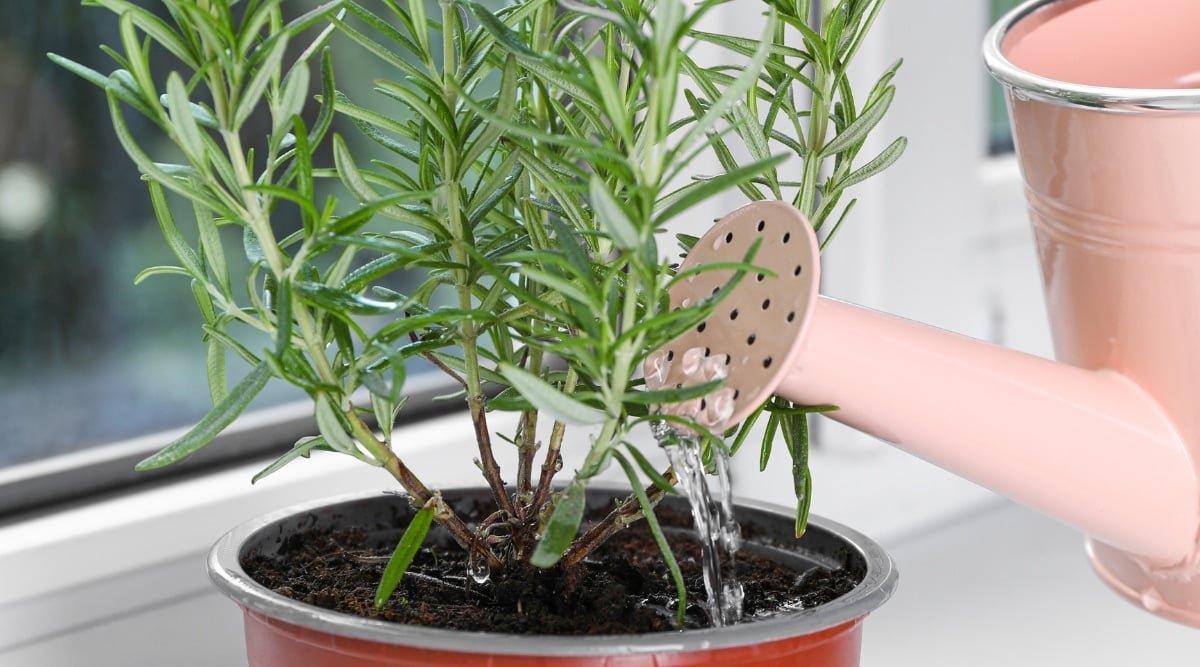
Epsom salt is Nana’s secret weapon for achieving a flourishing rosemary plant. Naturally occurring, Epsom salt, or magnesium sulfate, is a mineral compound capable of producing remarkable results for rosemary. Magnesium is vital for photosynthesis, and the addition of Epsom salt into the soil can improve the plant’s ability to absorb nutrients.
Simply dissolve one tablespoon of Epsom salt in a gallon of water, and use this solution to water your rosemary plant once per month. This will supply the plant with the required nutrients, further promoting vigorous development and vivid foliage.

Understanding Rosemary’s Needs
A Mediterranean herb, rosemary flourishes in environments characterized by warmth and abundant sunlight. It thrives when planted in soil that drains well and given sufficient sun exposure. Understanding these needs is paramount to effectively grow rosemary.
Rosemary does best in soil that ranges between slightly acidic and neutral, ideally with a pH range of 6.0 to 7.0. It shows drought tolerance, meaning it doesn’t need to be watered frequently. Nevertheless, giving the plant sufficient water in the beginning stages of growth is crucial.

Choosing the Right Pot
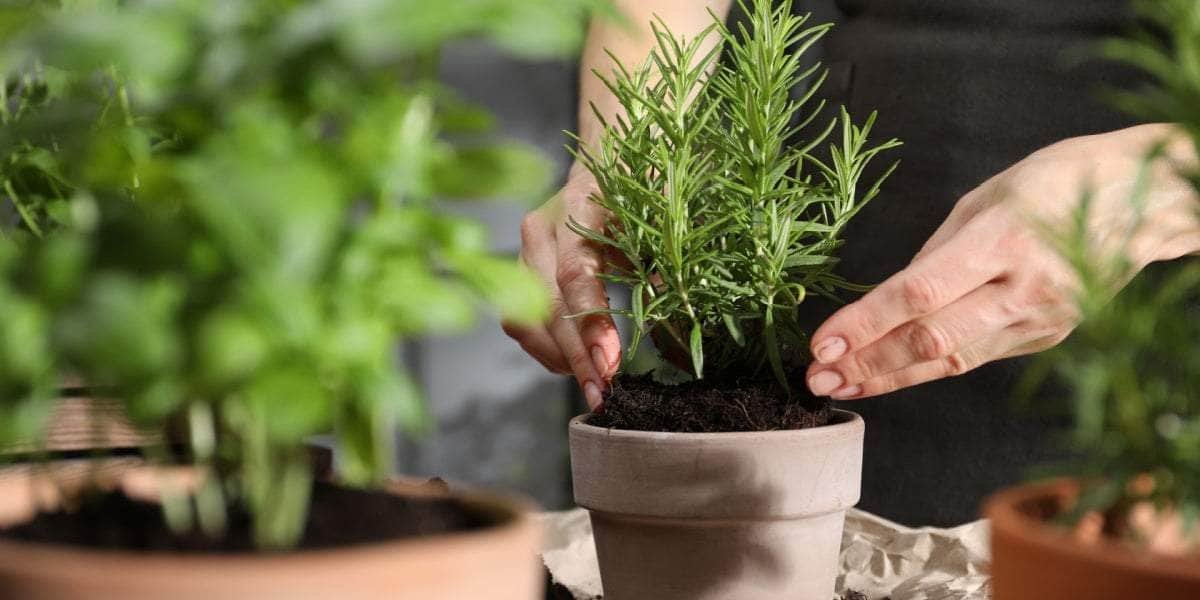
Choosing thecorrect pot size is an instrumental part of growing rosemary. The pot’s diameter should measure at least 12 inches so that its’ roots can expand freely. A larger pot serves to prevent the plant form becoming root-bound; this can greatly delay growth.
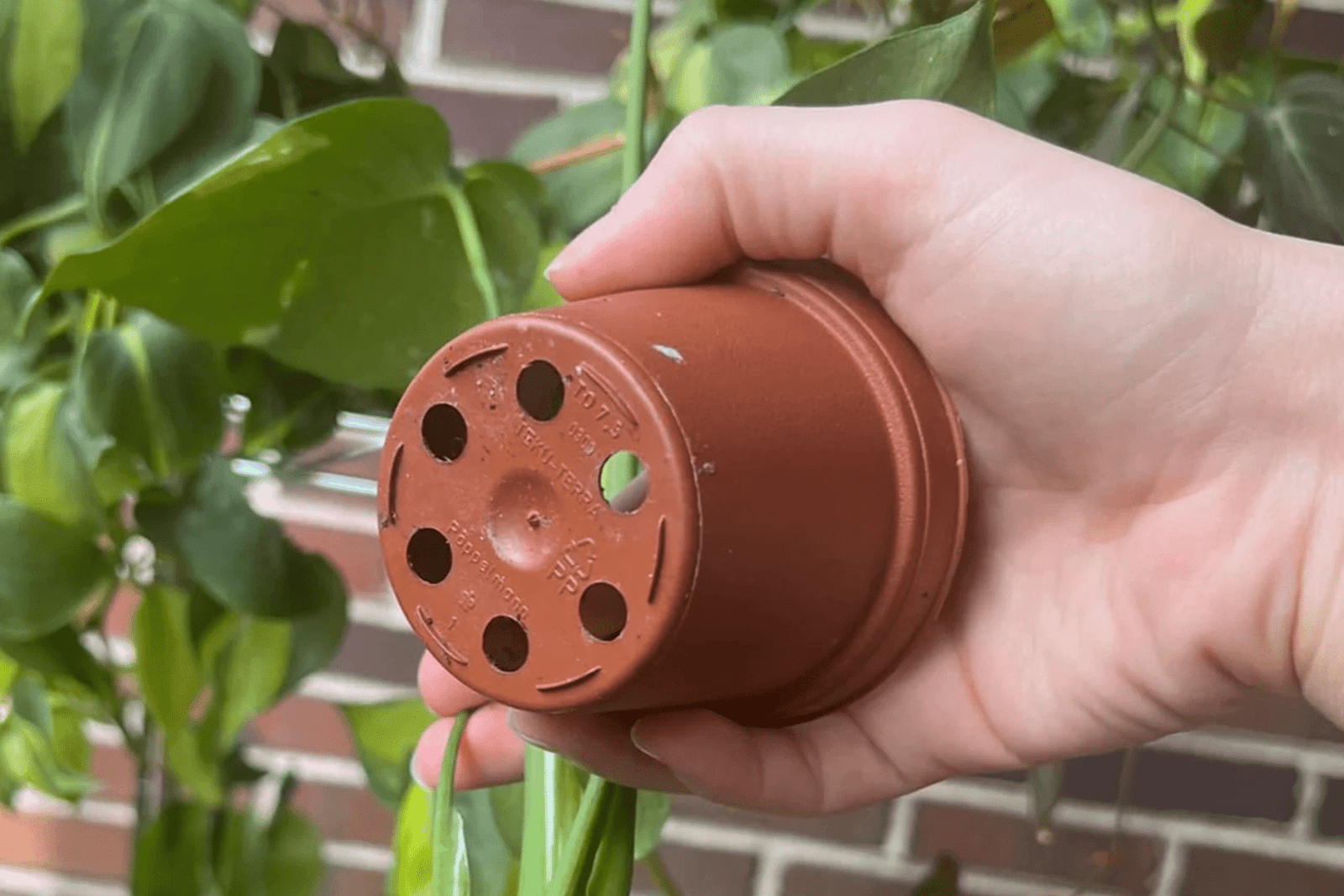
Make sure the pot contains drainage holes at its base to prevent standing water as rosemary cannot endure overly moist soil. A great option is a terracotta pot as this material supports proper circulation and moisture evaporation.

Soil Mix for Optimal Growth
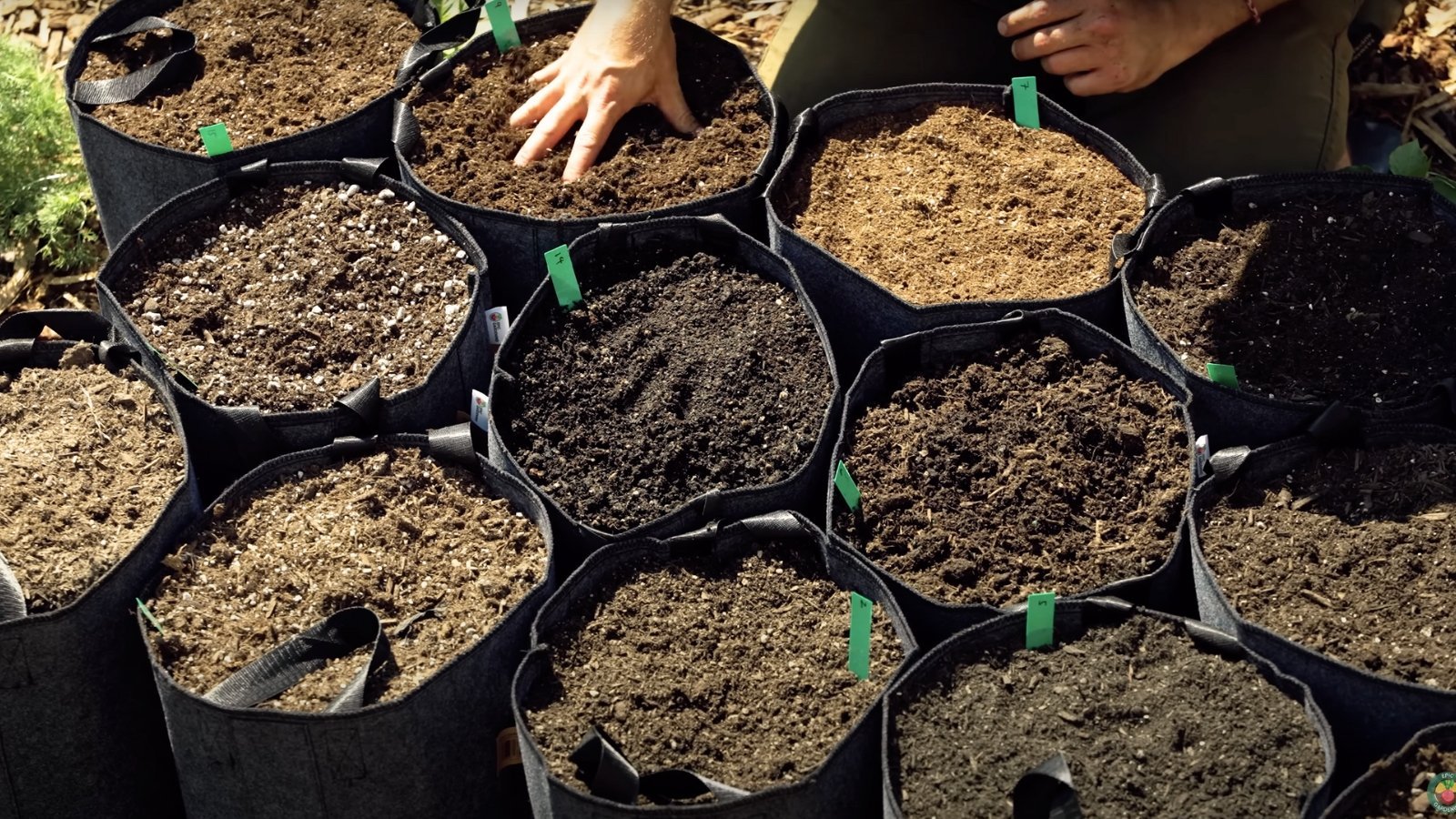
Using a soil mix that drains well is extremely important for rosemary. Creating an ideal mixture usually consists of mixing equal portions of potting soil, coarse sand, and perlite. This combination ensures effective drainage while holding on to enough moisture to feed the plant roots.
Adding controlled-release fertilizer to your soil mix can further support plant growth with additional nutrients supply. Exercise caution and don’t apply more fertilizer than needed as this can result in too much foliage at the expense of producing oil.
The Importance of Drainage
Adequate drainage is critical to rosemary’s overall health. Roots submerged in stagnant water may develop rot, causing further damage. Be certain your container has enough drainage holes and think about adding a layer of gravel or pebbles beneath the soil.
This layer facilitates water movement, preventing soil compaction, which allows roots to breathe easier and grow more freely.
Watering Techniques for Rosemary
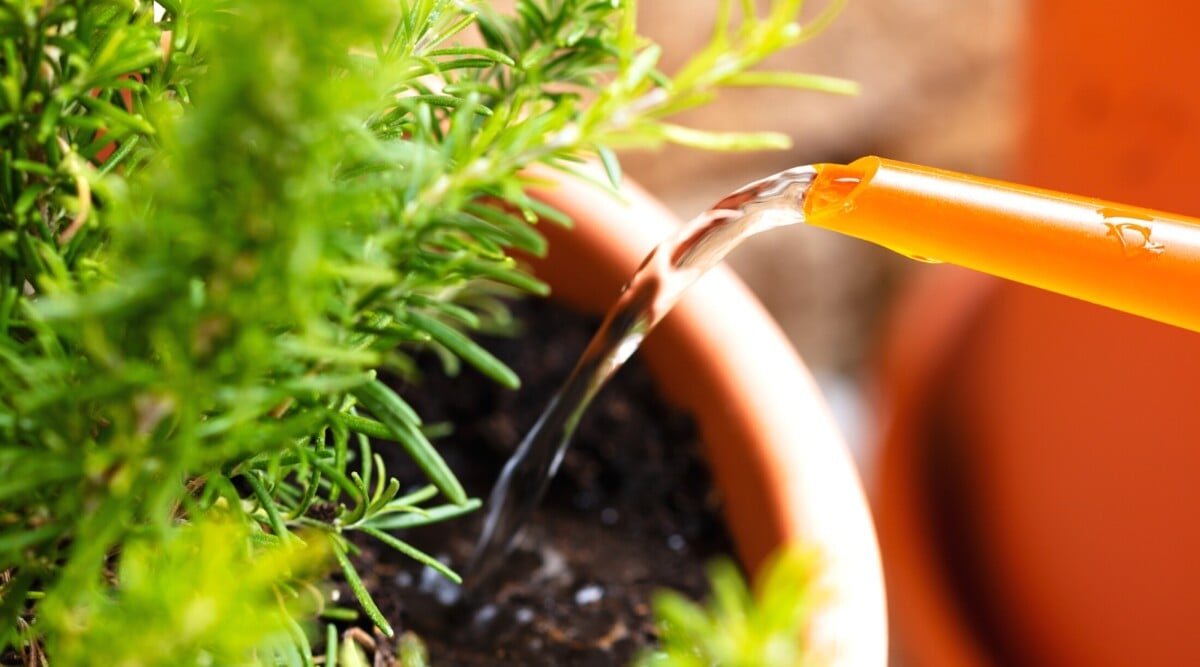
Watering rosemary demands a balanced approach. Even though rosemary exhibits a degree of drought tolerance, regularly hydrate the plant, especially during extremely hot, dry conditions. Fully saturate the plant until water runs from the container’s base.
Before waterings, allow the top inch of soil dry by touch. This action stops over watering, which causes root rot. Reduce the amount of water during winter periods since the plant will grow less.
Sunlight Requirements
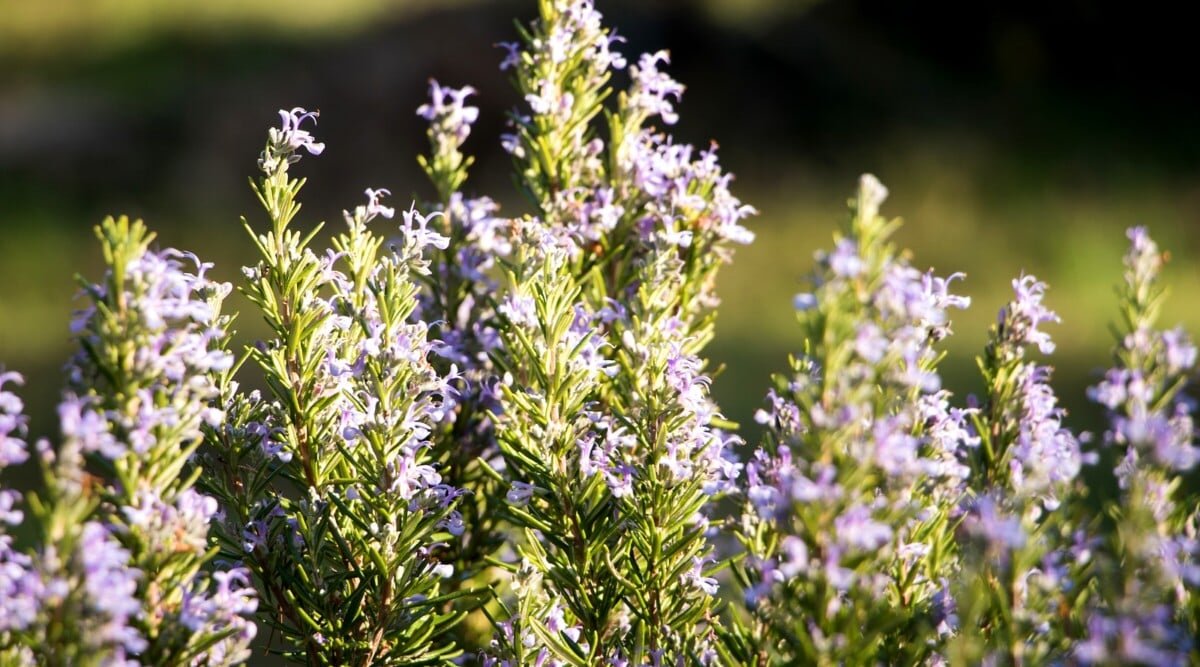
For optimum growth, rosemary needs lots of sunshine, about six to eight hours per day. Locate your potted rosemary where it can fully absorb sunlight, like a patio exposed to southern sunlight or a sun-lit windowsill.
During indoor growth, consider using a grow lamp to provide the plant with enough light. Depriving the plant with insufficient light can lead to stunted developments and may deplete its store of essential oil.
Pruning for a Bushier Plant
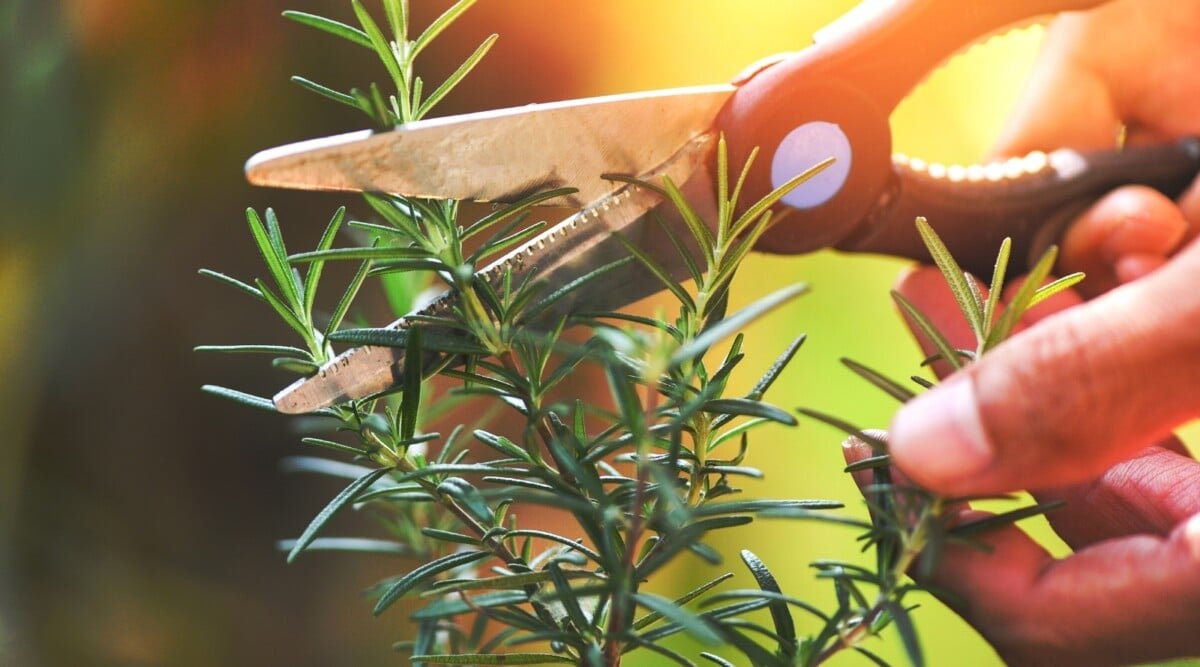
Frequent pruning will boost the plant to grow denser and more compact. Dead or woody stems should be pruned during the early spring or tail end of simmer.
To promote sideways development, trim the tip. This step preserves the silhouette and improves circulation, reducing any chance of diseases attributed to fungi.
Protecting Against Pests
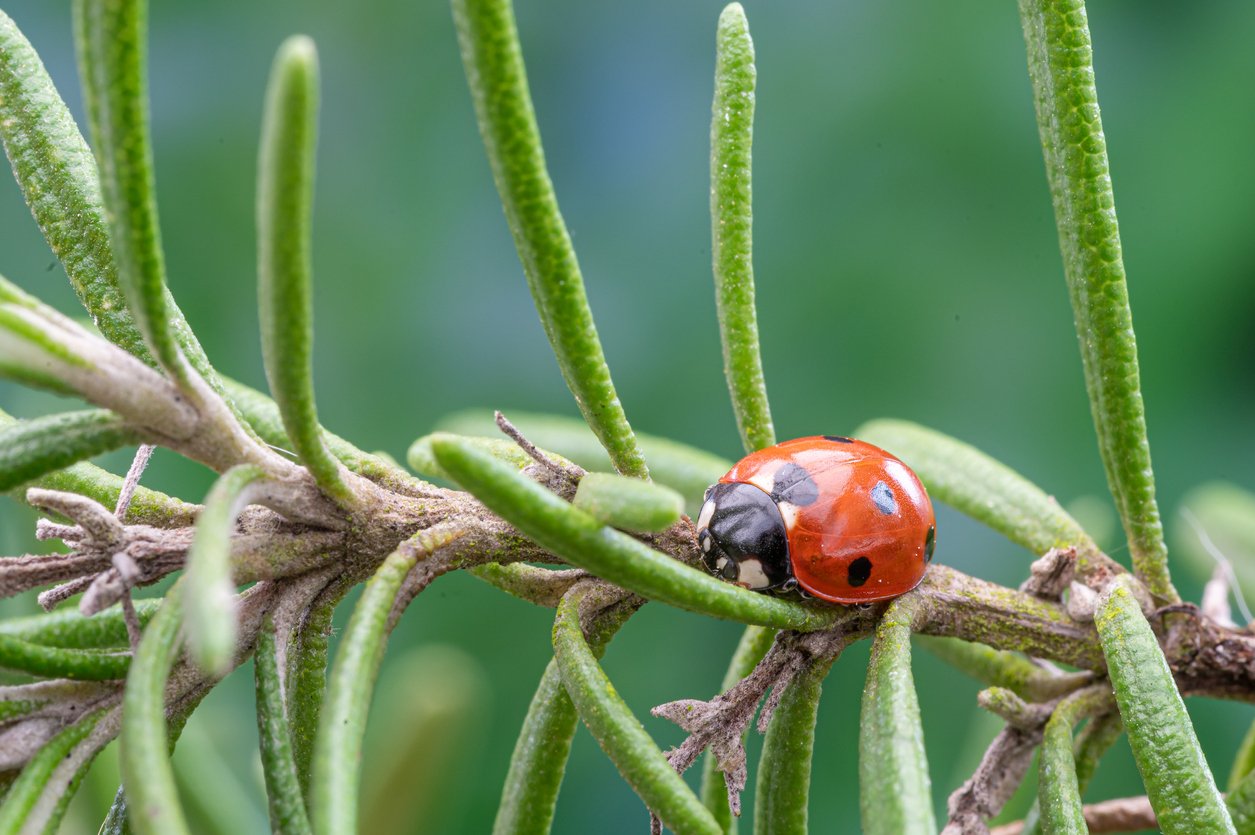
Rosemary, generally resistant to pests, is still susceptible to spider mites, aphids, and white flies. Frequently check the plant for signs of intrusion, such as cobwebs or discolored leaves.
If bugs appear, use neem oil or insecticidal soap to treat the plant, insuring complete coverage for both sides of the leaves. Maintaining proper circulation to prevent standing water will also deter potential pest related issues.
Seasonal Care Tips
Rosemary benefits greatly during the growing season from supplementing nutritional intake with a balanced liquid fertilizer every 4-6 weeks. Since rosemary is sensitive to freezing temperature, shield the plant from frost by bringing the plant inside the house during colder temperatures.
While indoors, situate it accordingly in a light filled area while mitigating constant watering to avoid overly dampen the moisture levels. Let it gently become accustomed to outdoor condition during spring prior to removing it totally outside.
Harvesting and Using Rosemary
Harvest rosemary by snipping a few inches off tops of the stems to ensure the plant foliage has enough left to maintain growth. Routine cutting leads to stronger plant health, encouraging new shoot.
Incorporate newly harvested rosemary in various dishes, from hearty bread to roasted meals. Preserve the leaves that have yet to be used later by drying them while hanging the stems upside down in a cool area. Keep the dried rosemary sealed securely to protect the robust taste.
:strip_icc()/BHG-How-To-Harvest-Rosemary-CTG501569-24862f31d3574e23b3a76edd4163f149.jpg)
Conclusion
In summary, successfully growing rosemary requires a careful understanding of its needs, including proper sunlight, well-draining soil, and correct watering techniques. By selecting the right pot size and ensuring optimal drainage, you can create a conducive environment for the plant to thrive. Regular pruning encourages bushiness and enhanced growth, while vigilance against pests will keep your rosemary healthy. Seasonal care, such as using balanced fertilizers and protecting against frost, further supports rosemary’s vitality. Finally, mindful harvesting not only promotes the plant’s health but also allows you to enjoy the aromatic flavor of fresh rosemary in your culinary creations.


