

As winter’s chill departs and spring’s vibrant promise arrives, it’s time to focus on the verdant, leafy hostas in your garden. Gardeners favor these resilient perennials because they flourish in shady spots and boast impressive foliage. To help your hostas realize their full potential, you must address some essential tasks as the growth season starts. Proper spring care strengthens them against pests and diseases, besides boosting their beauty, ensuring year-long flourishing.

Clearing Away Winter Debris
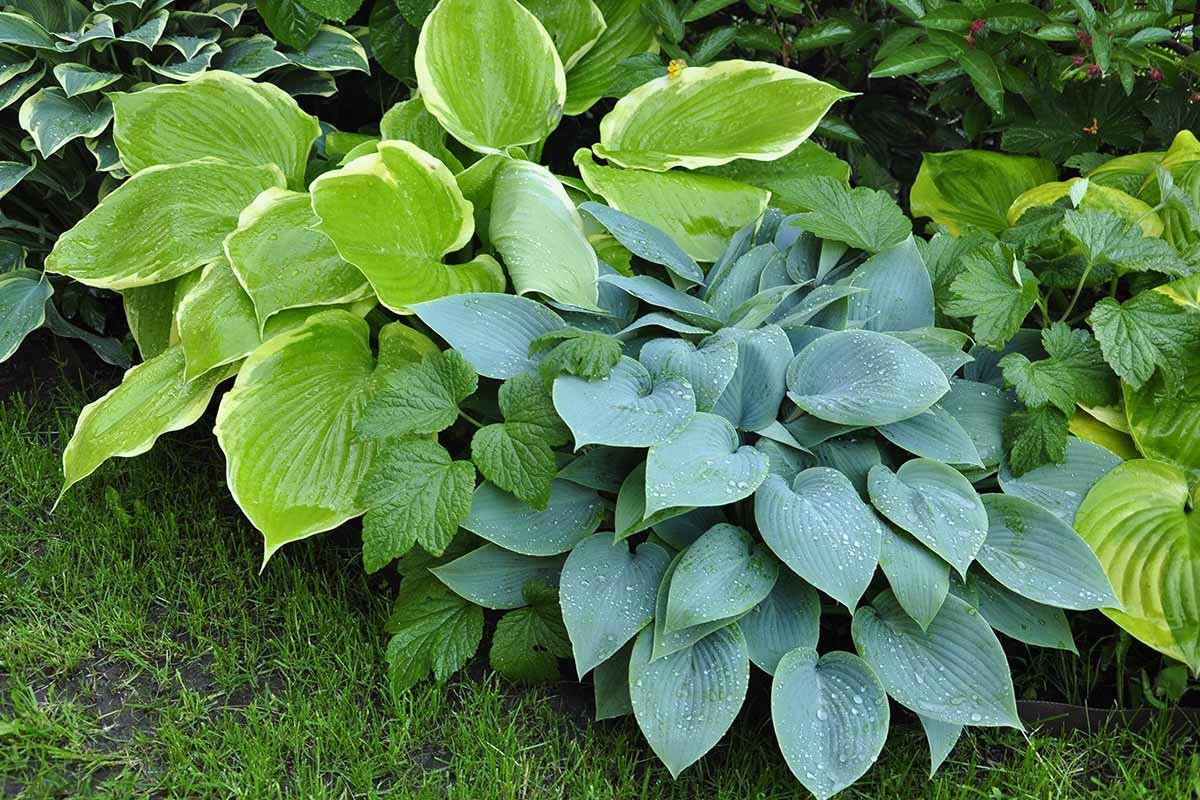
The initial step in readying your hostas for spring involves removing any accumulated winter debris. This includes dead plant matter, twigs, and fallen leaves that might have collected around the base. This removal is essential, as such debris can shelter diseases and pests that can harm hostas. Use a gentle touch or a soft rake to prevent injuring emerging shoots.
Inspecting for Pest Damage
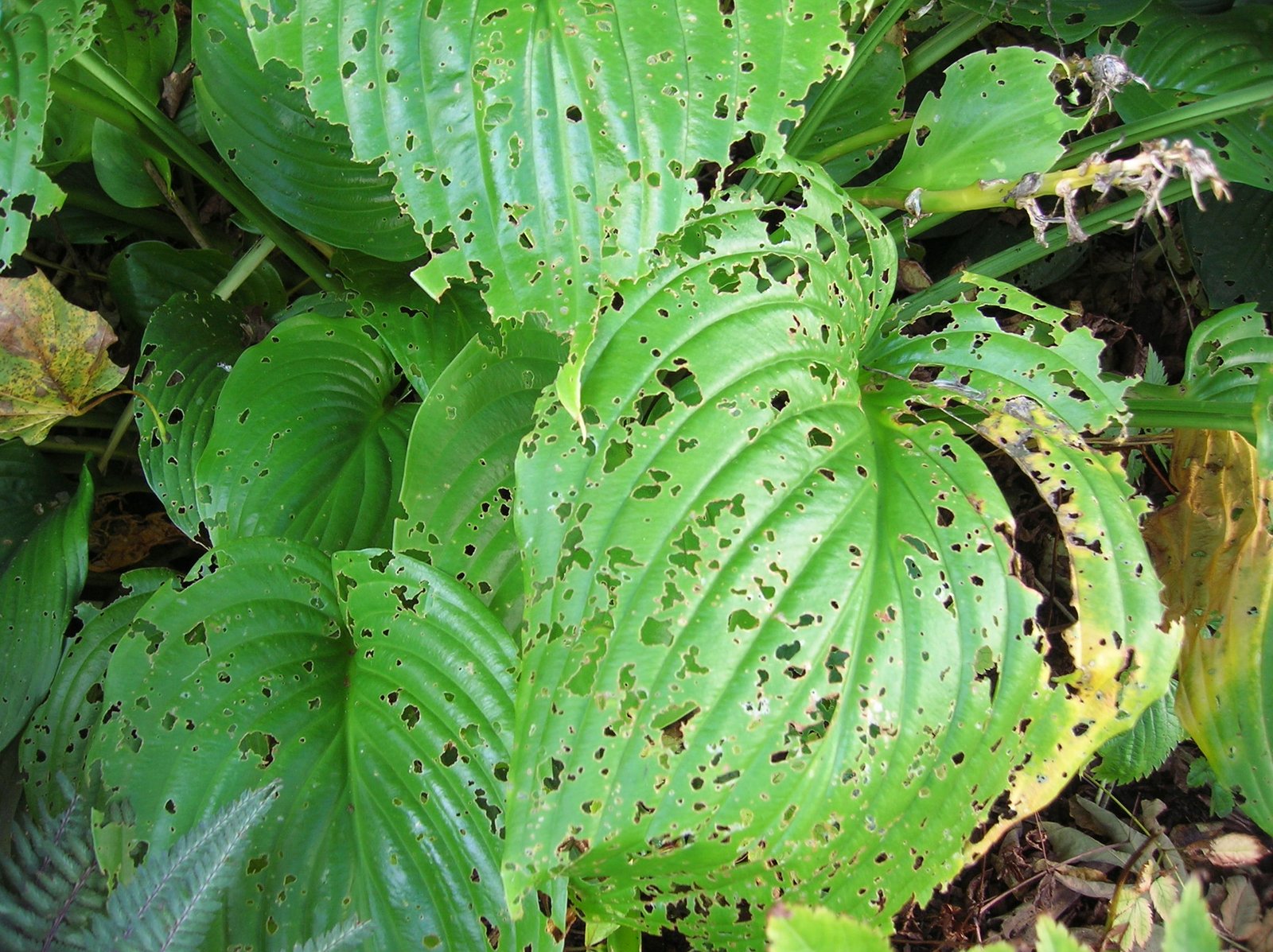
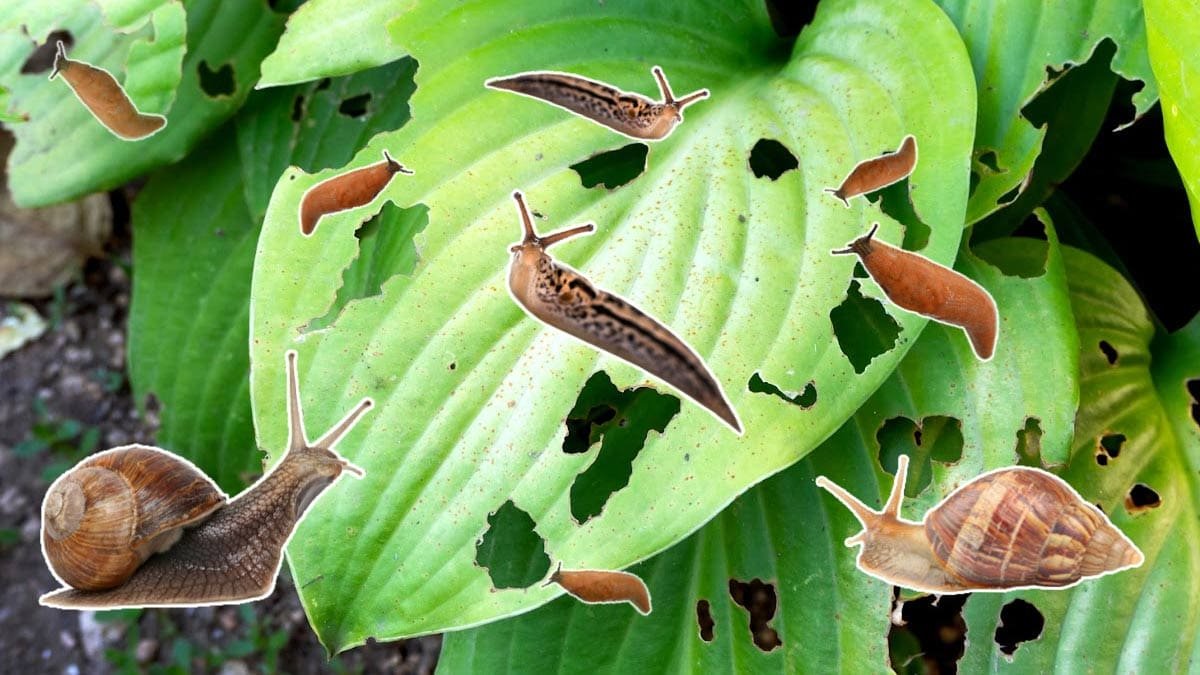
Once debris is removed, inspect hostas for pest damage signs. Check for chewed edges or leaf holes that can mean the presence of snails, slugs, or similar pests. Early identification is crucial to managing infestations before they get severe. Consider employing organic pest control techniques like copper tape or diatomaceous earth to safeguard plants.
Dividing and Transplanting Hostas
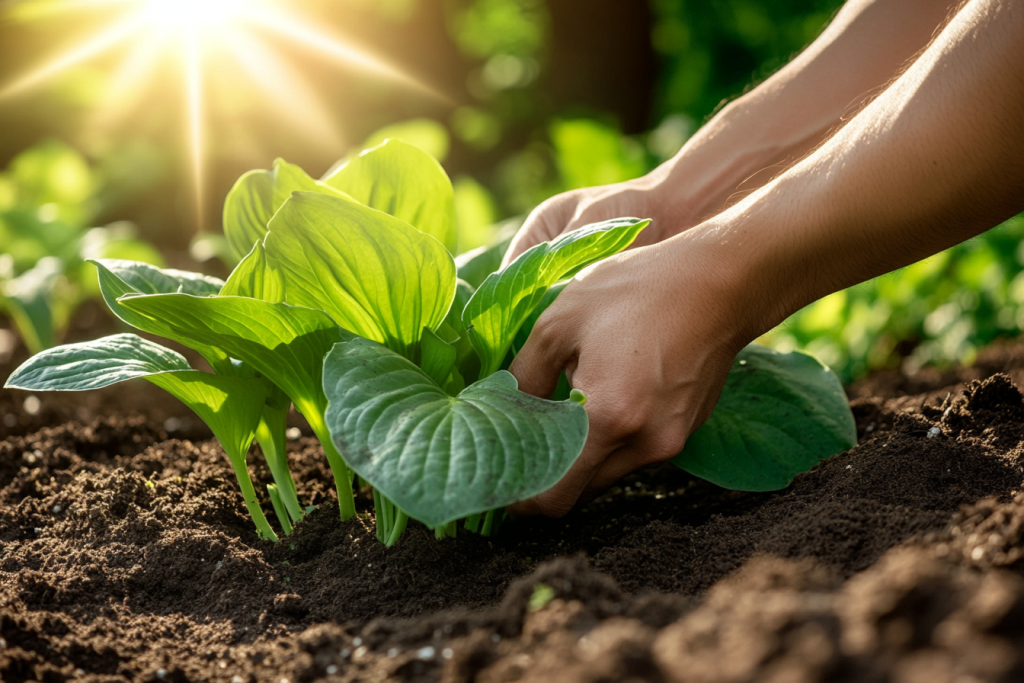
Spring is an ideal period to divide and transplant hostas, specifically when they’ve become overcrowded. Hostas division not only regulates their size but also encourages better growth. Carefully dig up the clump and separate the roots into smaller sections using a sharp spade or knife. Replant in well-prepared soil, spacing divisions well enough for future expansion.
Amending the Soil with Nutrients
Hostas grow best in soil rich with nutrients; thus, adding organic matter to your garden beds during spring is crucial. Mix well-rotted manure or compost around your hostas into the soil to boost its structure and fertility. This action offers the essential elements plants require to encourage robust growth and vibrant foliage.
Mulching for Moisture Retention
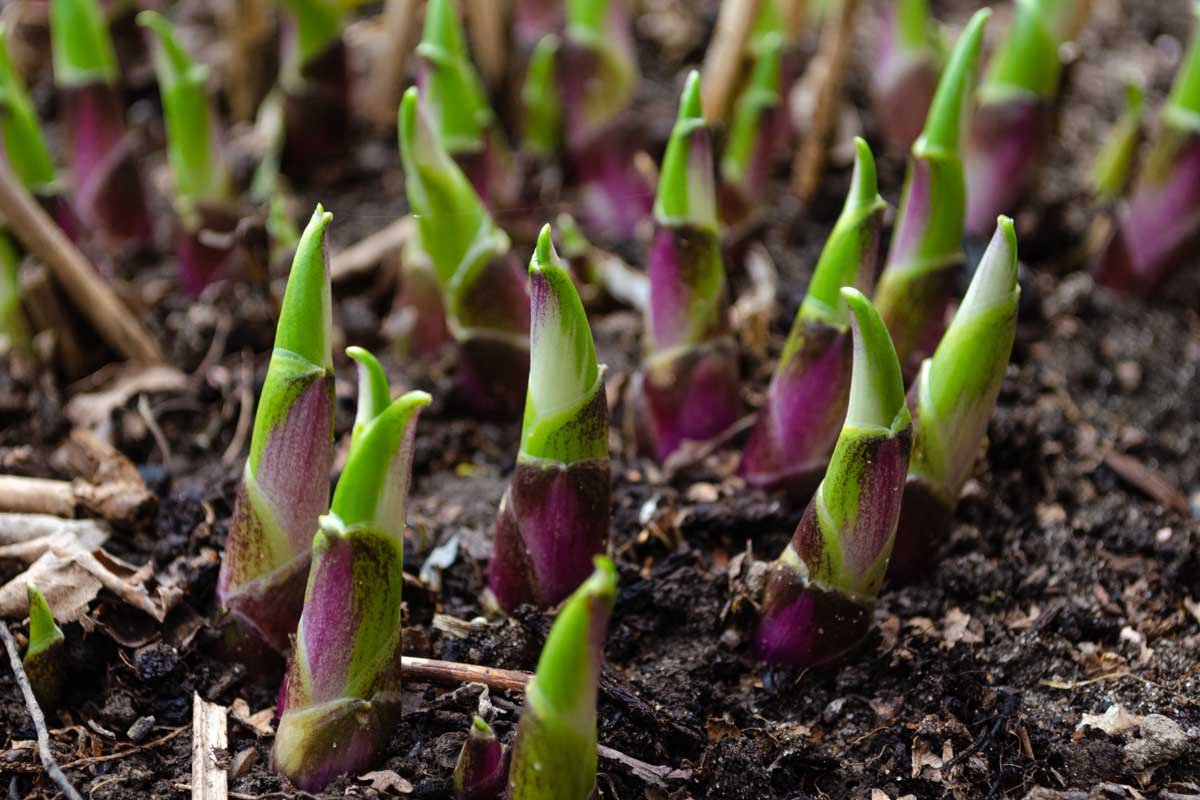
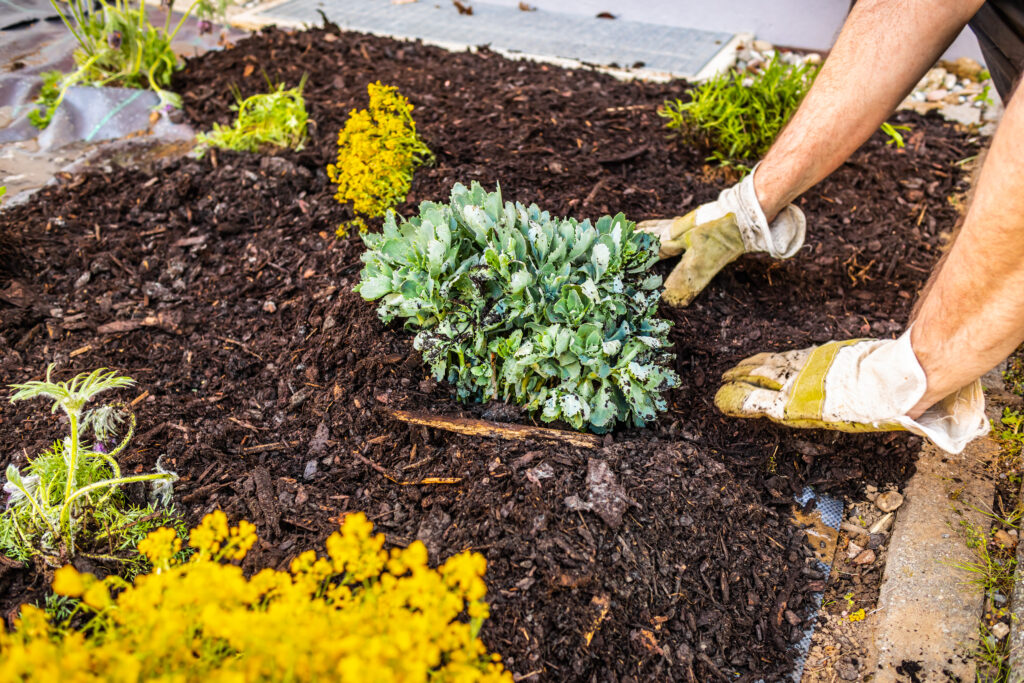
An effective way to retain soil moisture and prevent weeds from growing is to apply a mulch layer around hostas. Opt for an organic mulch like shredded bark or leaf mold, and spread it evenly surrounding the base of your plants. Be cautious not to cover any emerging shoots, because it could stop their growth.
Watering Techniques for Early Growth
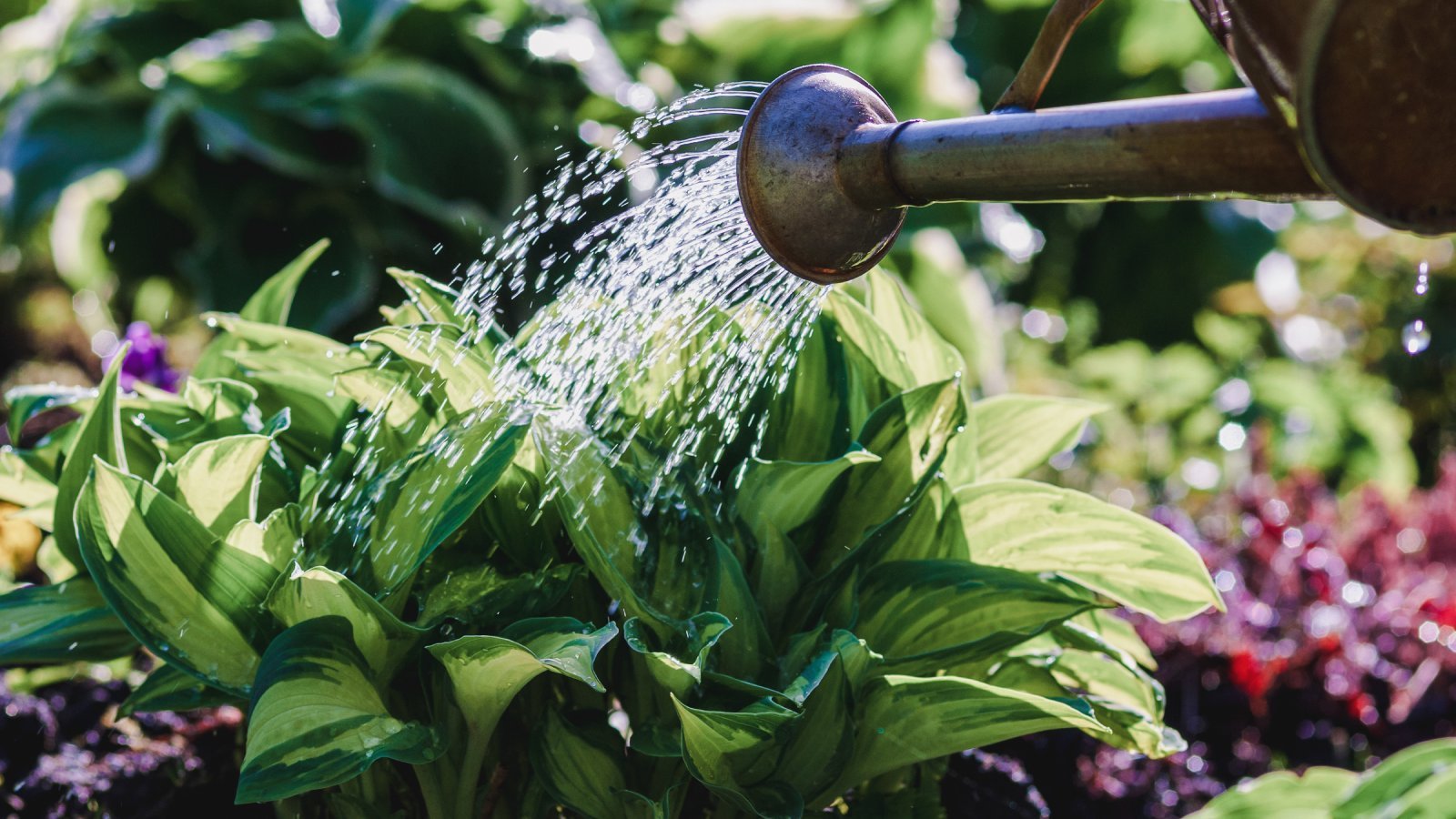
As hostas begin emerging during spring, having a regular watering schedule is essential. Hostas prefer moist, well-draining soil; therefore, water deeply once weekly, letting the soil dry slightly in between. Modify the watering schedule depending on temperature and rainfall to avoid overwatering, which can cause root rot.
Fertilizing for Optimal Health
Apply a balanced, slow-release fertilizer to your hostas during early spring to stimulate robust growth. Pick a fertilizer having equal parts of potassium, nitrogen, and phosphorus to assist overall plant health. To know proper application rates, follow the manufacturer’s guidelines and stay away from over-fertilizing, which could result in leaf burn as well as other problems.
Managing Sun Exposure
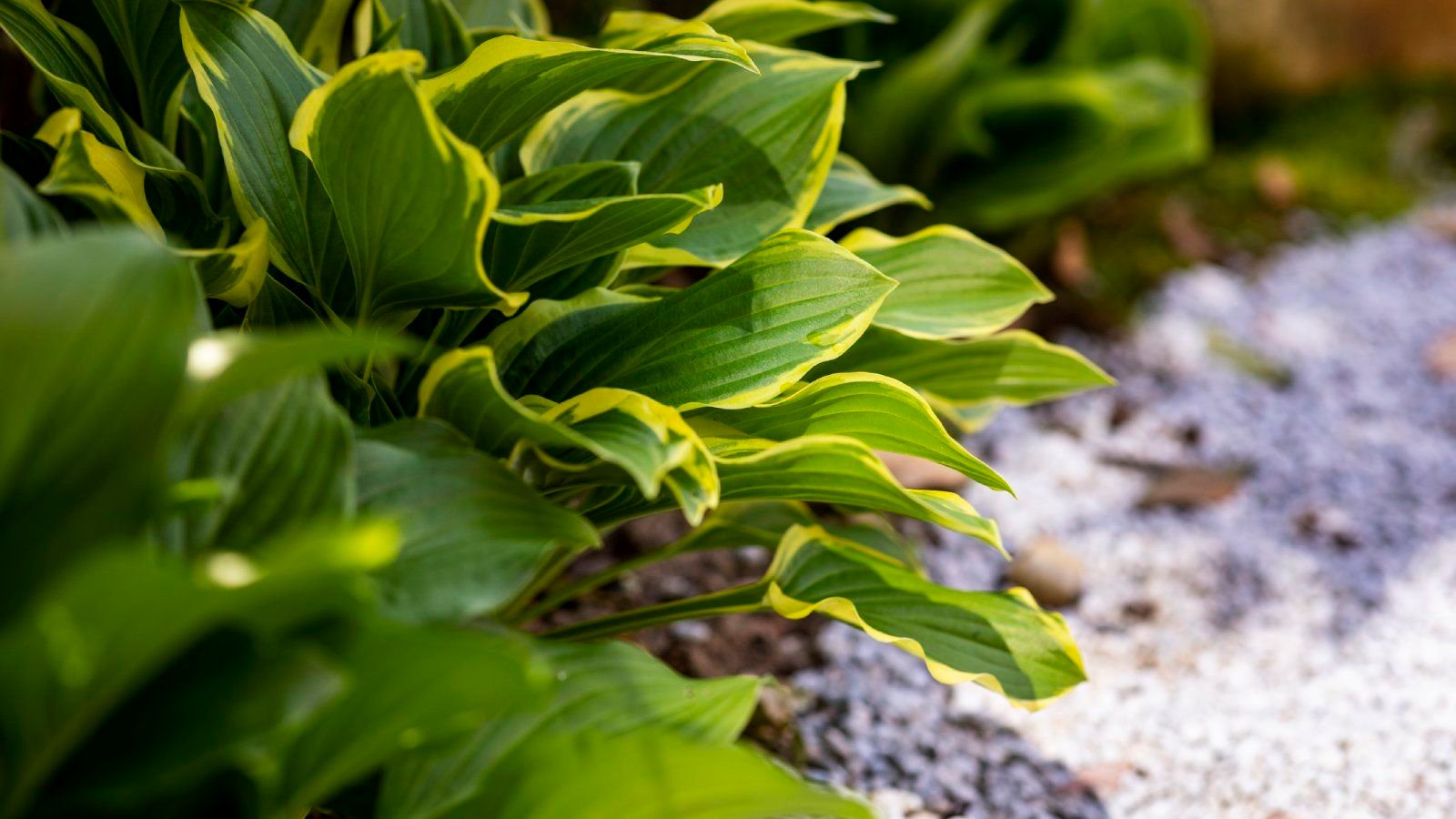
Although hostas are popular for their shade tolerance, certain varieties can tolerate additional sun. Evaluate the sun exposure within your garden and change the placement of the hostas as needed. If crucial, utilize companion planting or garden structures to offer added shade, protecting them from strong afternoon sun.
Monitoring for Slug and Snail Activity
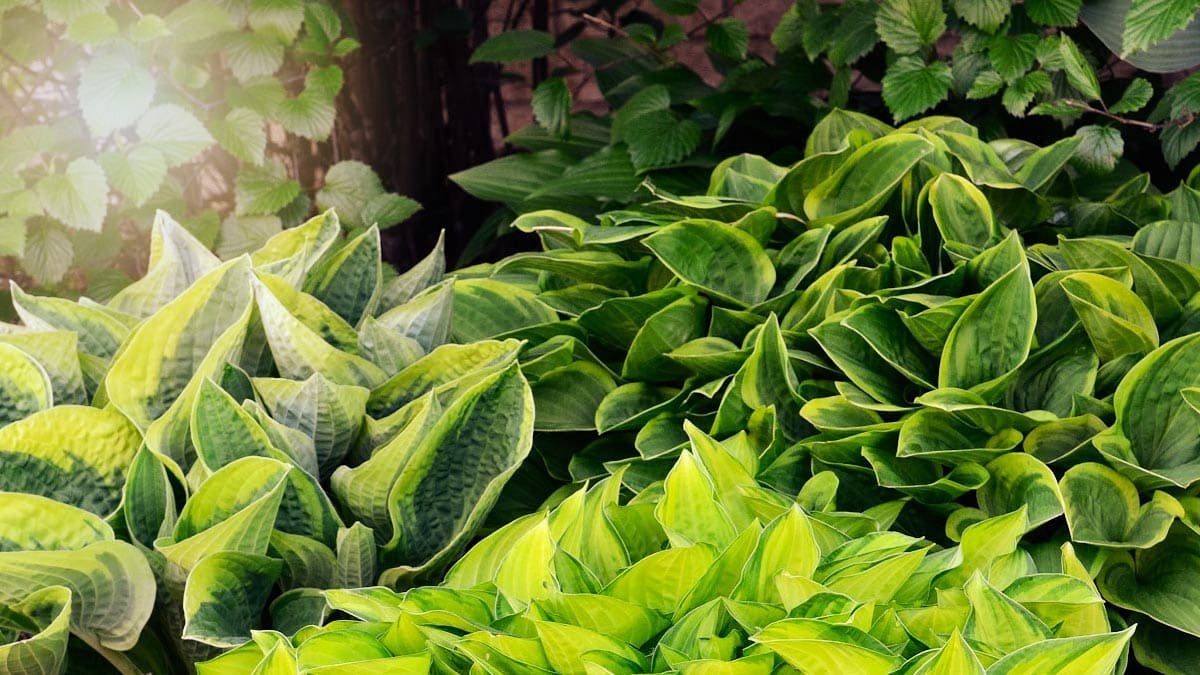
Typical pests that can inflict considerable harm on hostas are slugs and snails. Regularly check your plants for these pests, such as slime trails or leaves that have been chewed. Put into action control measures like natural repellents or beer traps for keeping these pests under control plus safeguarding hostas.
Planning for Seasonal Growth
Finally, dedicate time to plotting out the seasonal growth of your hostas. Think about the mature size of each variety and ensure ample space can be expanded. Maintain awareness of new types you wish to include in your garden and plot their placement for complementing existing plants. Mindful planning ensures a harmonious and thriving hosta garden.
Conclusion: Preparing Your Hostas for a Thriving Season
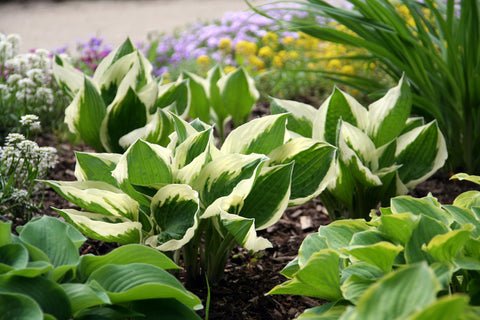
By tending to these essential spring tasks, you establish a favorable base for hostas’ successful growth season. Hostas will reward you with stunning displays and lush foliage throughout the year with correct attention and care. Keep in mind that a small spring effort can result in a full garden season of enjoyment and beauty.


