

The key to a thriving peony garden lies in understanding their lifecycle and applying a strategic post-bloom care regimen which can significantly influence their overall health and flowering potential in the future. This article details ten vital steps to implement after your peonies flower, arming you with the knowledge and techniques necessary for maintaining a lively and flourishing peony garden.
Understand the Peony Bloom Cycle
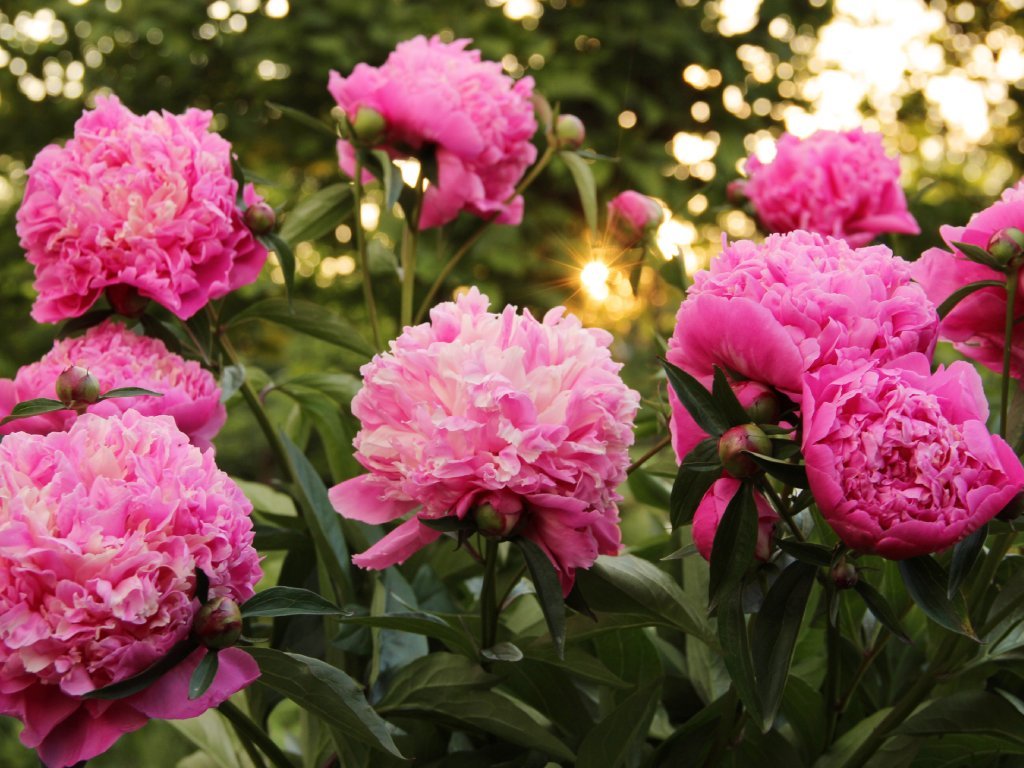
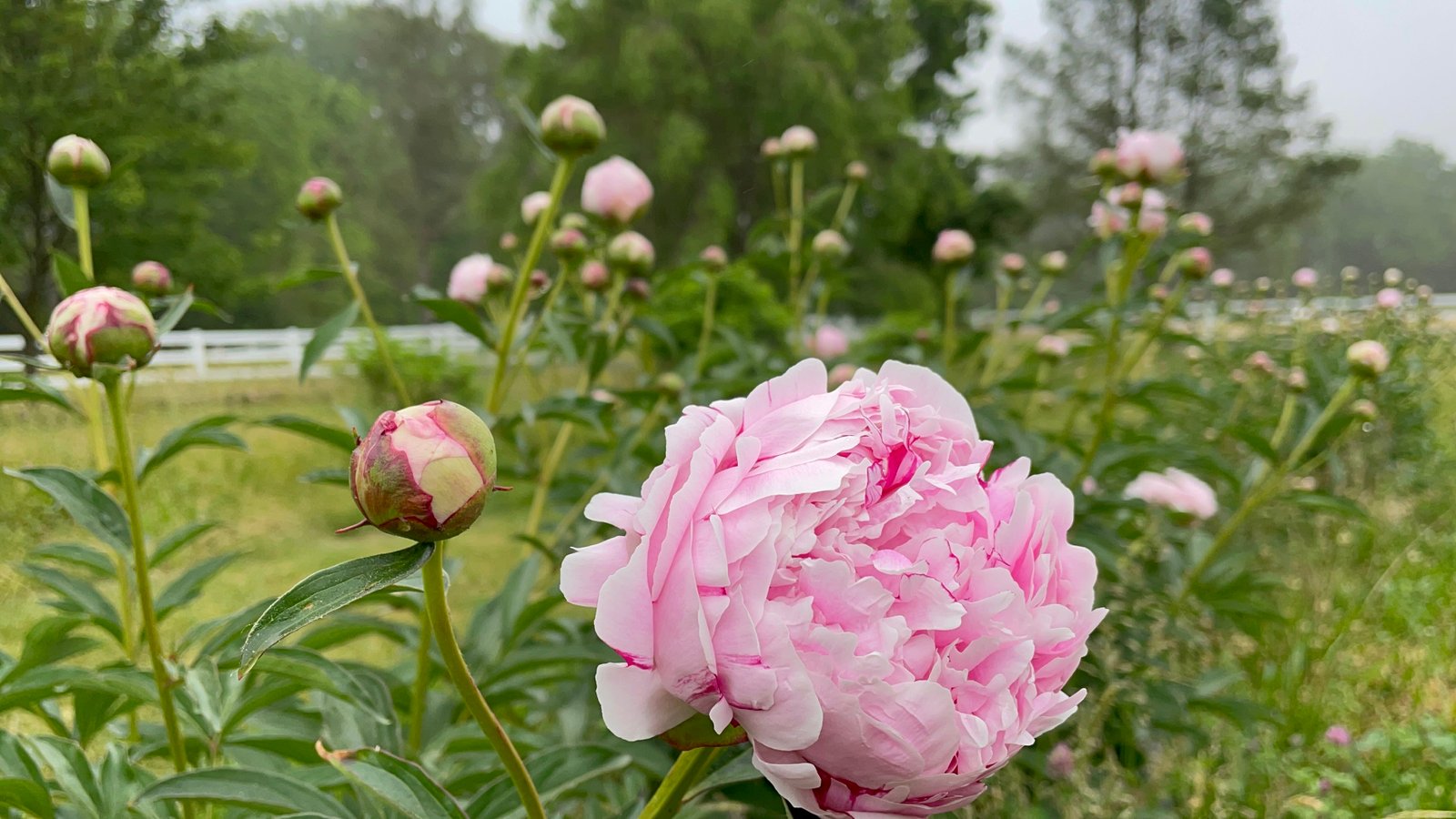
Peonies typically blossom from late spring to early summer, contingent on the specific variety and the prevailing climate. This flowering period usually spans approximately 7 to 10 days, where the flowers reach full bloom, showcasing their brilliant hues. Comprehending this cycle is essential for accurately timing post-bloom care. As the blooms fade, the plant transitions into a phase focused on growth and the accumulation of energy, which is critical for subsequent flowering. Recognizing the culmination of the bloom cycle signals the appropriate time to commence care activities aimed at bolstering the plant’s well-being and its capacity for future flowering.
Deadheading: The First Crucial Step
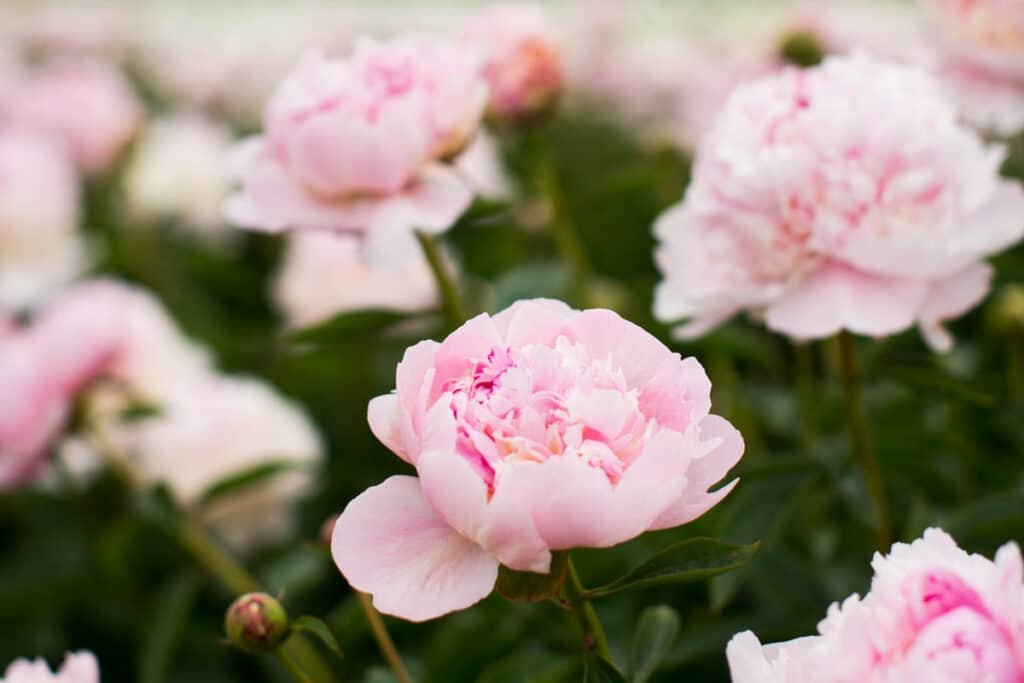
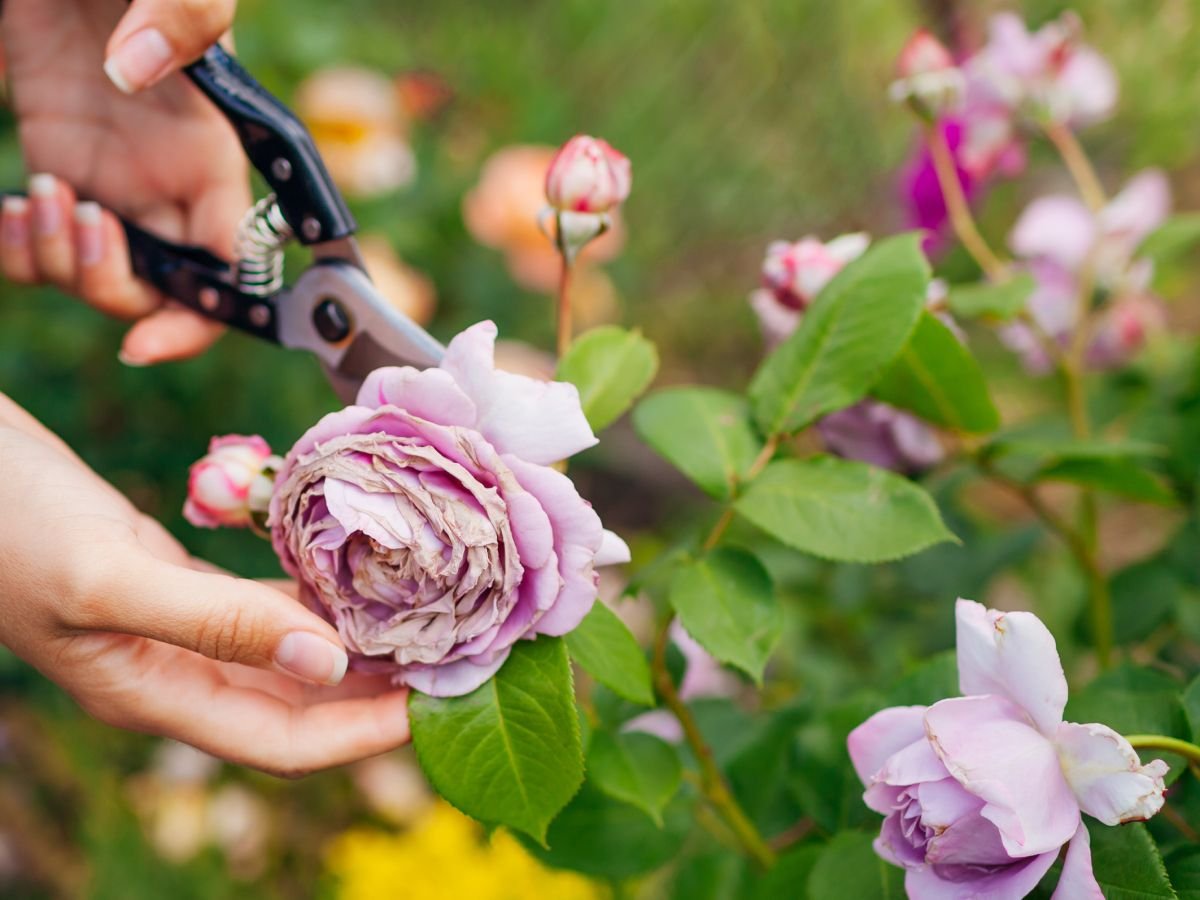
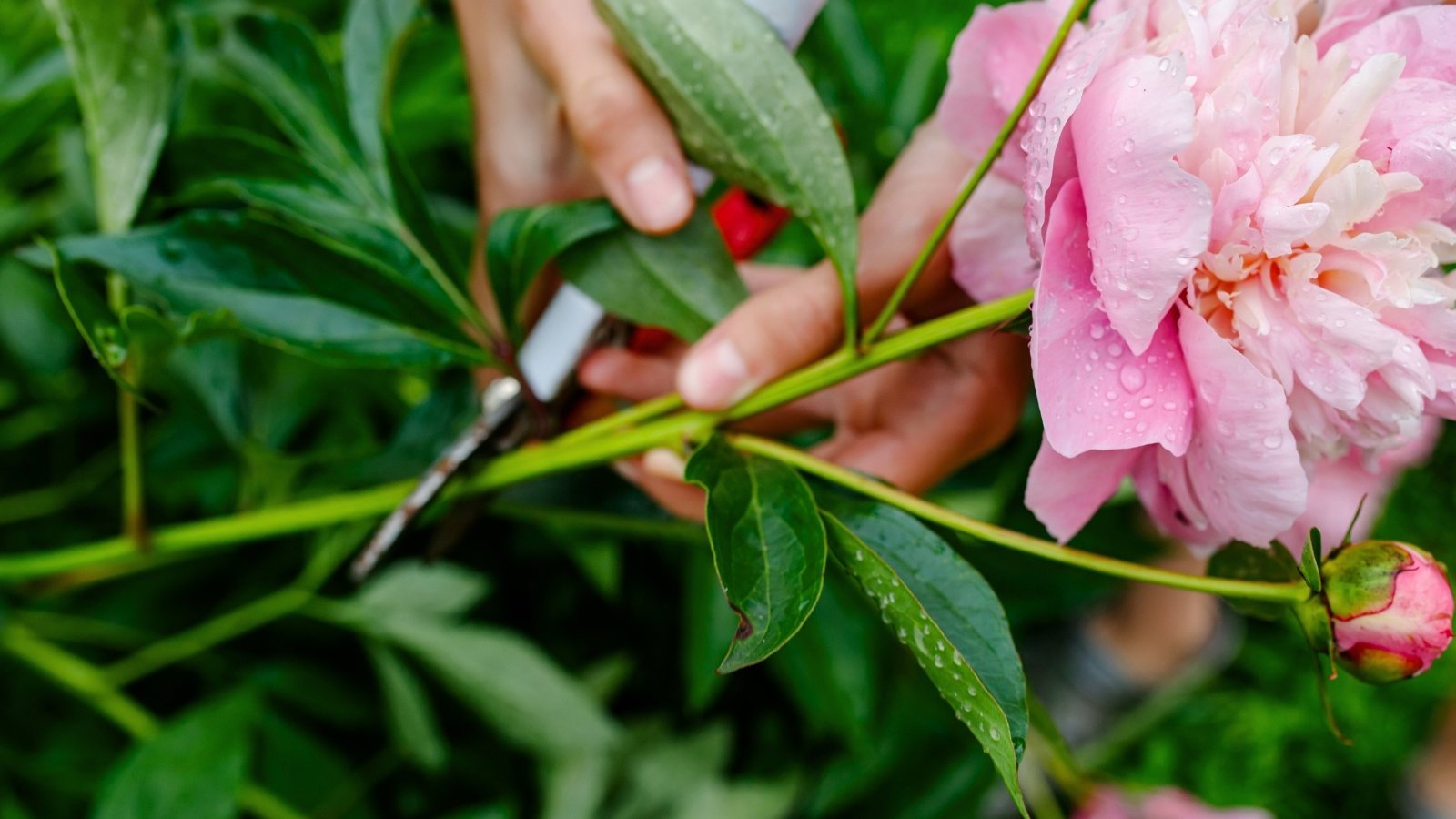
Removing faded blooms, known as deadheading, is a critical step. This process is essential to prevent the plant from using energy on seed production and instead focus its resources on developing roots and foliage. When deadheading peonies, utilize clean and sharp scissors or pruning shears to make a cut on the flower stem, positioning it just above the uppermost set of healthy leaves. This practice encourages the plant to channel its energy reserves towards becoming stronger for the coming growing season.
Fertilizing for Future Blooms
Fertilization following the blooming period represents an optimal time for fostering robust development and preparing for the subsequent year’s floral display. Utilize a balanced, slow-release fertilizer, like a 10-10-10 mix, applying around 1/4 cup to each plant. Distribute the fertilizer uniformly around the plant’s base, taking precautions to keep it away from direct stem contact. Ensure thorough watering of the area to facilitate the nutrients’ absorption into the soil.
:strip_icc()/Fertilizing-plants-0440837aeee64749832645ba62572f95.jpg)
Watering Wisely: Post-Bloom Care
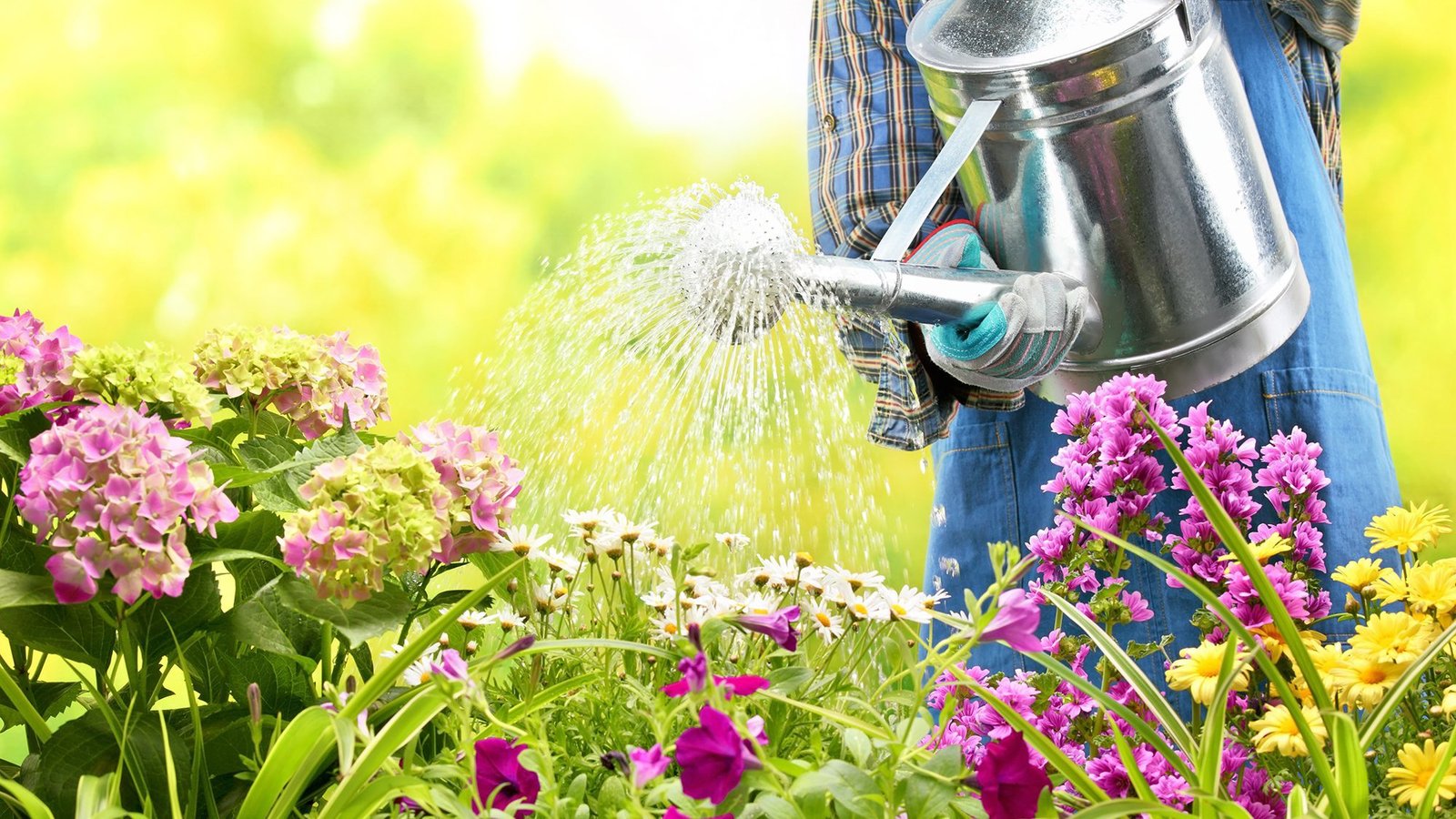
Adequate watering is crucial for maintaining the health and vigor of peonies after they have finished blooming. Aim to provide approximately 1 inch of water per week, obtained through rainfall or supplemental irrigation. To promote deep root formation, which aids the plant in enduring dry spells, water deeply and less frequently. Steer clear of overhead watering because moist foliage can encourage fungal diseases. Instead, administer water directly at the plant’s base in the early morning to allow for rapid drying of the leaves.
Pruning: When and How to Do It
An important part of keeping peonies looking their best and staying healthy is pruning them after they bloom. Once the flowers are gone, get rid of any stems that are dead or damaged to help air circulate better and lower the chance of disease. In the fall, after the first frost, cut the foliage back to about 2 inches above the ground. This simple step can prevent diseases from living through the winter in the plant’s remains and leads to strong growth in the springtime.
Pest and Disease Management
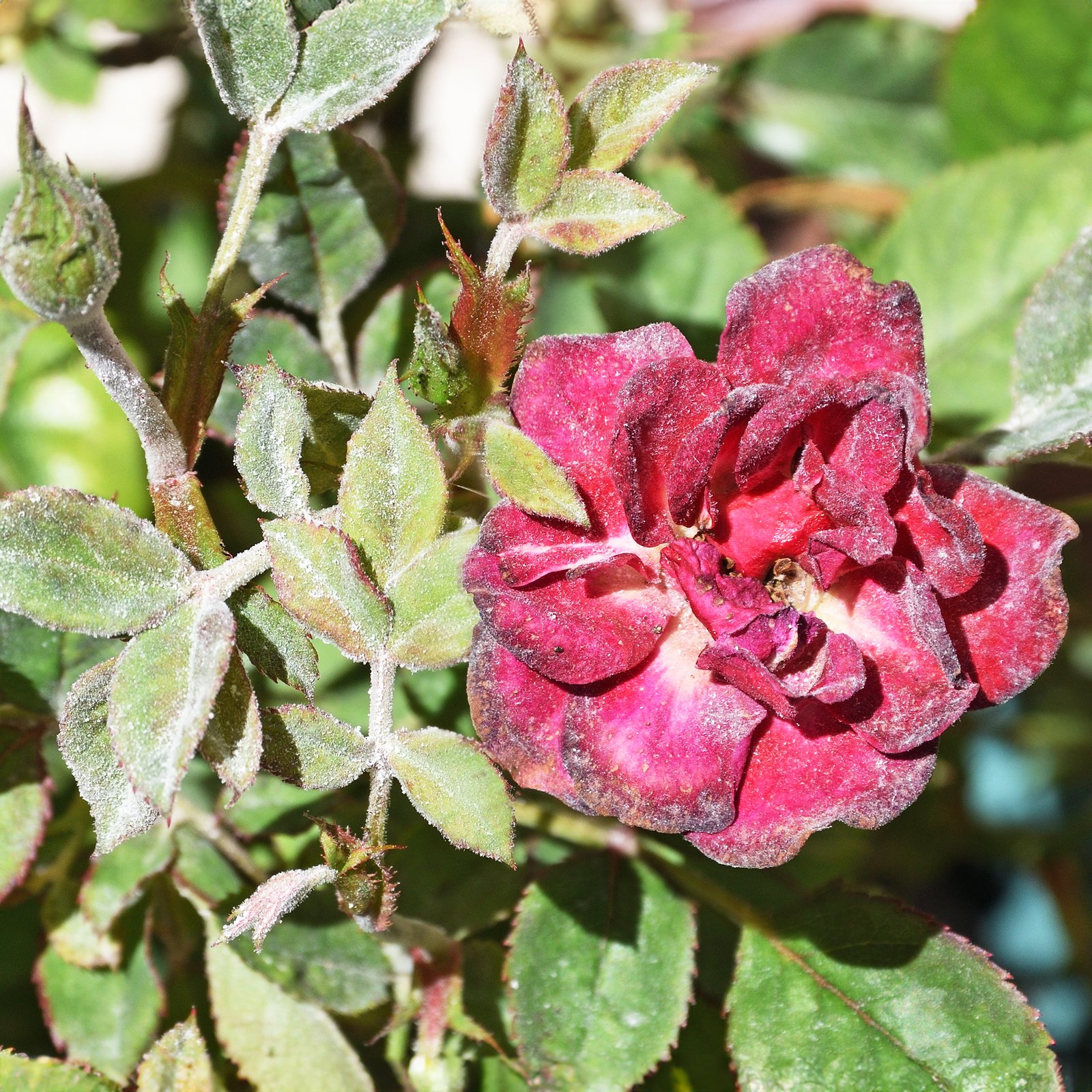
Peonies can be vulnerable to pests, such as aphids, and diseases like botrytis blight. Following the blooming phase, regularly inspect your plants for any indications of infestation or disease. Discard affected foliage appropriately after removing it. When managing pests, look into using insecticidal soap or neem oil, making sure to adhere to the manufacturer’s guidelines. To help prevent disease, ensure the plants have good air circulation and avoid watering the leaves from above.
Mulching for Moisture Retention
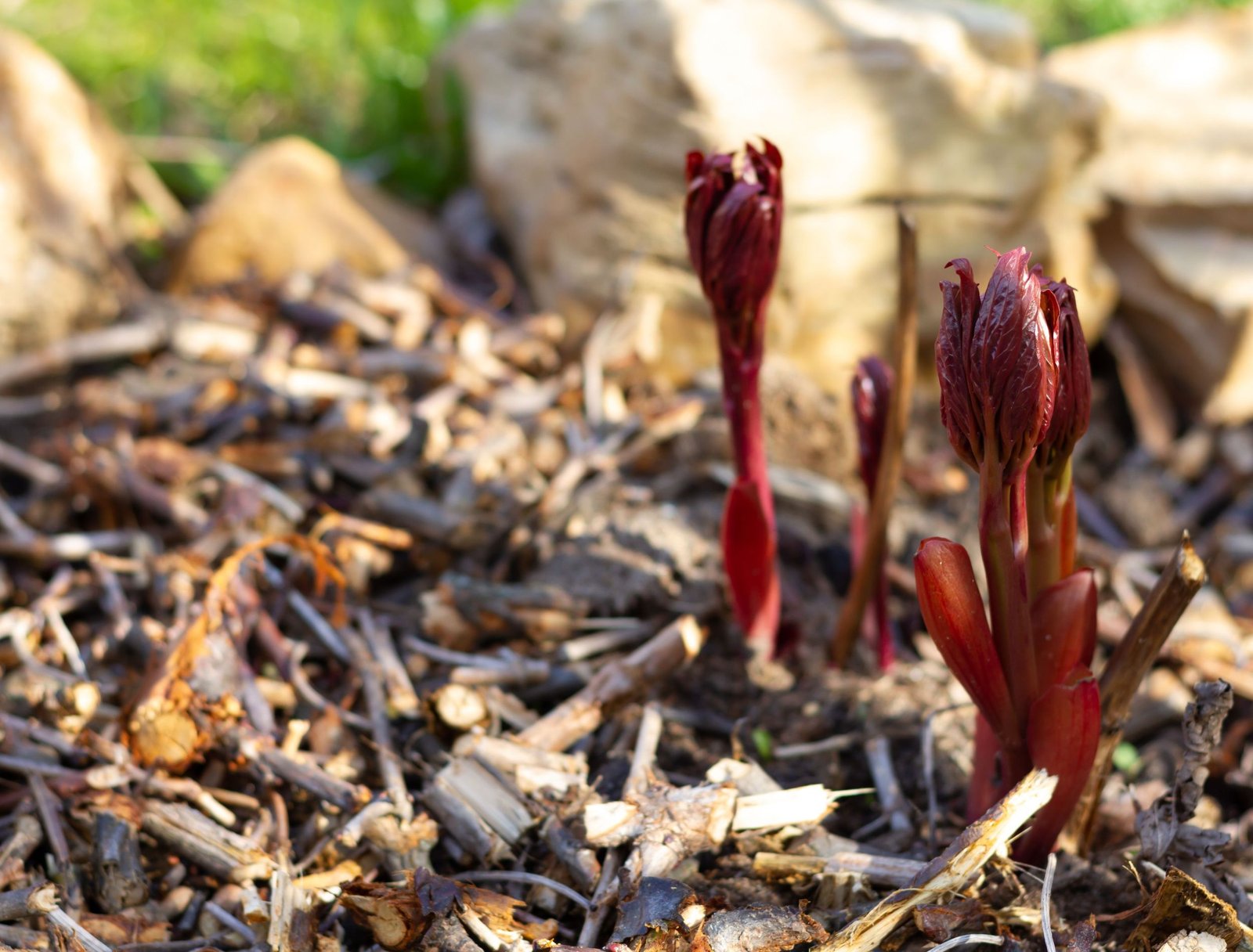
After your peonies flower, adding a layer of mulch around them can help the soil stay moist and keep the temperature stable. Choose an organic mulch, such as shredded bark or straw, and spread it about 2 to 3 inches deep. Make sure to keep the mulch a few inches away from the plant’s stem to avoid issues with rot and pests. Mulching also helps keep weeds down, so there’s less competition for nutrients and water.
Dividing Peonies: When It’s Necessary
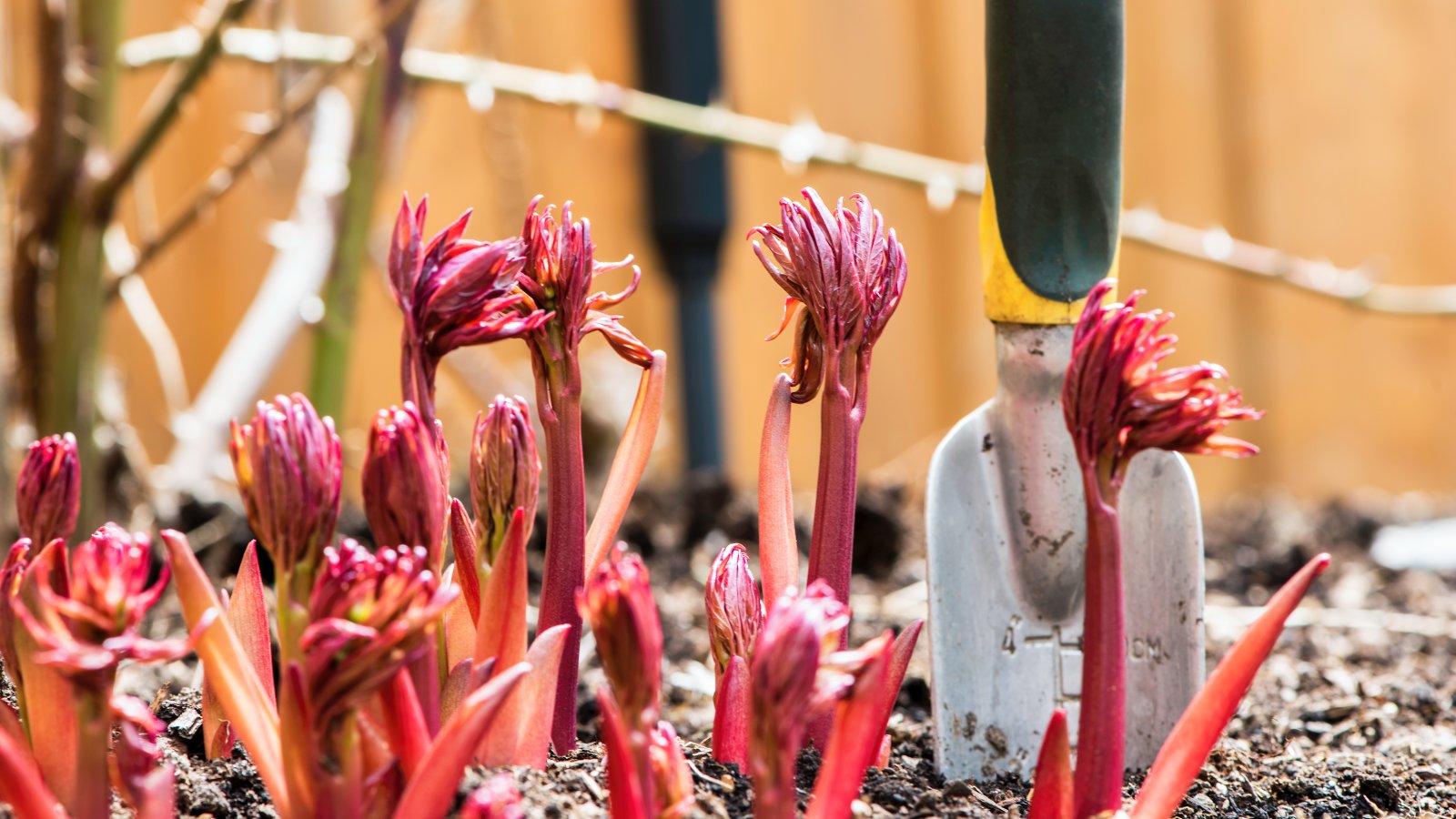
While not always required, dividing peonies may be advantageous if they become overly crowded or exhibit diminished blooming vigor. Autumn, subsequent to foliage die-back, presents the ideal time for peony division. Carefully unearth the plant and, using a sharp blade, sever the root clump into segments, guaranteeing each segment possesses a minimum of 3 to 5 eyes (buds). Replant the divisions, maintaining the original planting depth, and hydrate thoroughly to aid establishment.
Preparing Peonies for Winter
It’s crucial to get your peonies ready for winter to keep them safe from harsh weather. After you’ve cut back the foliage in the fall, put down a layer of mulch to keep the roots warm and stop them from freezing. If you live where it gets really cold, think about covering the plants with something breathable like fabric or burlap for extra protection. Avoid using plastic because it can trap moisture and cause rot.
Soil Testing and Amendments
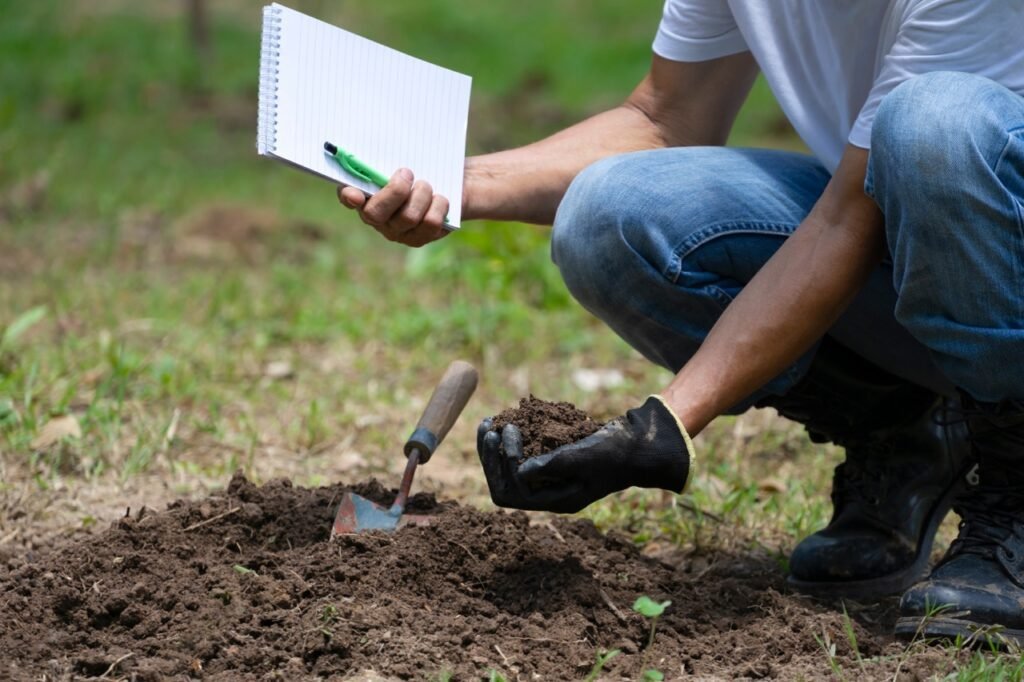
Evaluating the soil following the peony blooming period can shed light on its nutrient composition and pH level. Employ a soil test kit to ascertain if any soil amendments are necessary. Peonies thrive best in slightly acidic to neutral soil boasting a pH range of 6.0 to 7.0. Should the soil exhibit excessive acidity, contemplate adding lime to elevate the pH. Conversely, in cases of excessive alkalinity, sulfur can serve to reduce the pH. Rectifying the soil’s nutrient equilibrium can enhance the plant’s well-being and floral production.
Planning for Next Season’s Blooms
Contemplating the subsequent season’s peony blooms entails assessing the current year’s showing and instituting required adjustments. Consider elements like bloom size, hue, and plant robustness. Should particular varieties outperform others, contemplating their propagation or experimenting with novel varieties complementing your garden is an option. Maintaining a garden journal to chronicle observations and modifications can prove invaluable for forthcoming planning, thus guaranteeing a stunning peony exhibition annually.
Conclusion
Caring for peonies doesn’t end when the last petals fall—it’s the thoughtful, consistent attention afterward that truly determines how vibrant and abundant your garden will be next year. By understanding their bloom cycle, deadheading promptly, feeding and watering wisely, and safeguarding them through pruning, mulching, and pest management, you help your plants recharge and prepare for another spectacular season. Additional practices such as dividing overcrowded clumps, amending soil, and preparing for winter ensure long-term resilience and health.
Peonies reward patience and care; each step you take after blooming is an investment in their strength, beauty, and endurance. With a clear post-bloom regimen, your peony garden will not only survive but thrive—delighting you with richer foliage and more breathtaking blossoms season after season.


