

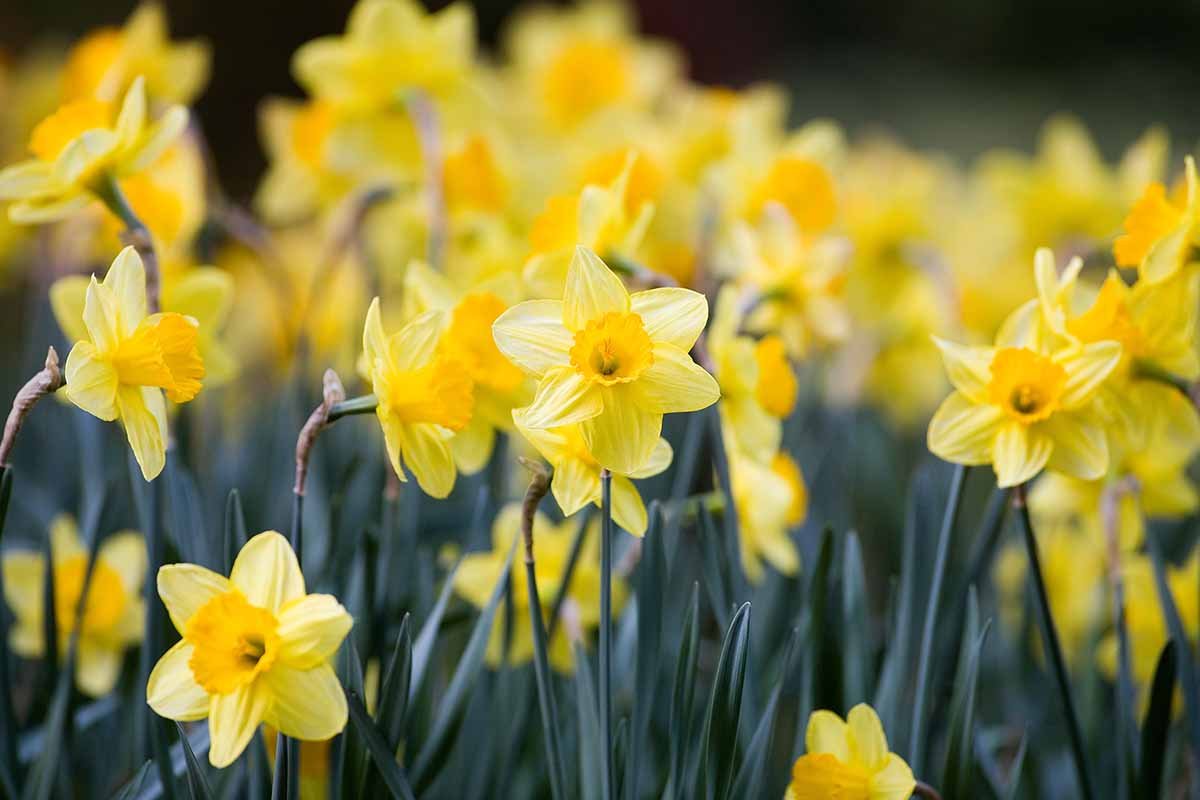
Daffodils are much-loved as a signal of springtime, their vibrant flowers announcing winter’s end and the beginning of warmer weather. Taking care of daffodils, though, isn’t limited to the flowering period; tending to them after they’ve bloomed is just as important. Proper post-bloom treatment guarantees the bulbs will reappear in the following years, potentially even more brilliantly than before.
Proper maintenance following the flowering period strengthens the bulbs and prepares them for the next growth cycle. Gardeners can ensure a thriving daffodil display for many seasons by understanding and applying key maintenance practices.
Deadheading: The Art of Removing Spent Blooms
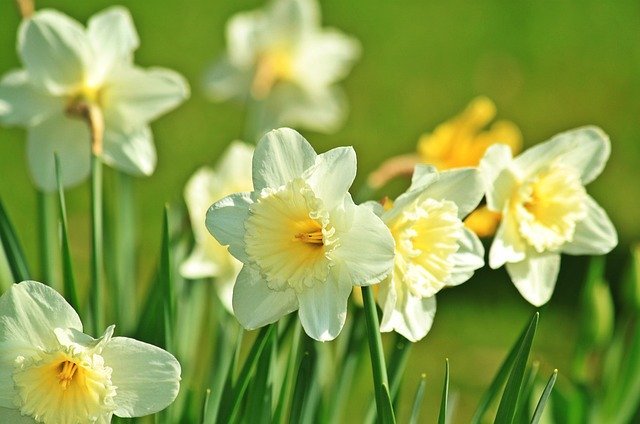
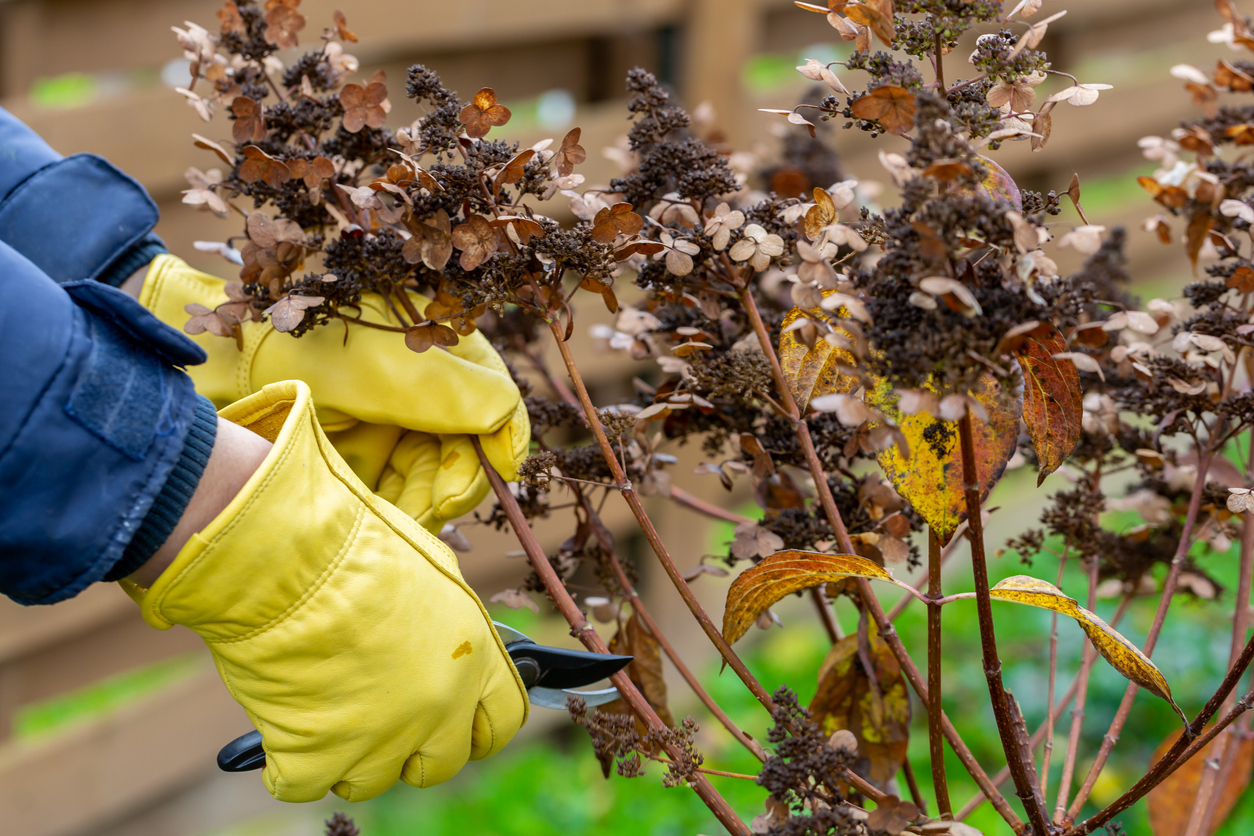
Deadheading entails removing wilted or dead blossoms from plants. This process is essential for daffodils because it stops the plant from using energy to create seeds. Instead, that energy is redirected toward the bulb, making it stronger for the next year. To deadhead, simply cut off the flower heads once they begin to fade, taking care not to cut the leaves, as they are needed for photosynthesis.
Fertilizing: Nourishing the Bulbs for Next Season
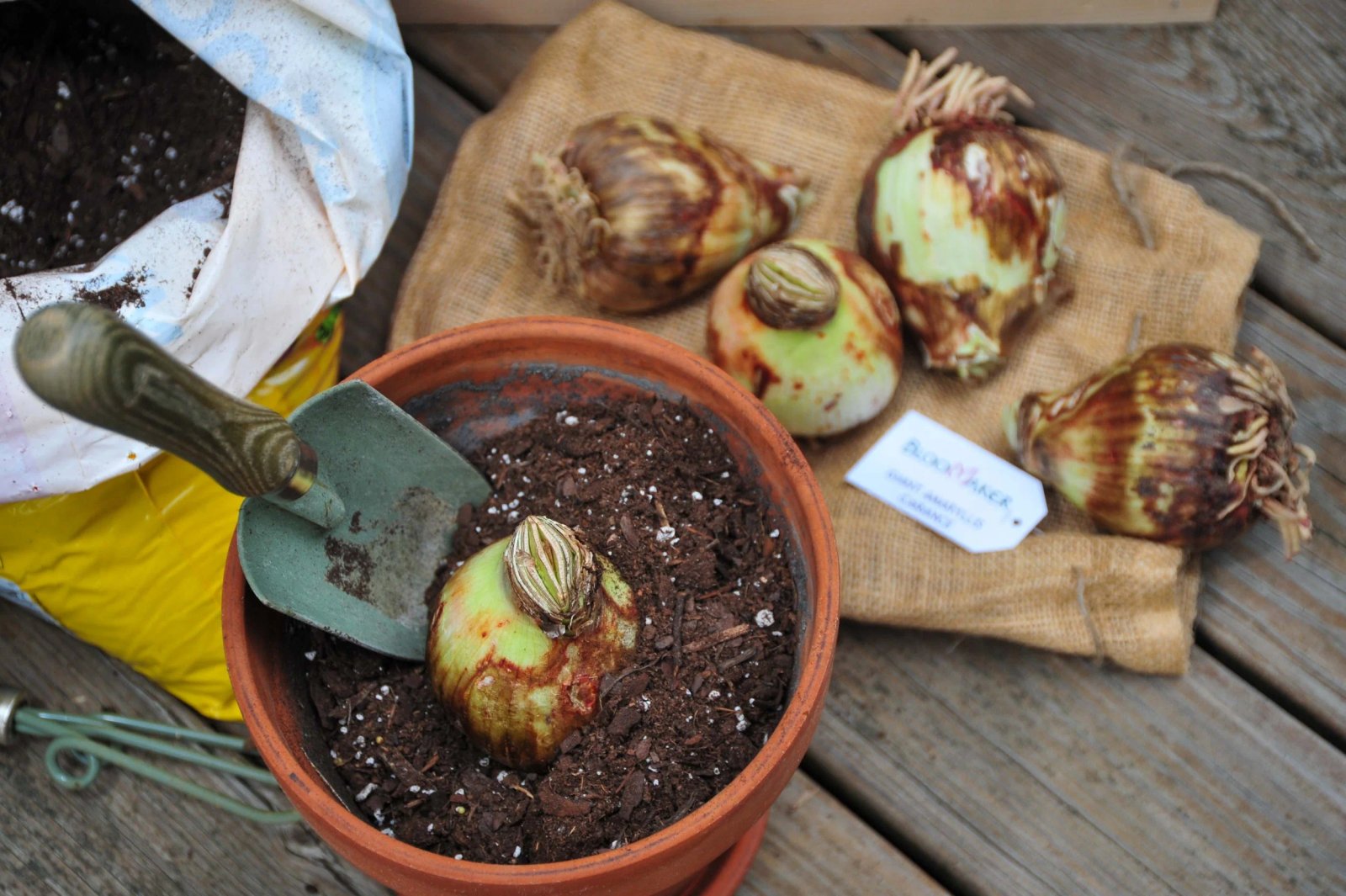
Daffodils require nutrients after they have flowered to restore the energy they used during blooming. Applying a balanced, slow-release fertilizer offers the necessary nutrients. Fertilization should occur immediately following the blooms, as this is when the bulbs effectively store energy for the upcoming season. A fertilizer that is rich in phosphorus and potassium promotes robust root growth and improves overall plant health.
Watering: Ensuring Adequate Moisture Levels
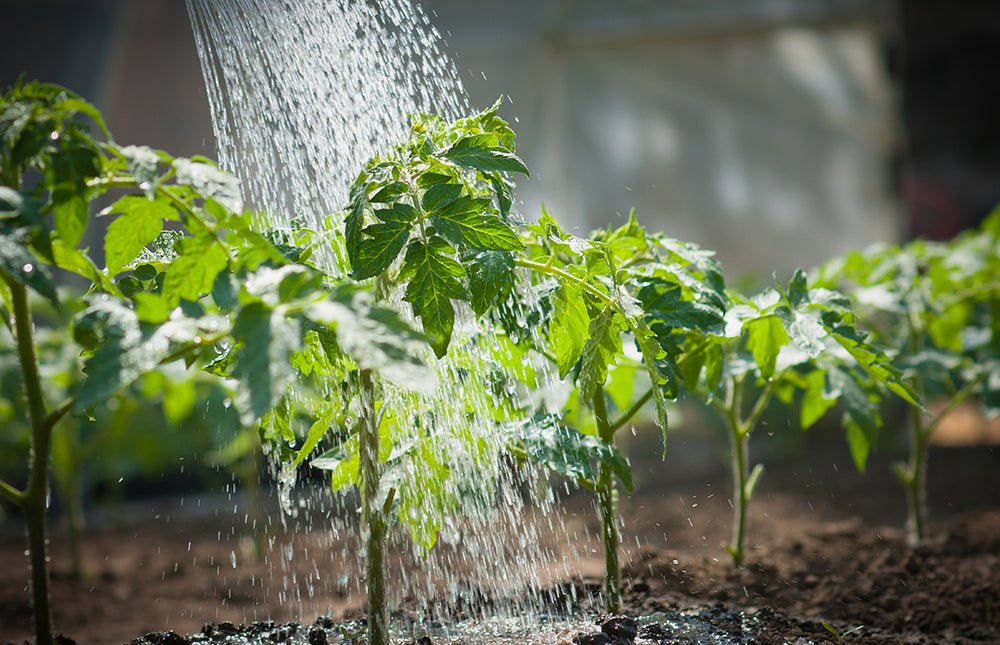
Although relatively drought-tolerant, daffodils still require sufficient moisture after flowering to support bulb formation. Ensure the soil stays continuously damp, but avoid oversaturation. Too much water may result in bulb rot, so it is vital to monitor rainfall and modify irrigation habits accordingly. A useful guideline is to provide a thorough watering once per week if there hasn’t been substantial rainfall.
Mulching: Protecting and Insulating the Soil
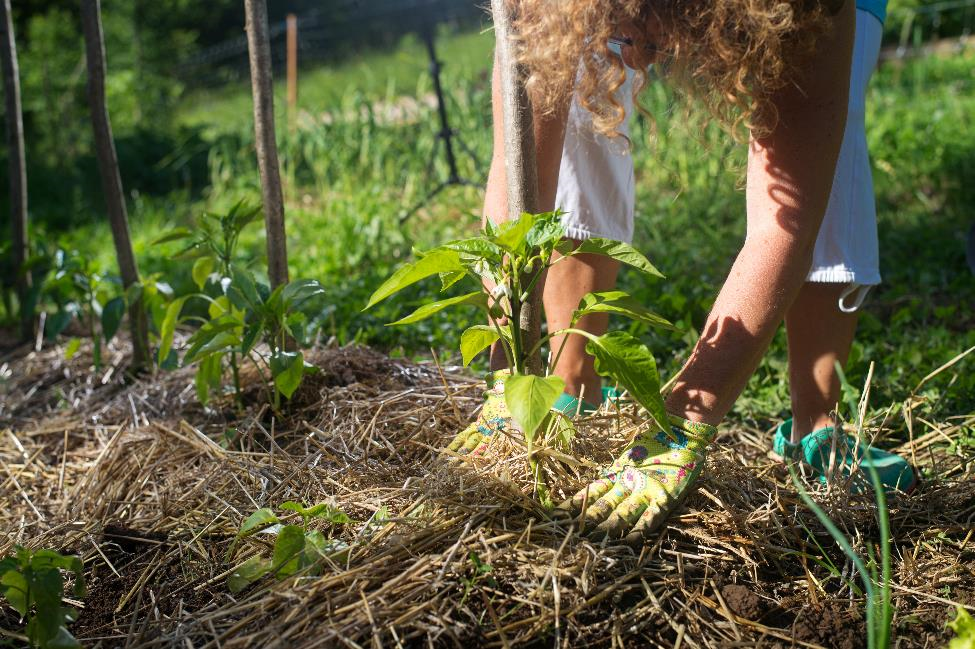
Mulching is an effective method for retaining soil moisture, preventing weed growth, and regulating earth temperature. Once daffodils have finished blooming, put a layer of organic mulch, such as compost or shredded bark, around the plant bases. This action protects the bulbs and enriches the earth when the mulch breaks down.
Pest Control: Safeguarding Against Common Threats
Although usually pest-resistant, daffodils can be susceptible to attacks by pests such as bulb flies, slugs, and snails. Conduct frequent inspections of plants for signs of pest activity, and take action as necessary. Natural solutions like diatomaceous earth or copper tape can effectively deter slugs and snails. Consider using insecticidal soap or neem oil to treat bulb flies.
Dividing Clumps: Promoting Healthy Growth
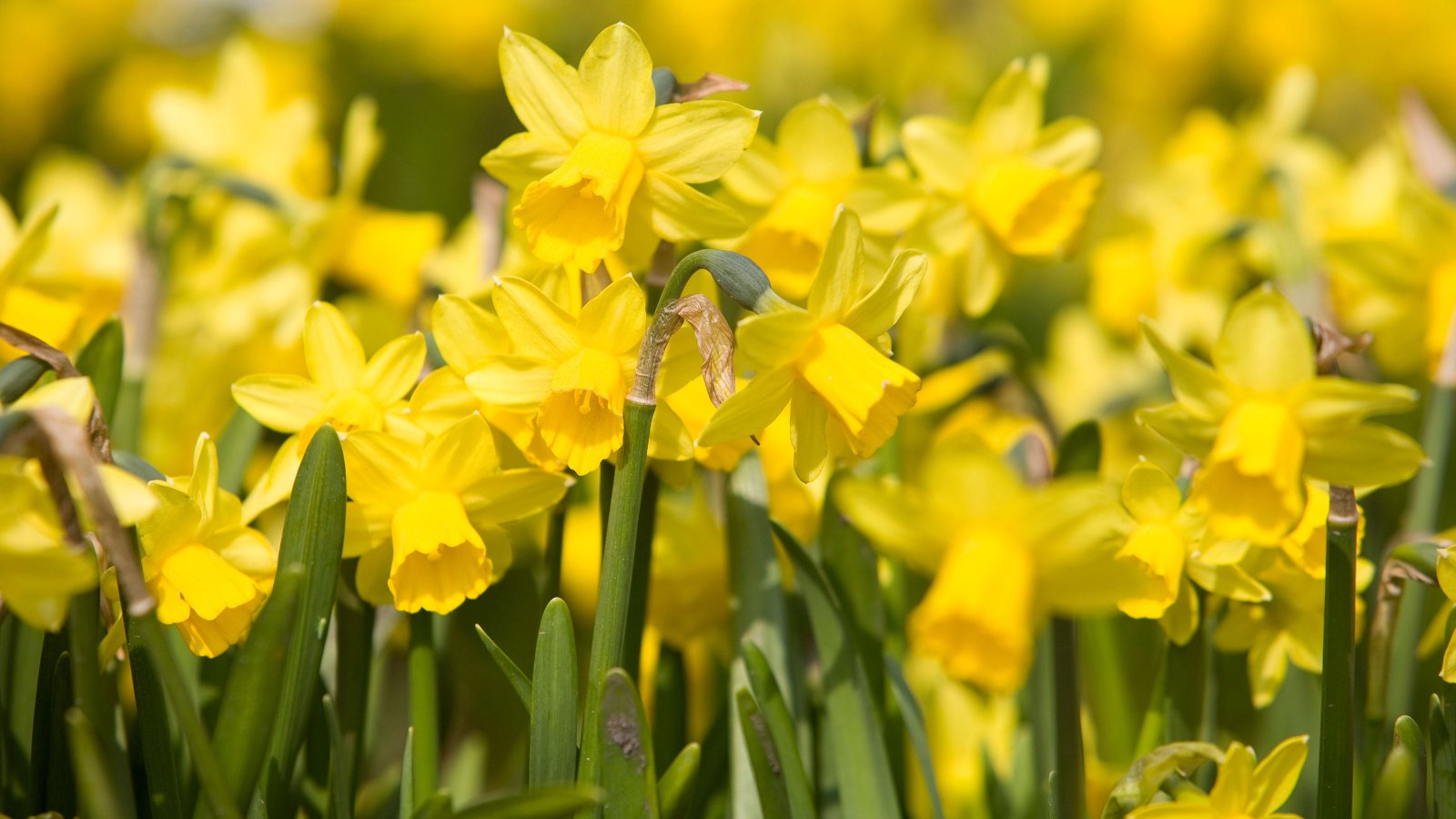
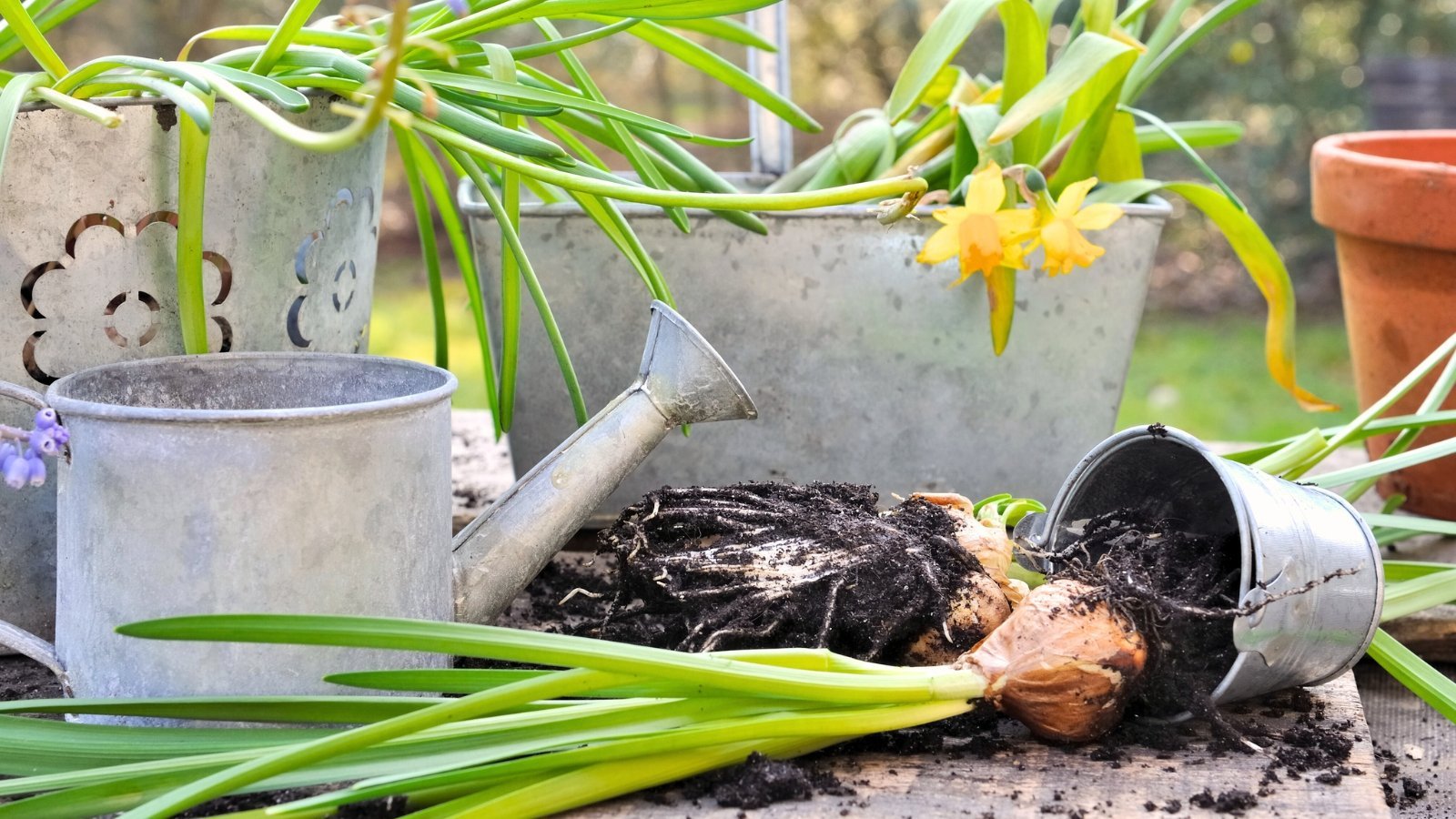
Over time, daffodil bulbs can become too crowded, leading to a decrease in the blooms from the plants. Dividing the clumps every three to five years can help maintain healthy growth and encourage more abundant flowering. Divide daffodils best after the foliage has died back, typically in late spring or early summer. Carefully dig up the bulbs, separate these, and replant them at the correct depth and with sufficient spacing.
Soil Testing: Analyzing and Amending for Optimal Growth
You can gain significant insight into the nutrient content and pH of your garden soil by performing a soil test. You can then modify the soil, based on these results, to produce optimal growth conditions for the daffodils. To raise the pH of very acidic soil, apply lime. Conversely, if the soil is overly alkaline, use sulfur to reduce the pH.
:max_bytes(150000):strip_icc()/how-to-test-soil-acidity-alkalinity-without-a-test-kit-1388584-hero-01-d6fb5f2e48e1438ca5829f7e67d4a373.jpg "Most people have no clue. 10 critical things to do after daffodils bloom.")
Monitoring Foliage: Recognizing Signs of Disease
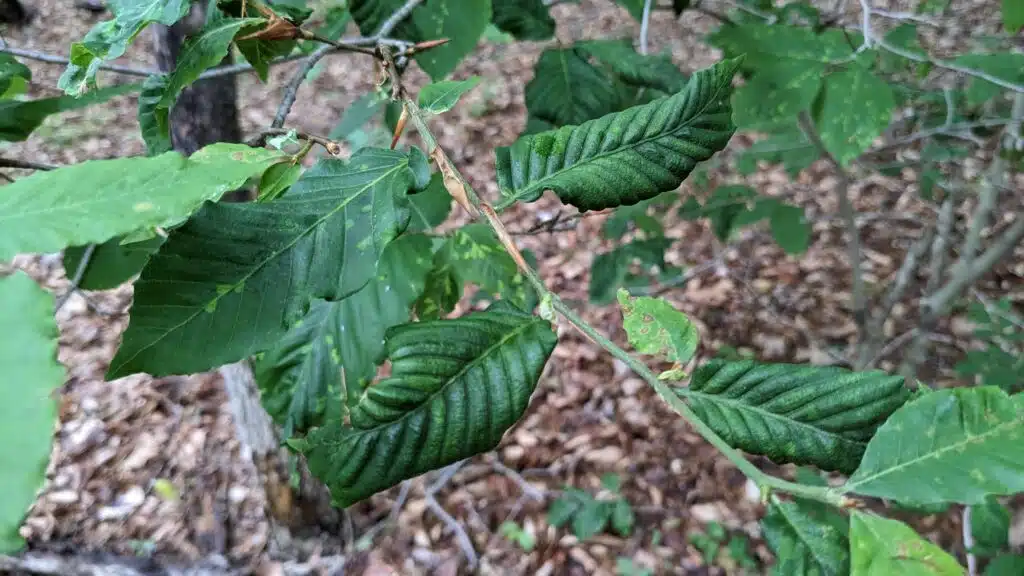
Healthy foliage is vital for photosynthesis and bulb energy storage. Watch the leaves for any symptoms of disease, such as spotting, yellowing, or wilting. Basal rot and narcissus smoulder are frequent diseases of daffodils. If you observe any symptoms, remove the diseased leaves and treat the plants using suitable cultural controls or fungicides.
Planning for Next Year: Strategic Bulb Placement
When planning where to plant in next year’s daffodil display, consider the overall design and layout of your garden. Think about companion plants, color schemes, and different bloom times that will go well with your daffodils. Strategic bulb deployment can elevate the visual attractiveness of any garden and make sure that blooms are consistently displayed throughout the growing season.
Documenting: Keeping a Garden Journal for Future Reference
Keeping a garden journal is a great way to monitor the growth of daffodils and other plants. Keep records of details such as bloom dates, weather conditions, pest activity, and the care undertaken. This valuable information can improve your decision-making processes for further activities and plant care approaches.

Conclusion: The Long-Term Benefits of Proper Daffodil Care
Gardeners can ensure their daffodils stay healthy and vibrant over the long term by following these important procedures after the plants bloom. Proper post-bloom maintenance enhances the garden’s beauty and promotes sustainable gardening methods. Daffodils can deliver joy and color to the garden for many years with careful maintenance and attention.


