

Clematis, often called the “queen of climbers,” is loved by gardeners for its stunning flowers and adaptability. A common disappointment for many, however, is when their clematis doesn’t flourish or produce the anticipated vibrant blooms. The key lies in understanding the specific needs of this lovely plant and using a few expert techniques to ensure its healthy growth.
In this article, we’ll uncover 11 top secrets that will elevate your clematis from average to extraordinary. These strategies are designed to help both experienced and novice gardeners achieve the magnificent clematis blooms they’ve always admired. We’ll cover everything from choosing the right variety to perfecting pruning methods.
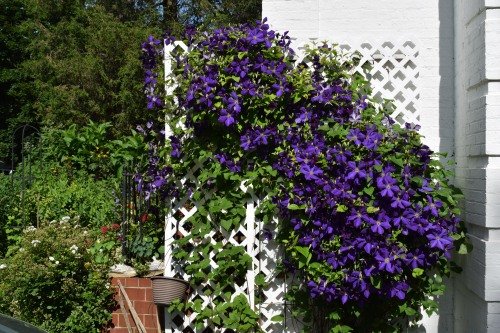
Choose the Right Clematis Variety for Your Climate
Selecting the proper clematis type suitable for your local climate is essential. Clematis are categorized into three groups based on their flowering times and pruning needs. Clematis montana, and other Group 1 varieties, flower on old growth and are best suited for colder regions. Group 2 encompasses large-flowered hybrids that bloom on both new and old growth, giving flexibility for many climates. Varieties falling into Group 3, such as Clematis viticella, bloom on new growth and work well in warmer climates.
Determine your area’s hardiness zone to choose a clematis type that will flourish in those conditions. For example, if you reside in USDA Zone 4, choose hardy varieties like Clematis alpina or Clematis macropetala, which are tolerant of colder temperatures.
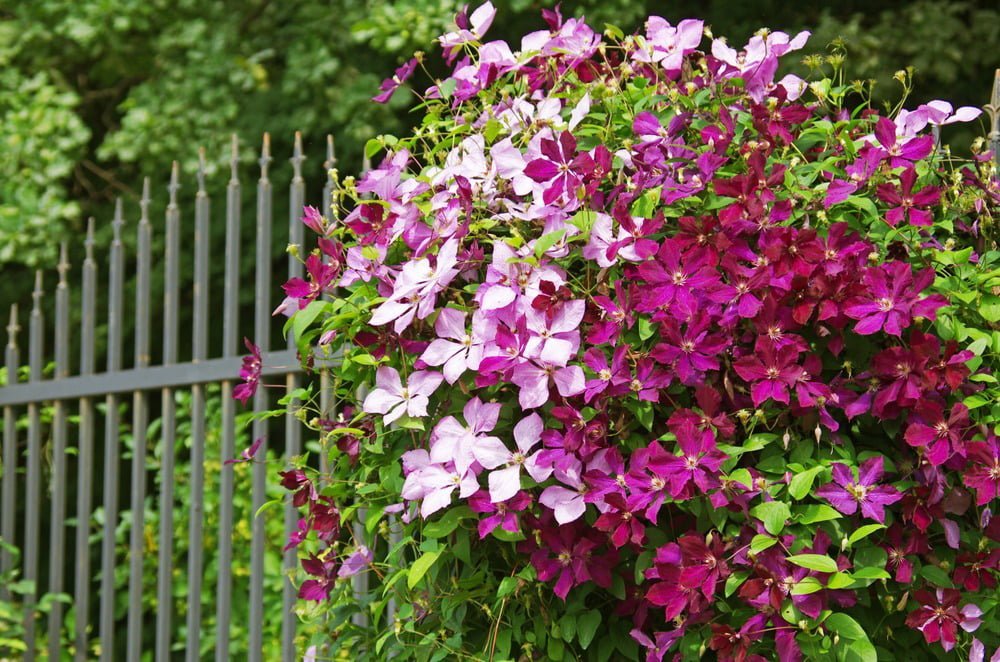
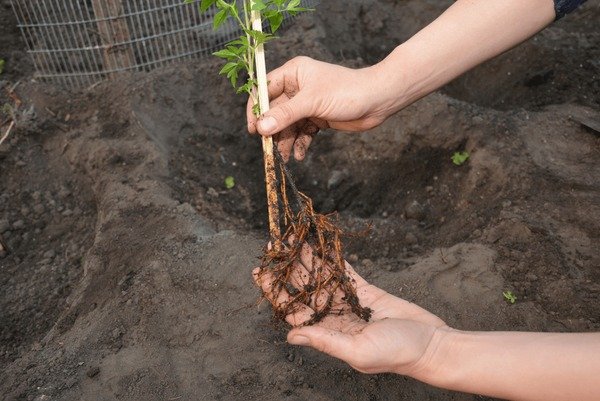
Planting Depth: The Secret to Strong Roots
The correct planting depth plays a critical role in establishing a robust root system for clematis. When planting, make sure the plant’s crown is buried approximately 2 to 3 inches beneath the soil surface. This stimulates the growth of more stems and roots, resulting in a more vigorous plant.
Prepare a hole twice the width and depth of the root ball, incorporating organic matter like compost to boost the richness and drainage of the soil. Place the plant at the proper depth, refill the hole with soil, and provide thorough watering to remove any air pockets.
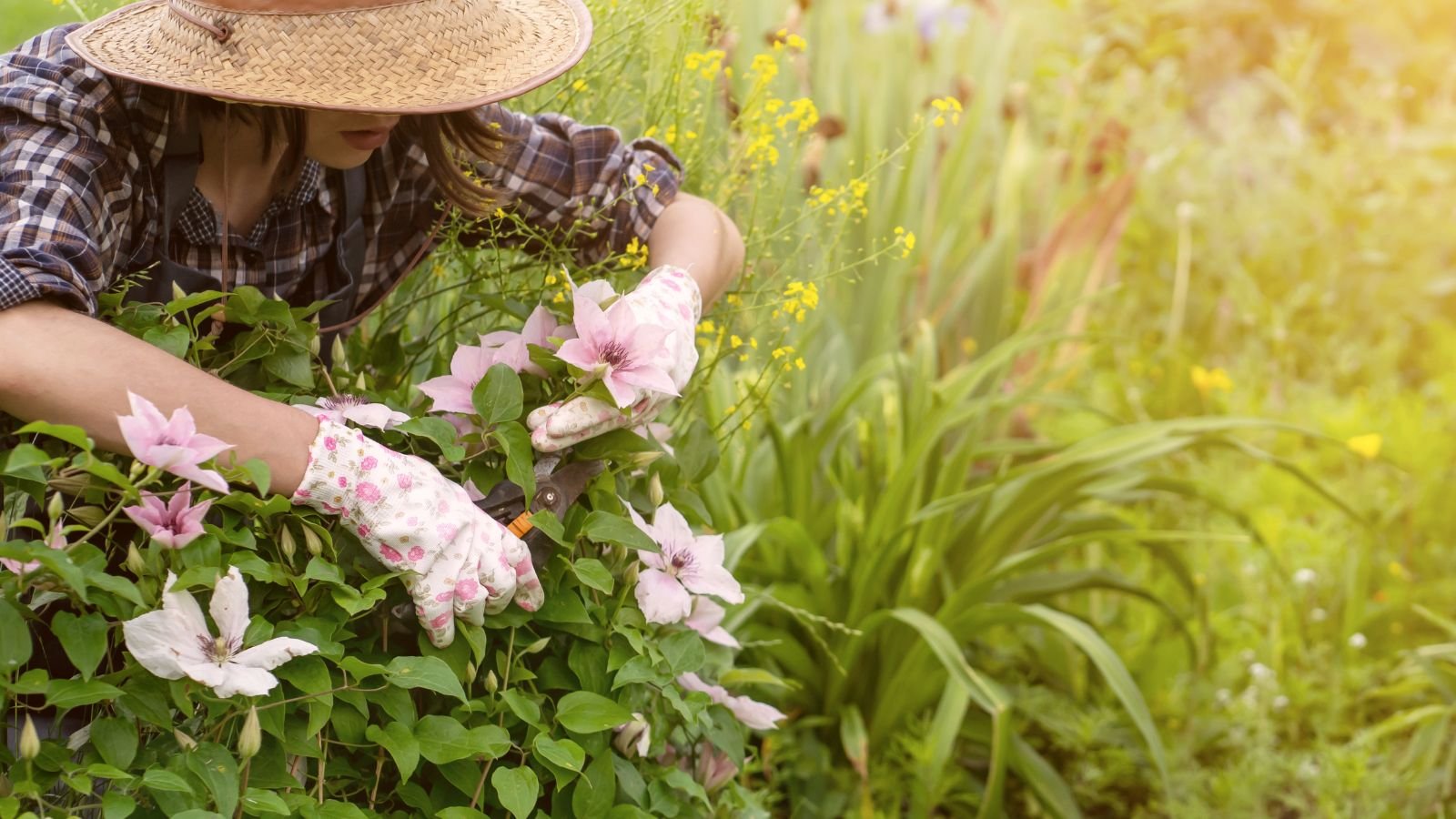
The Importance of Proper Pruning Techniques
Pruning is essential for clematis care, and understanding your plant’s pruning group is critical. Clematis in Group 1 should be pruned right after they finish blooming, removing only dead or damaged stems. Group 2 varieties need light pruning in late winter or early spring; trim back weak or dead stems and cut healthy stems down to the first set of strong buds.
Group 3 clematis benefit from hard pruning in late winter or early spring, cutting all stems back to about 12 inches from the ground. This promotes robust growth and many blooms on new wood. Always use sharp, clean pruning tools to avoid spreading diseases.
Optimal Sunlight Exposure for Vibrant Blooms
Clematis thrives in full sun to partial shade, needing at least 6 hours of sunlight daily for the best flowering. However, keeping the roots cool and shaded is equally important. Planting low-growing perennials or adding mulch at the base can help achieve this equilibrium.
If your clematis isn’t flowering as much as desired, assess how much sun it gets. Providing afternoon shade in hot climates can prevent heat stress and extend the flowering season. Conversely, ensure the plant gets enough sunlight in colder areas to boost growth and flower production.
Watering Wisely: Avoiding Common Mistakes
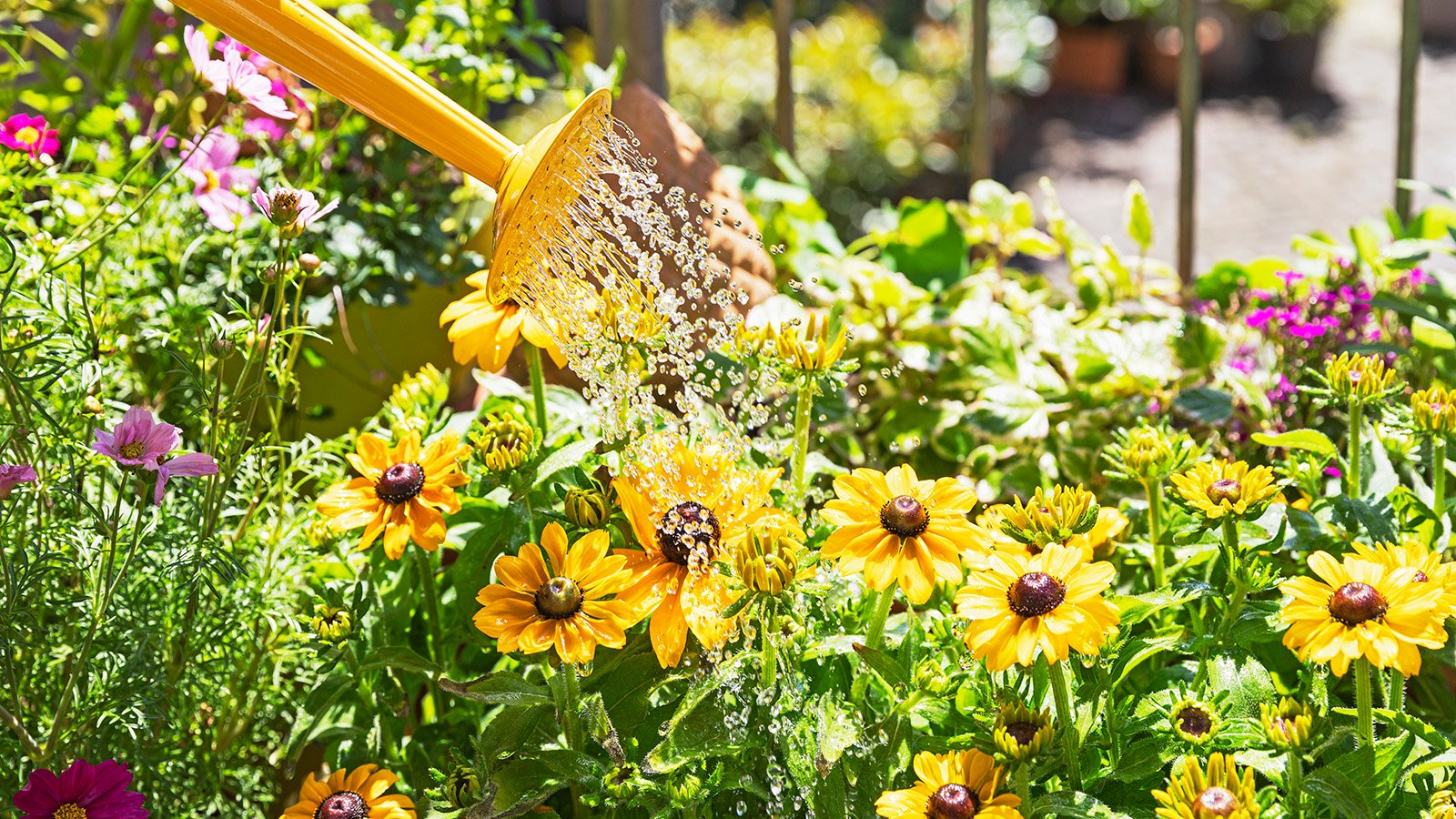
Consistency in watering is crucial for clematis, particularly during the active growing season. The goal is to keep the soil consistently moist but not overly saturated. Overwatering can cause root rot, while underwatering can lead to stress and less flowering.
Water deeply once or twice weekly, allowing the soil to dry slightly between waterings. Increase watering during hot, dry periods to prevent wilting. Mulching around the base helps the soil retain moisture and reduces the need for frequent watering.
The Role of Mulching in Clematis Care
Mulching is an excellent method for preserving soil moisture, controlling temperature, and suppressing weed growth around clematis plants. Put a 2 to 3-inch layer of organic mulch, such as shredded bark or compost, around the plant’s base, ensuring it’s a few inches away from the stems to prevent rotting.
Besides retaining moisture, mulch provides nutrients as it decomposes, enriching the soil and fostering healthy growth. Renew the mulch layer each year to prolong its advantages and improve the overall health of your clematis.
Fertilization Hacks for Maximum Flower Production
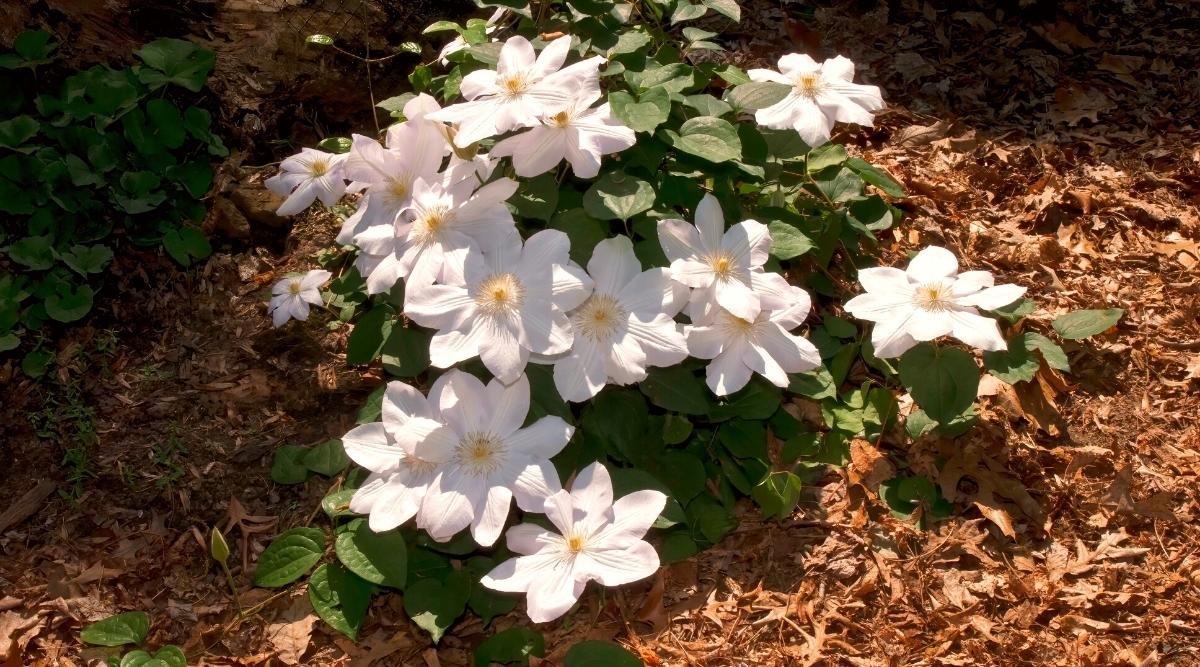
Proper fertilization can significantly improve flower production in clematis. Apply a balanced, slow-release fertilizer in early spring as new growth появляется. A 10-10-10 or 5-10-10 mix works well, supplying necessary nutrients for vigorous growth and flowering.
Avoid over-fertilizing because too much nitrogen can result in abundant foliage at the expense of flower production. Instead, add a fertilizer high in phosphorus during the flowering period to encourage more blooms. Always adhere to the manufacturer’s instructions when applying to avoid nutrient burn.
Supporting Your Clematis: Trellis and Structures
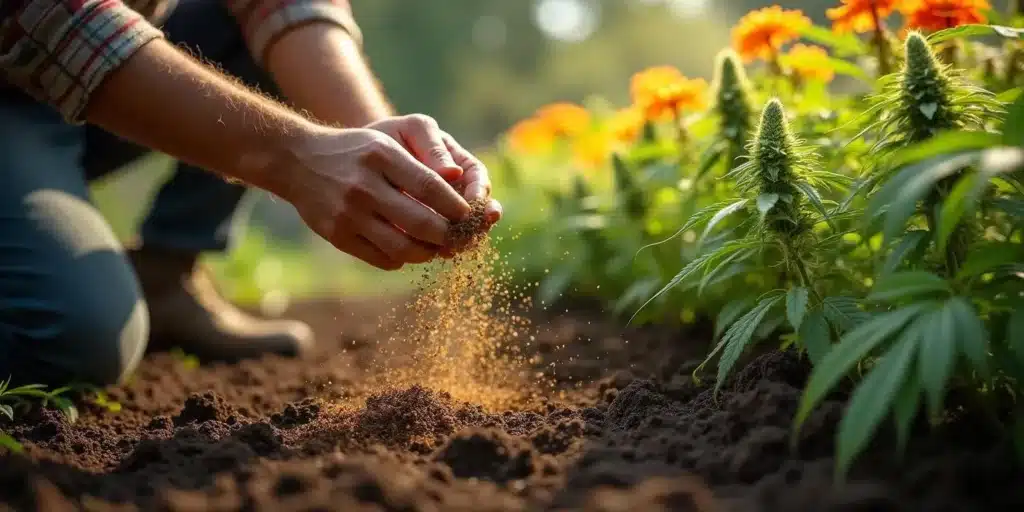
Clematis is a climbing plant that needs support to reach its full potential. Install a strong trellis, arbor, or pergola for the plant to climb onto, ensuring it’s at least 6 feet tall to accommodate the plant’s growth.
Guide new stems onto the support structure and loosely secure them with garden ties or soft twine. The plant will naturally twine around the structure as it matures. Regularly check and adjust the ties to prevent damage to the stems as they grow thicker.
Pest and Disease Management for Healthy Plants
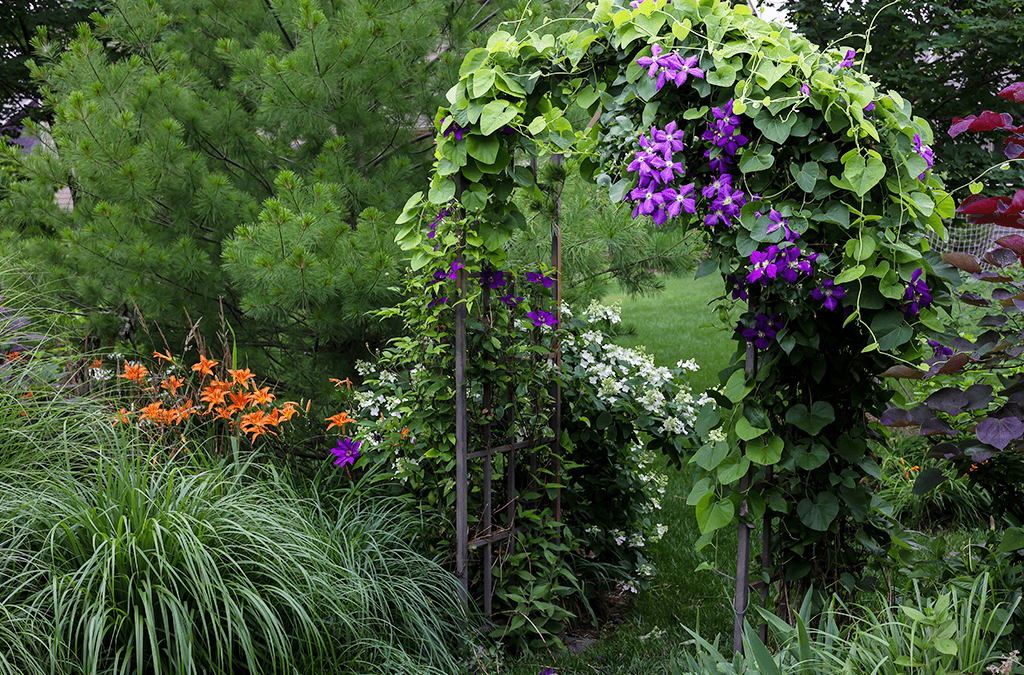
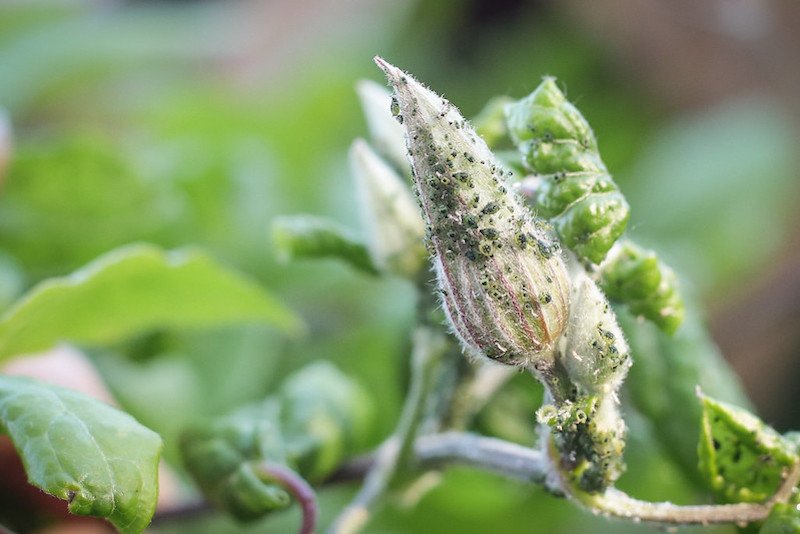
Clematis can be affected by pests like aphids, spider mites, and slugs, along with diseases such as clematis wilt and powdery mildew. Regularly inspect your plants for indications of pests or disease, such as discolored leaves or stunted growth.
Use integrated pest management strategies, such as encouraging beneficial insects and applying insecticidal soap for serious infestations. To prevent disease, ensure there’s adequate air circulation around the plant and avoid watering from overhead. If clematis wilt appears, prune affected stems back to healthy tissue and discard them to prevent the disease from spreading.
Companion Planting to Enhance Clematis Growth
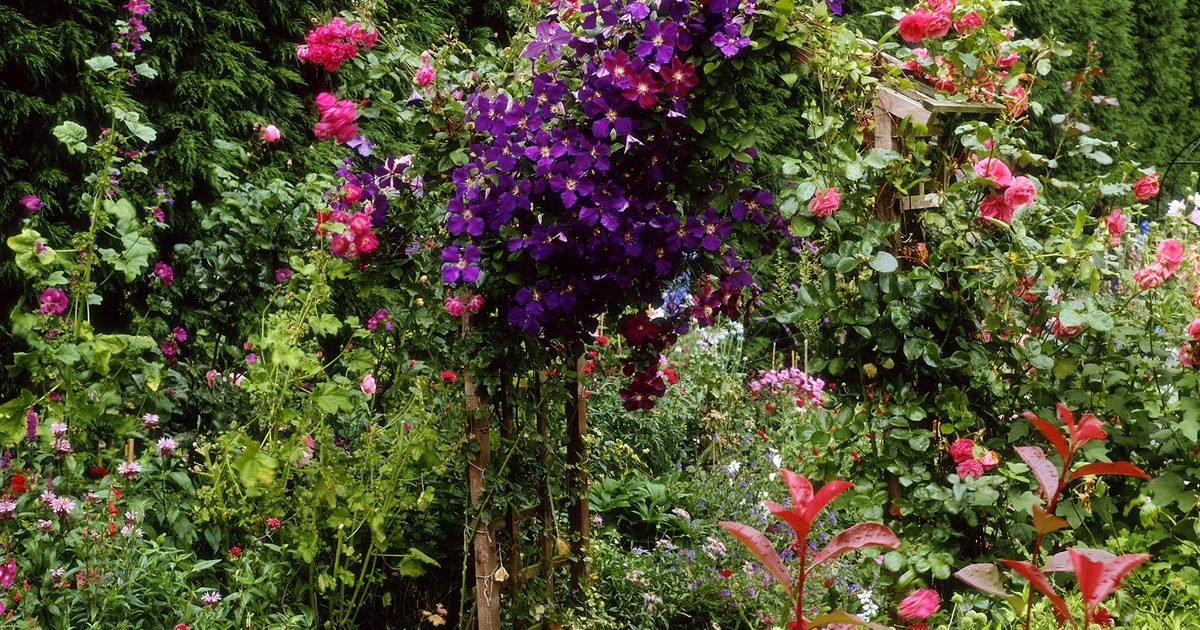
Using companion planting strategies can boost the growth and overall health of your clematis. Pair clematis with plants that share similar requirements for light and water, such as roses, which can shade the clematis roots while providing complementary blooms.
Other beneficial companion plants include lavender, which repels pests, and hostas, which provide ground cover, keeping the roots cool. Avoid planting clematis with aggressive ground covers that could compete for nutrients and water.
Seasonal Maintenance Tips for Year-Round Beauty
Seasonal upkeep is essential for keeping your clematis vigorous and flowering year after year. In spring, apply mulch and fertilizer, and prune according to the plant’s group. Monitor for pests and diseases during the summer and deadhead spent blooms to encourage continued flowering.
In the fall, cut back dead foliage and clean up any debris around the plant to lessen pests overwintering. In the winter, especially in colder climates, protect the roots with a thick layer of mulch. By adhering to these seasonal recommendations, you can enjoy spectacular clematis blooms throughout the growing season.
Conclusion
Maintaining a healthy and vibrant clematis plant involves several interconnected care strategies such as understanding the pruning group, ensuring optimal sunlight exposure, implementing wise watering practices, and the essential role of mulching. Fertilization techniques, along with proper support structures, pest and disease management, and thoughtful companion planting all contribute significantly to the growth and flowering potential of clematis. Seasonal maintenance is imperative to preserve the plant’s vitality, allowing you to enjoy the stunning beauty of clematis blooms year after year. By employing these methods, you can create a flourishing environment that nurtures the robust growth and stunning flowers of your clematis.


