

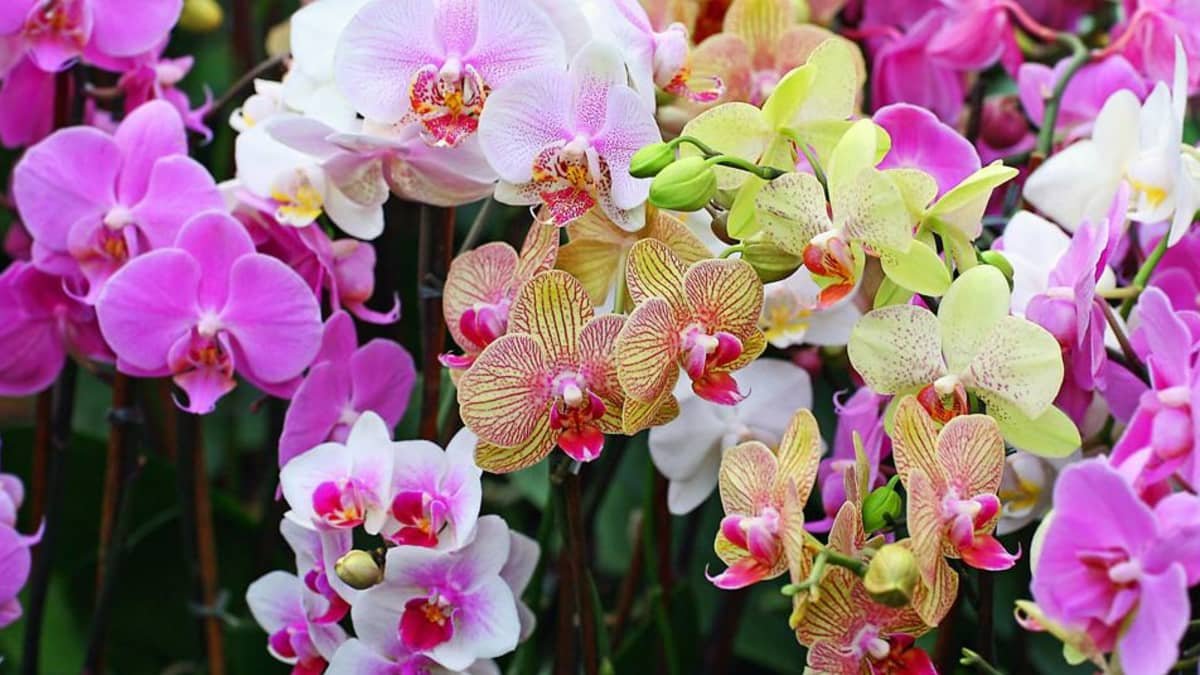
Orchids, celebrated for their magnificent flowers and elaborate designs, stand out as some of the most beautiful and unusual plants. However, many enthusiasts become discouraged when their orchids fail to bloom.
The Importance of Proper Orchid Care
To foster healthy growth and flowering, taking proper care of orchids is crucial. Unlike most common houseplants, blooming in orchids hinges on satisfying their unique needs, including a balanced combination of water, light, temperature, humidity, and nutrients. Comprehending these requirements and providing consistent care greatly influences an orchid’s ability to flourish and bloom. Paying close attention to these elements allows you to establish a thriving environment for your orchids.
Common Missteps in Orchid Maintenance
Many orchid growers inadvertently make errors that impede their plants’ ability to flower. These mistakes commonly arise from a lack of understanding the plant’s natural conditions and requirements. By spotting these prevalent errors, you can refine your care practices to better support your orchids. Every facet of orchid care, from watering practices to environmental factors, contributes to their capacity to produce flowers.
Mistake 1: Overwatering Orchids
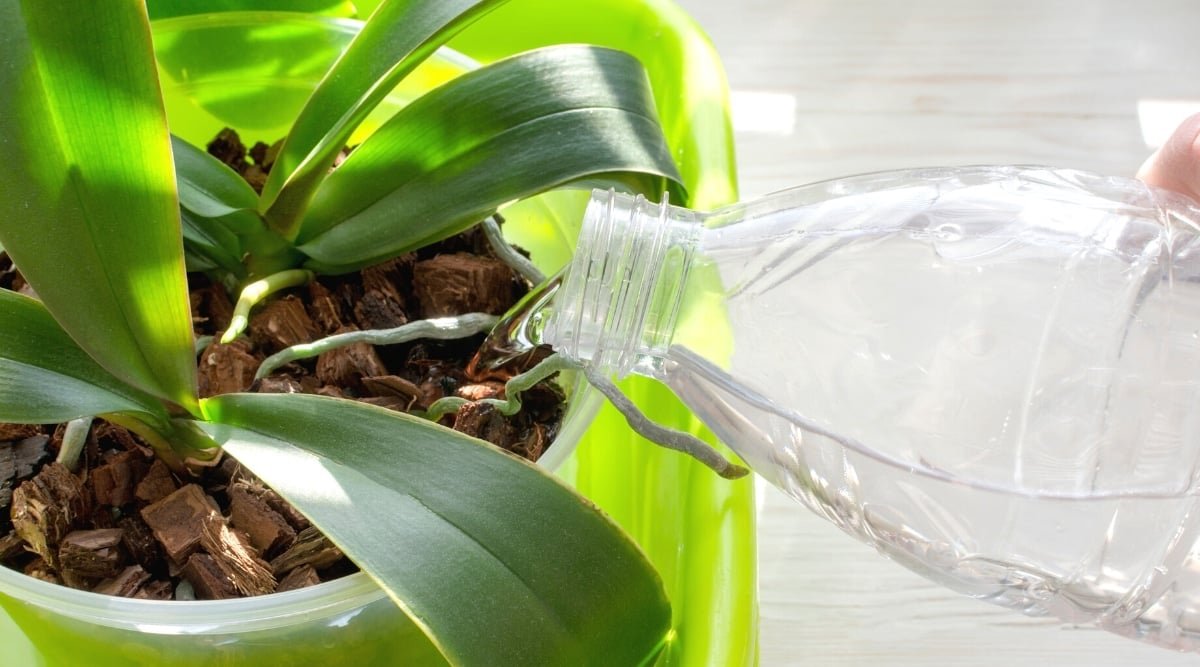
A very frequent oversight made by those who own orchids is overwatering. Orchids are epiphytes; in other words, in their natural habitats, they grow on trees. They have evolved to take in water from the atmosphere rather than from the soil. Root rot, which keeps the plant from getting the nutrition it needs to flower, can result from overwatering. To prevent this, make sure there is adequate drainage and let the potting soil dry out in between waterings.
Mistake 2: Insufficient Light Exposure
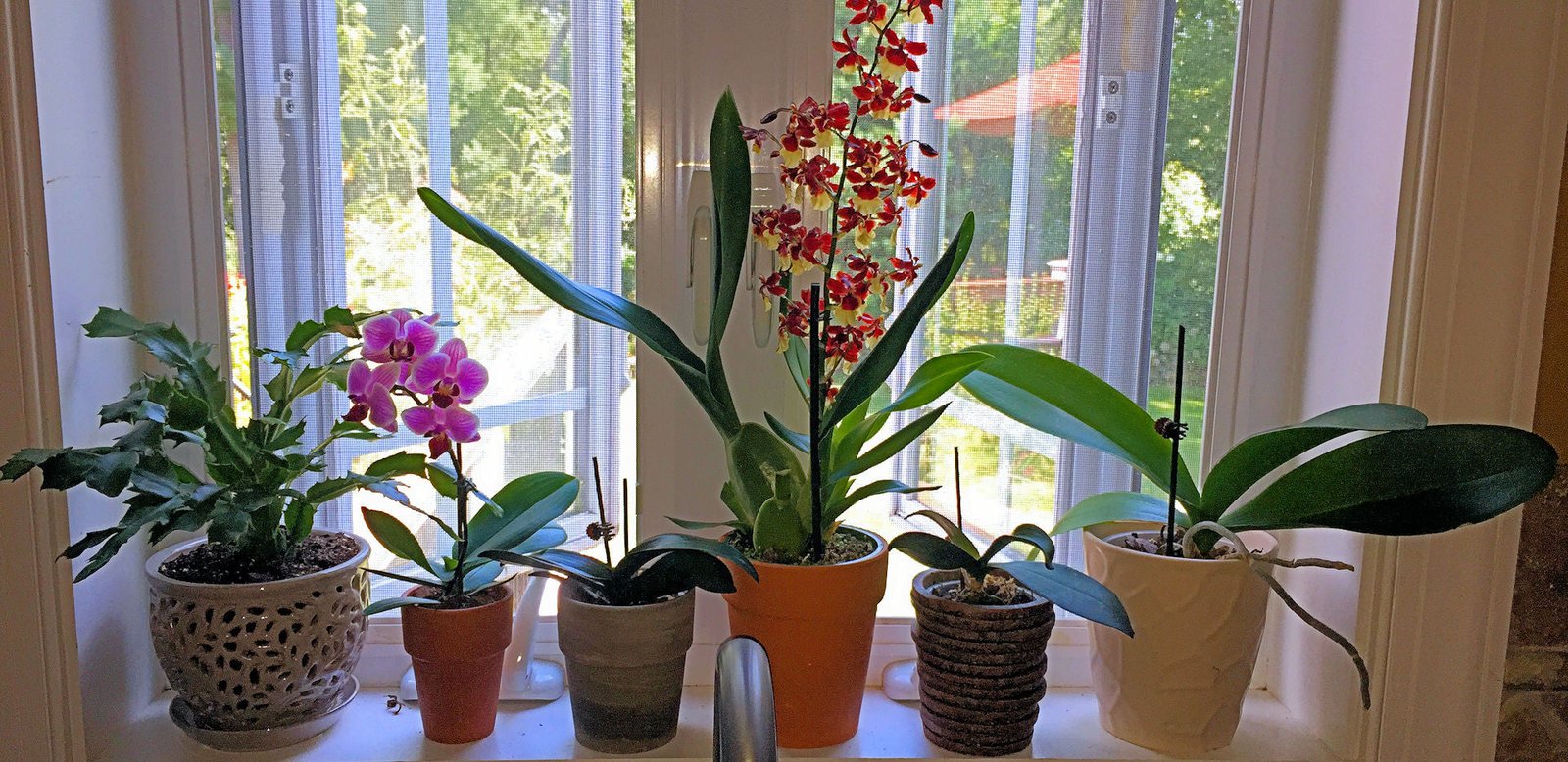
A crucial determinant of orchid blooming is light. For many orchids to thrive, they require strong, indirect sunlight. Orchids may not flower if they are kept in low-light conditions. To make sure your orchids get enough light, put them by a window with filtered sunlight or, if there isn’t enough light naturally, use artificial grow lights.
Mistake 3: Incorrect Temperature Conditions
Orchid blooming can be hampered by the sensitivity of orchids to temperature variations and unsuitable temperature ranges. The majority of orchids favor temperatures between 65 and 75 degrees Fahrenheit (18 to 24 degrees Celsius) during the day, with slightly lower temperatures at night. Unexpected temperature increases or contact with drafts can put the plant under stress and impede flowering. Sustaining a reliable temperature in the surrounding area is essential to encouraging blooms.
Mistake 4: Poor Air Circulation
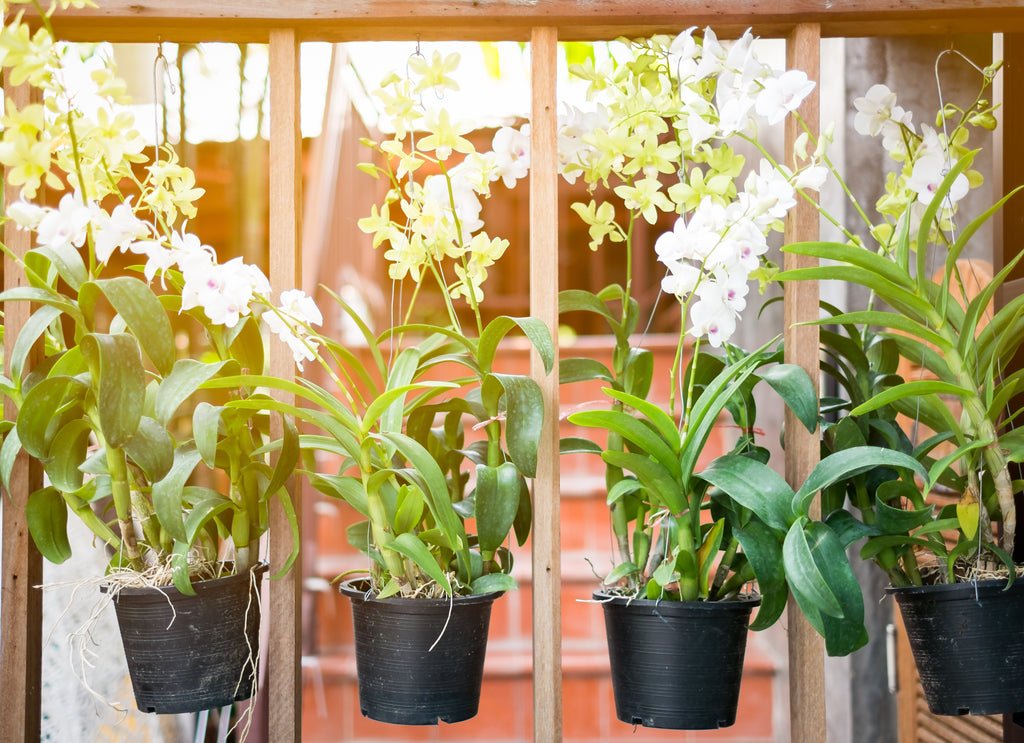
For healthy orchid growth and flowering, proper air circulation is essential. Fungal infections and other problems that hinder blooming can occur in stagnant air. Make sure your orchids are in a well-ventilated area or use a fan to circulate air around the plants to ensure they have enough airflow.
Mistake 5: Inadequate Humidity Levels
Orchids flourish in humid settings, and a lack of humidity can hinder their ability to flower. To replicate their natural environment, strive for humidity levels between 50 and 70 percent. You can raise humidity by using a humidifier nearby, misting the plants, or using a humidity tray.
Mistake 6: Using the Wrong Potting Medium
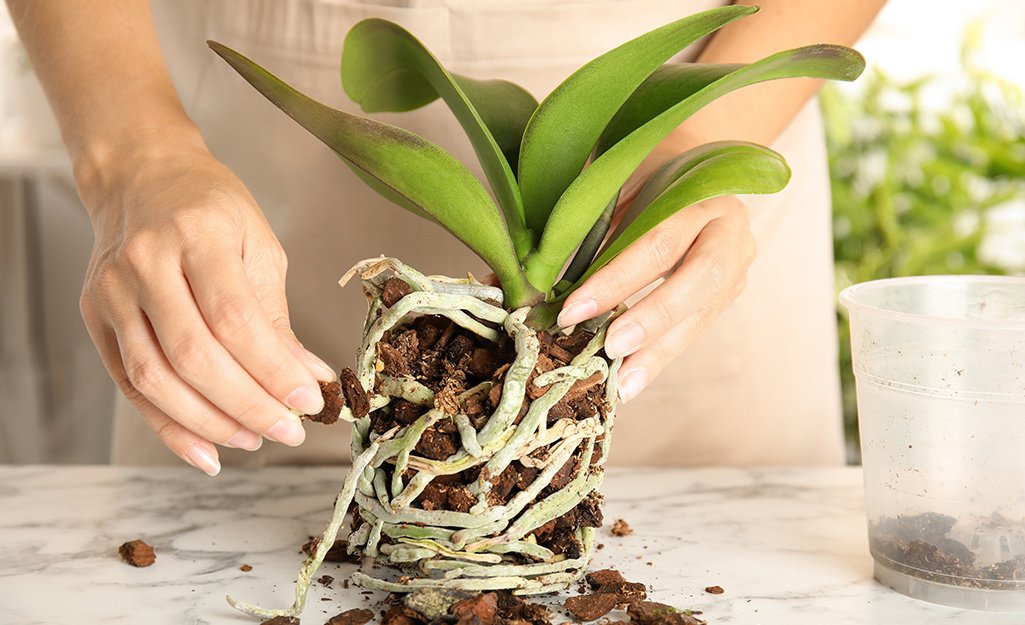
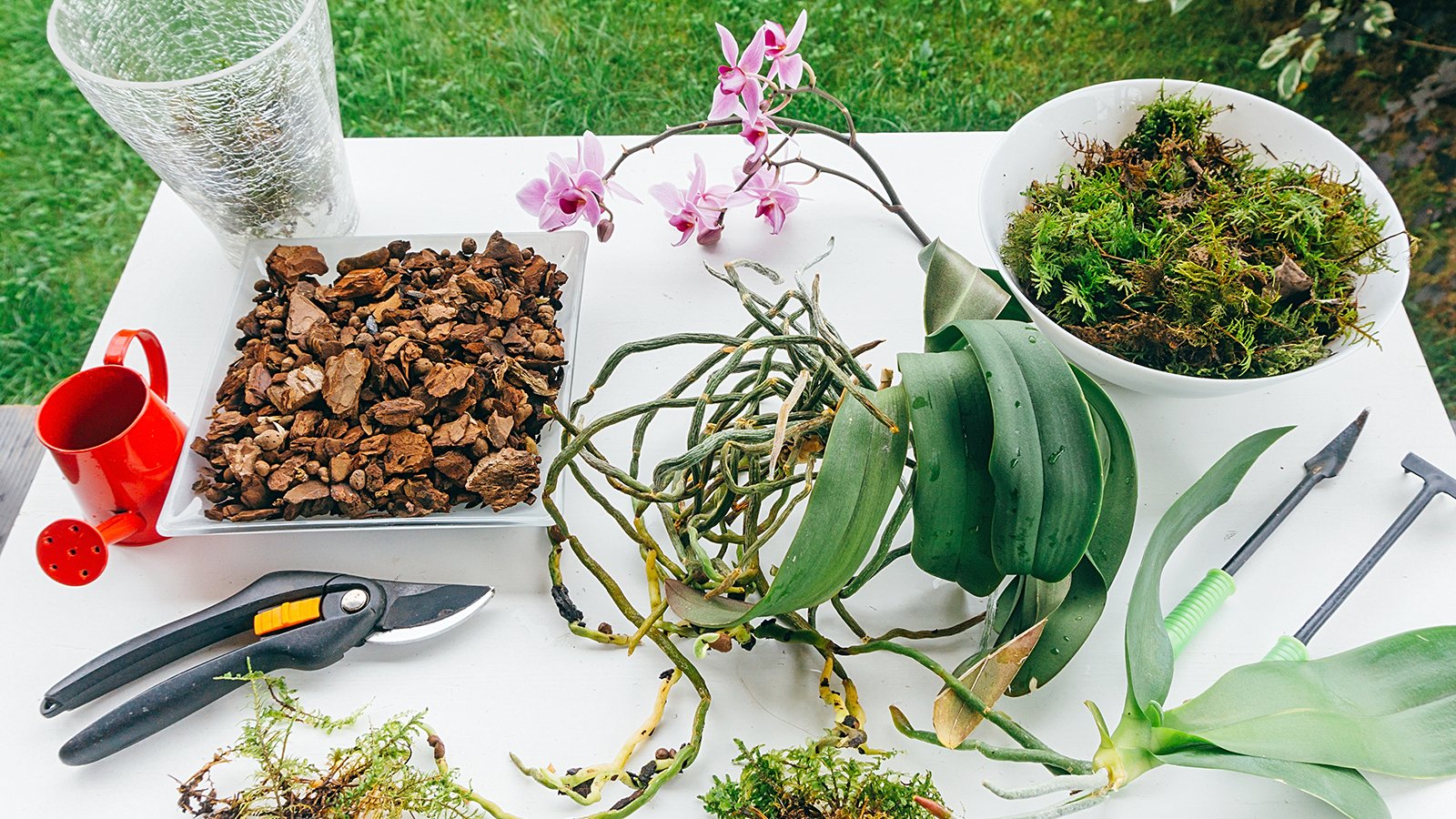
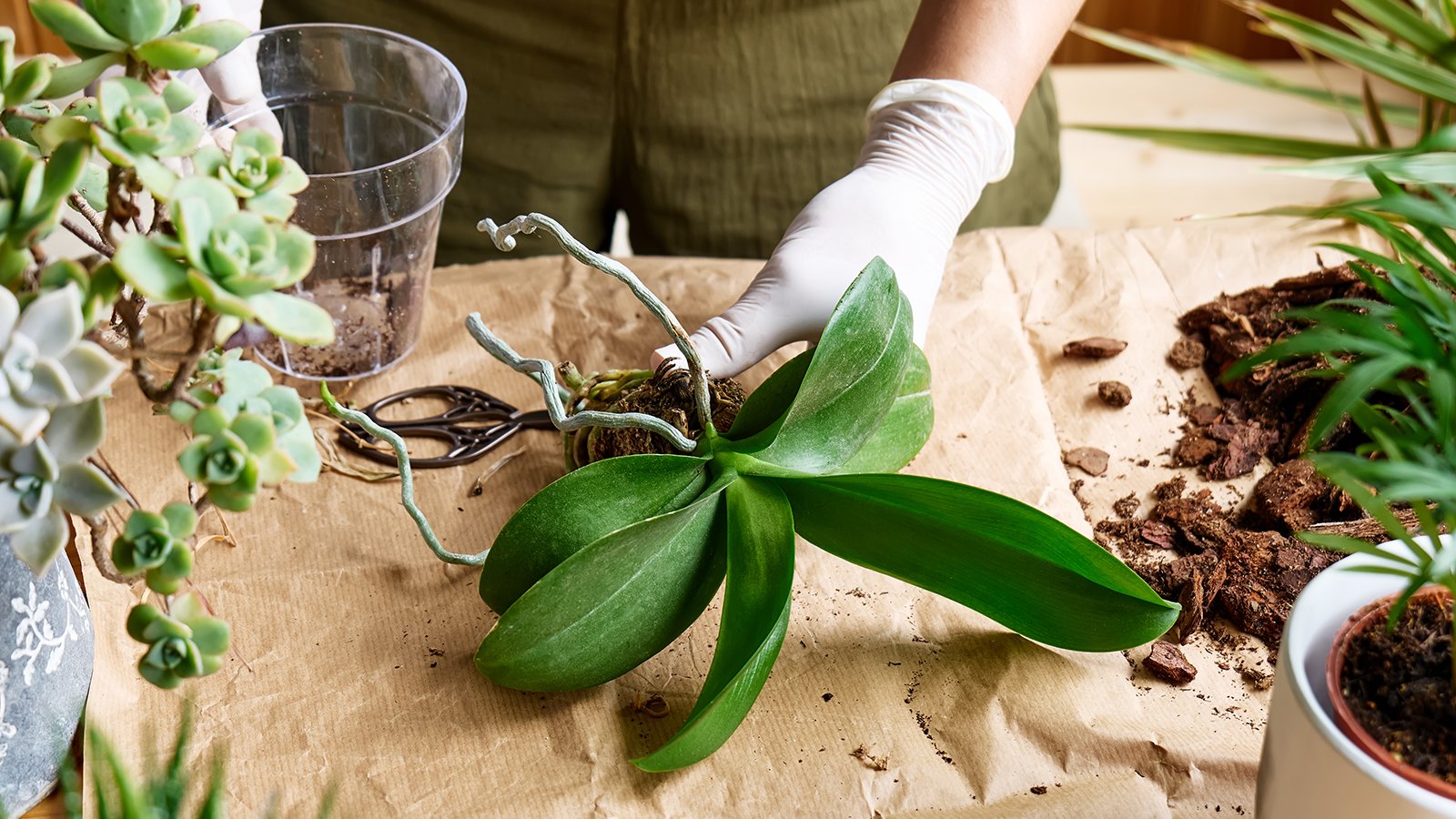
The wellbeing of orchids depends greatly on the potting soil. To avoid root rot, orchids need a potting mix that drains well, such as sphagnum moss or bark. Employing the incorrect medium may result in poor drainage and nutritional deficits, which would stunt flowering. Repot as needed to keep the potting mix working well, and choose one that is appropriate for the particular requirements of your orchid.
Mistake 7: Neglecting Fertilization Needs
For orchids to develop and blossom, they need routine fertilization. Nutrient deficiencies can result from neglecting to fertilize or applying the incorrect kind of fertilizer. Use a well-balanced orchid fertilizer, stick to a regular feeding plan, and lower the frequency throughout the dormant time to promote flowering.

Mistake 8: Failing to Repot Regularly
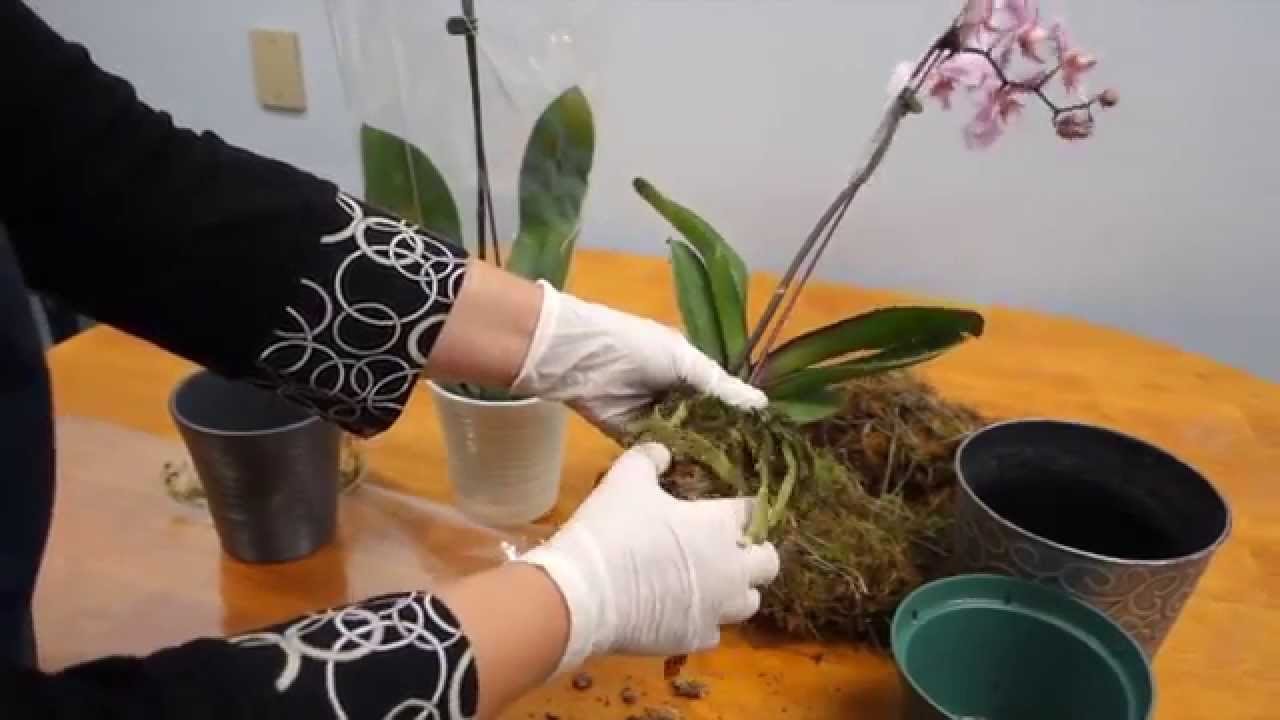
To replenish the potting mix and accommodate growth, orchids must be repotted every one to two years. Failure to repot can result in nutrient depletion and compacted roots, which will prevent flowering. Frequent repotting encourages strong root growth and gives the plant the room and nourishment it needs to bloom.
Mistake 9: Ignoring Pest and Disease Control
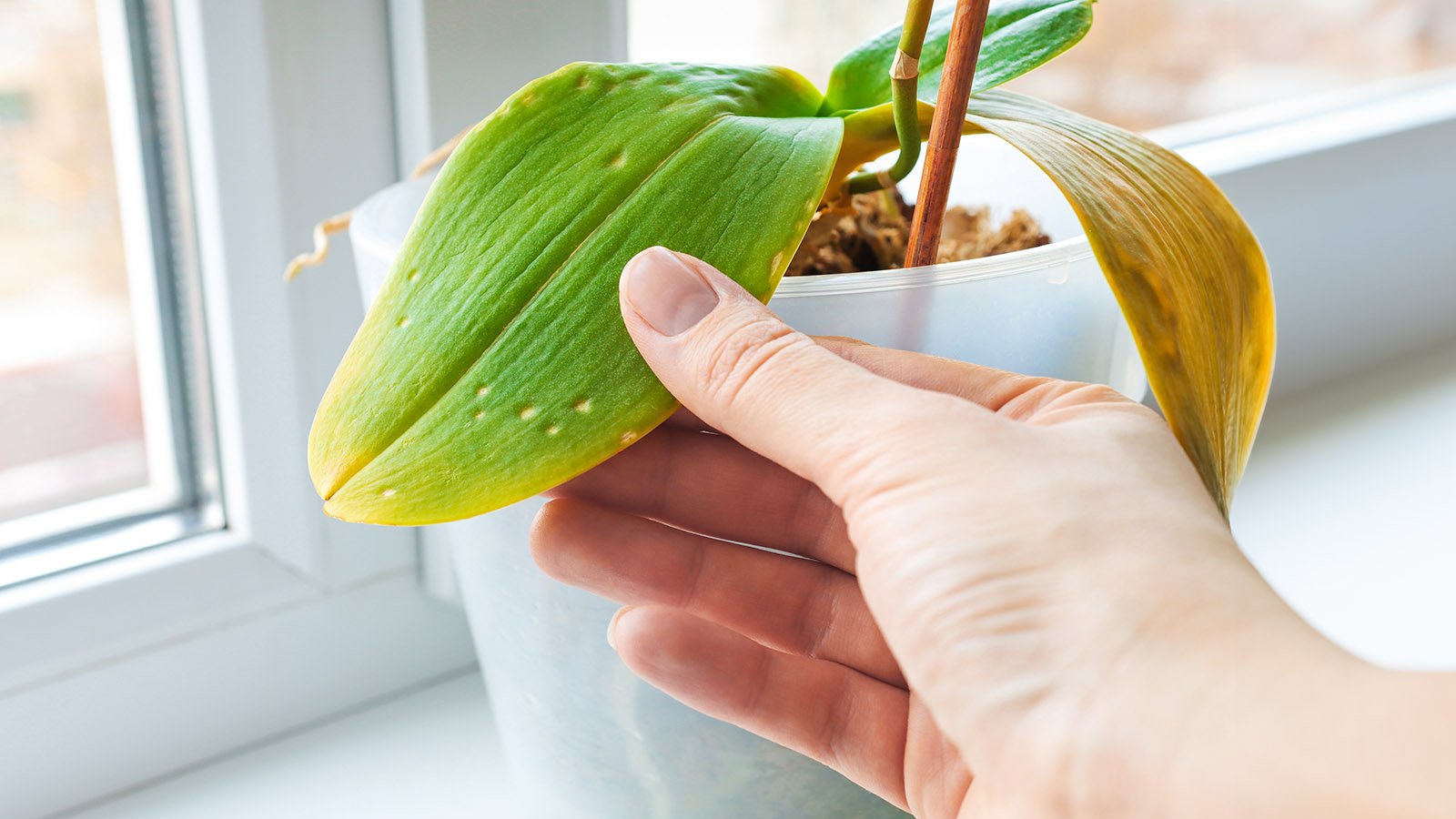
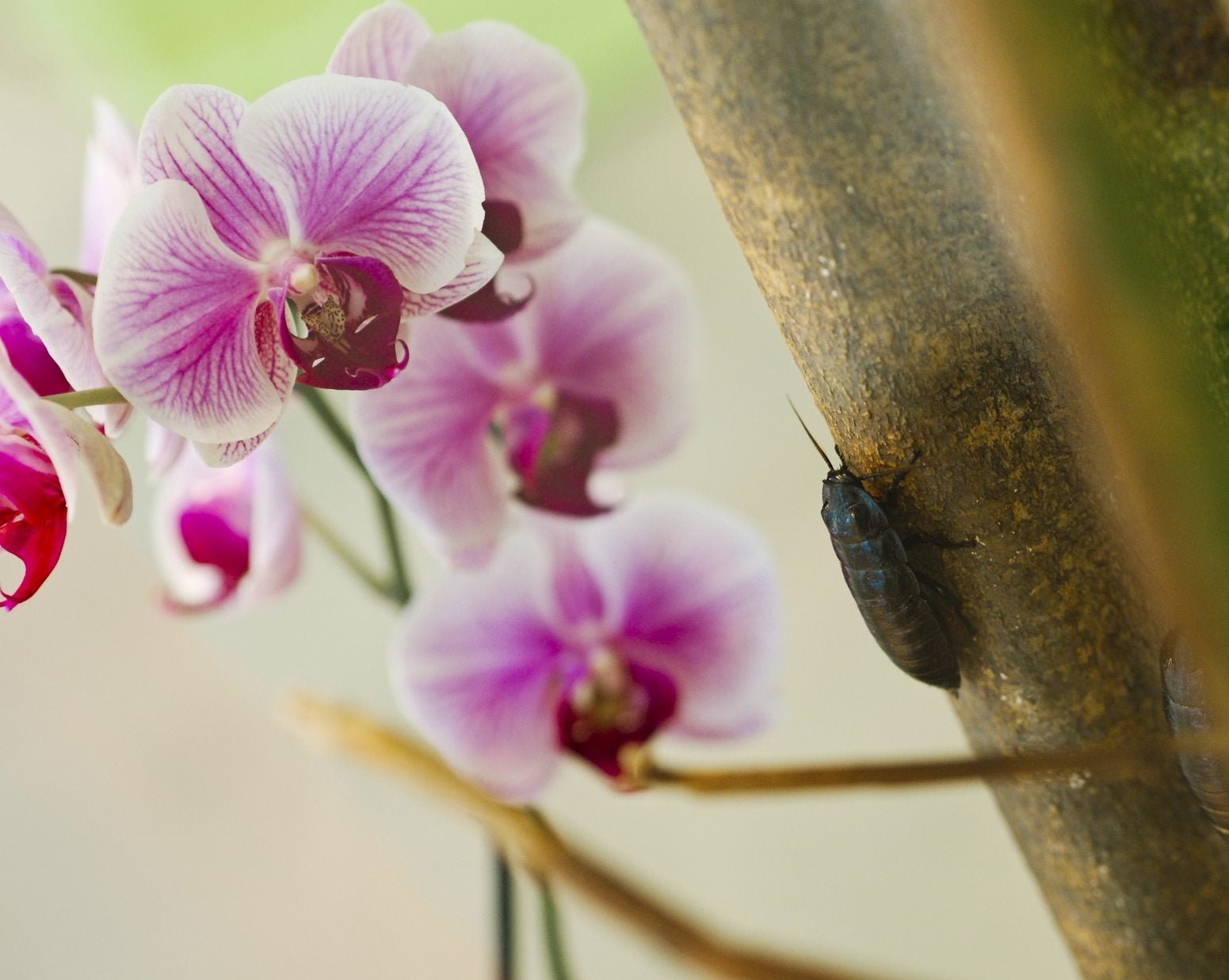
An orchid’s capacity to flower can be severely impacted by pests and illnesses. Regularly check your plants for any indications of disease or infestation, such as sticky residue or browned leaves. To stop damage and encourage healthy flowering, handle any issues as soon as possible with the right treatments.
Mistake 10: Stress from Environmental Changes
Orchids are vulnerable to shifts in their environment, and blooming can be hindered by the stress brought on by sudden changes. Steer clear of frequently relocating orchids or exposing them to extreme shifts in temperature, humidity, or light. Acclimatize them gradually to new environments to lessen stress and promote flowering.
How to Encourage Orchid Blooming: A Step-by-Step Guide
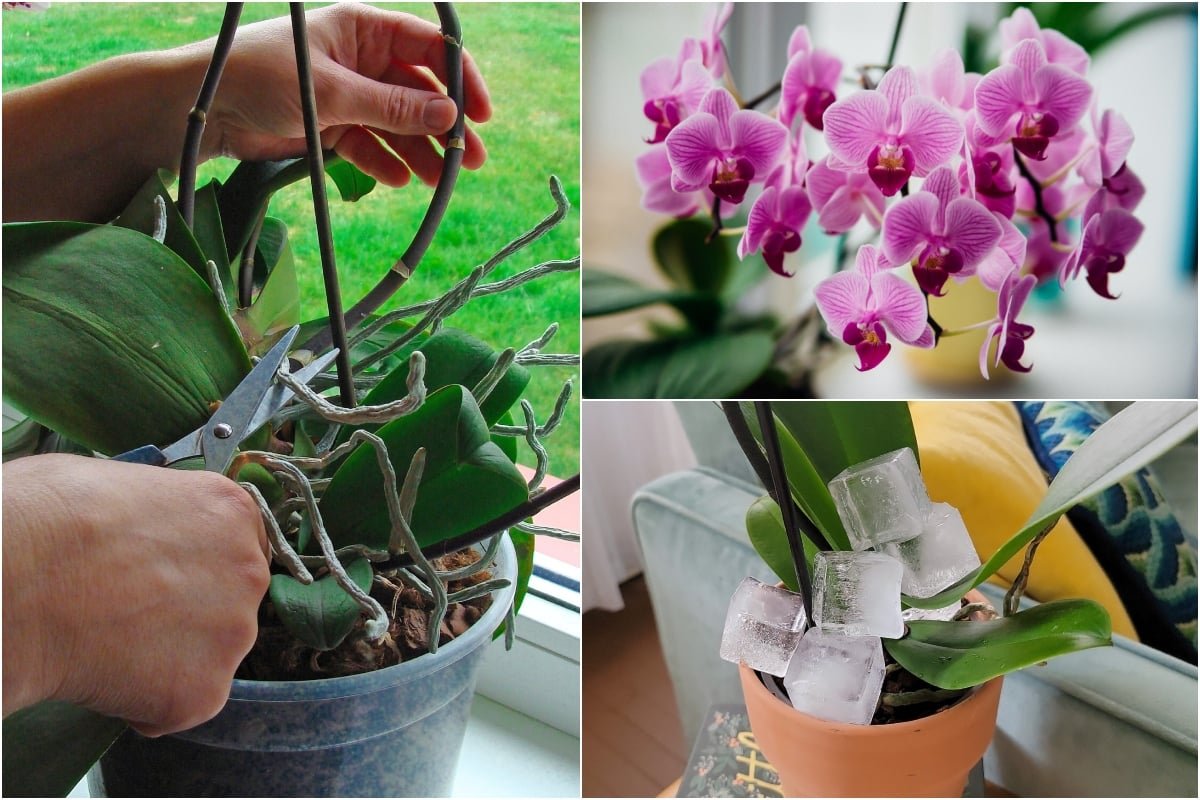
Begin by evaluating the effectiveness of your current care regimen and pinpointing areas that could be improved to encourage orchid flowering. Make sure your orchids are in a stable temperature and humidity range, and that they are getting enough water, light, and nutrients. Regularly inspect for diseases and pests, and replenish the potting soil as necessary by repotting. By tending to any care shortcomings and creating an ideal environment, you can encourage healthy growth and lovely flowers.
Conclusion: Achieving Beautiful Orchid Blooms
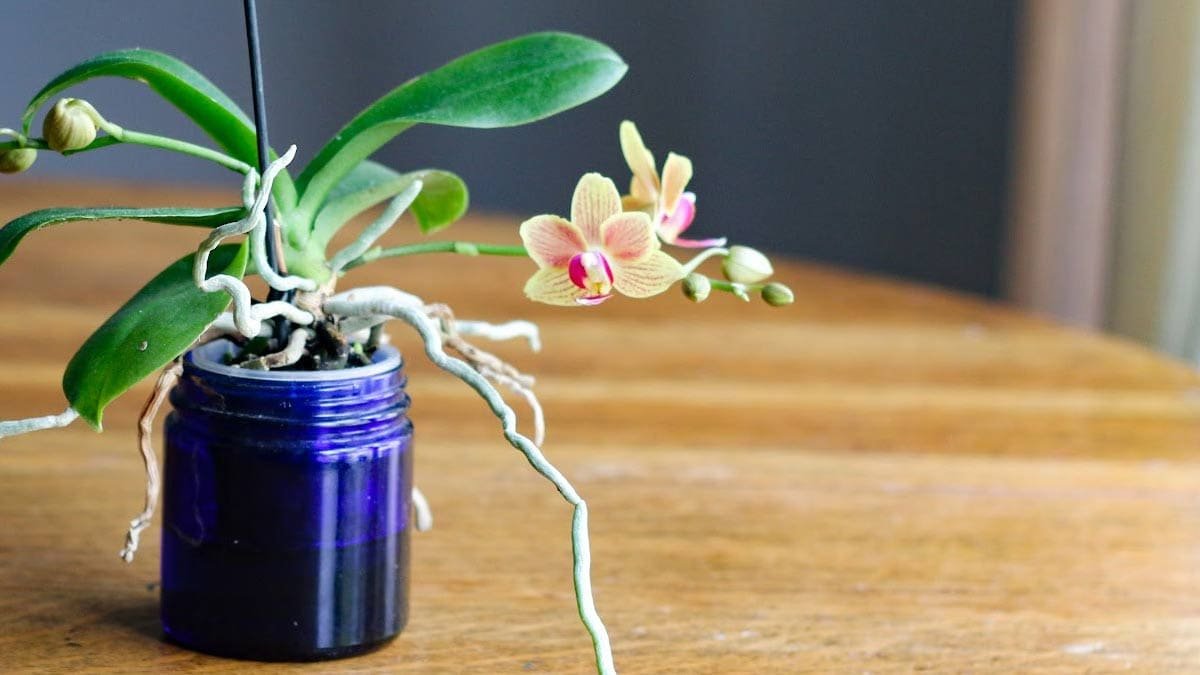
Meeting the specific requirements of these exquisite plants and understanding them are essential for producing gorgeous orchid blossoms. You may create a space where your orchids can flourish by being persistent and attentive and staying away from frequent errors. You may enjoy the breathtaking beauty of orchid blooms and the satisfaction of caring for these extraordinary plants with commitment and patience.


