

Recently, cultivating wildflower meadows has become a popular trend for both gardeners and environmental advocates. Beyond their visual appeal, these vibrant settings offer numerous ecological benefits. However, many are unfamiliar with the process of establishing a wildflower meadow or the motivations behind doing so.
Wildflower meadows are not limited to rural settings; they can transform urban spaces into natural havens amidst the urban landscape. By understanding the steps for establishing and nurturing a wildflower meadow, anyone can contribute to biodiversity and environmental well-being right in their own backyard.
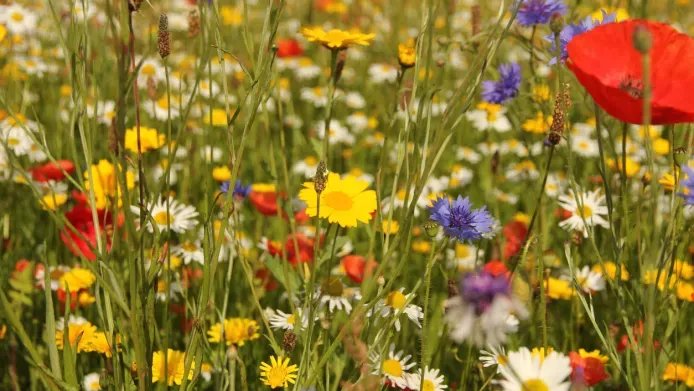
The Environmental Benefits of Wildflower Meadows
Acting as carbon sinks, wildflower meadows are crucial in mitigating climate change. They sequester carbon dioxide from the atmosphere, storing it in plant tissue and the soil. Studies indicate that grasslands like wildflower meadows can sequester around 1.7 tons of carbon per hectare annually.
Furthermore, these meadows boost soil health by enriching soil structure and fertility. Wildflower root systems, diverse in nature, curb soil erosion and boost water infiltration, lowering flood risk. By fostering a wide array of plant life, wildflower meadows also stimulate nutrient cycling, representing a sustainable land management option.
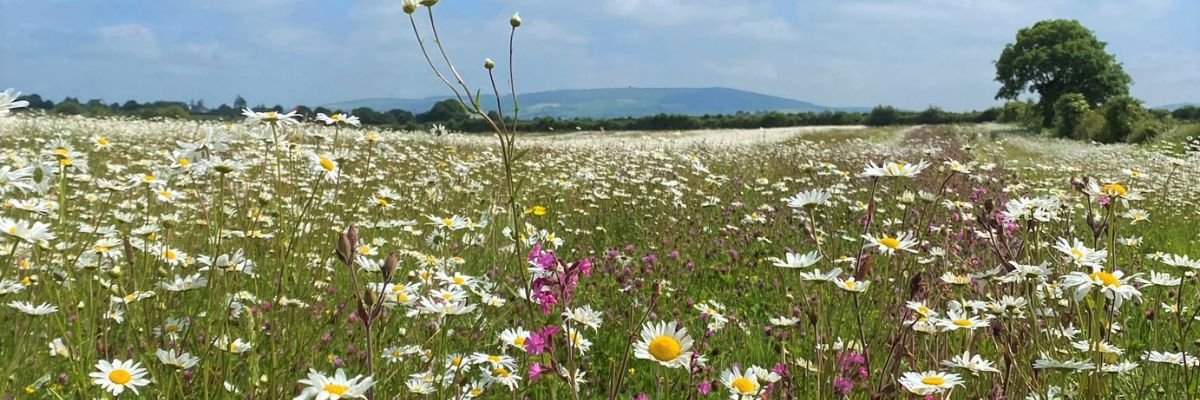
How Wildflower Meadows Support Biodiversity
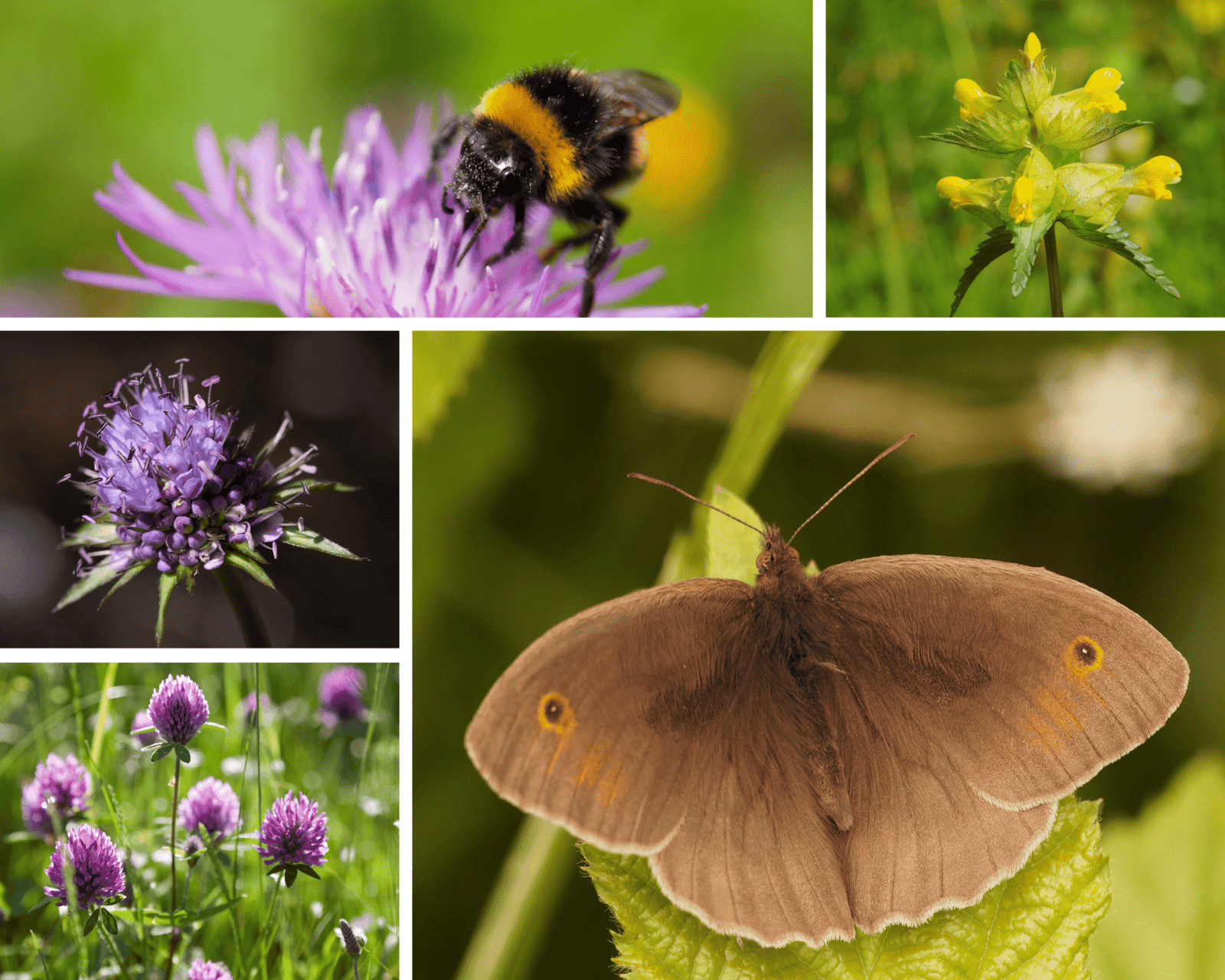
Wildflower meadows serve as biodiversity hubs, supporting a diverse range of plant and animal species. They offer vital habitat and food sources for pollinators such as bees, butterflies, and moths, which are crucial for the pollination of numerous crops and wild plants.
These meadows also provide shelter and breeding areas for various insects, birds, and small mammals. A single meadow can host hundreds of different species, bolstering the overall ecosystem’s health. By establishing a wildflower meadow, you aid in the preservation of endangered species and contribute to ecological equilibrium.
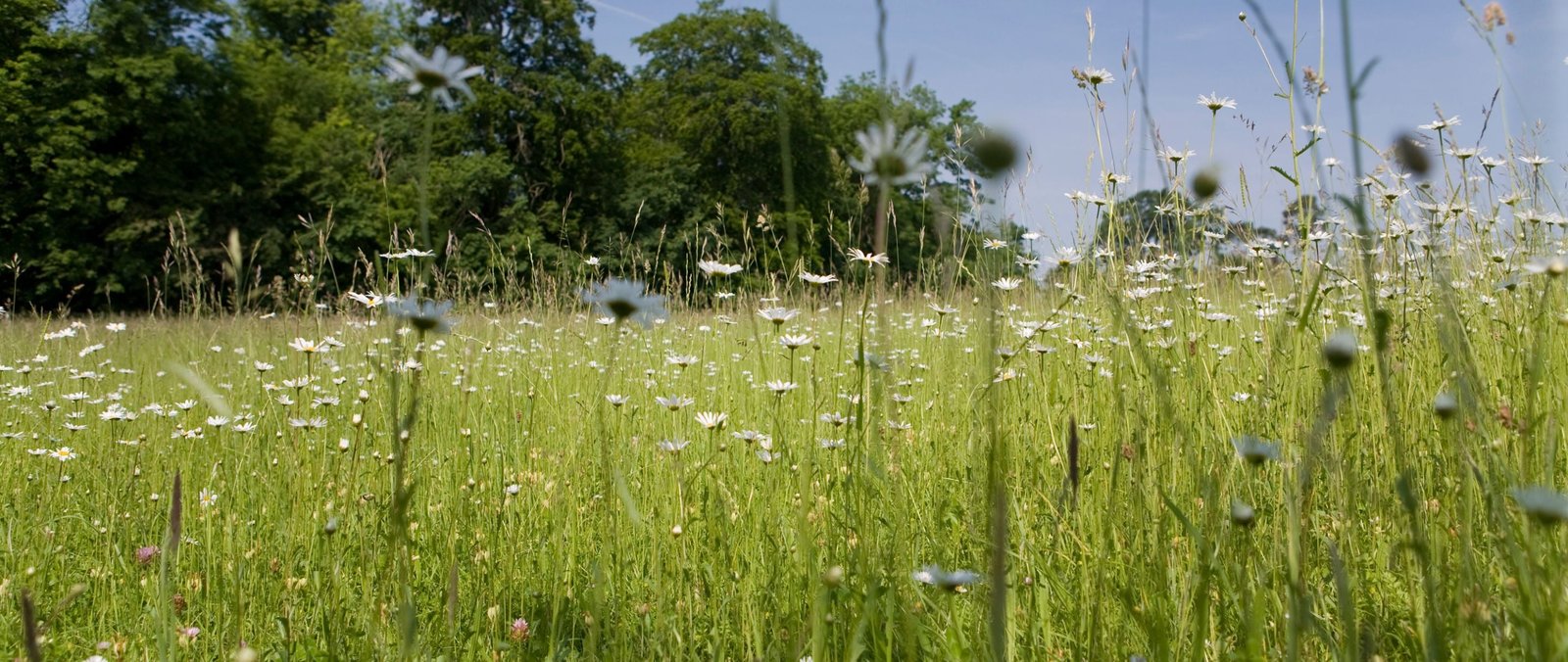
Choosing the Right Location for Your Meadow
Selecting the proper location for a wildflower meadow is crucial for its success. For optimal growth, choose a spot that receives at least six hours of direct sunlight each day since most wildflowers flourish in sunny conditions.
Assess the area’s soil type and drainage. Wildflowers typically prefer well-drained soils, so avoid waterlogged locations. Ideally, select a location that is away from invasive plant species, avoiding competition with native wildflowers.
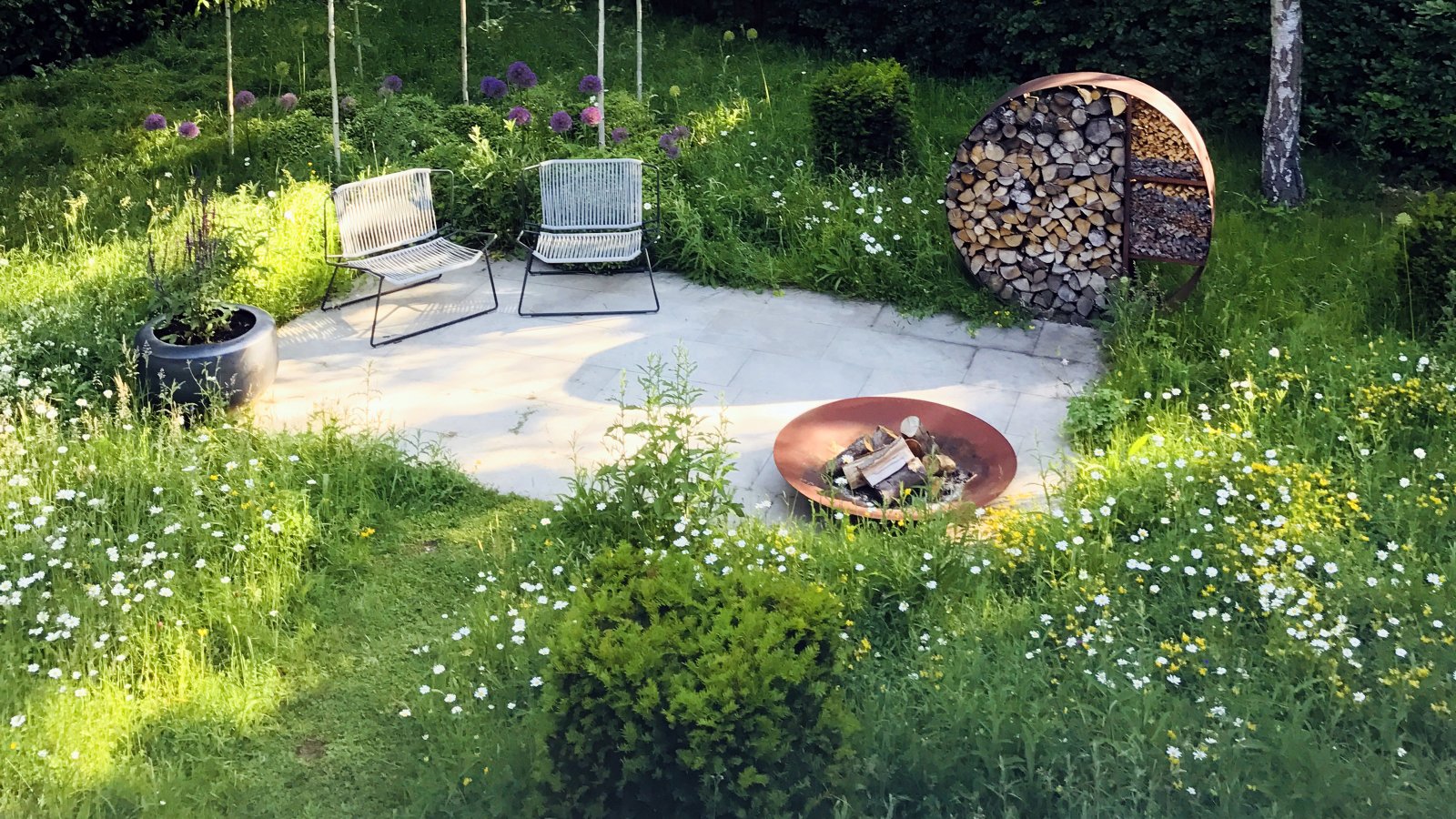
Selecting the Best Wildflower Species for Your Area
It’s essential to pick native plants that are suited for the local climate and soil conditions when selecting wildflower species for the meadow. Native species are more likely to thrive, and they also support local wildlife.
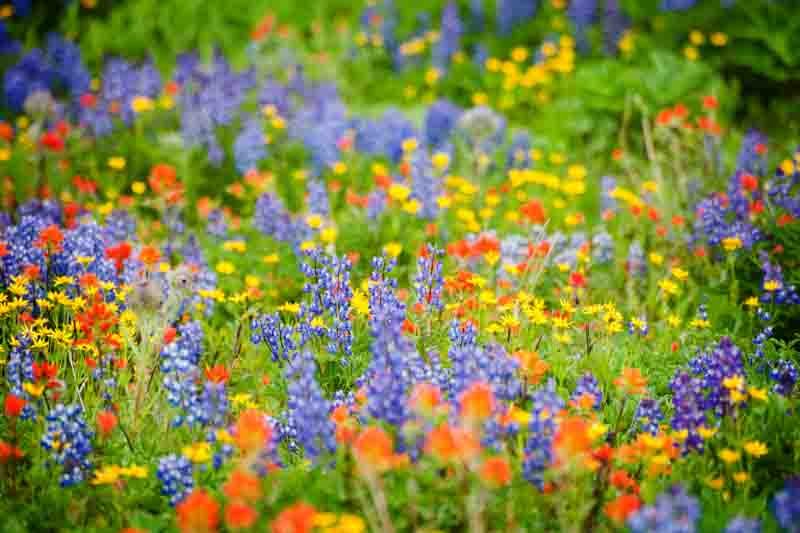
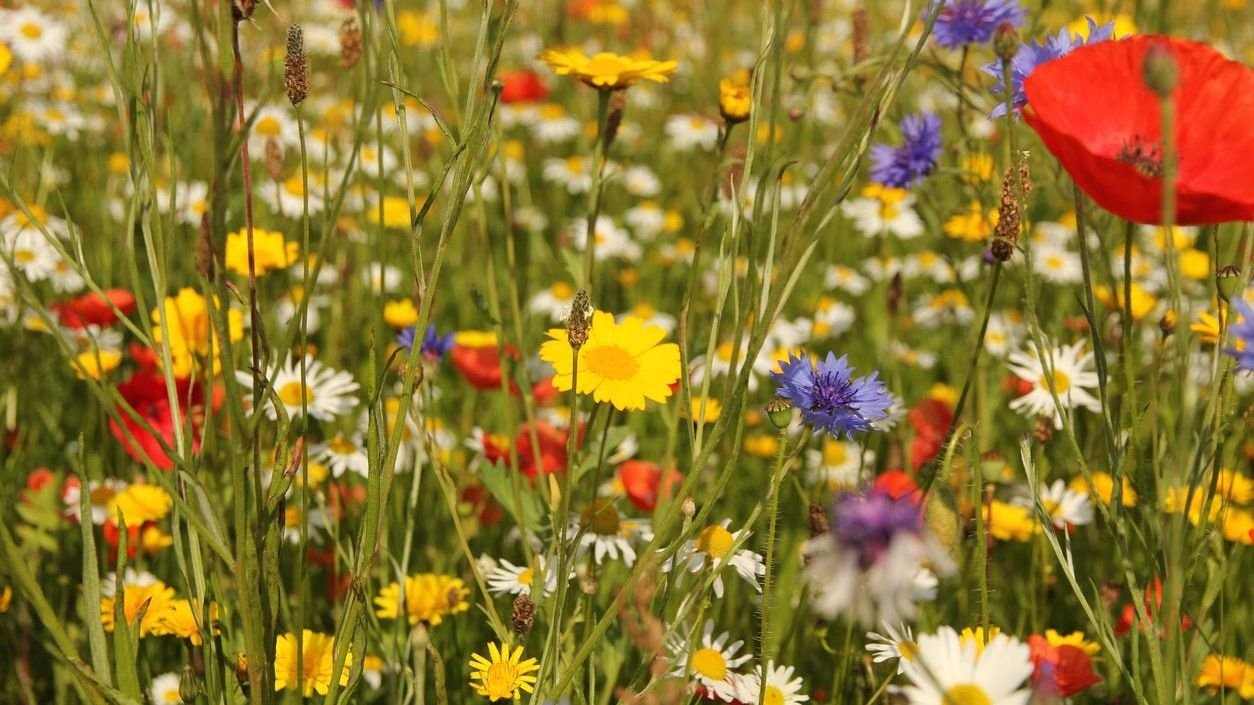
Consult local gardening centers or native plant societies for advice on the ideal species for the location. Incorporate a combination of annuals and perennials to ensure continuous blooms throughout the growing season. Popular choices include black-eyed Susans, coneflowers, and lupines.
Moreover, wildflower meadows generally require less upkeep than typical lawns, lessening the need for mowing, watering, and chemical treatments. Establishing a wildflower meadow allows you to enjoy a stunning, low-maintenance landscape that supports the planet’s health.
Preparing the Soil for Planting
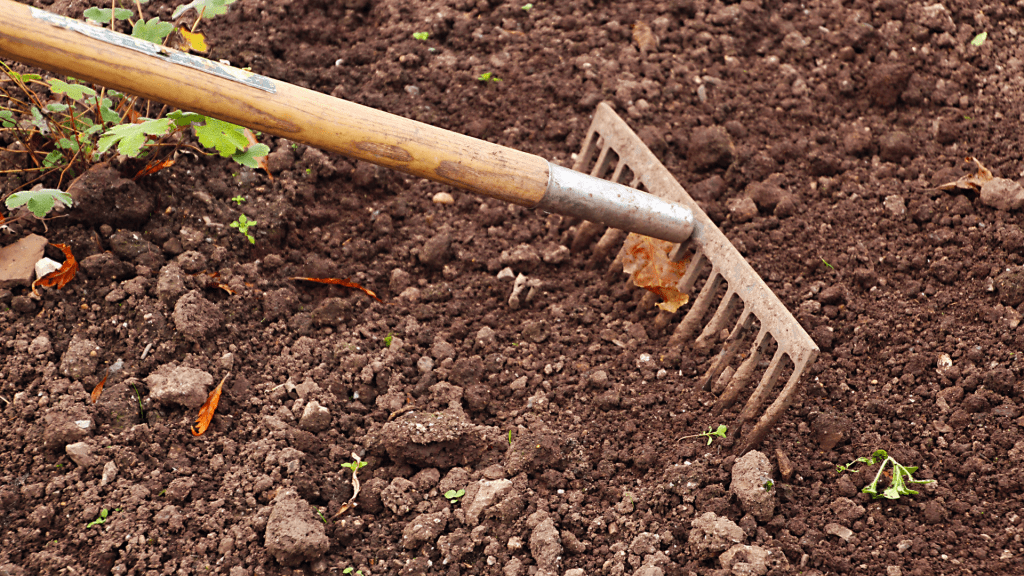
Proper soil preparation is paramount for the successful establishment of a wildflower meadow. Begin by eliminating any existing vegetation such as grass or weeds to minimize resource competition.
Using a rototiller or garden fork, loosen the soil to a depth of about 6 inches. This process enhances soil aeration and drainage. If necessary, enrich the soil with organic matter such as compost to boost its fertility. A soil test can determine pH levels needed for adjustment, as most wildflowers prefer slightly acidic to neutral soils.
Planting Techniques for a Successful Meadow
Various planting techniques exist to establish a wildflower meadow. One widespread method involves scattering seeds evenly by hand across the intended area. For larger meadows, a seed spreader might be more convenient.
After seeding, lightly rake the soil to cover the seeds with a thin layer. Gently water the area to ensure adequate seed-to-soil contact. Be patient, as it can take several seasons for wildflower meadows to become fully established.
Popular Viral Hacks for Meadow Maintenance
Keeping up with a wildflower meadow doesn’t require excessive labor. One popular tip involves mowing the meadow once annually, either in late summer or early fall, after the flowers have seeded. This helps to keep woody plants in check while encouraging reseeding.
Another suggestion includes introducing beneficial insects such as ladybugs, which help to naturally control pest populations. Using organic mulch to suppress weeds and preserve soil moisture is also recommended.
The Role of Pollinators in Wildflower Meadows
Pollinators contribute greatly to the vitality of wildflower meadows. They support the reproduction of flowering plants by transferring pollen from one blossom to the next, facilitating seed production.
By attracting a wide variety of pollinators, wildflower meadows boost genetic diversity within plant species. In turn, this strengthens the resilience of the ecosystem, allowing it to better adapt to environmental shifts.
Seasonal Care and Management Tips
Providing seasonal care is crucial for maintaining a thriving wildflower meadow. During the spring, watch for early weed growth and promptly remove invasive plants.
During the summer, ensure the meadow receives sufficient water, especially during periods of drought. In the fall, cut the meadow down to a height of 4-6 inches to promote seed dispersal and prepare the plants for winter dormancy.
Common Mistakes to Avoid When Creating a Meadow
One common error involves overwatering, which can trigger root rot and fungal diseases. Wildflowers generally exhibit drought tolerance and need less water than conventional lawns.
Refrain from using chemical fertilizers and pesticides, since these can harm beneficial insects and upset the natural balance within the meadow. Instead, prioritize organic practices to foster a healthy ecosystem
.
Why Every Garden Should Have a Wildflower Meadow
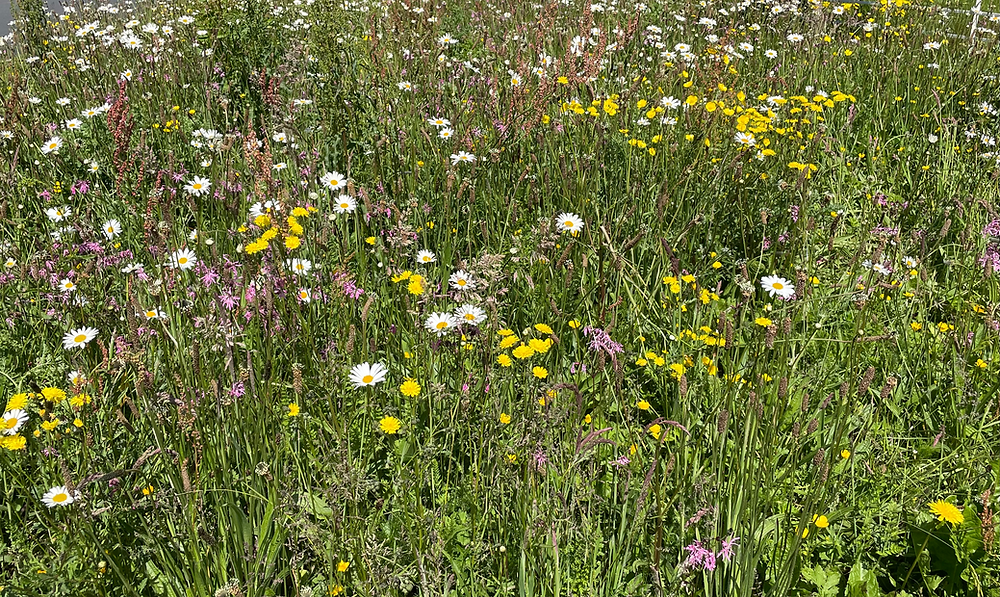
Wildflower meadows provide many benefits that make them a valuable asset to any garden. They offer wildlife habitat, enhance biodiversity, and foster environmental sustainability.
Additionally, wildflower meadows need less maintenance than traditional lawns, as they require less mowing, watering, and use of chemicals. By planting a wildflower meadow, one can enjoy a beautiful, low-maintenance landscape that is good for planetary health.

Conclusion
In conclusion, establishing a wildflower meadow is a rewarding endeavor that promotes biodiversity, enhances soil health, and supports essential pollinators. By choosing the right location, selecting native wildflower species, and preparing the soil adequately, you can create a sustainable landscape that requires minimal maintenance while benefiting local wildlife. Careful management through seasonal upkeep and avoiding common pitfalls ensures the meadow thrives, providing a haven for various species, fostering ecological balance, and contributing positively to the environment. As we continue to recognize the importance of natural ecosystems, incorporating wildflower meadows into our gardens is not only aesthetically pleasing but also a crucial step toward supporting the planet’s health and promoting sustainability.


