

Mosquitoes are more than just an irritating summer nuisance; they also carry diseases. Although commercial repellents work, they often have harsh chemicals. Thankfully, you can naturally deter these insects with several alternatives. Growing particular herbs and flowers in your garden or around your patio provides a beautiful and organic way to keep mosquitoes away.
Incorporating specific plants in your garden can establish a serene, mosquito-free zone. This article will introduce you to eight plant varieties that have demonstrated effectiveness in repelling mosquitoes. Besides being a practical solution, these plants enhance the aesthetic appeal of your outdoor area. Continue reading to discover how to enjoy a comfortable, mosquito-free summer.
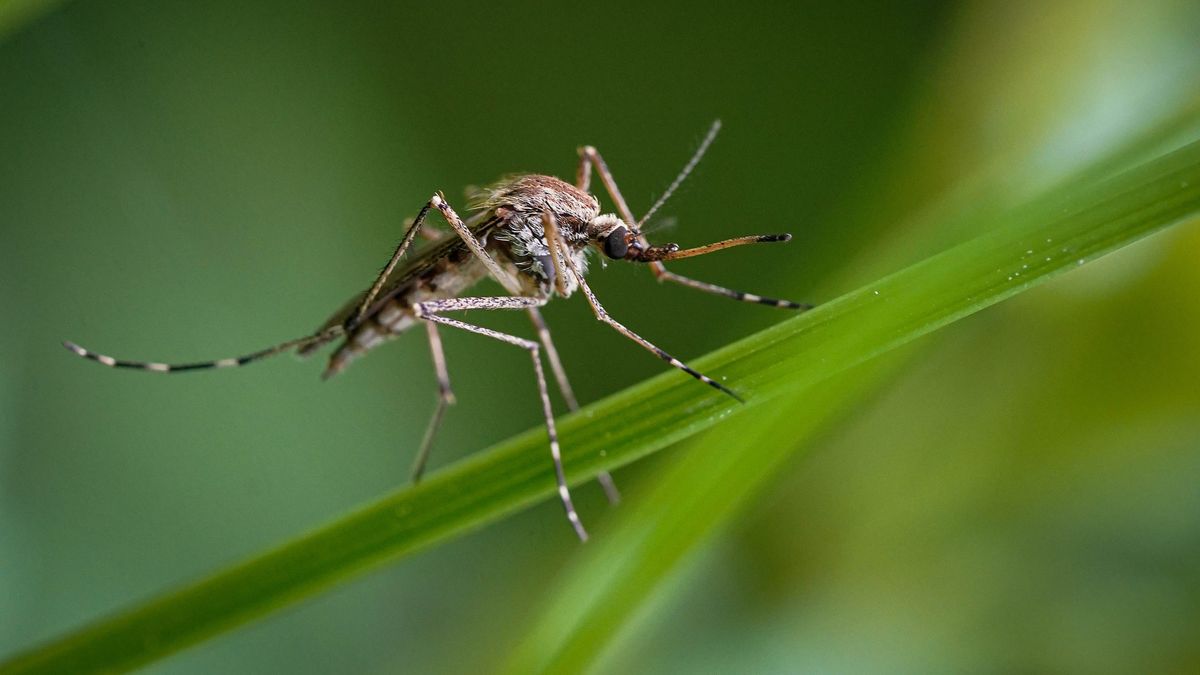
Lavender
Lavender’s calming scent is well-known, but mosquitoes dislike it. Mosquitoes are repelled by lavender’s strong scent, which hides the carbon dioxide and lactic acid odors that attract them. You can use lavender planted around your home as a beautiful and fragrant mosquito deterrent. The purple flowers will bring a lovely colorful burst to your garden.
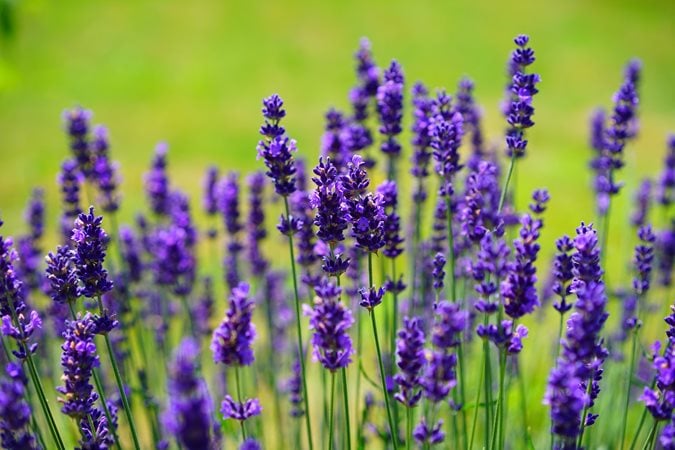
Marigold
Marigolds are cheerful, brightly colored flowers containing pyrethrum, a compound commonly found in insect repellents. Mosquitoes are repelled by the distinctive marigold scent, making it an excellent garden addition. Marigolds not only repel mosquitoes but also attract beneficial insects, such as ladybugs, which control other pests.
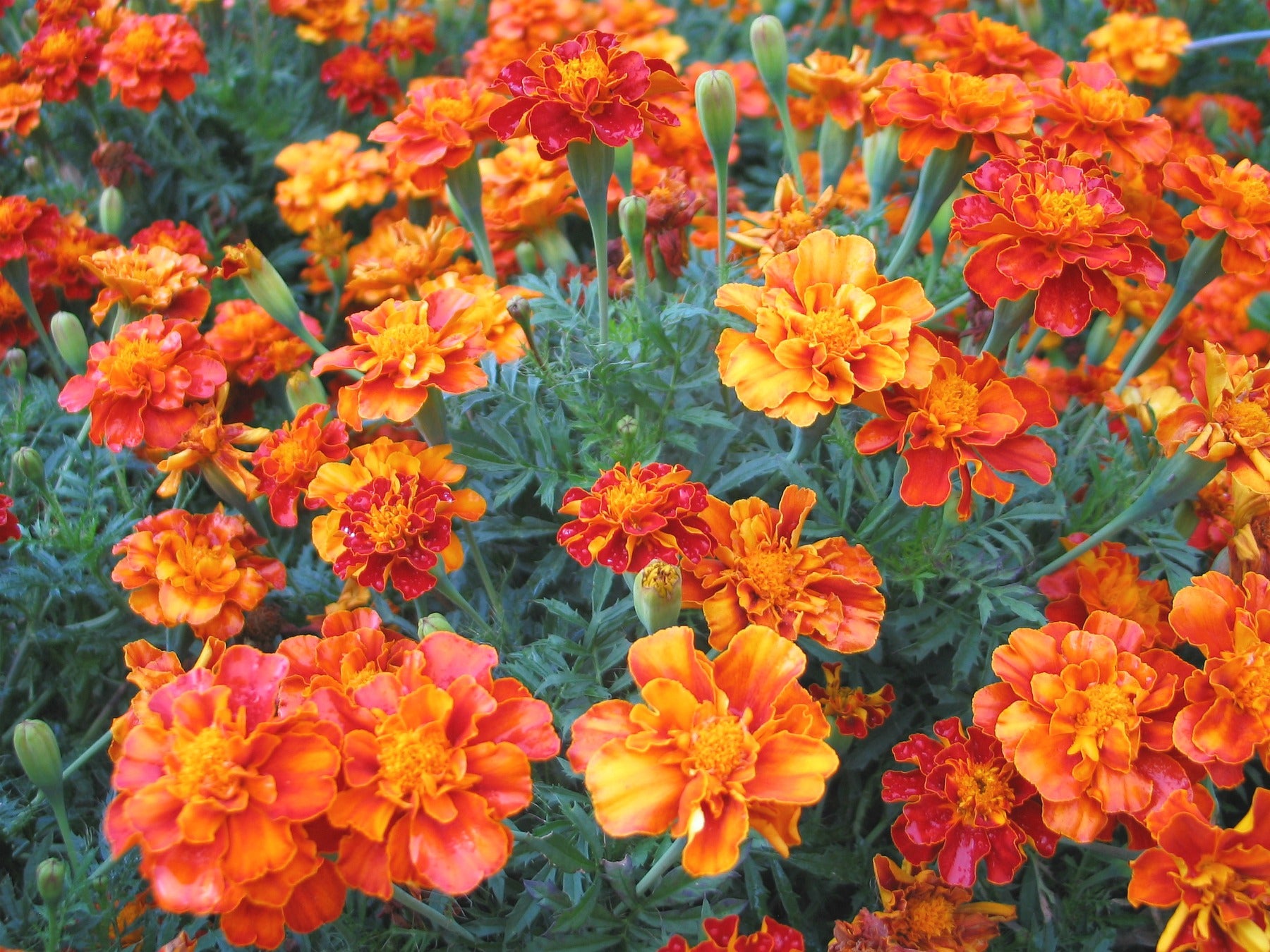
Citronella
Citronella is perhaps the most famous plant for repelling mosquitoes. Many mosquito repellents contain citronella grass oil as a key ingredient. Planting citronella grass along paths or in pots on your patio offers a natural mosquito barrier.
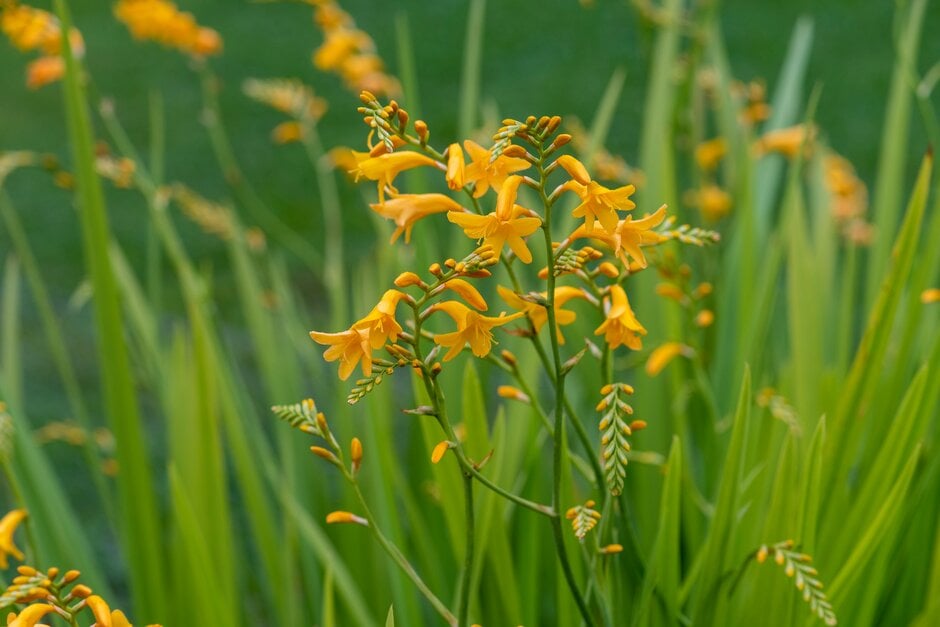
Basil
Basil is a tasty cooking herb and an effective mosquito repellent. The intense smell of basil leaves keeps mosquitoes away. Keeping potted basil plants in your outdoor seating areas provides both food seasoning and insect repellent.

Catnip
Catnip contains nepetalactone, a very effective mosquito repellent. Research indicates catnip may be more effective than DEET, a typical ingredient in chemical repellents. Growing catnip around your garden builds a strong mosquito defense.

Rosemary
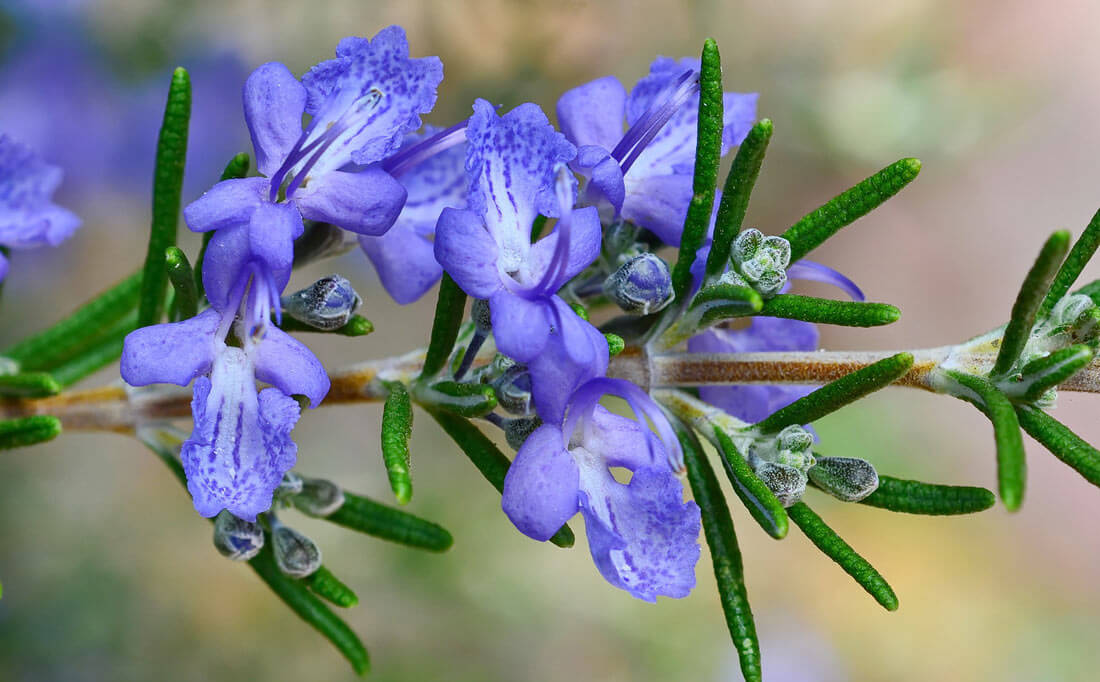
Rosemary is a versatile herb that flavors many dishes and repels mosquitoes effectively. Mosquitoes find its woody scent unpleasant. Plant rosemary in containers or garden beds, and use the clippings to make a natural spray.
Mint
Although mint has a revitalizing aroma for humans, mosquitoes dislike it. A natural mosquito barrier can be created by planting mint around your garden. Be mindful, as mint tends to spread rapidly; planting it in pots can keep it from taking over your garden.

Allium
Alliums are flowering plants that resemble onions and garlic. Their strong odor deters mosquitoes and other garden pests. Alliums add a distinctive, decorative touch to your garden while also keeping it mosquito-free.
Planting these eight mosquito-repelling plants creates a more pleasant and bug-free outdoor area. Adding these natural solutions to your garden allows you to avoid chemical repellents while enhancing its beauty and biodiversity.
:max_bytes(150000):strip_icc()/GettyImages-523709776-fdc813a64e18481bb8bf2dc74c532f7e.jpg "Mosquitoes really don't like these 8 smells. Make sure to plant these this summer")
Conclusion
In conclusion, embracing a natural approach to repel mosquitoes can significantly enhance your outdoor experience while adding beauty to your garden. The eight plants discussed—lavender, marigold, citronella, basil, catnip, rosemary, mint, and allium—not only serve as effective mosquito deterrents but also contribute to the overall aesthetic appeal and biodiversity of your space. By cultivating these herbs and flowers, you can enjoy a serene atmosphere free from annoying mosquitoes, allowing you to make the most of the warm summer months. This organic strategy is not only beneficial for your comfort but also serves as a sustainable alternative to chemical repellents.


