

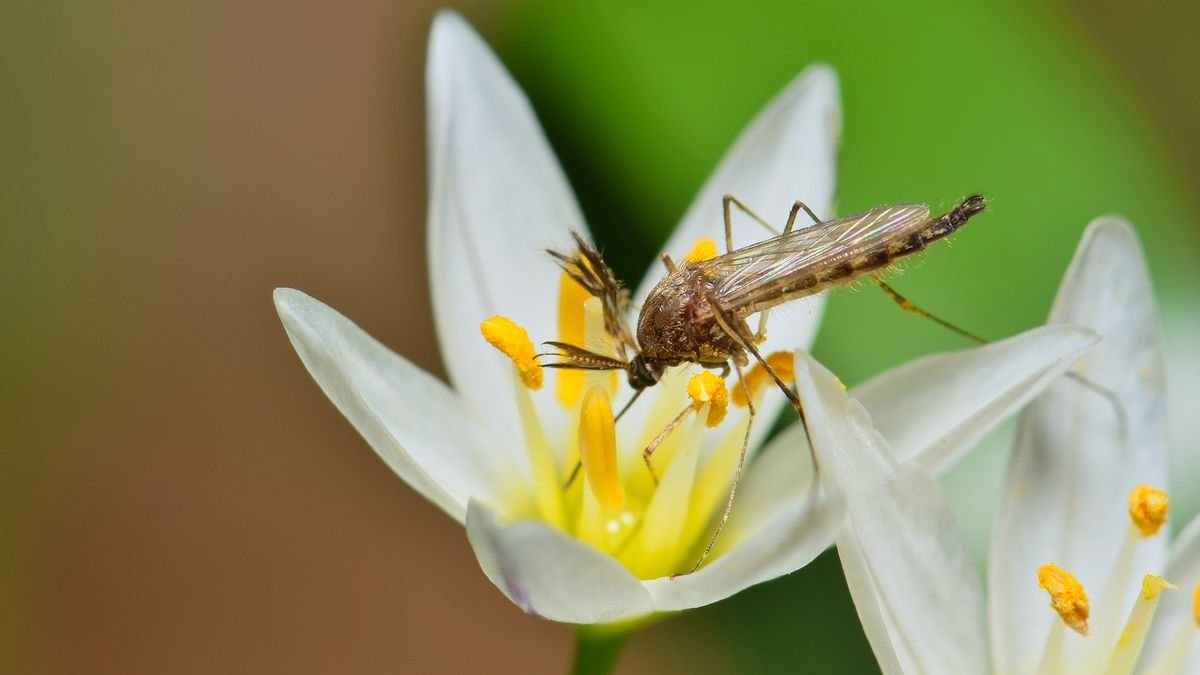
Mosquitoes are more than just annoying; they transmit illnesses like malaria, dengue fever, and the Zika virus. Warmer weather increases their activity, which diminishes the joy of being outdoors.
Understanding Mosquito-Repellent Plants
The ability of mosquito-repelling plants lies mainly in their natural oils and scents, which are offensive to mosquitoes. By emitting compounds that mask human scents that attract mosquitos, these plants effectively keep them away. Many are also found in commercial repellents, which shows how effective they are. They are also a practical solution for people looking to reduce the presence of mosquitoes naturally because they are simple to grow and maintain.
Citronella: The Classic Mosquito Deterrent
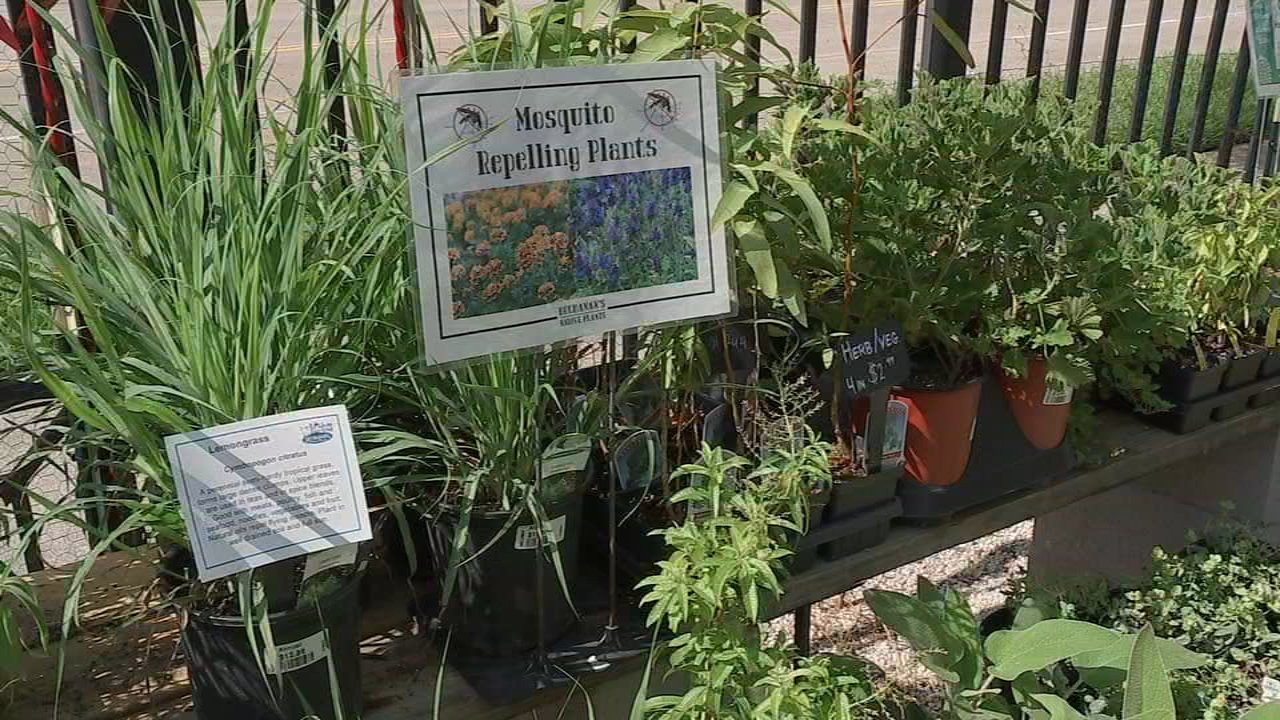
Citronella stands out as arguably the most well-known plant for deterring mosquitoes. Its oil is a frequent component in many insect repellents that are sold commercially. As a grass, the plant releases a potent lemon-like aroma that mosquitoes simply cannot tolerate. It grows best when planted in large pots or garden beds where it can absorb direct sunlight and have good drainage. It is an adaptable addition to any garden because of its towering, grassy appearance.

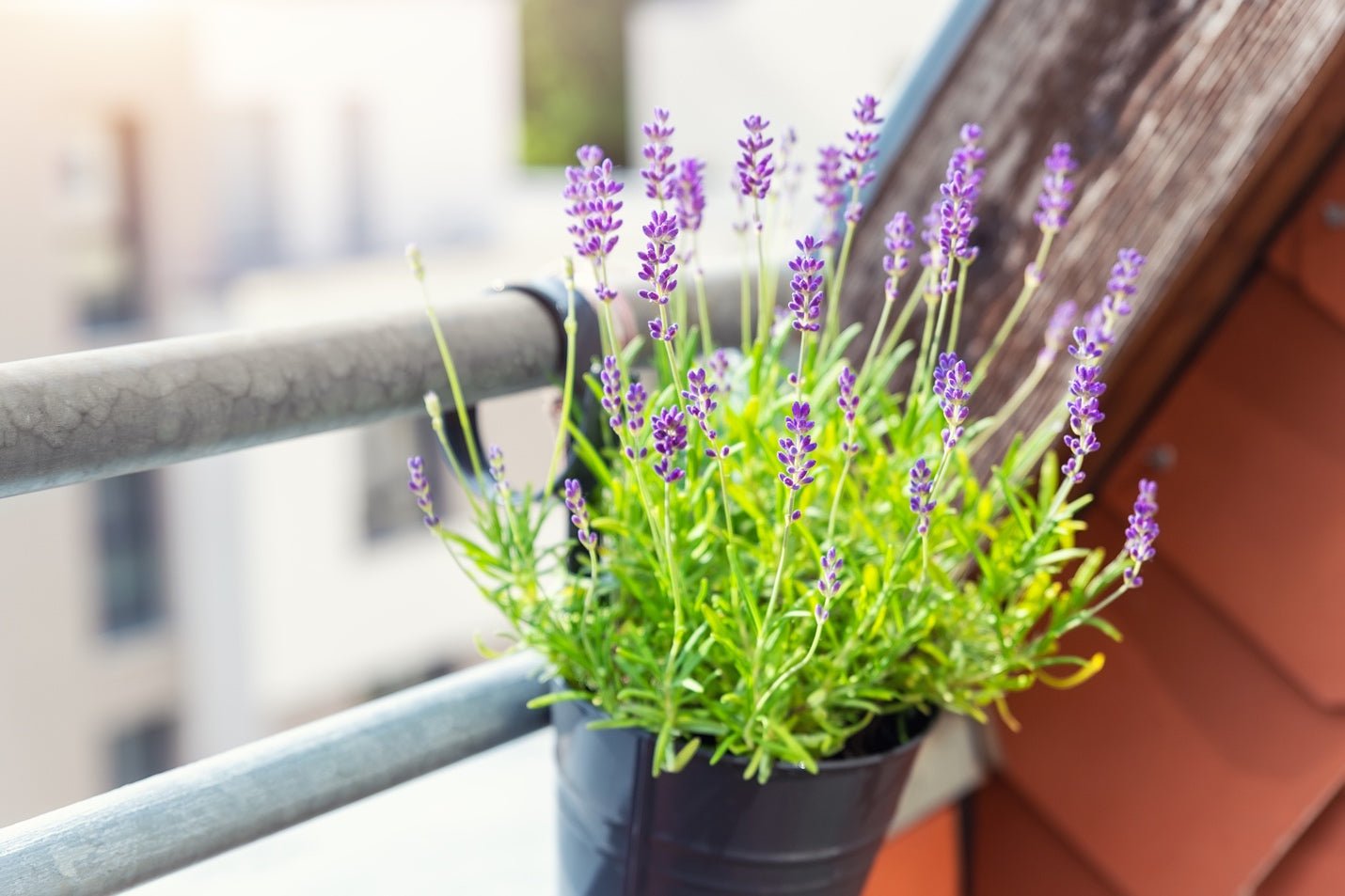
Lavender: A Fragrant Barrier
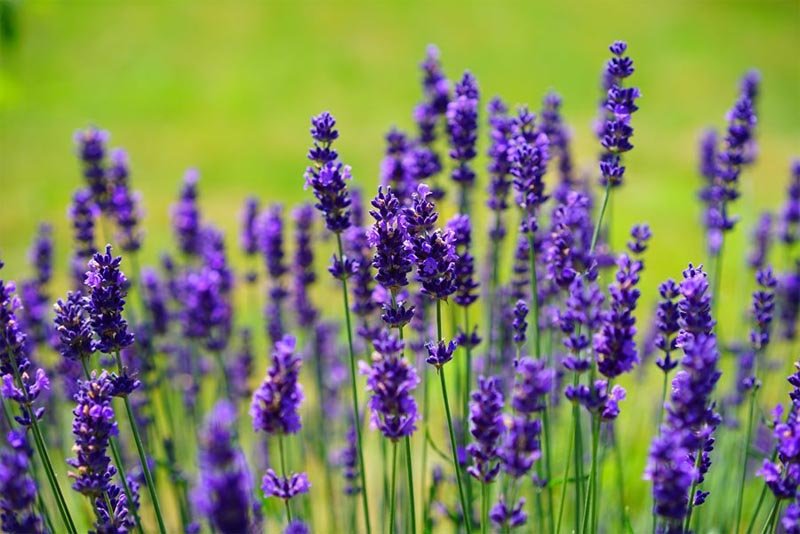
Besides its delightful fragrance and beauty, lavender also functions effectively as a mosquito repellent. Mosquitoes are known to be deterred by the plant’s essential oils, and humans find the aroma to be incredibly calming. Lavender thrives in sunny and well-drained areas, suitable for both pot and ground planting. Its purple flowers introduce a splash of color to any garden space, while also keeping unwanted pests away.
Marigolds: Bright and Effective
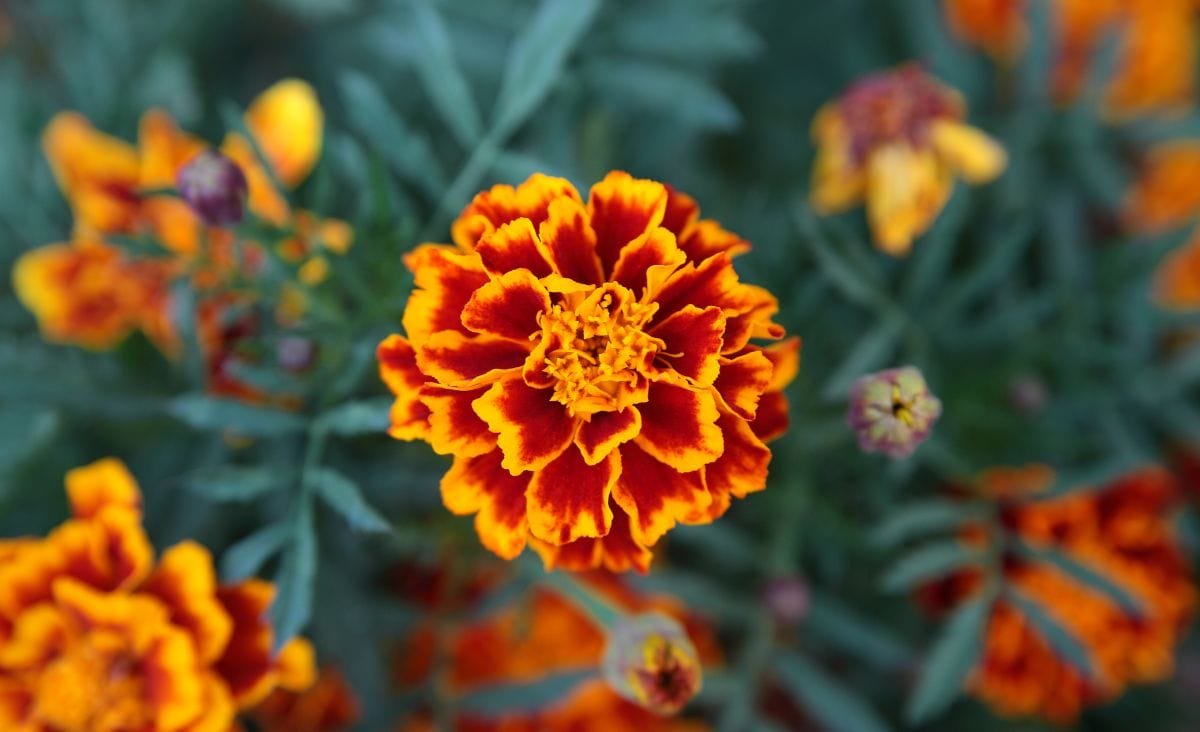
Marigolds, known for their vibrant colors, contain pyrethrum, a compound also present in numerous insect repellents. The strong scent they emit is unbearable to mosquitoes along with other pests common to gardens. Given how simple they are to cultivate, marigolds can be situated either in gardens or inside containers. Flourishing in sunny environments, they are also helpful in safeguarding other vegetation from potential infestations.
Basil: Culinary Herb with a Hidden Talent
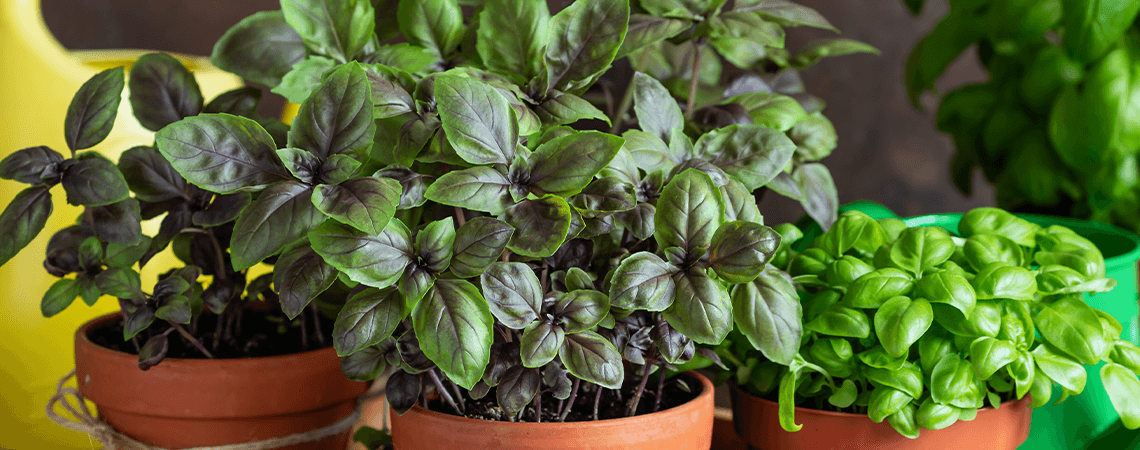
Basil, a widely-used culinary herb, has a surprising talent as a mosquito repellent. Its powerful aroma effectively keeps mosquitoes at a distance. For best growth, basil needs warm, sunny areas with well-drained soil. Ideal for planting in both pots and garden beds, its leaves can be freshly used in cooking, thus serving a dual purpose.
Peppermint: Refreshing and Repelling
Peppermint, renowned for its refreshing aroma and taste, serves as a natural mosquito deterrent. Its essential oils have repellent properties, and crushing the leaves amplifies its powerful aroma. Plant peppermint in pots or garden beds, bearing in mind that it tends to spread rapidly; therefore, confinement in a pot is generally advisable.

Catnip: Not Just for Cats
Well-known for how it affects cats, catnip also has nepetalactone, a compound that works especially well to keep mosquitoes away. Studies have revealed that catnip is even more potent than DEET, a common chemical component in insect repellents. Catnip is a versatile addition to any garden because it can grow easily and prosper in a range of settings.
:max_bytes(150000):strip_icc()/GettyImages-1036697780-a3f2e5c6785e422f8fd4936d239d7543.jpg "Mosquitoes absolutely hate these 12 plants. Plant them in your backyard, patio, and say goodbye to them for good")
Rosemary: Aromatic and Potent
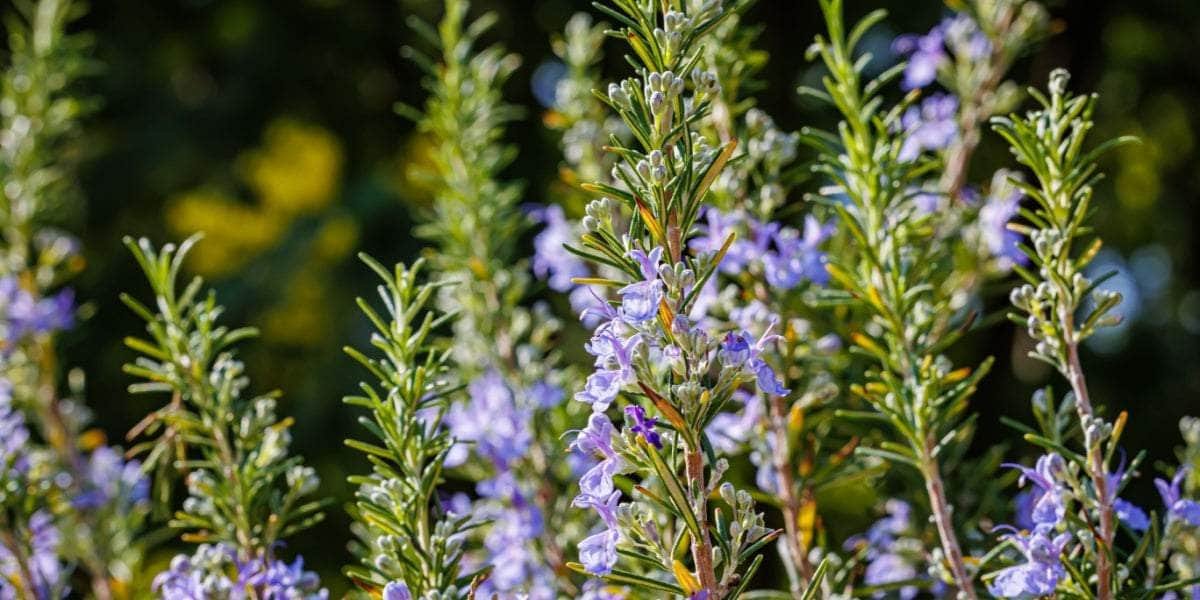
Rosemary is a robust herb recognized by a potent scent that mosquitoes find unappealing. Its essential oils are effective at repelling mosquitoes, along with the fact that the rosemary plant adds beauty to a garden. Well-drained soil and bright sunlight are ideal for rosemary, and it can be cultivated in pots or straight in the ground. As an added benefit, its leaves may be utilized in cooking, offering a distinct flavor to numerous dishes.
Lemongrass: A Natural Mosquito Shield
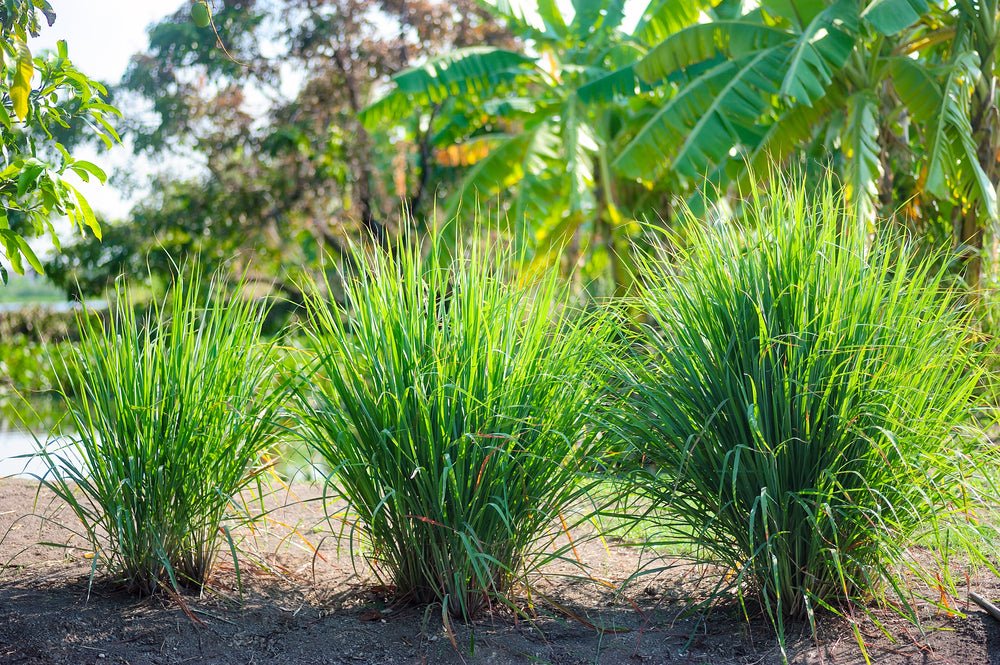
Lemongrass, a tropical plant, is known for a citrusy fragrance, quite similar to the aroma given off by citronella. It serves as a natural repellent against mosquitoes, flourishing in either pots or garden beds. Warm, sunny conditions along with well-draining soil are ideal for lemongrass. Its towering, grassy form renders it visually attractive for a garden, and its leaves are cooking-friendly.
Geraniums: Beauty with a Purpose
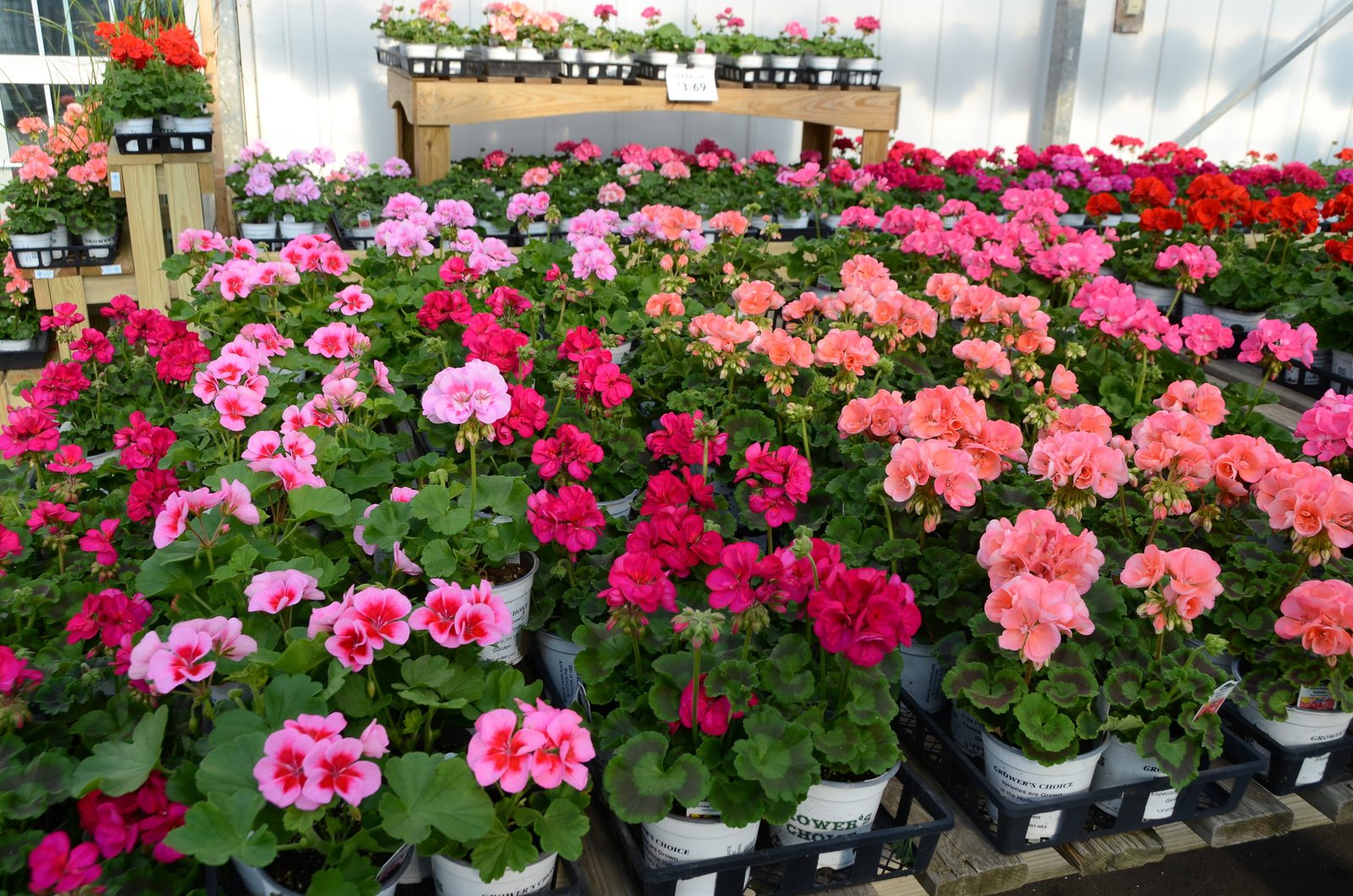
Geraniums, particularly those with lemon or citronella scents, are effective at repelling mosquitoes. The plants are noted for their pleasant scent and lovely blooms. Thriving in sunny positions, they are suitable for pot cultivation, as well as in garden beds. While contributing color to outside areas, they effectively keep mosquitoes away.
Sage: More Than Just a Spice
Sage stands out as a versatile herb that also has amazing effects on repelling mosquitoes. Mosquitoes dislike its potent aroma, and burning the leaves produces a smoke that works to further stop them. Sage thrives in sunny, well-drained areas and can be utilized either fresh or dried in cooking, so it makes a useful addition to any garden.

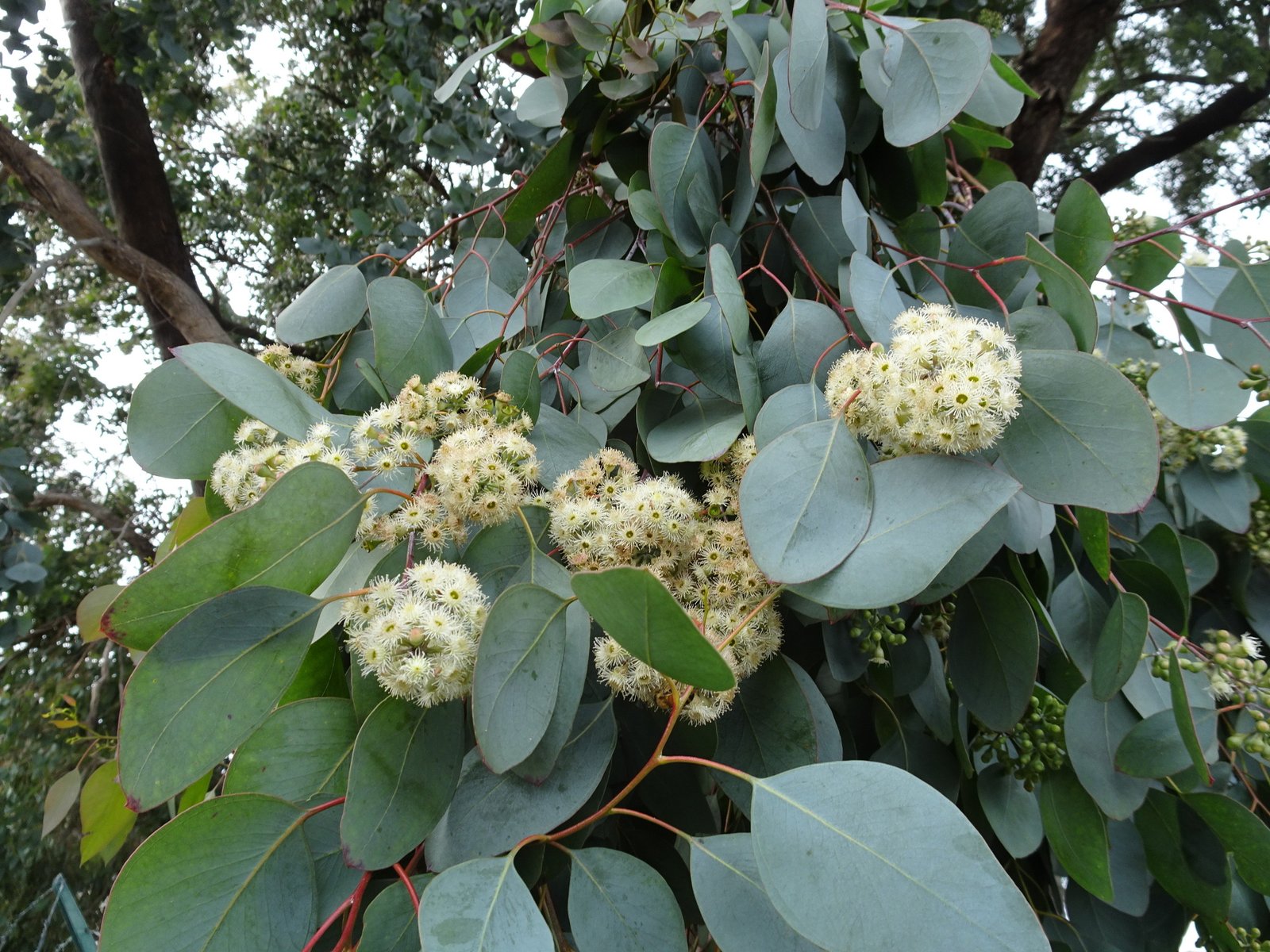
Eucalyptus: A Strong Scented Solution
Eucalyptus is distinguished by a strong, menthol-like fragrance that is remarkably effective at keeping mosquitoes away. The plant’s essential oils are frequently included in commercially available insect repellents. Providing it is situated in a well-drained area with plenty of sunlight, eucalyptus can flourish whether potted or planted directly into the ground. Its slender, towering physical appearance renders it an impressive addition to any garden space.
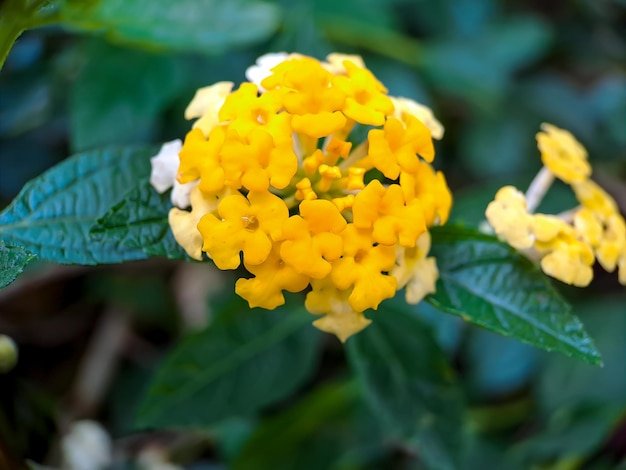
Lantana: Colorful and Powerful
Lantana is a flowering plant that not only offers visual appeal, but has mosquito-repelling properties, too. Mosquitoes are repelled by its vibrant flowers along with a robust scent. Well-drained soil and bright sunlight are ideal conditions for growing lantana, which will flourish in either pots or gardens. It brings in pollinators, such as butterflies, because of the vibrant flowers, which heightens its appeal.
How to Plant and Care for Mosquito-Repellent Plants
Proper placement is key to maximizing the effectiveness of these plants. The majority thrive in areas offering plenty of sunlight and adequate drainage. Combining multiple repellent plant varieties can create a stronger defense against mosquito presence. Performing routine upkeep, such as watering, pruning, and fertilizing, will preserve the well-being and effectiveness of these plants. It is wise to position them in the vicinity of doorways, windows, and seating arrangements to establish an effective layer of defense.
Conclusion: Enjoying a Mosquito-Free Outdoor Space
Introducing mosquito-repellent plants into your patio or garden can offer a natural, effective barrier against these irritating insects. These plants not only provide a safe, environmentally friendly solution, they also improve the scent and visual appeal of your outdoor setting. With a bit of attention and preparation, you can relish a mosquito-free setting and have the best possible experience outdoors.


