

Often mistaken as pests because of their unusual looks, ladybird larvae are crucial for healthy garden ecosystems. These small, alligator-like creatures represent the juvenile phase of ladybirds, which are more commonly known as ladybugs. Recognizing their value is vital for gardeners hoping to foster a thriving and balanced garden. Ladybird larvae serve as natural predators against various garden pests, making them highly valuable for pest control. By learning about their life cycle and ecological purpose, gardeners gain a deeper appreciation and provide better support for these helpful insects.
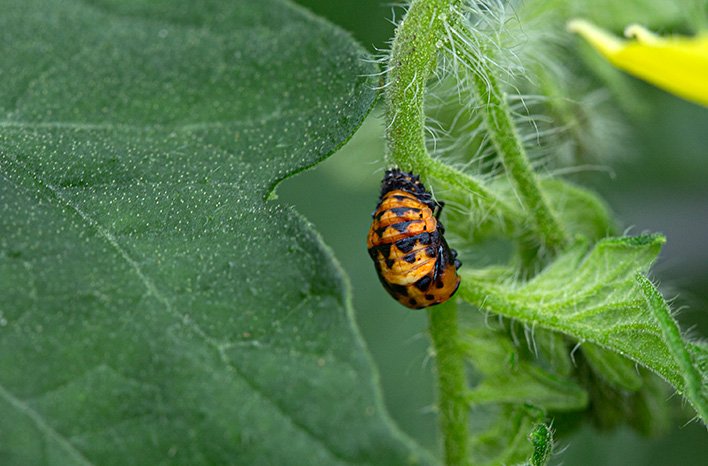
Identifying Ladybird Larvae in Your Garden
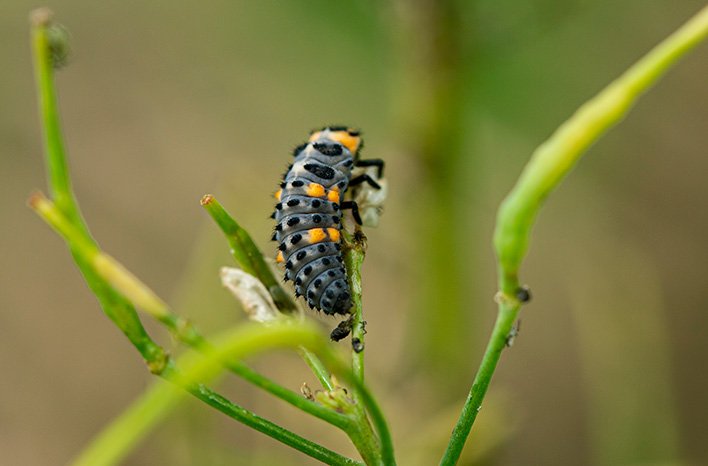
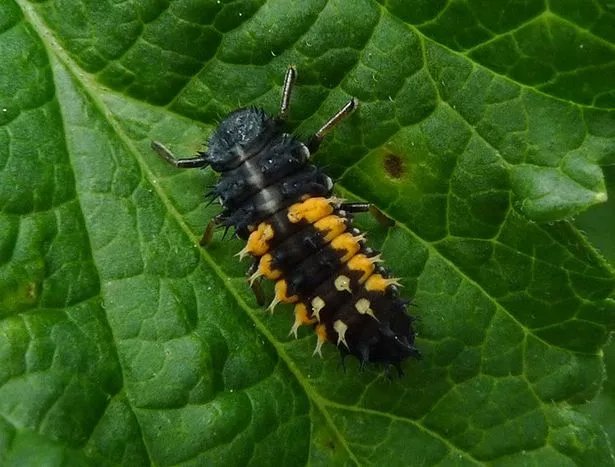
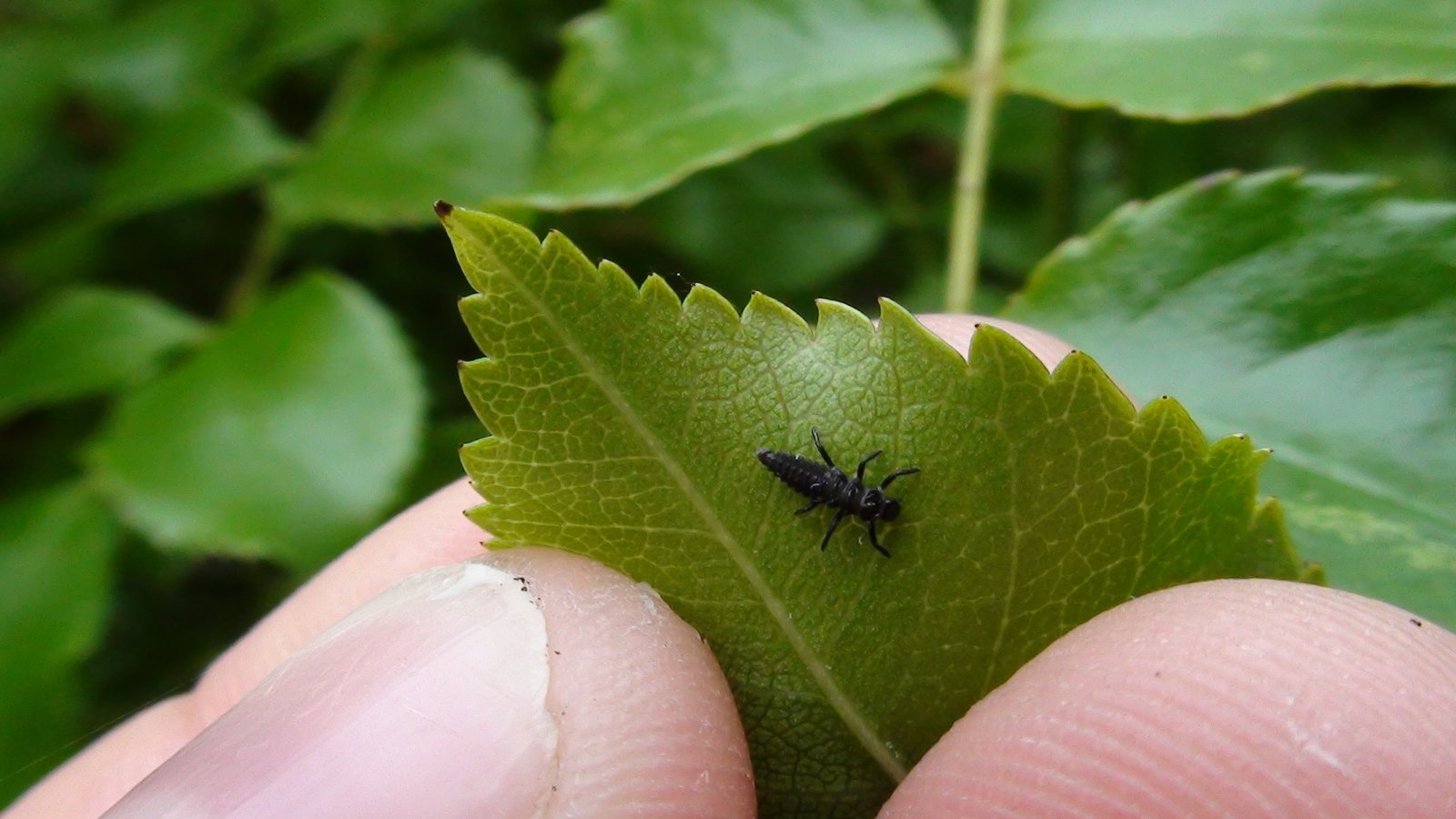
Ladybird larvae have a distinctive appearance, frequently resembling miniature alligators featuring elongated bodies and spiked projections. They are generally black or a dark gray shade, highlighted by bright orange or yellow markings, varying by species. These larvae are typically spotted beneath leaves or near clusters of aphids because they actively pursue nourishment. Unlike the well-known adult ladybirds, larvae lack the typical round bodies covered in spots. They instead have a segmented, extended build easily missed or wrongly identified as detrimental pests. Observing these traits assists gardeners in precisely identifying ladybird larvae and avoids accidentally removing them.
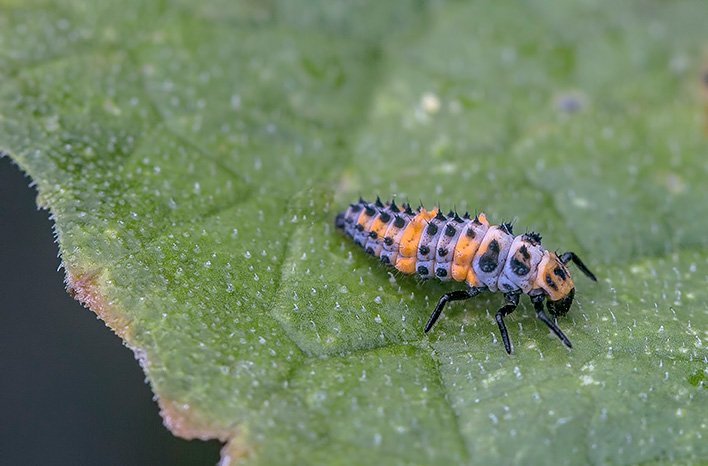
The Role of Ladybird Larvae in Garden Ecosystems
Ladybird larvae form an essential part of garden ecosystems mainly becuase they are vigorous predators of common pests. Their typical diet consists of aphids, however, they also eat soft-bodied insects like mites and scale insects. Ladybird larvae regulate the amount of pests, help ensure a healthy balance in nature, and minimize the use of chemical pest controls. Their presence signifies a flourishing, functional environment, where natural pest control takes place. Furthermore, these larvae add to garden biodiversity, and supports various other types of advantageous insects and wildlife.
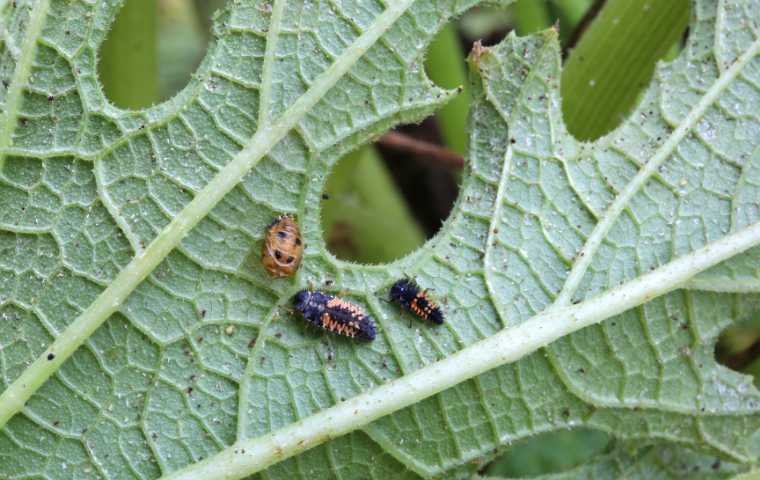
Why Ladybird Larvae Are Beneficial to Your Garden
Finding ladybird larvae within your garden is a good omen, meaning there are several advantages. They naturally regulate the amount of pests, reducing the dependence on chemical solutions that can harm helpful bugs and the natural environment. By hunting for aphids and other pests, they save plants from injury and sickness, which will helps them produce more wholesome development. Also, ladybird larvae enhance the overall biodiversity of the garden, facilitating an extra flexible and eco-friendly environment. You can create a more lively and fruitful garden, by promoting their presence.
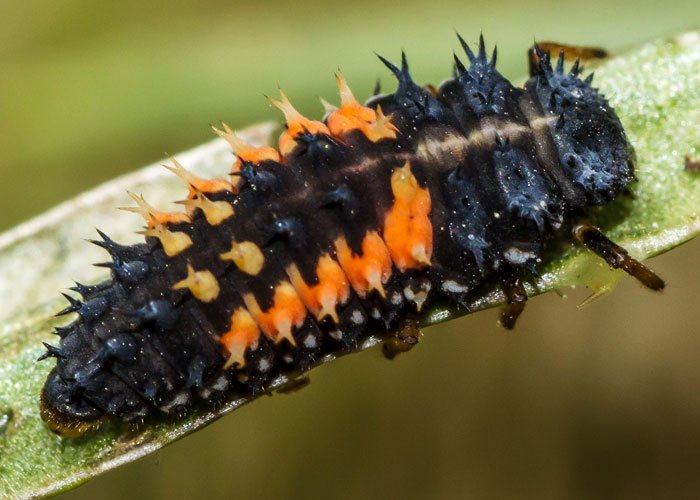
Natural Pest Control: Reducing Aphid Populations
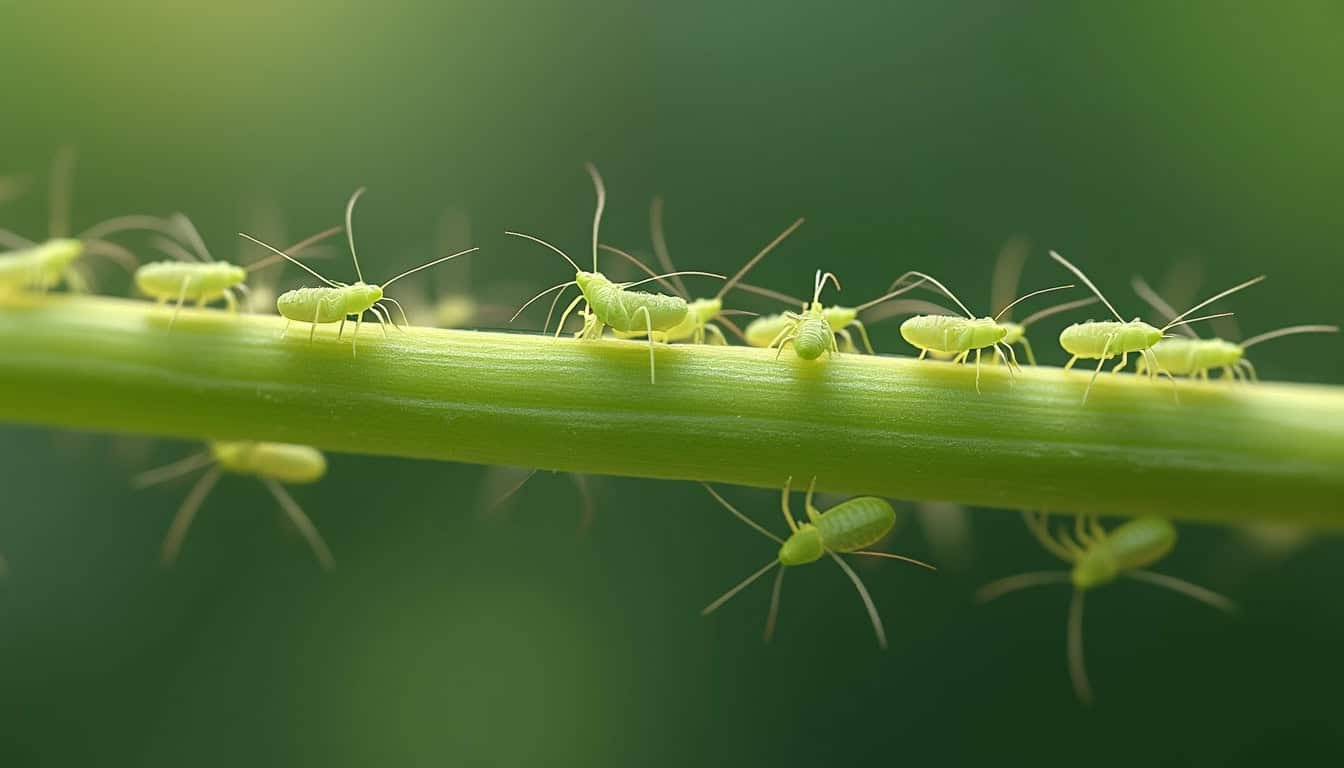
The impressive capability to regulate aphid numbers is a key benefit offered by ladybird larvae. Aphids are known for the damage they inflict by draining plants of their fluids and spreading disease. Throughout their development, Ladybird larvae ingest large amounts of aphids, successfully suppressing their population and reducing plant harm. This way of controlling pests naturally is eco-friendly and sustainable, it also offers an alternative to chemical pesticides that may harm helpful insects and pollinators.
Promoting Plant Health and Growth
Through the control of aphid populations, ladybird larvae help plant health and growth to increase. Aphids can deteriorate plants by tapping into essential nutrition, causing minimized growth and increased susceptibility to sickness. When there’s a less aphids, plants grow more healthier because their stronger stems, healthier leafage, and more plentiful blooms. The garden tends to be more pleasurable and fulfilling for gardeners because its overall aesthetic and performance increased.

Enhancing Biodiversity in Your Garden
Ladybird larvae contribute to the biodiversity of garden ecosystems, supporting a variety of other beneficial insects and wildlife. Their presence attracts predators like birds and additional insects, creating a balanced food chain. This broader range of biodiversity may result in a garden that is more durable, better able to resist environment stress factors and pest breakouts. The garden is more appealing and interesting because increased garden biodiversity, delivering possibilities for seeing and also knowing about the natural world.
Supporting the Life Cycle of Ladybirds
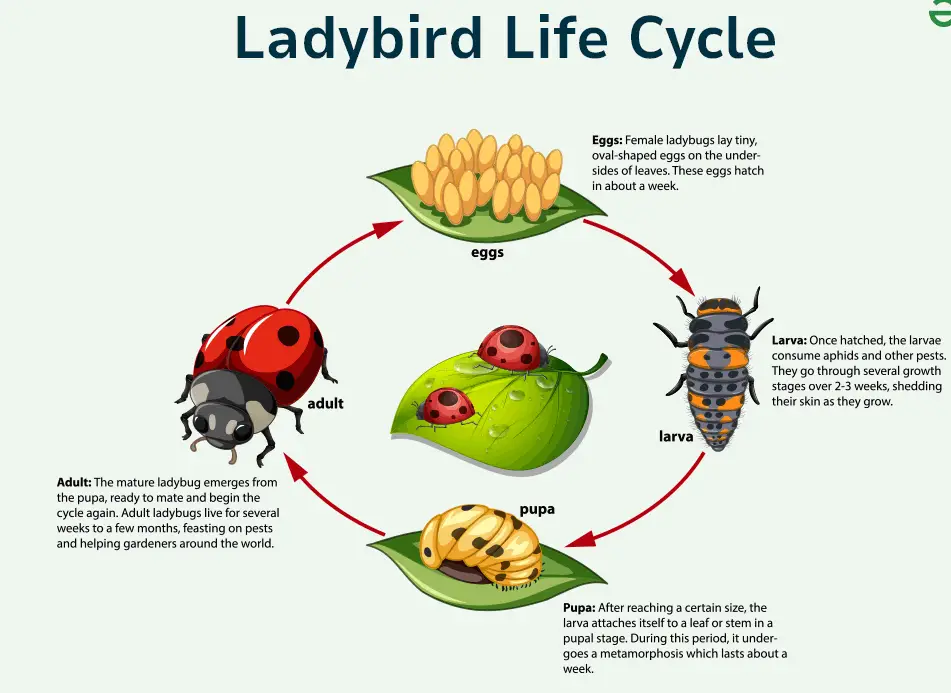
Sustaining ladybird larvae in your garden is the key to finishing the ladybird lifecycle. After their time as larvae, they pupate, and come out as adult ladybirds, happy to continue controlling pests. By delivering a helpful environment for larvae to bloom, gardeners ensure a constant stream of adult ladybirds, continuing to benefit the garden by hunting for pests. This recurring cycle helps maintain a healthy and balanced garden ecosystem.
Steps to Take When You Spot Ladybird Larvae
If you discover ladybird larvae within your garden, it is best if you left them where they are, untouched. Observe their activities, and verify they can reach nourishment from aphid settlements. Stop using chemical pest controls which could hurt them as well as other good insects. If possible, record that they are on site and share your discoveries with local plant growing communities to heighten awareness of their benefits. By simply following these measures, you can assist the natural pest control attempts of ladybird larvae, and improve the garden for a greater ecosystem.
Creating a Welcoming Environment for Ladybird Larvae
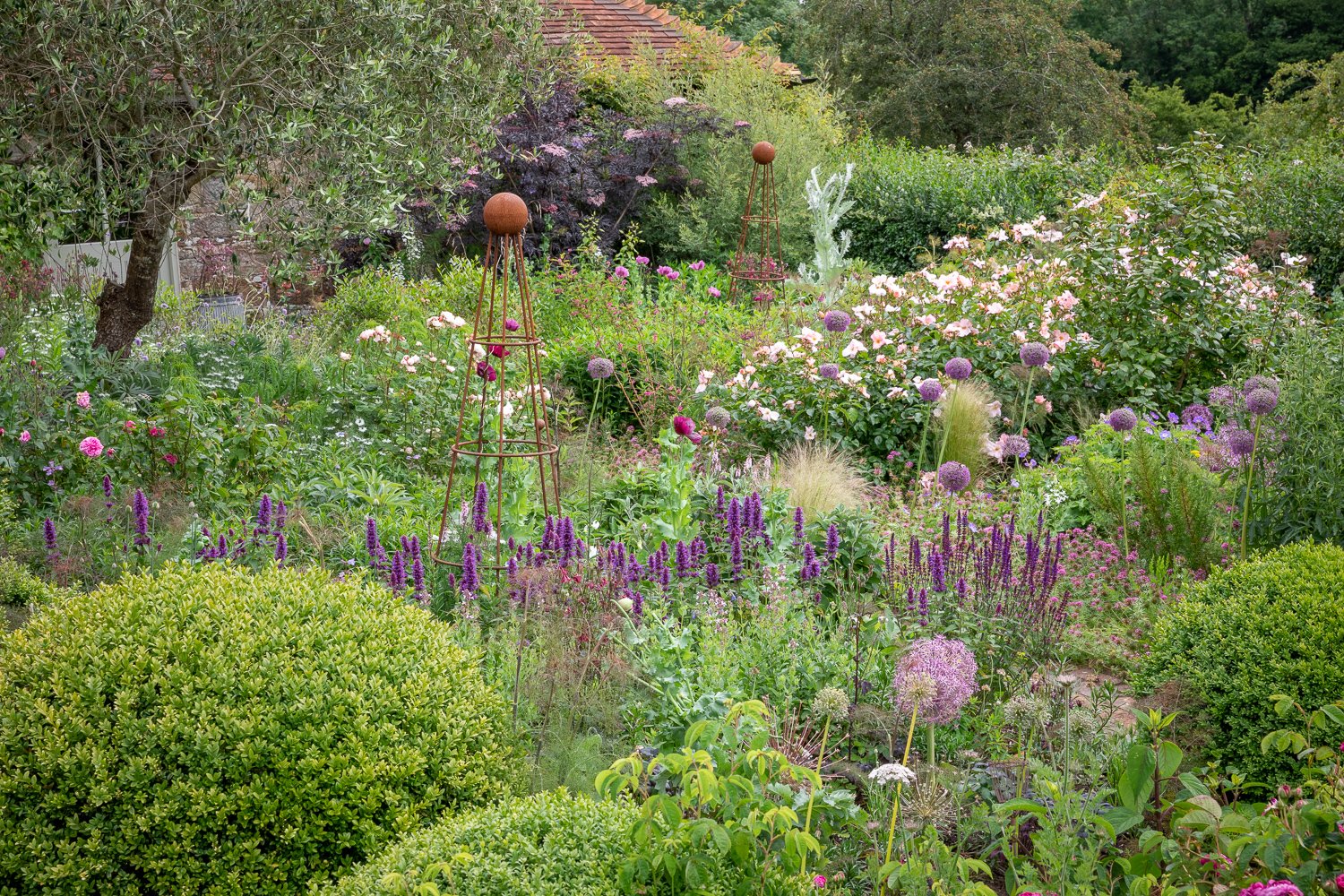
You can inspire ladybird larvae in the garden, by building a warm and friendly surroundings by growing various flowering type of plants which brings in aphids, their main source of food. Incorporate different kinds of flora such as tall shrubs, and grasses, that are there for them to give them a haven and breeding sites. Stay clear of employing broad-application pest controls which will injure good bugs. As An Alternative, concentrate on natural plant developing methods in which cultivate a decent ecosystem. By offering water source just like a shallow bowl, with stones, helps the larvae of ladybirds and helpful bugs.
Avoiding Harmful Practices: What Not to Do
To be safe the larvae of ladybirds, you should avoid the pest controls and insecticides which will injure them and interrupt organic balance of your garden. Stop taking away or bothering some of the plants once larvae can be bought, as it slow it’s development. When adding modern- day flora or soil, ensure they consist of harmful poisons or possibly insects that could unpleasantly affect larvae. By trying to stay away from harmful behavior, you will sustain ladybird larvae in your garden.
Encouraging Ladybird Larvae to Thrive
To get ladybird larvae to blossom, have your focus on constructing an ecosystem which is nicely healthy and natural. Put various plant life with different flowers in your garden that should keep them fed and sheltered if they’re ladybird or another. Apply plant life which happen to be mates to prevent bugs in a natural way and get ladybirds to go to that plant. Keep tabs on your gardening routines for bugs and beneficial bugs, adjust your gardening practices. With the help of the environment, you can make certain that the larvae of ladybirds will continue in your garden.
Conclusion: Embracing Ladybird Larvae as Garden Allies
Accepting ladybird larvae and garden allies is a rewarding and nature friendly way of gardening. Gardeners may enjoy more fit vegetation, decreased bug numbers, in addition to a more varied and sturdy garden ecosystem simply by realizing their purpose in organic pest regulation, and encouraging their life-cycle. Ladybird larvae work for nature’s harmony offering a eco friendly path to gardening difficulties. With the help of nurturing its existence, garden enthusiasts may give rise to a far healthier earth, also much more beauty and successful garden.


