

For many gardeners, dandelions may seem like bothersome weeds in their lawns and gardens, but these vibrant yellow flowers offer numerous advantages that perceptive gardeners can utilize. Gathering dandelion heads allows you to transform what is often perceived as a nuisance into a beneficial asset for both your garden and other purposes.
Dandelion heads present a multitude of uses, from acting as natural fertilizers to contributing to culinary creations, thereby enhancing your overall gardening journey. Recognizing the potential held within these unassuming flowers allows you to not only enhance the well-being of your garden but also make a meaningful contribution to the surrounding ecosystem. Let’s discover why collecting dandelion heads should become a habit.
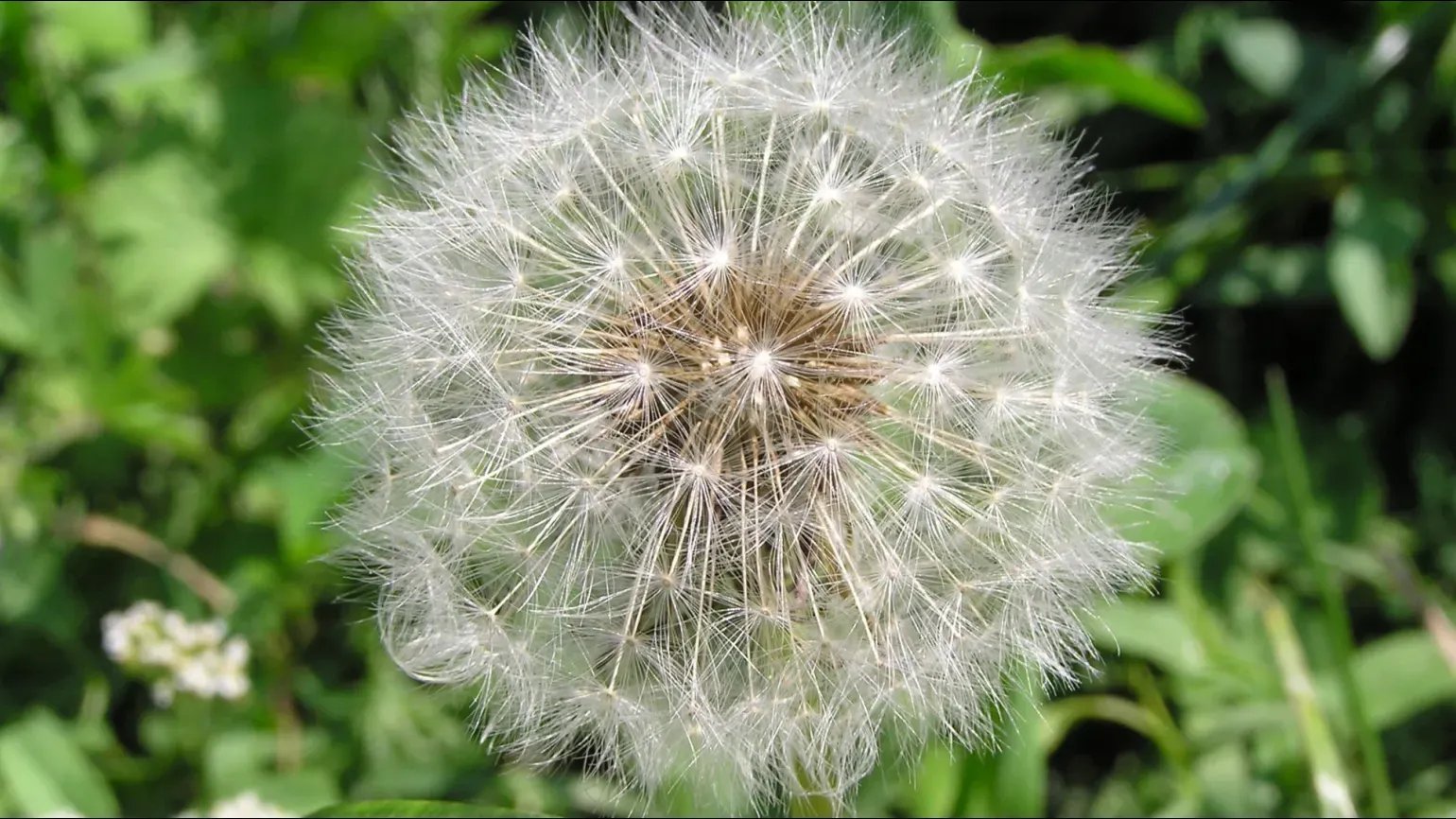
Natural Fertilizer: Boost Your Soil Health
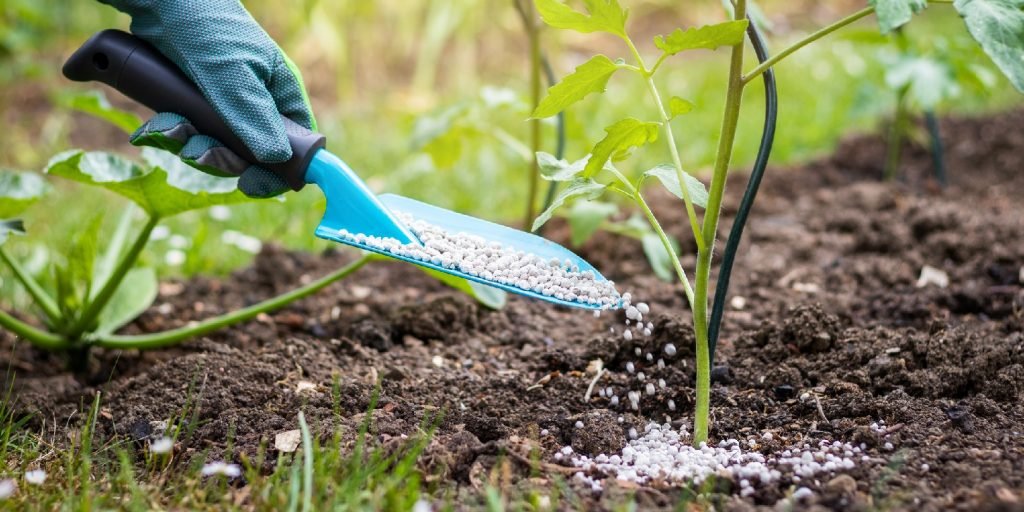
Dandelion heads boast a wealth of nutrients that can serve as a natural fertilizer for your garden. As dandelion heads break down, they release vital minerals into the soil, including potassium, calcium, and magnesium, all essential for plant development. To prepare a simple dandelion fertilizer, amass a generous quantity of dandelion heads and soak them in water for approximately two weeks, using a ratio of about 1 part dandelion heads to 5 parts water. After fermentation, strain the mixture and dilute it with water in a 1:10 ratio before application to your plants.
This natural fertilizer not only enriches the soil but also improves its structure, enhancing both water retention and aeration. By employing dandelion heads as fertilizer, you can decrease your dependence on chemical fertilizers, fostering a more ecologically sound gardening approach.
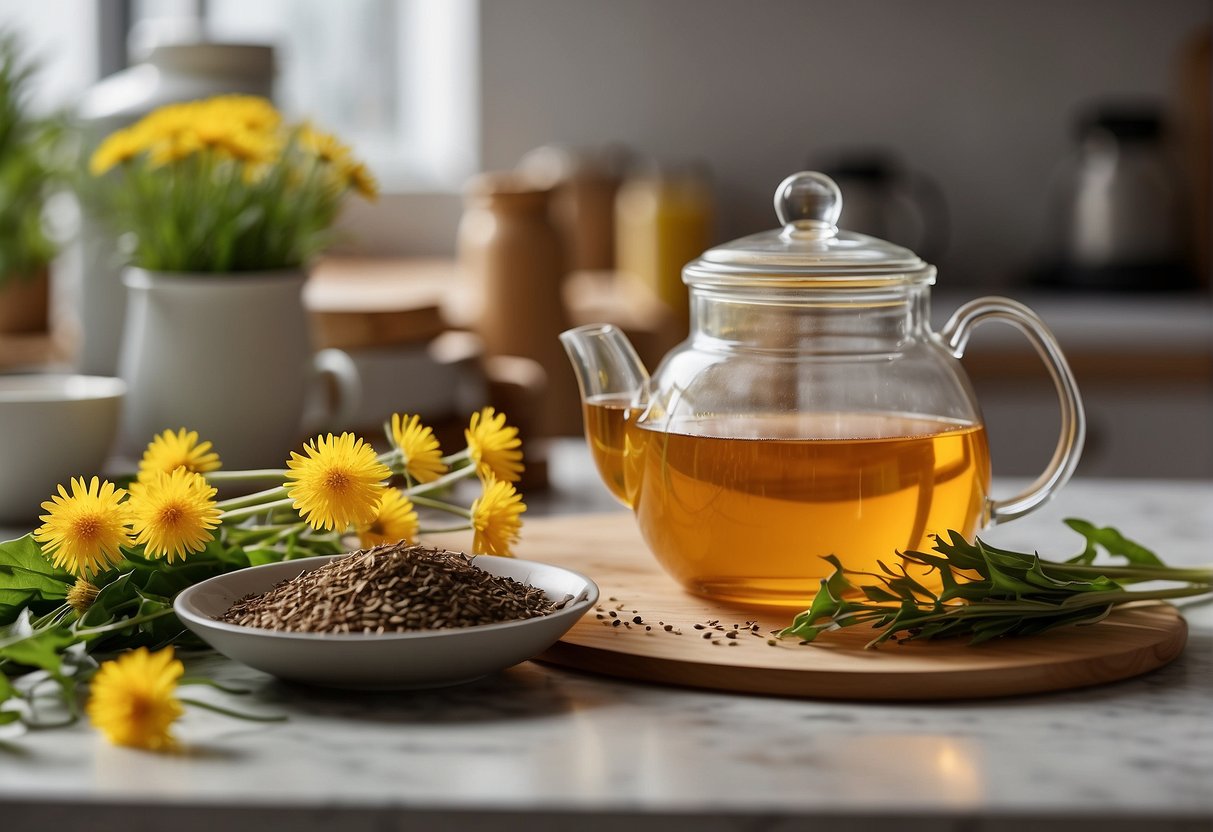
Dandelion Tea: A Nutrient-Rich Brew for Your Plants
An outstanding method to harness dandelion heads for your garden’s advantage is through dandelion tea. You can use this nourishing brew as a foliar spray or soil drench to supply your plants with an extra dose of vitamins and minerals. To brew dandelion tea, place dandelion heads in a bucket and completely submerge them in water. Allow the mix to steep for around 24 hours, then strain the liquid.
Administer the dandelion tea either directly onto the foliage of your plants or around their base to promote improved nutrient absorption. Being abundant in potassium and other trace elements, the tea can boost plant growth and resilience, making it a worthwhile complement to your garden maintenance.
Pest Control: Keep Unwanted Insects at Bay
Dandelion heads can also play a part in natural pest management. Certain pests can be deterred from infesting your garden by the strong aroma of dandelions. Safeguard your plants from unwanted insects without having to use chemical pesticides by making a dandelion spray.To make the spray, mix dandelion heads with water and strain the resulting liquid. Employ a spray bottle to apply the solution onto your plants.
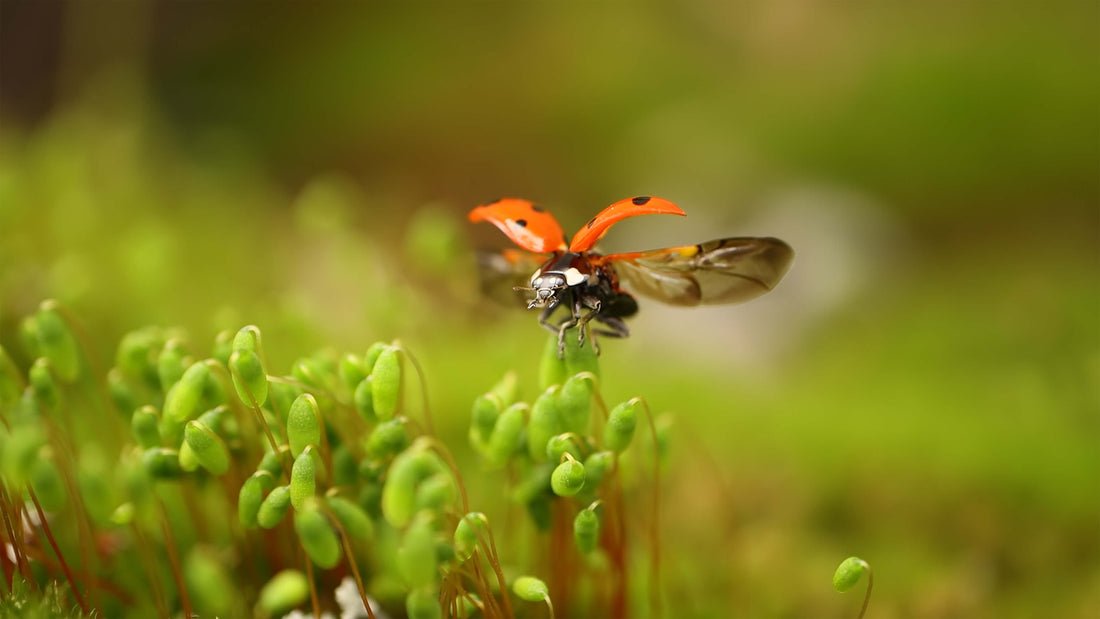
This natural deterrent can assist in fending off aphids, mites, and other typical garden pests. Furthermore, sustaining a robust dandelion presence in your garden can draw in helpful insects, like ladybugs and lacewings, that prey on detrimental pests.
Composting: Enhance Your Compost Pile
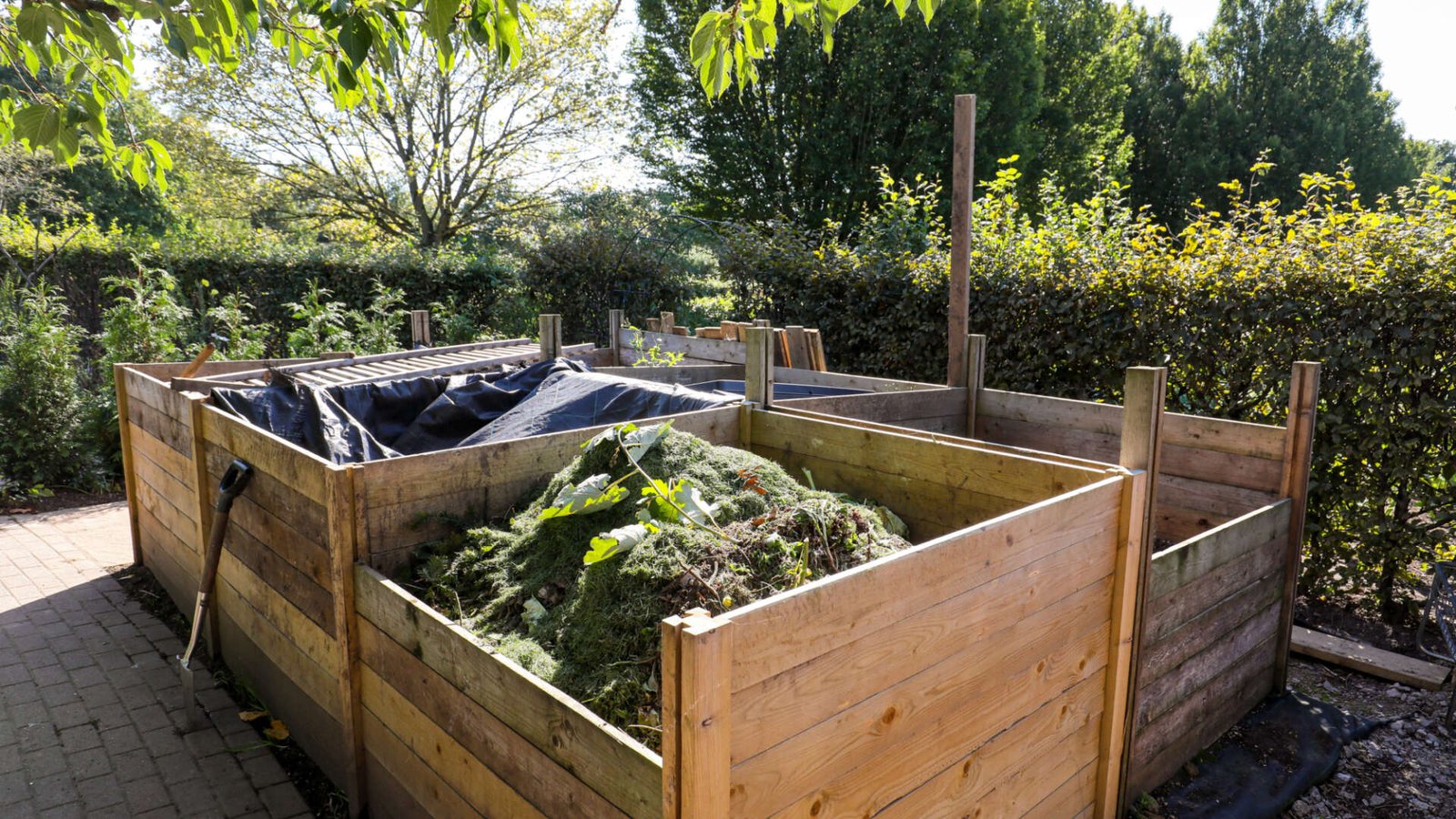
An excellent practice to amplify the nutrient density of your compost pile is integrating dandelion heads into it. Dandelions are abundant in nitrogen, a vital element within the composting equation. Accelerate the decomposition process and yield more fertile compost by incorporating dandelion heads into your compost.
To incorporate dandelion heads into composting, simply combine them with other green matter, such as grass clippings and kitchen leftovers. Ensure a balanced proportion of green to brown matter to preserve robust compost. The derived compost will flourish with nutrients, which you can use later to enrich your garden soil.
Seed Saving: Grow Your Own Dandelions
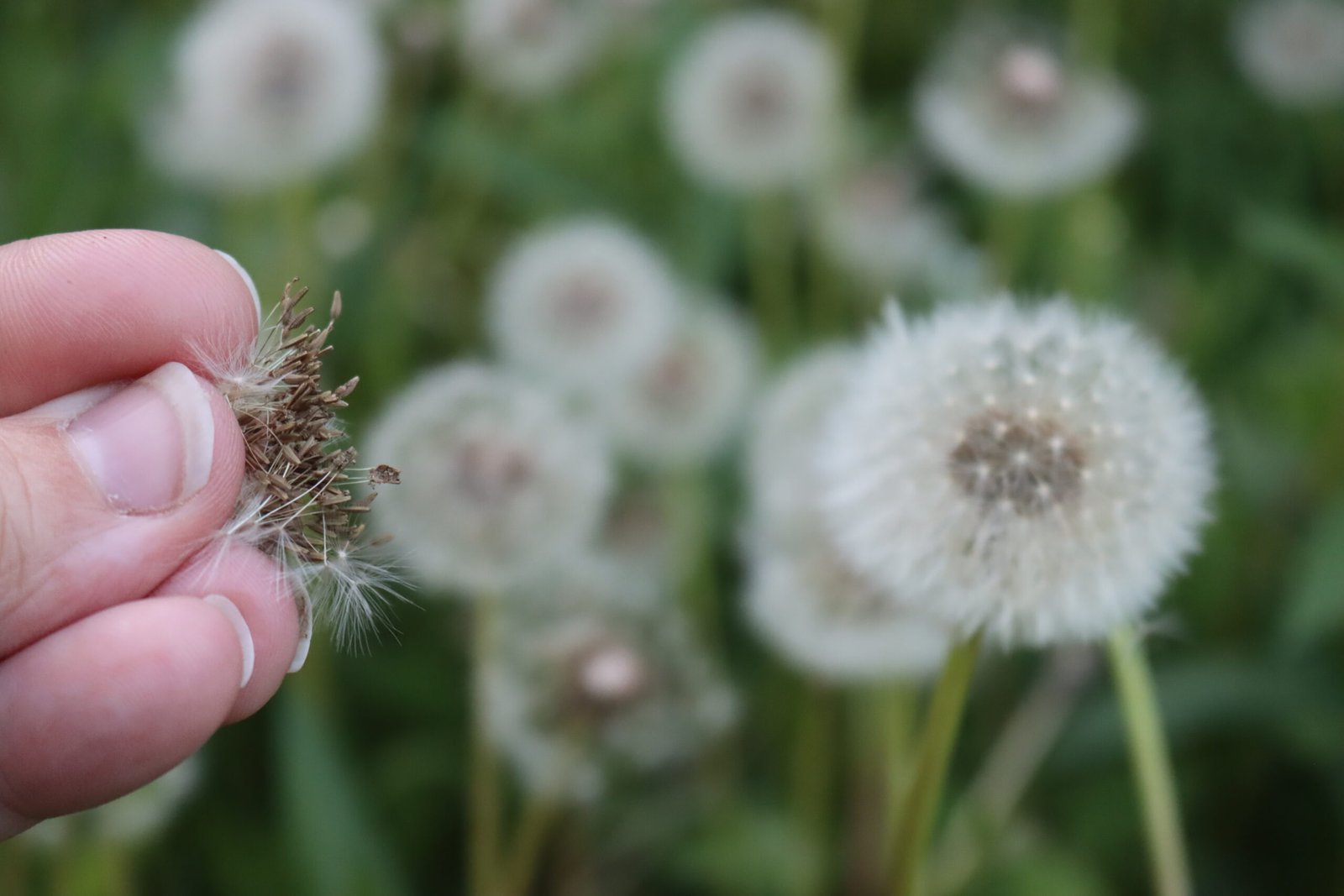
Think about keeping their seeds so you can cultivate your own supply if you value the benefits of dandelions. Easily gathered and stored, dandelion seeds enable you to grow these valuable plants in specific areas of your garden. Allow the dandelion heads to mature into fluffy seed heads before you harvest the seeds. Carefully pull off the seed heads and put them away in a paper bag until you’re prepared to sow.
By growing your own dandelions, you can guarantee a consistent source of these advantageous plants for use in the future. Plant them in locations where they won’t compete with other garden plants, and relish the many benefits they offer to your garden’s ecosystem.
Attracting Pollinators: Support Local Ecosystems
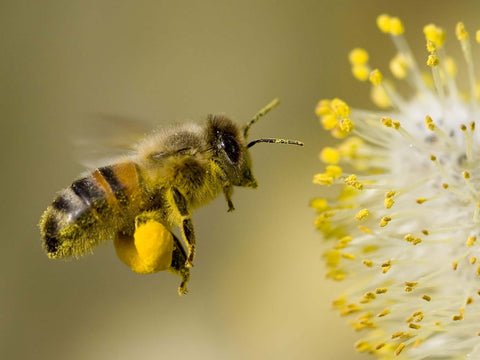
As one of the earliest flowers to bloom in the spring, dandelions act as a crucial food source for pollinators like bees and butterflies. Supporting local pollinator populations and contributing to a healthy ecosystem is possible by allowing dandelions to grow in your garden.
Pollinators are essential in the reproduction of numerous plants, including fruits and vegetables. By drawing them to your garden with dandelions, you can enhance pollination in your crops, which will lead to better yields. Promote the growth of dandelions in areas where they won’t impede other plants, and witness your garden transform into a sanctuary for beneficial insects.
Edible Delights: Culinary Uses for Dandelion Heads
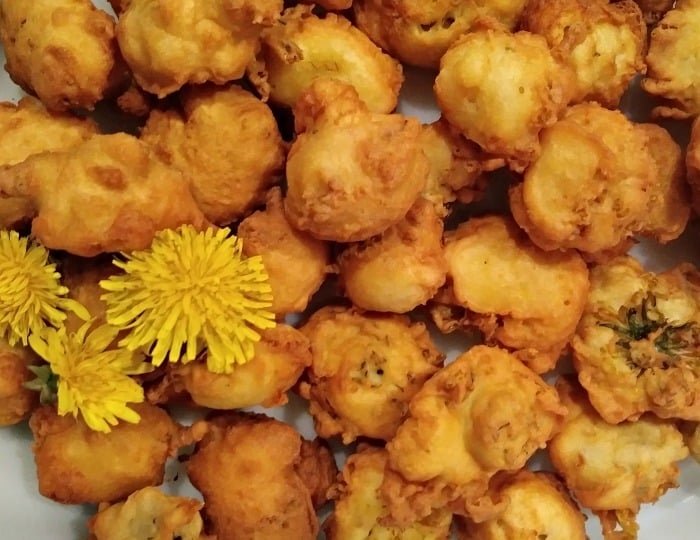
Dandelion heads are advantageous not only for your garden but also for your kitchen. These edible flowers have a range of culinary applications. Possessing a somewhat sweet and tangy taste, dandelion heads make a distinctive addition to salads, soups, and teas.
Prior to adding in cooking, dandelion heads should be properly cleansed to eliminate any dirt or bugs. Incorporate them into fresh salads for a splash of color and taste, or infuse them in boiling water to produce a revitalizing herbal tea. Dandelion heads can be used to make dandelion wine, a traditional drink prized for its floral aromas.
Medicinal Properties: Harnessing Dandelion Benefits
Due to their diverse health advantages, dandelions have been a component of traditional medicine for ages. Dandelion heads are filled with antioxidants, vitamins, and minerals that help with general health and fitness. They’re well known for their diuretic qualities, which enable the body to detoxify and facilitate liver function.
Harness the medicinal benefits of dandelion heads using a simple infusion in boiling water. Drink the tea-like infusion to reap its health rewards. Before using dandelions for therapeutic purposes, especially if you have any underlying health conditions or are on medication, as with any herbal treatment, it is crucial to speak with a healthcare professional.
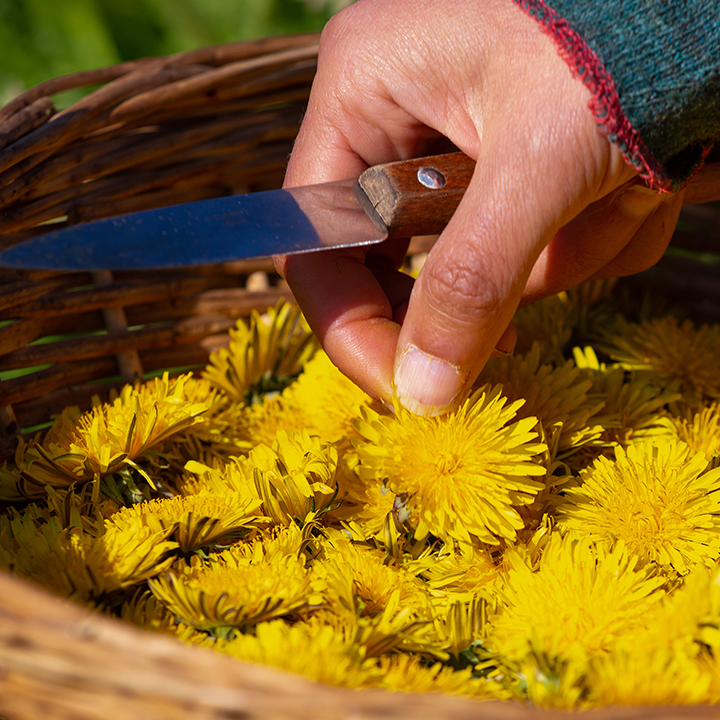
DIY Beauty Products: Natural Skincare Solutions
Natural skincare items that are mild and nourishing for the skin can be produced from dandelion heads. The antioxidants and vitamins in dandelions can aid in skin health and lessen inflammation. To make dandelion-infused oil, pack dandelion heads into a jar and cover them with a carrier oil, such as olive or almond oil. Allow the mixture to sit in a sunny spot for 2-3 weeks, then strain the oil.
This dandelion-infused oil can be used as a moisturizer or incorporated into self-made lotions and balms. It can assist in calming dry skin, lowering redness, and encouraging a vibrant complexion. You may enjoy the advantages of natural, plant-based beauty products by including dandelion heads into your skincare regimen.

Crafting: Creative Projects with Dandelion Heads
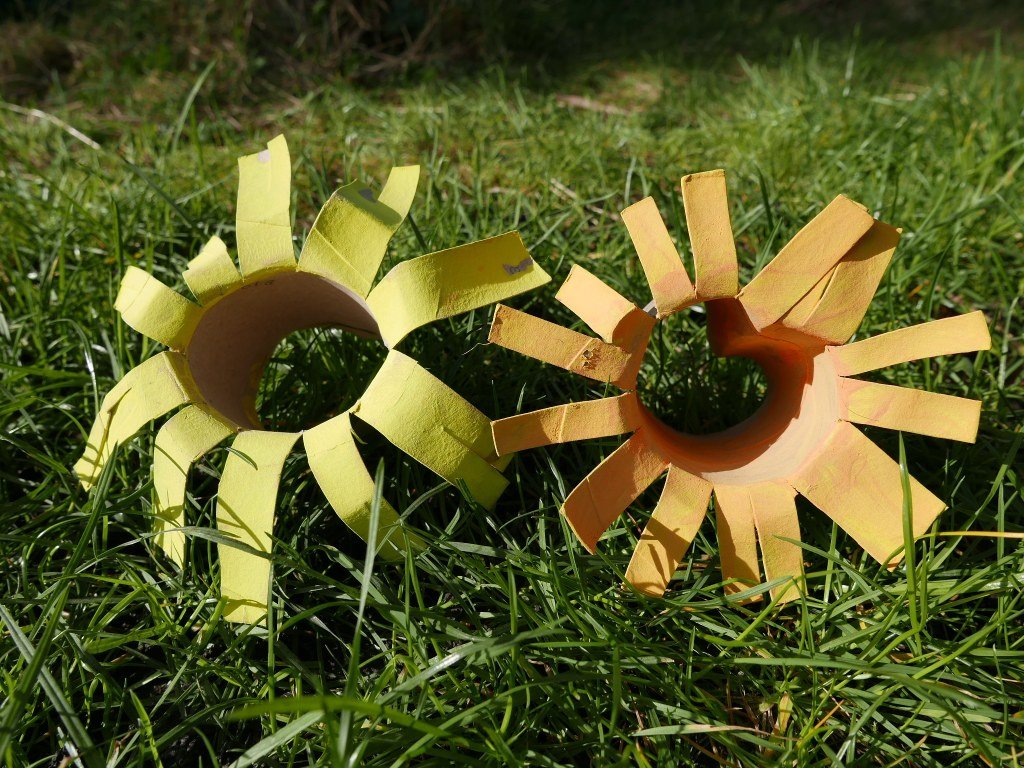
A variety of crafting endeavors can incorporate dandelion heads, giving your creations a natural feel. Because of their vivid yellow color and distinctive design, they are perfect for aesthetic uses. Dried dandelion heads can be used to create pressed flower art, wreaths, and even handmade candles.
Dry dandelion heads to preserve them for crafting by arranging them in a single layer on a paper towel and placing them in a warm, dry area for a few days. They can be used in a wide range of projects after drying to give your crafts a whimsical and natural touch.
Educational Opportunities: Teaching Kids About Nature
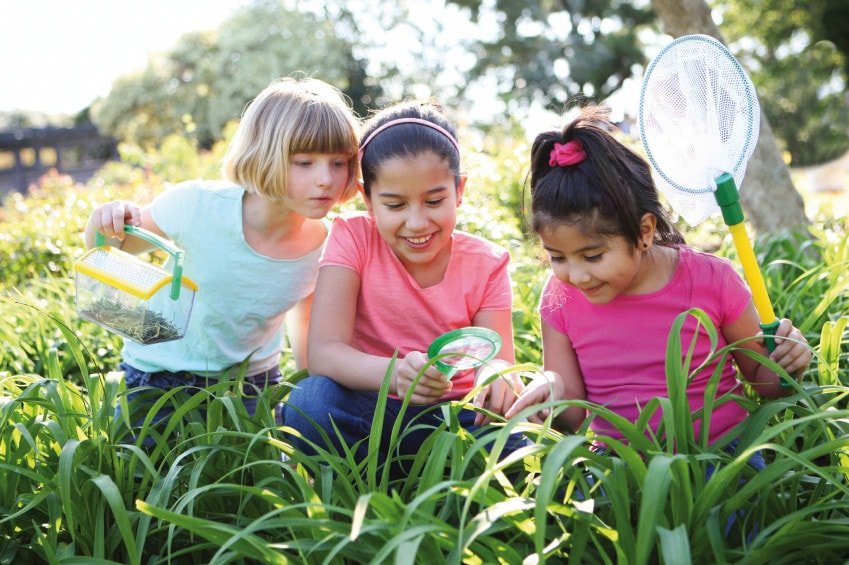
Gathering and utilizing dandelion heads can offer valuable educational experiences for children. You can educate children about plant biology, ecology, and sustainability by having them participate in the process of harvesting, processing, and using dandelions. Encourage kids to watch how dandelions develop from flower to seed head and explain how dandelions help the ecosystem.
Getting children involved in gardening activities involving dandelions can also foster in them a love of nature and an awareness of the significance of biodiversity. You can inspire the upcoming wave of ecologically conscious gardeners by including dandelions in instructional activities.
Conclusion
Incorporating dandelions into your garden and daily life can yield numerous benefits. From enhancing soil health through composting to supporting local ecosystems by attracting pollinators, these vibrant plants are a multifaceted asset. Their culinary uses provide a unique flavor to dishes, while their medicinal properties offer potential health benefits. Additionally, dandelion heads can inspire creativity in DIY beauty products and crafting projects, making them invaluable beyond mere gardening.
Engaging with dandelions also presents an opportunity for educational experiences, fostering a connection to nature in younger generations. By embracing these resilient plants, you contribute not only to your own garden but also to a greater understanding of the interconnectedness of life. So, whether you’re cultivating them, utilizing their myriad uses, or teaching others about their importance, dandelions hold a significant place in our gardens and lives.


