

For most people, basil is a “must-have” in their cooking because of its refreshing and aromatic smell.
Basil, prized for its fragrant and refreshing aroma, is considered indispensable by many cooks. This herb can be cultivated throughout the year regardless of your location, making it suitable for both indoor and outdoor growing. Originating in India, basil thrives best in warmer climates.
Do you want to cultivate your own fresh basil at home? Compared to purchasing it from stores, growing basil involves significantly less effort and, when done correctly, yields a plentiful supply for the whole family. This guide provides a detailed walkthrough of the process!
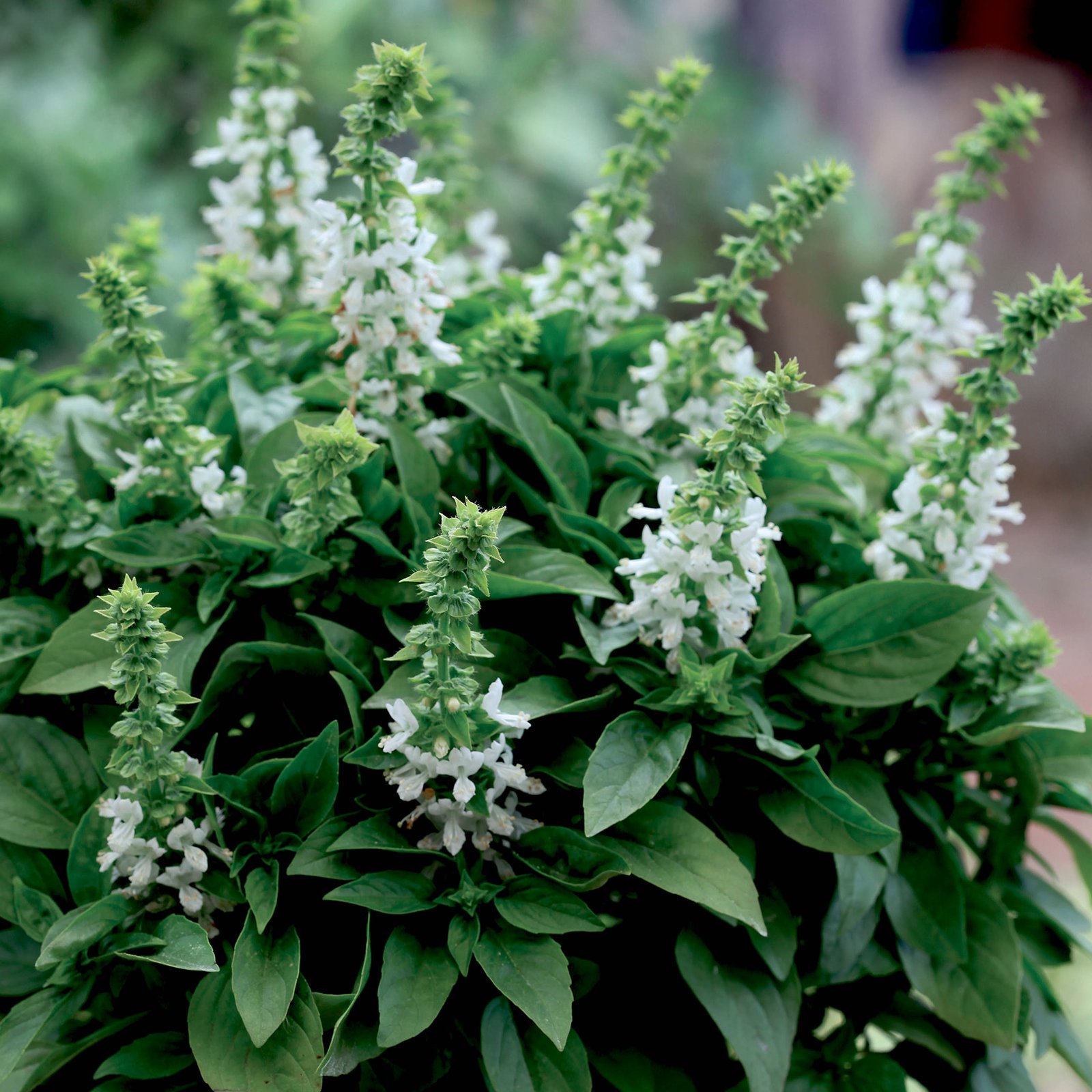
Why you should grow basil?
Imagine harvesting fresh, aromatic basil leaves from your own kitchen garden for cooking. Most people would find that appealing! Freshly grown produce from your garden offers a superior aroma compared to store-bought alternatives.
Basil has numerous applications beyond just cooking. It can be used in a variety of ways, such as crafting aromatic teas or as a garnish for dishes. However, the most prevalent use is as a spice, imparting a clove-like flavor. It is a great flavorful alternative to standard seasonings like salt or pepper.
Basil is a highly adaptable plant capable of flourishing in diverse settings. It thrives with minimal sunlight and soil—only needing enough for its pot.
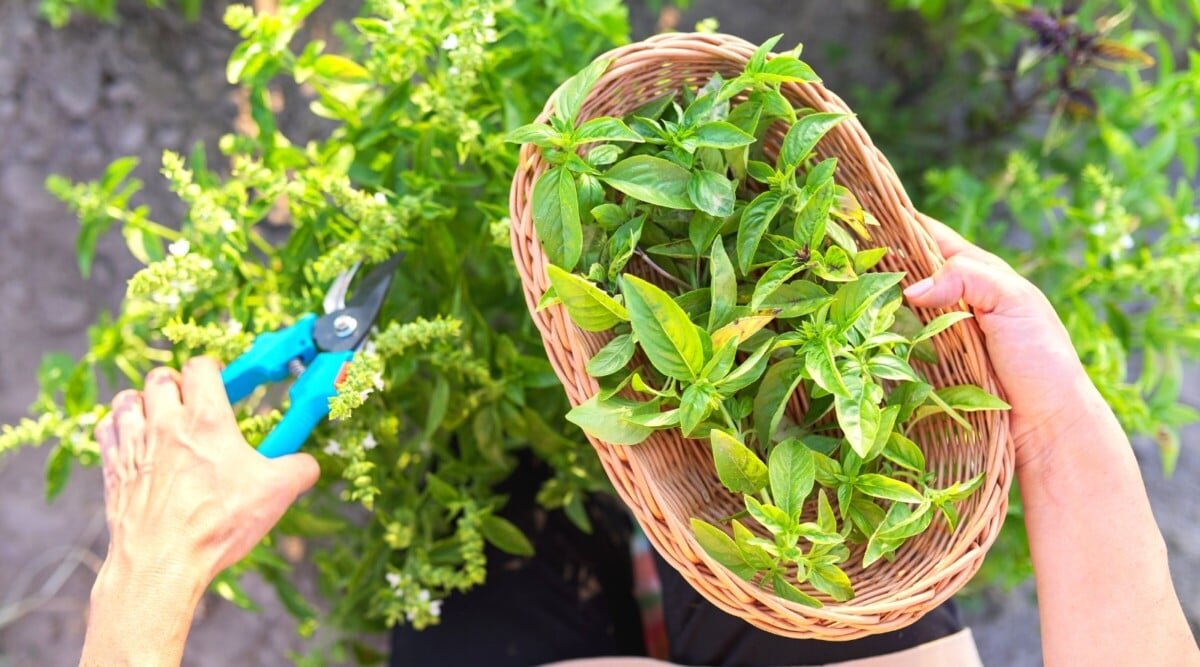
How to Plant Basil?
Want to cultivate basil in your own home? It is easily grown in any area that receives ample sunlight. The more sunlight your basil receives, the faster it grows.
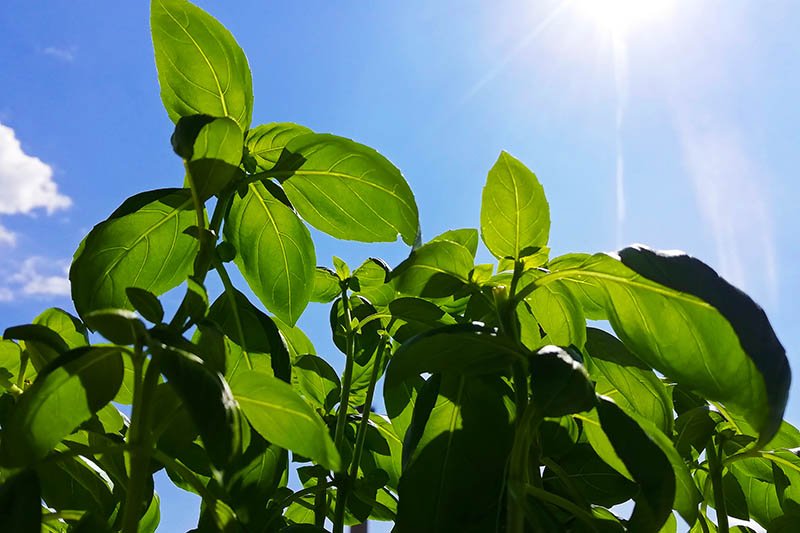
Step-by-step: Planting Basil
If you’re wondering how to grow basil, the following steps can make the process smoother. Adhere to these instructions carefully:
Growing basil is straightforward, however, the timing of planting is critical. Basil thrives in warm temperatures and grows best during June. To ensure adequate leaf spacing and beautiful flowers even when growing indoors, use pots that are at least 5-7 centimeters deep.
Preparing the soil is a crucial step before planting. Use pots with sufficient drainage holes and fill them halfway with moist potting soil. Ideally, the weather should be warm, but not excessively hot or cold, so that the plant roots remain cool.
Gently press the seeds into the composting surface and cover them with compost. Put the containers in a sunny location where they’ll receive plenty of light.
Next, cover the pots with cling film. Once seedlings start to emerge from the soil, remove the cling film to allow for air circulation and light exposure. Repeat this until you can remove the cling film entirely.
Place the pots in shallow dishes filled with water. This method provides adequate moisture, promoting faster and stronger growth. Seedlings should start appearing after approximately 14 days.
After another three weeks, thin out the weaker seedlings, keeping only the healthiest one in each pot.
Transplanting can begin once the seedlings have developed taller stems and strong leaves. Transplant them into larger pots with a diameter of at least 10 cm, or directly into your outdoor garden spot.
Keep your basil plants close to a sun-facing open window if you keep them inside.
When moving basil plants outdoors, exercise caution. The location you select significantly impacts their strength, so opt for a spot with abundant sun exposure.
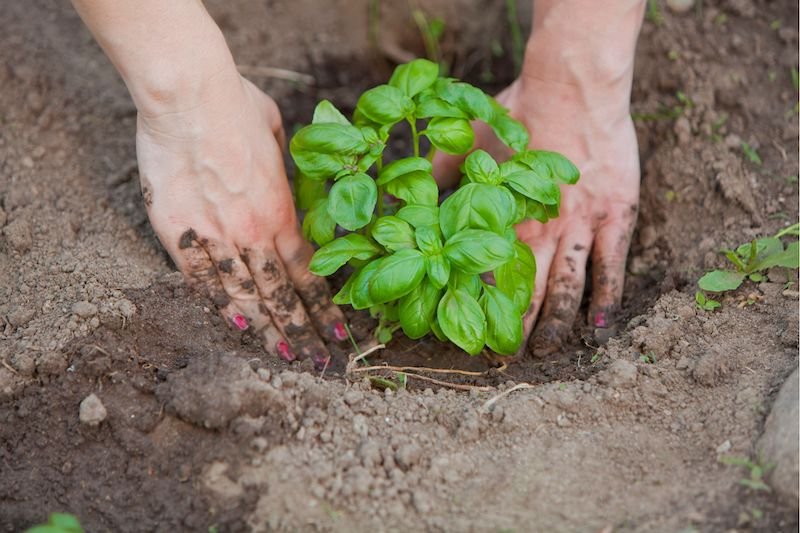
After selecting the spot, gently remove the seedlings from their pots and place them in holes measuring at least 1 cm wide. Be gentle when handling the delicate root systems; cover the holes with soil and gently firm it down. Water the basil plants thoroughly afterward.
How to propagate basil?
If you want to know how basil is grown, then keep these things in mind:
The soil
Basil demands well-drained soil with a neutral pH for optimal growth. Incorporating some organic compost during planting is beneficial. However, avoid over-enriching the soil with compost or other organic matter, as this can negatively impact the flavor and aroma of the basil.
The sun
For optimal basil growth, ensure ample sunlight exposure. Basil needs at least 6 hours of direct sunlight daily, avoiding midday exposure that can burn the leaves, reducing future harvests, or causing plant death.
The water
Basil needs consistent moisture, but avoid overwatering. For optimal results, water the base of the plant rather than the leaves.
The space
Mature basil plants reach heights of 12-24 inches, therefore, maintain spacing of at least 16 inches between plants in pots or garden beds. Globe basil is an excellent choice for small spaces or containers, making it perfect for indoor pot cultivation.
The neighbor plants
Basil often flourishes when interplanted with other plants, including tomatoes. Confirm that the chosen companion plants, like tomatoes, require similar conditions of water and light.
:strip_icc()/BHG-How-to-Propagate-Basil-103137132-2e27259941ac4b8ba4cbefe31f923cc3.jpg)
How to harvest your basil plant?
You can harvest basil in a variety of ways, it is best to do so before the plant becomes too large, and leaves are readily available. Here are a few harvesting suggestions:
It’s best to harvest basil when the plants are at least 10 cm tall and have a mound of fresh, green leaves. This gives them time to develop a fuller flavor than if you harvest them earlier.
One way to keep your basil plants healthy is to pinch or cut leaves. This technique stimulates new growth and prevents your basil plant from becoming leggy.
Harvest your basil before flowering to get the most out of it. If flowers appear, just snip them off and use them in your cooking because they are edible.
:max_bytes(150000):strip_icc()/how-to-prune-basil-5222034-02-4b6f6f0bcf314ce1874c27bb95cbd9df.jpg)
How to preserve basil?
Basil thrives during the summer but requires more care as winter approaches. Due to the reduced sunlight during this season, preserving basil becomes more challenging.
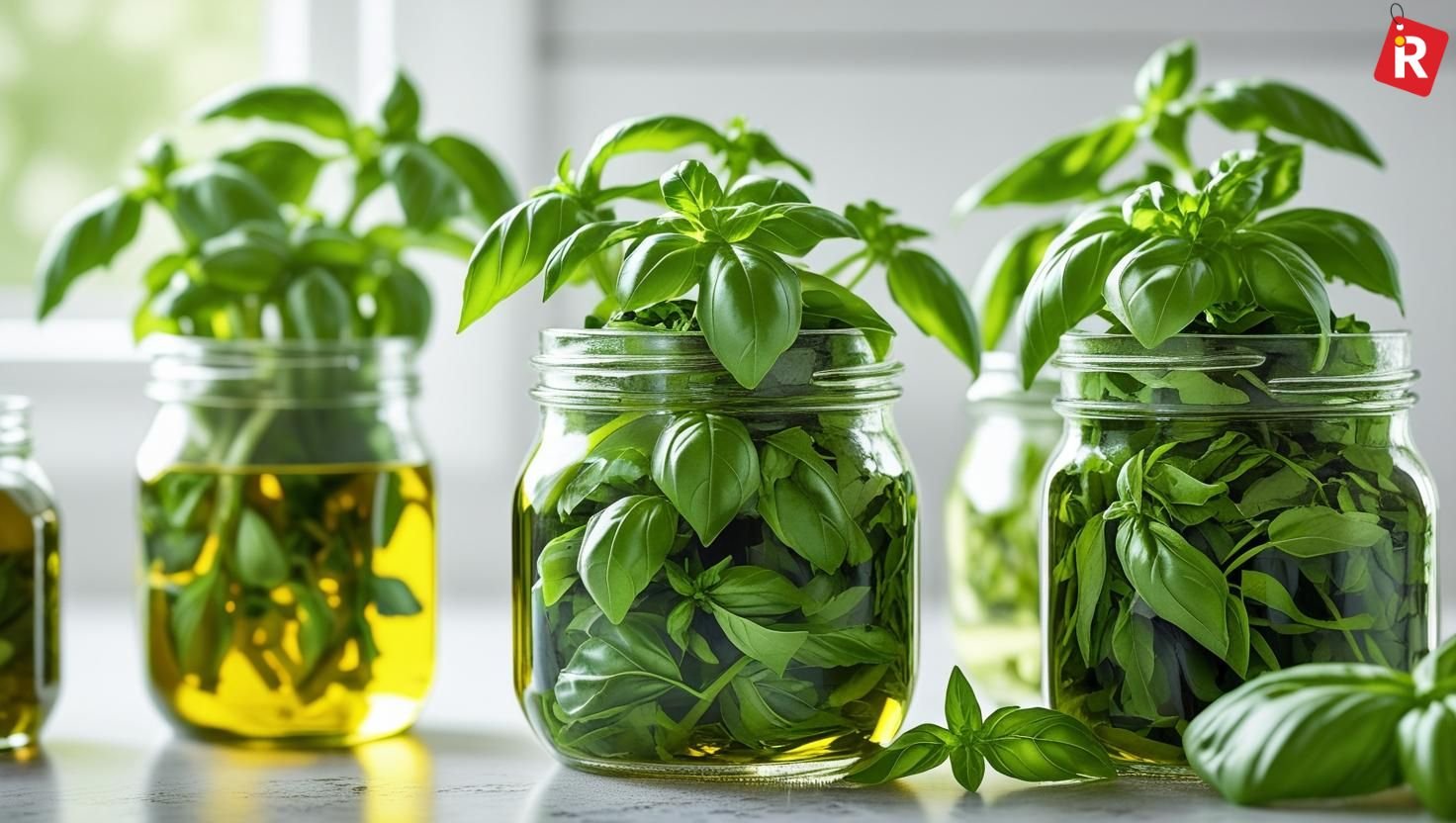
Basil is a versatile culinary ingredient. Whether you use it fresh or dried, preserve basil leaves for continued use. After harvesting, tie the stems together and allow them to air dry. You can use them later, once they’ve dried out.
Dried basil leaves have an unlimited shelf life if kept dry and in an airtight container. Crumble or powder the dried stems and leaves before storing them in a sealed container, stored out of the refrigerator or freezer, if you want to keep them for a long time.
Conclusion
In summary, basil is a highly adaptable plant that can thrive in a variety of environments, making it perfect for both indoor and outdoor gardens. As you embark on your journey of growing basil, remember the importance of proper sunlight, soil conditions, and consistent moisture to ensure a healthy plant. Whether you’re looking to plant, propagate, harvest, or preserve basil, following these straightforward guidelines will lead to a fruitful experience. With proper care and attention, you’ll be able to enjoy the delightful flavors of fresh basil throughout the year. Happy gardening!


