

Milkweed, belonging to the genus Asclepias, is characterized by unique flowers and a milky sap. Originating in North America, these plants are vital within their ecosystems. Milkweed enhances gardens and is crucial for the survival of specific species, notably the monarch butterfly. Understanding its significance can motivate conservation and encourage ecological preservation.
The Role of Milkweed in the Ecosystem
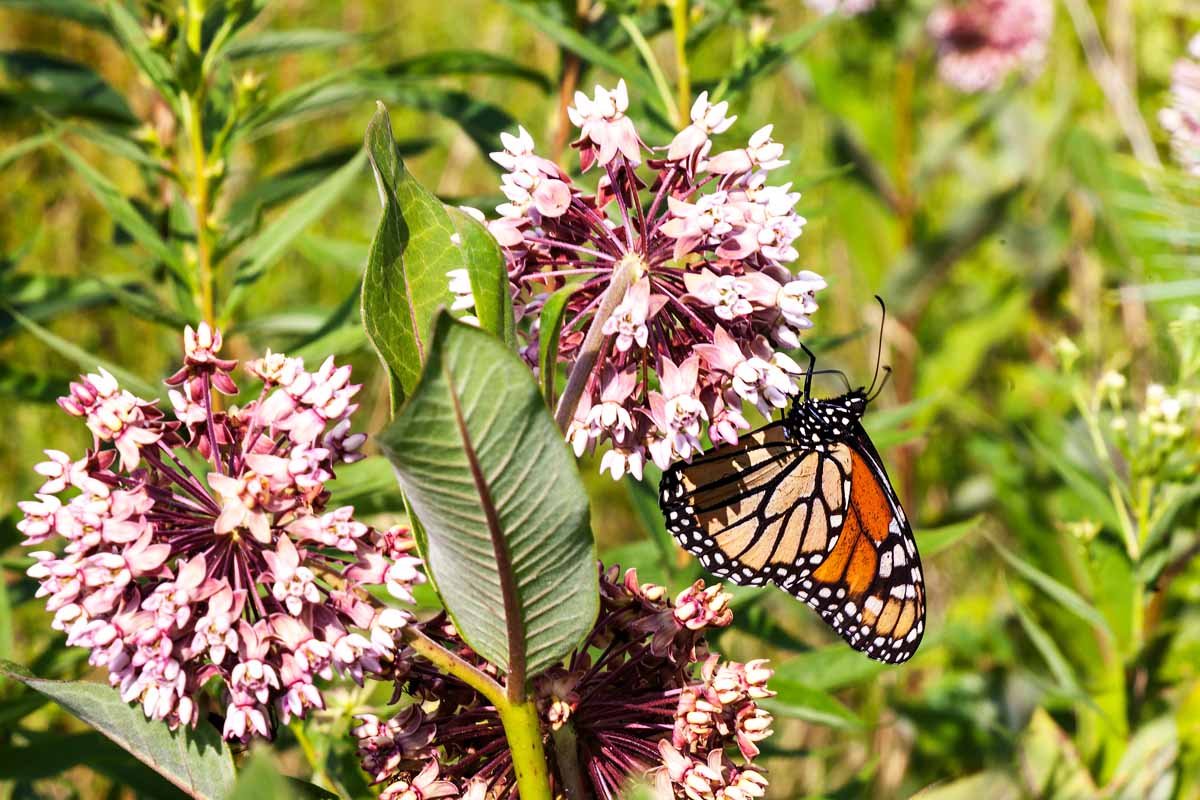
Milkweed is a crucial ecological resource, offering sustenance and shelter to diverse insects. Its nectar-rich flowers attract bees, butterflies, and various pollinators. Crucially, it’s the exclusive host plant for monarch butterfly larvae, essential for their life cycle. The plant’s presence fosters biodiversity and sustains ecological equilibrium in natural settings.
Understanding the Monarch Butterfly Life Cycle
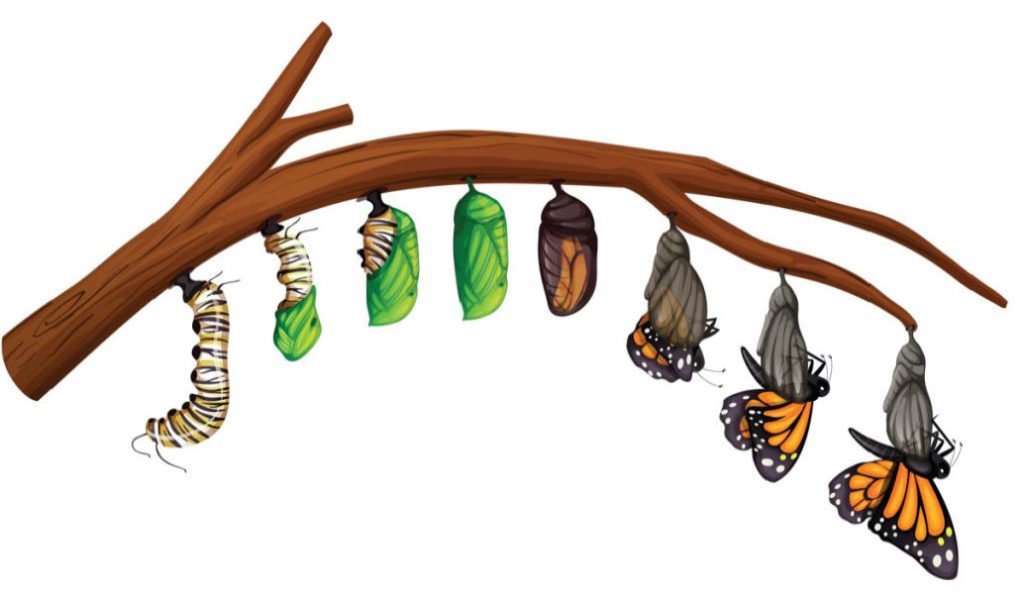
Monarch butterflies undergo a remarkable life cycle, progressing through four stages: egg, larva (caterpillar), pupa (chrysalis), and adult butterfly. Female monarchs deposit eggs exclusively on milkweed, serving as the sole food source for the caterpillars. This diet provides these larvae with chemical defenses against predators. Following the larval stage, caterpillars develop into a chrysalis, eventually transforming into adult butterflies. This cycle emphasizes milkweed’s critical role in monarch development.
The Decline of Monarch Butterfly Populations
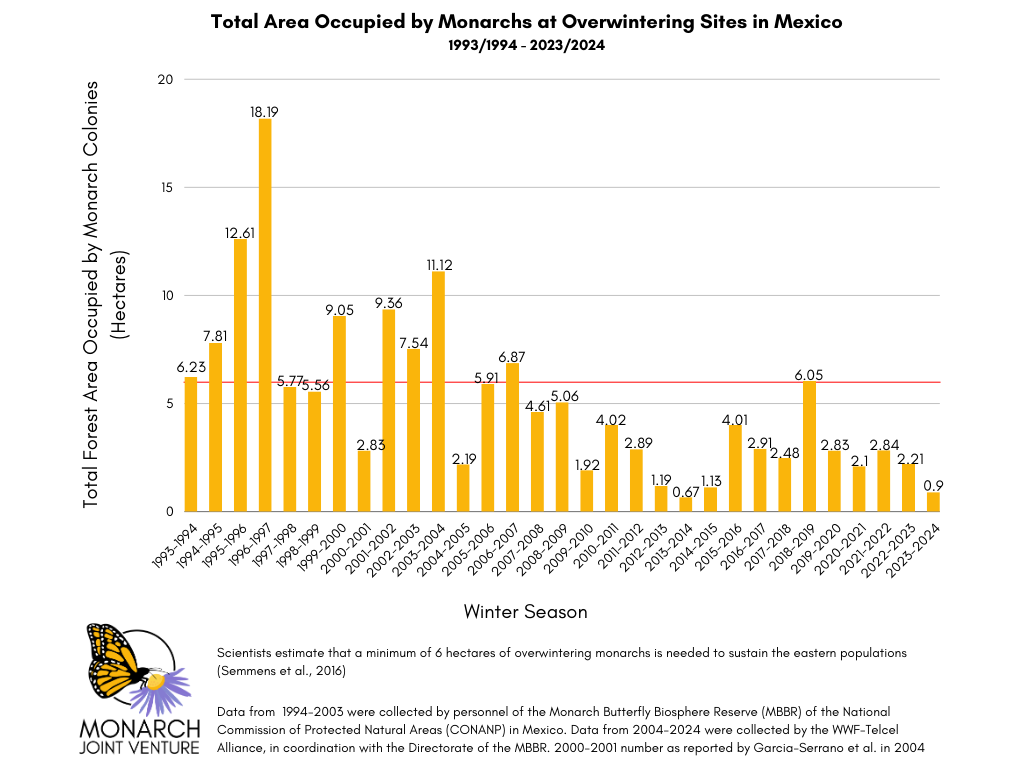
Alarmingly, monarch butterfly populations are dwindling due to habitat destruction, climate change, and pesticide application. A key factor in this decline is the decreasing availability of milkweed in their breeding grounds. As agriculture and urban areas spread, milkweed habitats are disappearing, leaving monarchs with fewer resources for completing their life cycle.
How Milkweed Supports Monarch Butterflies
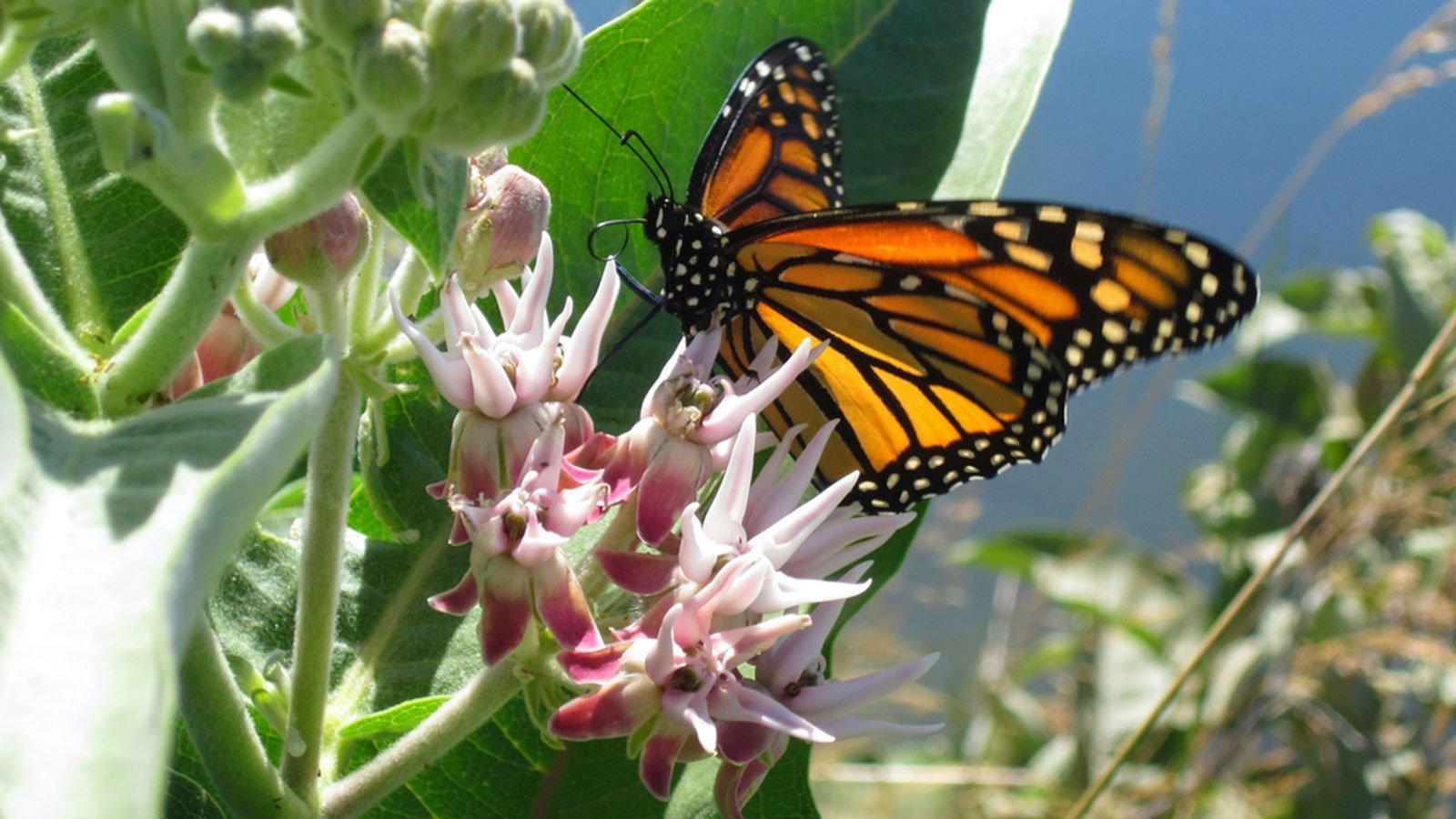
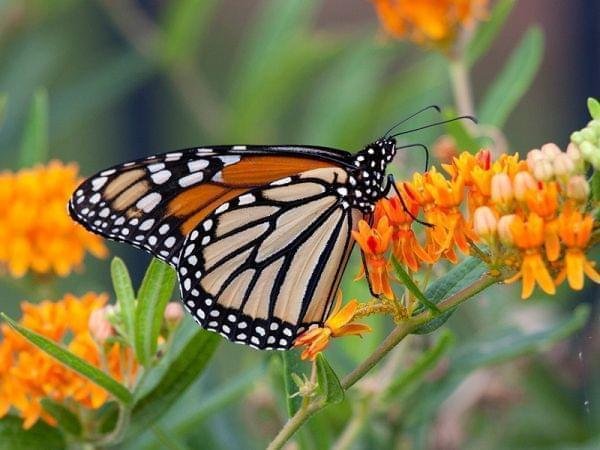
Milkweed is indispensable for monarch butterflies, acting as their sole larval food source. Milkweed leaves contain cardenolides, toxic compounds ingested by caterpillars, making them unpalatable to predators. This distinct relationship highlights the necessity of conserving and cultivating milkweed to bolster monarch populations.
Why Collecting Milkweed Seeds Matters
Gathering milkweed seeds actively aids monarch butterfly conservation and biodiversity support. Individuals can help reestablish lost habitats by collecting and sowing these seeds. This simple action supports larger endeavors aimed at creating sustainable environments for monarchs and other pollinators, guaranteeing their continued existence.
Best Practices for Collecting Milkweed Seeds
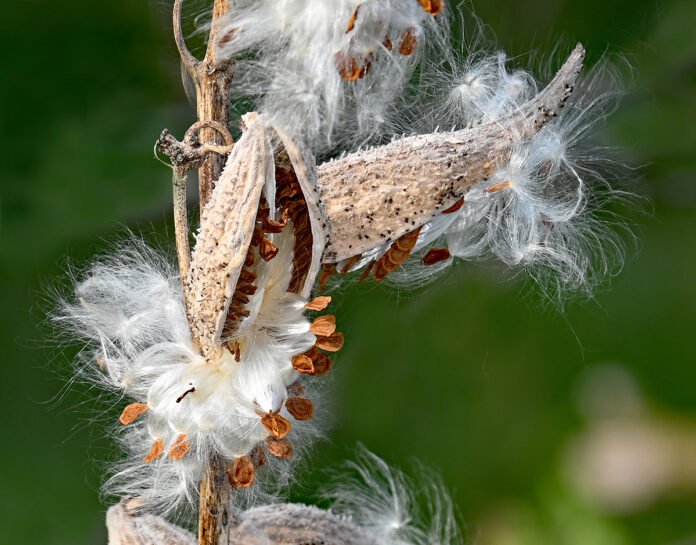
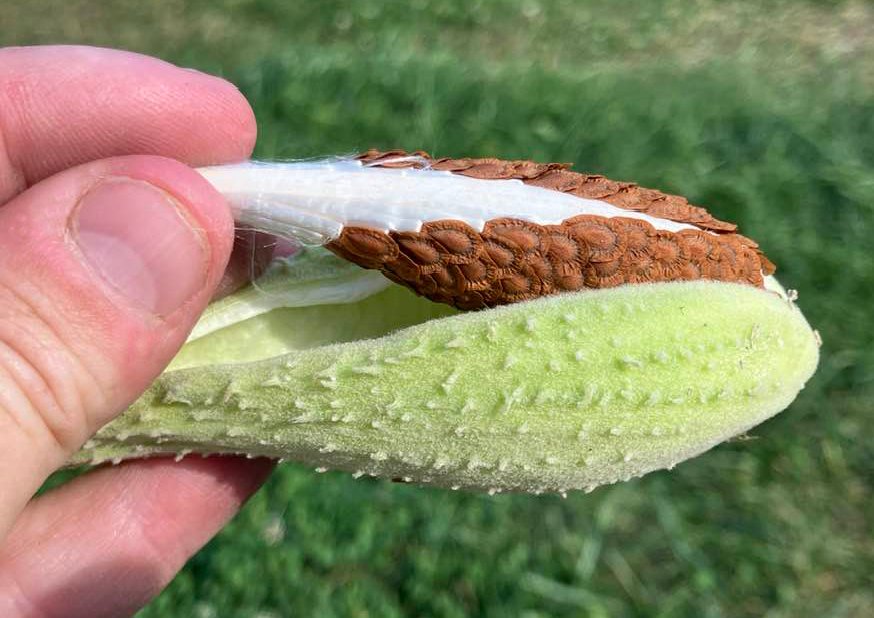
For effective milkweed seed collection, wait until the pods are dry and brown but before they split open. Carefully detach the pods and place them in a paper bag to dry further. After they are completely dry, gently open the pods, separating the seeds from the fluff. Collect seeds responsibly, leaving sufficient pods for natural propagation.
How to Store and Preserve Milkweed Seeds
Proper seed storage is essential to maintain milkweed seed viability. Once dried, store seeds in an airtight container in a cool, dry location, ideally a refrigerator. Clearly label the container with the date and milkweed species. This preserves seeds until planting, ensuring they remain healthy with good germination potential.
Planting Milkweed: Tips for Success
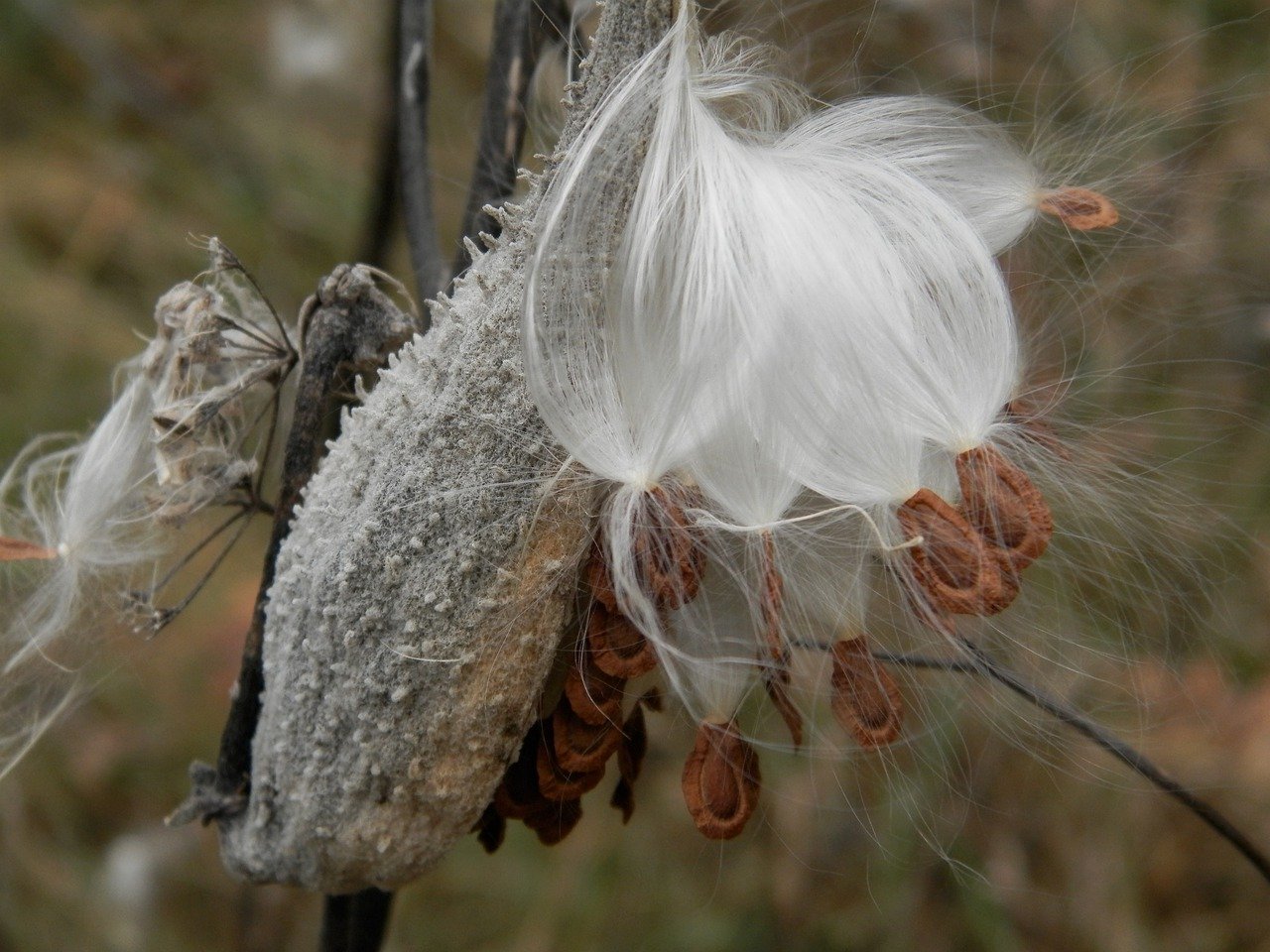
When planting milkweed, select a sunny spot with well-draining soil. Prepare the soil by removing weeds and loosening it to a depth of 12 inches. Sow seeds directly in the fall for natural cold stratification over winter. Alternatively, begin seeds indoors and transplant them after the last frost. Provide regular watering until seedlings are established.
Creating a Monarch-Friendly Habitat
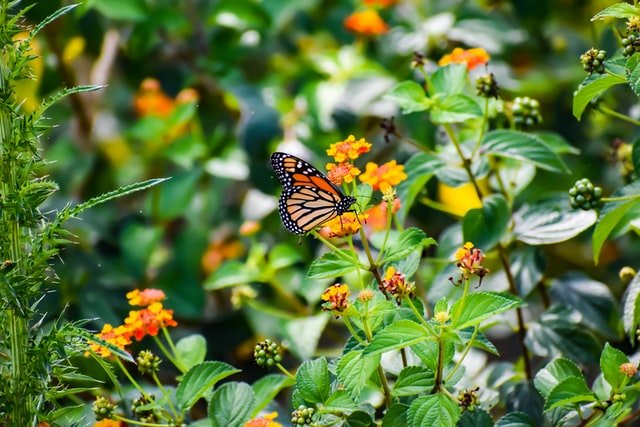
To foster a monarch-friendly habitat, plant diverse milkweed species to ensure consistent resources throughout the growing season. Add nectar-rich plants to attract adult butterflies and other pollinators. Avoid using pesticides, which can harm monarchs and beneficial insects. A varied, pesticide-free environments promotes a thriving ecosystem.
Community Involvement and Conservation Efforts
Community participation is crucial for successful conservation. Join local monarch and pollinator conservation groups, participate in seed exchanges, and educate others on milkweed’s importance. Collaborative action can lead to larger restoration projects, amplifying individual efforts and promoting community responsibility.
Conclusion: Making a Difference for Monarchs
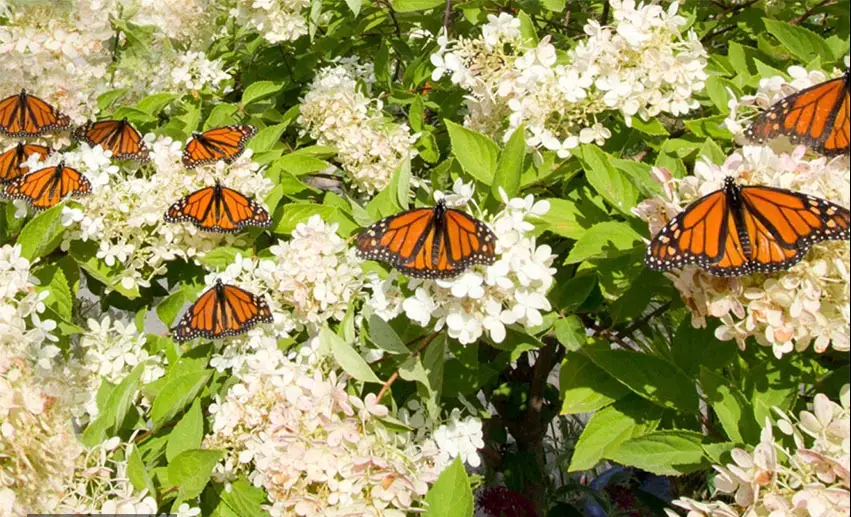
Collecting and planting milkweed seeds offers a straightforward yet significant contribution to monarch butterfly conservation. By recognizing milkweed’s importance and actively preserving and expanding milkweed habitat, individuals can contribute powerfully to the conservation of these iconic creatures. Together, we can ensure that monarchs continue to grace our landscapes and inspire future generations. `


