

We spend a significant amount of our free time at home; therefore, having a clean living space and good air quality are essential. Although miracles shouldn’t be expected due to global pollution, NASA has provided a list of plants that act as indoor air purifiers. Chances are you already have some of these in your home.
Toxins can enter the body through the air, water, food, and cosmetics we use. Continuous exposure to toxins may lead to serious health issues. Did you know that the United States has approved the use of approximately 84,000 chemical substances? In 2011, revenue from chemicals totaled roughly $763 billion, and BPA production brought in $8 billion for manufacturers.
The situation tends to worsen during the winter. We often stay indoors, limiting air circulation. In addition, we fill our houses with cleaning products to keep them tidy. However, these chemical substances can eventually enter our bodies.
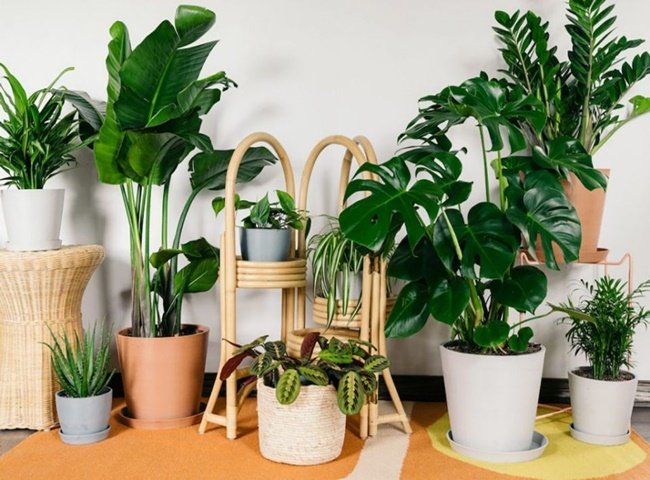
That’s why you should keep a few air-purifying plants in your home. Here are some suggestions:
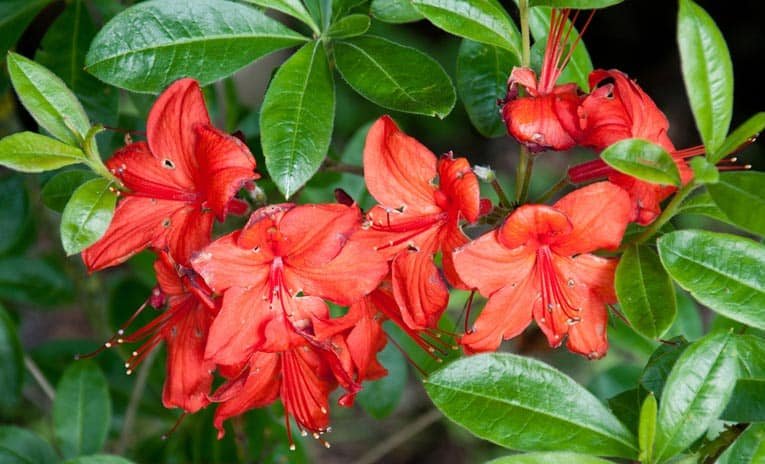
Azaleas
Azaleas filter air in kitchens, making them ideal for those who regularly use strong detergents.
English Ivy (Hedera Helix)
- Since English Ivy can be invasive and stifle other plant life, be sure to plant it in a contained area.
- This plant eliminates airborne fecal matter and cigarette smoke.
- English Ivy requires little maintenance.

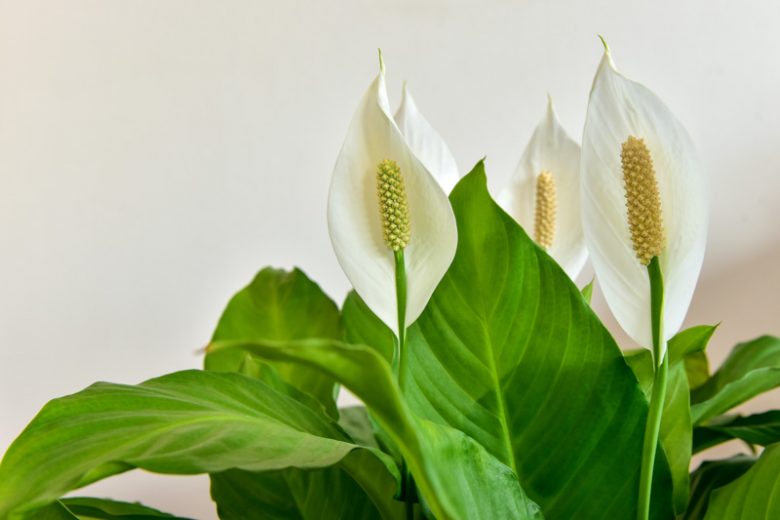
Peace Lily (Spathiphyllum)
Because it removes mold spores, the Peace Lily is excellent for placement in bathrooms or laundry rooms. Thriving without much water or sunlight, it produces attractive flowers that can be used as decoration. Additionally, Peace Lilies remove trichloroethylene and formaldehyde from the air. Important: This plant is toxic to cats!
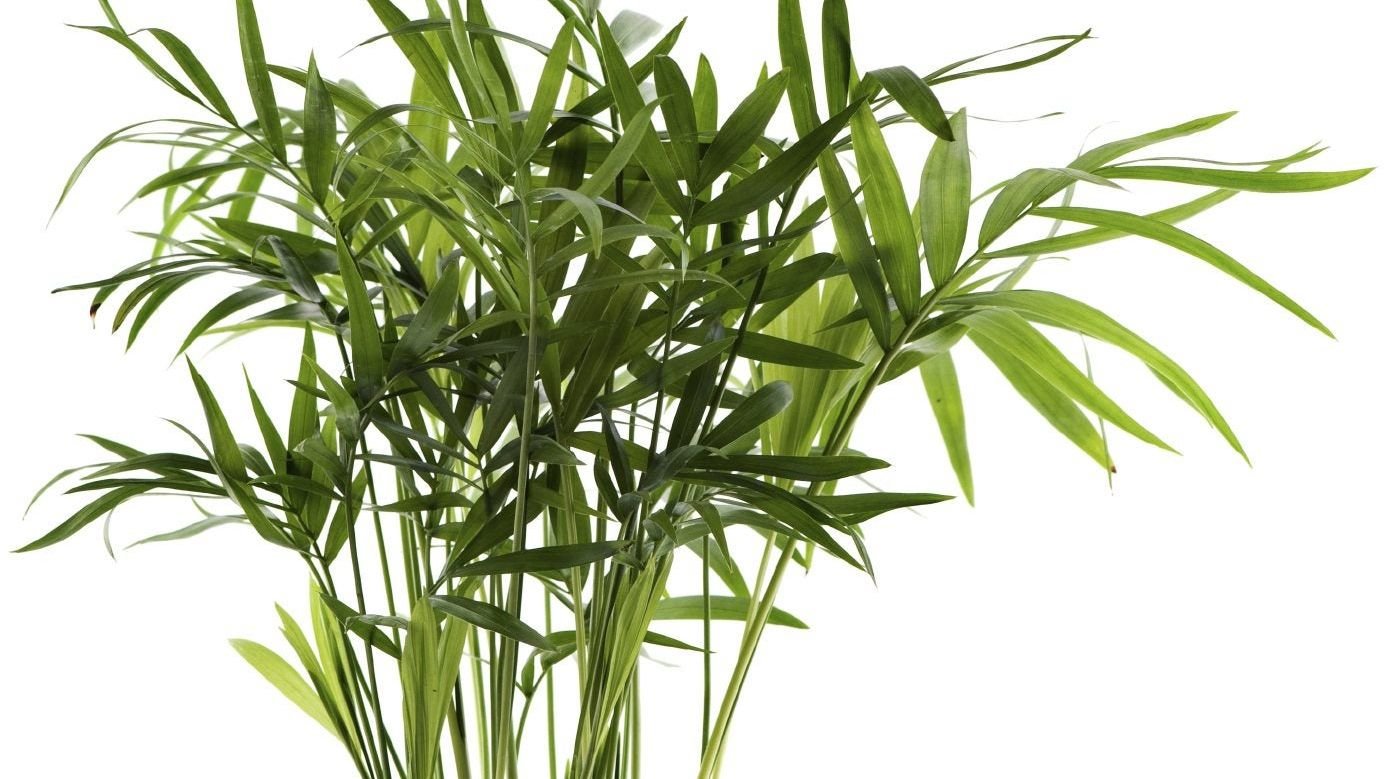
Bamboo Palm (Chamaedorea Seifrizii)
Growing up to 10 feet tall, Bamboo Palms can fit into virtually any interior space. Keep it near furniture prone to off-gassing formaldehyde, as it removes benzene and trichloroethylene.
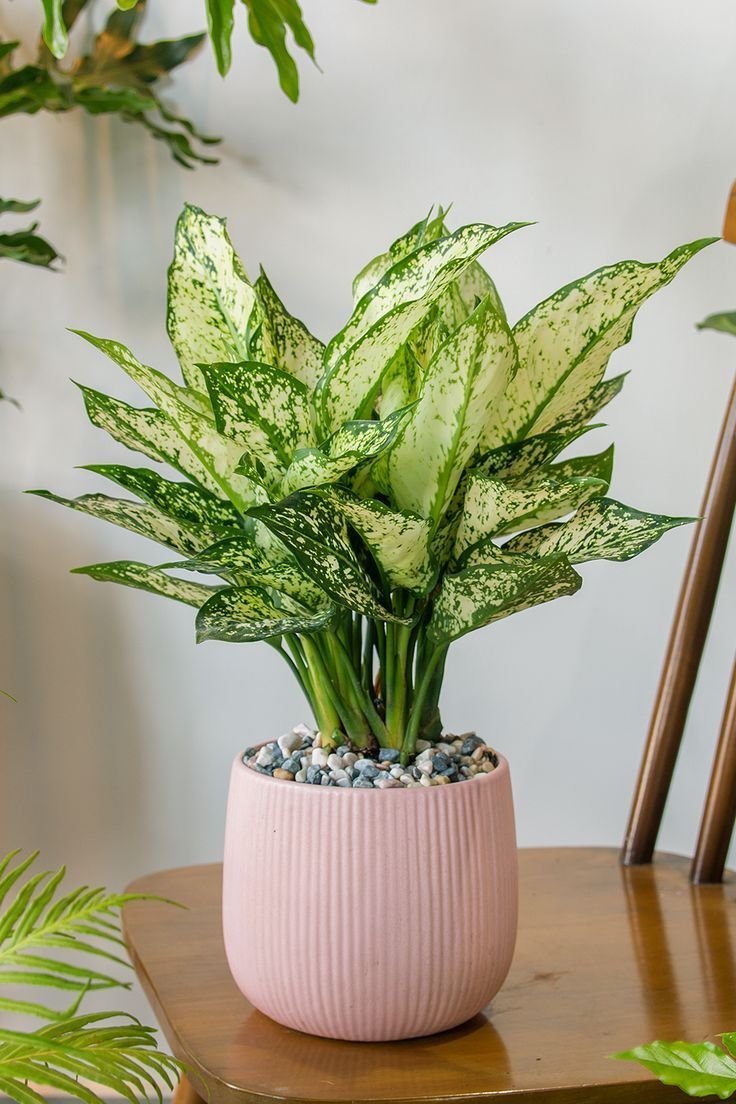
Chinese evergreen (Aglaonema)
Interestingly, the longer it remains in a room, the more effective this plant becomes at removing both air pollutants and toxins. It thrives in dimly lit areas and produces flowers and berries.
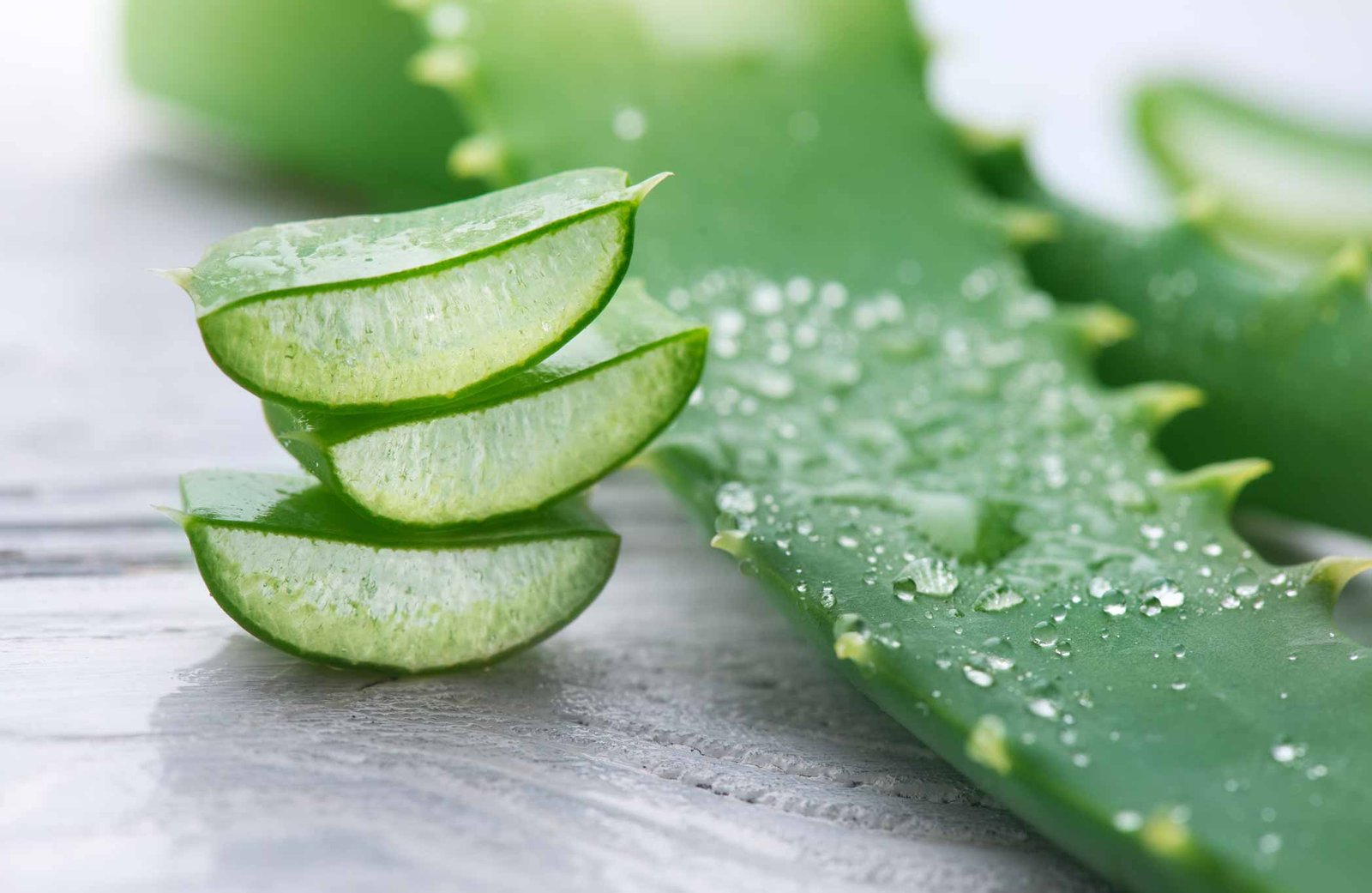
Aloe Vera
Often used medicinally because of its impressive healing properties, Aloe Vera is another plant requiring little maintenance. This plant is a great source of vitamins A, C, E, B1, B2, and B12. The gel can treat burns and cuts. Aloe Vera promotes an alkaline environment, cleanses the body, enhances digestion, boosts immunity, and improves skin health. Grow Aloe Vera in pots on window sills.
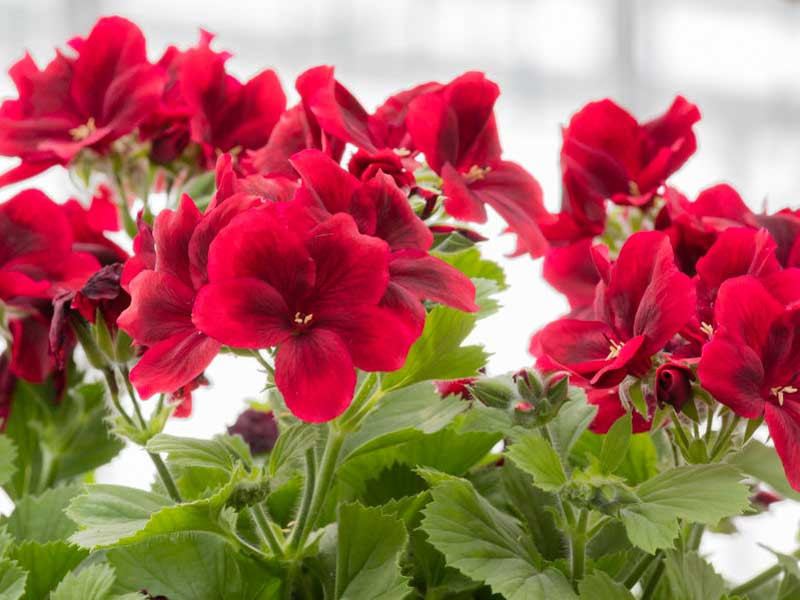
Pelargonium
It purifies the air, eliminates odors, destroys harmful bacteria, and repels moths. Pelargonium essential oil promotes restful sleep and calms the nervous system.
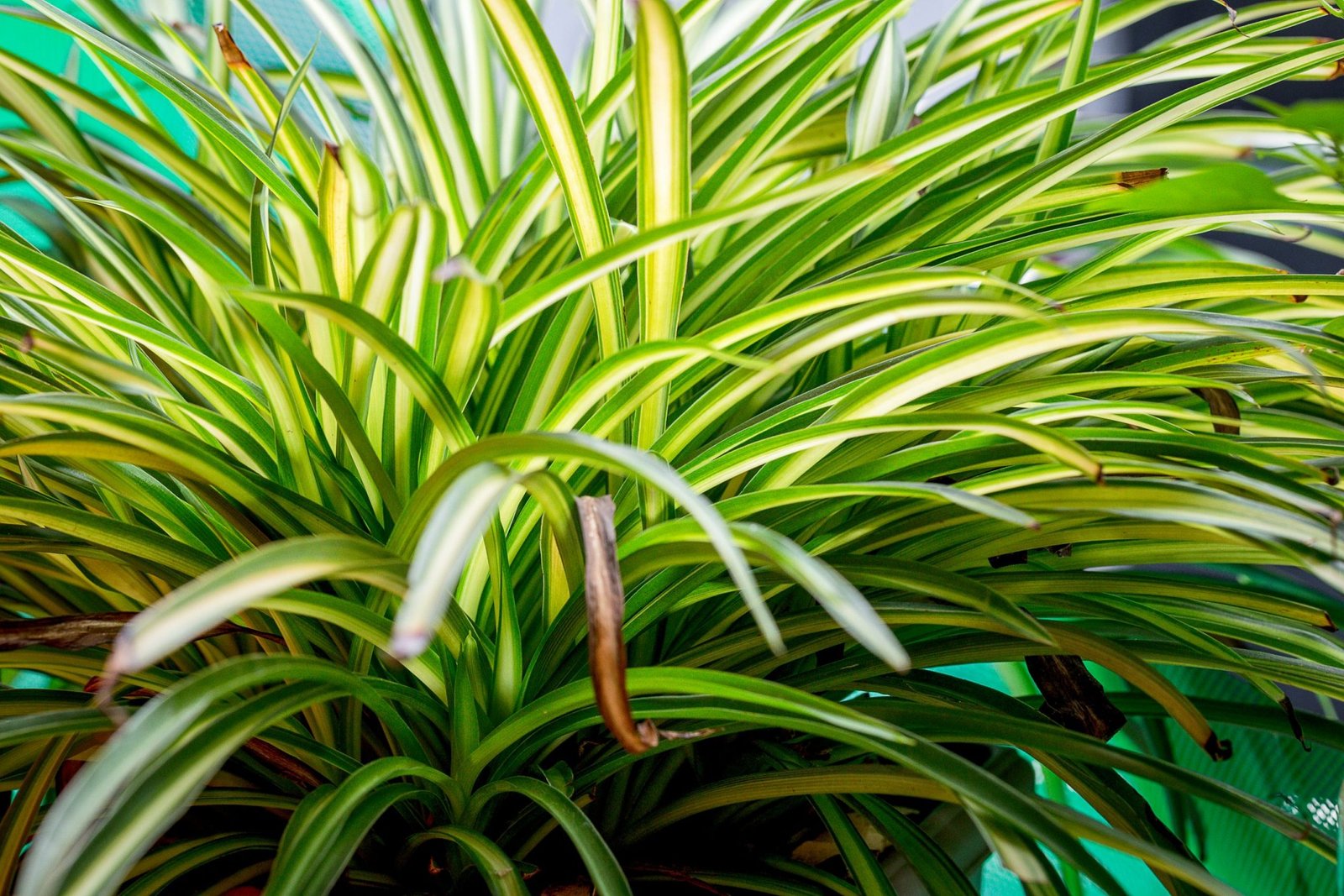
Spider plant (Chlorophytum Comosum)
Place Spider plants in your office as decoration since they prefer natural light, but not direct sunlight. Removing carbon monoxide in kitchens, the Spider plant is low-maintenance. Best of all, it grows miniature versions of itself.
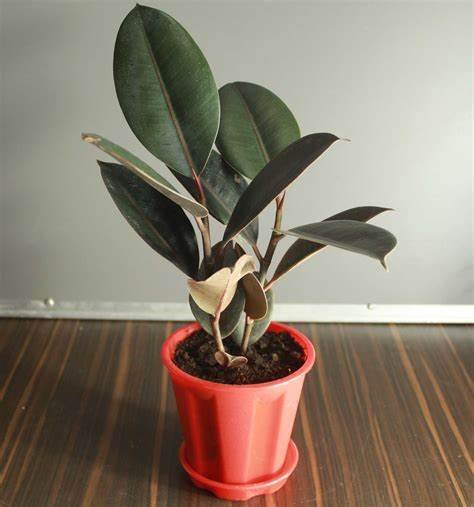
Rubber plant (Ficus Elastica)
The Rubber Plant requires less light and tolerates lower temperatures compared to similarly sized plant species. Within the Ficus group, the Rubber Plant offers the most effectiveness in removing toxins and pollutants.
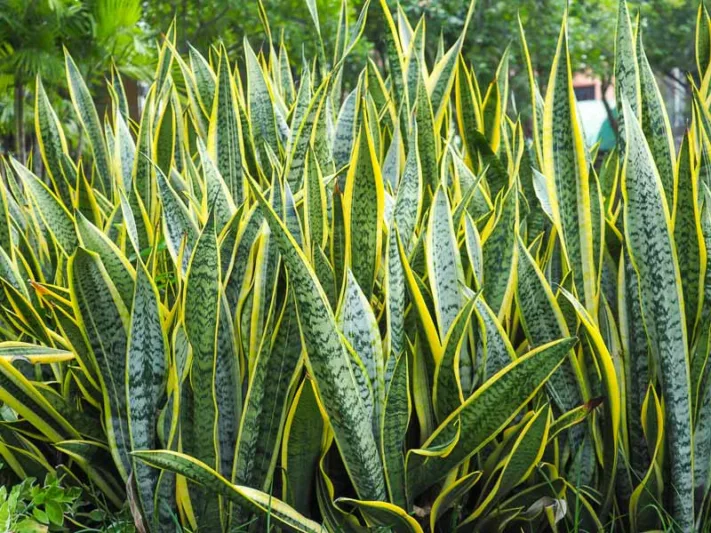
Snake plant (Sansevieria Trifasciata)
It functions at night. At night, the Snake plant absorbs carbon dioxide and produces oxygen. Place it within bedrooms or other rooms that have carpeting, because it can help you sleep better. Removing formaldehyde released by wood furniture and carpets, the Snake plant requires minimal maintenance.
Conclusion
Incorporating air-purifying plants into your home is a simple, natural way to improve indoor air quality and reduce your exposure to harmful toxins. From the low-maintenance aloe vera to the hardworking snake plant, each of these species offers unique benefits—whether it’s filtering out specific pollutants, adding oxygen at night, or simply bringing beauty to your space. While we can’t eliminate every environmental hazard, filling your living areas with these plants can make your home healthier, fresher, and more inviting all year round.


