

Growing watermelons in containers presents a fantastic opportunity to savor fresh, juicy produce, even if your space is limited. Container gardening enables greater control over the growing conditions, which suits urban or small backyard settings well. Watermelons can be successfully grown on patios, balconies, or any sunny area through employing the right techniques. This strategy not only conserves space but also lowers the risks from pests and soil-borne illnesses. Enjoy the sweet taste of watermelons you’ve nurtured from your container garden by adhering to a few easy guidelines.
Choosing the Right Watermelon Variety for Containers
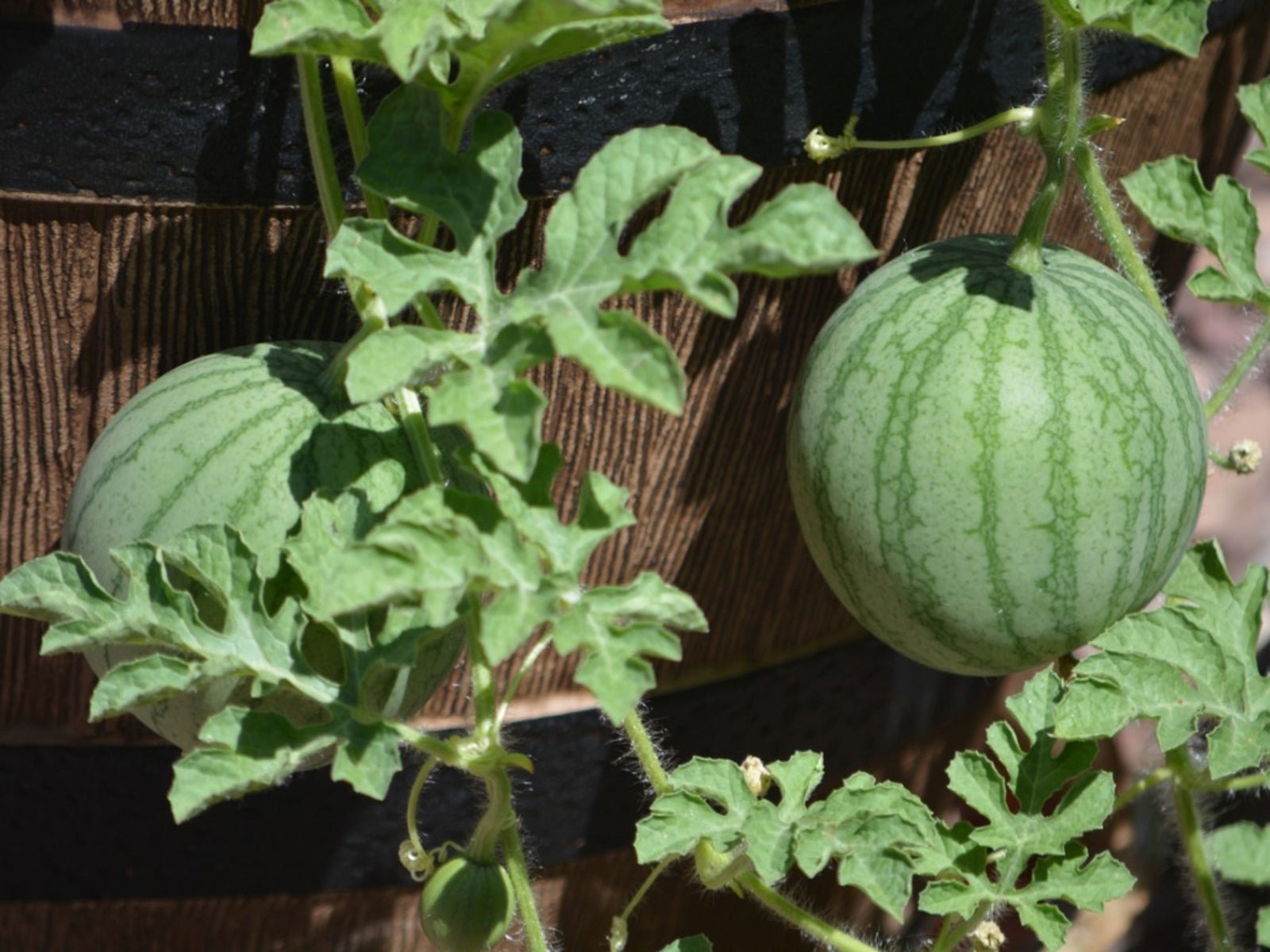
Choosing the correct variety is essential for successful container watermelon cultivation. Seek out bush-type or dwarf varieties, smaller in size, specifically developed to have compact growth. ‘Sugar Baby’, ‘Bush Sugar Baby’, and ‘Golden Midget’ are all excellent selections because they yield smaller fruits and feature shorter vines, making them simpler to handle in restricted spaces. These varieties typically reach maturity more quickly, so you may reap the results of your harvest earlier. Always refer to the seed packet to obtain details on the plant’s growth pattern and fruit size in order to confirm that it is appropriate for growing in containers.
Selecting the Ideal Container for Watermelon Growth
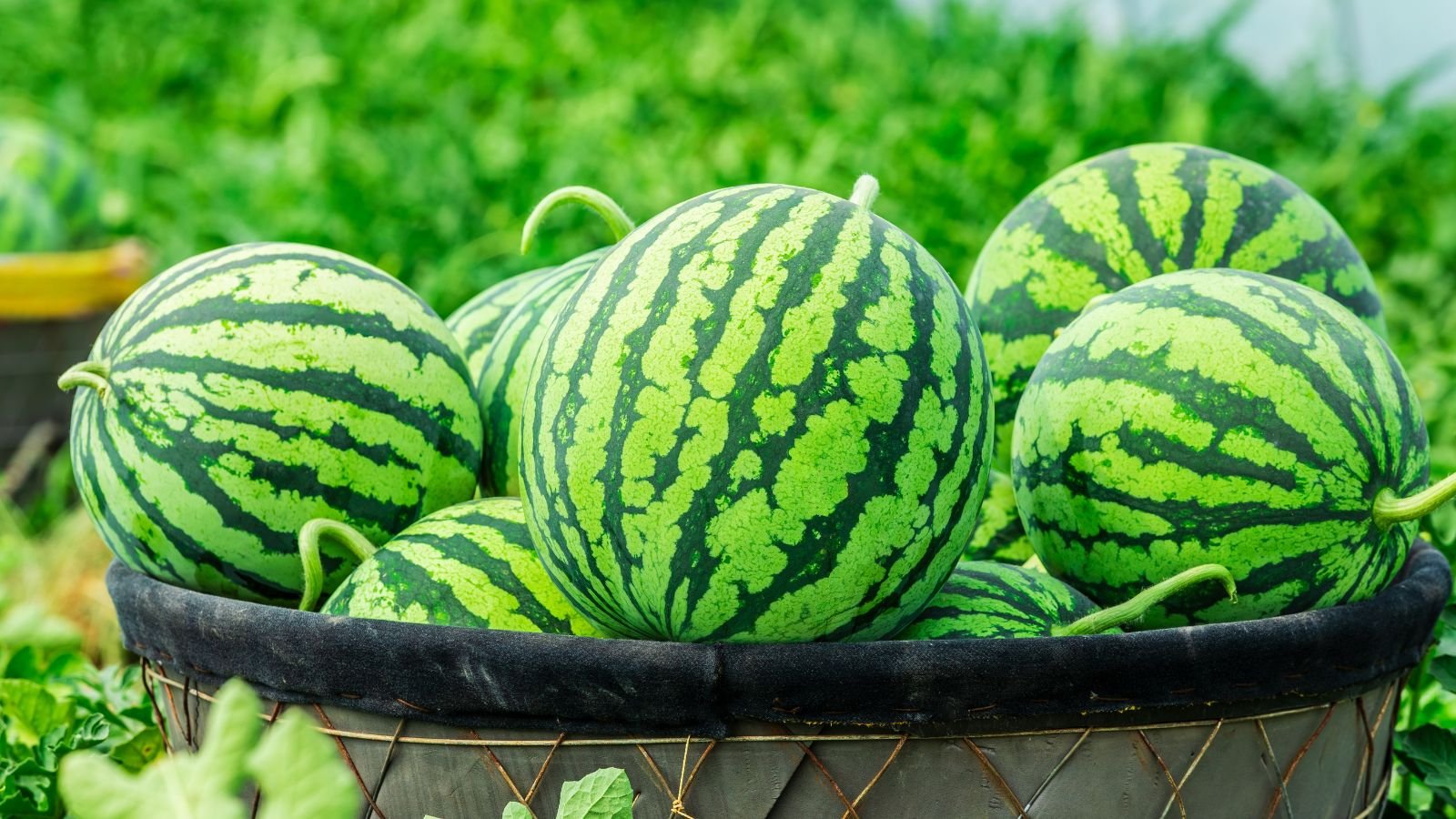
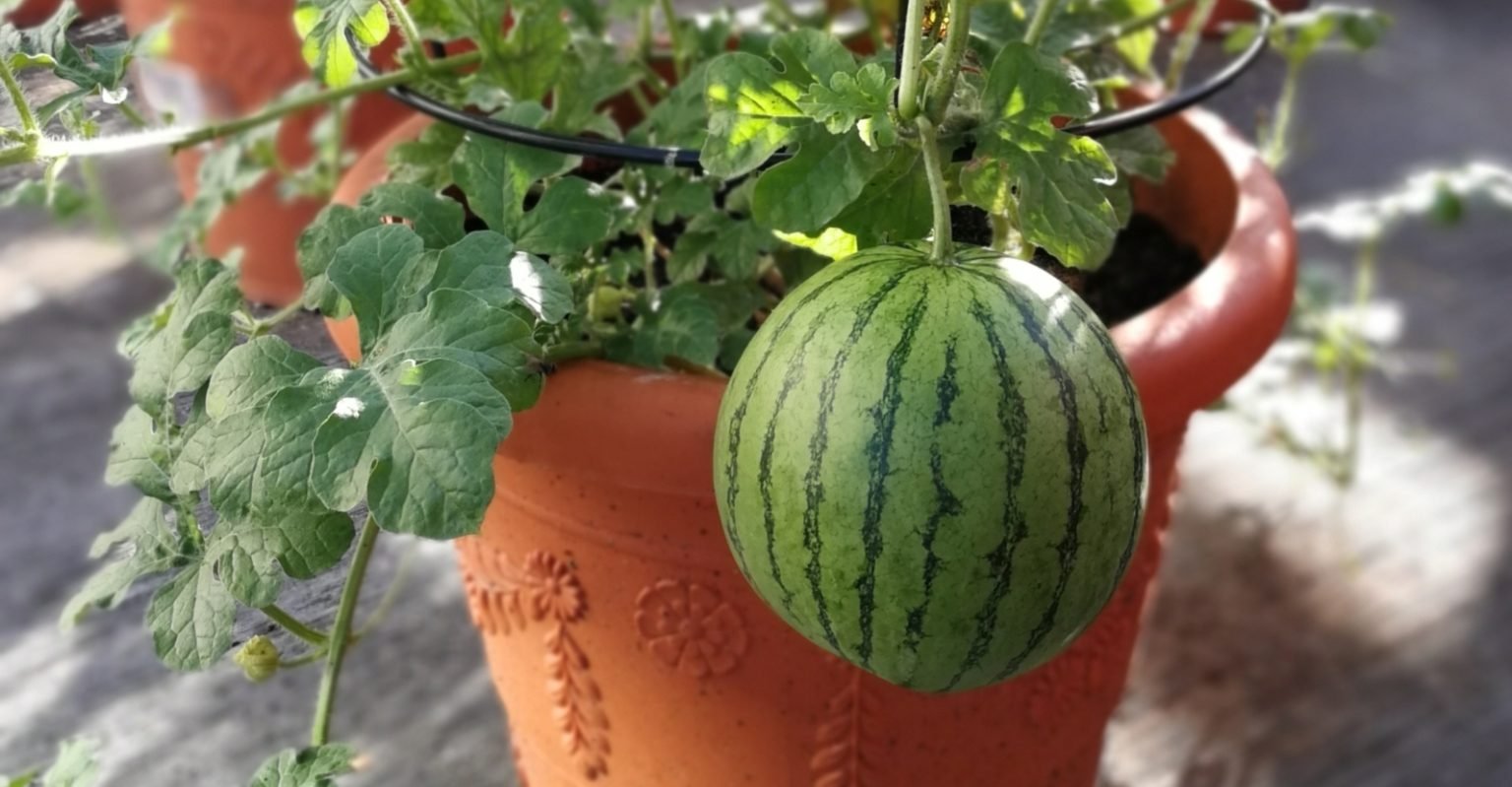
The container you pick significantly impacts how well your watermelons grow. Choose a sizable container that is at least 18 to 24 inches in diameter, ensuring sufficient room for root development. Make sure the container is well-supplied with drainage holes to thwart waterlogging, which may result in root rot. While plastic, ceramic, or fabric pots are all appropriate materials, ensure that they are strong enough to support the expanding plant. To readily move the container for optimum sunshine exposure, think about utilizing one with wheels or a movable base.
Preparing the Soil Mix for Optimal Growth
Healthy watermelon growth depends on having a soil mix that is both nutrient-rich and well-draining. Use premium potting mix with organic matter added, such as well-rotted manure or compost. You can add coarse sand or perlite to the mix to enhance drainage. Watermelons thrive in soil that is slightly acidic to neutral, with a pH range of 6.0 to 6.8. You can mix in a slow-release fertilizer before planting to give a consistent supply of nutrients all through the growing season. With this preparation, your watermelons will have the best possible start.
Step-by-Step Guide to Planting Watermelon Seeds
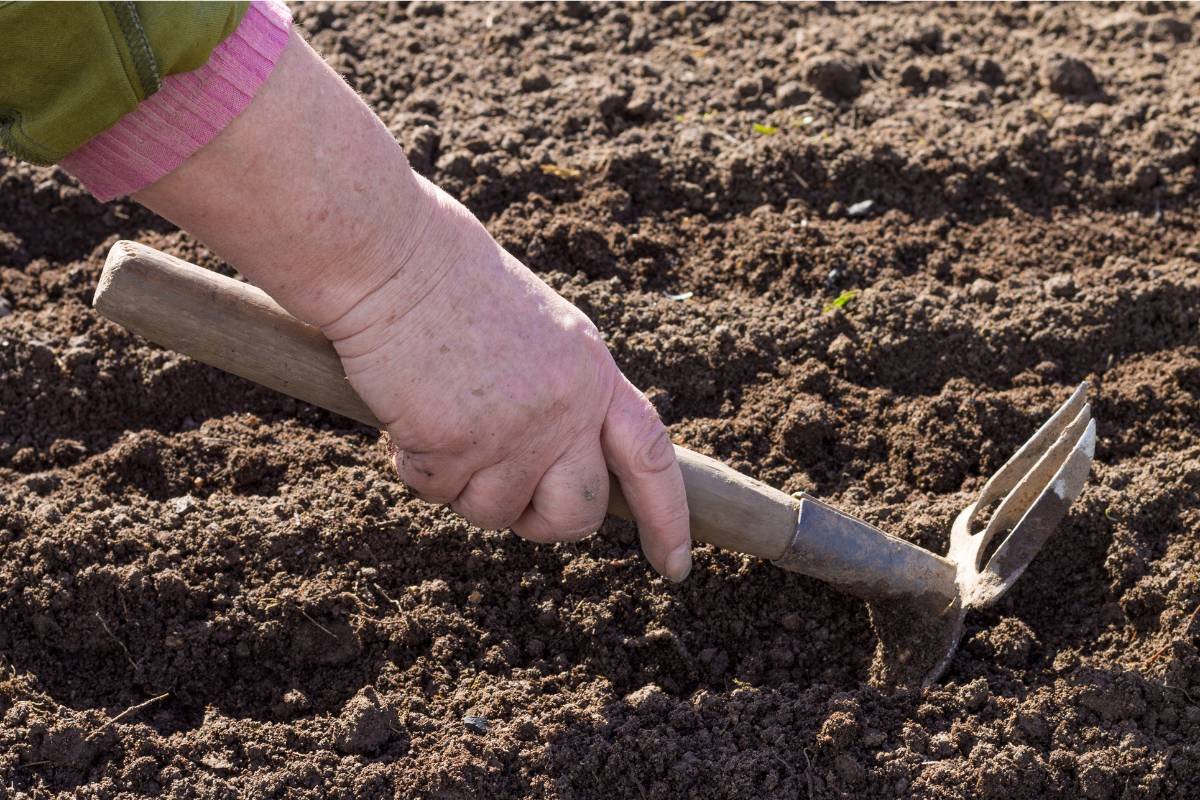
Get started by filling your container with the soil mix you’ve prepared, making sure to leave approximately an inch of space at the top. Sow watermelon seeds straight into the soil, spacing them 2 to 3 inches apart and planting them about an inch deep. If you are transplanting seedlings, position them at the same depth that they were growing at in their original nursery containers. After planting, thoroughly water the soil to help it settle around the seeds or seedlings. Maintain soil moisture evenly but avoid waterlogging until the seeds begin to germinate; this usually takes 7 to 10 days. Once the seedlings have grown a few sets of genuine leaves, thin them to only the strongest plant in each container.
Providing Adequate Water and Nutrients
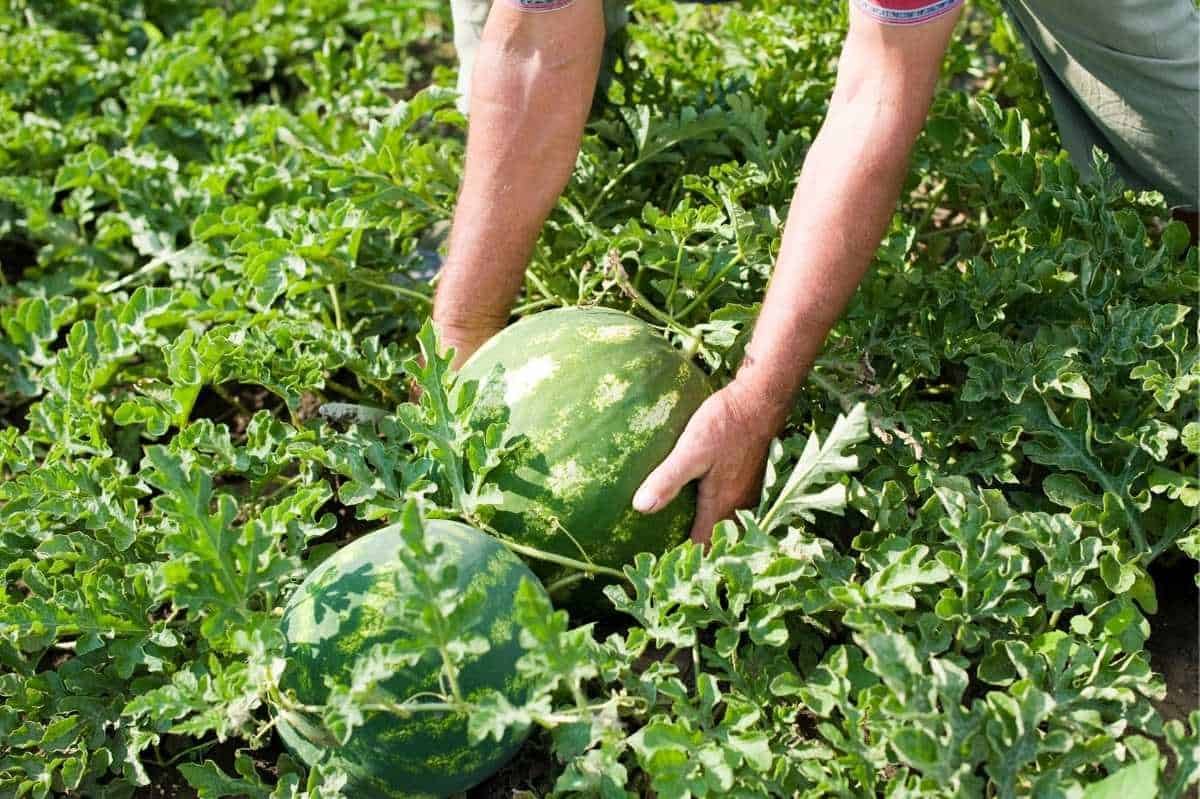
Watermelons require a constant water supply, particularly when they are flowering and generating fruit, in order to thrive. Water deeply and consistently, enabling the top inch of the soil to dry out between waterings. To reduce the possibility of fungal infections, avoid watering from above. Use a balanced liquid fertilizer, or one rich in phosphorus and potassium to promote fruit production, to fertilize your watermelon plants every 3 to 4 weeks. Be careful not to over-fertilize because excessive nitrogen levels can cause dense foliage growth at the expense of fruit development.
:max_bytes(150000):strip_icc()/VWH-GettyImages-2163037186-a94d19a0a046495dab4acfb78ad858c5.jpg)
Ensuring Proper Sunlight and Temperature Conditions
Watermelons enjoy sunshine and must be exposed to direct sunlight for at least 6 to 8 hours each day. Put your container in the brightest spot you can find, such a balcony or patio facing south. Watermelons flourish in comfortable temperatures, preferably between 70°F and 90°F. If you reside in a colder region, consider using black plastic mulch or a cloche to keep heat in and shield plants during cooler evenings. Be mindful of intense heat, as fruit development may be impacted and plants may get stressed at temperatures beyond 95°F.
:strip_icc()/CD_0516248_preview-96c6e3e65cf940379728a2d5e28e9f00.jpg)
Supporting the Vines and Managing Growth
Your watermelon vines may require assistance to prevent excessive spreading as they grow. To encourage the vines to grow upward, which will save space and improve air circulation around the plants, use a trellis or stakes. Secure the vines to the support structure with garden twine or flexible ties in a gentle way. To divert the plant’s energy toward fruit production, prune any extra foliage or undesirable side shoots. Check routinely for any indications of congestion and modify the support as needed to maintain strong growth.

Monitoring for Pests and Diseases
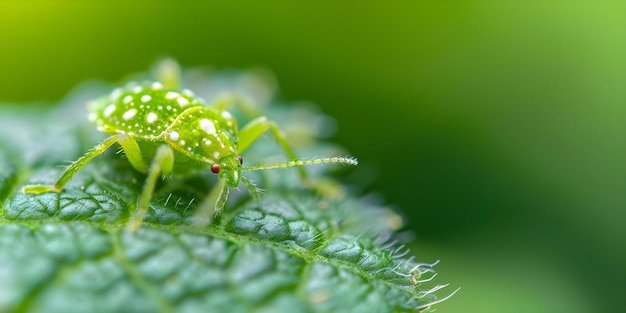
Watermelons cultivated in containers are less vulnerable to some soil-borne diseases and pests, but close observation is still required. Aphids, spider mites, and cucumber beetles are common pests. Check your plants frequently and apply neem oil or insecticidal soap as needed to get rid of pests. Watch out for indications of fungal illnesses like downy mildew or powdery mildew, and maintain adequate air circulation around the plants to avoid these problems. Promptly get rid of any afflicted leaves and refrain from getting the foliage wet while watering.
Harvesting Watermelons at the Right Time
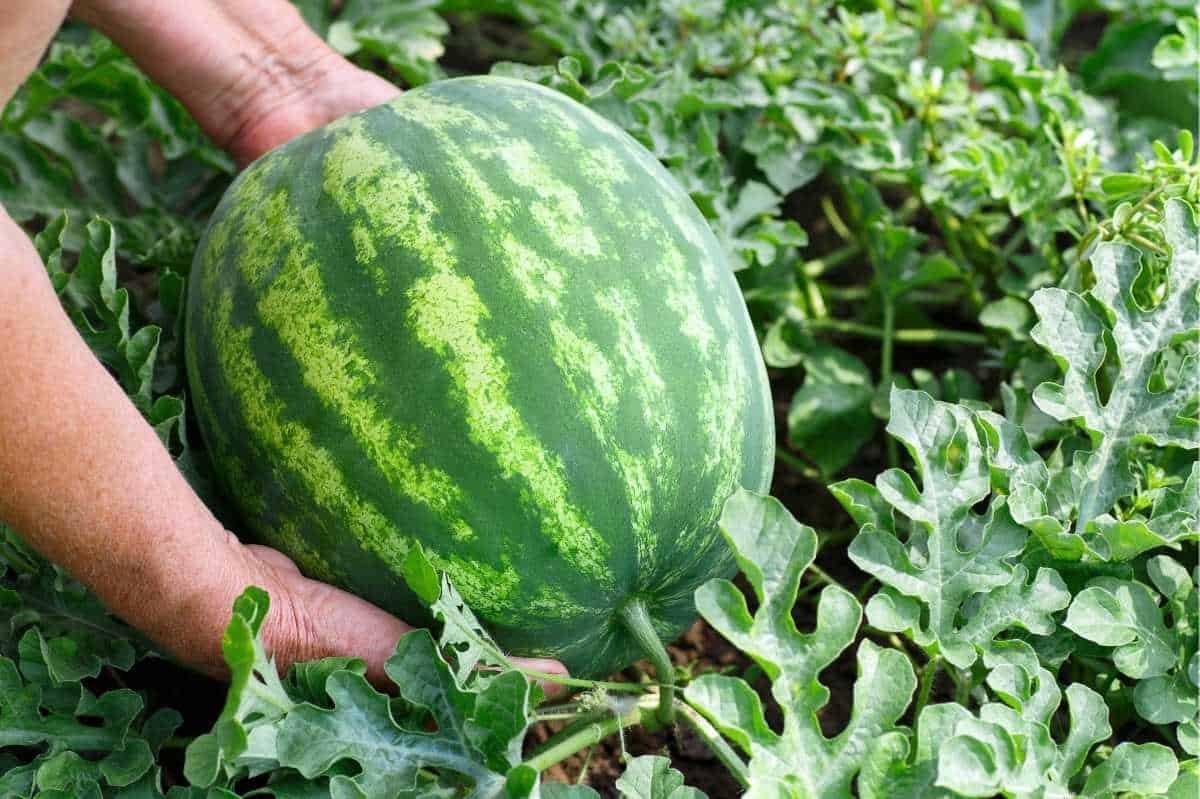
Knowing the correct time to harvest your watermelons is crucial to savouring their maximum taste. Look for signs of ripeness, such as a dull, matte appearance on the fruit surface and a yellowish patch on the underside where it makes contact with the ground. The tendril closest to the stem of the fruit needs to be dry and brown. Gently tap the watermelon; a ripe melon will make a rich, resonant sound. To preserve freshness, use a sharp knife or pruners to remove the fruit from the vine, leaving a short piece of the stem connected.
Troubleshooting Common Issues in Container Watermelon Gardening
There may be challenges in container watermelon gardening, such as insufficient nutrients or pollination. Think about hand-pollinating by transferring pollen from male to female blooms with a small brush if your plants are blooming but not producing fruit. Yellowing leaves could be a sign of a nutrient shortage; adjust your fertilization schedule as necessary. To avoid root rot, make sure your container drains properly, and watch out for indications of stress like wilting or stunted development. You can ensure a bountiful harvest by treating these problems right away.
Conclusion: Enjoying Your Homegrown Watermelons
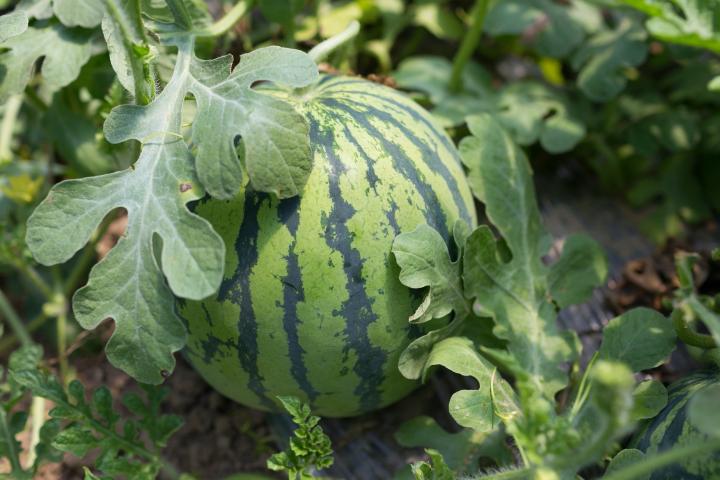
Growing watermelons in pots is a satisfying activity that brings the taste of summer right into your home. You may grow sweet, juicy watermelons even in cramped quarters if you pay close attention to variety selection, container choice, and proper maintenance. Container watermelon gardening is a fun and rewarding way to grow your own food, whether you’re an experienced gardener or just starting out. Savour the rewards of your hard work after harvest by sharing them with loved ones, knowing that you have grown them with love and care. `


