

Growing a lavender tree that blooms annually requires understanding its unique requirements and providing the appropriate care. This guide will walk you through the process, enabling you to cultivate a thriving lavender tree by equipping you with essential knowledge, ranging from variety selection to pruning techniques.
Understanding Lavender Trees: A Brief Overview
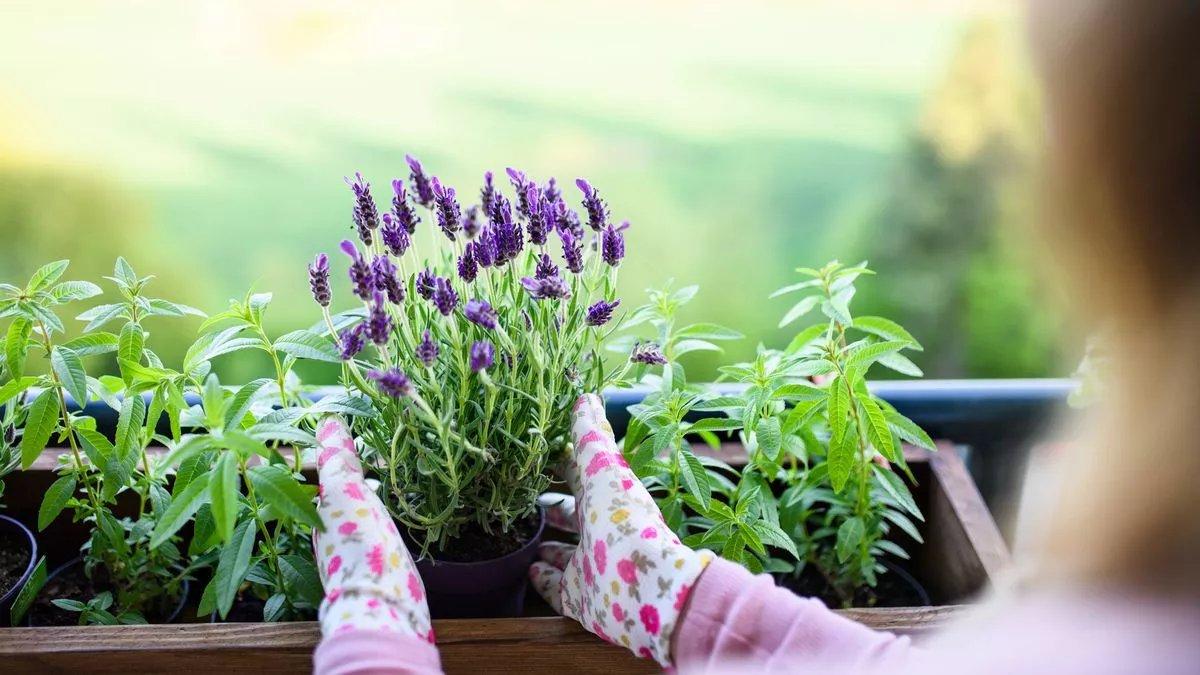
Scientifically known as Lavandula, lavender comprises a genus of 47 flowering plant species within the mint family, Lamiaceae. Originating from the Mediterranean, lavender flourishes in sunny, arid environments. Although referred to as “trees,” lavender trees are essentially lavender plants trained and pruned to resemble trees.
Depending on the specific variety, lavender plants can reach heights and widths ranging from 1 to 3 feet. As perennial plants, they have the potential to live for many years if properly cared for. Noted for silvery-green foliage and spikes of purple, blue, or white flowers, lavender is profoundly attractive to bees and butterflies.

Choosing the Right Lavender Variety for Your Climate
Selecting the proper lavender variety is paramount for successful cultivation. Lavandula angustifolia, or English lavender, is the most prevalent type and exhibits hardiness in USDA zones 5-8. Esteemed for its sweet fragrance, it thrives best in cooler climates. Conversely, both Lavandula dentata (French lavender) and Lavandula stoechas (Spanish lavender) are more appropriate for warmer regions within USDA zones 8-10.
When selecting a cultivar, carefully consider your local climate alongside the soil conditions. Varieties like Lavandula x intermedia, a disease-resistant hybrid known for vigorous expansion, prove exceptionally appropriate if you’re situated in a humid region due to their enhanced moisture tolerance.
Selecting the Perfect Location for Planting
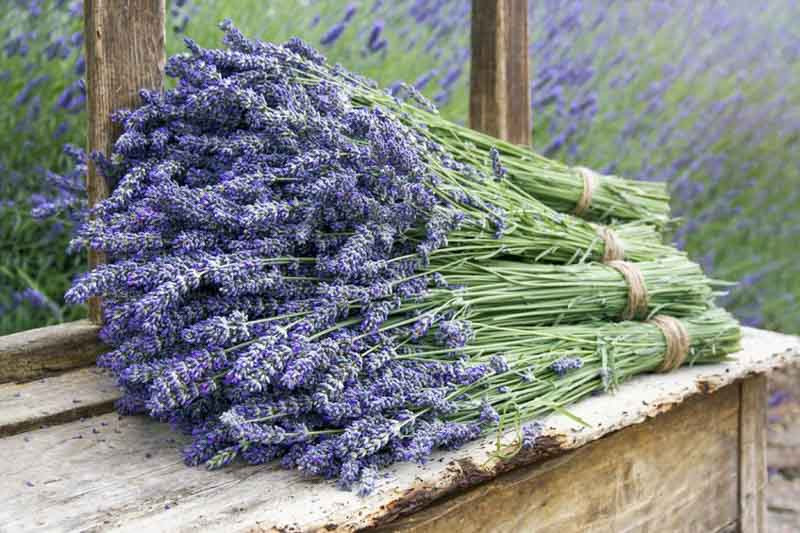
To flourish, lavender demands direct sunlight; hence, a location receiving a minimum of 6 to 8 hours of daily sunlight is necessary. Soil must drain properly since lavender cannot tolerate waterlogged roots. Refrain from planting the lavender in those areas around your garden, where the water tends to build up from heavy rainfall.
Consider spacing when planting in a garden bed. To facilitate optimal air circulation and reduce the chance of illness, lavender plants must be spaced 12 to 18 inches apart. Select containers with drainage holes and a minimal diameter of 12 inches when planting lavender in pots.
Preparing the Soil: Essential Tips and Measurements
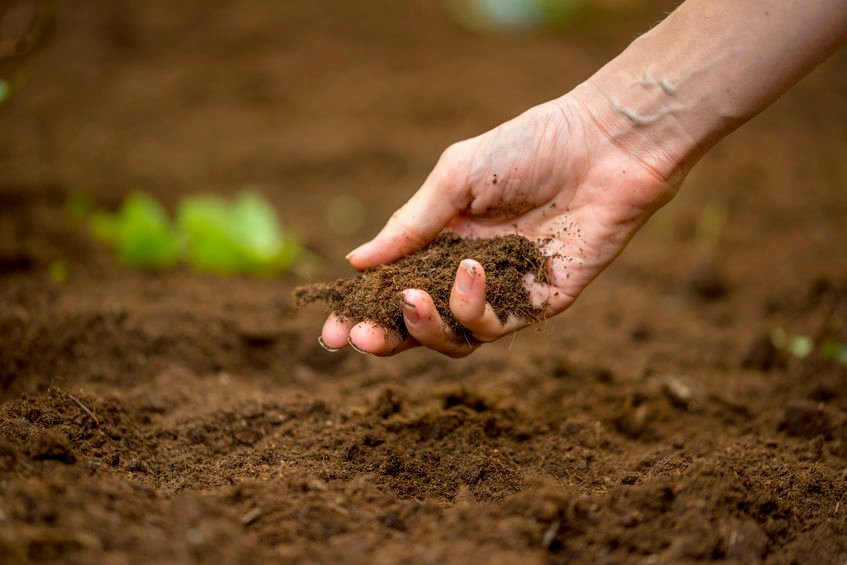
Lavender thrives in sandy or gravelly soil with adequate drainage and a pH ranging from 6.5 to 7.5. Before you start planting, it is suggested that you alter the thick clay or compressed soil with sand or gravel so that drainage is improved. To boost soil fertility, consider adding organic ingredients such as compost.
Employing a soil test kit accessible at local garden centers will help to evaluate your pH. Add lime to the soil in situations where the pH is significantly lower than the target value and vice versa. It is recommended to have a soil depth of at least 12 inches to accommodate the root system.
Planting Your Lavender Tree: Step-by-Step Instructions
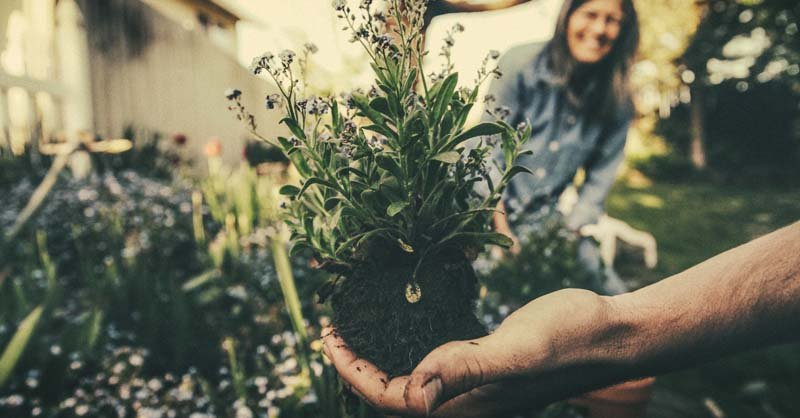
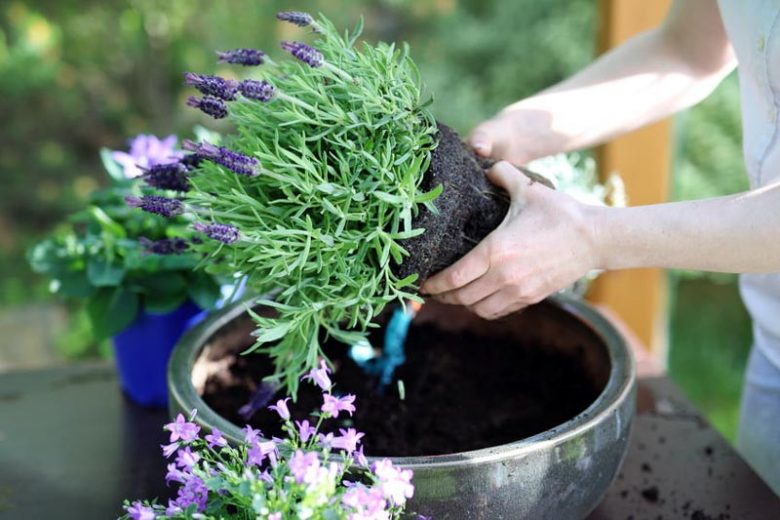
Initiate the process by excavating a hole twice the width and depth of the lavender’s root ball. Take the plant out of its pot and gently disentangle its roots. Ensure the root ball’s summit aligns with the soil when placing the plant in the hole.
Re-fill the excavated cavity using soil, gently compacting to eliminate any air pockets. Following planting, thoroughly irrigate the plant to facilitate soil settlement. Maintain advised spacing between plants if planting multiple lavender units to ensure ample air flow.
Watering Techniques: How Much and How Often
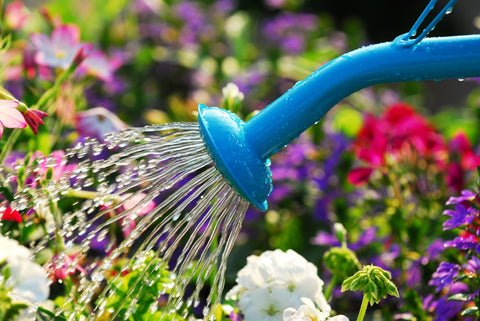
After it has grown, lavender is drought resistant. Young plants, however, require frequent watering. Water your recently planted lavender first or twice a week until they have established. Mature plants only need to be watered every two to three weeks. In between watering, the soil should be allowed to dry out.
Root rot can result from overwatering, so let your soil dry out between waterings. Check the soil moisture by sliding your fingertip around one inch into the soil to see if it needs watering. If the soil feels dry, it is time to water more frequently.
Pruning for Longevity and Health
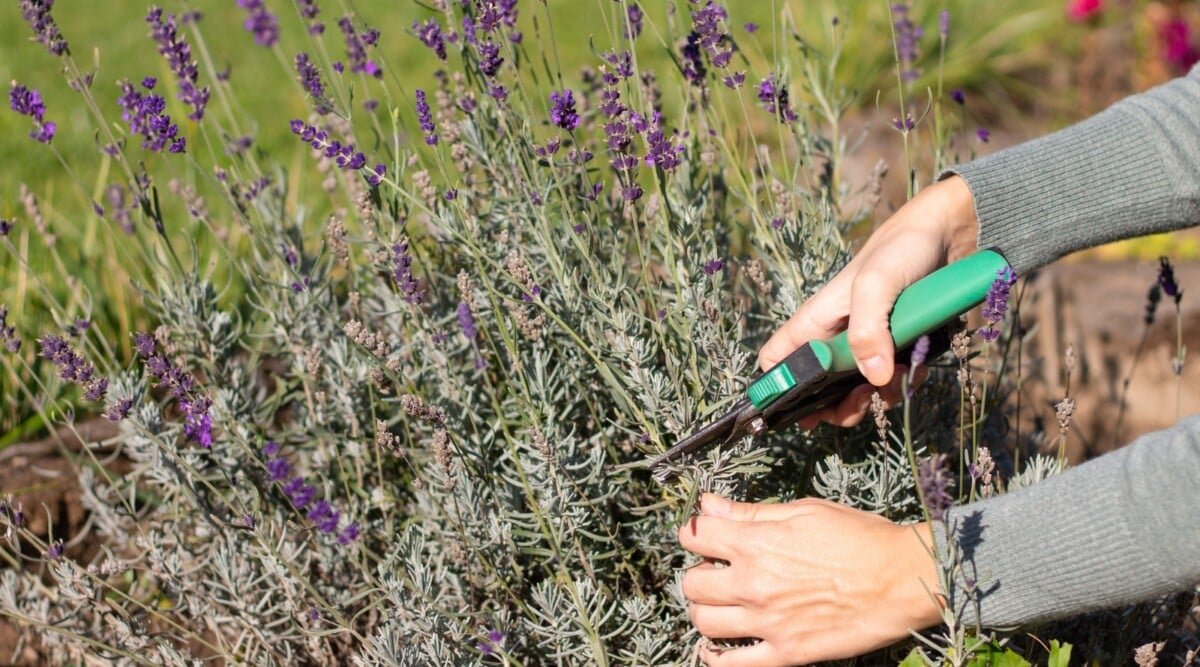
Pruning significantly affects a lavender tree’s health and shape. After the final frost in the spring, prune your lavender, and then carry out once again following blossoming in late summer. To promote new growth, eliminate approximately one-third of the plant’s height, mostly cutting back on the woody stems.
As lavender does not successfully regenerate via old-growth stems, avoid cutting too far back into the plant. Consistently pruning your lavender will stop it from getting leggy and boost the production of blooms.
Fertilizing Your Lavender: What to Use and When
There’s no need for high fertilization with lavender. Actually, too much fertilizer may result in leaves growing far more strongly at the expense of flower development. Once spring arrives and the plant begins to grow again, use a slow-releasing, well-balanced fertilizer.
Steer clear of fertilizers high in nitrogen since they stimulate foliage development as opposed to the blooms. In small amounts, natural substitutes like well-rotted manure or compost can add nutrients to the lavender plant without overpowering it.
Protecting Your Lavender from Pests and Diseases
Lavender is generally resistant to pests because of its fragrant oils; nevertheless, it is still possible that pests such as aphids and spittlebugs will infect it. Often check on the plants to see if any pests are present, then get rid of them using a powerful water spray or by hand.
Too wet circumstances may encourage the growth of fungal illnesses, including leaf spot and root rot. Lessen this danger by ensuring adequate drainage and refraining from watering from above. If needed, apply any organic fungal treatment to the afflicted plants.
Popular Viral Hacks for Enhancing Bloom
Numerous viral gardening hacks can boost blooming in lavender. Epsom salts, a well-known technique, offer important nutrients including magnesium and sulfur, which facilitate blooming. Throughout the growing season, put 1 tablespoon, every month, of Epsom salts at each plant’s base, mixed in a gallon of water.
Another suggestion is to scatter small stones or gravel as mulch, which enhances growth and blooming by reflecting light and maintaining soil warmth. Lastly, removing spent flowers may stimulate the plant to manufacture more flowers.
Seasonal Care: Ensuring Year-Round Blooms
Year-round flowering of lavender needs specific treatment for each season. Give emphasis to fertilizing and pruning in the spring to encourage new growth. Continue to routinely water and prune any blossoms as required throughout the summer.
Prepare plants for the approaching winter by reducing watering and topping them with a mulch, during the autumn season. You can protect your plant from frost damage during the winter by covering it with burlap if you reside in a more harsh environment. Your lavender tree will grow and provide blooms for generations to come with correct quarterly maintenance.
Conclusion
In summary, cultivating a successful lavender garden requires careful consideration of various crucial factors, including choosing the right location, spacing, soil preparation, and diligent watering techniques. Planting lavender involves a step-by-step approach that emphasizes proper placement and post-planting care, while seasonal maintenance—such as pruning in spring and fall—ensures vigorous growth and bloom longevity. Fertilization should be minimal, focusing on balanced nutrients, and pest management is essential to maintaining plant health. By employing popular viral hacks and providing tailored seasonal care, your lavender will flourish, yielding beautiful blooms year after year and enriching your garden with its fragrance.


