

Gardeners often hold tomatoes in high regard due to their flavorful nature and diverse uses. A common source of frustration arises, however, when tomato plants bloom but fail to yield fruit. It can be quite frustrating and disillusioning after investing significant time and effort into plant care. For gardeners seeking a generous harvest, understanding the reasons behind this issue is crucial. In this article, we’ll delve into the factors causing tomato plants to flower without producing fruit and offer practical approaches to help ensure a successful harvest.
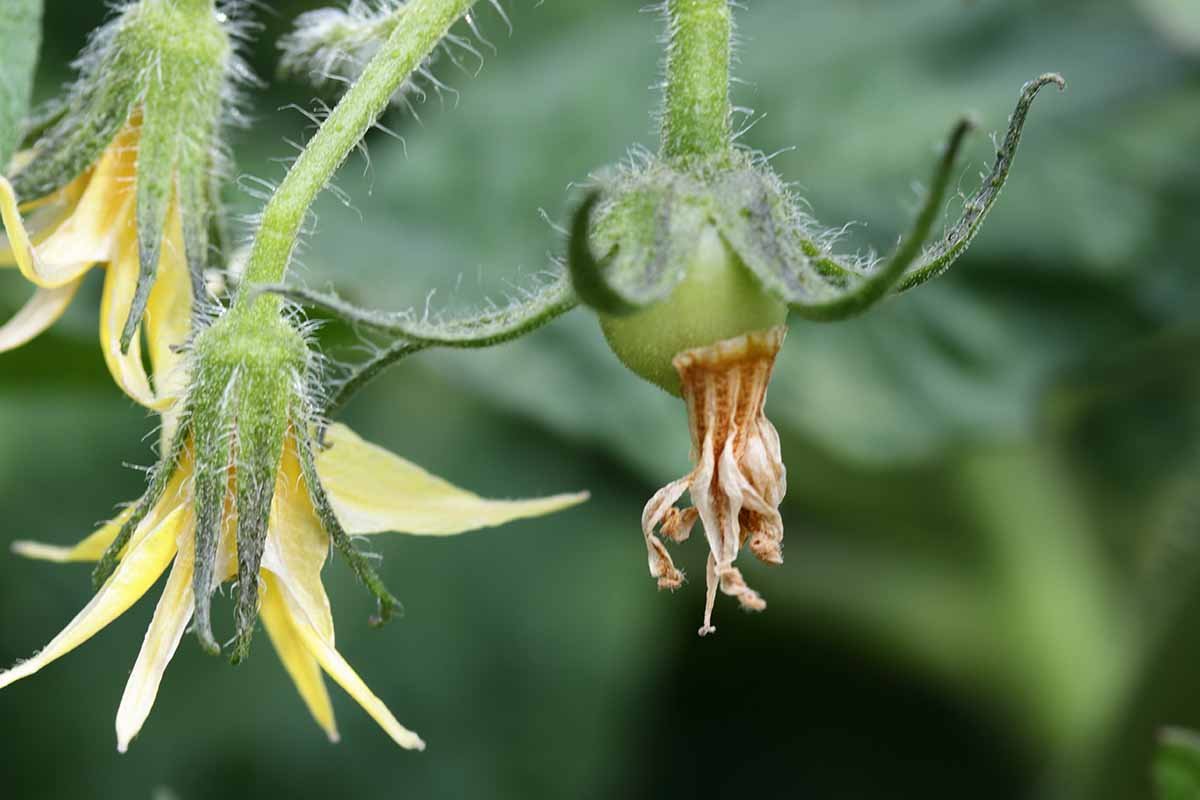
Understanding the Tomato Flowering Process
The development of fruit in tomato plants relies on a specific flowering process. This process commences with the emergence of flower buds that eventually open into flowers. Tomato flowers possess both male (stamens) and female (pistil) reproductive parts, making them capable of self-pollination. Still, pollen is frequently transferred from the stamens to the pistil through external elements like wind, insects, or manual assistance. Fruit development follows successful pollination. Any disruption to this process can lead to flowering without subsequent fruit production.
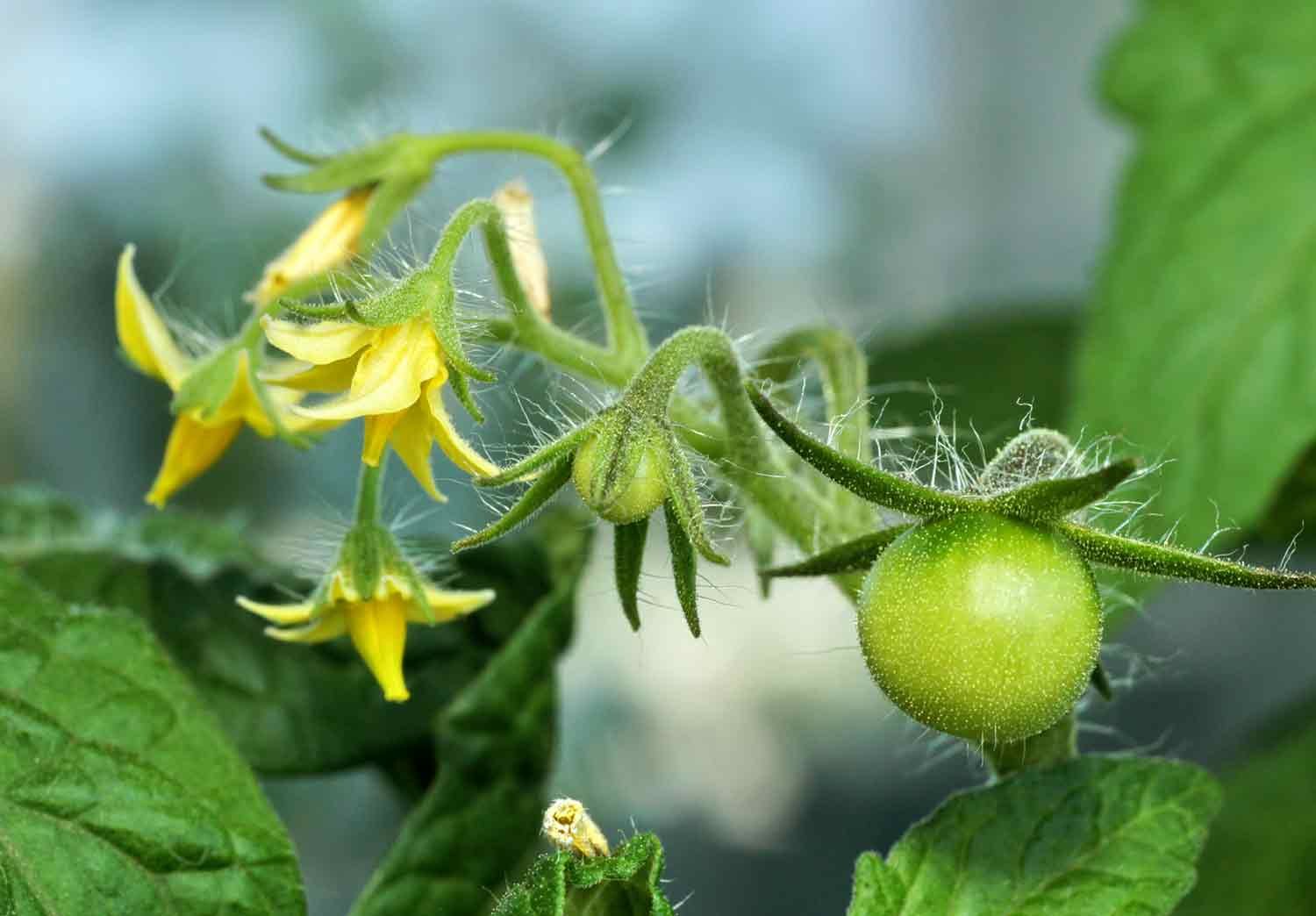
Common Reasons for Lack of Fruit Set
Multiple influences can hinder fruit set in tomato plants, despite their flowers. These include inadequate pollination, extreme temperatures, nutrient deficiencies or excesses, water-related issues, problems with pests and diseases, and genetic characteristics. Each issue can negatively affect the transition from flowering to fruiting, so you need to understand them to find effective means of dealing with them.
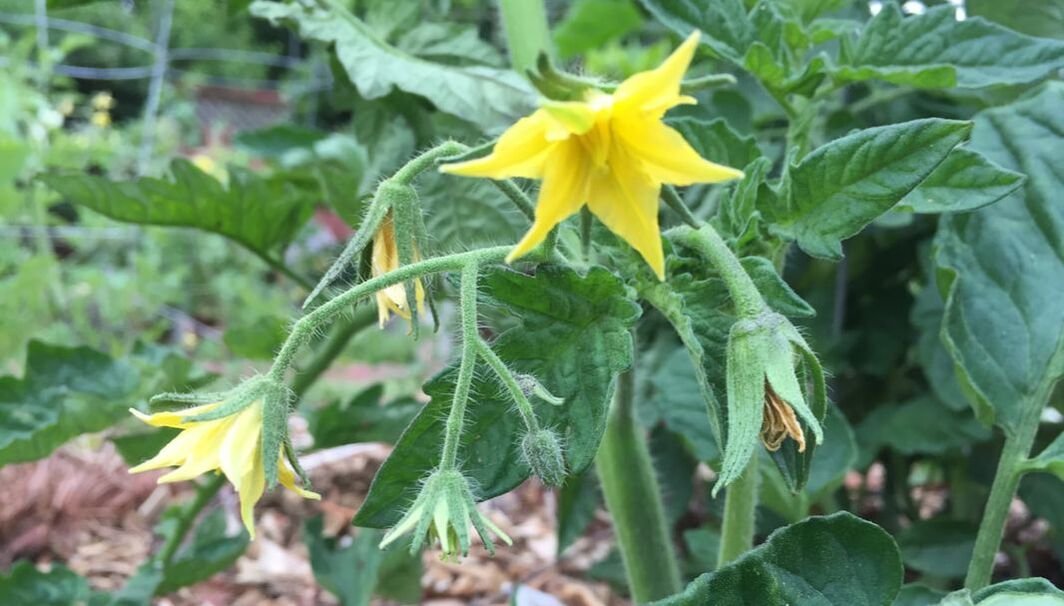
Inadequate Pollination
While tomatoes can self-pollinate, they still depend on movement for pollen transfer. Insufficient levels of wind or insect activity, especially in enclosed areas like greenhouses, can lead to insufficient pollination. The flowers will not develop into fruit without adequate pollination, resulting in a reduced harvest.
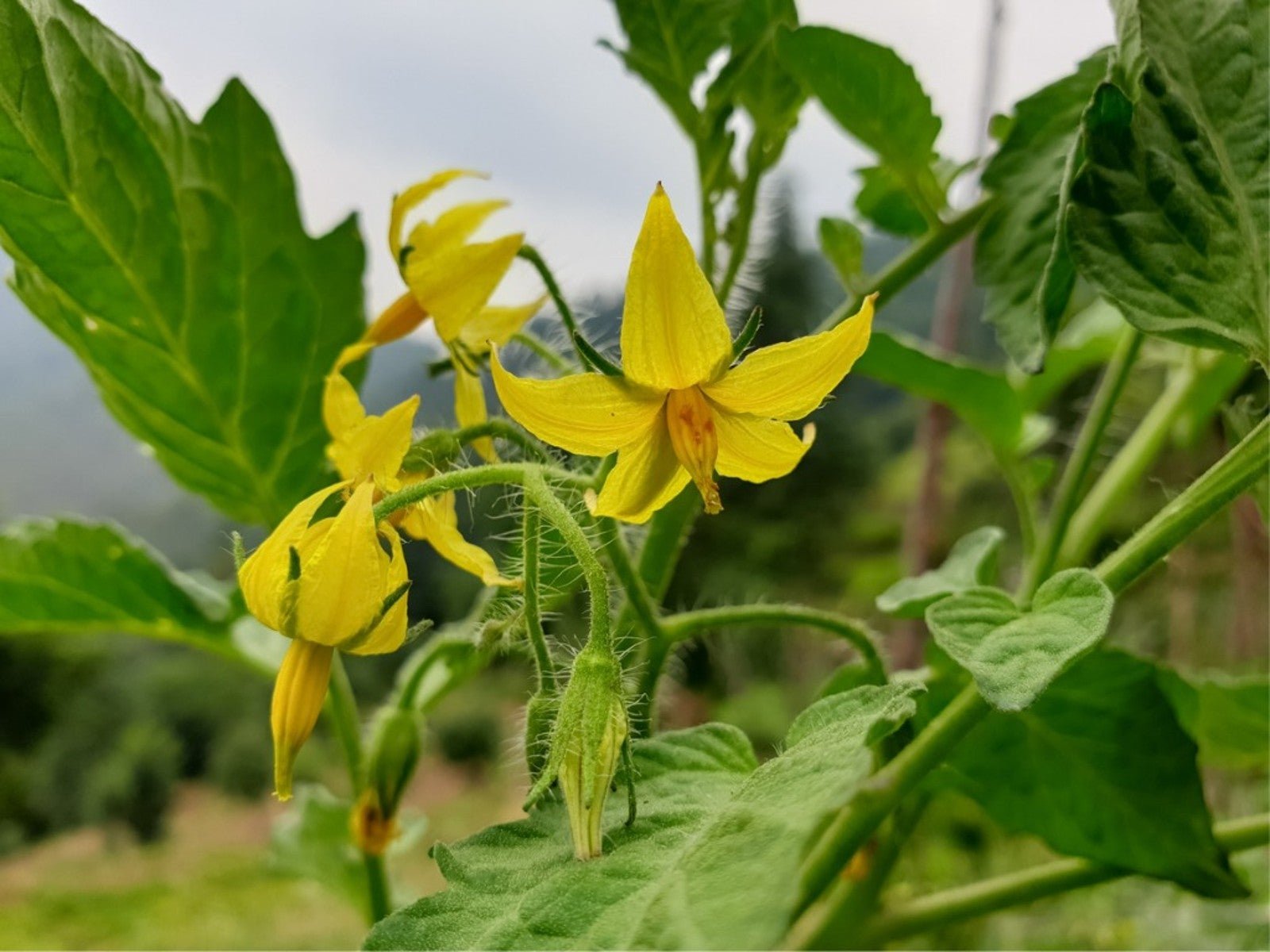
Extreme Temperatures
Tomato plants are susceptible to drastic temperature variations. If daytime temperatures exceed 85°F (29°C) or nighttime temperatures remain above 70°F (21°C), flowers might drop before pollination can take place. Conversely, temperatures falling below 55°F (13°C) can also impede fruit set. These harsh conditions place strain on the plant, disrupting the normal flowering and fruiting cycles.
:max_bytes(150000):strip_icc()/GettyImages-1305023964-23e1abe428a6418da2039aaf0a2af5cd.jpg)
Nutrient Imbalances
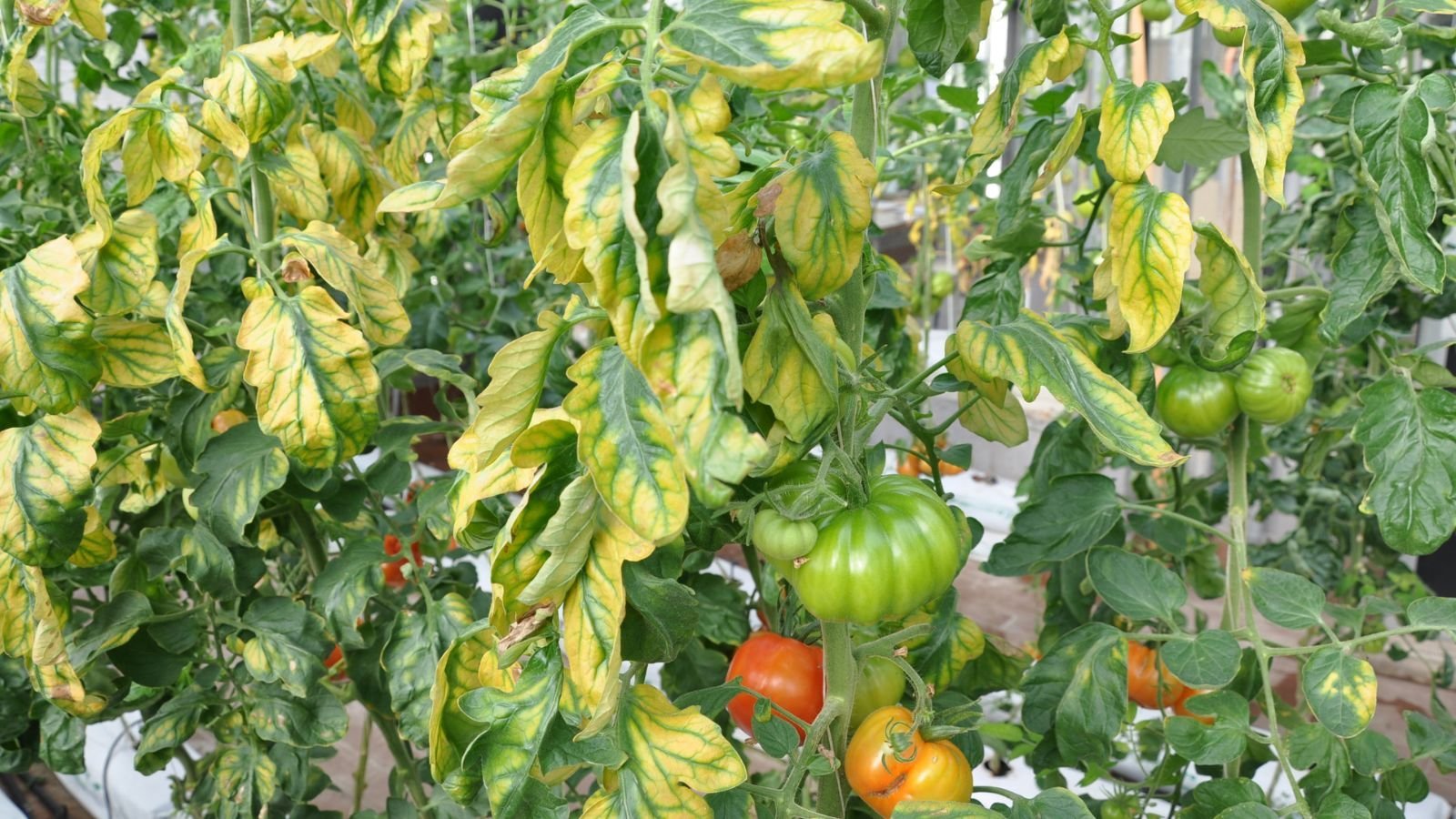
Tomato plants depend on a balanced nutrient supply in order to flourish. Excessive nitrogen levels can encourage excessive foliage growth, which can impede flowering and fruit development. On the other hand, a shortage of vital nutrients such as phosphorus and potassium can reduce the plant’s capacity to set fruit. For robust flowering and fruiting, it is essential to keep the nutrients in the right balance.
Watering Issues
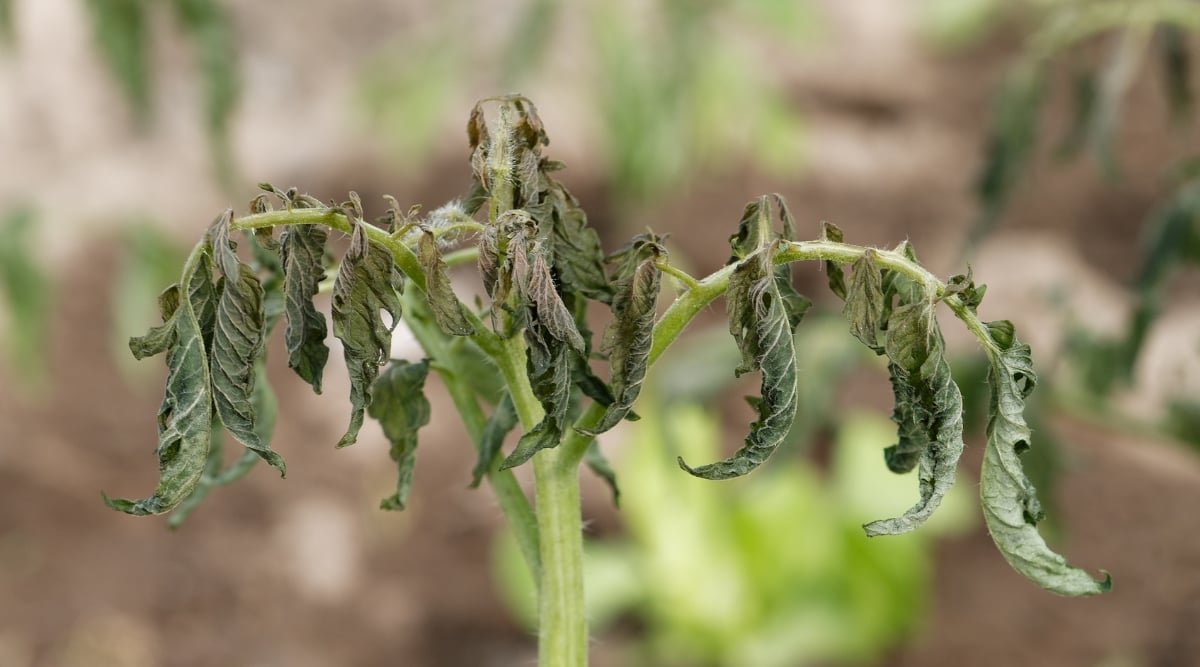
Tomato plants can be stressed by both too much and too little water, which can affect their ability to set fruit. Consistent moisture levels are essential; variations can cause blossom end rot or poor fruit development. Particularly during dry spells, tomato plants require consistent watering, but the soil ought not to be consistently wet.
Pest and Disease Problems
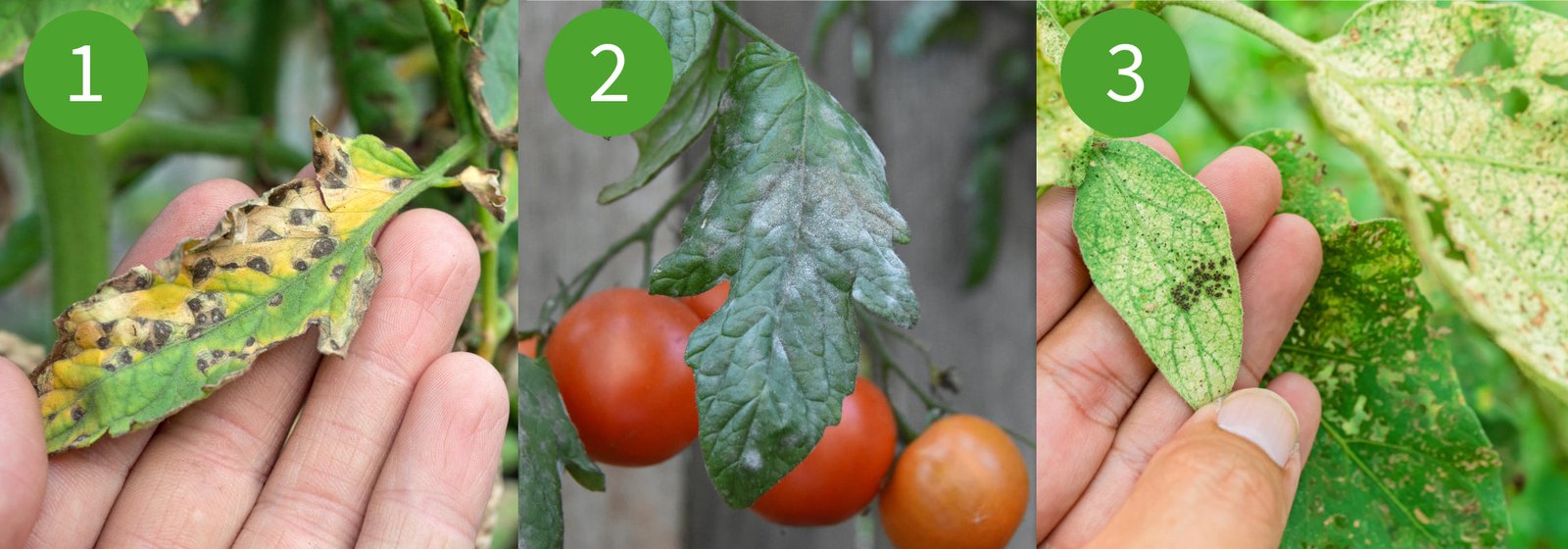
Pests like aphids, whiteflies, and spider mites can inflict harm to flowers and negatively impact fruit production. Furthermore, diseases such as blossom end rot or fungal infections can also impair the plant’s fruit-producing capabilities. Consistent monitoring for pests and diseases followed by appropriate measures is crucial for safeguarding tomato plants.
:max_bytes(150000):strip_icc()/GettyImages-1286441510-2ba6ca53c008436c9696ca3d568617c8.jpg)
Genetic Factors
Certain tomato types naturally have a lower fruit production rate. For instance, determinate varieties have a limited amount of flowers and fruit, whereas indeterminate varieties continue to produce crops during the growing season. Fruit set can influenced by choosing a variety that is suited to your climate and growing conditions.
How to Encourage Fruit Set in Tomatoes
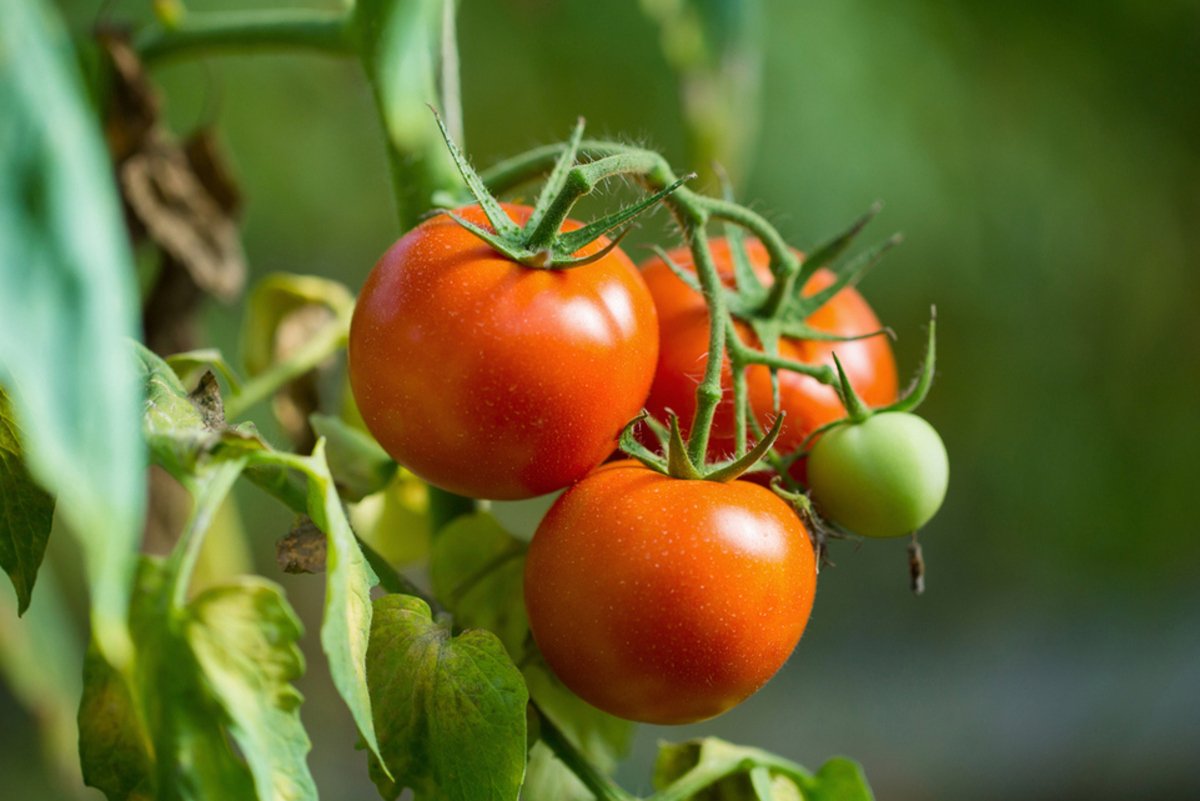
To foster fruit set in tomatoes, it’s crucial to address the factors that hinder it. Gardeners can increase the likelihood of a successful crop by enhancing pollination methods, managing temperature extremes, balancing nutrient levels, refining watering methods, keeping pests and diseases under control, and selecting the appropriate tomato varieties.
Improving Pollination Techniques
To enhance pollination rates, gently shake the plants to replicate the movement that encourages pollen transfer. You might contemplate using a small fan to create an airflow, or you might introduce pollinators like bees to greenhouses. The transfer of pollen to the pistil can also be guaranteed by manually pollinating with a small brush.
:strip_icc()/How-To-Pollinate-Tomatoes-By-Hand-1340043950-f5b74f9b83844a21bf169066d53c86c6.jpg)
Managing Temperature Extremes
Use shade cloths to shield tomato plants from intense heat and row covers to protect them from cold nights. Additionally, planting tomatoes at the proper time of year for your region will help you prevent difficulties associated with temperature. Taking preventative action and keeping an eye on the weather forecast may protect your plants.
Balancing Nutrient Levels
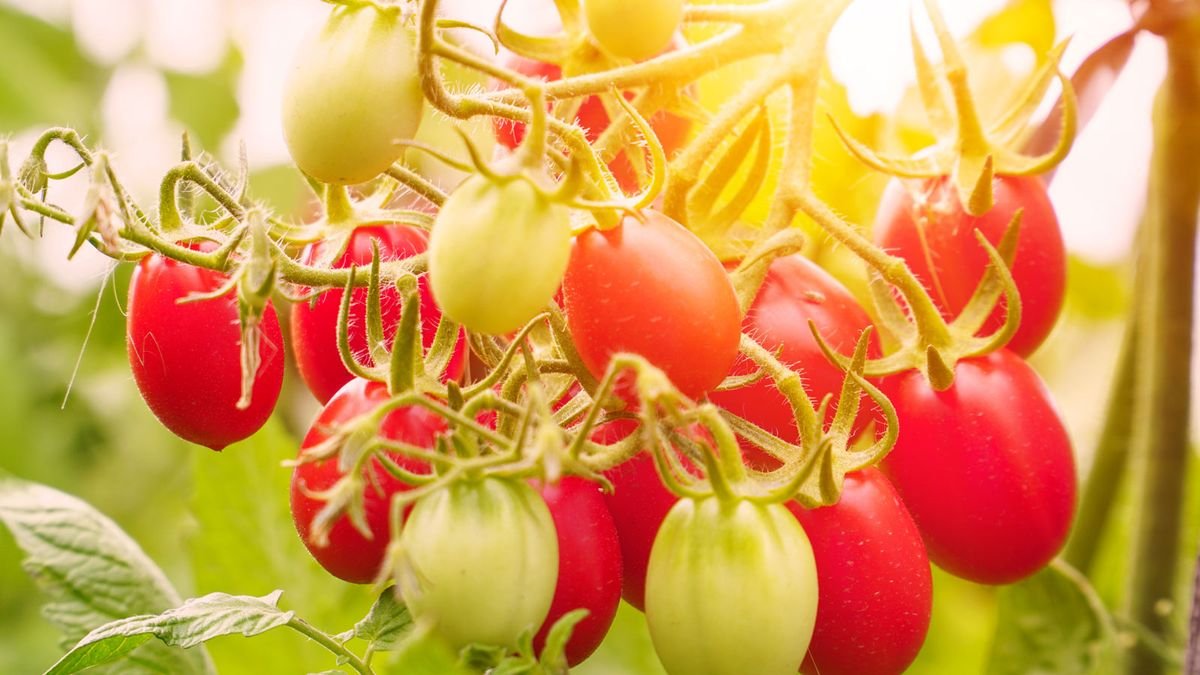
To ascertain the amount of nutrients present, perform a soil test, and then amend soil as necessary. To encourage flowering and fruiting, use a balanced fertilizer with a higher concentration of phosphorus and potassium. Avoid overusing nitrogen, as doing so may encourage stem growth at the expense of producing fruit.
Optimizing Watering Practices
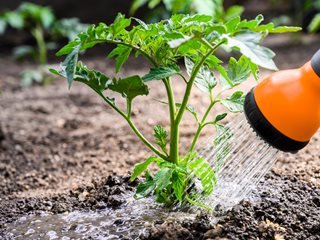
Water your tomato plants thoroughly and consistently, giving the soil a chance to somewhat dry in between waterings. To help control soil temperature and retain moisture, mulch should be applied around the plant’s base. Drip irrigation systems can deliver a consistent water supply without oversaturating the soil.
Controlling Pests and Diseases
Inspect plants regularly for any indications of pests or diseases. Use chemical or organic pest control techniques as appropriate, and rotate your crops to lower your risk of soilborne illnesses. Also, keeping the garden tidy and getting rid of waste might help to stop pest infestations.
Selecting the Right Tomato Varieties
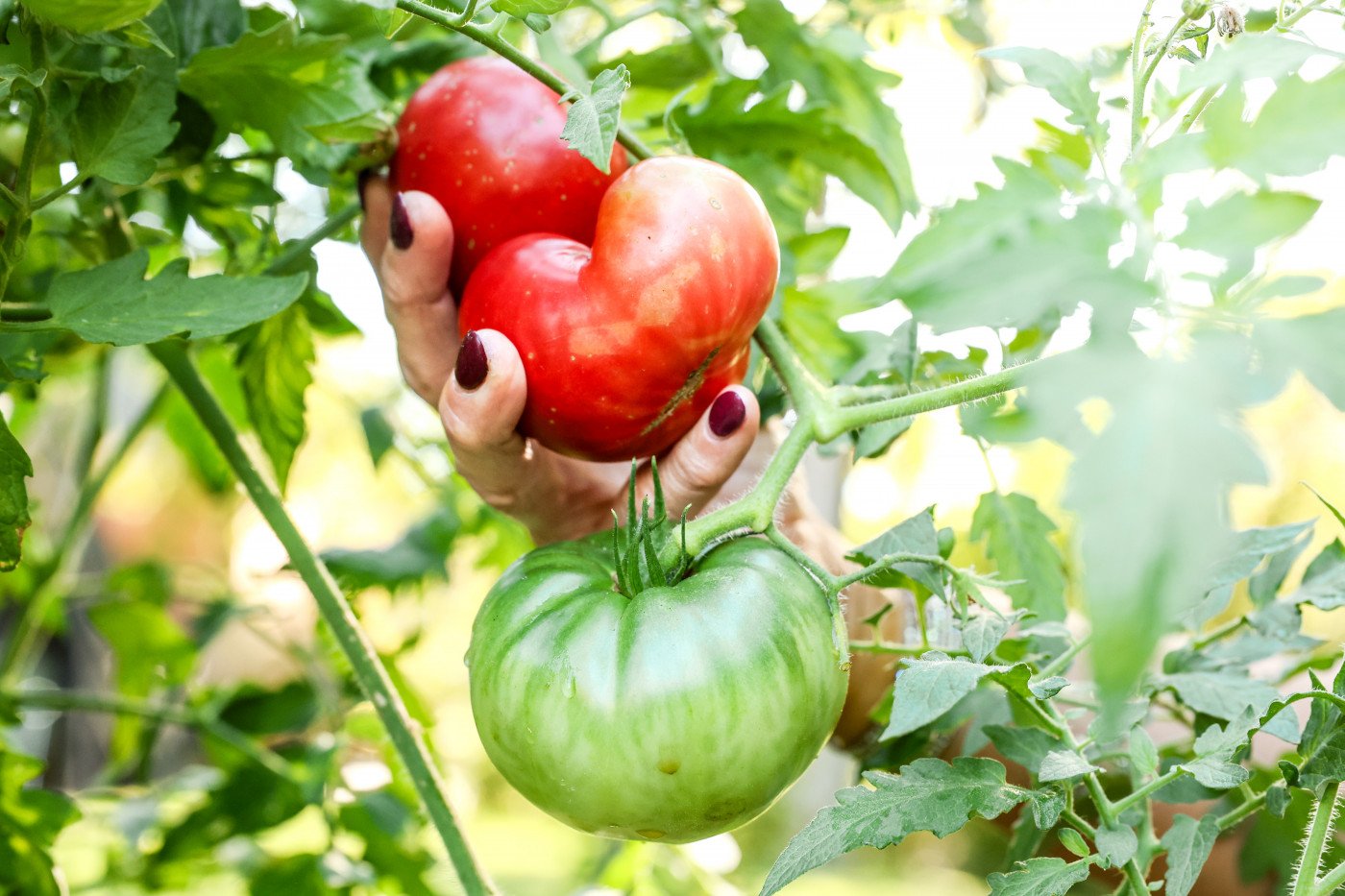
Choose tomato kinds that thrive in your local growing circumstances and environment. While hybrid types are frequently developed for higher yields and disease resistance, heirloom varieties may have particular needs. A major impact on fruit set can be achieved by researching and choosing the right variety.
Conclusion and Final Tips
To achieve a bountiful tomato harvest, you have to pay attention to the elements influencing flowering and fruiting. Gardeners can boost their prospects of reaping a bountiful harvest by knowing the causes of poor fruit set and putting the suggested remedies into practice. Frequent monitoring, prompt action, and careful varietal selection are crucial for overcoming challenges and maintaining a fruitful tomato garden.


