

Cultivating broccoli at home can be a satisfying activity, providing you with fresh, nutritious produce straight from your own garden. Broccoli flourishes as a cool-season crop with suitable conditions, and container gardening enables you to grow it even if space is limited. This guide will lead you through the process, ensuring that you can savor homegrown broccoli without needing a large garden. Whether you are an experienced gardener or just starting, growing broccoli in containers offers an accessible and rewarding project.
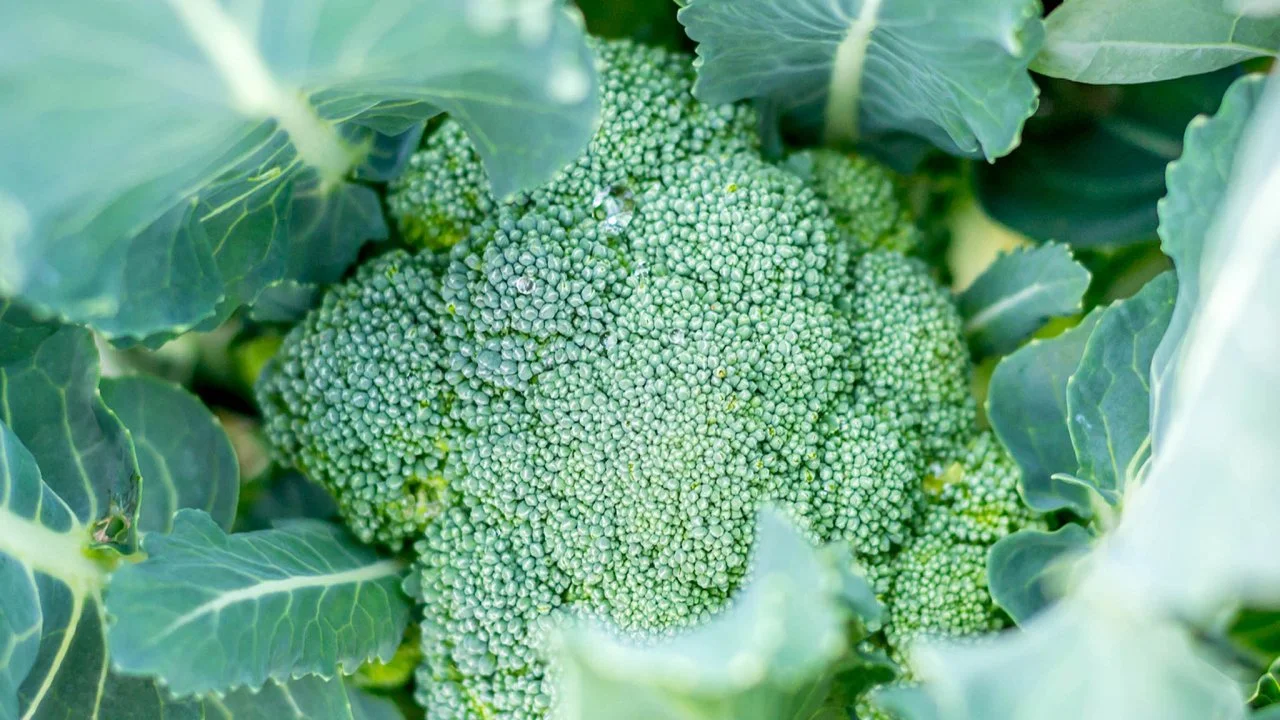
Benefits of Container Gardening for Broccoli
Container gardening provides several advantages, particularly for individuals with limited space or less-than-ideal soil. By cultivating broccoli in containers, you gain control over the soil’s quality, manage pests more effectively, and reposition the plants for optimal sunlight. Furthermore, containers enable an earlier start to the growing season by allowing you to move plants indoors during unexpected cold periods. What’s more, container gardening lowers risks associated with soil-borne diseases and simplifies water drainage management.
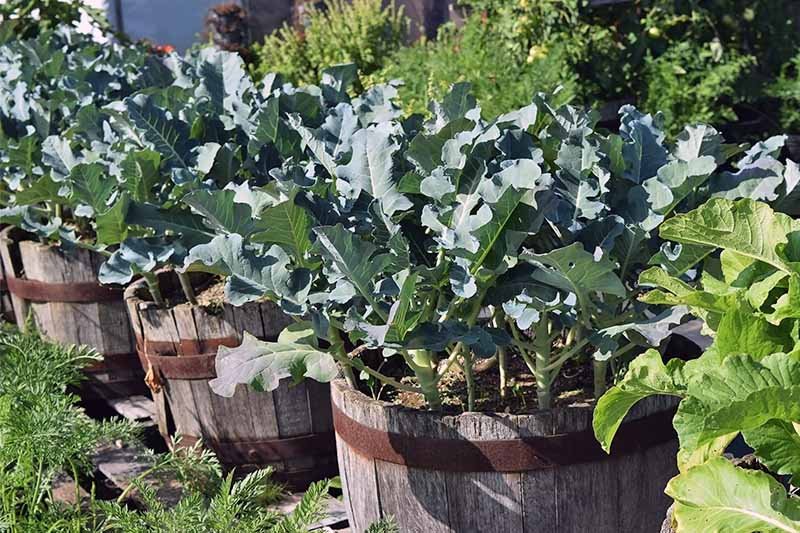
Choosing the Right Container for Broccoli
Selecting an appropriate container is vital for successful broccoli cultivation. Broccoli plants need a container that’s at least 12 inches in depth and 18 inches in width to properly house their root systems. Make sure the container has ample drainage holes to avoid water accumulation, which can cause root rot. You can use plastic, ceramic, or wood materials, but ensure the container is robust enough to support the plant as it matures.
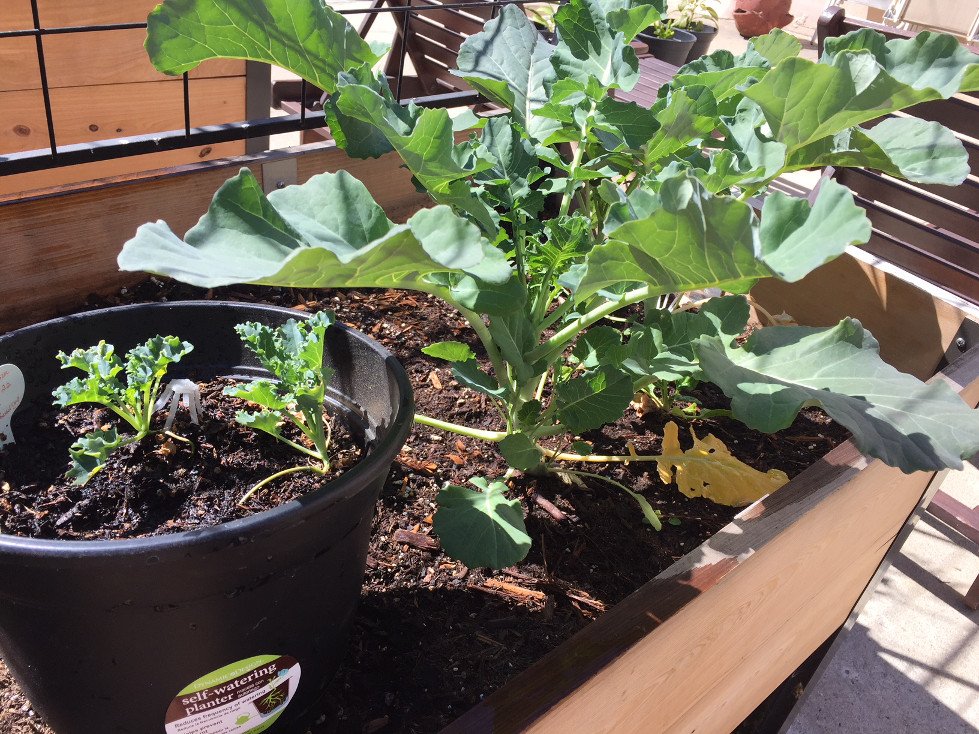
Selecting the Best Soil for Broccoli Growth
Broccoli grows best in soil that’s well-draining and rich in nutrients. A top-quality potting mix supplemented with organic matter, such as compost or well-rotted manure, is ideal. The soil’s pH should range from 6.0 to 7.0. Refrain from using regular garden soil, because it tends to be too dense and may contain harmful pests or even diseases. Incorporating perlite or vermiculite can enhance aeration and drainage, which are crucial for robust root development.
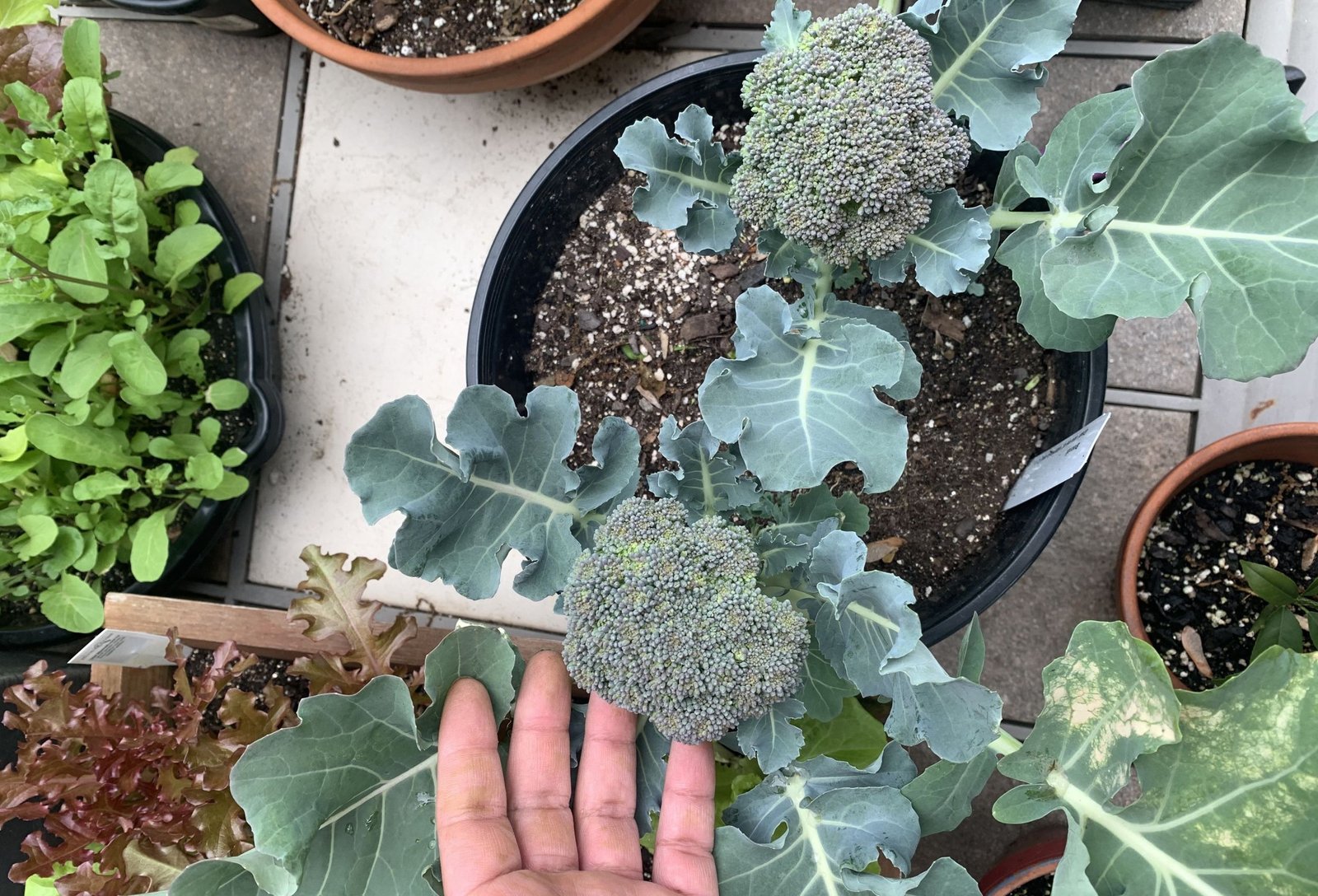
Understanding Broccoli Varieties Suitable for Containers
Not every type of broccoli is suitable for being grown in containers. Certain compact, or dwarf varieties, like ‘Calabrese’ or ‘Di Cicco,’ are preferable due to them requiring minimal space and being easier to manage within a container environment. These types yield smaller heads but produce abundantly and provide multiple harvests. Research various types to identify one fitting your environment and available container size.
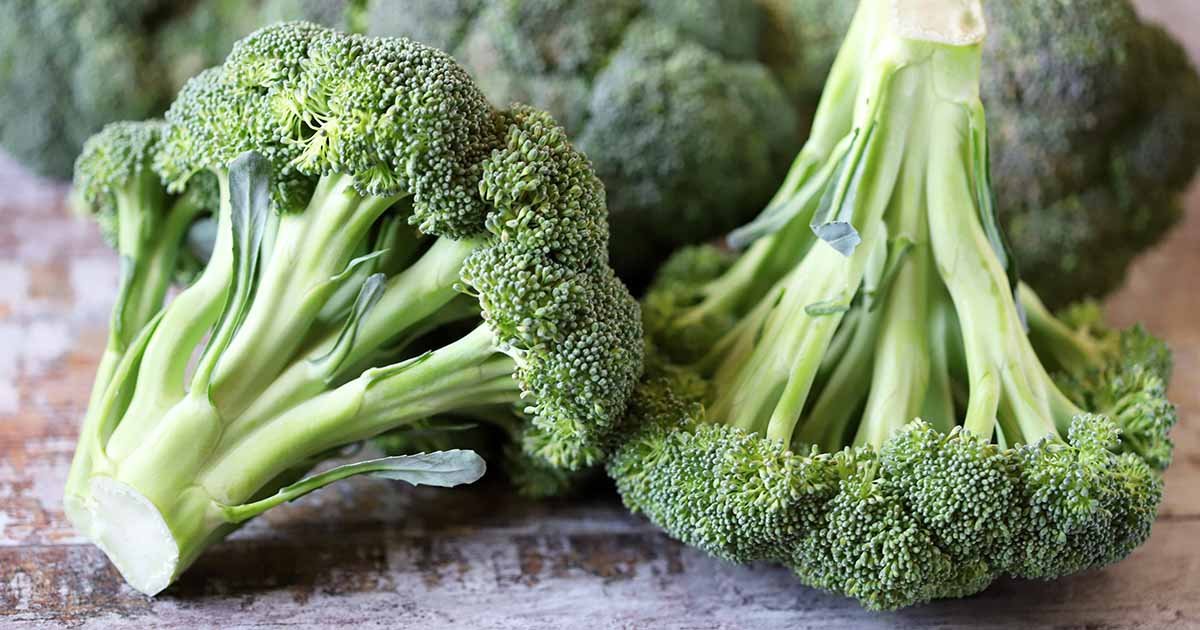
Step-by-Step Guide to Planting Broccoli in Containers
Follow these guidelines to successfully grow broccoli in containers and achieve a generous harvest.
Preparing the Container and Soil
Begin by choosing a container that has sufficient drainage holes. Fill it using a premium potting mix, leaving approximately one inch of space from the top. Blend in a slow-release fertilizer for delivering essential nutrients. Thoroughly saturate the soil with water before planting so that even moisture distribution is achieved.
Sowing Broccoli Seeds or Transplanting Seedlings
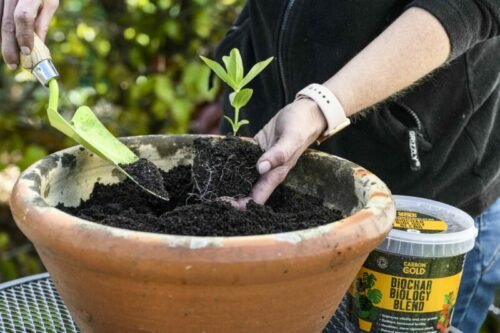
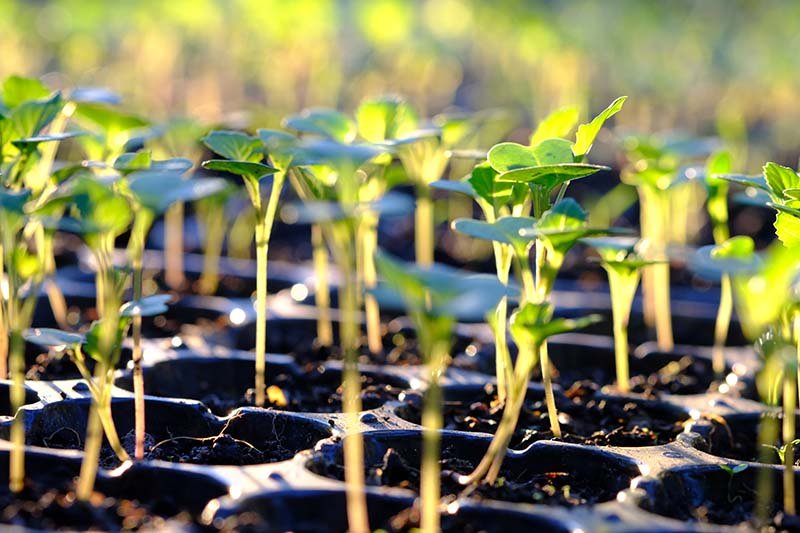
When starting from seeds, sow the seeds approximately 1/4 inch deep and about 3 inches apart. If using seedlings, plant these at the same depth they were in their original pots. Space the seedlings approximately 12 inches apart ensuring sufficient room exists for proper growth. Carefully pack soil around either the seeds or seedlings, and water lightly.
Providing Optimal Watering and Drainage
Broccoli needs consistent moisture levels, though the soil mustn’t remain water logged. Irrigate the plants once the topmost inch of the soil is dry. Ensure extra water drains freely from the container stopping root spoilage. Applying mulch atop the soil using straw or wood chips can assist retain moisture content while regulating soil temperature.
:strip_icc()/streambed-echinacea-delphinium-d421f96f-d571a8448e224ce2807cf50cfcff0c50.jpg)
Ensuring Adequate Sunlight and Temperature
Broccoli necessitates a minimum of six hours of sunlight daily. Position the container within an area that receives plentiful sunlight such as a southward-facing balcony, or patio. Broccoli thrives in cooler temperatures, ideally between 60°F and 70°F. During warmer periods, introduce shade or reposition the container to a cooler environment to combat bolting.
Fertilizing Broccoli for Healthy Growth
To promote growth, nourish broccoli plants utilizing balanced liquid fertilizer roughly ever three to four weeks. Choose a fertilizer that has equal levels of nitrogen, phosphorus, and potassium. Be careful not to over-fertilize, due to this resulting in excess foliage growth and little head development.
Managing Pests and Diseases in Container Broccoli
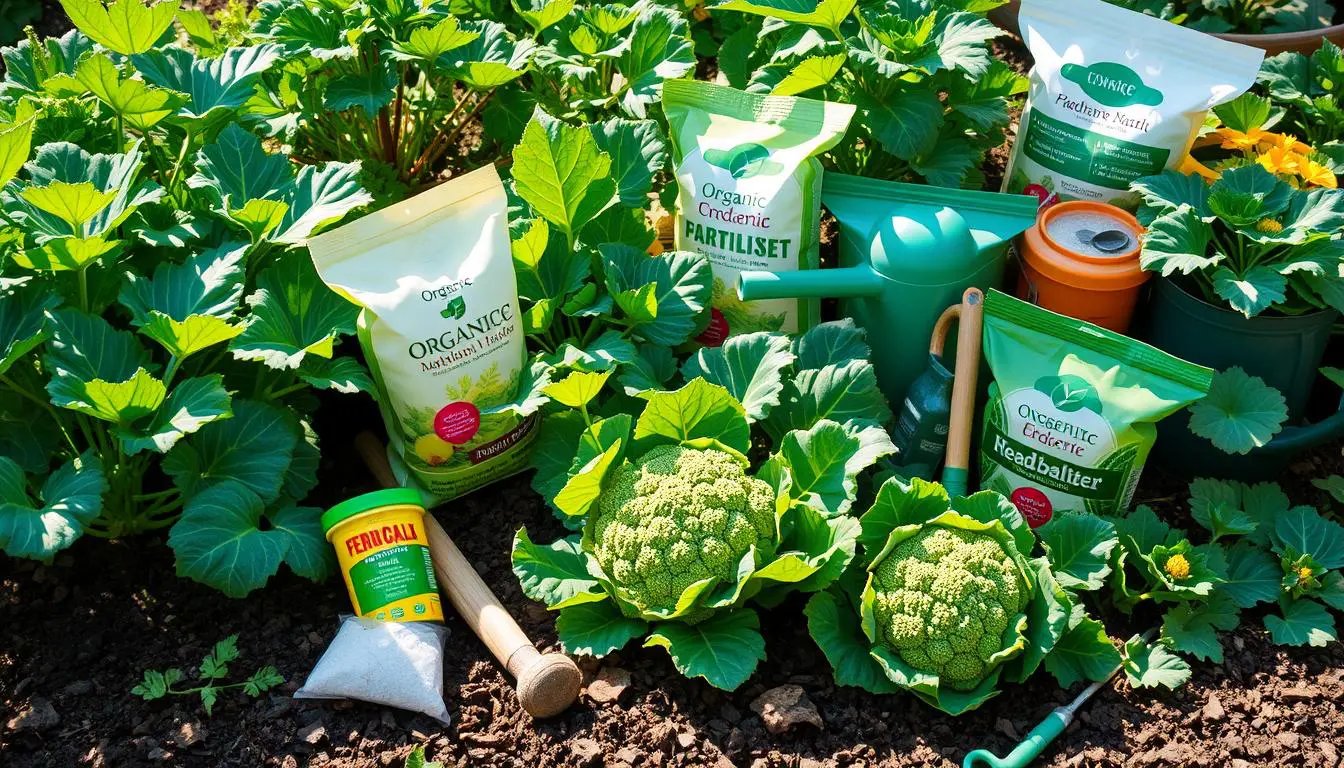
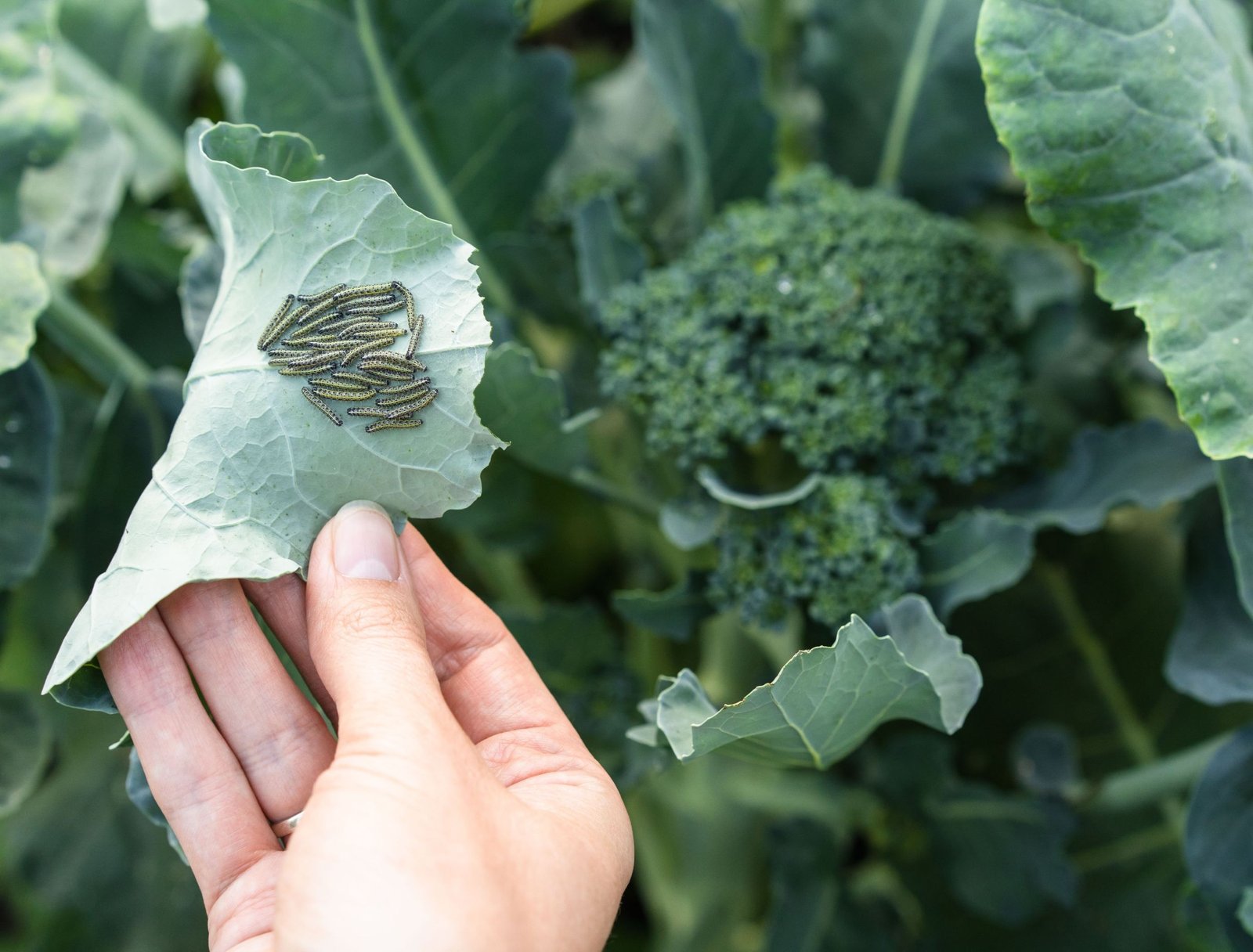
Common infestations are commonly inflicted by aphids, cabbage larvae, flea beetles. Employ insecticide soaps, or use neem oil, in order to manage infestations. Frequently check for indication of plant ailments, like yellowing foliage and suppressed growth. Discard diseased pages, while also encourage strong atmosphere flow in order to deter fungus infestations.
Pruning and Supporting Broccoli Plants
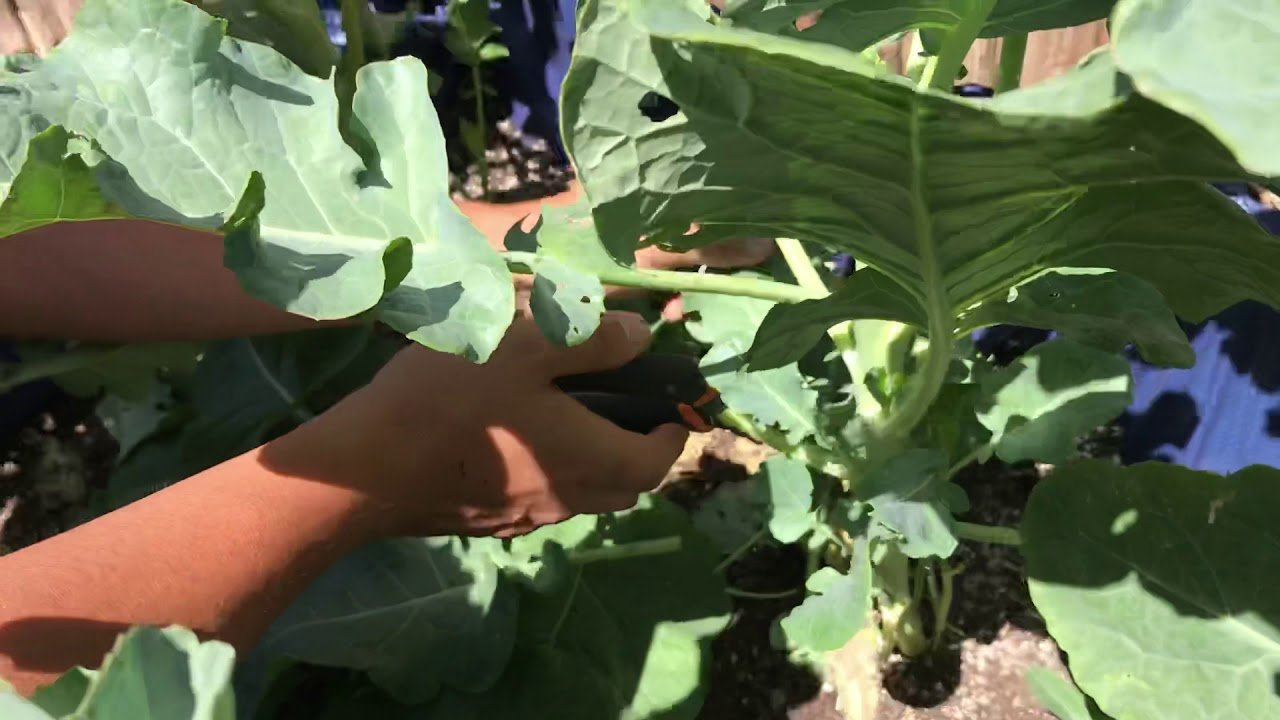
Remove any yellowing or deteriorating leaves to foster healthy growth. If the plants get too top-heavy, utilize stakes or cages to offer support and stop the tipping of the plants. Routine pruning will additionally help promote air circulation and decrease chances of diseases.
Harvesting Broccoli at the Right Time
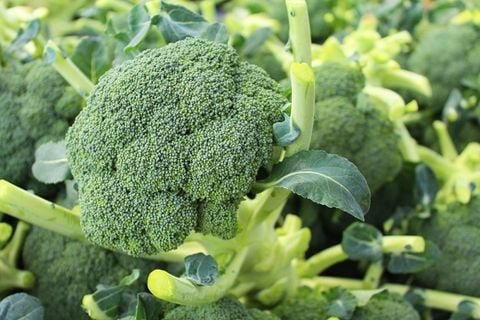
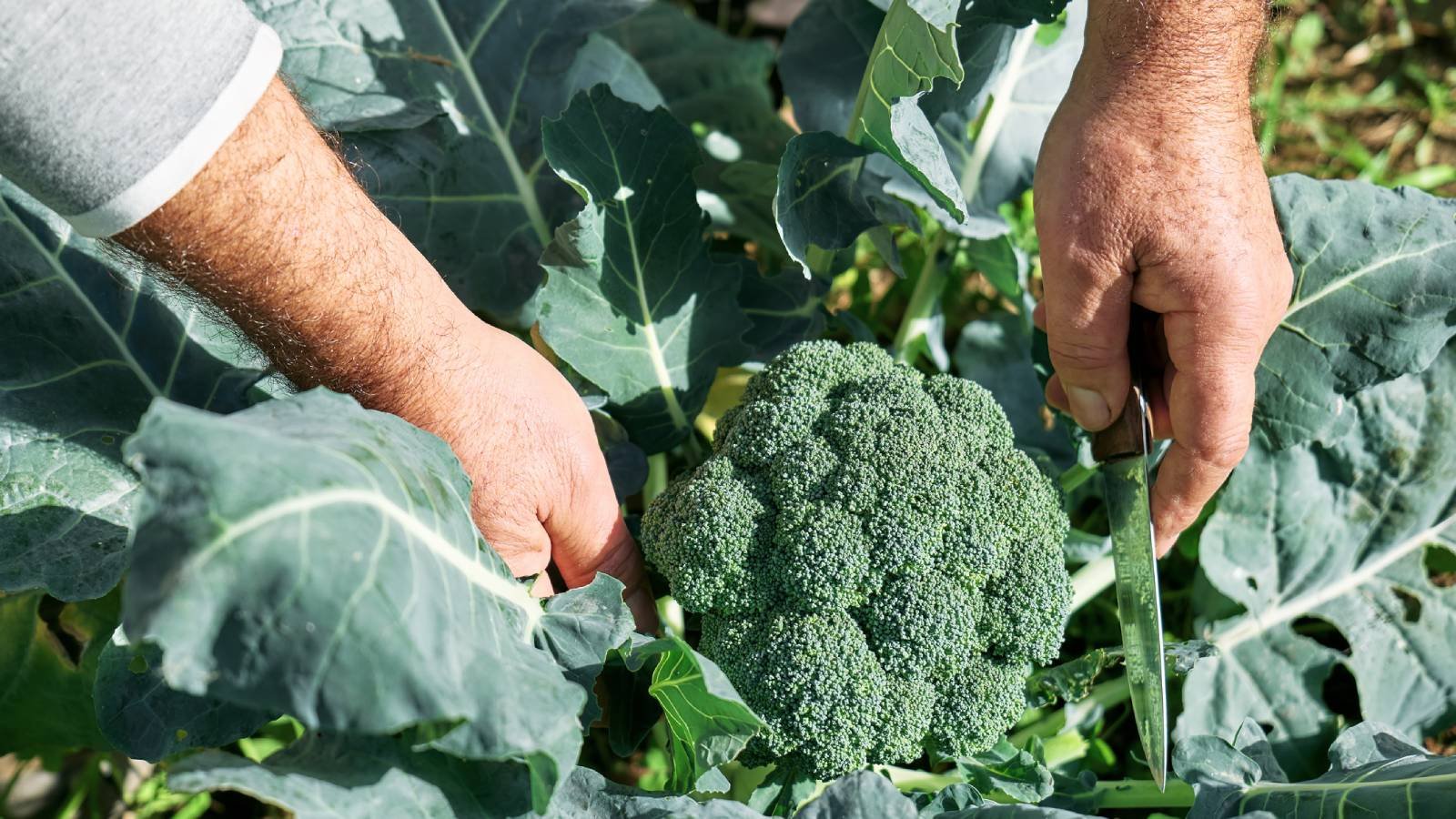
Harvest the broccoli when the heads are tight and firm, before flowers begin to sprout. Using a sanitized knife, sever the main head, while retaining a few inches of the stem. Soon after harvesting the main head, secondary shoots develop producing more harvests. Regular harvesting encourages additional growth.
Troubleshooting Common Broccoli Growing Issues
If your broccoli plants aren’t flourishing, take into account contributors like scant sun, inferior soil, or insufficient watering. Yellowed leaves can reflect that nutrients are incomplete or there is too much water. Bolting, that is, early blossoming, is evident when temperatures rise. When dealing with such challenges, adjust cultivation accordingly.
Conclusion: Enjoying Your Homegrown Broccoli
With attentive cultivation, you could relish freshly grown broccoli from your container garden. Growing your own vegetables is also a nutritional supplement and provides a feeling of completion and awareness regarding our nature. Follow the advice, and you’ll be well on road leading to a great broccoli gathering. `


