

Instead of discarding used coffee grounds, explore their potential in your garden, where they serve as a versatile resource to improve the health and productivity of your plants. Reusing coffee grounds not only minimizes waste but also significantly enriches your garden. This article will introduce ten innovative ways to integrate coffee grounds into your gardening practices, turning waste into value.
Understanding the Benefits of Coffee Grounds for Plants
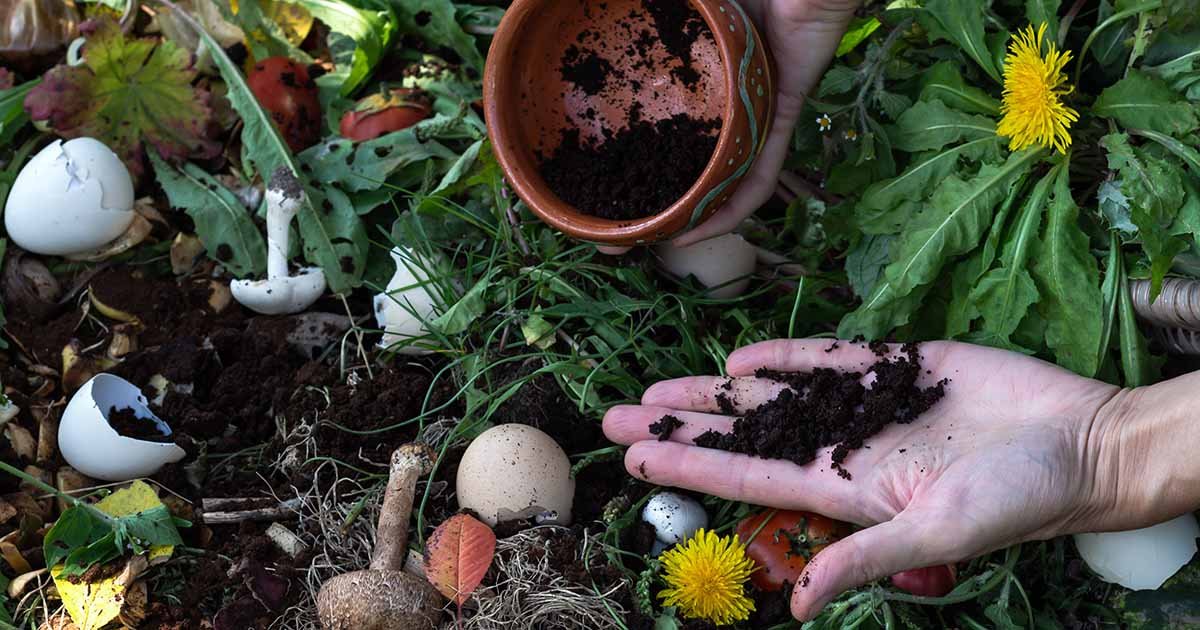
Coffee grounds boast a rich supply of nitrogen, a vital nutrient for plant development. They also feature other key minerals, like potassium, phosphorus, and magnesium, making them outstanding organic soil amendments. Furthermore, coffee grounds are known to enhance soil structure, improve drainage, and boost water retention. Their slight acidity benefits certain plants. Grasping these advantages enables gardeners to make effective use of coffee grounds to cultivate stronger, more vibrant plants.

Enhancing Soil Fertility with Coffee Grounds
You can significantly improve soil fertility by incorporating coffee grounds; their nitrogen content enriches the soil, promoting robust growth. Simply scatter coffee grounds around the plants’ base and gently incorporate them into the topsoil layer. This approach introduces nutrients and enhances soil texture, facilitating better root growth.

Using Coffee Grounds as a Natural Pest Repellent
Coffee grounds act as a natural deterrent to common garden pests such as slugs and snails. Their abrasive texture is uncomfortable for crawling, and the caffeine can be toxic. Protect your plants by creating a barrier of coffee grounds or by sprinkling them around vulnerable vegetation. This is an eco-friendly pest control that maintains a healthy garden without chemicals.
Improving Compost Quality with Coffee Grounds
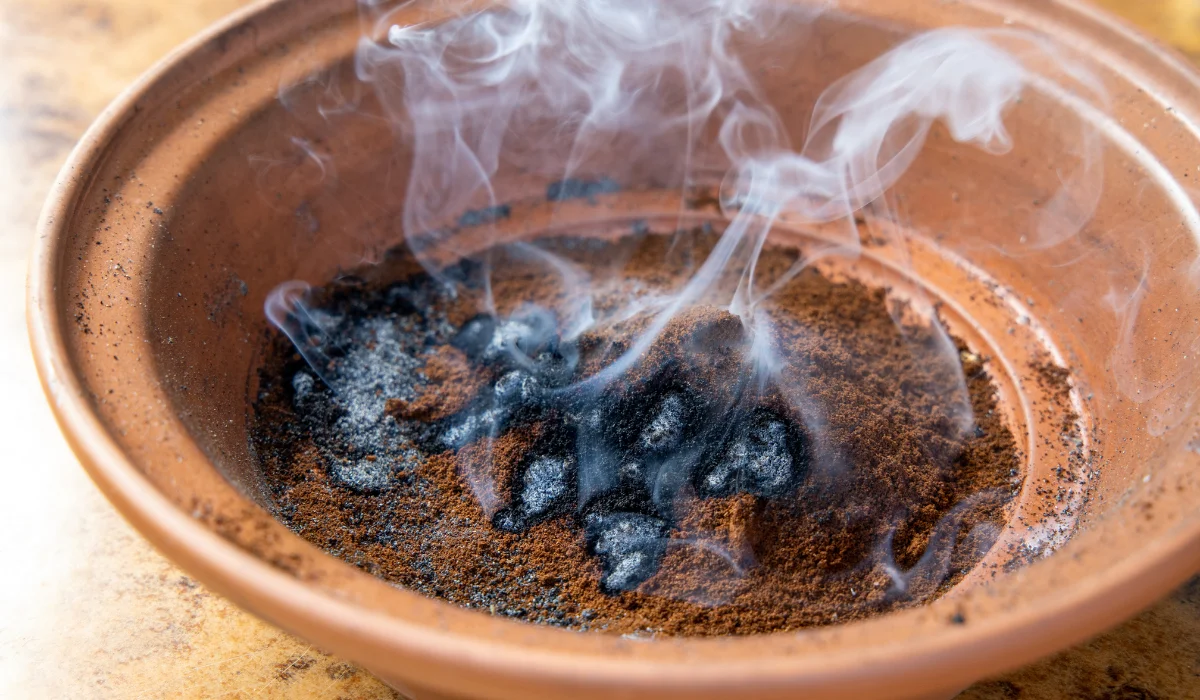
Adding coffee grounds to composting boosts the decomposition process and improves the quality of your compost. Being very rich in nitrogen makes them an excellent ‘green’ ingredient, that balances ‘brown’ matter – dried leaves and straw. The breakdown of coffee grounds releases nutrients strengthening the compost, generating a richer fertilizer.

Creating a Coffee Ground Mulch for Moisture Retention
Employ coffee grounds as effective mulch to retain soil moisture and regulate temperature. Apply a thin layer of coffee grounds over your plants’ bases, but avoid overly thick layers to prevent compaction. The mulch layer then reduces evaporation, keeps the soil moist for longer and reduces the need to frequently water it.

Acidifying Soil for Acid-Loving Plants
Certain plant types, like blueberries, azaleas, and rhododendrons, prosper in acidic soil. Using coffee grounds will decrease pH levels – and result in a soil that acid-loving plants will find suitable. To acidify soil, mix coffee grounds into soil around plants, or in compost that will be for relevant areas.

Boosting Carrot and Radish Growth with Coffee Grounds
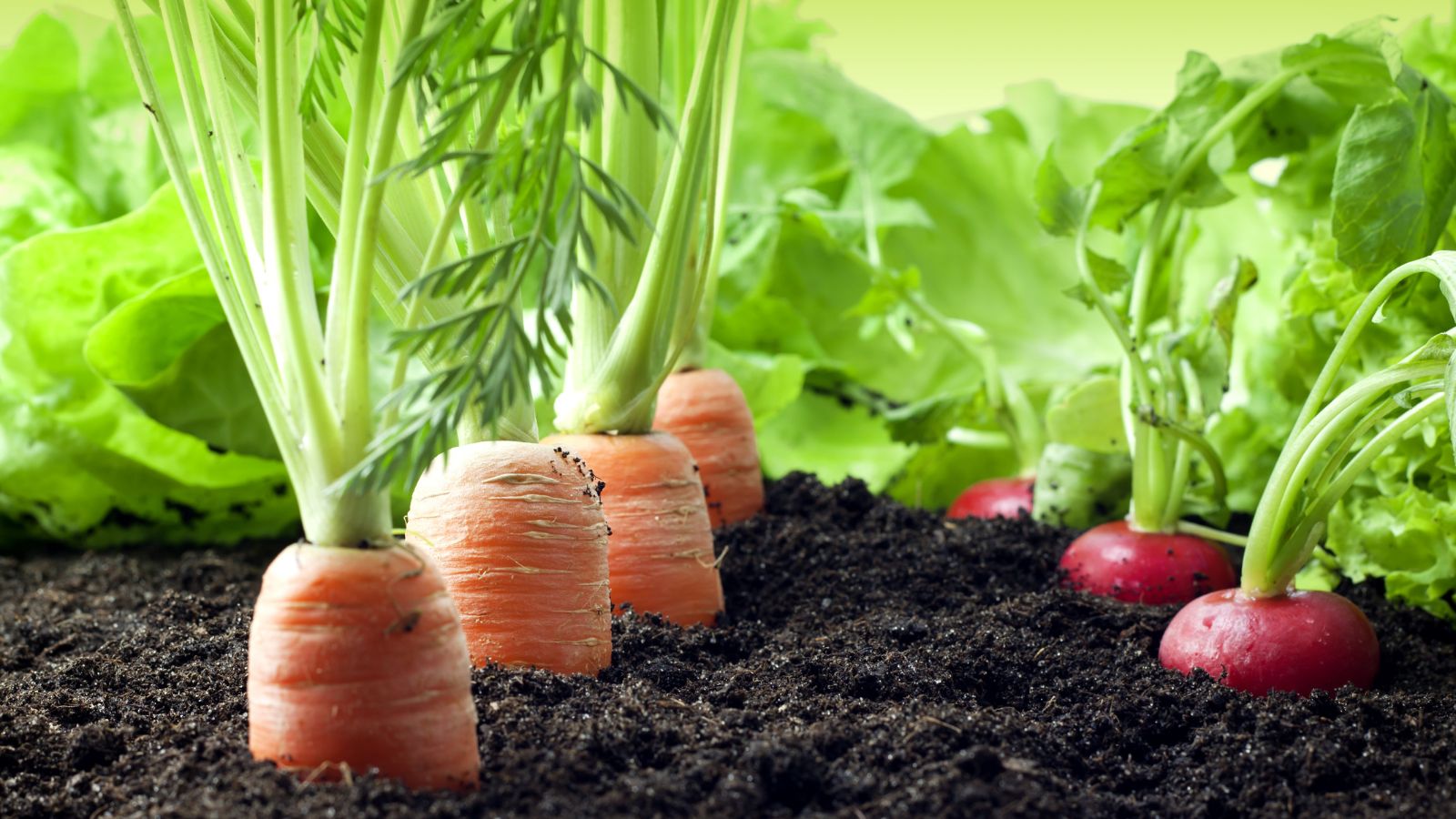
Carrots and radishes benefit from coffee grounds in the soil, which contributes to a looser structure—ideal for root crops. Mix coffee grounds into the earth where you plan to plant these veggies prior to planting. This can enhance root expansion, resulting in healthier, more robust crop production.
Attracting Earthworms to Your Garden
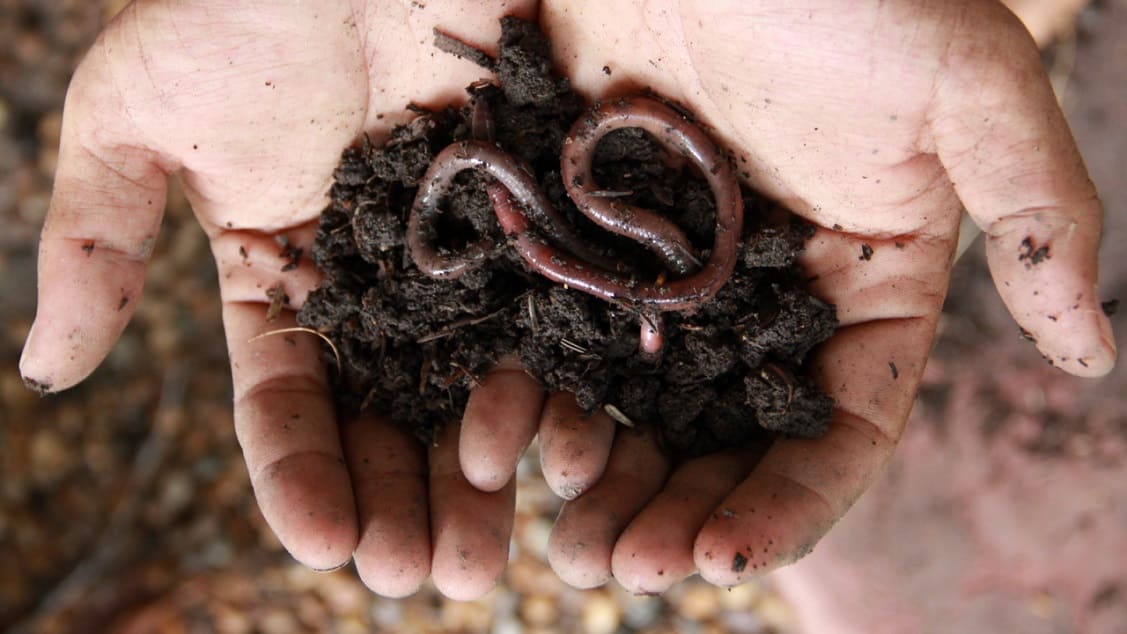
Earthworms ventilate soil and increase fertility. Coffee grounds attract them, drawing them in with nutrients and organic matter. Incorporating coffee grounds to soil creates an inviting environment, which boosts plant growth and enhances soil health.
Using Coffee Grounds to Suppress Fungal Diseases
The natural anti-fungal qualities in coffee grounds assist in suppressing fungal garden infections. Incorporate coffee grounds in soil or employing them as mulch will reduce fungal infections like damping off. This natural method of protecting your garden maintains a healthy ecosystem.

Making a Liquid Fertilizer from Coffee Grounds
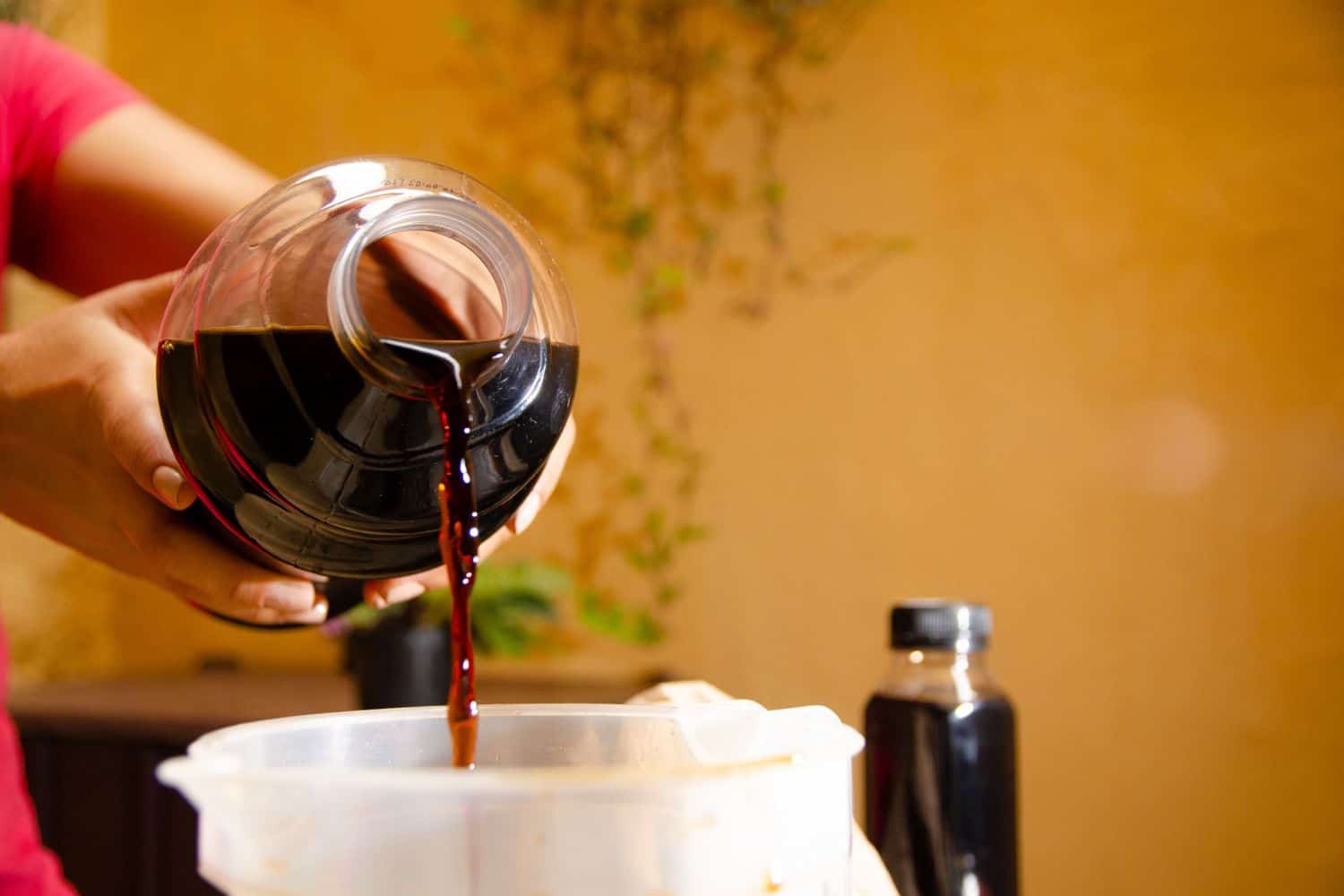
Turn used coffee grounds into a rich liquid fertilizer for your plants by soaking them in water for a few days before straining the liquid into a watering can. This “coffee ground tea” gently nourishes plants. The method is especially useful for container and seedling plants.
Repurposing Coffee Grounds for Seed Starting
As a component in seed starting mixes, coffee grounds are a good choice. The fine consistency and nutrient content complement seed growth. Combine coffee grounds with peat moss or vermiculite to compose a balanced medium that benefits seed germination and early-stage development.
Conclusion: Maximizing the Benefits of Coffee Grounds in Gardening
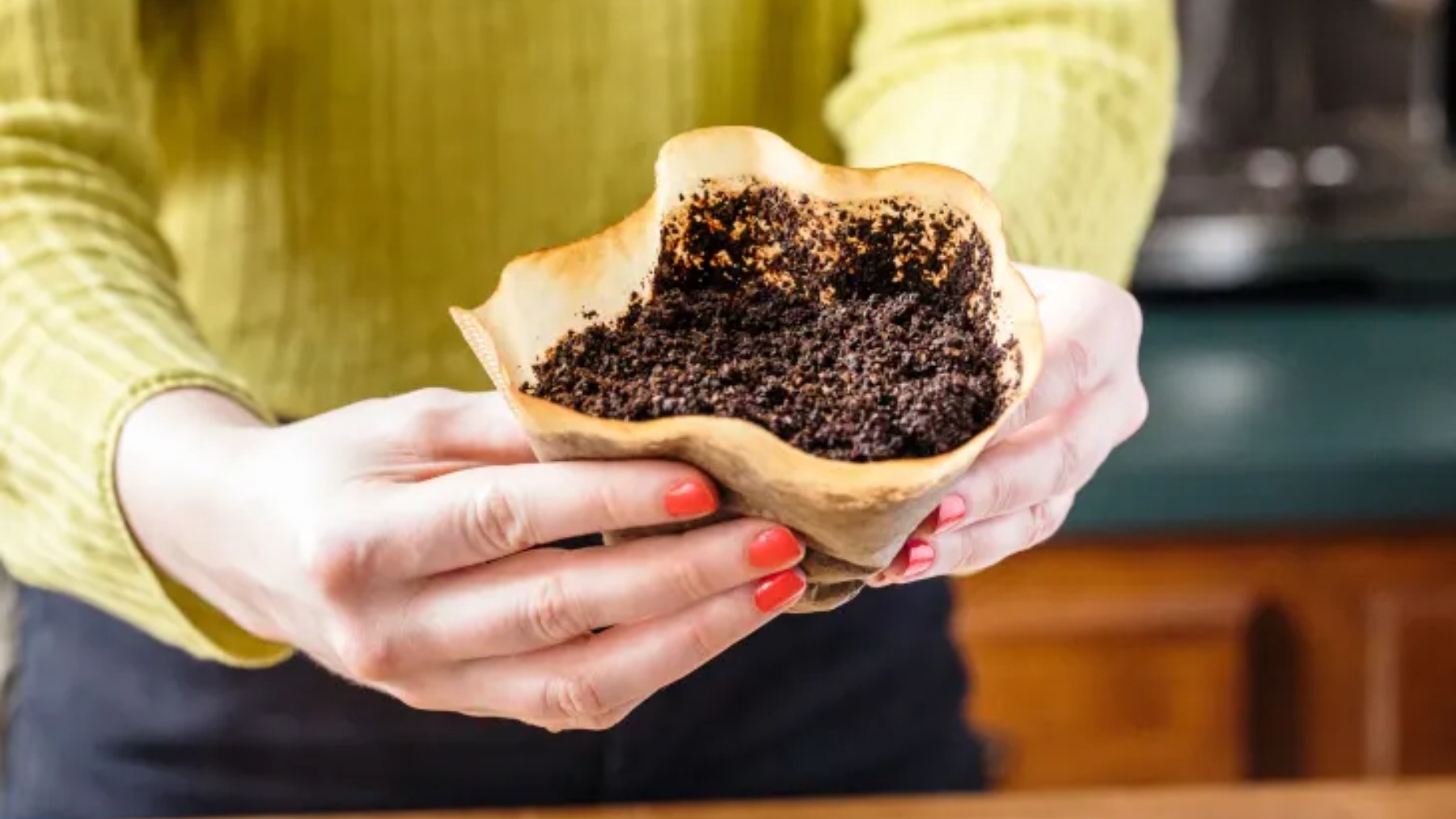
Using coffee grounds in the garden proves a simple yet effective treatment to boost plant wellness, enrich the soil, and minimize waste. Employ the methods identified in this article, transforming spent coffee grounds into garden wealth. Whether looking to fertilize, deter pests, or develop plant life, coffee grounds come as a sustainable response benefitting your garden and the environment. Adopt these strategies and appreciate the fruits of a booming, environmentally aware backyard.


