

Gardening blends the skills of an artist with the precision of a scientist; it demands a fine balance of knowledge, creativity, and patience. Many gardeners often depend on commercially produced fertilizers and pesticides; however, there exist numerous natural, alternative methods that can boost plant growth and overall health. These “hacks” offer potential cost savings along with a move toward sustainable garden practices.
In this article, we will explore ten garden hacks that are often unknown. These tips, ranging from using common household items such as vinegar and baking soda, to using less mainstream approaches involving milk and aspirin, will give you the tools to cultivate a vibrant garden filled with rich foliage and flowers.
The Magic of Baking Soda for Blooms
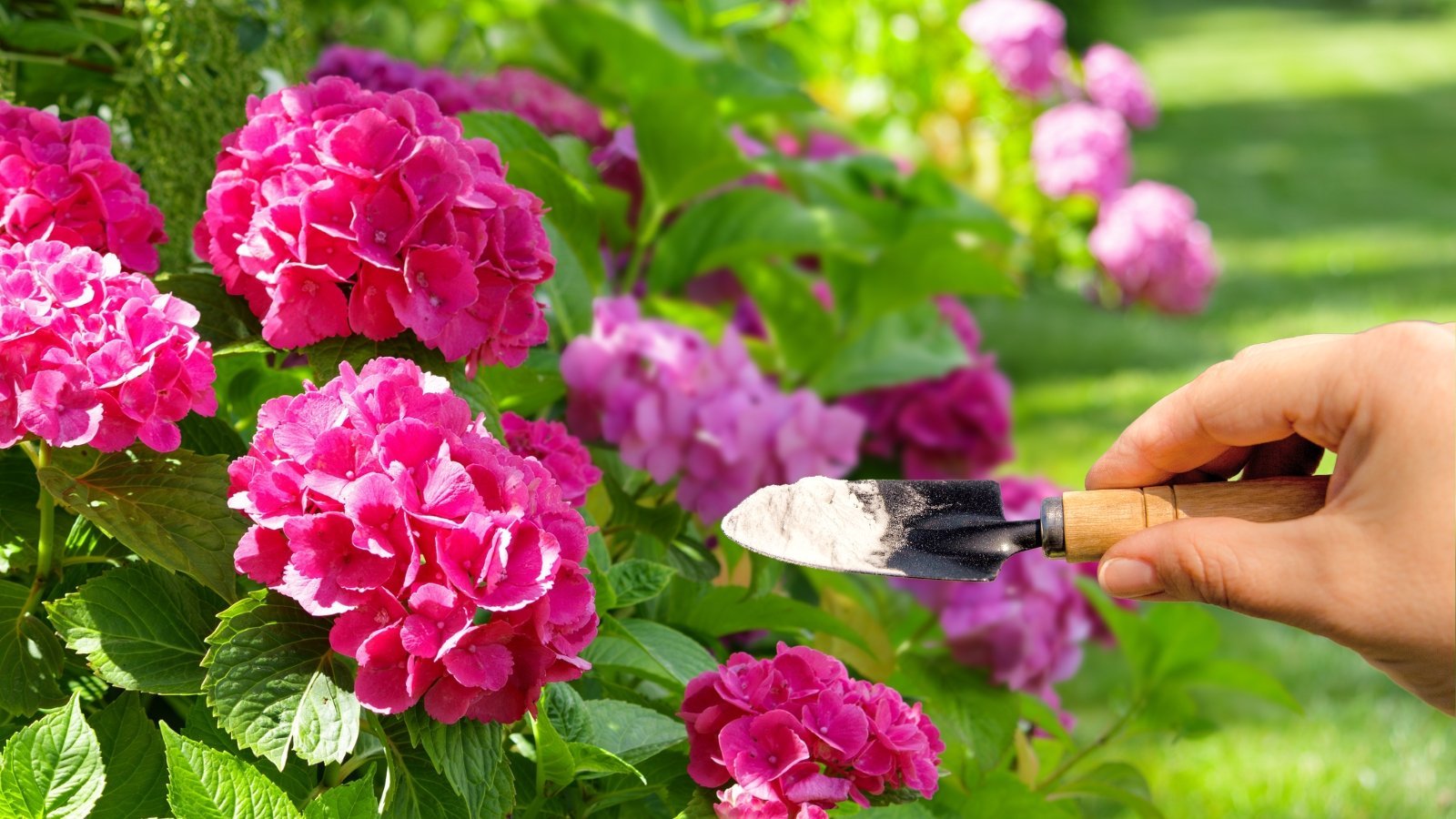
Baking soda, chemically known as sodium bicarbonate, is a common household item that can also remarkably improve your garden. It assists in raising soil pH, reducing acidity, which many flowering plants such as hydrangeas, geraniums, and begonias thrive in. To use baking soda on your plants, dissolve one tablespoon in a gallon of water and apply the solution to the soil around your plants each month. Using this solution may result in more plentiful blooms and help maintain plant health.
In addition, baking soda has antifungal properties. You can create a spray to combat fungal issues such as black spot found on roses and powdery mildew: mix one teaspoon of baking soda, a quart of water, and a few drops of dish soap together.

Epsom Salt for Greener Leaves
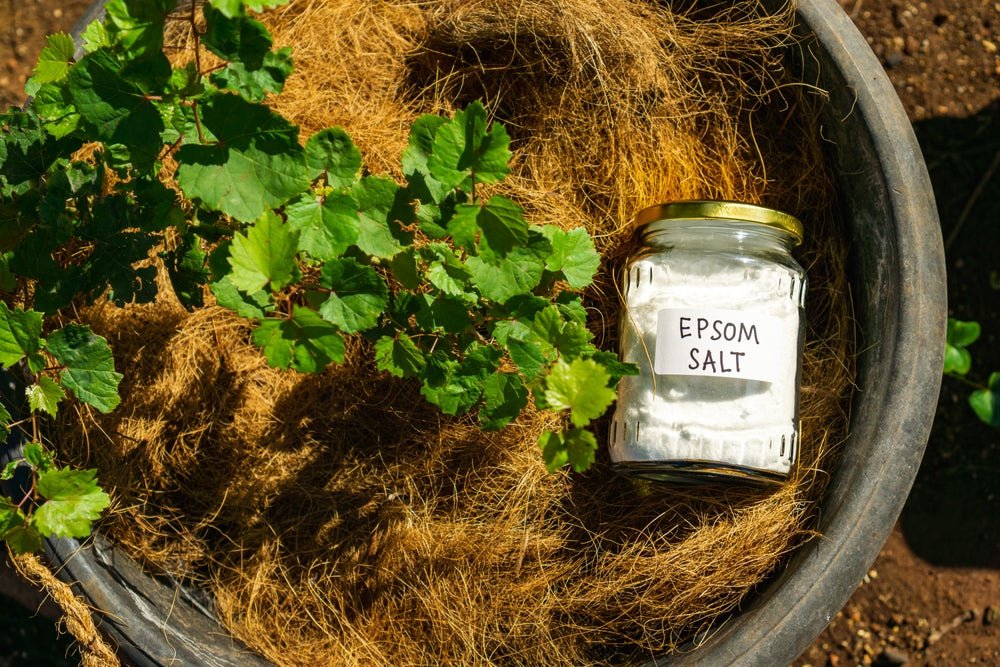
Epsom salt, or magnesium sulfate, is a well-known solution to help create greener leaves and healthier plants in general. Magnesium plays a critical role as a component of chlorophyll. Chlorophyll is responsible for giving plants their green pigment and is essential component for photosynthesis. Adding Epsom salt to your gardening routine can be as simple as dissolving two tablespoons into one gallon of water. Next, every other week, spray the solution onto the foliage of your plants. This helps resolve magnesium deficiencies and enhances overall plant vigor.
To encourage prolific growth and fruit yield for tomato and pepper plants (which are especially vulnerable to magnesium deficiency), apply one tablespoon of Epsom salt around the base of each plant monthly.
Coffee Grounds to Enrich the Soil
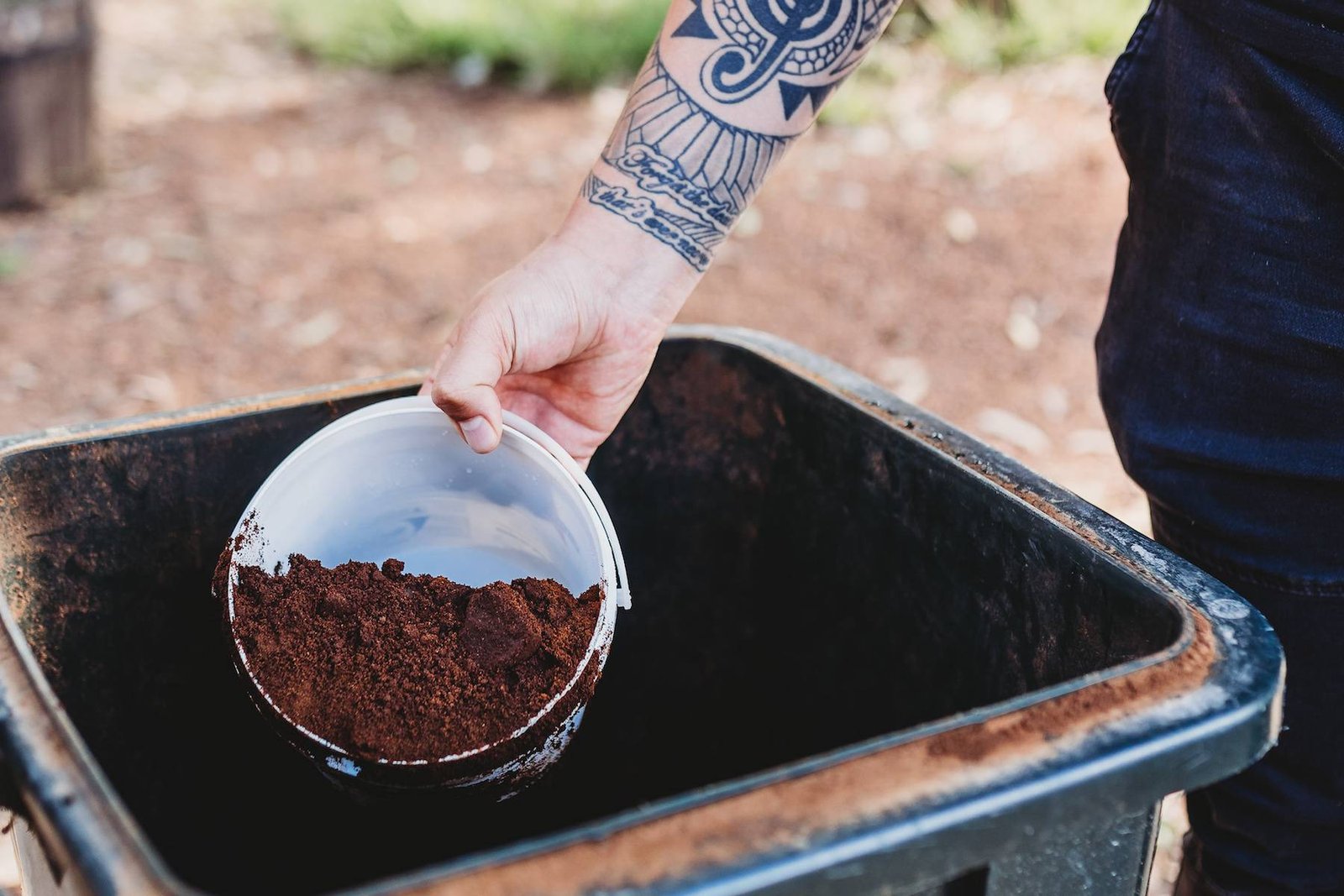
Used coffee grounds can be a superb amendment to your garden’s soil since they contain high amounts of nitrogen, a necessary element for plant development. Additionally, they improve soil structure while assisting with proper drainage. Using coffee grounds is easy; simply spread them around the plants or integrate them into your compost. Make sure to apply them in moderation, because excessive amounts can acidify the soil too much.
Furthermore, you can utilize coffee grounds as a deterrent for pests such as slugs and snails. Protect vulnerable plants by forming a barrier of thin coffee grounds around them. The texture and caffeine will assist in keeping pests at bay.
Eggshells as Natural Fertilizers
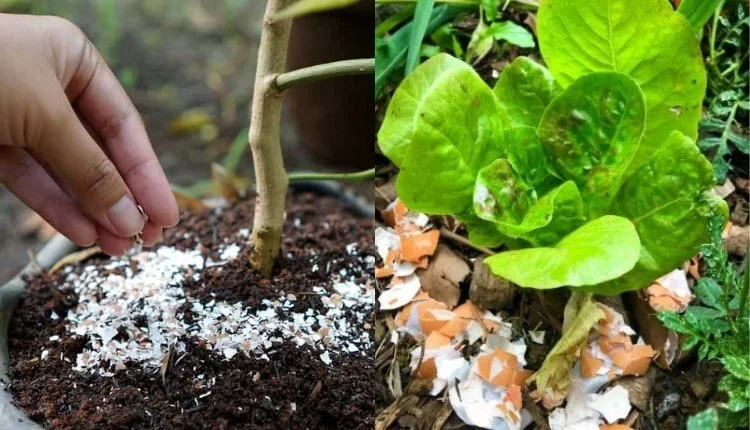
Eggshells are a great calcium source, a nutrient vital for promoting cell growth and strength in plants. To incorporate eggshells into you garden, make sure to thoroughly rinse them, and then crush them into small pieces. You can then sprinkle the crushed shells around the base of your plants or mix into the soil. This naturally introduces calcium into the soil, and it can also help improve overall soil aeration.
Crushed eggshells can also act as a natural pest deterrent. The sharp edges of the shells make a effective and simple deterrent for slugs and snails.
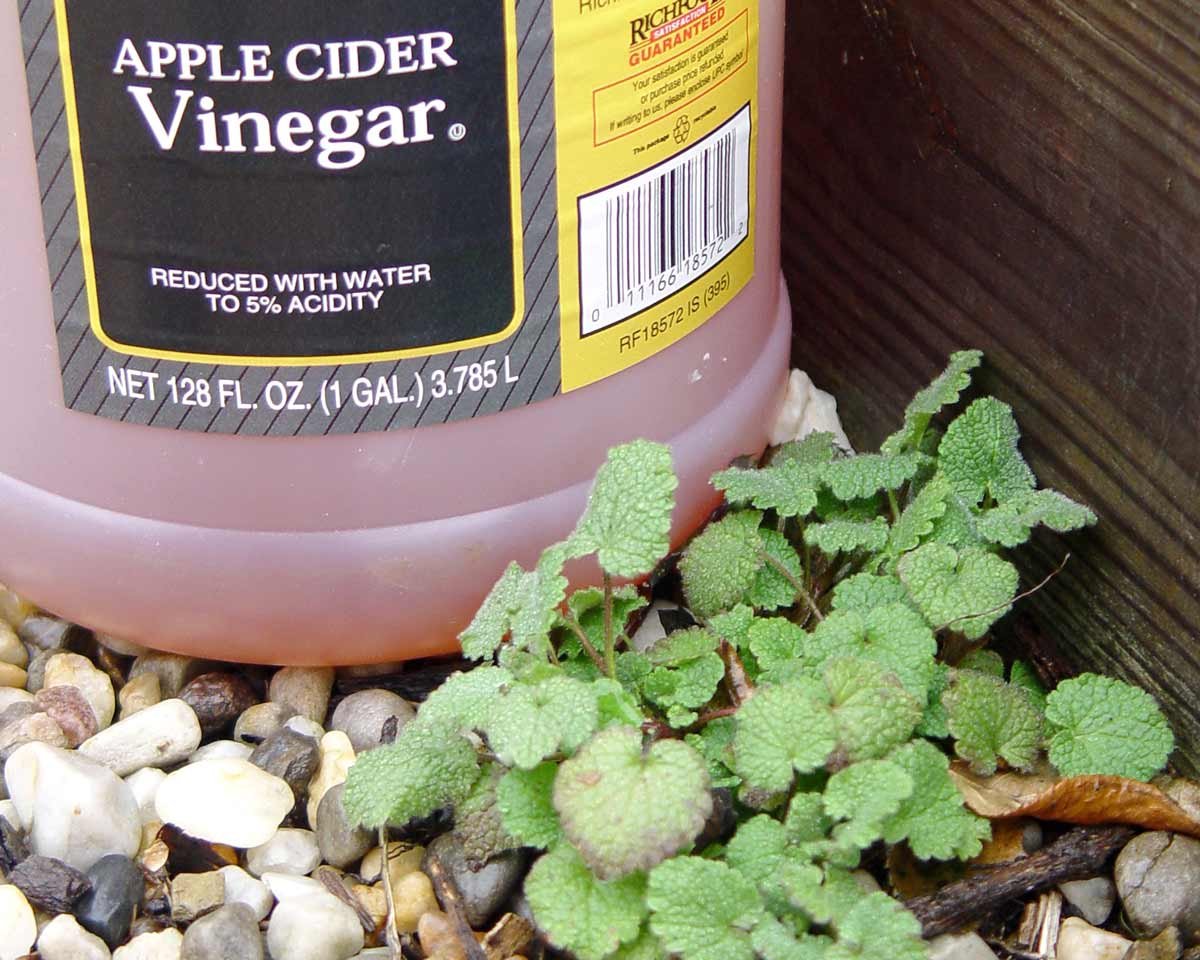
Vinegar for Weed Control
Thanks to its acetic acid composition, vinegar is an effective, natural weed killer. If you want to utilize vinegar for weed control, fill a spray bottle with regular household white vinegar and apply directly to any weeds. Exercise caution by preventing the spray from getting on plants that you want to keep alive, since vinegar is harmful to all plants.
You can make an extra strength solution to deal with tougher weeds by combining one cup of salt, one tablespoon of dish soap, and one gallon of vinegar. Spraying this onto weeds can help eliminate even the most resilient weeds.
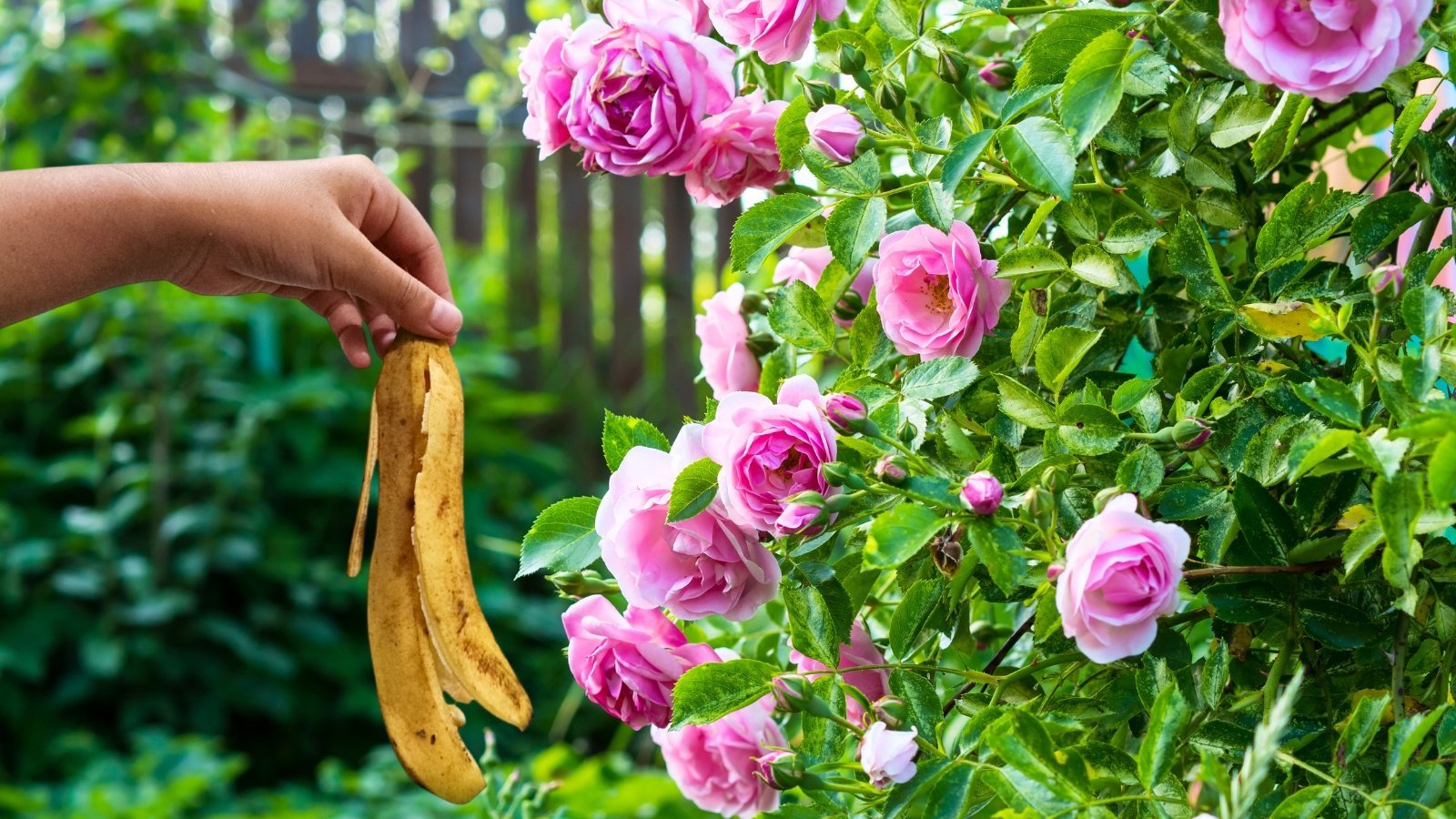
Banana Peels for Rose Fertilization
Banana peels pack a punch of potassium, a necessary nutrient for plants like roses that flower. Potassium strengthens the cell walls, boosts disease resistance, and encourages vibrant blooms. If you want to use banana peels as rose fertilizer, chop them up into small pieces and bury the pieces close to the base of your rose bushes.
You can also make a banana peel tea by soaking the peels in water for several days. Adding water to your roses with this this nutrient filled banana peel tea can provide a boost of potassium and other beneficial ingredients.
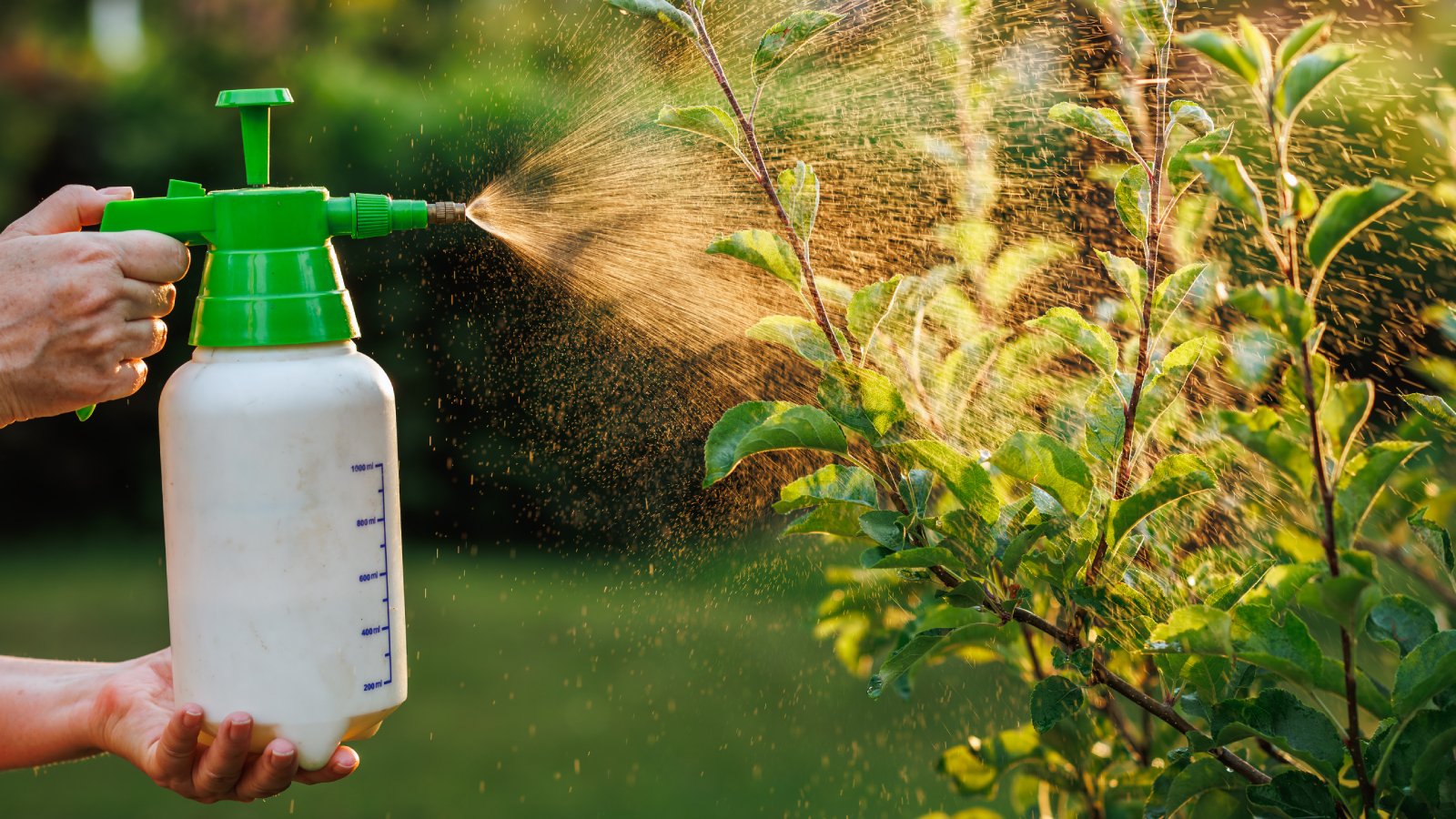
Dish Soap as a Natural Insecticide
For managing soft-bodied insects such as spider mites, whiteflies, and aphids, use dish soap as a gentle, effective insecticide. Create a soap spray by mixing one tablespoon of mild dish soap into a quart of water and spraying the plants directly. The soap acts by breaking down the insects’ exterior, thus drying them out and killing them.
Before proceeding with a full application, it is important to test the solution on a small region of the plant to avoid causing harm. Make sure to avoid dish soaps containing degreasers or bleach, as these might harm your plant.
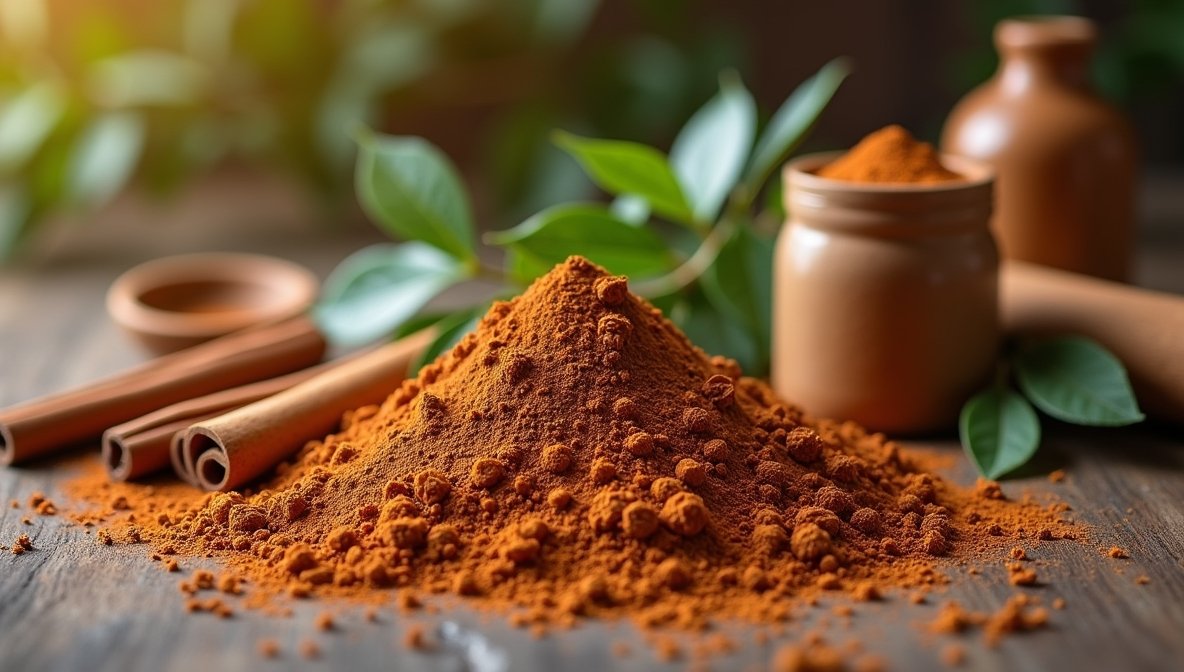
Cinnamon to Prevent Fungal Diseases
Cinnamon can be employed as an antifungal with natural properties. It assists in preventing and treating several forms of fungal based plant illness. Sprinkle cinnamon around the soil surrounding plants, or apply directly to impacted areas. Doing so helps deter damping-off disease from hurting seedlings and lessens the likelihood of spread of fungal infections.
Also, cinnamon is able to keep ants away. Create a line of cinnamon around your garden beds to deter ants from entering.
Aspirin for Plant Immunity
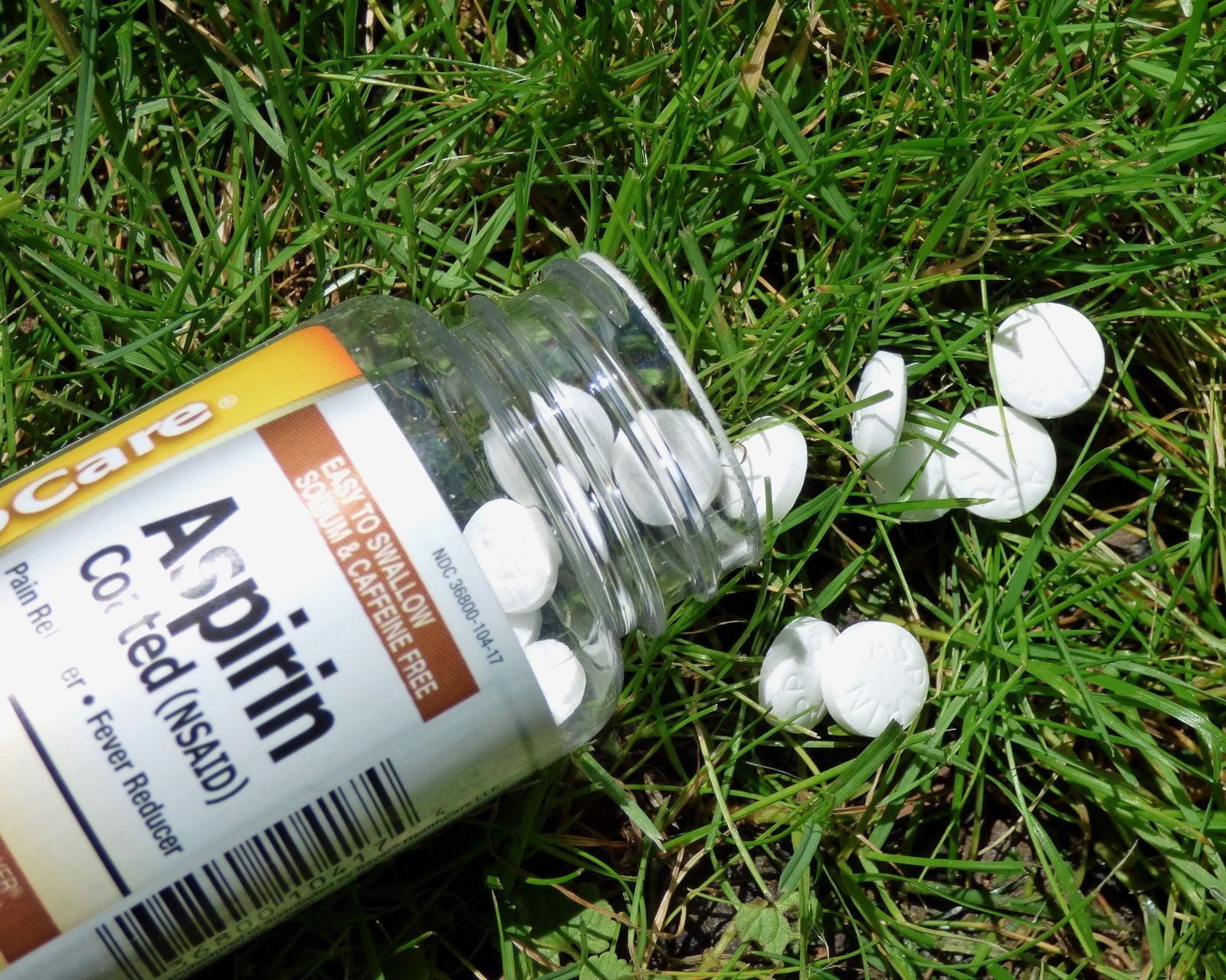
Aspirin, known chemically as acetylsalicylic acid, can boost plant immunity by triggering response mechanisms similar to the human body. You can use aspirin in your gardening by dissolving a single tablet into a gallon of water. Next, spray the solution on your plants once every three weeks. Doing so will improve their resistance to illnesses and lower the amount of stress.
Research indicates that crops like peppers and tomatoes show increasing yields and improvement plant growth when using aspirin. However, because of the adverse effects, you must use sparingly.
Milk as a Natural Fungicide
Milk acts as a natural fungicide for controlling powdery mildew and other fungal diseases. You can make a spray with one part milk and two parts water to apply to plants affected every 10-14 days. The proteins inside the milk behave as an antiseptic to prevent fungal spores and their development from spreading any further.
This approach proves very effective for cucumbers, squash, and plants susceptible to powdery mildew. It serves as a safe, eco-friendly substitution for chemical fungicides.
/how-to-use-milk-to-control-mildew-1402739-14-dd1354720db94ee3926e0a8316c47895.jpg)
Hydrogen Peroxide for Root Health
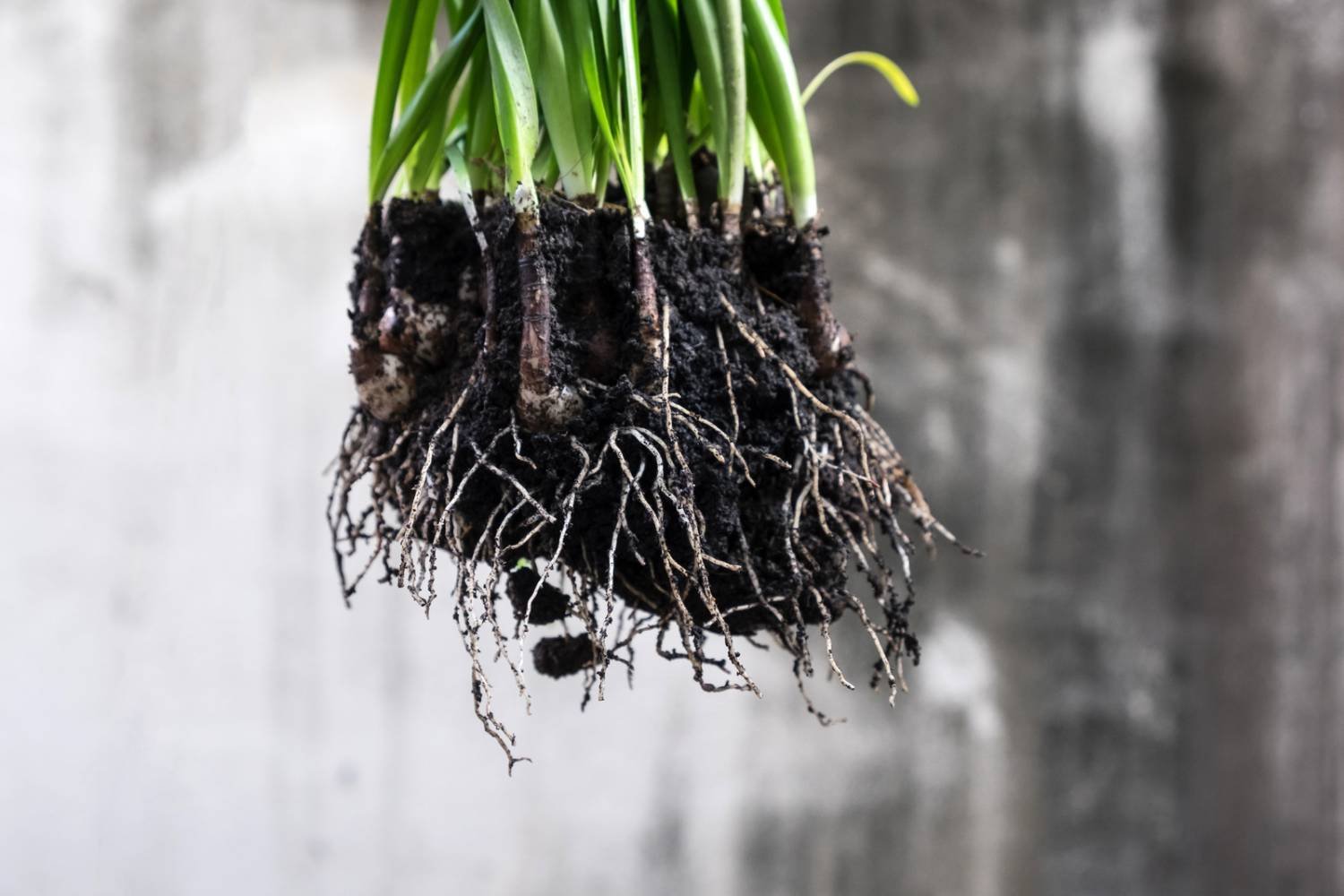
Hydrogen peroxide works as a strong oxidizer that helps to boost the root systems by increasing content amount of oxygen in the soil. When utilizing this in your gardening, mix one portion of 3% hydrogen peroxide into two portions of water, using the final solution on your plant once per week. Regularly watering like this helps prevent the chances of root rot and can assist with healthy overall root growth.
Prior to planting, disinfect your seeds by soaking them for thirty minutes inside a solution containing one proportion of hydrogen peroxide to every ten portions of water. This may lessen some risks for fungal illnesses while at the same increasing probability rates. `
Conclusion
Incorporating natural ingredients into your gardening routine can enhance plant health and productivity while minimizing reliance on chemical treatments. Utilizing items like coffee grounds, eggshells, and banana peels can provide essential nutrients and act as pest deterrents, fostering a sustainable gardening environment. Similarly, remedies such as vinegar, cinnamon, and milk not only address weeds, fungal infections, and pests but also support overall plant vitality. Solutions like hydrogen peroxide and aspirin further promote root health and immunity, contributing to healthier, more resilient plants. Embracing these eco-friendly methods creates a thriving garden naturally, aligning with environmental sustainability and responsible gardening practices.


