

Have you ever noticed tiny splashes of orange and black amongst your garden’s foliage? Those spots are most likely ladybugs, which are also known as ladybirds or lady beetles.
I recall one summer when aphids heavily infested my roses; ladybugs appeared seemingly out of thin air, consuming the pests and saving my flowers.
My experience with ladybugs has taught me that they are a true gift, from managing pests to sometimes snacking on plant leaves.
Identifying Ladybugs
Overview of Ladybugs
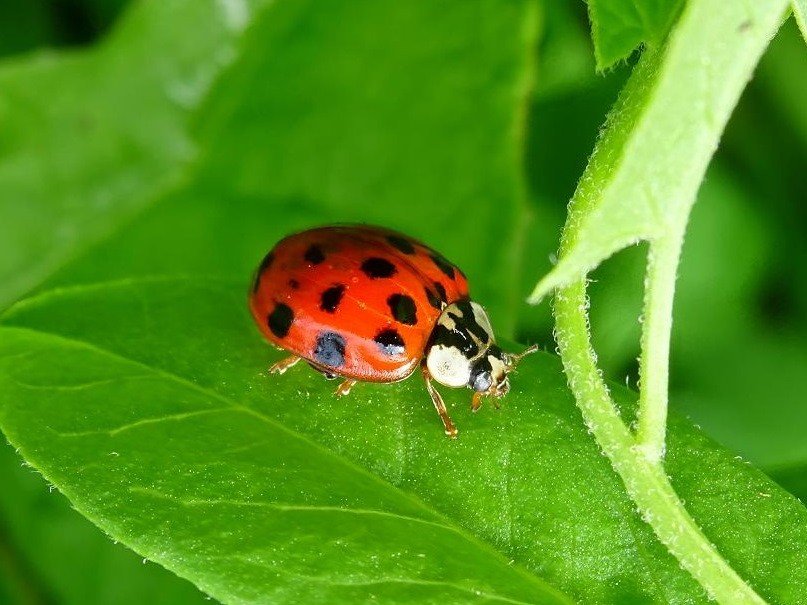
Ladybugs are classified in the Eukarya domain, Coleoptera order, and Coccinellidae family. Generally small in size, ladybugs range from 1 to 10 millimeters and possess characteristic dome-shaped bodies.
Easily recognizable due to their bright red or orange shells featuring black spots, ladybugs also have six short legs and a pair of antennae used to perceive their surroundings.
I remember seeing a ladybug up close for the first time on a warm summer day as my garden was blooming. The ladybug’s tiny, shiny body shone brightly in the sunlight, with its vibrant colors being in contrast with the green leaves.
I watched in amazement as its delicate legs moved across a leaf with agility, touching every inch with curiosity. The intricate pattern of its spots was like an art and it surprised me.
Three Common Types of Ladybugs
Good Ladybugs
The seven-spotted ladybug and convergent ladybug fall into the good ladybug category.
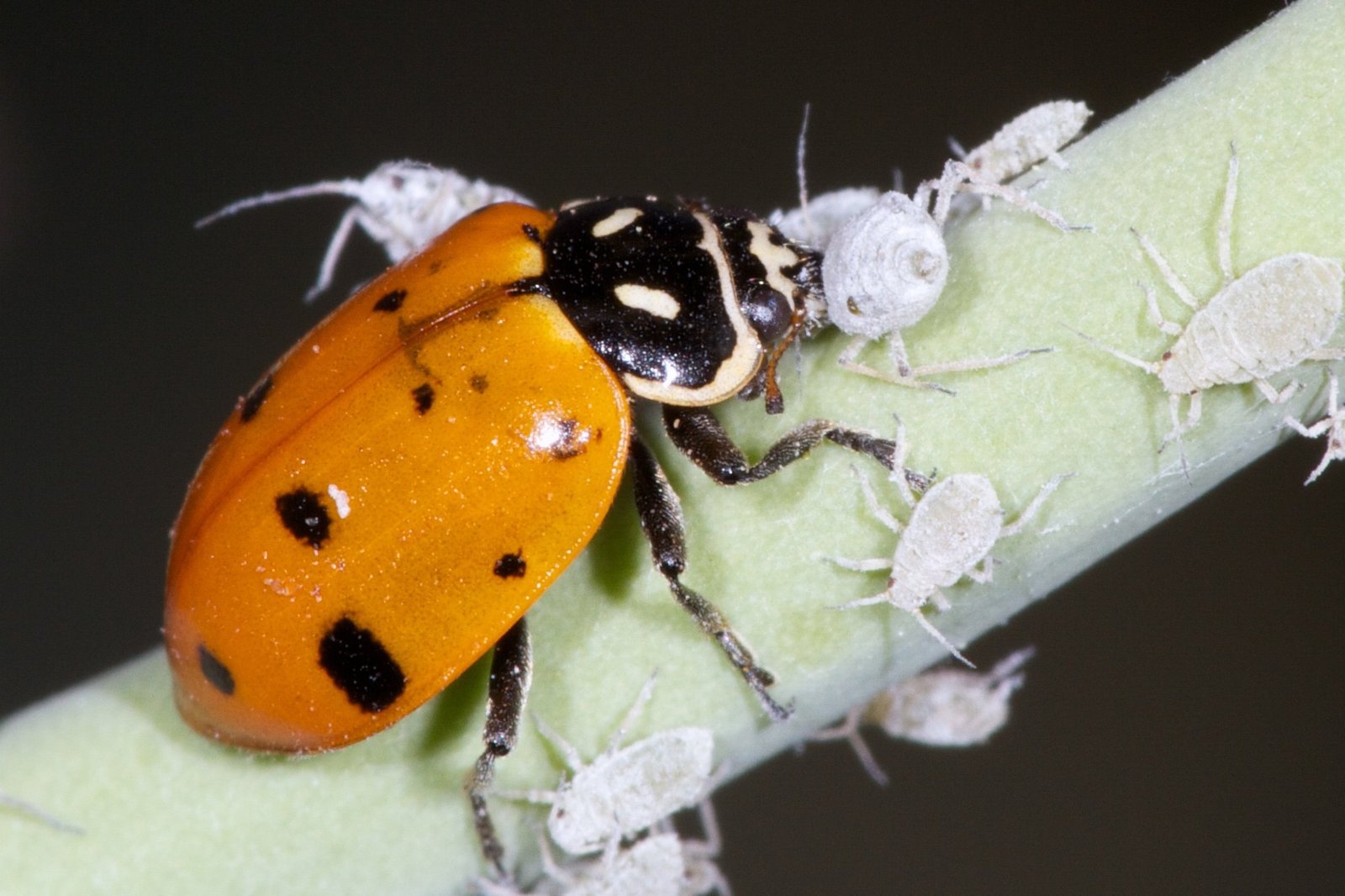
The seven-spotted ladybug is known to be a predator of aphids due to its red shell and distinctive black spots. The convergent ladybug, easily distinguished by white lines on its thorax, is also excellent for pest control. By feeding on soft-bodied insects, mites, and mealybugs, these ladybugs help to ensure that your plants remain vigorous and healthy.
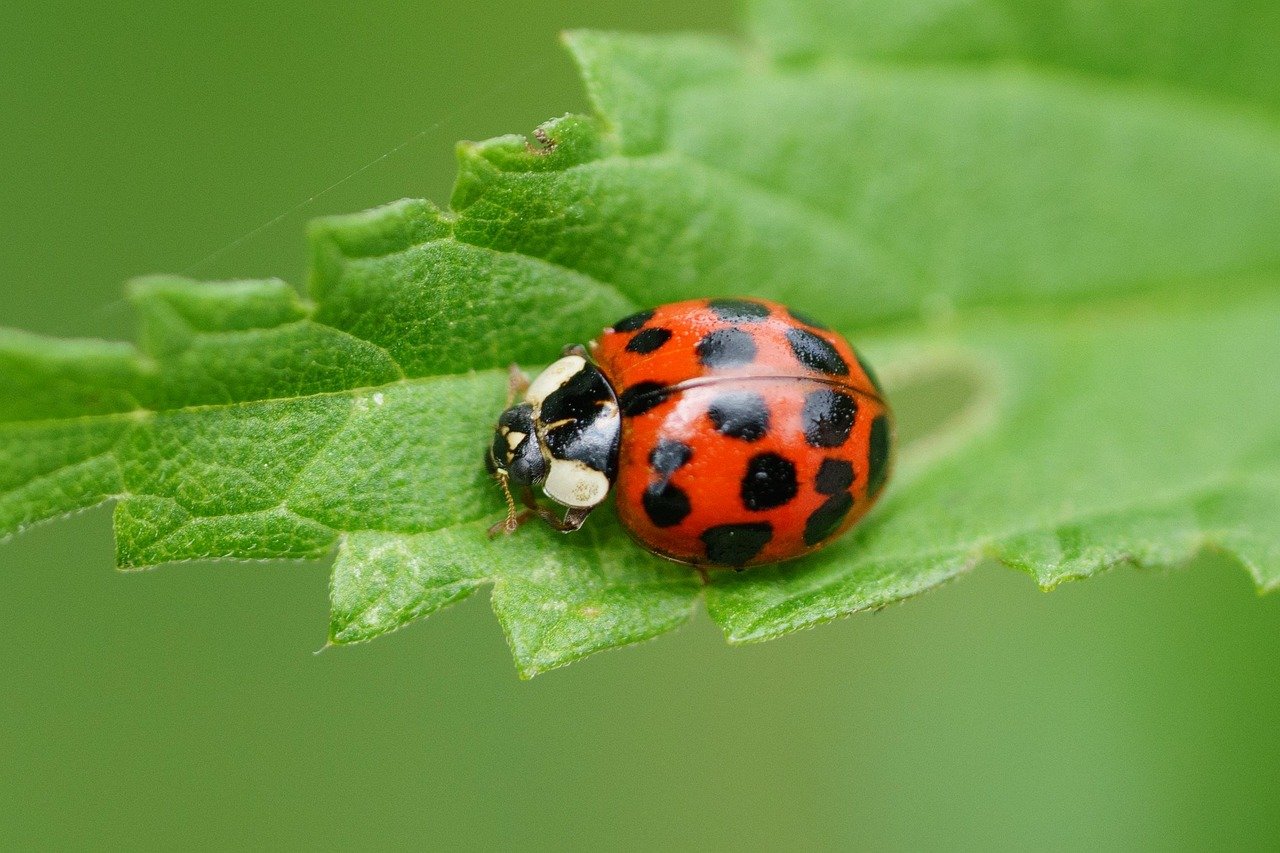
Not every ladybug is beneficial. I’ve had experience with the Asian ladybug in my garden, which could cause problems.
These ladybugs, different from native species, can infest homes in huge numbers in the fall. They exhibit diverse spot patterns and possess a more aggressive temperament.
I’ve seen that they sometimes outcompete our local species of ladybugs and sometimes bite. While they still eat pests like aphids, their habit of swarming indoors and invasive nature make them less desirable in the garden.
Bright Ladybugs
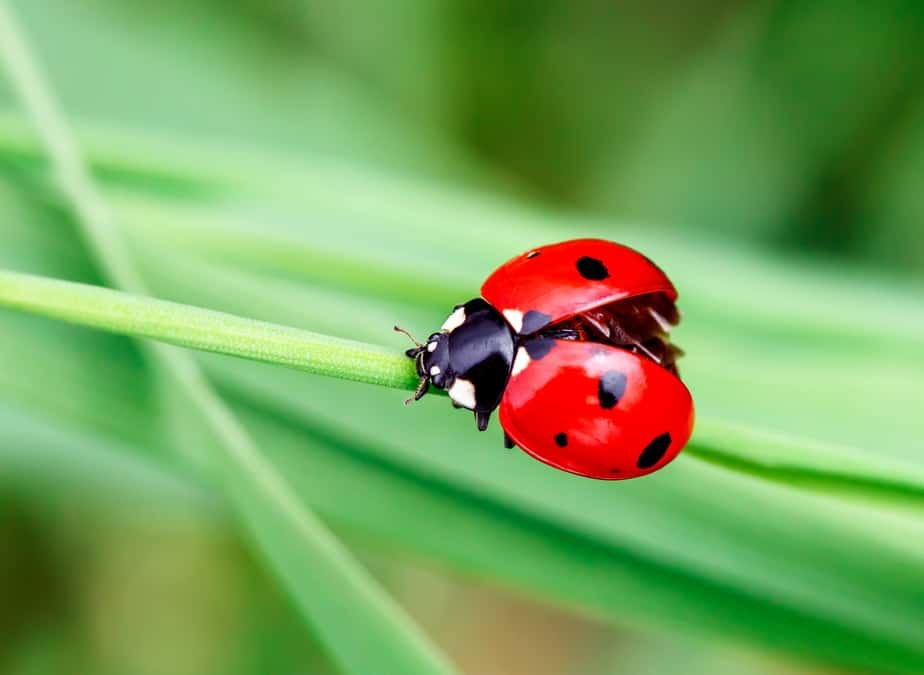
Beyond their beauty, bright ladybugs are vital for maintaining the health of a garden.
The seven-spotted ladybug, recognized by its bold red shell and distinct black spots, diligently hunts aphids, while the smaller twenty-spotted ladybug, adorned with many spots, typically feeds on fungi instead of pests.

Are Ladybugs Good for Plants?
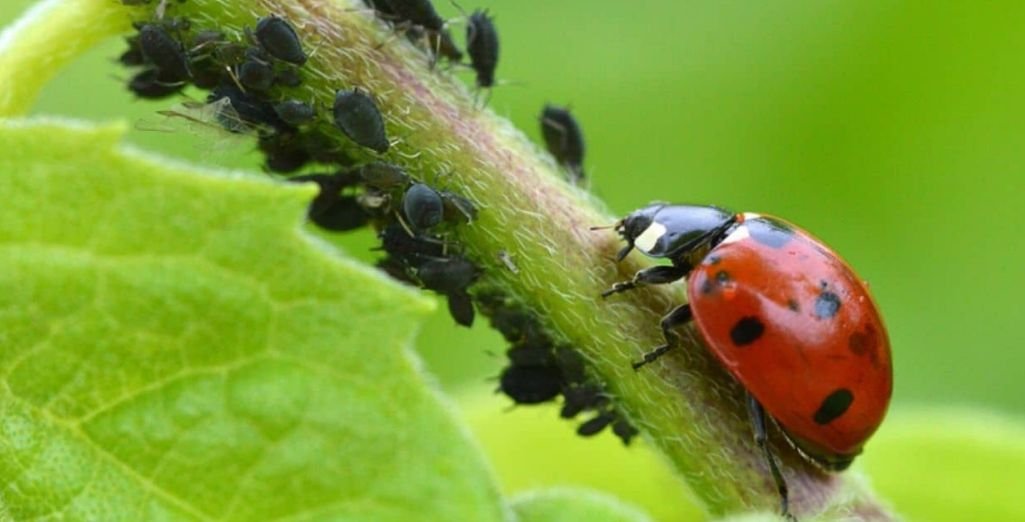
Indeed. Ladybugs protect plants by consuming pests like aphids. They also facilitate pollination and consume plant debris, which promotes good health for the plants.
Natural Pest Control
If you maintain a garden, you know how detrimental pests can be to your plants. I have fought countless battles with mites and aphids, as they depleted the vitality of the flowers and vegetables I cherished. Ladybugs came to my rescue more times than I can count.
These vibrant beetles have an appetite for aphids and other harmful pests. Due to their presence there could be less reliance on pesticides in gardens.
Pollination Assistance
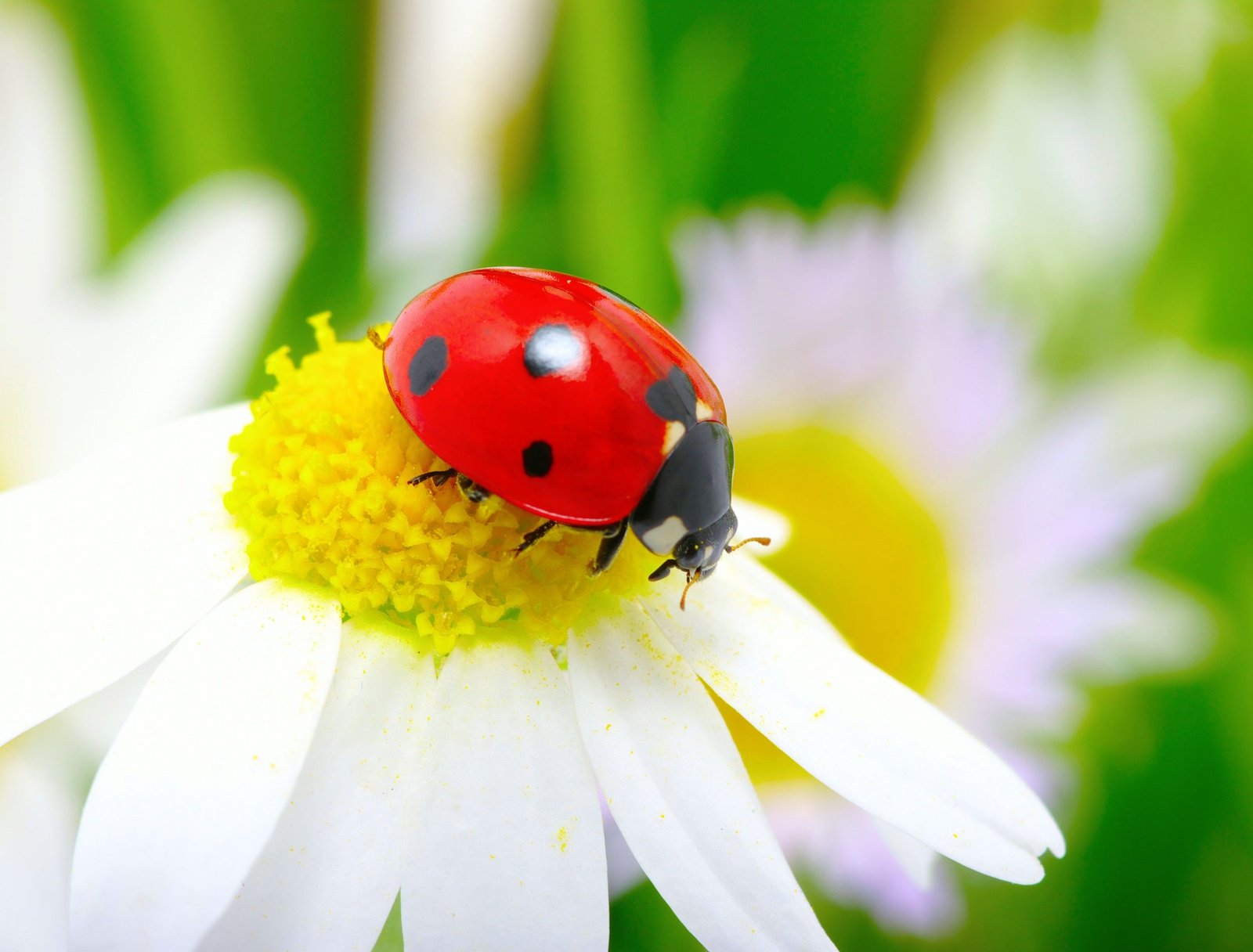
Ladybugs contribute to pollination as well. While bees are usually emphasized as the garden’s main pollinators, ladybugs also play a significant part.
I have seen ladybugs consuming nectar from flowers in my garden. As they travel from one bloom to another to find food, they unknowingly distribute pollen, which aids in fruit and plant reproduction.
Additionally, ladybugs release pollen as they land on flowers through tiny vibrations.
Ecological Benefits
These tiny beetles limit aphids and other pests, improving the health of my plants. Ladybugs contribute to a flourishing and diverse garden ecosystem through the development of a natural pest control system.
Their presence promotes robust and balanced environments, benefiting both gardens and agricultural systems.
How to Encourage the Good Ladybugs for Plants
Creating a Ladybug-Friendly Environment
The planting of fennel, dill, yarrow and marigolds may make more ladybugs appear. In addition to delivering nectar, these plants draw aphids, a food that ladybugs love.
Plants like cosmos, scented geraniums, and dandelions are excellent. When I began to incorporate these plants into my garden, I spotted a large jump in the amount of visits from ladybugs.
In addition, a key part in encouraging ladybugs to thrive and settle in your garden is giving them suitable habitats. Ladybugs are known to require places for both overwintering and shelter.
I’ve put bunches of sticks, leaves, and straw in a quiet corner of my garden to make an overwintering place and natural shelter. You can leave fallen branches and leaf litter, or even create ladybug houses that give amazing overwintering sites for ladybugs.

Natural Pest Control Strategies
The integration of ladybugs into an integrated pest management (IPM) strategy shows great impact. Ladybugs eat pests such as aphids, which reduces reliance on chemically based measures.
It’s highly important to avoid chemical pesticides, as those may injure beneficial insects. You can utilize natural remedies and organic methods to keep pests away, ensuring a more balanced and healthier garden ecosystem where ladybugs can thrive in.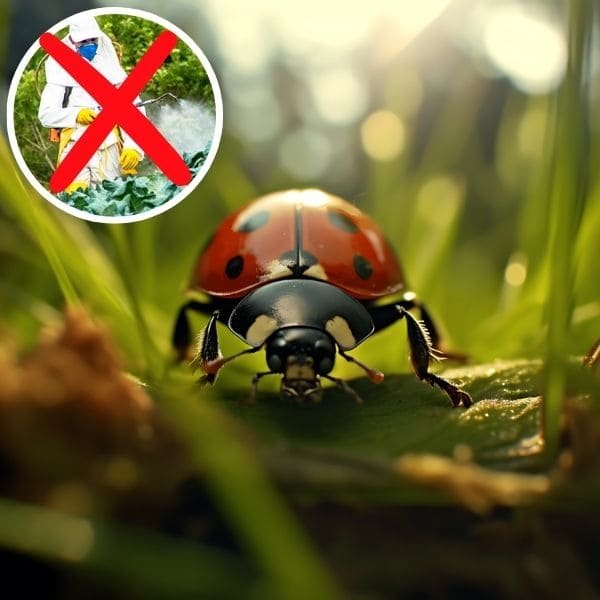
Purchasing and Releasing Ladybugs
Remember to buy ladybugs from reputable sources, ensuring they’re effective and healthy. When selecting a supplier, choose those that provide ladybugs during the larval stage, because they stay in the garden and excessively eat for longer.
Pick a sunny place in your garden for a successful release. They should be released in the early morning or evening when the weather is cooler to stop them from flying away.
Before releasing, dust the area with a light layer of cornmeal, clear debris and excess soil, and spread fresh rosemary or thyme. Focus on individual plants that are experiencing an aphid infestation, while avoiding those that might be harmed by their feed, and then release the ladybugs in groups of about fifty.
FAQs
What should I do if ladybugs enter my house?
If ladybugs invade your home, gently collect them and let them out. By sealing gaps near windows and doors that can greatly help in the prevention of them entering your home.
How long do ladybugs live?
On average, ladybugs live from 1 to 2 years. It takes about 4 to 7 weeks for their lifecycle to complete from egg to adult, which all depends on both species and environmental conditions.
Why put ladybugs in the fridge?
Refrigerating ladybugs slows down their metabolism, resulting in less overall activity. This technique can be used before the process of releasing them into your garden, which helps prevent the activity of immediately flying away while encouraging them to feed on pests.
Is it OK to keep a ladybug as a pet?
It is generally acceptable to keep ladybugs as pets for short periods. They can be put into small, well ventilated containers, and given aphids or wet raisins as well as damp paper towels for food. However, it would be best to let them go back into the garden where they can grow and aid in pest management.
Conclusion
In summary, ladybugs are not just charming additions to the garden; they play a crucial role as natural pest controllers and pollinators. By incorporating various strategies to attract ladybugs, such as planting specific flowers and providing shelter, you can enhance the health of your garden ecosystem. Avoiding harmful pesticides ensures that these beneficial beetles remain a key part of your gardening efforts. The next time you see a ladybug, remember its significant contributions to maintaining a thriving and balanced environment. Embracing ladybugs can lead to a more fruitful garden and a sustainable approach to gardening practices. Happy gardening!


