

Sustainable gardening relies heavily on native perennials due to their diverse advantages beyond aesthetics. These plants thrive with minimal intervention because of their adaptation to local environments. They need less irrigation, fertilization, and pest control, which benefits both the gardener and the environment. Furthermore, native perennials are essential for supporting local wildlife by providing habitats and sustenance. Among them, bee balm (Monarda) is a standout plant for any gardener, celebrated for its vivid flowers and ecological value.
Understanding Bee Balm: A Native Perennial
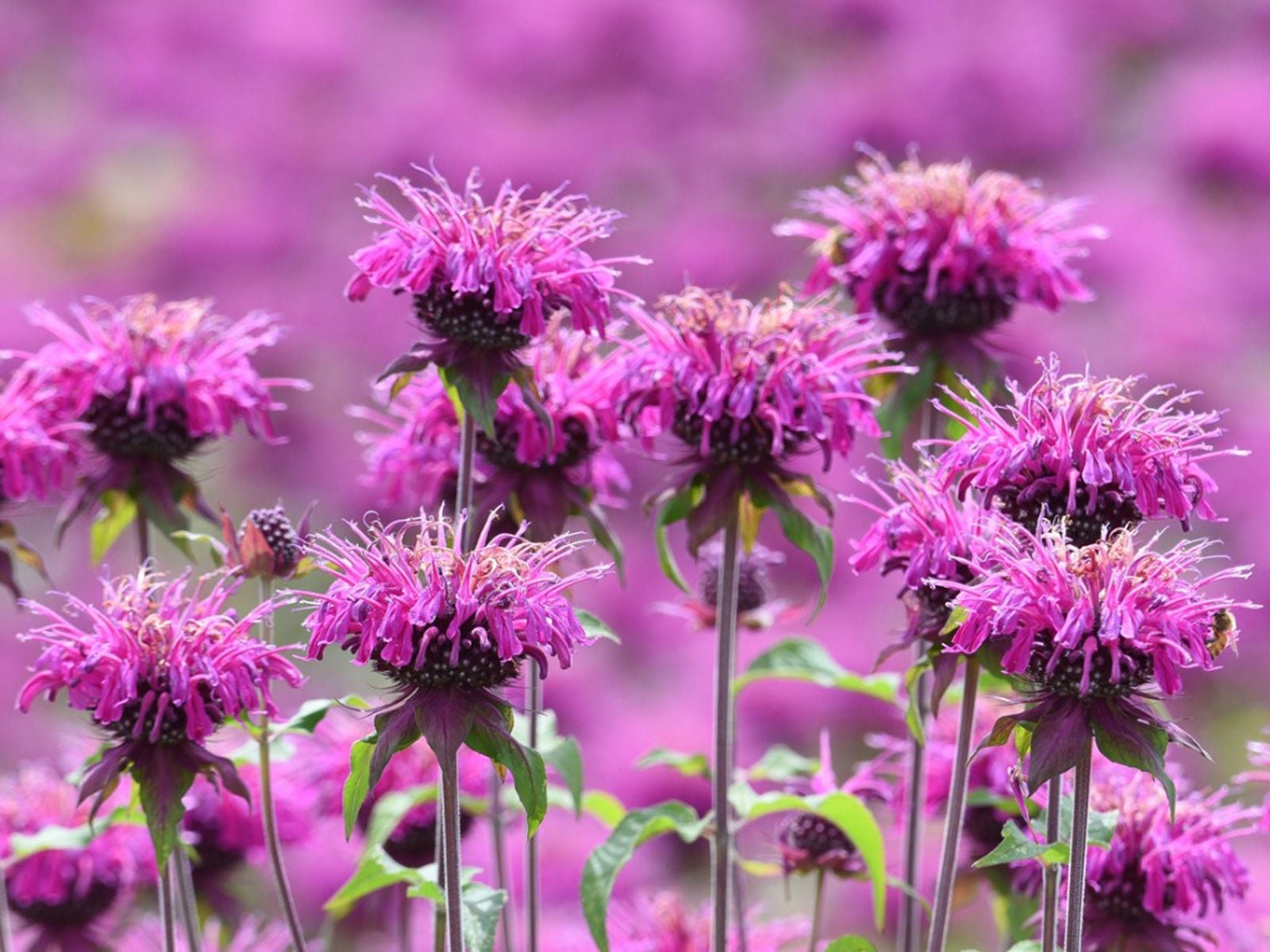
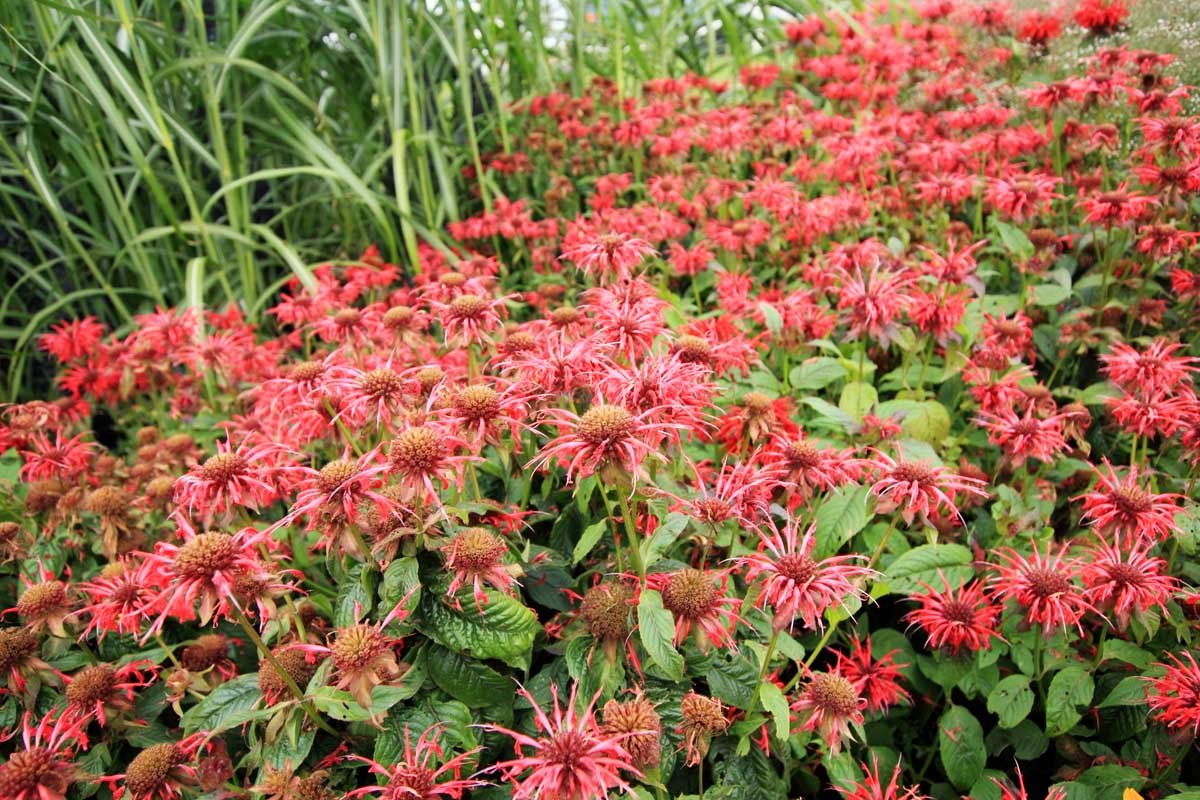
Bee balm, botanically known as Monarda, is a perennial native to North America and a member of the mint family. It’s easily recognized by its impressive, tubular blossoms in shades like red, pink, purple, and white. Reaching heights of 2 to 4 feet, bee balm exhibits a bushy, upright growth habit. Its appeal lies not only in its visual attraction but also in its fragrant leaves, which emit a pleasant aroma when touched. This perennial flourishes in locations with full sun to partial shade and thrives in damp, well-drained soil, rendering it ideal for many different garden contexts.
Ecological Importance of Growing Bee Balm
Cultivating bee balm significantly enhances local biodiversity. As a native species, it integrates well into the local ecosystem, sustaining numerous forms of wildlife. Essential for pollinator gardens, bee balm feeds bees, butterflies, and hummingbirds with its nectar and pollen. Also, the plant’s thick foliage gives refuge to small creatures and helpful insects. Planting bee balm aids ecological stability and encourages a robust ecosystem.
:max_bytes(150000):strip_icc()/red-bee-balm-plants-2132327-08-b967bdbf732d4b43918706323570f9c2.jpg)
Bee Balm’s Role in Supporting Pollinators
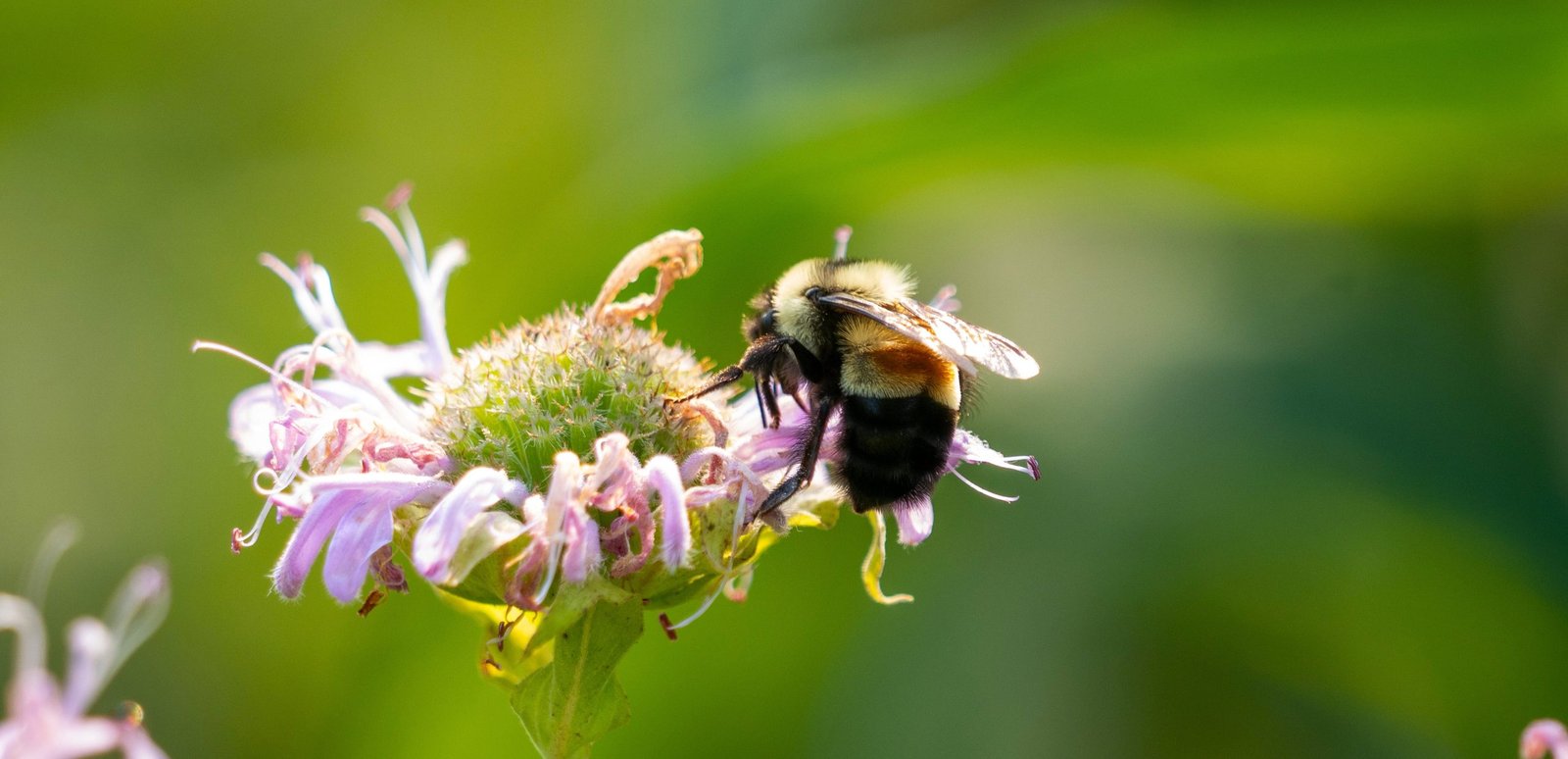
Thanks to its vibrant blooms and rich nectar, bee balm is highly attractive to pollinators. Hummingbirds are especially drawn to the tubular shape of its flowers, while bees and butterflies are attracted to its plentiful nectar. Gardeners can support declining pollinator numbers by planting bee balm, which is particularly important for the pollination of many food crops and wild plant species. Its long flowering period, stretching from mid-summer to early fall, provides a consistent nourishment source for pollinators throughout the growing season.
Aesthetic and Practical Advantages of Bee Balm in Gardens
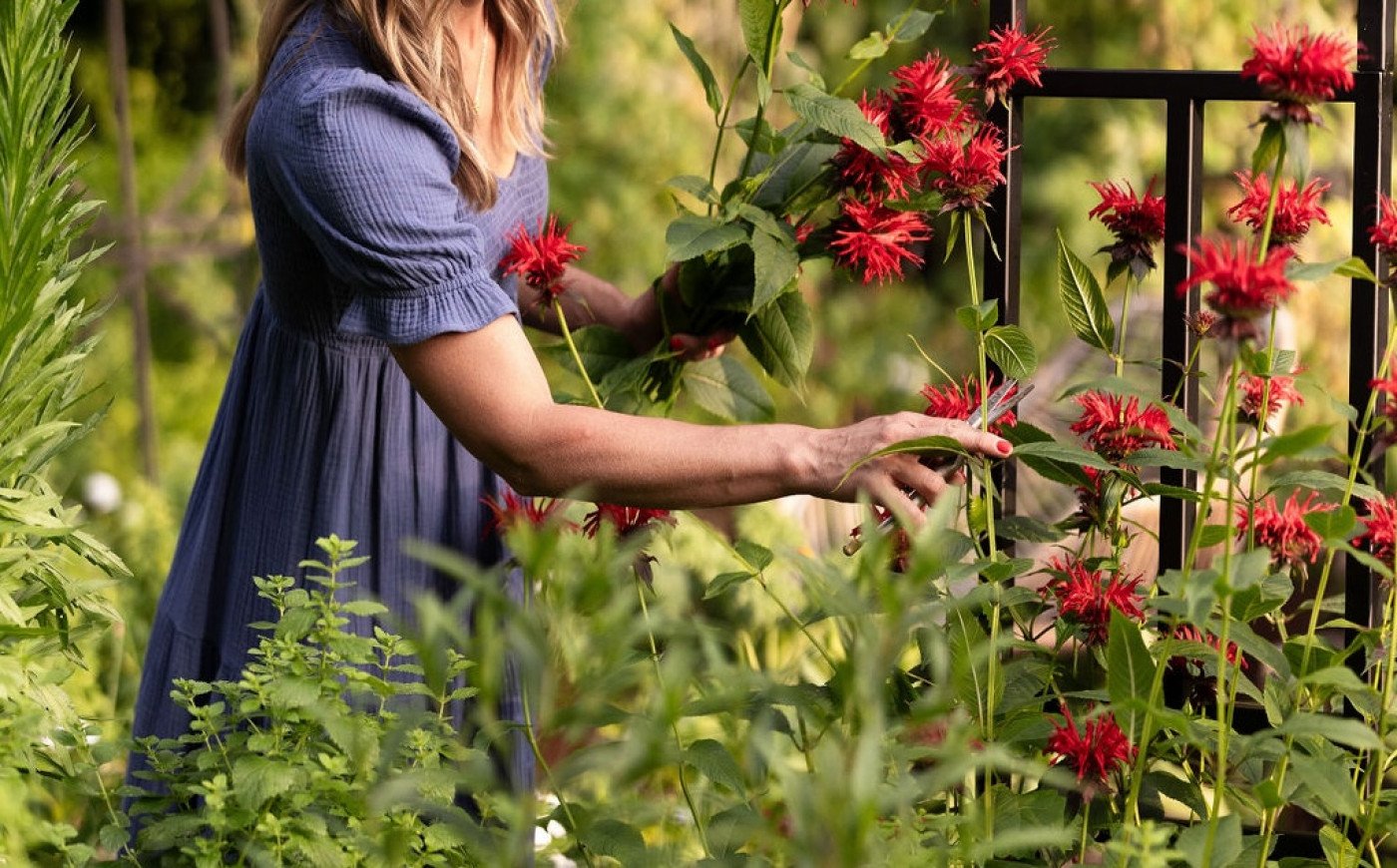
Bee balm provides aesthetic and functional value to gardens in addition to its ecological advantages. Its striking, eye-catching blooms make it a focal point in any landscape design. The aromatic foliage can be used for potpourris and herbal teas, giving functionality to its appeal. Furthermore, bee balm draws in pollinators, increasing the productivity of nearby fruits and vegetables, making it a worthwhile addition to edible gardens.

How to Cultivate and Care for Bee Balm
Growing bee balm is quite simple, making it an excellent option for both beginners and seasoned gardeners. To begin, pick a spot with well-draining soil and full to partial sunlight. Plant bee balm in either the autumn or the spring, spacing the plants 18 to 24 inches apart for better air circulation. Water regularly to maintain consistent soil moisture, especially during dry seasons. For fuller growth and more flowers, snip off the tips of young plants. Remove faded flower heads to extend the blooming period, and divide the plants every two to three years to prevent congestion and preserve their health.
Common Varieties of Bee Balm and Their Unique Features
Numerous popular bee balm cultivars are available, each possessing distinctive traits. ‘Jacob Cline’ stands out for its striking red flowers and resistance to mildew, which is highly favored by gardeners. ‘Raspberry Wine’ boasts blooms with a lush raspberry color and a vigorous growth pattern. ‘Petite Delight’ is an excellent option for anyone searching for a smaller, more compact type, due to its dwarf size and lavender-pink blossoms. Every cultivar has its own distinct charm and may be chosen according to particular growing environments, desired colors, and garden space.
Challenges and Solutions in Growing Bee Balm
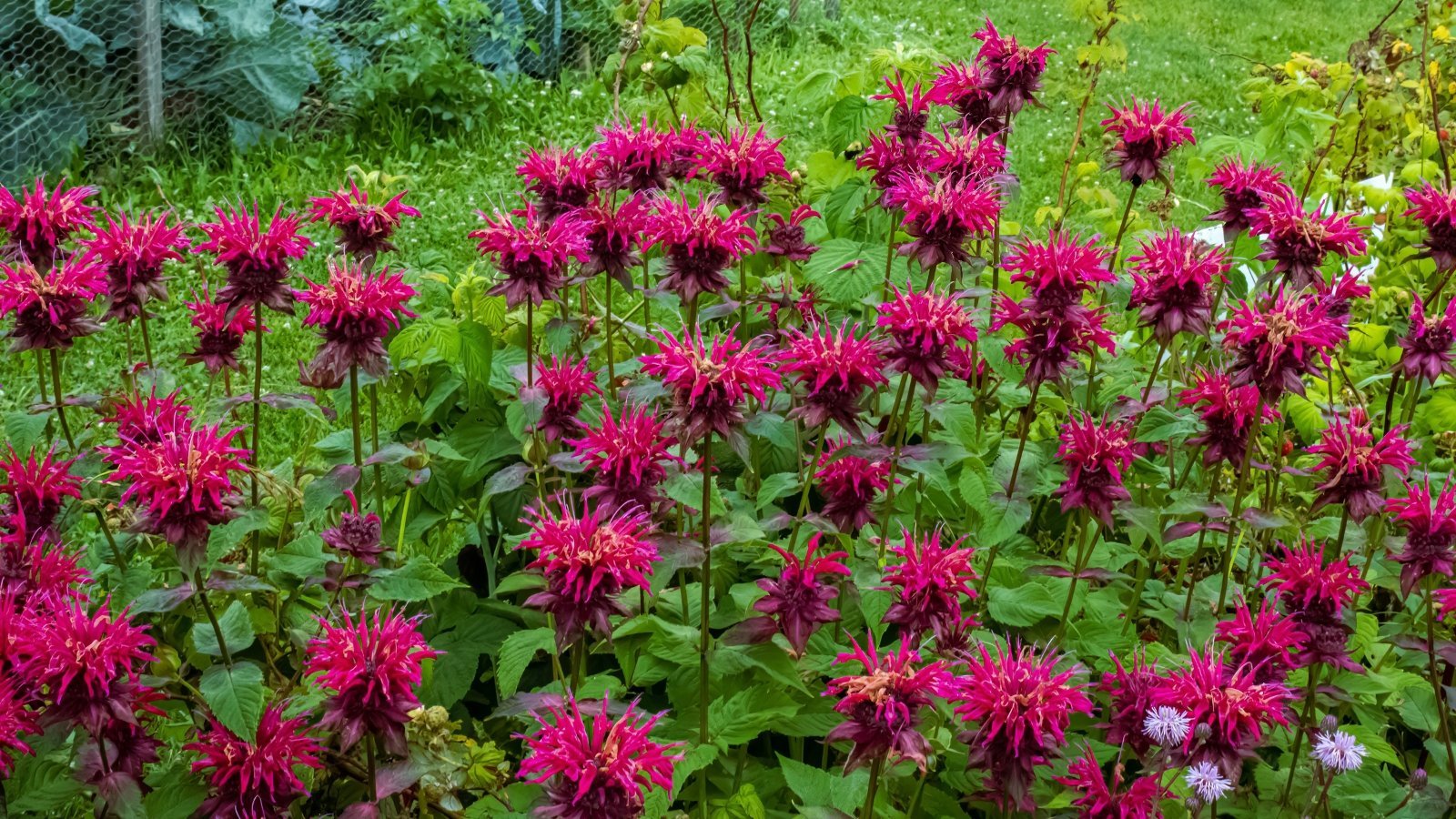
Growing bee balm is often straightforward, but growers may run across some difficulties. Powdery mildew is a frequent problem, particularly in environments with high humidity. To prevent this, make sure there is sufficient space between plants for good air circulation, and water at the base to keep the leaves dry. If mildew manifests, get rid of any affected leaves and think about administering a fungicidal spray. Bee balm has a tendency to spread aggressively, thus regular division and deadheading can help regulate its growth. Gardeners may fully appreciate this vibrant perennial by tackling these obstacles.
Integrating Bee Balm into Different Garden Styles
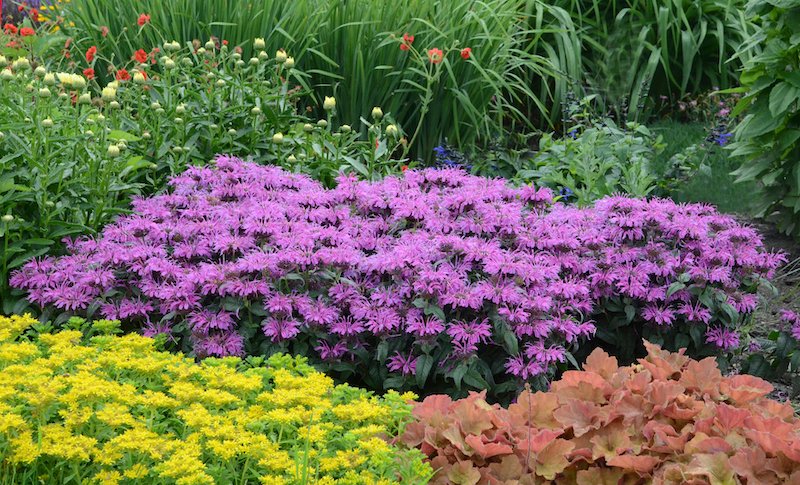
Because of its broad versatility, bee balm may easily be incorporated into many garden types. It complements traditional perennials like coneflowers and black-eyed Susans in cottage gardens. Its bold colors and height make it an exceptional addition to meadow or prairie gardens, where it may naturally coexist with wildflowers and grasses. Plant bee balm in well-organized borders or as a backdrop to smaller plants for a more official appearance. Its versatility guarantees that it may improve any landscaping design, giving both beauty and ecological advantages.
Conclusion
Incorporating bee balm into your garden is a step towards sustainable gardening. In addition to enhancing the attractiveness of your outdoor space, this native perennial encourages pollinator populations and supports local ecosystems. Its minimal maintenance requirements and environmental advantages make it an ideal option for gardeners wishing to build an eco-friendly, balanced garden. You may foster biodiversity, encourage vital pollinators, and take pleasure in the thriving beauty and practical advantages that this remarkable plant has to offer by growing bee balm.


