

Are you tired of planting the same old boring plants and flowers? I know I am! Perhaps it’s time to experiment with something new, like shrubs!
In this article, we will delve into the world of evergreen shrubs, covering a list of varieties perfect for bringing year-round color to your garden. I’m incredibly excited to share this information!
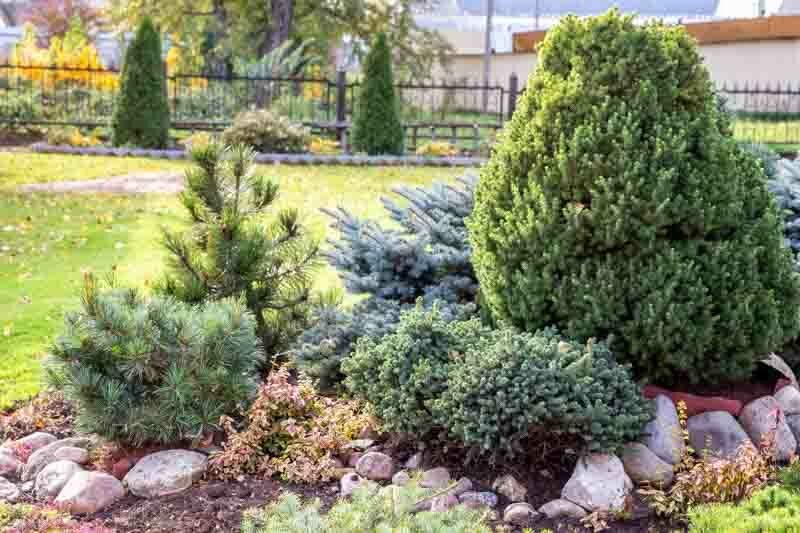
Why Choose Small Evergreen Shrubs?
The idea of small evergreen shrubs might seem very specific, but there’s good reason for focusing on them. As their name implies, evergreen shrubs retain their green foliage and growth throughout the entire year.
They can infuse your garden with continuous and striking color that never fades or loses its appeal. These qualities, coupled with their minimal upkeep requirements, make evergreen shrubs an excellent choice for sustained beauty in any garden.
:max_bytes(150000):strip_icc()/GettyImages-493238552-9772c8d6c81f48be8f9360881f811a29.jpg)
S-Tier Small Evergreen Shrubs For Year-Round Color
Boxwood (Buxus Sempervirens ‘Suffruticosa’)
A classic low-growing shrub, Boxwood features glossy green leaves and flourishes in warmer climates, specifically zones 5-9.

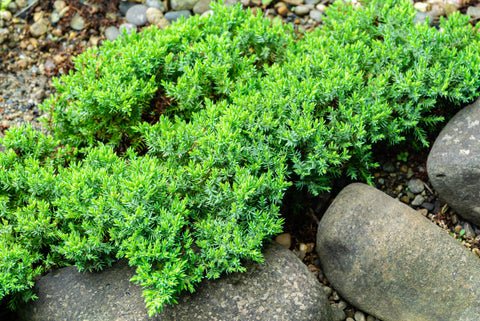
Dwarf Japanese Garden Juniper (Juniperus Procumbens ‘Nana’)
Despite its lengthy name, the dwarf Japanese garden juniper is quite simple and is a popular shrub. As an evergreen, it boasts vibrant blue and green foliage and performs best in mild to moderately warm zones, such as 4-9.
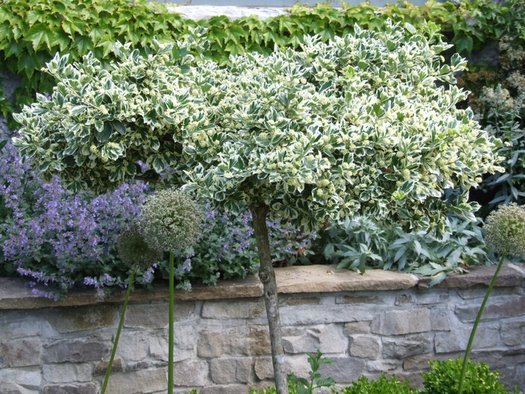
Wintercreeper (Euonymus Fortunei ‘Emerald N Gold’)
Wintercreepers are compact evergreen shrubs distinguished by variegated leaves with golden edges. Because they prefer warmer temperatures, you should avoid planting them in colder regions. They do well in zones 5-9.
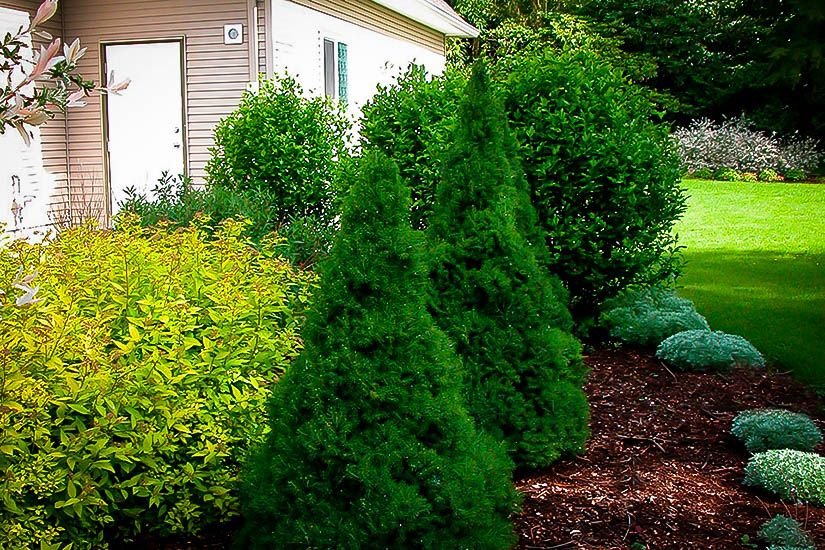
Dwarf Alberta Spruce (Picea Glauca ‘Conica’)
This distinctive evergreen shrub grows densely and has a unique conical shape that is ideal for containers and entryway plantings.
You can plant this shrub in colder zones (2-6) without issues.
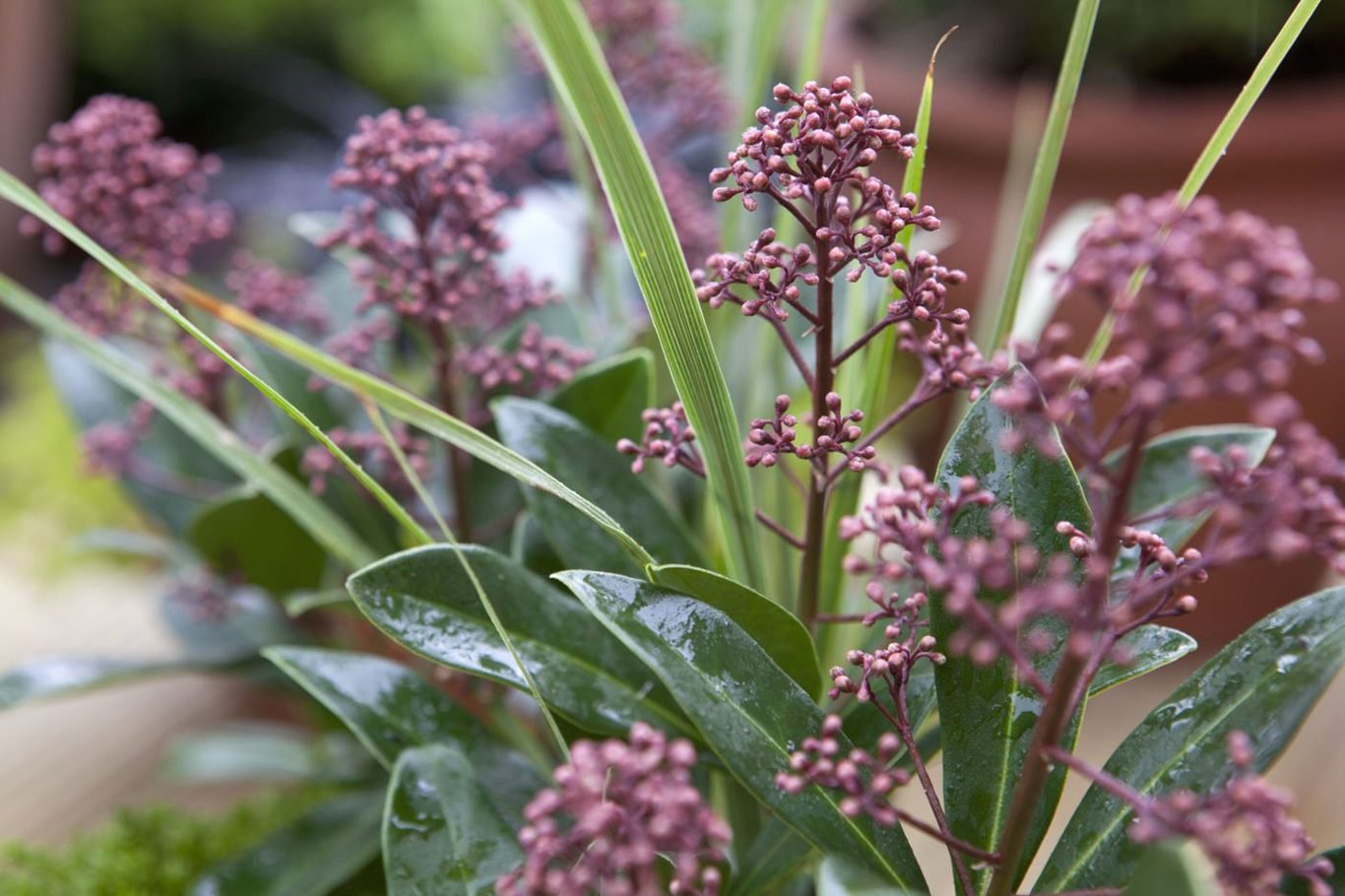
Japanese Skimmia (Skimmia Japonica)
The Japanese skimmia is valued for its ornamental appeal and its production of appealing red berries. Cultivate this shrub in temperate climate zones between 7-8 (marginally in zone 6).
Skimmia prefers acidic, moist soil and some shade. Amend alkaline soil before planting for best results.
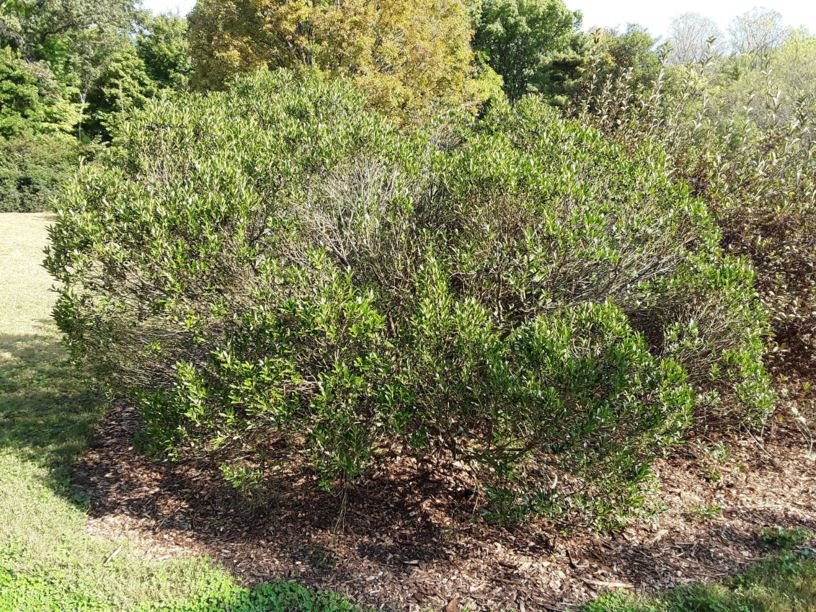
Inkberry Holly (Ilex Glabra ‘Shamrock’)
The inkberry holly makes a good boxwood alternative. This evergreen shrub features small leaves, but its dense growth compensates for their size. It thrives in zones 4-9.
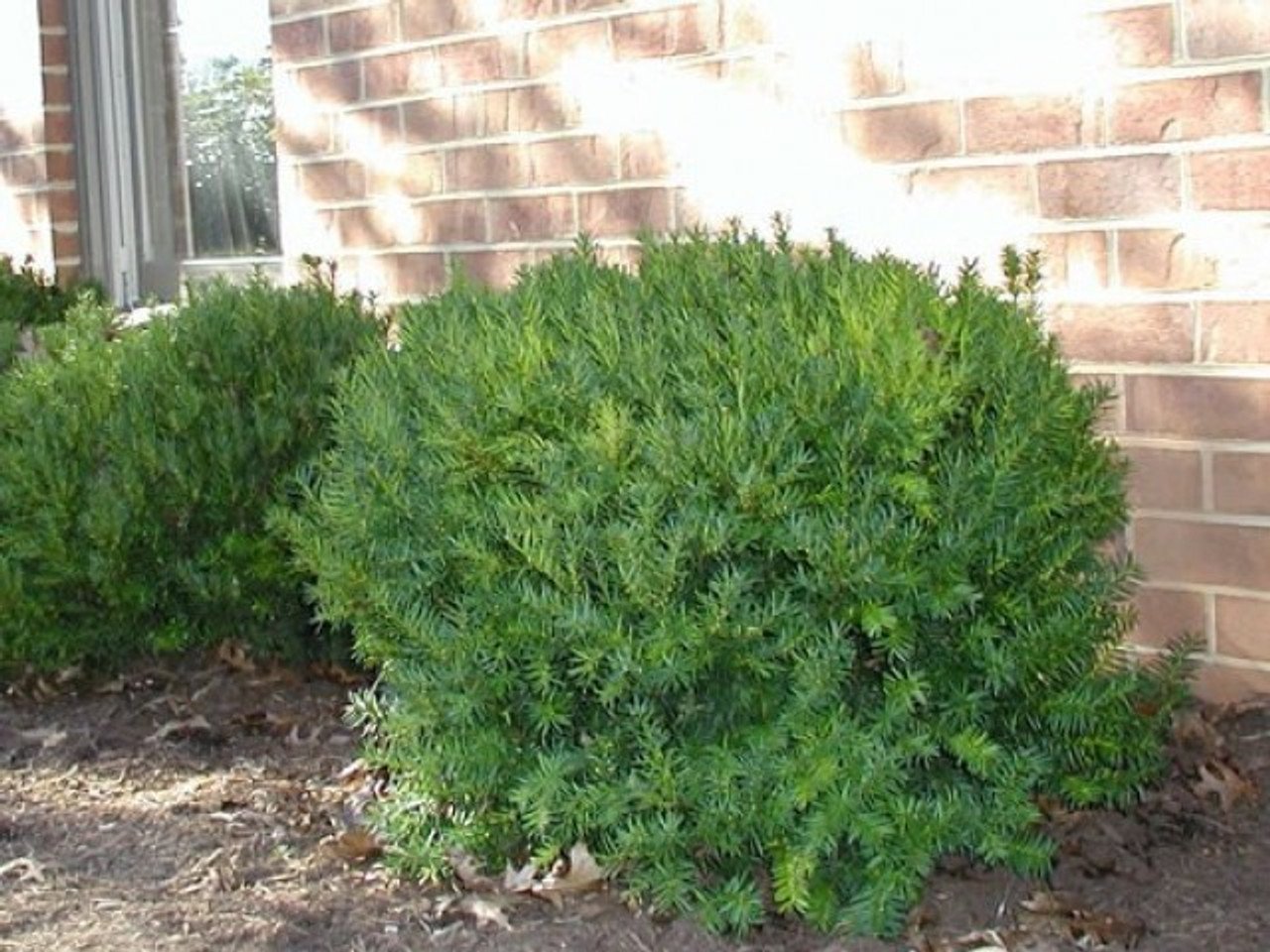
Dwarf Yew (Taxus x Media ‘Densiformis’)
The dwarf yew has dense, spiky foliage that stays bright green year-round and grows relatively close to the ground. This evergreen shrub does well in moderate climates, zones 4 to 7.
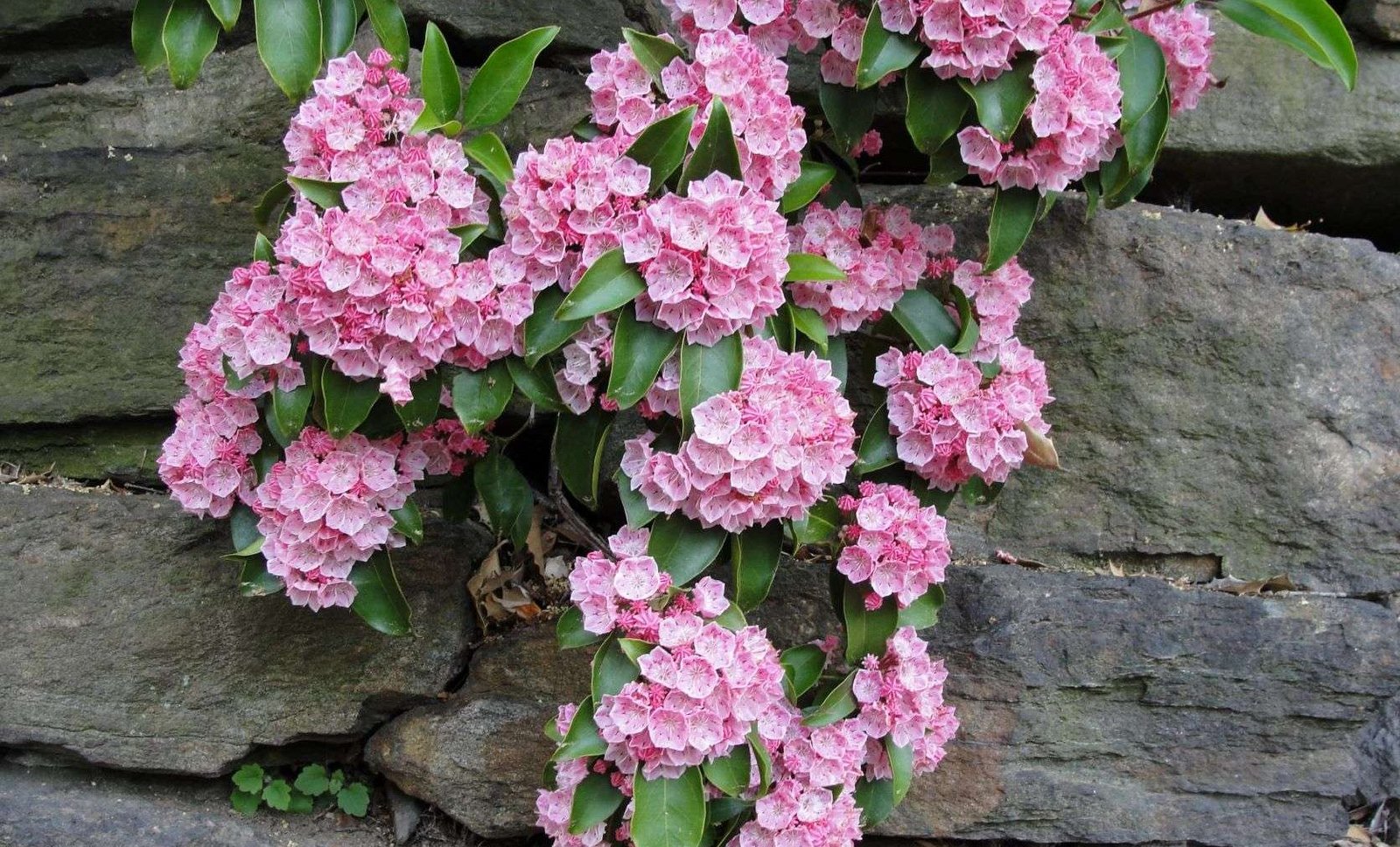
Mountain Laurel (Kalmia Latifolia ‘Minuet’)
The mountain laurel provides compact evergreen growth with glossy, colorful foliage and eye-catching pink flowers in the spring. For optimal results, plant it in zones 4-9.
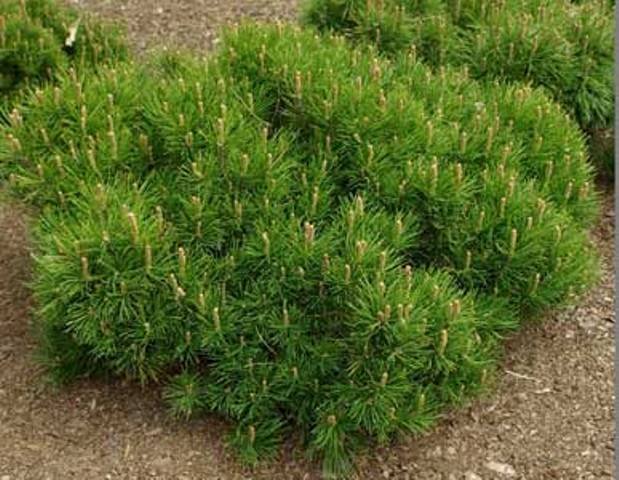
Dwarf Mugo Pine (Pinus Mugo Var. Pumilio)
The dwarf mugo pine, a hardy and slow-growing pine variety, produces vibrant, deep green needles. As with other pine shrubs, it thrives in cooler zones, such as 2-7.
This resilient pine can withstand cold winters and rocky soil, making it a great choice for exposed locations where other shrubs might struggle!
Heather (Calluna Vulgaris ‘Spring Torch’)
Heather cultivars like ‘Spring Torch’ deliver evergreen color and gorgeous foliage and flowers in mild to slightly cooler zones like 4-6 (and some areas of zone 7).
For optimal growth, it requires acidic, well-drained soil. Consider raised beds or containers if you have heavy clay soil.
:strip_icc()/bhg-calluna-vulgaris-sandy-scotch-heather_AZdkjlj648K9b0V06n4R-o-195f06ac9b5745b1b942e7ca4ac379f6.jpg "12 Small Evergreen Shrubs For Year-Round Color")
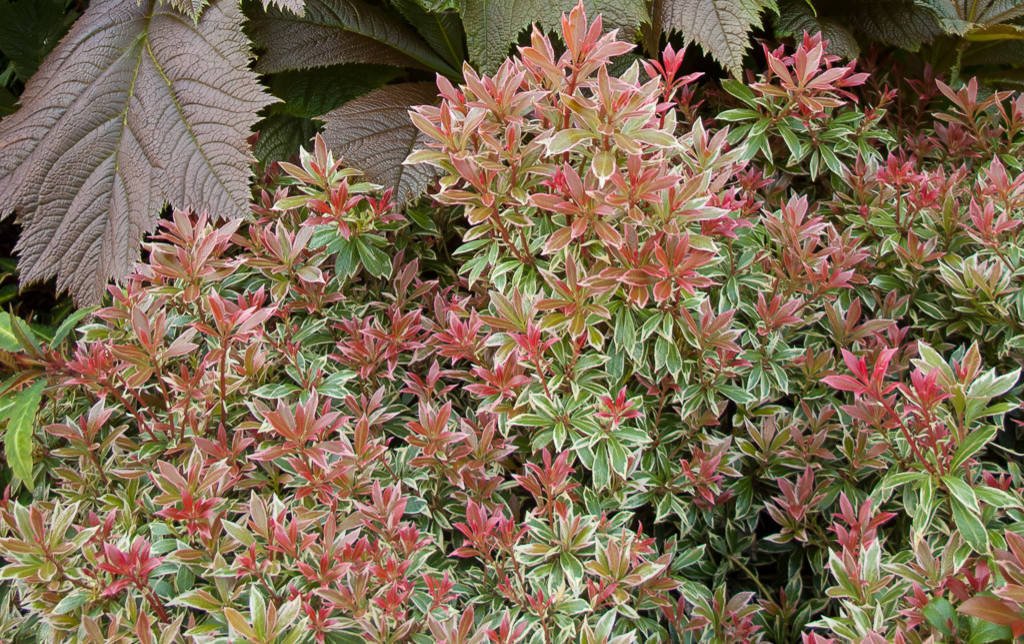
Pieris Japonica (‘Little Heath’)
This unique shrub showcases variegated foliage in rich shades of pink and red. Japanese andromeda produces striking tubular flowers in spring that attract hummingbirds. It’s hardy in zones 5-8.
Dwarf Azalea (Rhododendron ‘Karen’)
While we’ve previously discussed regular azaleas, dwarf azaleas offer evergreen foliage and purplish-pink blooms, adding significant visual appeal to spring gardens.
These need acidic soil and protection from strong afternoon sun to keep the flowers looking fresh. Plant this one in slightly warmer zones between 6 and 9 (and some areas in zone 5 with winter protection) for best growth.

Tips For Planting Caring For Dwarf Evergreen Shrubs
- Ensure the soil provides excellent drainage before planting evergreen shrubs. Avoid planting in waterlogged soil!
- Maintain consistent soil moisture, especially during the shrub’s first year of growth.
- Different shrub varieties will have different requirements for sunlight. Some thrive in bright, direct sunlight, while others prefer full shade.
- Apply a thin layer of mulch around the shrub’s base to help retain moisture and protect the roots.
- Light pruning once a year is generally sufficient to maintain the shrub’s shape and size.
- A balanced, slow-release fertilizer works best for shrubs. Apply it sparingly during the growing season and avoid over-fertilizing.
Conclusion
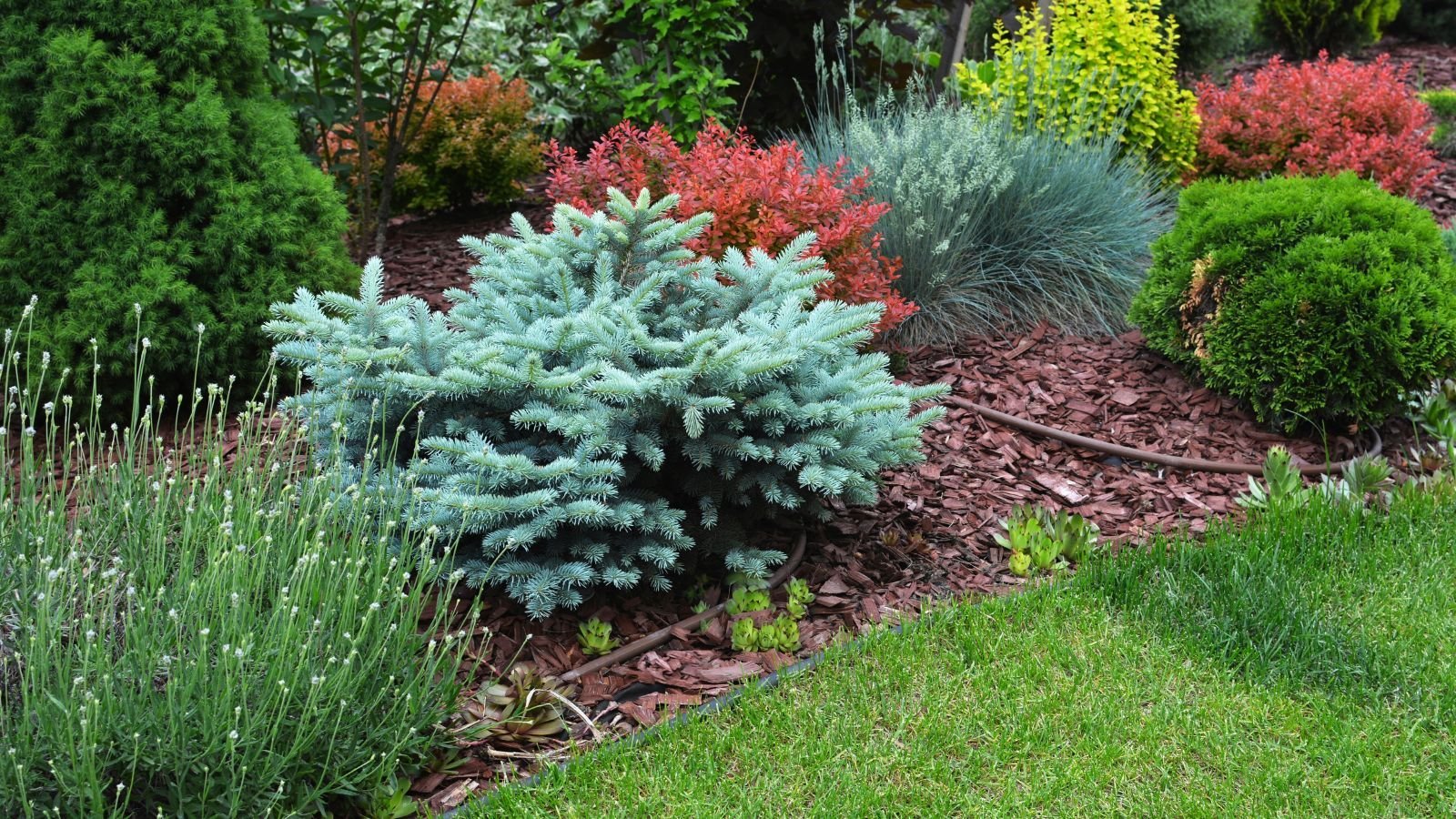
In summary, incorporating small evergreen shrubs into your garden can transform your outdoor space by providing vibrant year-round color and easy maintenance. Each variety, from the classic Boxwood to the unique Pieris Japonica, offers distinct features that cater to different climates and aesthetic preferences. These shrubs not only enhance the beauty of your garden all year long but also require relatively low upkeep, making them both practical and visually appealing. By following proper planting and maintenance tips, you can ensure that these shrubs thrive and continue to bring joy and color to your landscape for many seasons to come. Consider adding these fantastic evergreen options for a refreshing twist to your gardening adventures!


