

While these air-purifying houseplants are highly resilient, where you keep them matters—Never Place Your Snake Plant in these Spots!
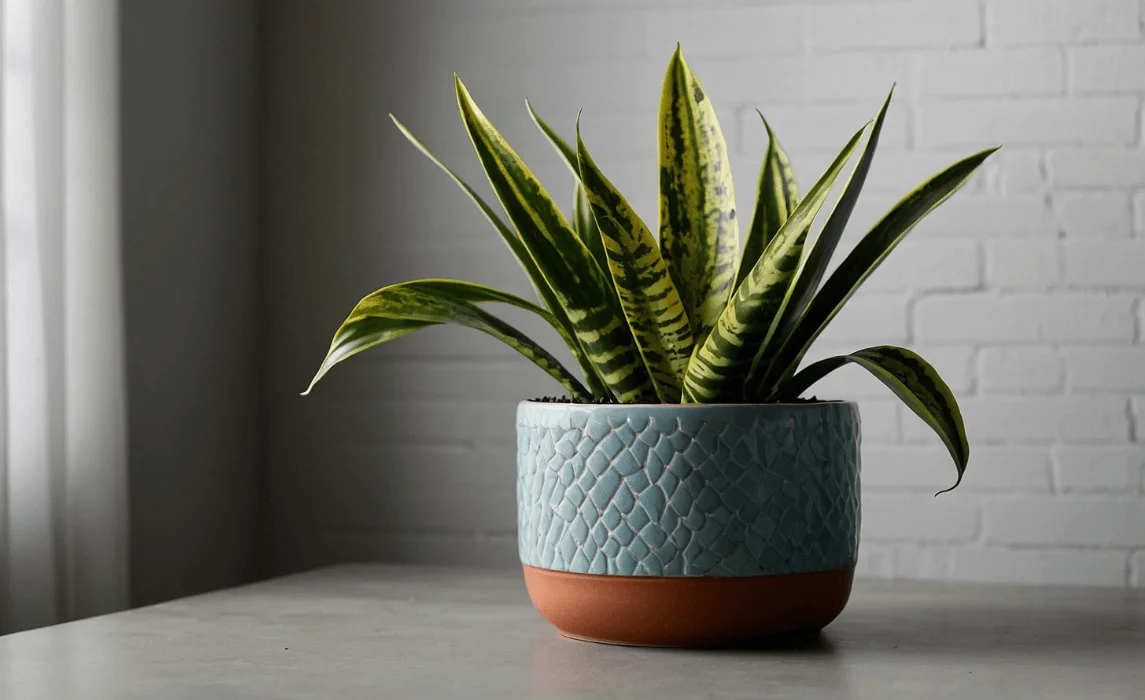
The placement of your snake plant (Dracaena trifasciata) is perhaps even more critical than the care you provide to this resilient houseplant. To ensure its thriving health within your home, be mindful of where you position this variegated, sword-shaped foliage plant. Here are locations to avoid.
:max_bytes(150000):strip_icc()/GettyImages-1268045137-2f00ddfb37d845f684b7984d9069b29e.jpg)
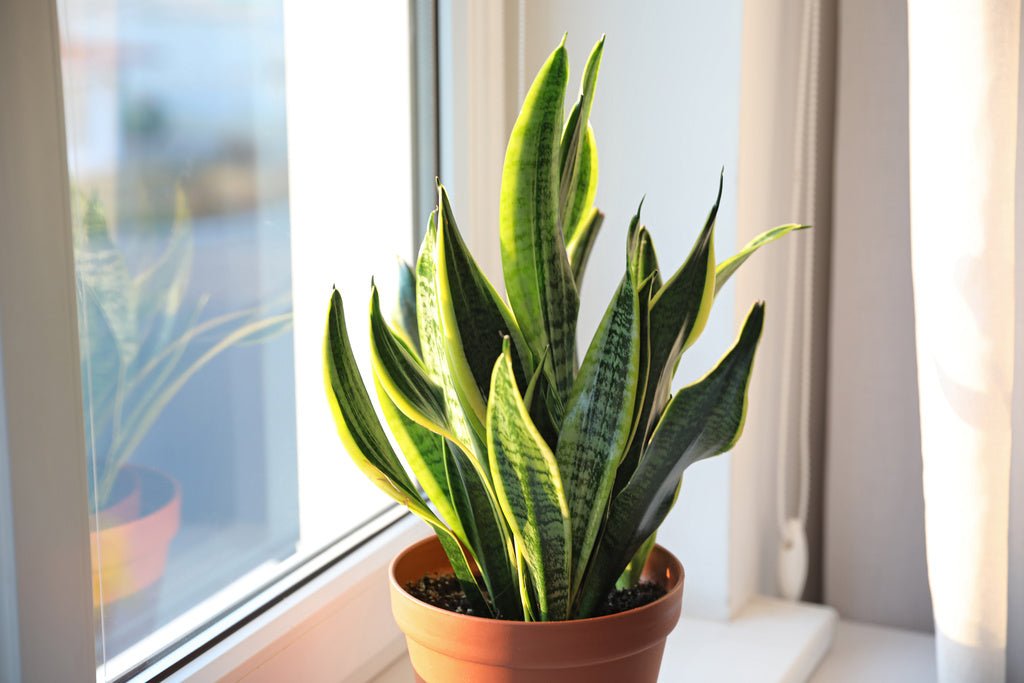
Spot with Direct Sunlight
Despite their hardiness and adaptability, snake plants can suffer foliage scorch from prolonged direct sunlight exposure. Ideally, your Sansevierias should benefit from dappled sunlight—conditions that emulate the arid, tropical environments of their native West and West Central African habitat.
While brief periods of partial sunlight are manageable, extended periods of intense sunlight can lead to leaf browning and other significant problems.
Poor Ventilated Area
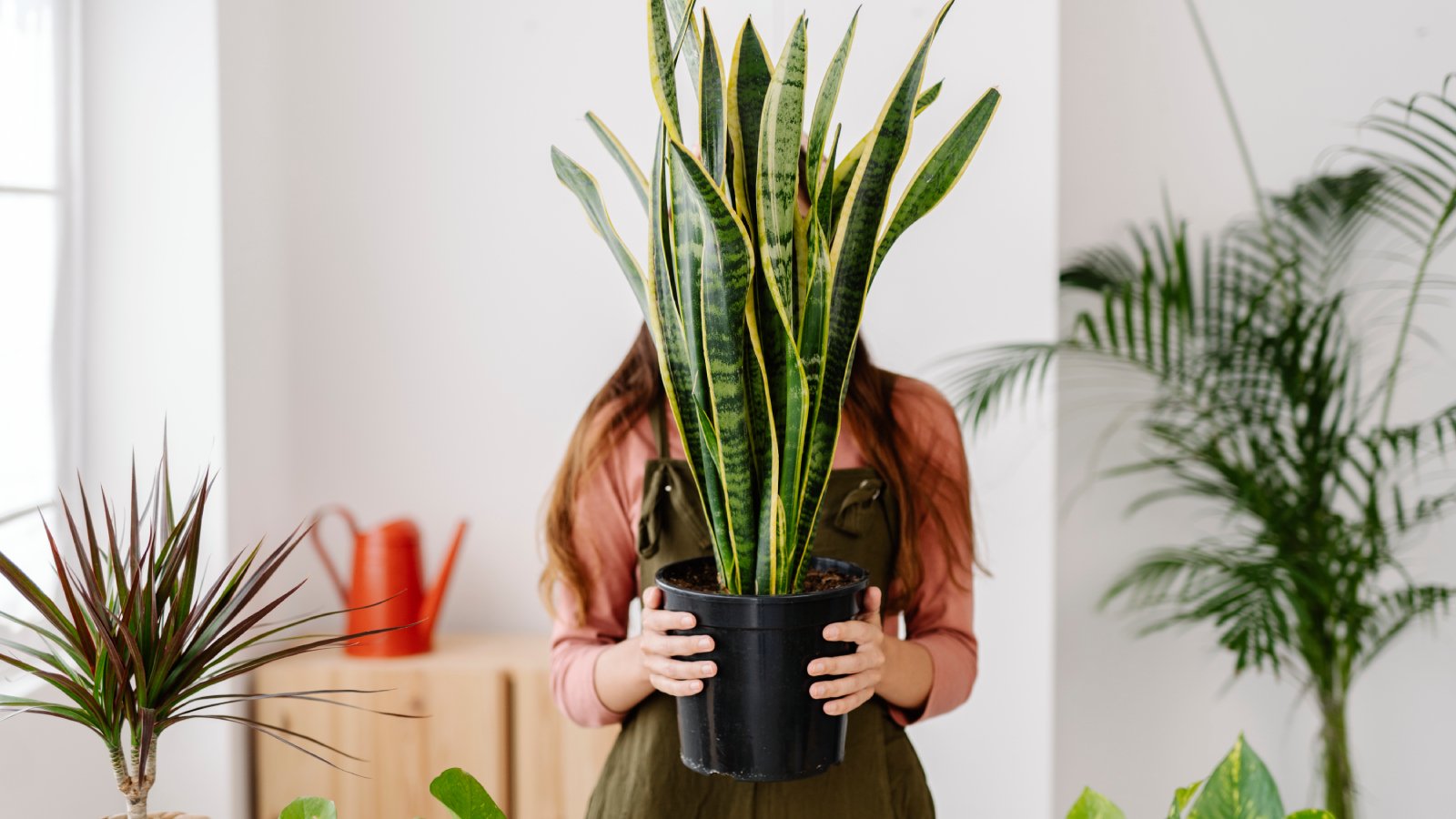
Avoid positioning your snake plant in areas lacking proper ventilation, as stagnant air can foster a humid environment that promotes root rot and fungal growth. Although snake plants can withstand some humidity, excessive moisture results in wilting leaves and stunted growth.
For instance, if you’re leveraging the humidity of a bathroom or kitchen for your snake plant’s benefit, ensure proper airflow. Ideally, these succulents prefer drier indoor environments with humidity levels around 40%!
Similarly, avoid locating it near plants requiring frequent watering, as this could elevate both air and soil moisture, potentially leading to unintentional overwatering of your snake plant.
Exposed to Wet Conditions
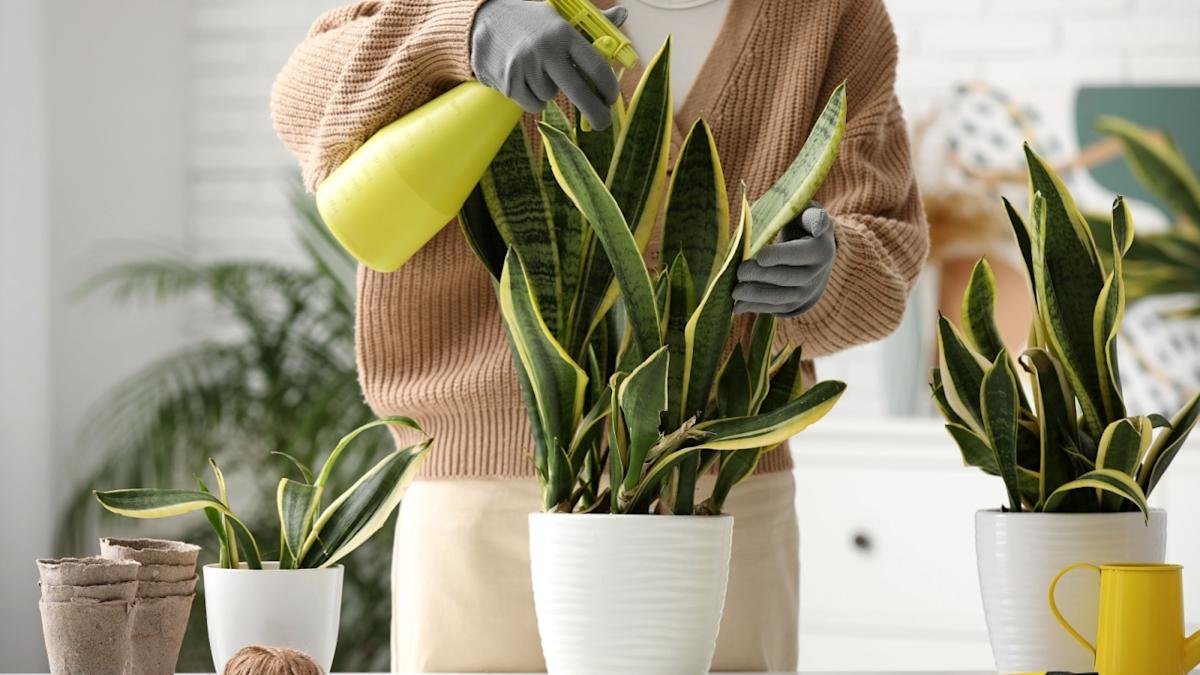
Excessive humidity and moisture, whether indoors or outdoors, are detrimental to snake plants. This drought-resistant plant can be harmed by consistent and excessive moisture from rainwater or seepage, as it can cause water to accumulate in the pot, which can result in root rot and fungal infections.
Keep your snake plant away from exposed windows, open balconies, or areas susceptible to heavy rainfall and water accumulation. Also, refrain from placing it alongside plants with high water needs that require frequent watering or misting. Here’s how to hydrate your snake plant correctly.
Drafty Entry Ways and Windows
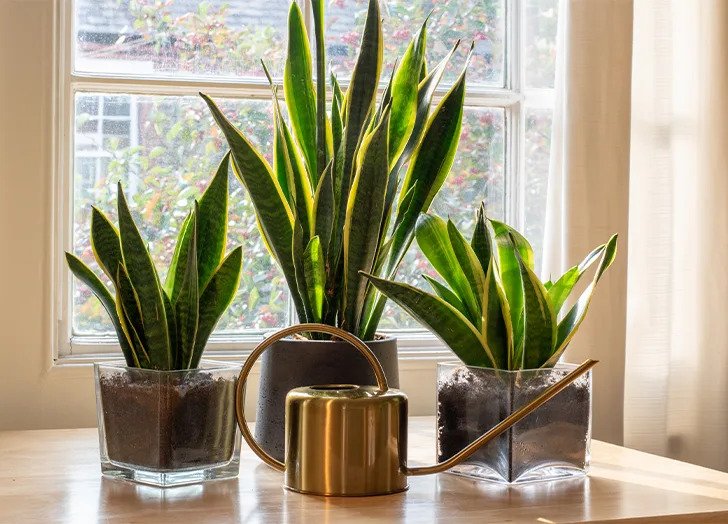
Snake plants are sensitive to rapid temperature shifts caused by fluctuating air currents. Placing your plant in an area subject to sudden changes from air vents, heaters, coolers, or frequently opened windows and doors can result in leaf discoloration and mushiness.
Ultimately, this plant is tropical; it thrives in consistently warm and stable temperatures, free from extremes.
In Dark Corners
Although appreciated for their tolerance of low-light conditions, placing snake plants in complete darkness is not advisable. These air-purifying wonders require light for photosynthesis—a critical process for generating the energy they need to flourish.
Over time, insufficient light will weaken your snake plant, leading to a pale and leggy appearance. Dark corners often suffer from poor ventilation, which increases the risk of mold and pest infestations due to stagnant, stuffy air.
Conclusion
To ensure the thriving health of your snake plant (Dracaena trifasciata), it’s essential to carefully consider its placement within your home. Avoid positioning it in spots with direct sunlight, as this can cause foliage scorch, and steer clear of poorly ventilated areas that promote humidity, risking root rot. Furthermore, keeping your snake plant out of exposed wet conditions will safeguard it from the dangers of excess moisture that can lead to mold and fungal issues. It’s also crucial to steer clear of drafty spaces that can expose the plant to rapid temperature changes and to refrain from placing it in dark corners where it may suffer from insufficient light, negatively impacting its growth and overall health. By choosing the right locations for your snake plant, you can maximize its air-purifying benefits and enjoy its vibrant presence in your home.


