

Today’s topic revolves around one of the world’s most delightful flowers: geraniums. My own geraniums are currently budding beautifully, displaying healthy, deep green foliage. I’ll be detailing in this update a vital fertilizer our plants require during springtime. This aids root activation, clears soil diseases, and shields against stem blackening along with fungal diseases.

Propagating Geraniums from Cuttings
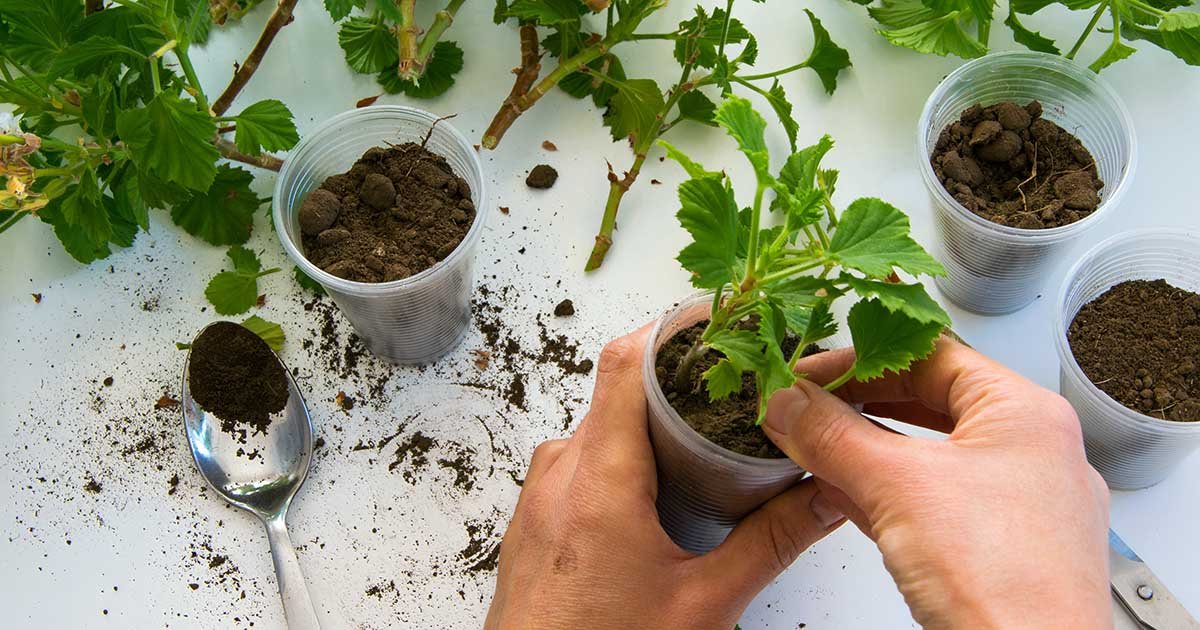
Geranium propagation requires taking cuttings. Cuttings should ideally measure between 5 and 7 cm. When you are taking a cutting, it is important to remove the lower leaves; retain only three leaves towards the top.
An important consideration is the removal of small leaves growing at the stem’s leaf nodes before planting. Leaving them will cause them to decay, resulting in rot and blackening of the cutting. Once the cuttings are prepped, arrange them on a paper towel to dry for 20 to 30 minutes. This drying period is crucial for preventing rot.
After drying, plant into slightly moistened, peat-based soil. It’s important not to water right away; instead, wait until the following day, then provide half a cup of water. Exceeding the required water will cause the stems to decay; use minimum water when planting.
Alternative Rooting Method for Geraniums
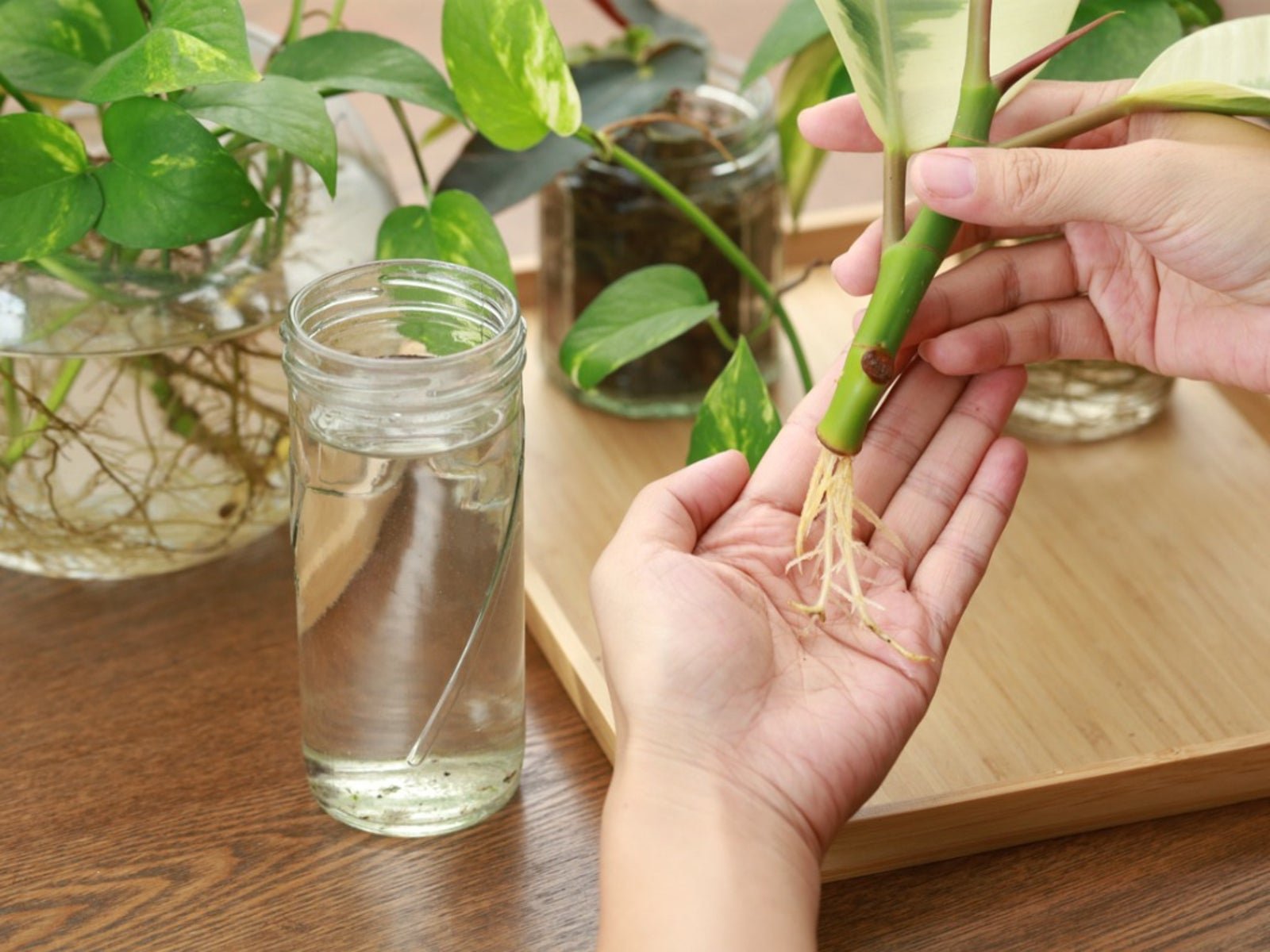
For those favoring water propagation, cuttings can also root in a jar of water. Here’s a straightforward, effective approach:
- Boil some water, then let it reach lukewarm temperature.
- Put the cuttings into the just lukewarm water.
- Incorporate two thin slices of aloe vera leaf into the water. Aloe vera has plenty of minerals and vitamins, which promotes root formation considerably.
Soon, you’ll notice roots developing from the cuttings; they’ll then be ready for planting in soil.
Homemade Fertilizer for Geraniums
Now, let’s discuss a potent natural fertilizer that’s filled with antioxidants while strengthening the roots: turmeric. This typical kitchen product offers several plant benefits:
- Accelerates rapid root growth during the spring season.
- Gets rid of harmful bacteria and fungi within the soil.
- Reduces cases of root rot and other soil-based diseases.
To fertilize with turmeric, follow these steps:
- Clear away some topsoil from the pot, until you can see the roots.
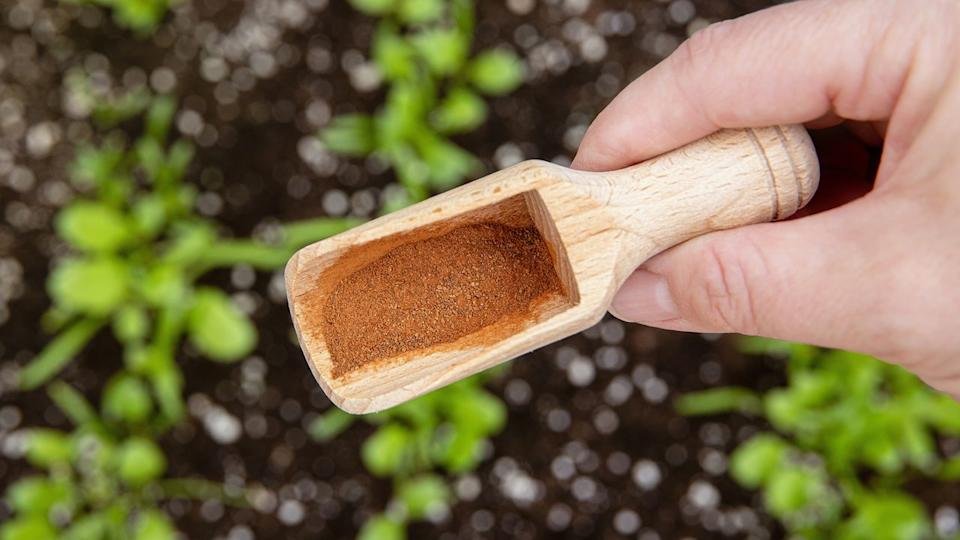
- Dust a small amount of turmeric around the edges of the container (away from roots).
- Re-cover with topsoil to permit a natural nutrient mix.
Alternative Natural Fertilizer: Cinnamon
If turmeric is unavailable, cinnamon is a useful replacement. Cinnamon also offers antibacterial advantages and preserves from root decomposition.
- You can sprinkle ground cinnamon lightly across the soil.
- You can also snap a cinnamon stick into little pieces and push them among the soil.
Both turmeric and cinnamon aid in sanitizing roots, prevent fungal infections, and encourage healthy plant development.
General Geranium Care Tips
For robust, vibrant geraniums, use these critical steps:
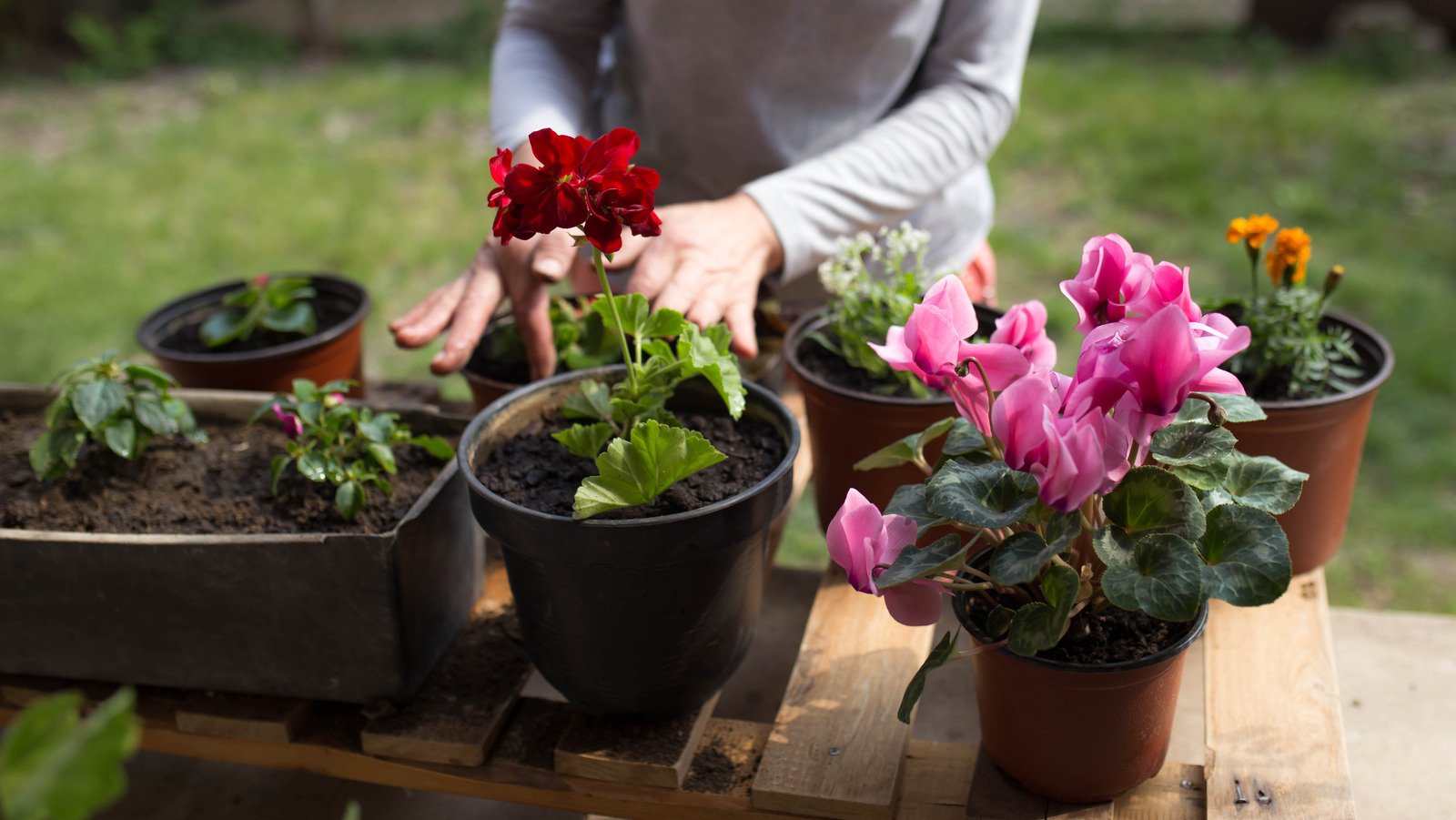
- Pruning: Pruning is necessary for Geraniums during the dormant winter season. To keep geraniums vibrant, trim the flowers and buds down every 3-4 months. This makes it less exhausted and stores resources for the coming blossoming cycles.
- Tomurcuk Management: Bud pruning should continue until the end of February to strengthen the leaves and stems of geraniums. Allow buds to expand openly for abundant blossoming from March.
- Sunlight Watering: Geraniums grow best in bright light, but the heat must be kept under containment. Moderately water plants allowing the topsoil layers within to grow well.
- Fertilization: Feed them regularly with organic liquid fertilizers apart from natural supplements like turmeric or cinnamon depending on whether you want to achieve optimum growth.
:max_bytes(150000):strip_icc()/geraniums-getty-0623-f13d2a604ef84a6981cd45acaead535f.jpg)
Conclusion
In summary, nurturing geraniums involves understanding their propagation methods, care needs, and the use of natural fertilizers like turmeric and cinnamon to enhance their growth and health. By following the right techniques for cuttings, utilizing water propagation, and ensuring proper soil nutrition, your geraniums can flourish throughout the growing season. Remember to maintain a regular care routine, including pruning, managing buds, and providing adequate light and water, to promote vibrant blossoms and strong plants. Engaging with these practices will lead to a thriving garden filled with the beauty of these delightful flowers.


