

Container gardening provides an excellent method for cultivating ginger, a delicious and adaptable root, even with limited space. It enables you to enjoy fresh ginger year-round whether you’re in an apartment or have a small backyard. Being a tropical plant, ginger flourishes in warm, humid environments that are easily replicated in containers. This guide will take you through the steps of growing ginger in containers, so you can obtain a large harvest.
Benefits of Growing Ginger in Containers
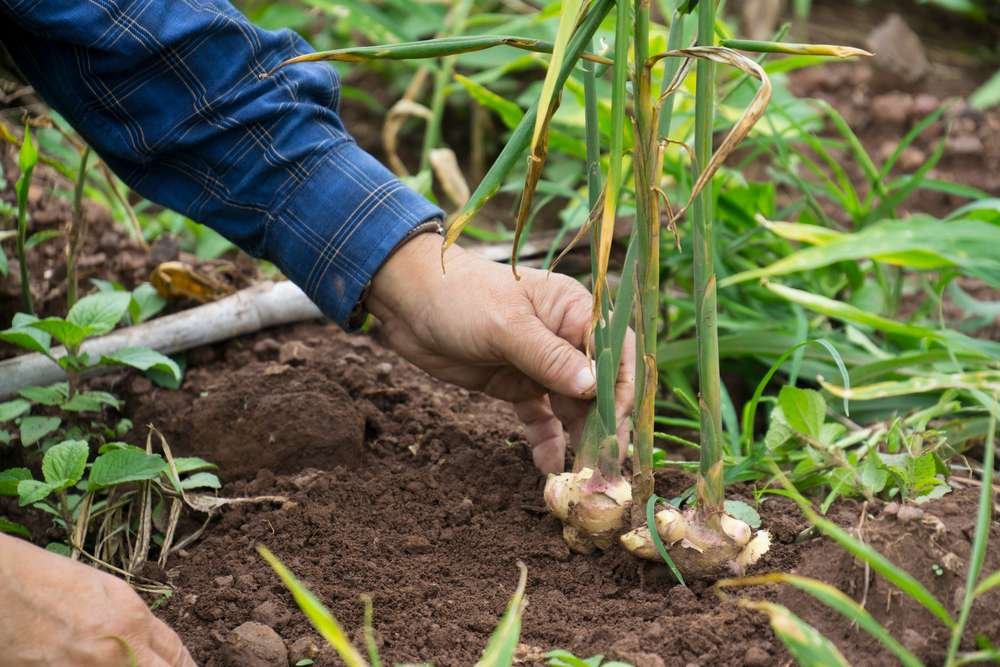
There are numerous advantages to cultivating ginger in containers. Primarily, this method offers control over the growing environment, which promotes ideal growth conditions for the ginger. Containers allow you to move the ginger indoors when it gets cold, which extends the growing season. Furthermore, container gardening lowers the possibility of pest infestations and diseases in the soil, which enhances the health of your plants. Growing ginger in containers also streamlines the management of the plant’s nutrient and hydration demands, yielding a more abundant harvest.
Choosing the Right Containers for Ginger
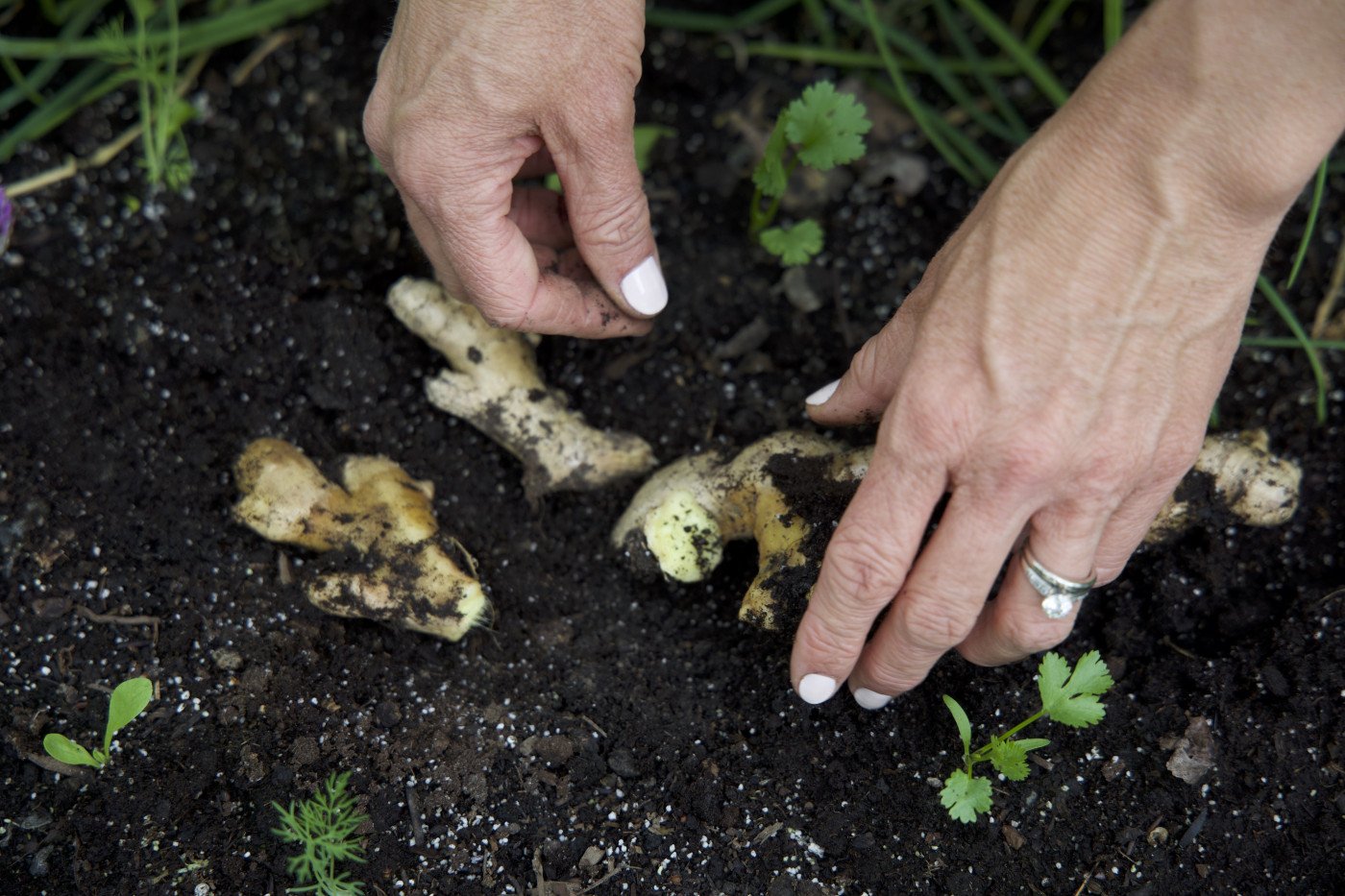
Selecting the appropriate container is essential for successfully growing ginger. Ginger requires a container having dimensions that are at least 12 inches in both depth and width, providing significant space for rhizome development. Choose containers made of materials like terracotta, plastic, or ceramic, which are good at holding moisture. To prevent waterlogging, which can cause root rot, make sure the container has adequate drainage holes. Think about utilizing a saucer to capture additional water and shield surfaces.
Selecting the Best Ginger Varieties for Container Gardening
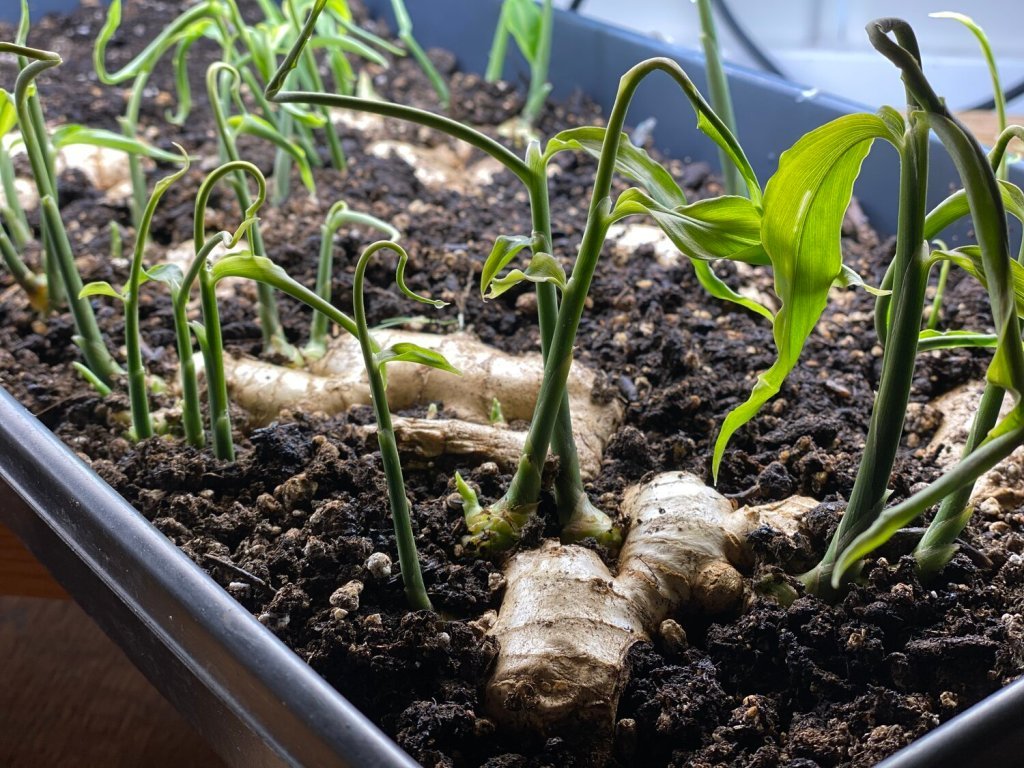
When selecting ginger kinds for container gardening, take into account those that thrive in tiny spaces. While Zingiber officinale, the common culinary ginger, is a well-liked option, you may also want to try types like “Baby Ginger” or “Blue Hawaiian Ginger,” which are renowned for their distinctive tastes and adaptability to container growth. To reduce the possibility of typical ginger diseases, search for kinds that are resistant to them.
Preparing the Soil for Container-Grown Ginger
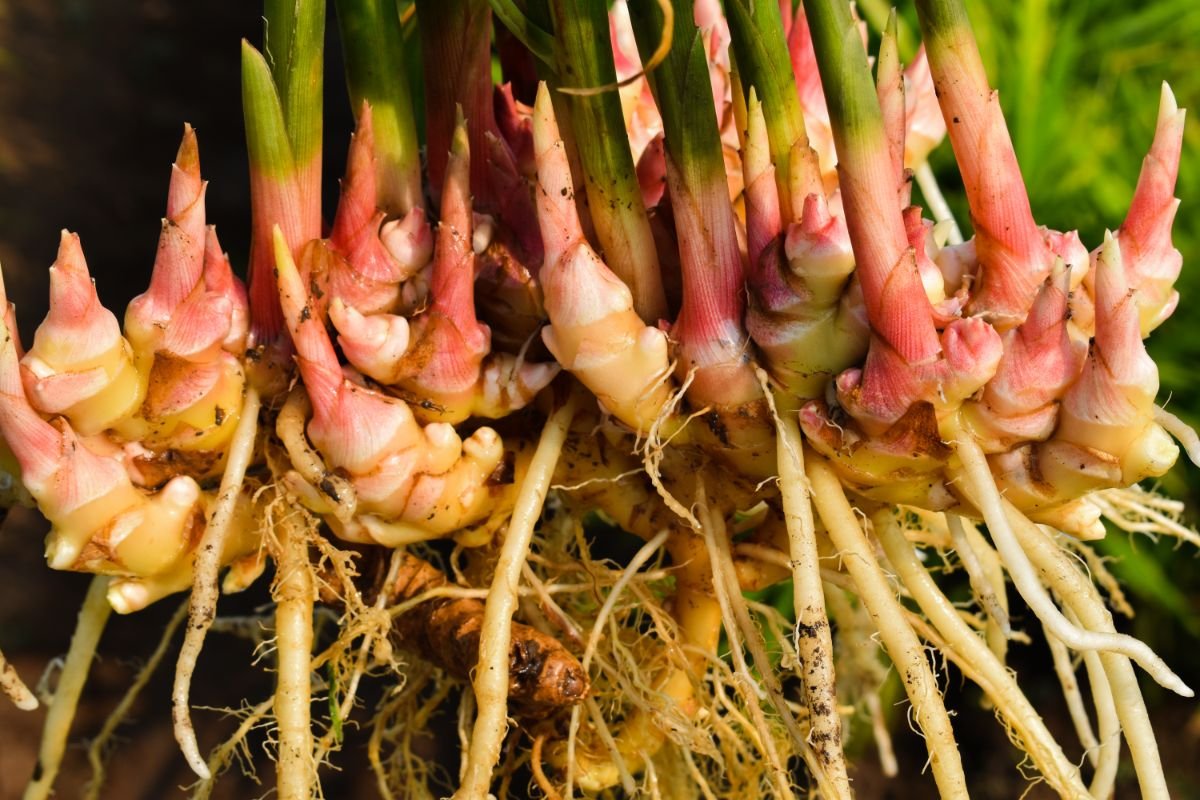
Ginger thrives in soil that is rich and drains well. Make a potting mix by mixing equal portions of superior potting soil, coconut coir, perlite, or sand to improve drainage. Add organic matter, such as compost or well-rotted manure, to give necessary nutrients. The soil needs to be slightly acidic to neutral, with a pH between 5.5 and 6.5. To allow the rhizomes to spread out easily, the soil needs to be friable and lose.
Planting Ginger in Containers: A Step-by-Step Guide
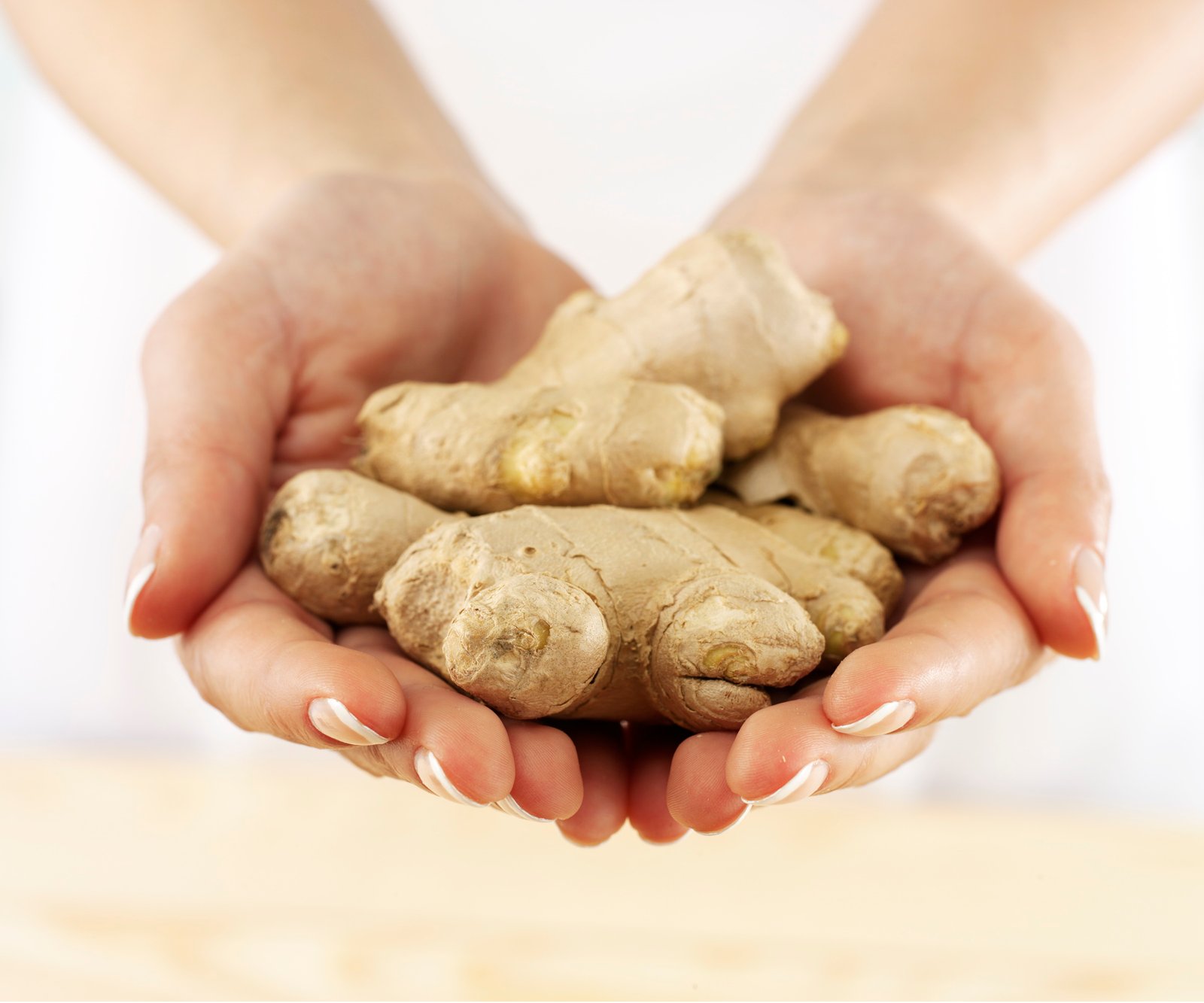
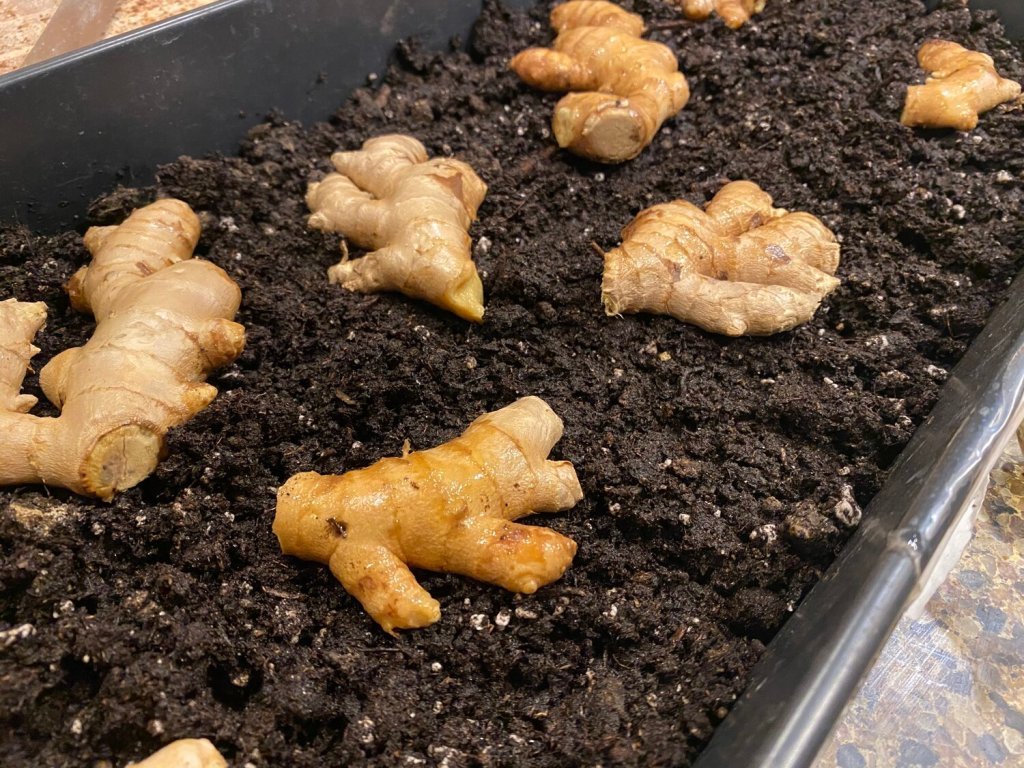
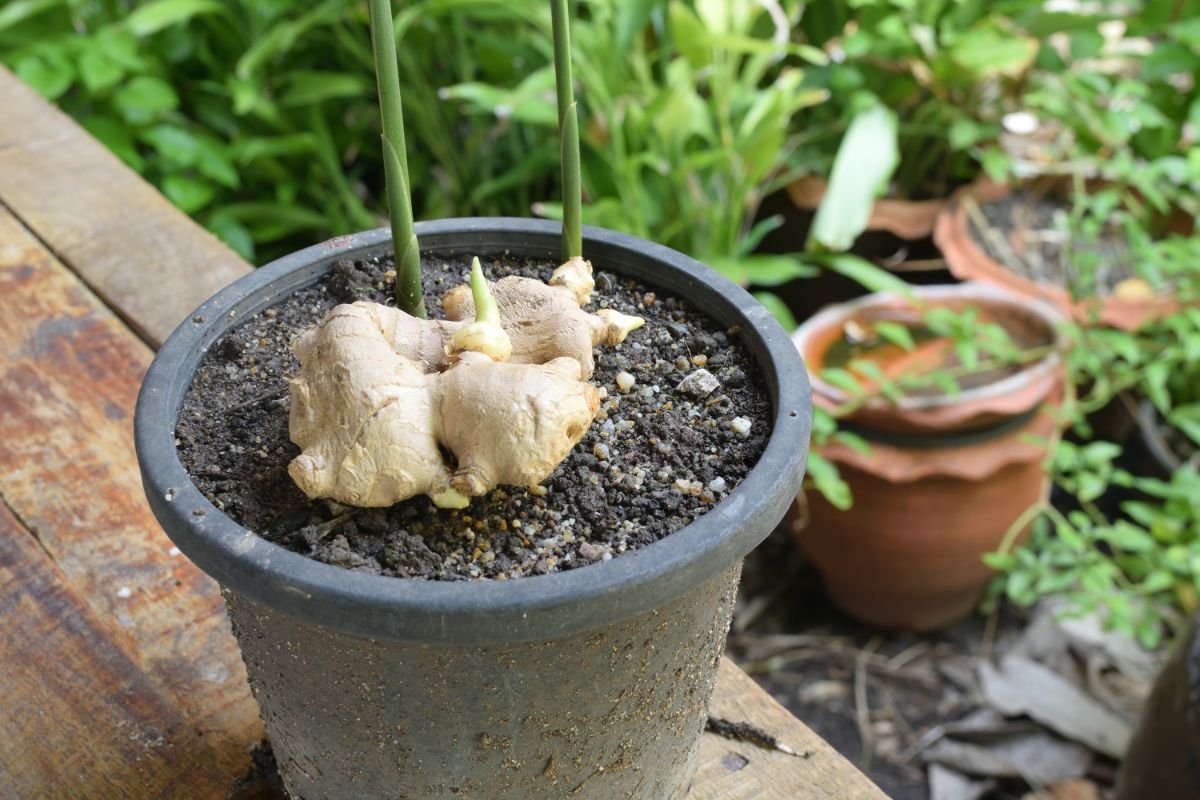
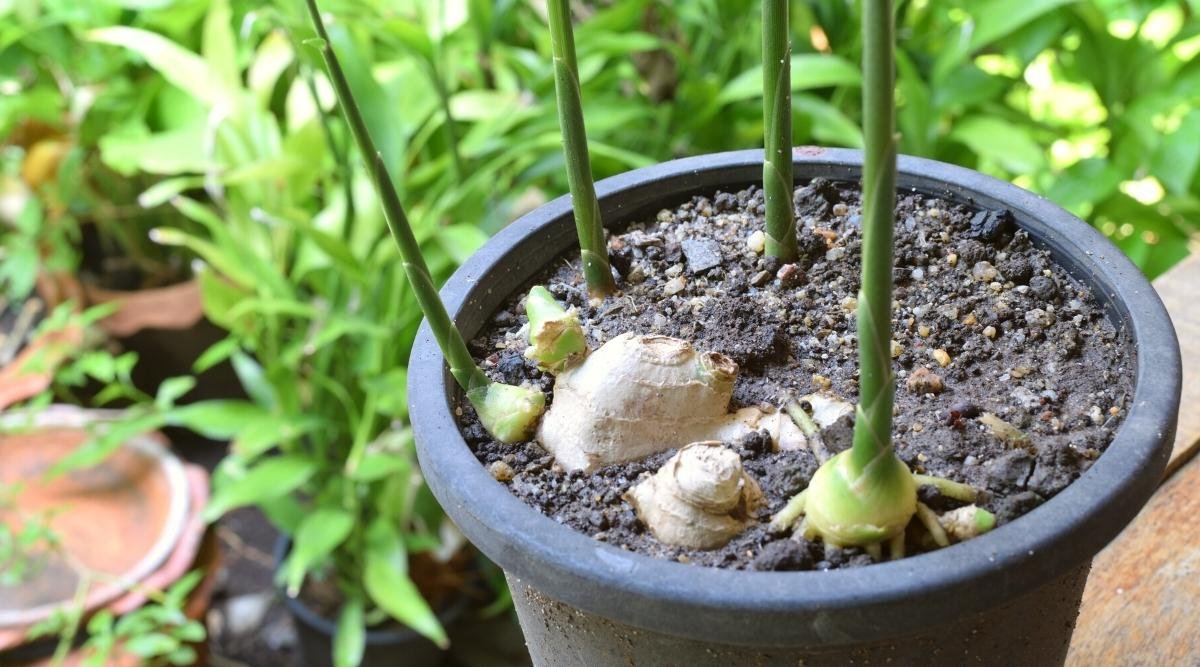
Start by choosing robust ginger rhizomes with obvious ‘eyes’ or buds to grow ginger in pots. To encourage growth, soak the rhizomes in water overnight. Fill the container with the prepared soil, leaving about one inch of space at the top. Set the rhizomes horizontally on the soil’s surface, growth buds pointing up. After covering them with an inch of soil, water the area completely. Put the container in a warm, humid spot that receives indirect sunlight.
Watering and Fertilizing Ginger Plants in Containers
Although ginger plants need constant moisture, root rot can result from overwatering. Check the top inch of soil before you water the plants to make sure the moisture is evenly distributed throughout the container. Feed ginger plants with a balanced liquid fertilizer approximately every 4–6 weeks during the growth season. Excellent organic solutions include seaweed extract or fish emulsion. As the plants get ready for harvest and mature, reduce watering and stop fertilizing.
Managing Pests and Diseases in Container-Grown Ginger
Although container-grown ginger is less prone to pests and diseases, vigilance is still required. Mealybugs, spider mites, and aphids are frequent pests. To get rid of insects, use insecticidal soap or neem oil. Prevent fungal illnesses like leaf spot and root rot by ensuring sufficient airflow around the plants. Check the plants frequently for indications of disease or stress, and immediately get rid of any damaged foliage.
Harvesting Ginger from Containers
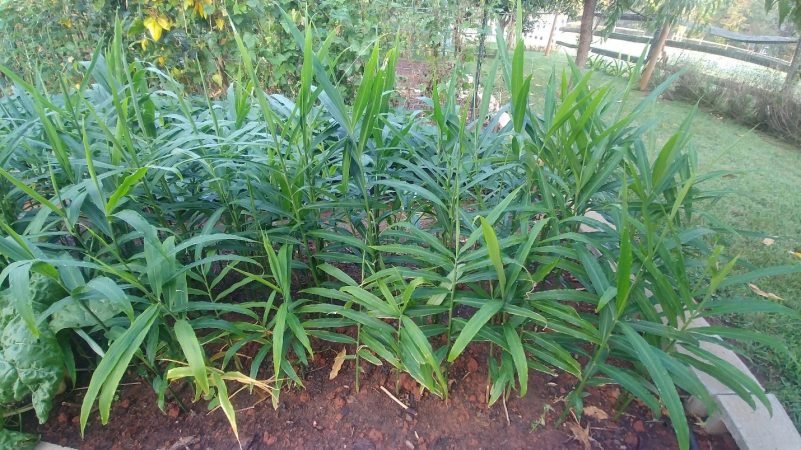
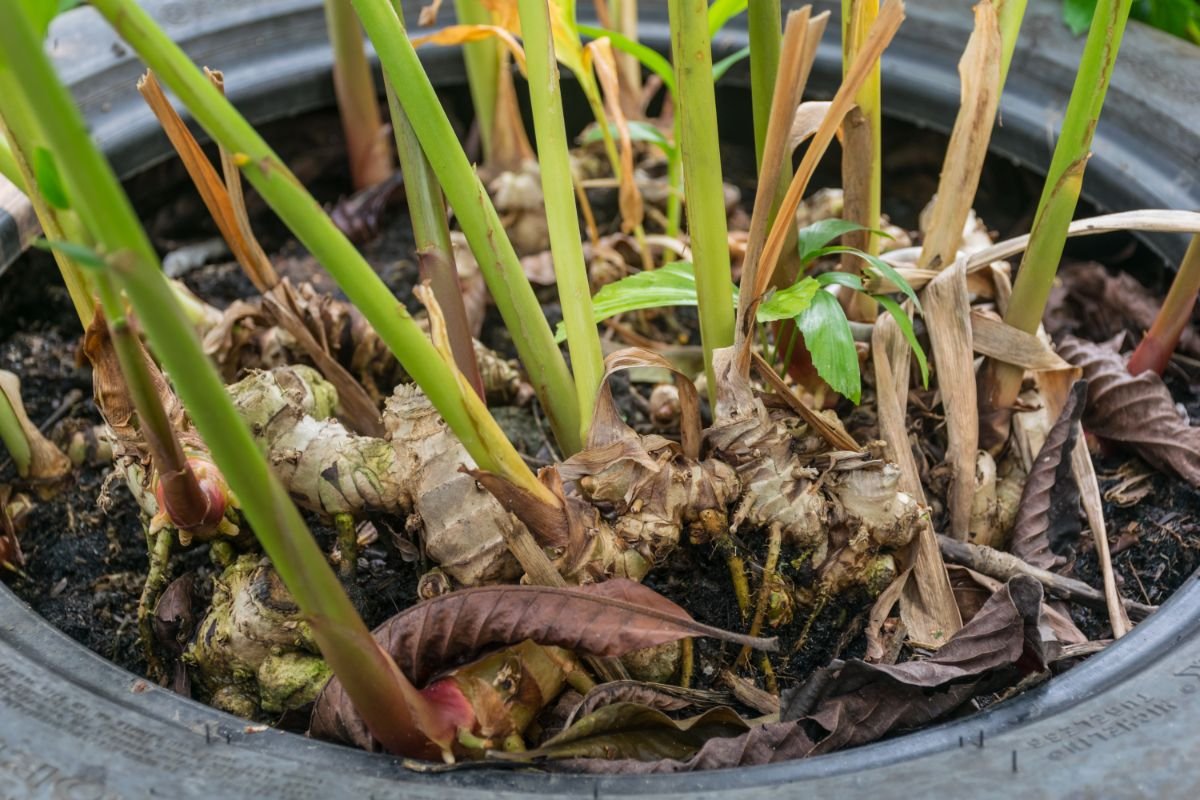
Ginger is typically ready for harvest eight to ten months after planting, or when the foliage starts to turn yellow and wilt. To collect, carefully dig around the rhizomes with your fingers or a small instrument, being mindful not to harm them. Either remove the entire plant or just a portion of it, leaving some rhizomes to continue growing. Completely clean and dry the harvested ginger before storing.
Storing and Using Your Homegrown Ginger
Refrigerate freshly picked ginger for several weeks of storage. Think about freezing or drying the ginger for longer storage. To freeze, cut and peel the ginger before placing it in a sealed container. Dried ginger can be ground to a powder for use in baking and cooking. Homegrown ginger can be used in a variety of recipes, from stir-fries and desserts to teas and soups.
:max_bytes(150000):strip_icc()/gingerGettyImages-126372179-594811115f9b58d58ac5fb82.jpg "Grow ginger in lots of containers with ease using this step-by-step guide")
Troubleshooting Common Issues in Container Ginger Gardening
Stunted growth, subpar rhizome development, and yellowing leaves are typical problems in container ginger gardening. Nutrient shortages or overwatering may be indicated by yellowing leaves. Change how much you water and fertilize as needed. Not enough light or overcrowding can cause stunted development; make sure the plants have enough room and light. Inadequate nutrients or compacted soil can result in poor rhizome development; loosen the soil and enrich it with organic matter.
Conclusion: Enjoying the Fruits of Your Labor
Growing ginger in pots is a satisfying activity that puts fresh, flavorful ginger at your fingertips. You can effectively grow ginger even in small spaces by following this detailed guide. Take pleasure in harvesting your own ginger and trying out new culinary applications. Your container-grown ginger will flourish with the right care and attention, giving you a steady supply of this adaptable spice.


