

Basil is popular among home gardeners and chefs for its aromatic leaves and adaptable uses in cooking. Yet, many people become frustrated when their basil plants begin to wilt for no apparent reason. Knowing the requirements of this delicate herb is key to maintaining its health and vitality.
In this article, we’ll examine the typical causes of wilting in basil plants and offer straightforward, effective ways to restore them. From replicating its natural habitat to trying a popular trick, you’ll gain all the knowledge needed to keep your basil full and lively.
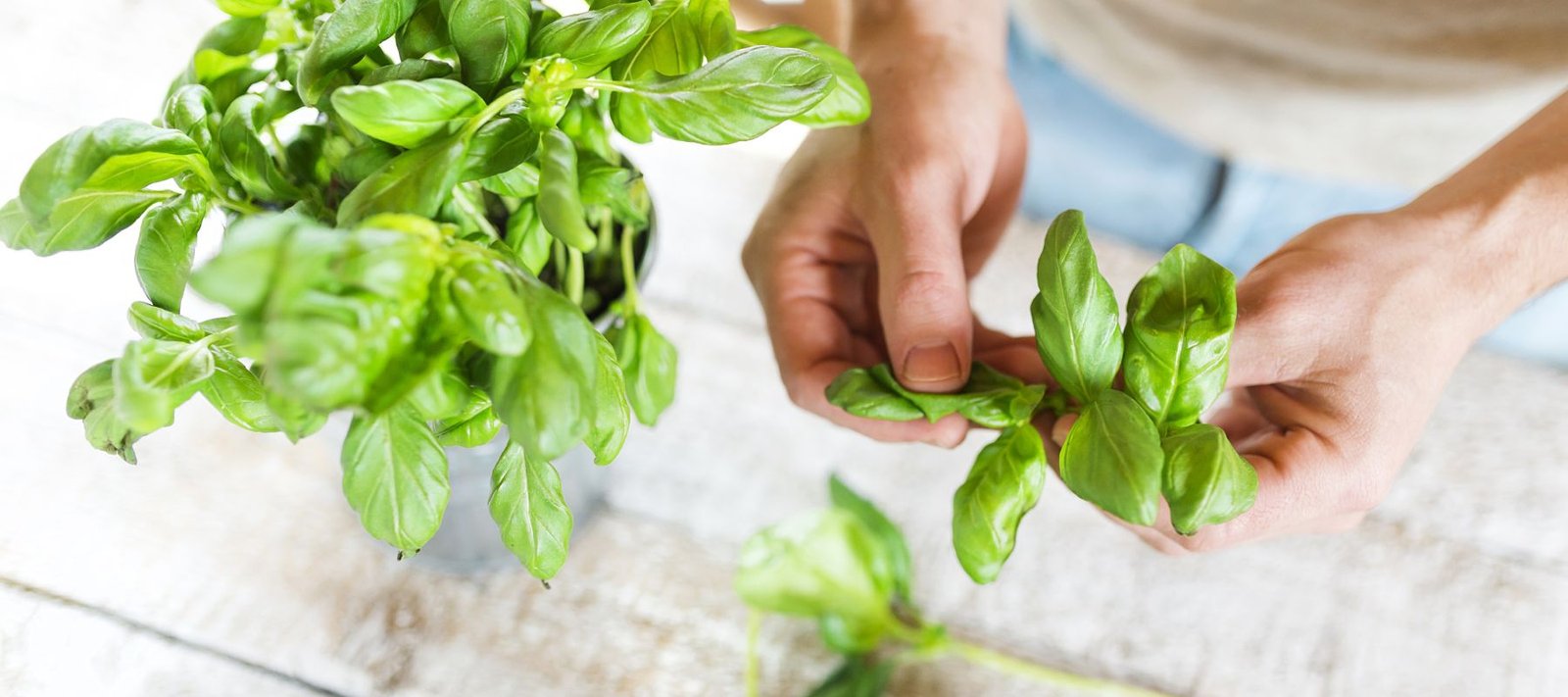
Understanding Basil’s Natural Environment
Basil (Ocimum basilicum) comes from the warm regions of Central Africa and Southeast Asia. It grows best in settings that resemble its origins, featuring warm temperatures, ample sunlight, and soil that drains well. Basil ideally thrives in temperatures from 70°F to 85°F (21°C to 29°C).
It’s vital to position your basil plant in a sunny location, either inside or outside, and protect it from cold drafts or abrupt temperature shifts. Grasping these fundamental environmental requirements is the initial step to avoid wilting.
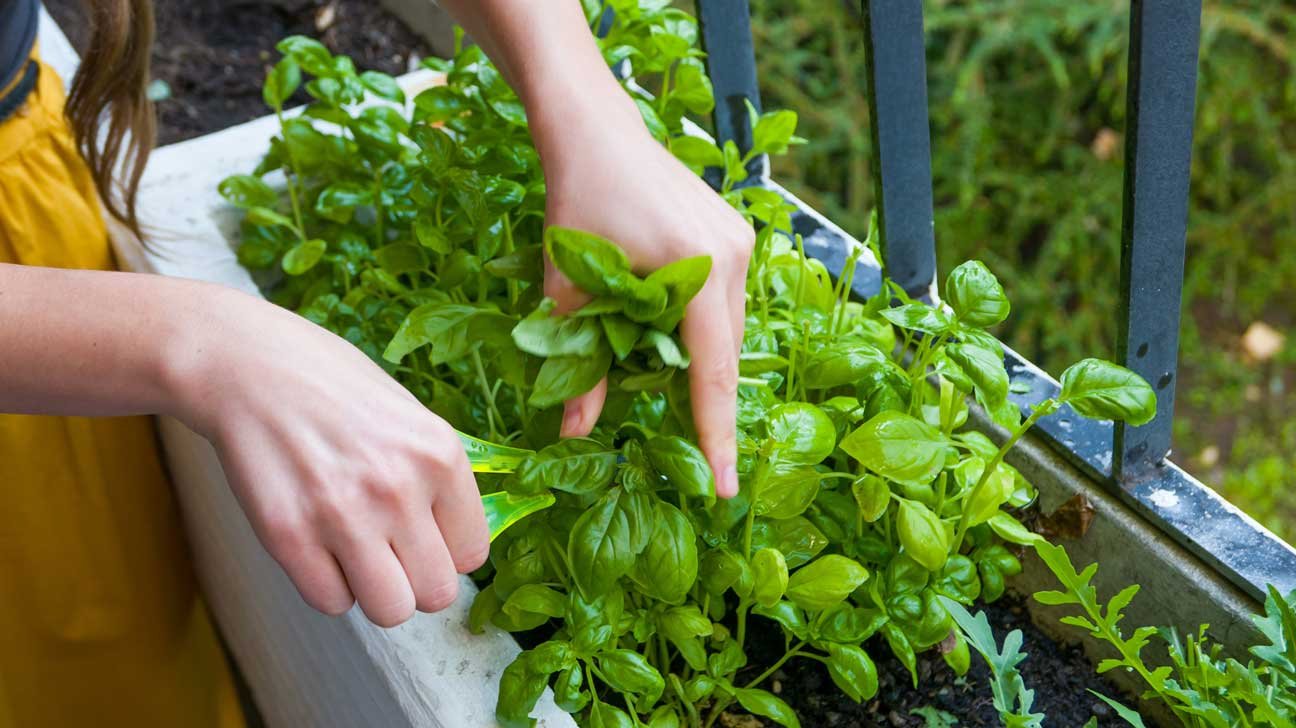
Common Mistakes That Lead to Wilting
A frequent error that results in wilting for basil plants is overwatering. Basil likes soil that is moist without being saturated. Too much water can cause root rot, which stops the plant from properly taking in nutrients and water.
Another issue is putting the basil plant in an area with too little sunlight. Basil needs at least 6 to 8 hours of direct sunlight daily. Lacking enough light, the plant weakens and is more prone to wilting.
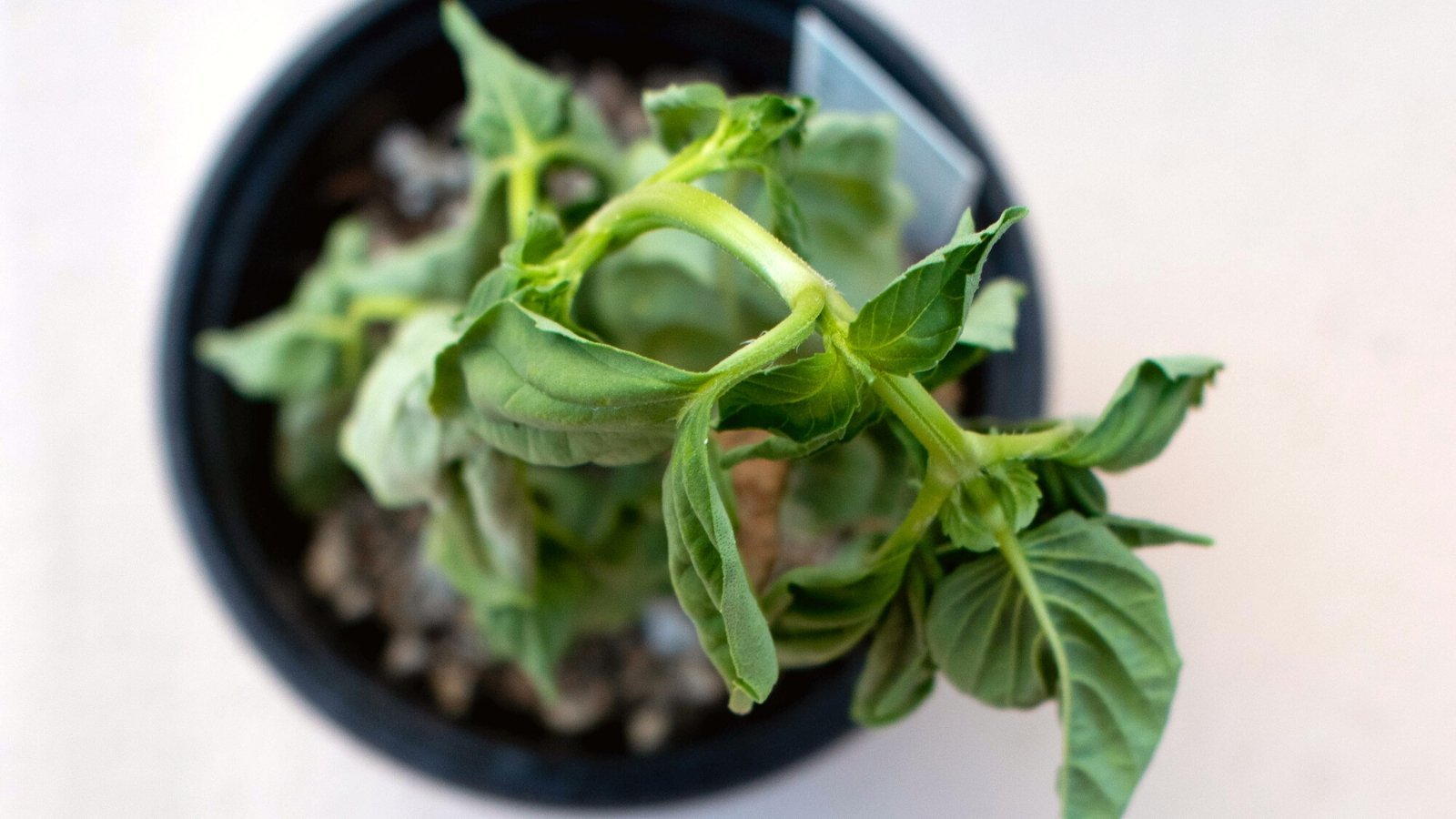
The Importance of Proper Watering Techniques
Ensuring correct watering is essential for your basil plant’s well-being. You should water it thoroughly but not often, letting the top inch of soil dry between sessions. This practice helps the roots extend deeper into the soil, fostering a sturdier and more durable plant.
A pot with drainage holes is necessary to keep water from pooling at the bottom, which might lead to root rot. If basil is grown indoors, a humidity tray can help maintain the right moisture in the air.
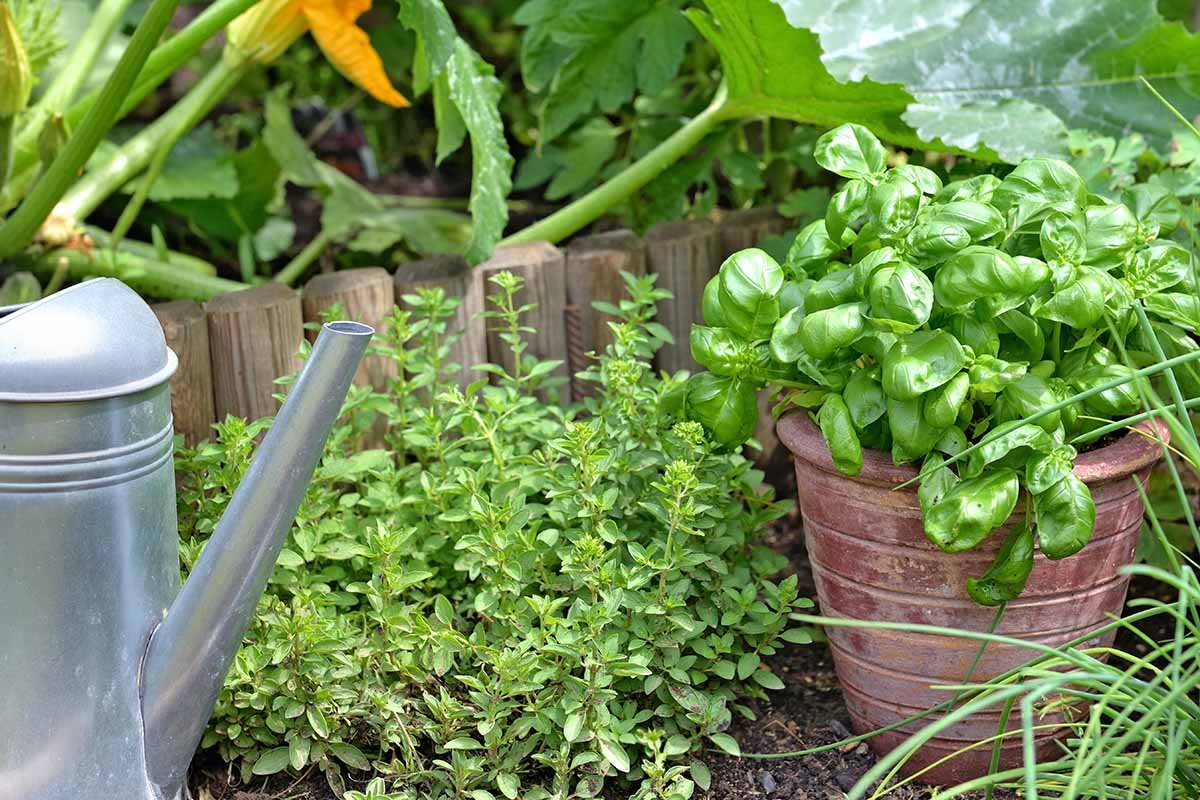
How Temperature Affects Basil Health
Basil is very sensitive to changes in temperature. When exposed to temperatures under 50°F (10°C), the leaves can blacken and wilt. Likewise, temperatures over 90°F (32°C) can stress the plant and cause wilting.
To safeguard your basil from extreme temperatures, move potted plants inside during cold periods or offer shade during the peak heat of the day. Keeping temperatures steady within the preferred range will support your basil’s health.
The Role of Sunlight in Basil Growth
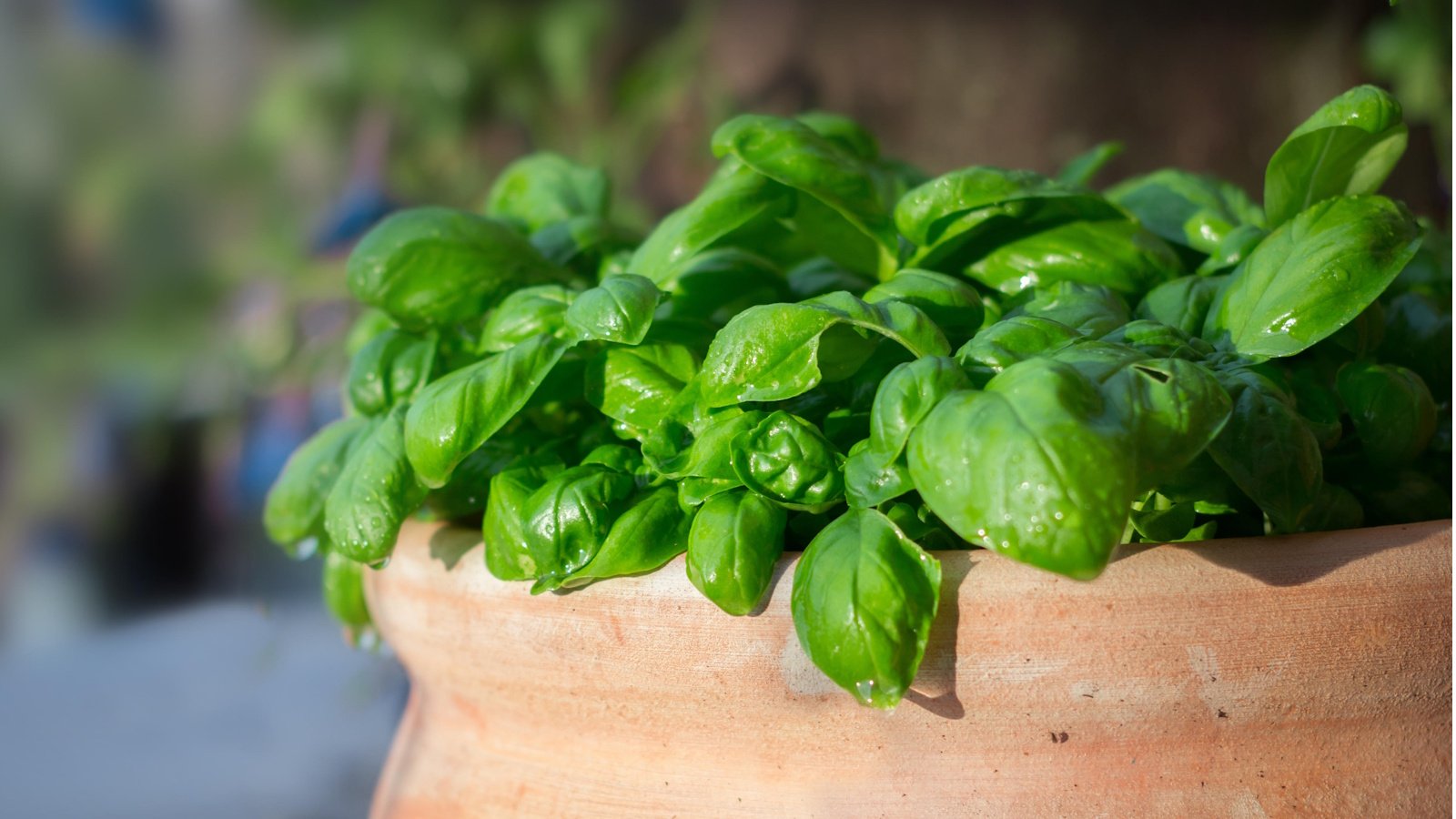
Sunlight plays a vital role in the growth and health of basil. Basil plants need a minimum of 6 to 8 hours of direct sunlight each day to carry out photosynthesis efficiently. If light is insufficient, the plant’s development will slow, and it may start to wilt.
For indoor basil, position it by a south-facing window or use grow lights to add to natural light. Make sure to rotate the plant regularly so that all sides get even sunlight exposure.
Soil Quality: What Your Basil Needs
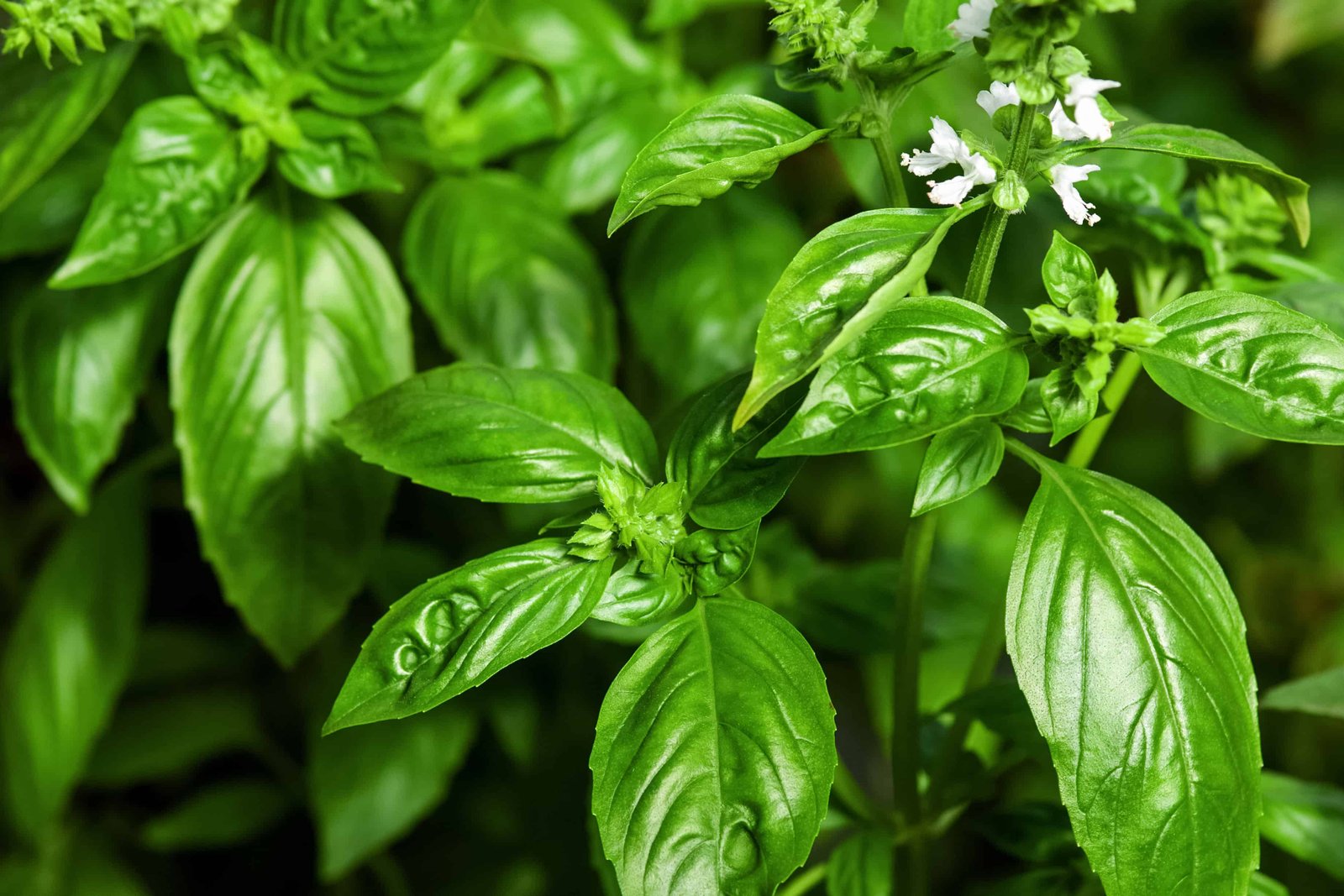
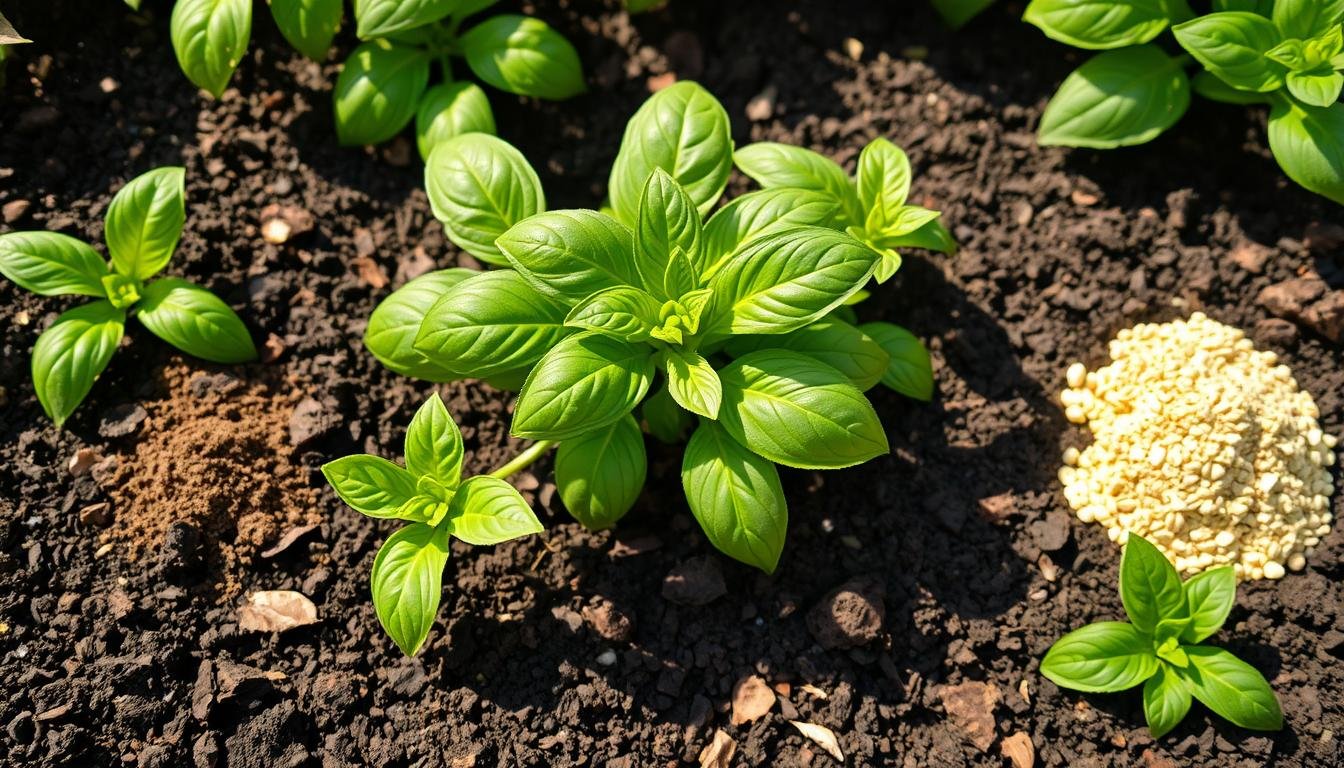
Basil flourishes in soil that drains well and is rich in nutrients. A blend of potting soil, perlite, and compost offers the required drainage and nourishment. The best pH level for basil ranges from 6.0 to 7.5.
Monitor the soil’s state regularly and boost nutrients with organic fertilizers or compost. Steer clear of heavy clay soils, as they hold too much moisture and can result in root rot.
Recognizing Signs of Pests and Diseases
Pests like aphids, spider mites, and whiteflies can make basil leaves wilt by drawing sap from the plant. Check your basil often for indicators of pests, such as sticky residue or small insects on the leaves.
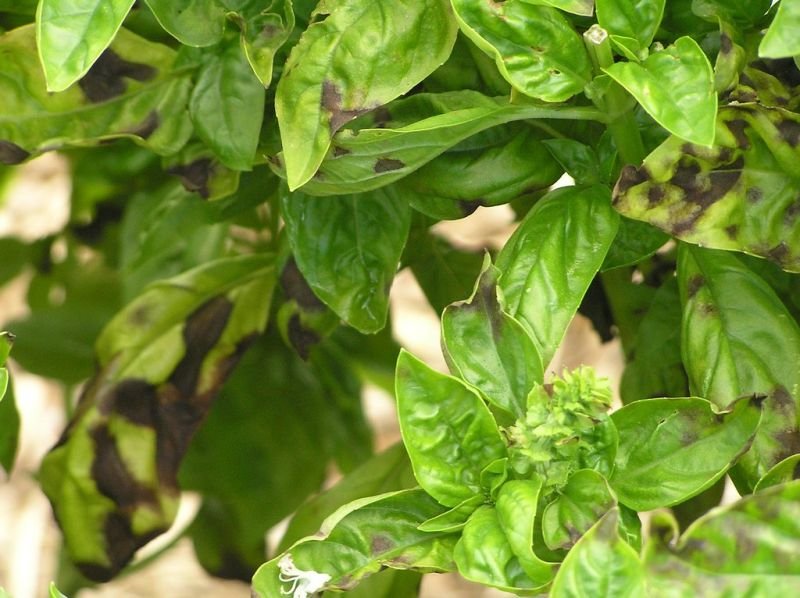
Conditions such as downy mildew and fusarium wilt can also impact basil. Watch for symptoms like yellowing leaves, dark spots, or fuzzy growth on the leaf undersides. Quickly remove affected leaves and apply organic pesticides or fungicides as required.
The Impact of Overcrowding on Basil Plants
Crowding basil plants can create competition for resources like light, water, and nutrients, which leads to wilting. Each basil plant needs sufficient space to allow air flow and limit disease spread.
When planting basil, keep each plant at least 12 inches apart. For pots, select ones that are large enough to support the plant’s root system and enable proper drainage.

Viral Hack: Using Epsom Salt to Revive Basil
Epsom salt, made of magnesium sulfate, is a well-known method for bringing wilting basil plants back to life. Magnesium is necessary for producing chlorophyll, which aids the plant in absorbing sunlight and performing photosynthesis.
To apply this method, mix one tablespoon of Epsom salt into a gallon of water and use it to water your basil plant every four to six weeks. This can enhance the plant’s overall health and energy, helping to minimize wilting.
Pruning Techniques to Encourage Growth
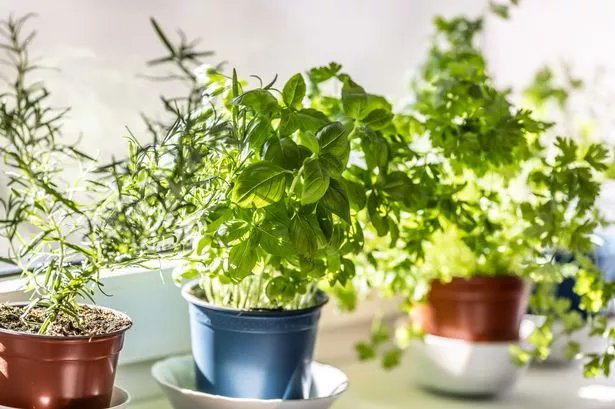
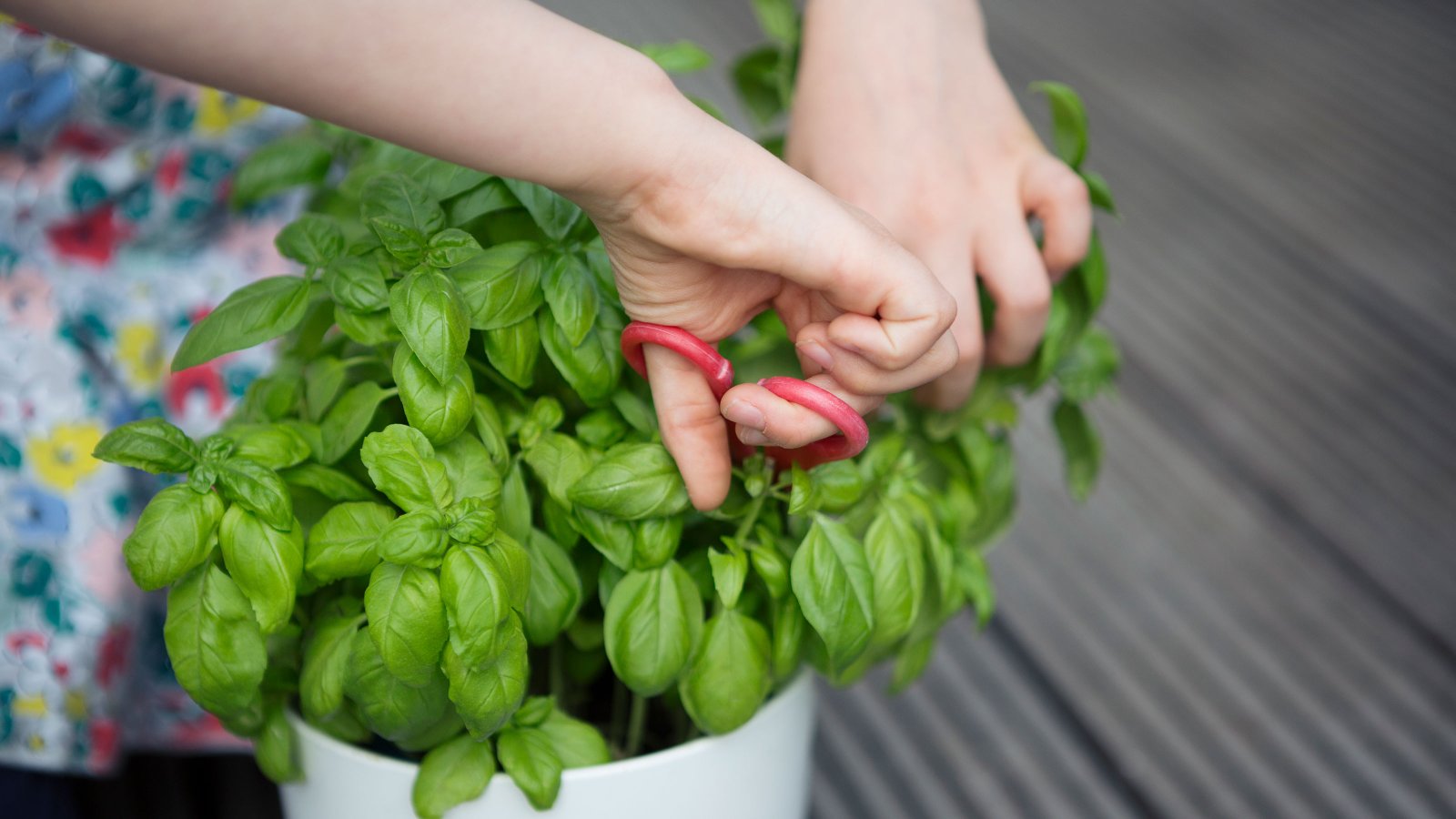
Consistent pruning promotes fuller growth and keeps basil plants from getting too tall and spindly. Regularly pinch off the top leaf sets to encourage side growth and delay early flowering.
When pruning, use clean, sharp scissors or shears to prevent plant damage. Cut away any yellowing or harmed leaves to focus the plant’s energy on healthy development.
How to Create a Basil-Friendly Environment Indoors
To make an indoor space suitable for basil, ensure the plant gets enough light by placing it near a south-facing window or using grow lights. Keep the temperature steady between 70°F and 85°F (21°C to 29°C) and avoid spots with cold drafts or heat sources.
Opt for a potting mix that drains well and a pot with holes to avoid water buildup. You might also use a humidity tray or lightly mist the plant to maintain appropriate humidity levels. Under these conditions, your indoor basil will thrive and supply fresh leaves for cooking.
Conclusion
In summary, maintaining the health of your basil plants is crucial to prevent wilting and ensure they flourish. Understanding their environmental needs, including proper watering techniques, suitable temperature ranges, and sufficient sunlight exposure, lays the groundwork for a healthy garden. Avoiding common mistakes such as overwatering and overcrowding, and recognizing signs of pests and diseases are essential for the longevity of your basil. Additionally, enhancing soil quality and employing effective pruning practices can promote robust growth. Lastly, utilizing methods like Epsom salt can rejuvenate wilting plants, ensuring that they continue to thrive and provide fresh, aromatic leaves for your culinary delights. By adhering to these guidelines, you can create a basil-friendly environment both indoors and outdoors.


