

Petunias are well-loved by gardeners for their brilliant colors and prolonged summer blooming. Nevertheless, deadheading is vital to keep them in prime condition and encourage ongoing flowering. It’s a surprise to some gardeners that incorrectly deadheading these lovely flowers can really impede their growth and flowering potential.
We’ll cover the proper way to deadhead petunias in this article so you can get the most out of your plants. We’ll go over everything you need to know to produce bigger and more profuse blooms, from understanding the significance of deadheading to learning the proper methods and timing.
Understanding the Importance of Deadheading
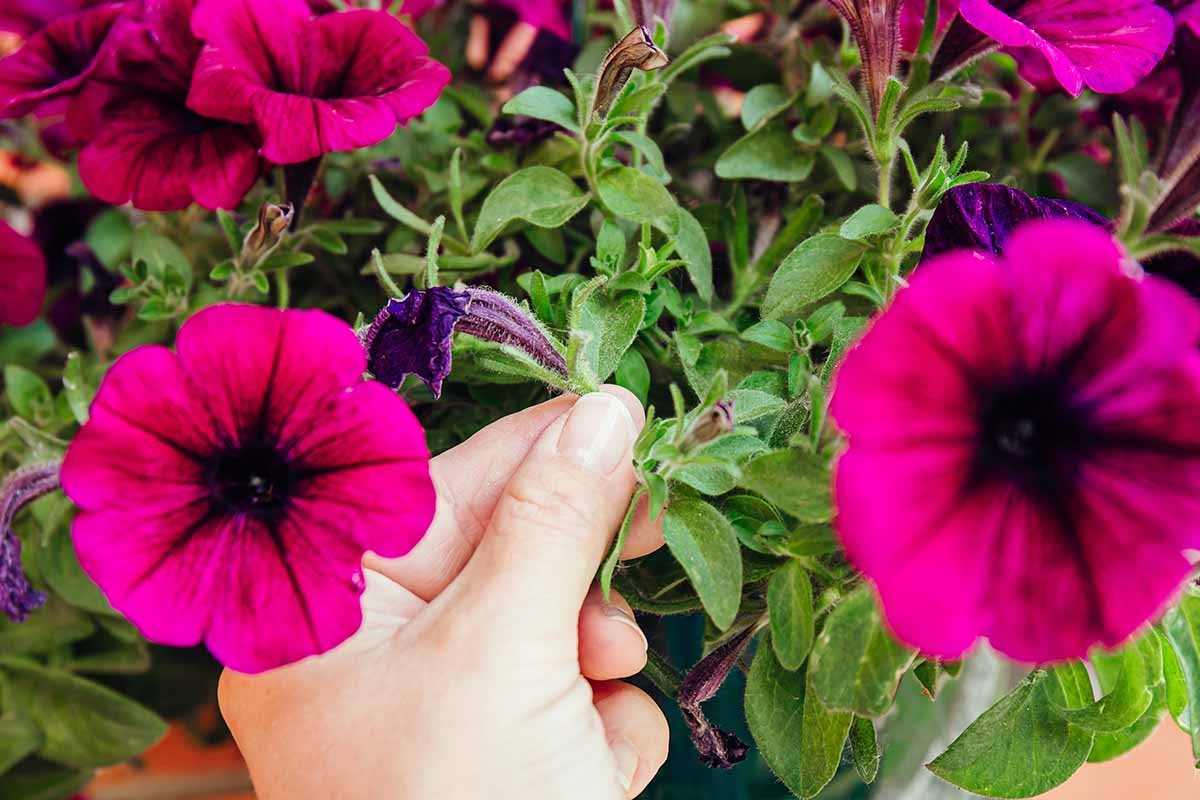
Removing faded flowers from a plant is called deadheading. In the case of petunias, it is necessary to prevent the plant from producing seeds. A dying petunia flower will start seed production, signaling the plant to cease blooming. Removing these spent flowers motivates the plant to put its effort into producing new blooms instead of seeds.
Deadheading helps maintain the plant’s general health and look, in addition to boosting bloom production. By removing dead flowers, the plant avoids using energy and resources on seed production, allowing it to utilize those resources for new growth and flower production.
Common Mistakes in Deadheading Petunias
Gardeners often make the mistake of merely pinching off the flower head without taking out the seed pod. This won’t stop the plant from producing seeds, which could result in fewer blooms. Another error is using dull or unclean tools, which can harm the plant and spread diseases.
Some gardeners also wait too long between deadheading, which allows seed pods to develop and reduces the plant’s capacity to bloom. It is critical to deadhead frequently, ideally every few days, to keep your petunias in good condition.
The Right Tools for the Job
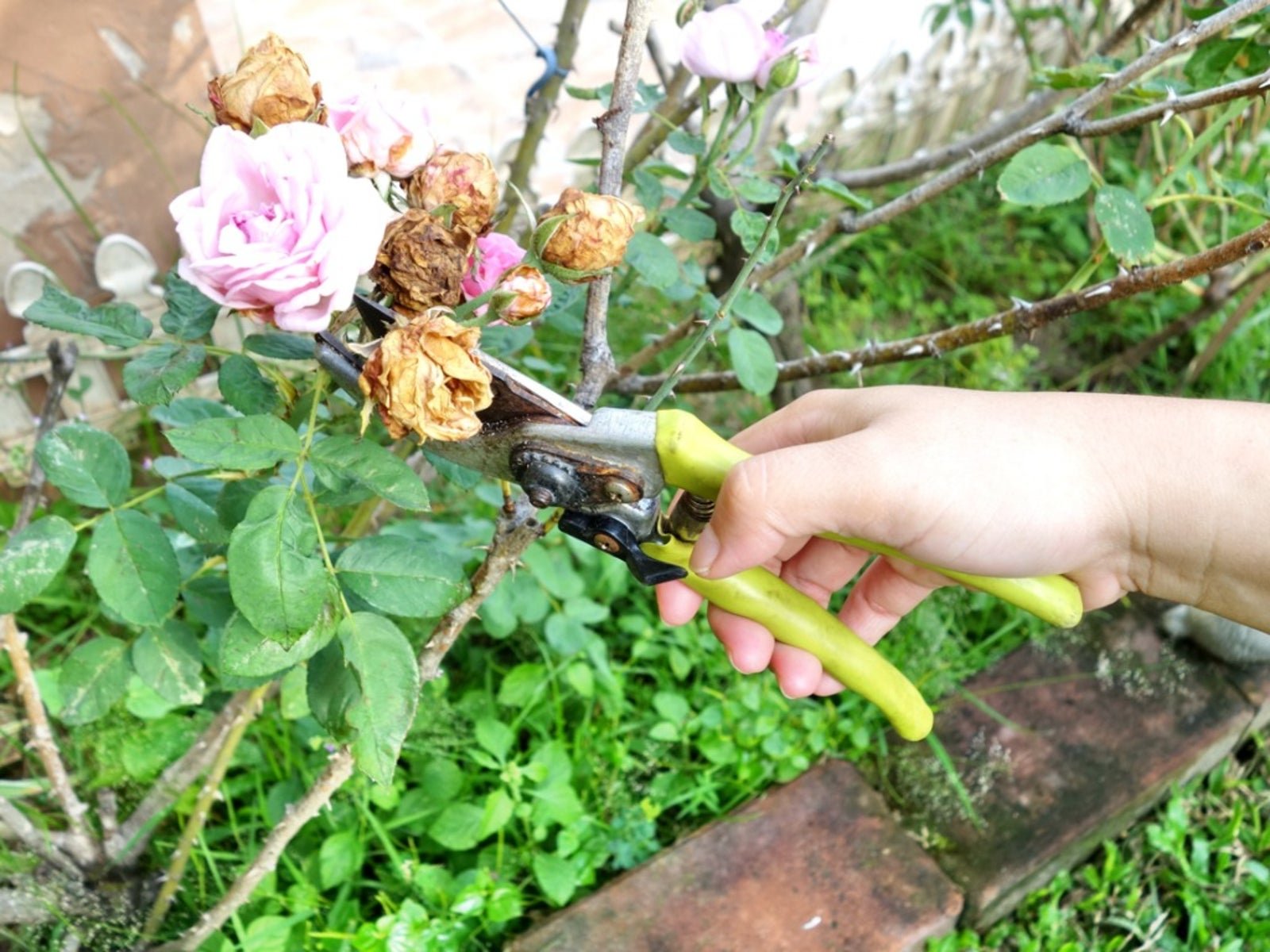
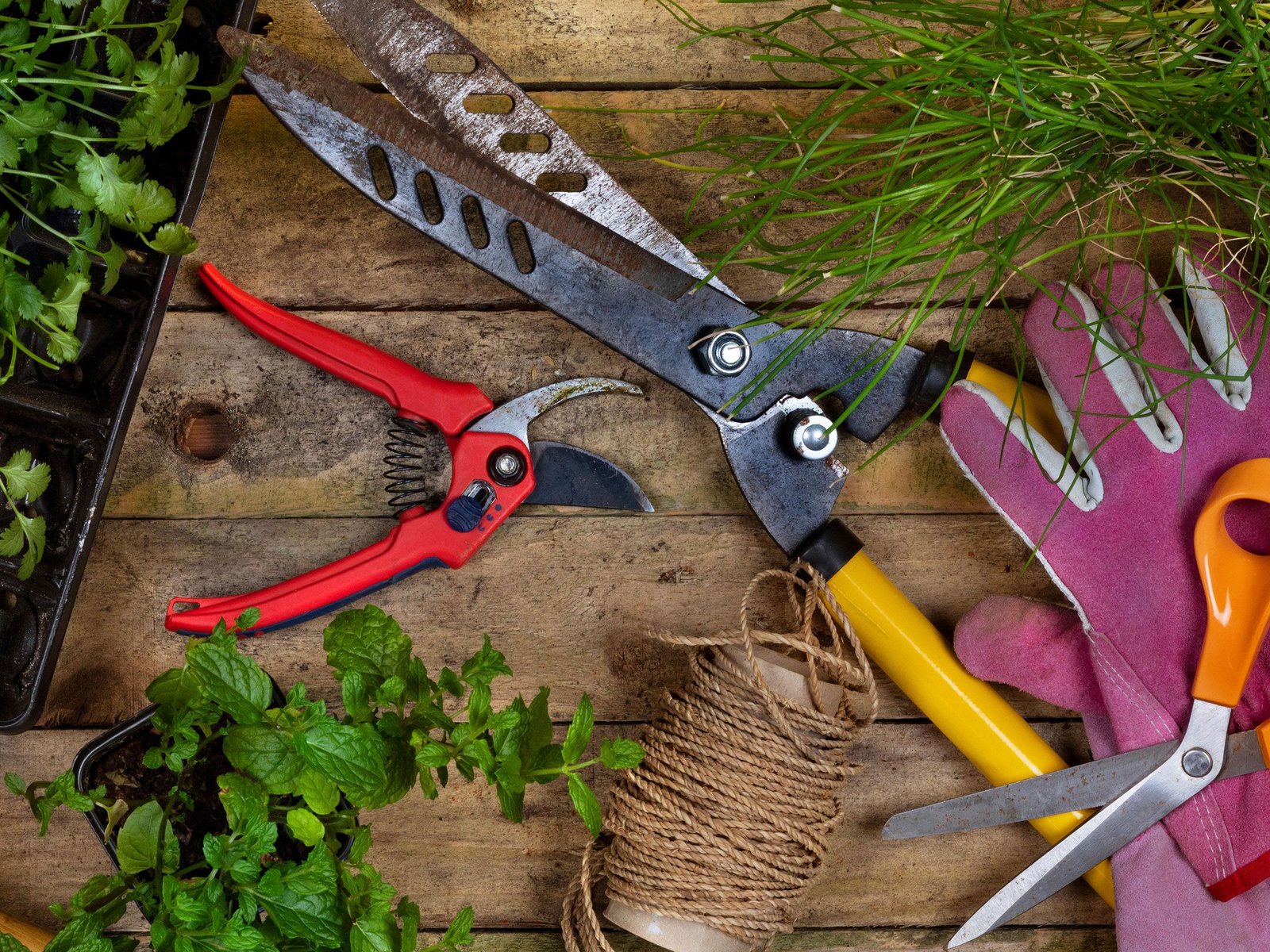
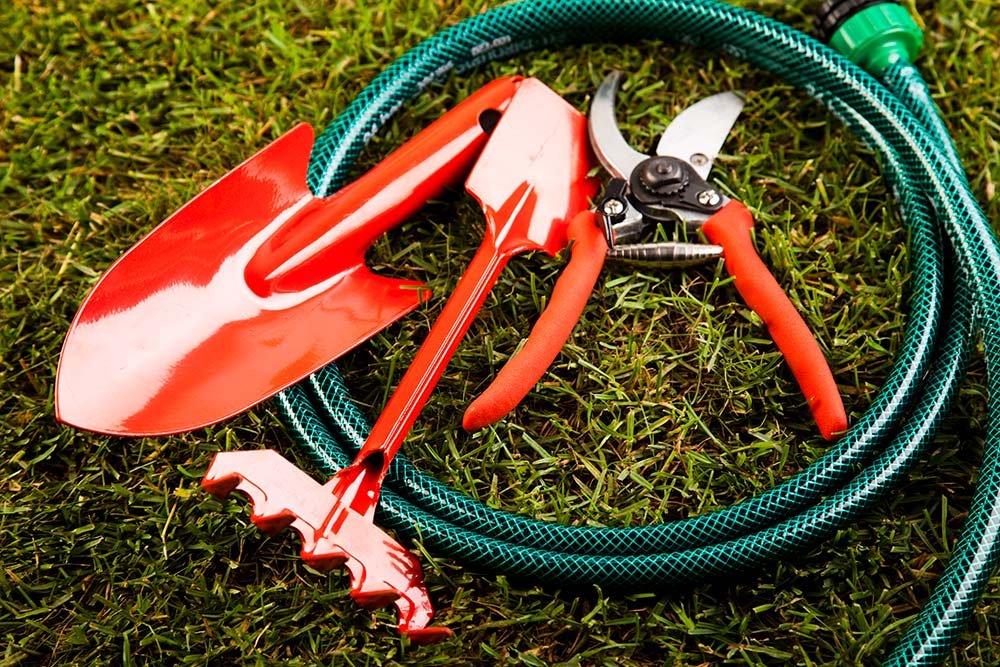
Sharp, clean scissors or pruning shears are needed to properly deadhead petunias. Sharp tools produce clean cuts, which aid in preventing plant damage and lowering the risk of disease. A small bucket or container to gather the dead flowers and seed pods as you work is also a smart idea.
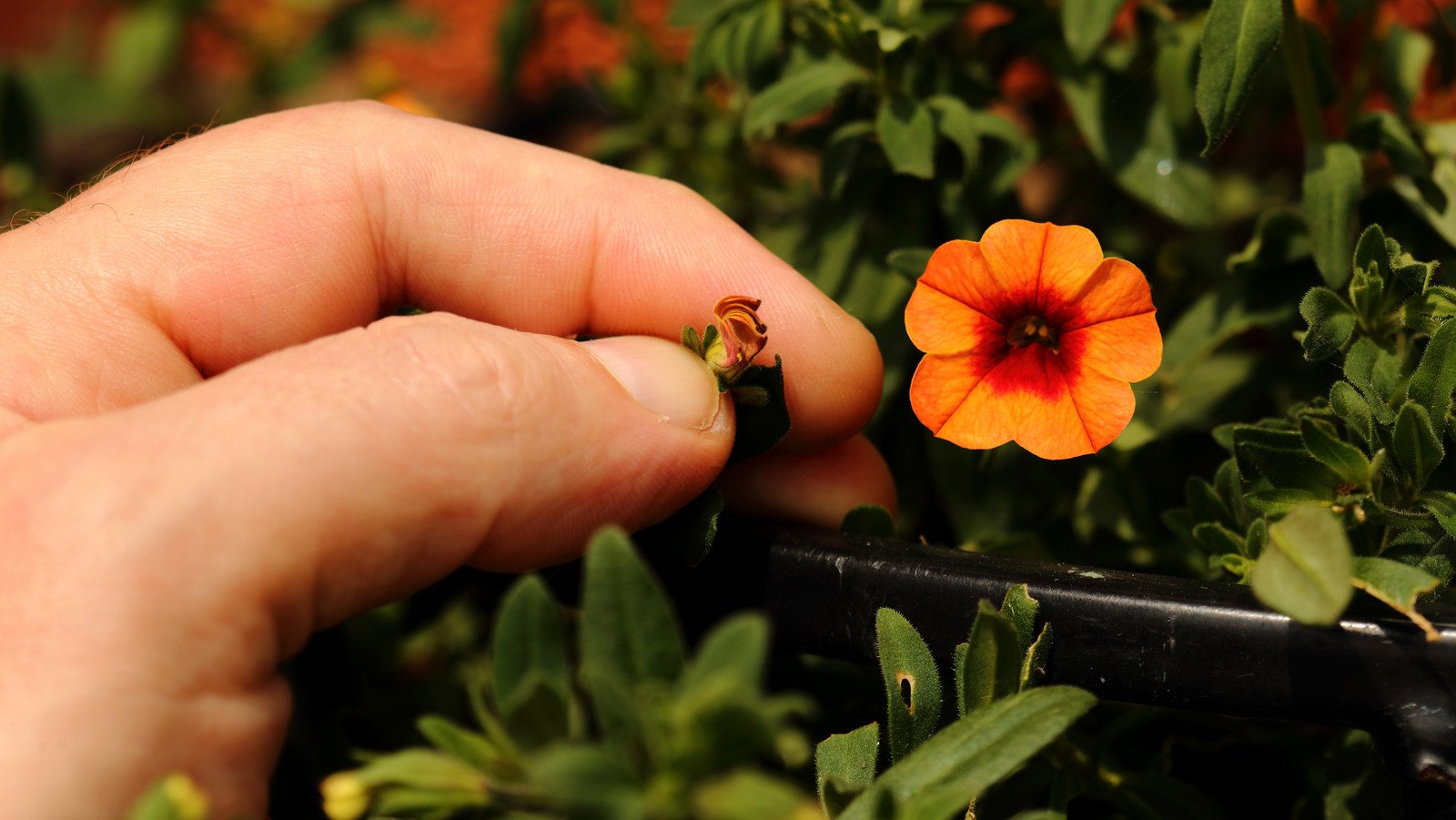
You can also use your fingers to pinch off the blossoms if you like a more hands-on approach. Make careful to get rid of the full flower and seed pod to ensure effective deadheading.
Timing: When to Deadhead for Optimal Results
Petunias are best deadheaded in the early morning or late afternoon when the sun isn’t too intense. This lessens plant stress and aids in preventing wilting. It’s crucial to deadhead frequently, ideally every few days, to prevent the plant from producing seeds.
During the height of the blooming season, you might need to deadhead more frequently to keep up with the plant’s growth. Keep an eye on the weather and change your deadheading schedule as needed because hot, dry weather can make flowers fade more quickly.
:max_bytes(150000):strip_icc()/GettyImages-2220907145-5f7ff0c524724d3c99d56d5ffd2e419c.jpg)
Step-by-Step Guide to Properly Deadhead Petunias
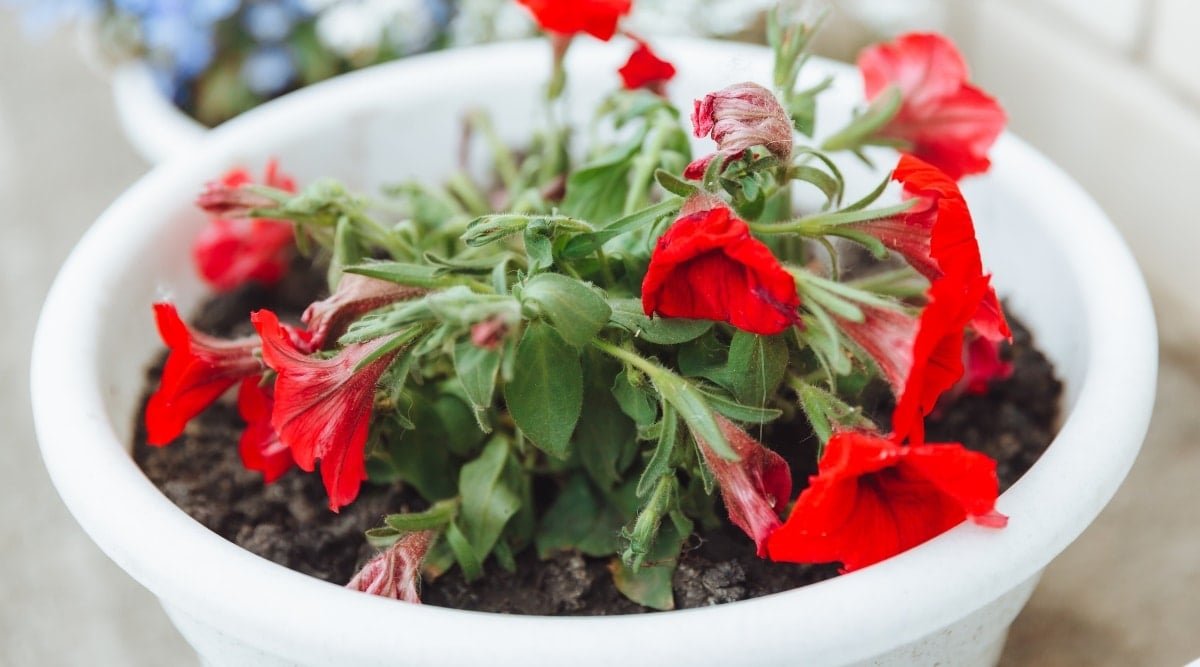
- Identify the spent flowers: Search for flowers that have begun to wilt and lose color. These should be taken out.
- Locate the base of the flower: Follow the stem down to the location where the flower connects to a leaf node or the main stem.
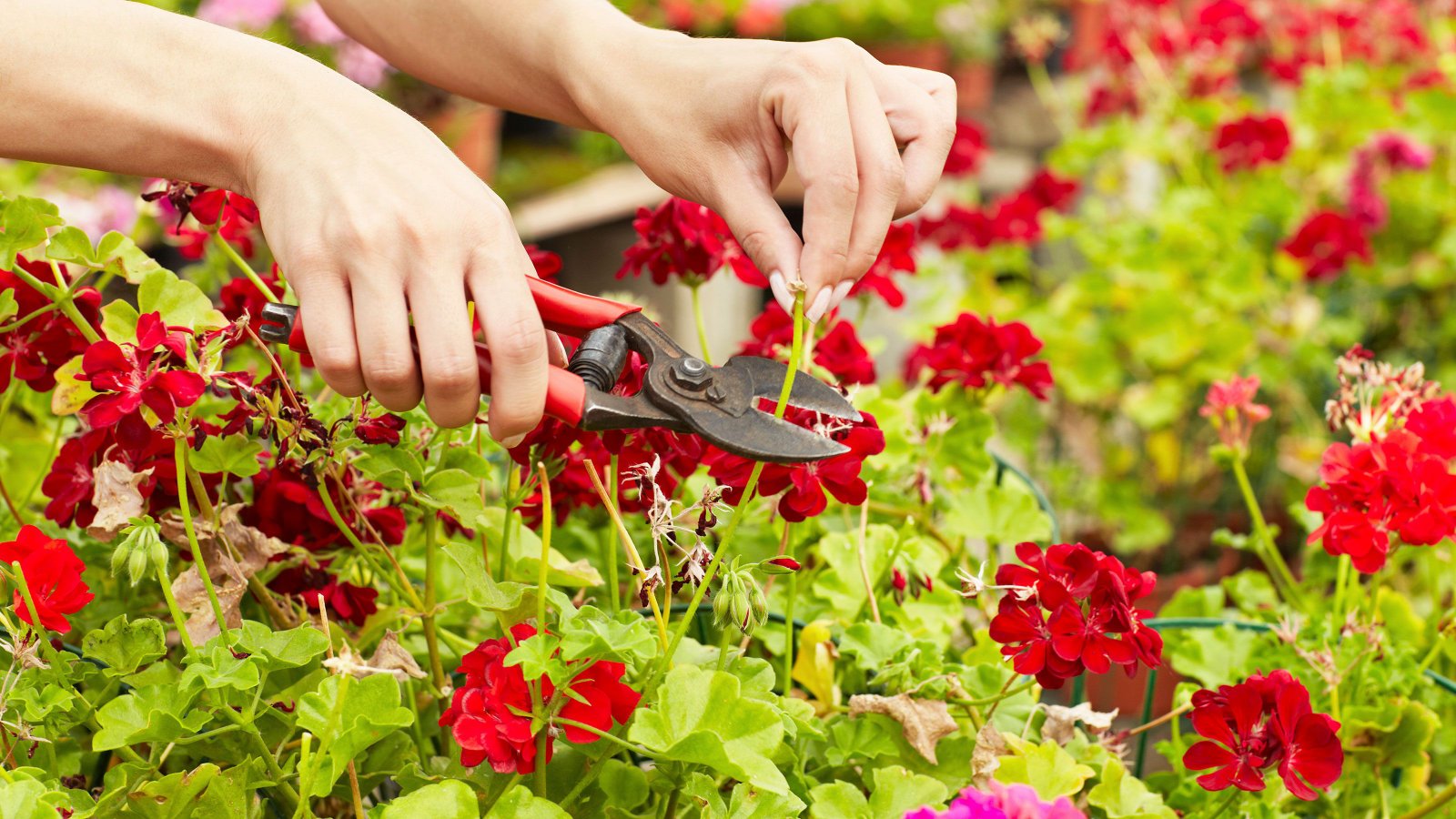
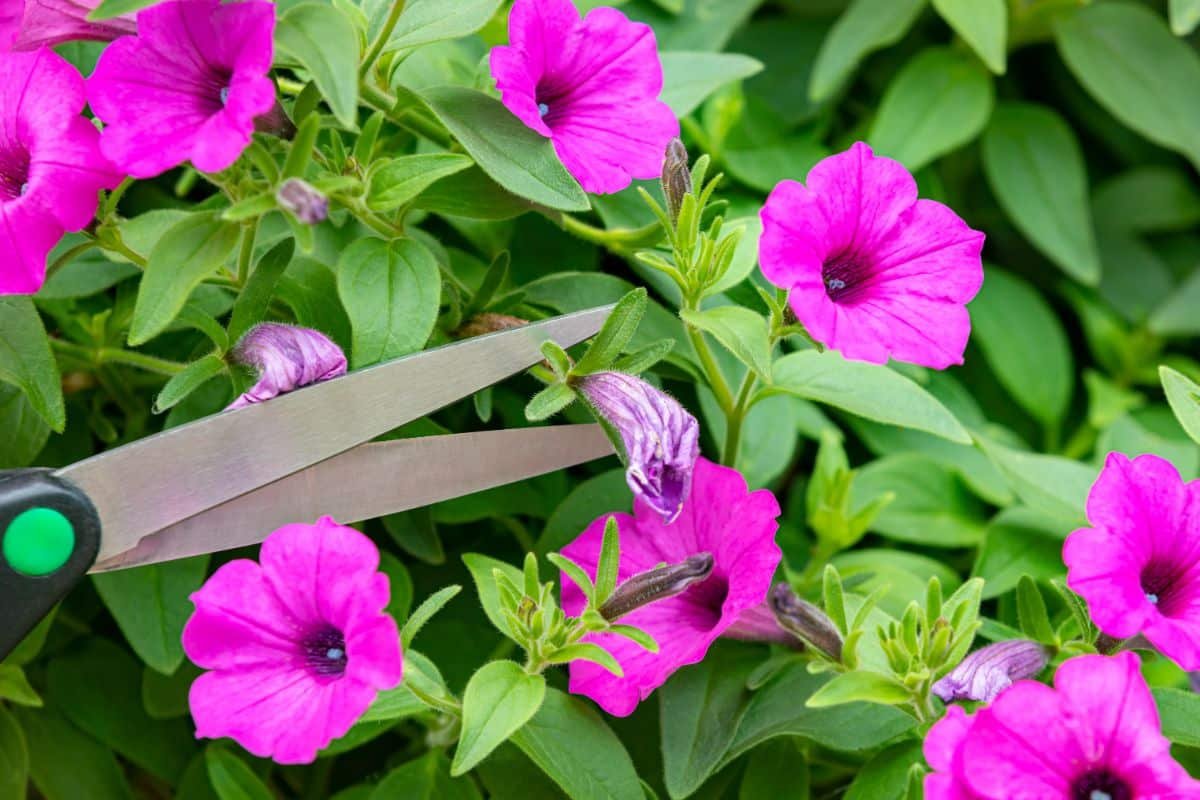
- Use your tool: Make a clean cut with your scissors or pruning shears just above the leaf node or main stem, making sure to remove the entire flower and seed pod.
- Dispose of the debris: Put the spent flowers and seed pods in your container, and then throw them away properly.
- Repeat regularly: Check your petunias every few days and repeat the procedure to keep them in bloom.
The Role of Weather and Season in Deadheading
The frequency and effectiveness of deadheading your petunias are greatly influenced by the weather. During hot and dry times, blooms may wilt and die more rapidly, thus requiring more regular deadheading. Conversely, you might discover that the flowers last longer and require less frequent care in cooler, wetter conditions.
Seasonal changes also have an impact on deadheading. When growth is just starting in the early spring, you might not need to deadhead as frequently. However, as the season goes on and the plant hits its peak blooming time, regular deadheading becomes more crucial to maintaining flower production.
:strip_icc()/deadheading-roses-00nNzI7O4WQAKgSBC9W-ew-8fa3bf18111046a8b9199ad89729d522.jpg)
Viral Hacks: What Works and What Doesn’t
There are numerous popular gardening techniques that claim to make the deadheading process better, but not all of them work. For instance, some people advise using common household items like nail clippers or kitchen scissors; however, these tools are frequently too dull and could harm the plant.
One technique that is effective is using a tiny spray bottle of water to gently mist the plant before deadheading. This can make the blossoms softer and simpler to remove without harming the plant. But always make sure your equipment is sharp and clean to get the best results.
:max_bytes(150000):strip_icc()/how-to-deadhead-roses-5649220-05-56921ff43ef14ca8b324b8ebe2306eb9.jpg)
How Deadheading Affects Bloom Size and Frequency
Petunia bloom size and frequency are directly impacted by proper deadheading. The plant can redirect its energy into producing larger and more frequent blooms by removing spent flowers and preventing seed production. This not only improves the plant’s appearance but also lengthens the blooming period.
Regular deadheading can lead to a noticeable increase in the number of blooms, as well as their size. This is because the plant is not wasting resources on seed production and can instead focus on creating new flowers.
Tips for Maintaining Healthy Petunias Post-Deadheading
It’s crucial to continue taking care of your petunias after deadheading to make sure they stay healthy and colorful. Regularly water the plants, especially during dry spells, to keep the soil wet but not soggy. To supply vital nutrients, fertilize every two to three weeks with a balanced, water-soluble fertilizer.
In addition, keep a watch out for pests and diseases that could harm the health of your petunias. Regularly check the leaves and stems for any signs of trouble, and take immediate action to resolve any issues.
Expert Advice: Insights from Professional Gardeners
When it comes to deadheading petunias, professional gardeners place a strong emphasis on consistency. According to experts, success depends on routine maintenance and attention to detail. They advise creating a schedule for deadheading and sticking to it because it helps ensure that the plants stay in top shape.
Experts also caution against over-fertilizing, as this may result in rich foliage at the expense of blooms. Instead, concentrate on offering well-balanced nourishment and maintaining appropriate watering habits to encourage robust growth and abundant flowering.
Conclusion
In conclusion, deadheading petunias is crucial for promoting continual blooming and maintaining the overall health of the plants. By promptly removing spent flowers and seed pods, gardeners can help direct the plant’s energy towards producing new blooms rather than seeds. Employing sharp, clean tools at the right time—preferably in the cooler parts of the day—can also enhance the effectiveness of deadheading. This practice not only leads to larger and more frequent flowers but also allows for better control over the plant’s growth throughout varying weather conditions and seasons. Incorporating expert advice, such as adhering to consistent maintenance schedules and proper fertilization habits, further bolsters the vitality of petunias, ensuring a vibrant and flourishing garden.


