

Why should you read on? Gaining a comprehensive understanding of the mulberry tree’s potential could transform your gardening and your perspective on natural health solutions. The mulberry tree boasts various profound benefits, from its adaptability to diverse climates to its medicinal capabilities. Continue reading and discover why including this tree in your garden could be the best decision you make this year.
The Mulberry Tree: A Gardener’s Best Friend:
To begin, the mulberry tree is incredibly easy to cultivate. Below are some reasons highlighting its status as a gardener’s ally:
Hardiness:
Mulberry trees exhibit resilience across various climates, spanning from colder temperate regions to tropical environments. This quality makes them a flexible option suitable for almost any garden setting.
Low Maintenance:
After they are established, mulberry trees demand very little attention. They exhibit resistance to typical pests and diseases and thrive in standard soil conditions.
Fast Growth:
These trees exhibit rapid growth, delivering shade and fruit within a relatively short timeframe. Some varieties might even produce fruit in their inaugural year after planting.
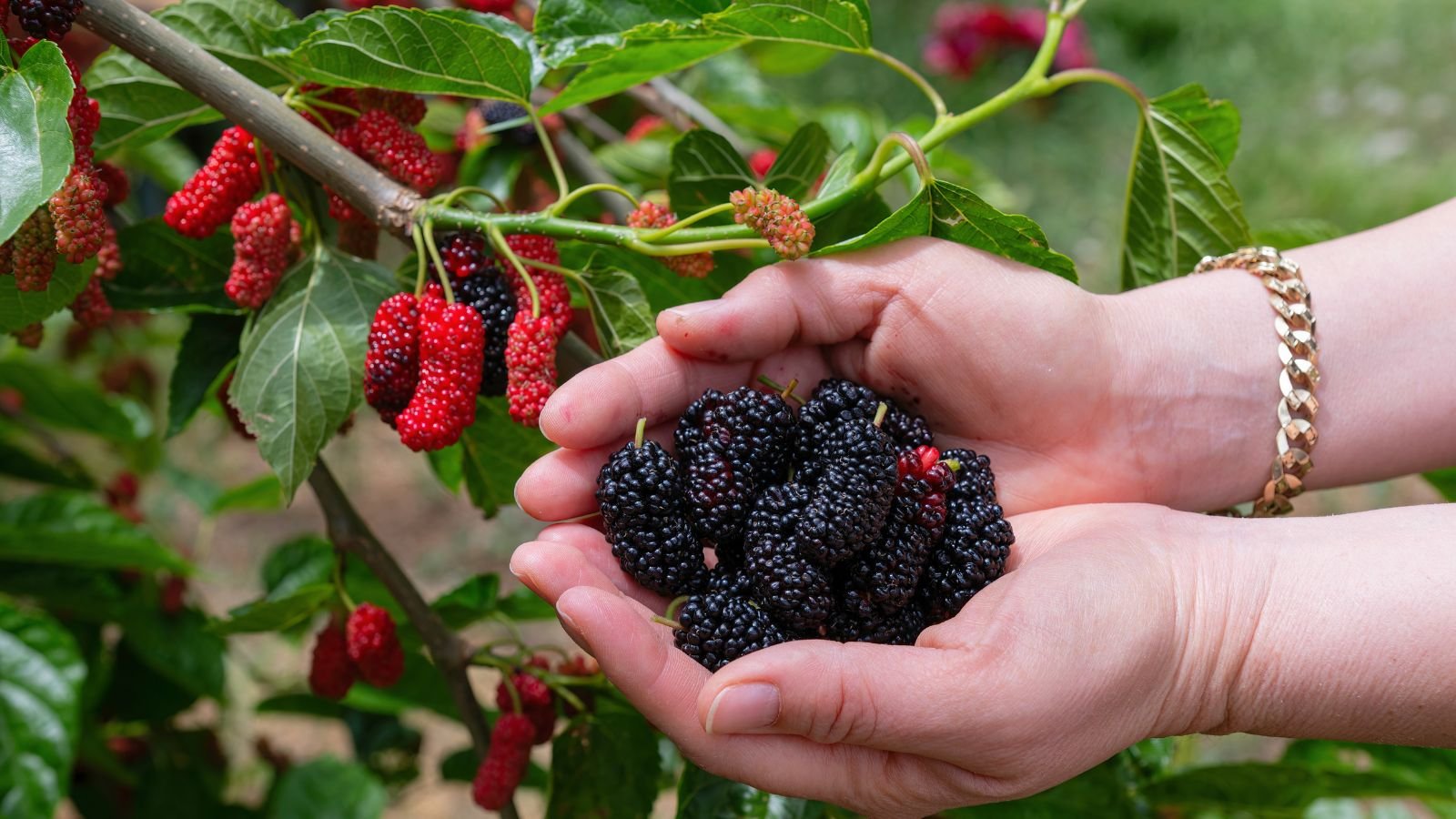
Medicinal Benefits of the Mulberry Tree:
The health-promoting characteristics of the mulberry tree extend beyond just its fruit. The following highlights several medicinal applications derived from different parts of the tree:
Leaves:
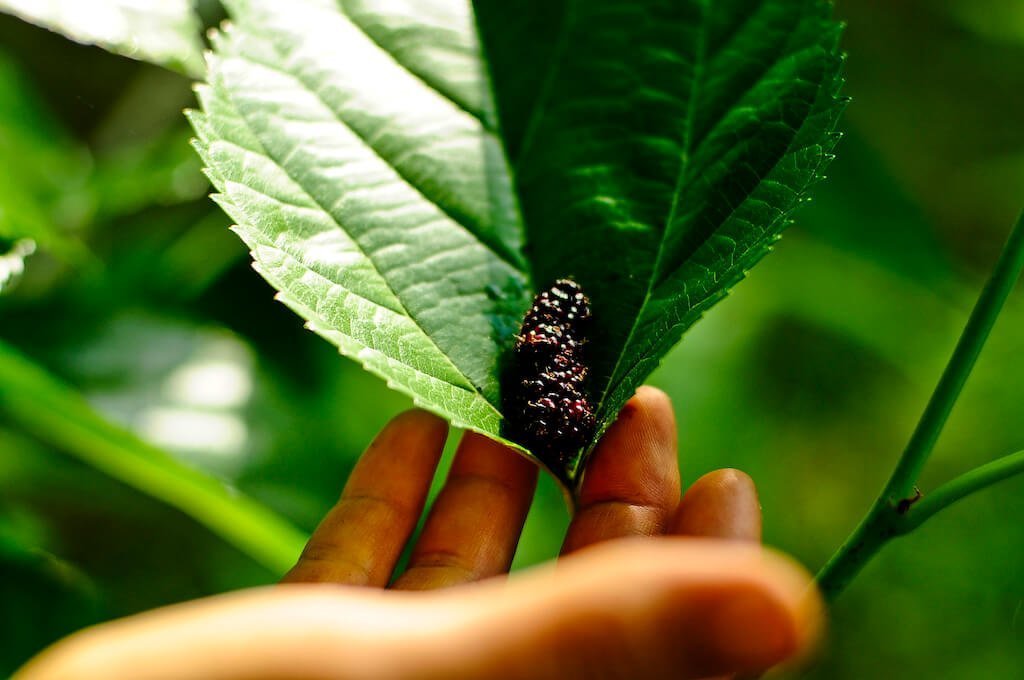
Mulberry leaves are abundant in antioxidants. They have been utilized historically to aid in controlling blood sugar, making them advantageous for individuals managing diabetes. Brewing the leaves into a tea can assist in decreasing blood glucose levels and enhancing overall metabolic performance.
Bark:
The mulberry tree’s bark encompasses anti-inflammatory attributes. Traditional medicine has incorporated it to address ailments such as eczema and dermatitis. When applied as poultices, mulberry bark can aid in diminishing skin irritation and inflammation.
Fruit:
Mulberries are packed with nutrients, providing Vitamins C and K, fiber, and iron. Consuming mulberries may bolster a robust immune system, lower the probability of certain cancers, and enhance digestive processes. Additionally, the fruit’s elevated antioxidant content grants it anti-aging advantages.
By integrating a mulberry tree into your garden, you gain access not solely to a source of delectable and healthy fruit but also to a versatile medicinal resource. Mulberries transcend simple tasty treats; they constitute a natural remedy for diverse conditions and contribute to general wellness.
Aside from the numerous practical benefits, the mulberry tree also serves as an aesthetic enhancement for your garden. Its lush, green foliage and distinctive growth habits provide visual interest throughout the seasons. In spring, the tree is adorned with delicate, fragrant flowers that attract a variety of pollinators, including bees and butterflies, enriching the biodiversity of your garden. As summer approaches, the vibrant fruits hang from branches, creating a striking contrast against the deep green leaves. In fall, the foliage can turn to shades of yellow and orange, making it a beautiful focal point as the seasons change.
Financial Advantages
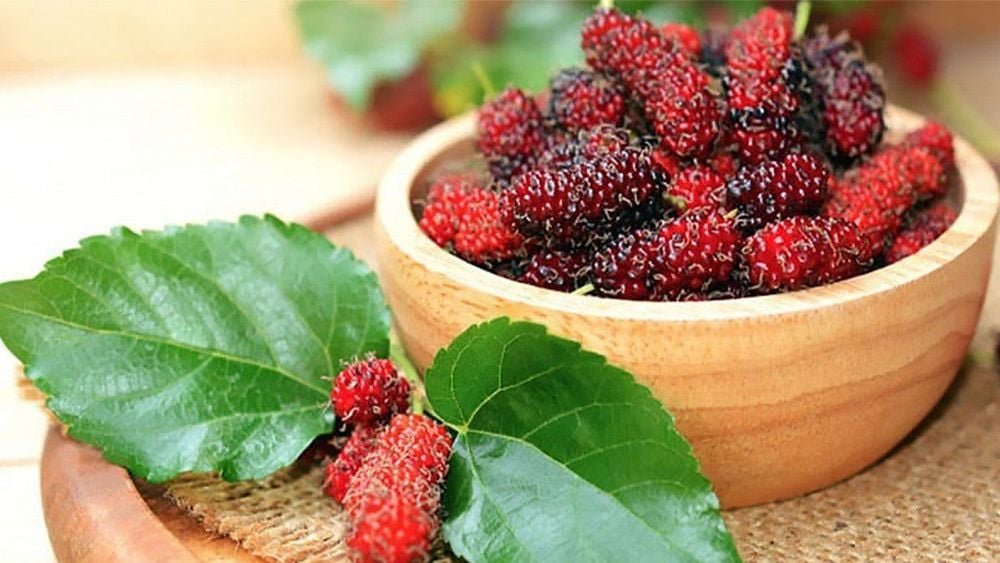
Planting a mulberry tree can also have financial implications that make it an attractive addition to your garden. As these trees mature, the fruit they produce can be harvested not only for personal consumption but also for sale at local markets or for making preserves and desserts. Homemade mulberry jam, for instance, has seen a resurgence in popularity, providing an opportunity to explore home-based entrepreneurship. Additionally, mulberry leaves are sought after in some markets for use in herbal remedies and teas, potentially turning your garden into a small-scale business venture.
Attracting Wildlife
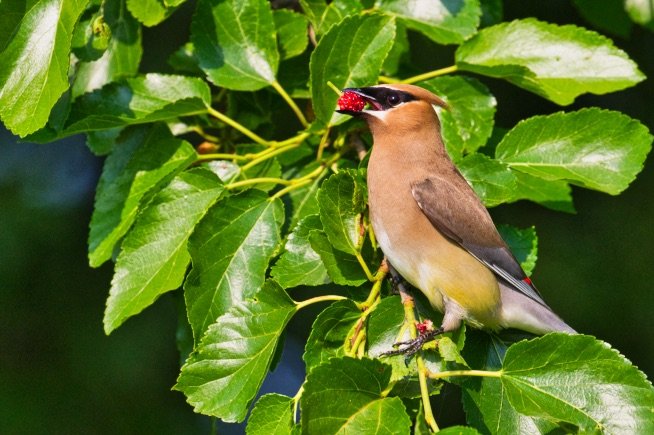
Incorporating a mulberry tree into your garden ecosystem can foster a habitat for various forms of wildlife. Birds, in particular, are drawn to the sweet, ripened fruit, offering a lively spectacle as they flock to your tree. This not only enhances the natural dynamics of your garden but also promotes a more stable environment for other beneficial insects and animals. Increased biodiversity in the garden aids in establishing a self-sustaining ecosystem, which can reduce the reliance on chemicals and pesticides.
Conclusion
In summary, the mulberry tree presents multiple advantages for gardeners seeking productivity, beauty, and wellness in their outdoor spaces. With its hardiness, low maintenance requirements, rapid growth, and extensive medicinal benefits, this tree stands out as a valuable addition to any garden. Beyond its practical uses, the artistic and financial rewards of cultivating mulberries can transform your gardening experience into a more enriching and sustainable endeavor. By embracing the potential of the mulberry tree, you not only foster a unique botanical treasure but also enhance your overall quality of life through its diverse contributions.


