

Houseplants have become a fundamental part of interior decorating, adding life and energy to our living spaces. However, not every residence has a lot of natural sunlight. Low-light houseplants serve as a great substitute for individuals who reside in apartments or houses with little sunshine. These plants not only survive but also flourish in low-lit settings, making them excellent additions to any area in your home. We will discuss 20 excellent houseplants in this article that require little sun, allowing you to enjoy plants regardless of your lighting circumstances.
Understanding Light Requirements for Houseplants
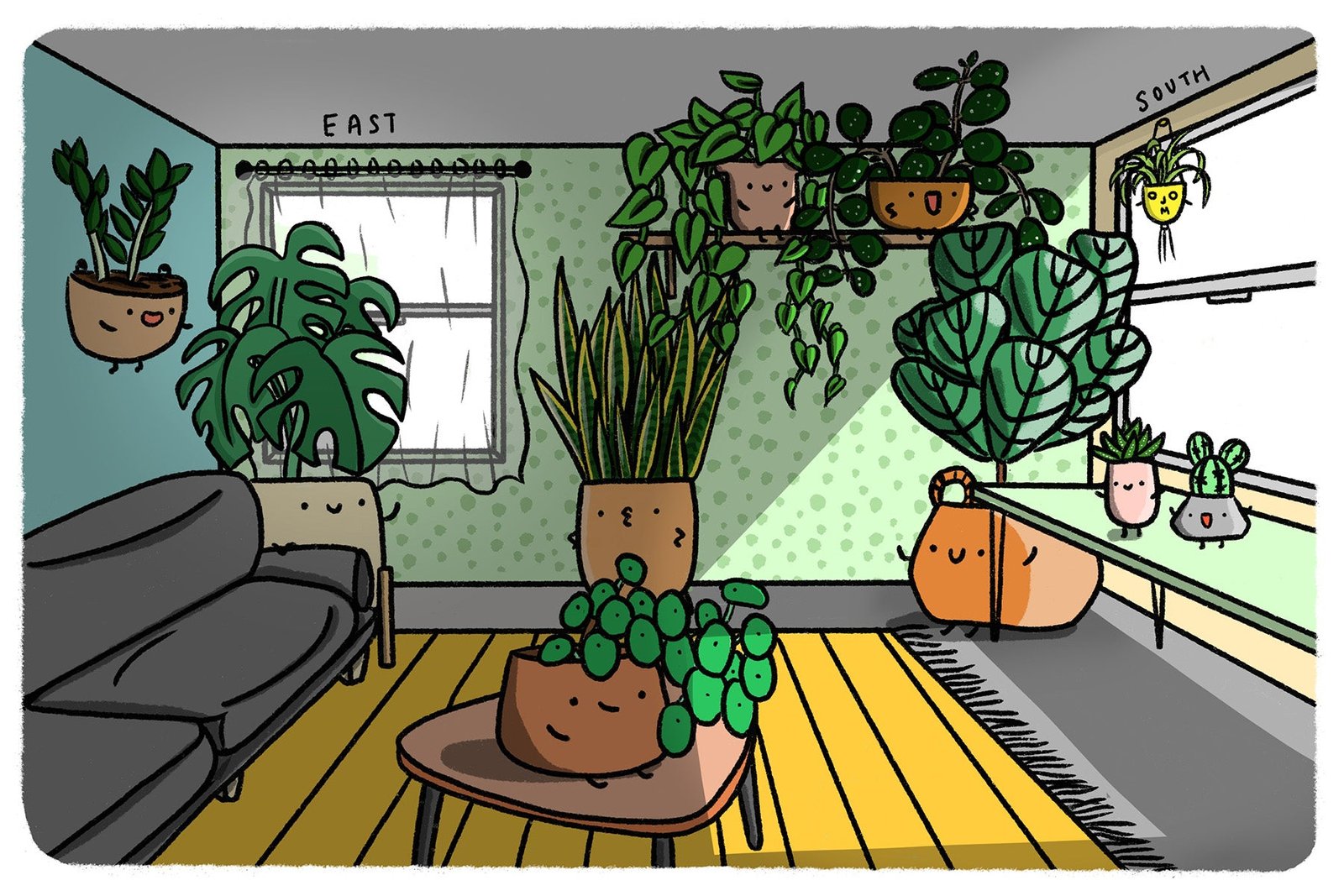
As it is required for photosynthesis, light is a crucial component for plant development. However, various plants have different light requirements. Low-light houseplants have evolved to flourish in environments with limited natural light. They typically come from shaded locations or forest floors where direct sunlight is scarce. Comprehending these criteria aids in choosing the appropriate plants for your space and ensuring they obtain the care they require to flourish.
The Benefits of Low-Light Houseplants
Beyond their capacity to flourish in dim environments, low-light houseplants provide a number of advantages. They enhance mental health by improving air quality by filtering pollutants, increasing humidity, and having a calming impact. Furthermore, these plants are often low-maintenance, making them ideal for active people or those who are new to plant care. Their tenacity and flexibility make them a valuable addition to any residence.
Spider Plant: The Resilient Survivor
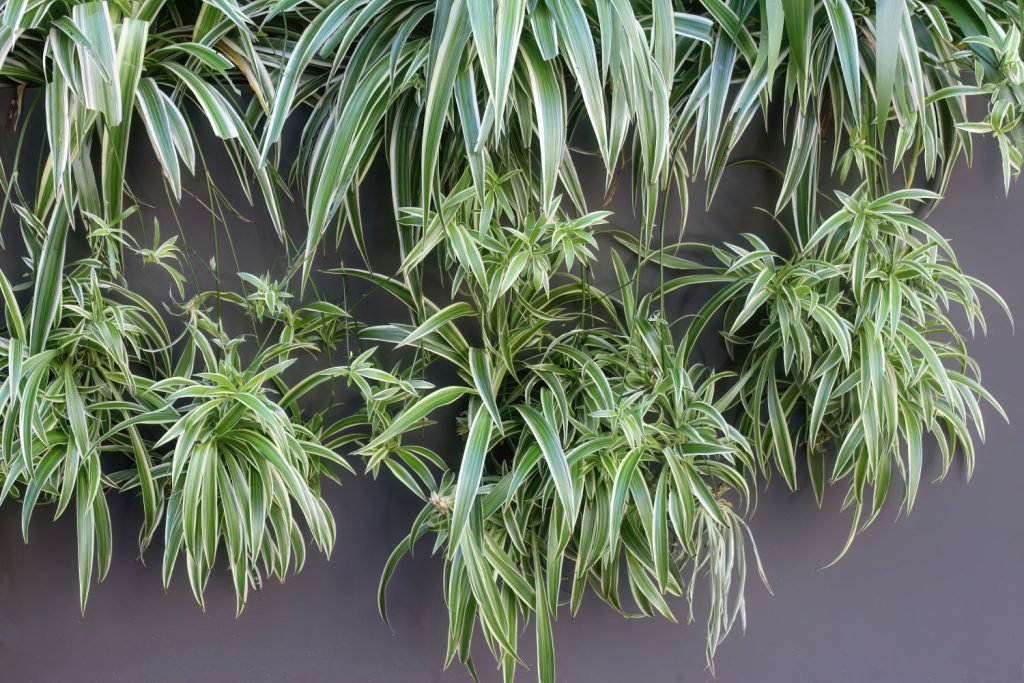
Spider plants are recognized for producing ‘pups’ or baby plants, as well as their long, arching leaves. They are extremely adaptable and can withstand a wide array of settings, including low light, needing just dim, filtered light for 2-4 hours each day (for example, a north-facing window or a place far from a window). They thrive best, however, with 4-6 hours of bright, indirect light to enhance variegation. Spider plants are also effective at removing pollutants like formaldehyde and xylene from the air.
Snake Plant: The Indestructible Green
The snake plant, also referred to as mother-in-law’s tongue, is nearly unbreakable. With just 2-3 hours of dim light per day, it can tolerate artificial light and still thrive in extremely low light, however bright, indirect light for 4-6 hours encourages its growth. It is perfect for novices because it requires very little watering. Its upright, sword-like leaves give any decor a modern touch, and it is well known for being able to turn CO2 into oxygen at night.

Peperomia: The Compact Beauty
Peperomia plants are compact and come in a range of leaf colors and shapes. They flourish in low light, getting about 3-4 hours of gentle, filtered light each day (for example, close to an east-facing window with a sheer curtain), but 4-6 hours of moderate indirect light keeps them full of life. They’re ideal for workstations or small areas. Peperomias are easy to maintain and don’t need to be watered frequently, making them a favorite among busy plant lovers.
Peace Lily: The Elegant Purifier
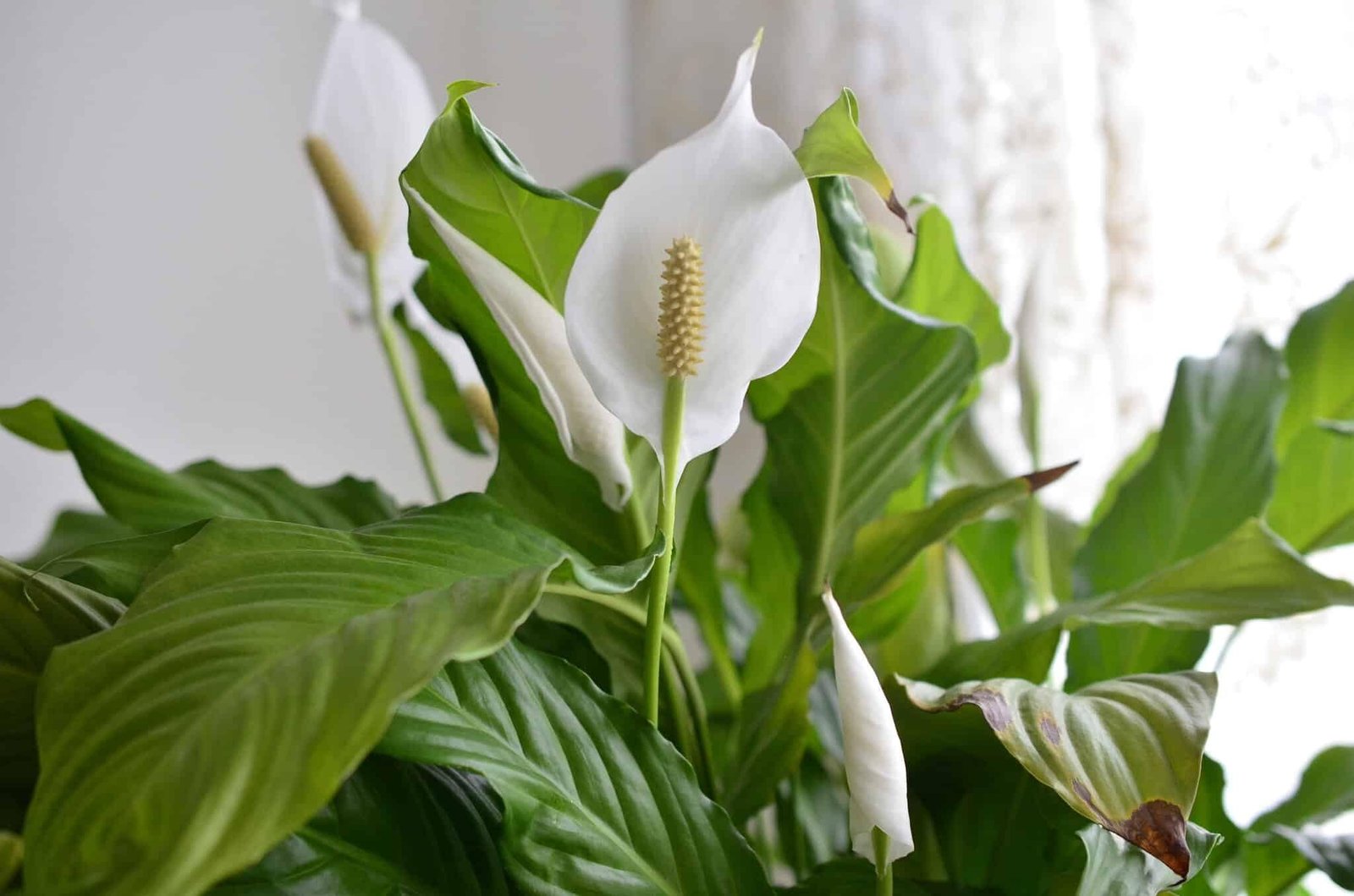
Peace lilies are well-known for their rich green foliage and eye-catching white blossoms. They flourish in environments with little light, getting 2-4 hours of dim, filtered light each day; they also tolerate fluorescent lighting well, but 4-6 hours of bright, indirect light encourage more flowering. They are effective at purifying the air by getting rid of pollutants like ammonia and benzene. Peace lilies like to be kept damp but not soggy, which makes them fairly simple to care for.
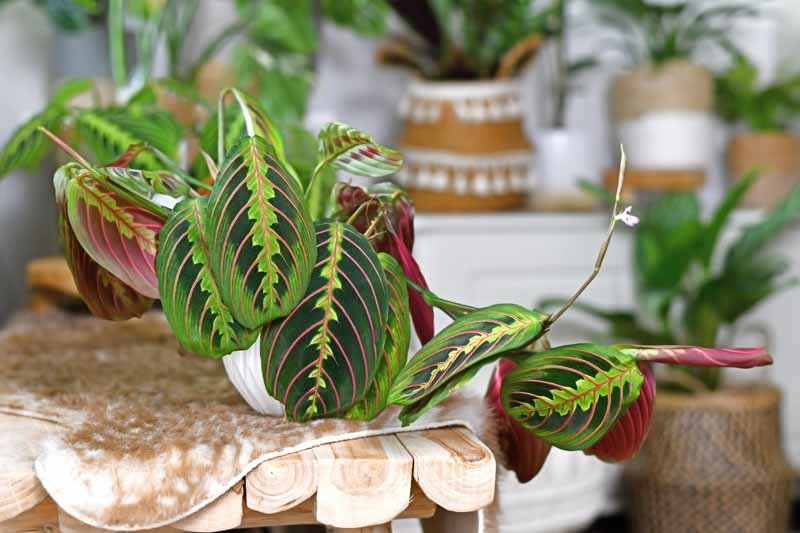
Red Prayer Plant: The Colorful Night Owl
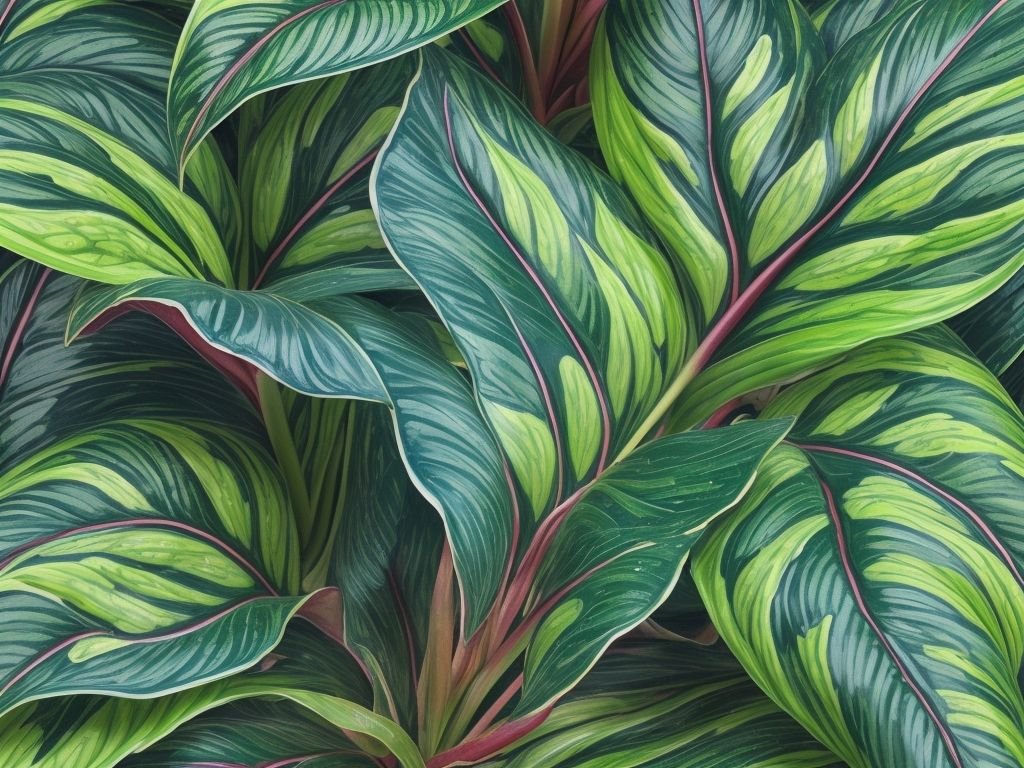
The red prayer plant gets its name from its unusual habit of folding its leaves upward at night, resembling hands clasped in prayer. It has vivid red veins and thrives in low light, getting 3-5 hours of gentle, diffused light each day (for example, a shaded corner or a north-facing window), while 4-6 hours of moderate indirect light intensifies its vibrancy. This plant enjoys frequent watering and high humidity, making it a lovely and vibrant addition to any space.
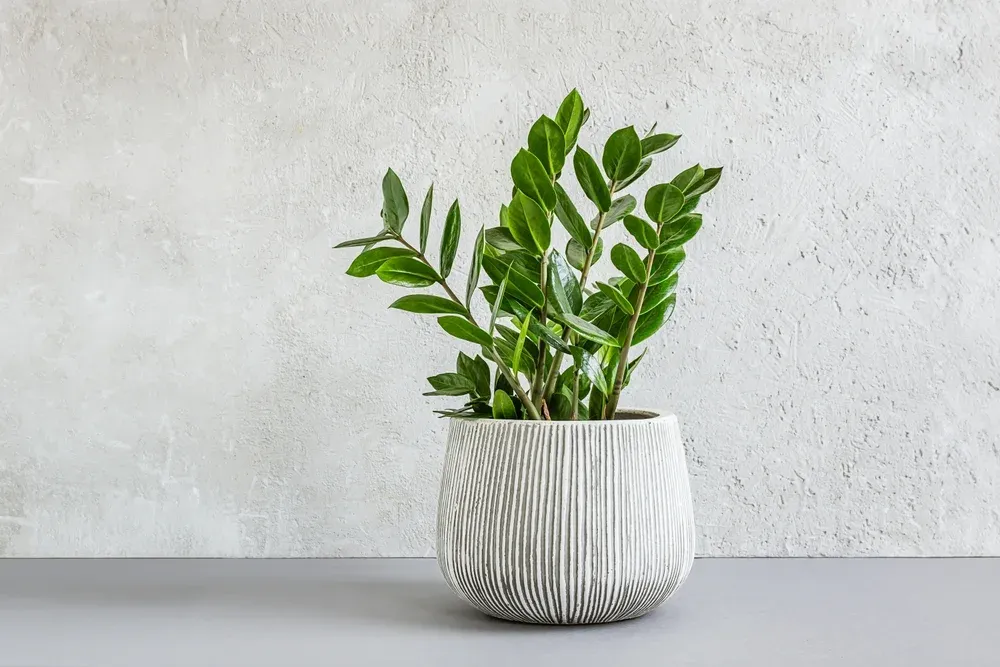
ZZ Plant: The Low-Maintenance Marvel
The ZZ plant is well-known for its glossy, dark green leaves and capacity to flourish in very low light settings with just 2-3 hours of dim light each day; it tolerates artificial light well, while bright, indirect light for 4-6 hours speeds up growth. It is drought-tolerant and needs very little care, making it ideal for those who lead busy lives or travel often. The ZZ plant is also praised for its capacity to purify the air.
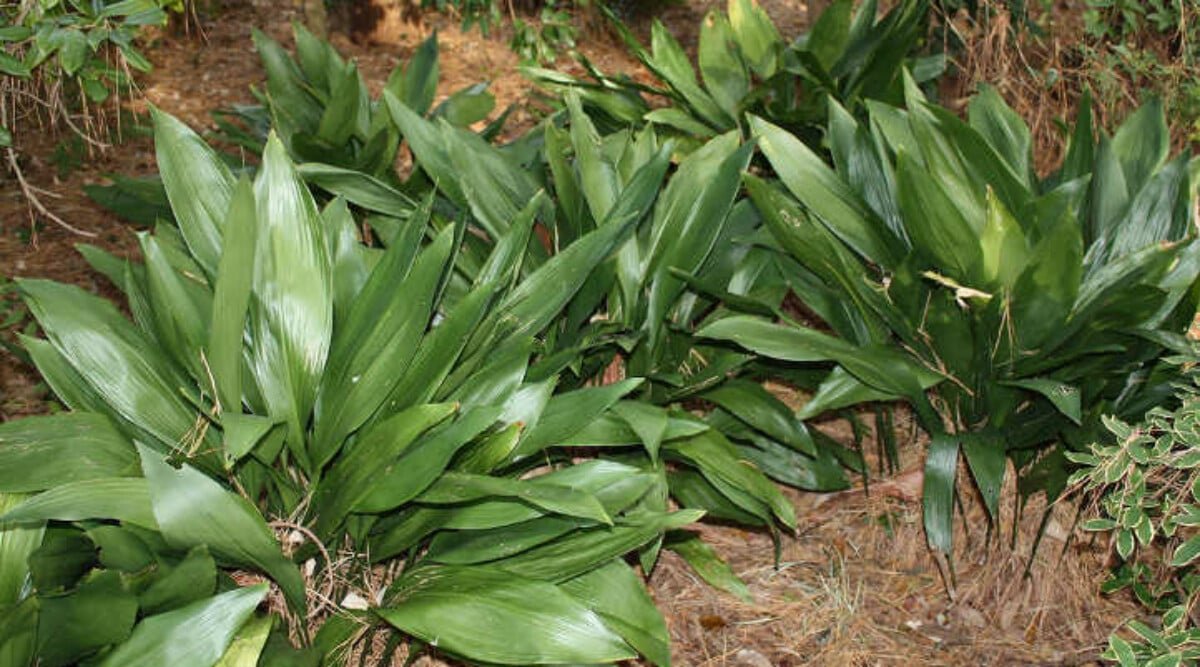
Cast Iron Plant: The Tough Traditionalist
The cast iron plant is very hardy and can endure neglect, low light with 2-4 hours of dim, filtered light each day, and fluctuating temperatures, as its name would imply. However, medium indirect light for 4-6 hours enhances leaf color. Any area will benefit from the addition of its broad, deep green leaves. This plant is ideal for anyone seeking a sturdy, low-maintenance houseplant.
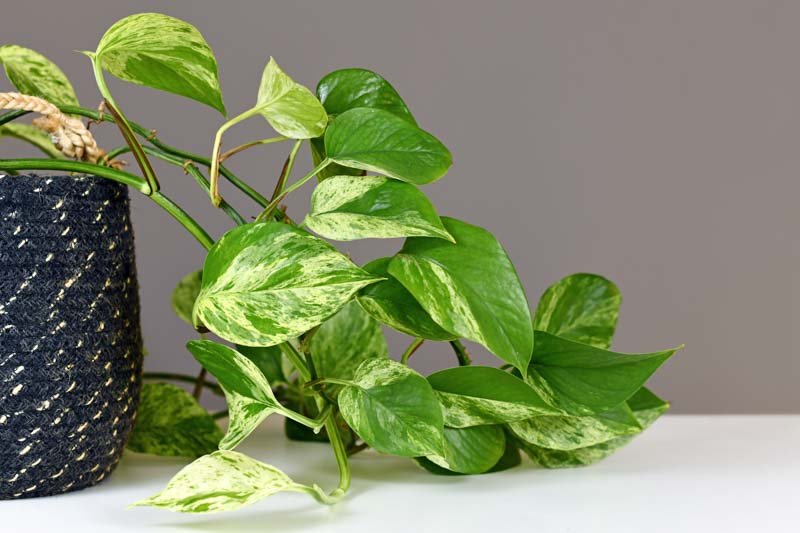
Pothos: The Versatile Vine
Pothos plants are adaptable and can flourish in a variety of lighting situations, including low light with 3-4 hours of dim, filtered light each day, even tolerating artificial light, while 4-6 hours of bright, indirect light encourage variegation and development. They are distinguished by their trailing vines and heart-shaped leaves, which may be variegated with yellow or white. Pothos are simple to grow and maintain, making them a favorite among plant lovers.
Chinese Evergreen: The Adaptable Aesthetic
Chinese evergreens are valued for their eye-catching foliage, which comes in a spectrum of green, silver, and red tones. They flourish in environments with little light, getting 2-4 hours of diffused light each day (for example, a north-facing window), but 4-6 hours of moderate indirect light intensifies color. They can endure varying degrees of humidity. These plants are low-maintenance and can give any space a splash of color and texture.
Philodendron: The Classic Climber
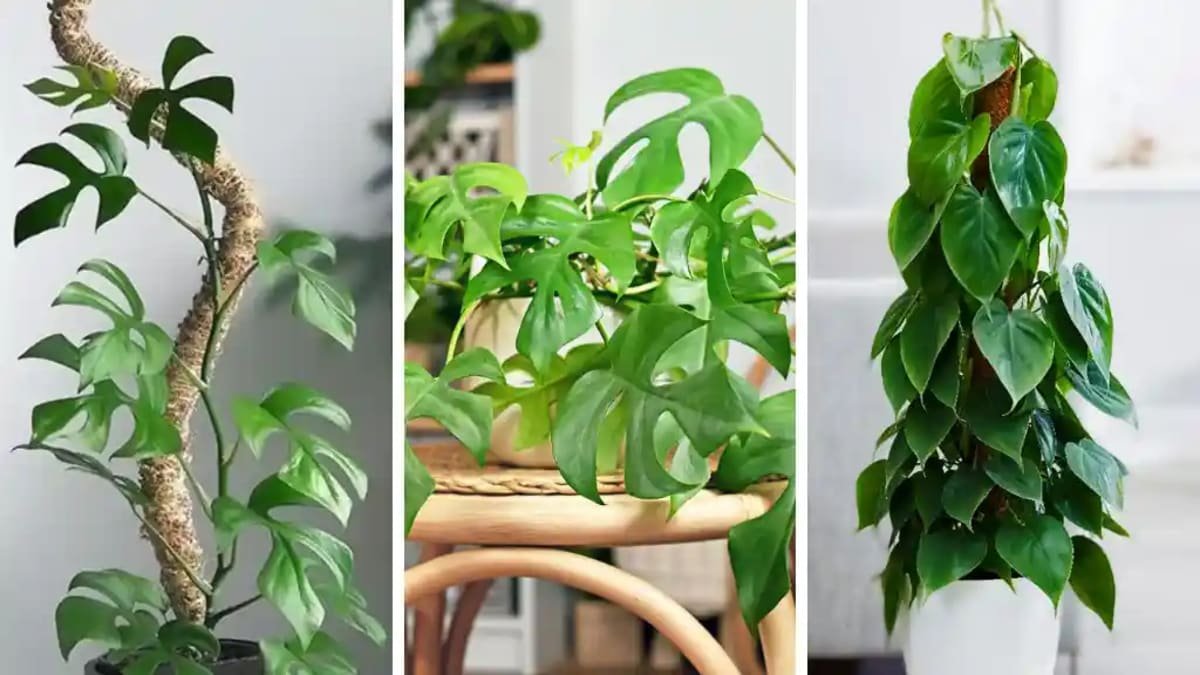
Heart-shaped leaves and a climbing habit define philodendrons as common houseplants. They thrive in low light, getting 3-5 hours of dim, filtered light each day, whereas 4-6 hours of bright, indirect light promotes quicker growth. It’s simple to propagate them. Philodendrons are low-maintenance and adaptable to a variety of indoor environments, making them a mainstay in many homes.
Dracaena: The Stylish Statement
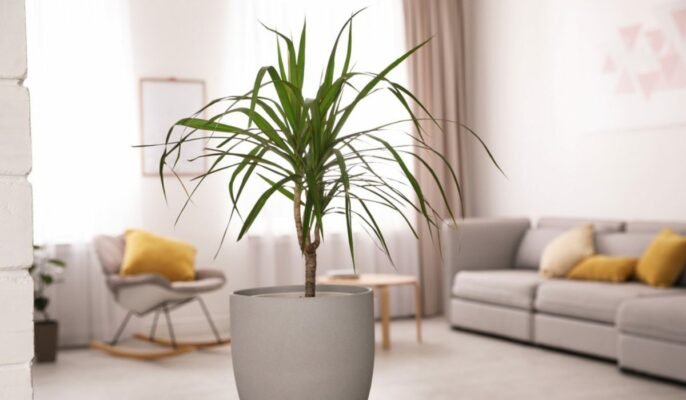
Dracaenas are well-liked for their striking, sword-like leaves and capacity to flourish in dim light with 3-5 hours of gentle, filtered light each day, while 4-6 hours of bright, indirect light intensifies leaf patterns. They are available in a variety of species, each of which has distinctive leaf patterns and hues. Dracaenas are low-maintenance and can give any room a sophisticated, architectural touch.
Dieffenbachia: The Tropical Touch
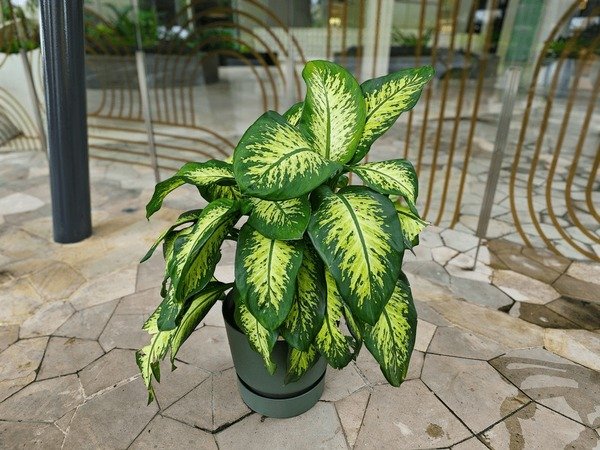
Dieffenbachia, sometimes referred to as dumb cane, is recognized for its big, variegated leaves and tropical appearance. It flourishes in low light with 3-4 hours of dim, diffused light each day, but 4-6 hours of bright, indirect light enhances variegation. Consistent moisture is preferred. This plant is simple to care for and can bring a lush, tropical atmosphere to any space.
Boston Fern: The Lush Greenery
Boston ferns are well-known for thriving in low-light environments with 3-5 hours of gentle, filtered light each day (for example, a north- or east-facing window); their arching, feathery fronds are also notable. However, 4-6 hours of moderate indirect light keeps fronds lush. They thrive in humid environments and need consistent moisture, making them ideal for bathrooms or kitchens. Boston ferns are excellent air purifiers and can give any space a lush, verdant touch.
Parlor Palm: The Indoor Oasis
The parlor palm is a common indoor plant distinguished by its elegant, feathery fronds. It flourishes in low-light environments, getting 2-4 hours of dim, filtered light each day, but 4-6 hours of bright, indirect light promotes growth. It doesn’t need much upkeep, which makes it a favorite option for homes and workplaces. Any space gains a hint of tropical sophistication from the parlor palm.
:max_bytes(150000):strip_icc()/grow-chamaedorea-indoors-1902884-1-ccf2df16fb51494ca78df7f510372219.jpg)
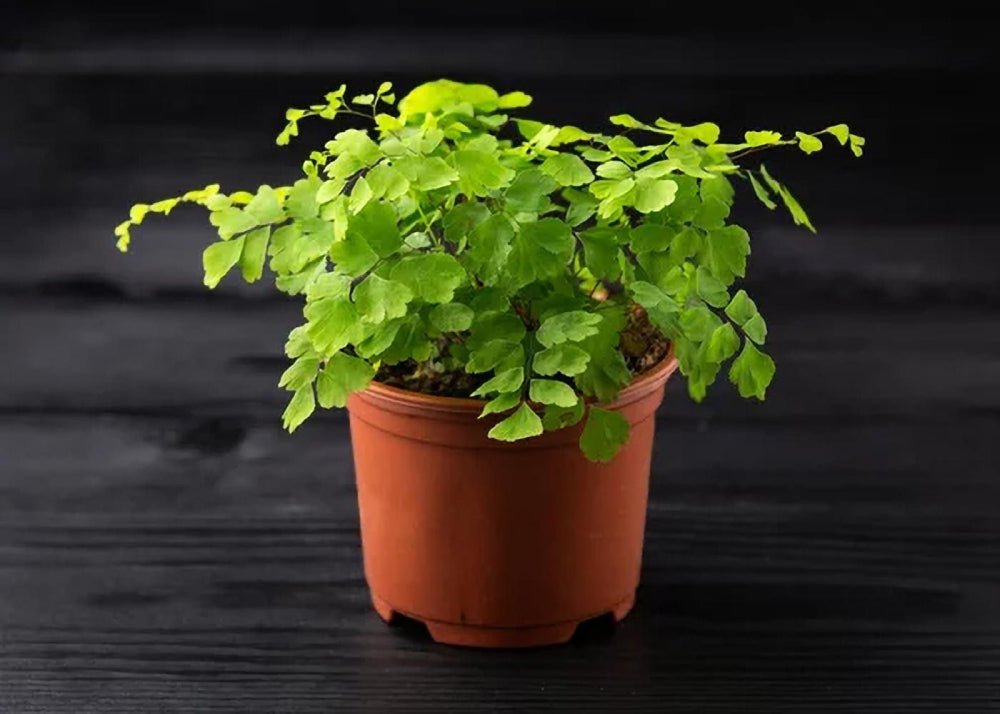
Maidenhair Fern: The Delicate Delight
Maidenhair ferns, which need 3-5 hours of diffused light daily and prefer low-light conditions, are distinguished by their delicate, fan-shaped fronds. 4-6 hours of medium indirect light helps their delicate growth. Because they need high humidity and regular moisture, they thrive in terrariums or bathrooms. Despite their flimsy appearance, maidenhair ferns can be a stunning addition to any space.
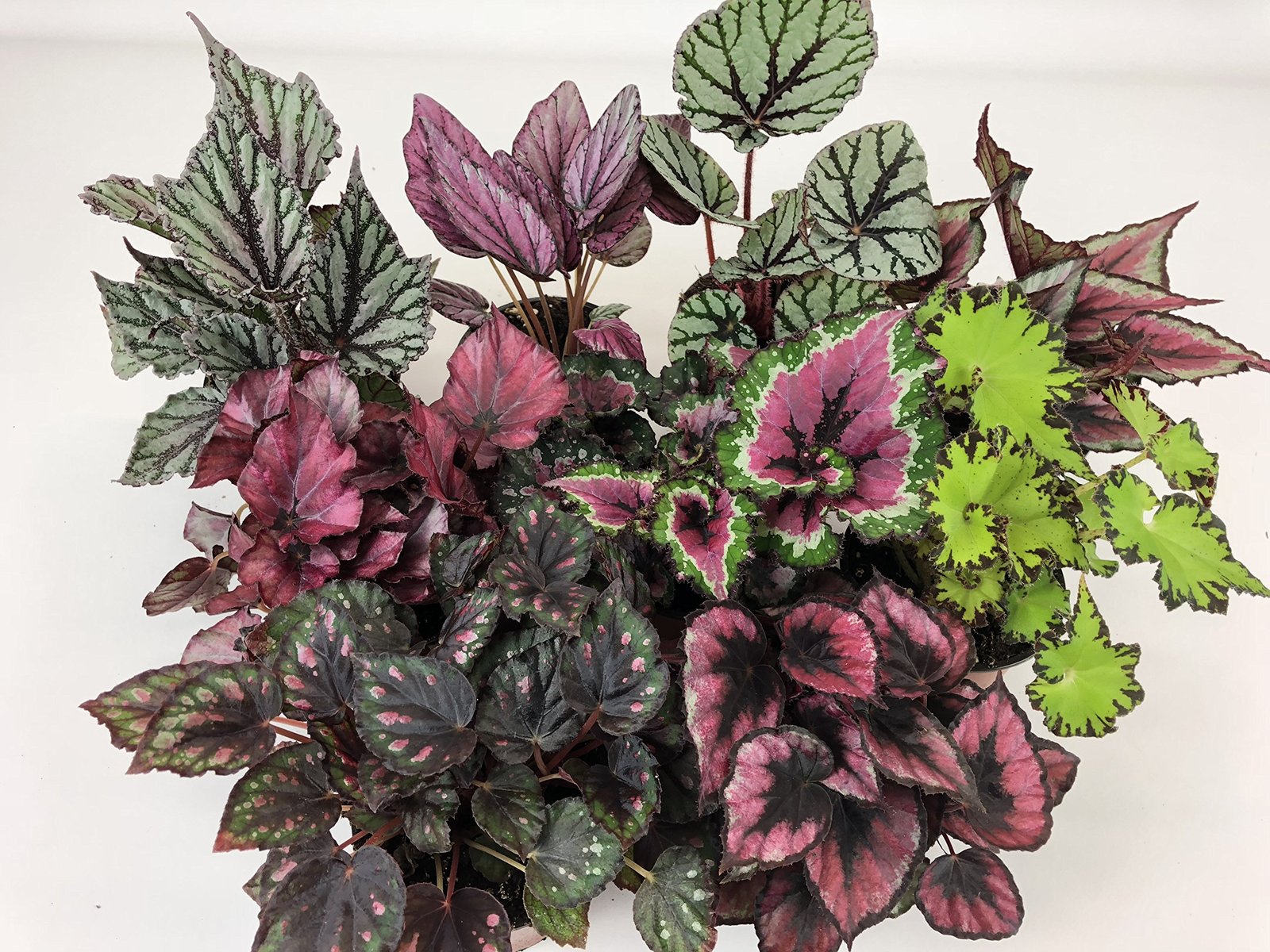
Rex Begonia: The Vibrant Vision
Rex begonias are valued for their vibrant, colorful leaves and capacity to flourish in low light with 3-5 hours of filtered light each day, but 4-6 hours of bright, indirect light intensifies color. They give any room a burst of color because they come in a variety of patterns and hues. Rex begonias are a lovely and vibrant option for plant lovers because they like frequent watering and high humidity.
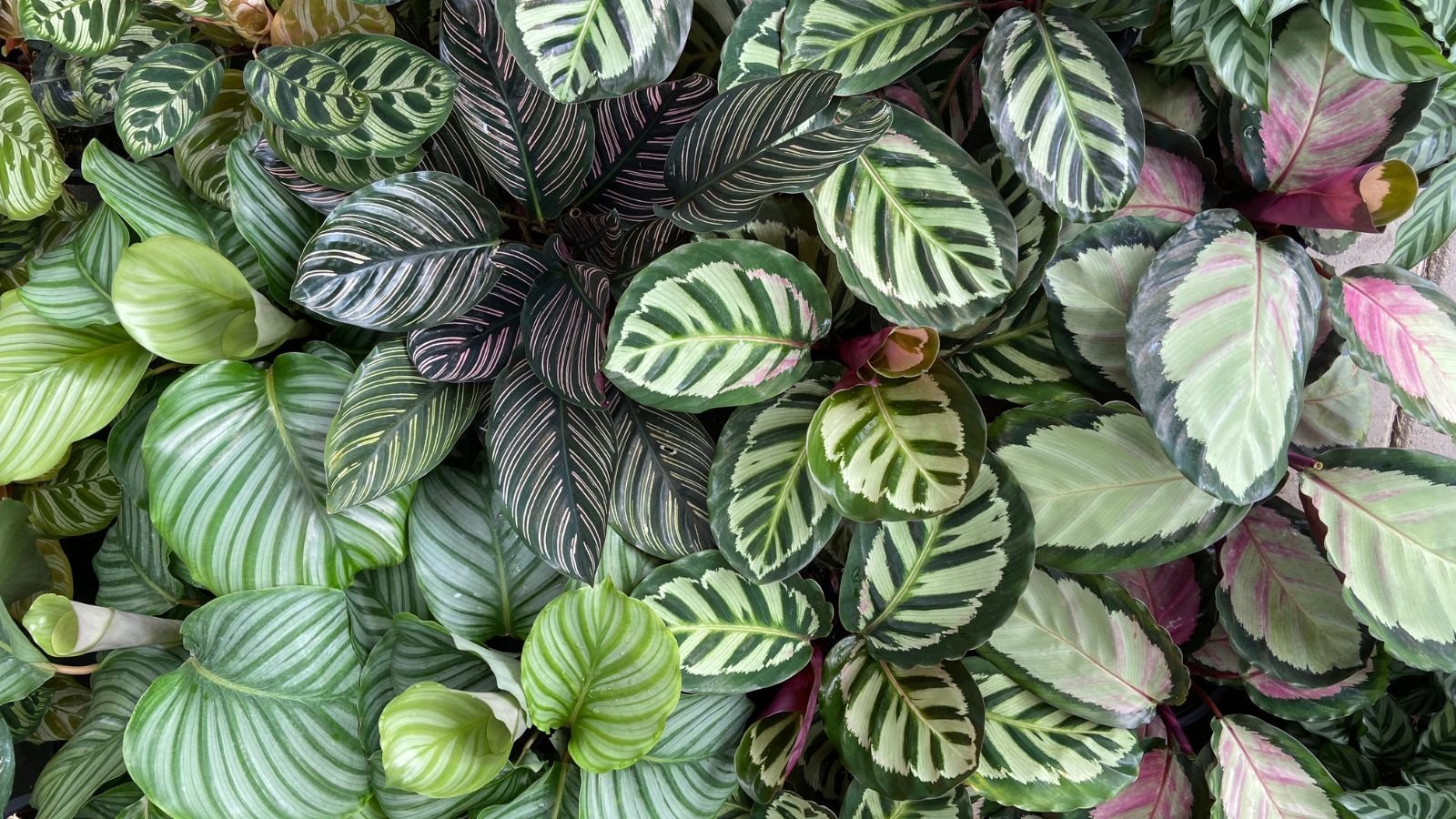
Calathea: The Patterned Performer
Calatheas are well-known for thriving in low-light environments with 3-5 hours of diffused light each day. Their striking, patterned leaves are another feature. 4-6 hours of medium indirect light keeps leaves vibrant. Because they need high humidity and regular moisture, they thrive in terrariums or bathrooms. Their unique and striking foliage makes calatheas a favorite among plant lovers.
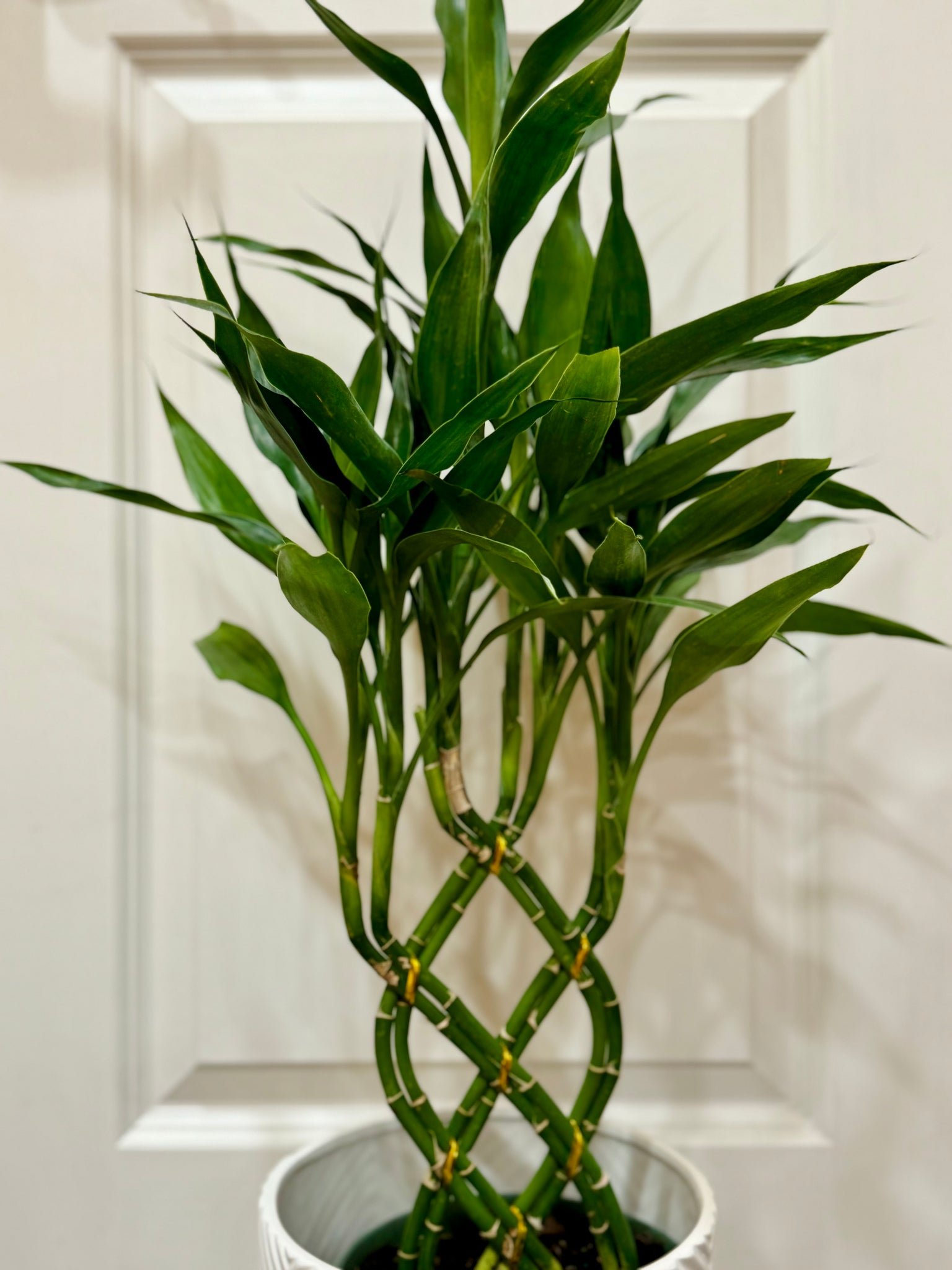
Lucky Bamboo: The Zen Enhancer
Lucky bamboo is well-known for thriving in low light, frequently under artificial light, with 2-4 hours of dim, filtered light each day, in addition to its distinctive, bamboo-like appearance. However, 4-6 hours of bright, indirect light promotes growth. It is frequently cultivated in water, making it simple to maintain and requiring little upkeep. Lucky bamboo is thought to bring good fortune and positive energy, making it a popular option for homes and workplaces.
Heartleaf Philodendron: The Heartfelt Favorite
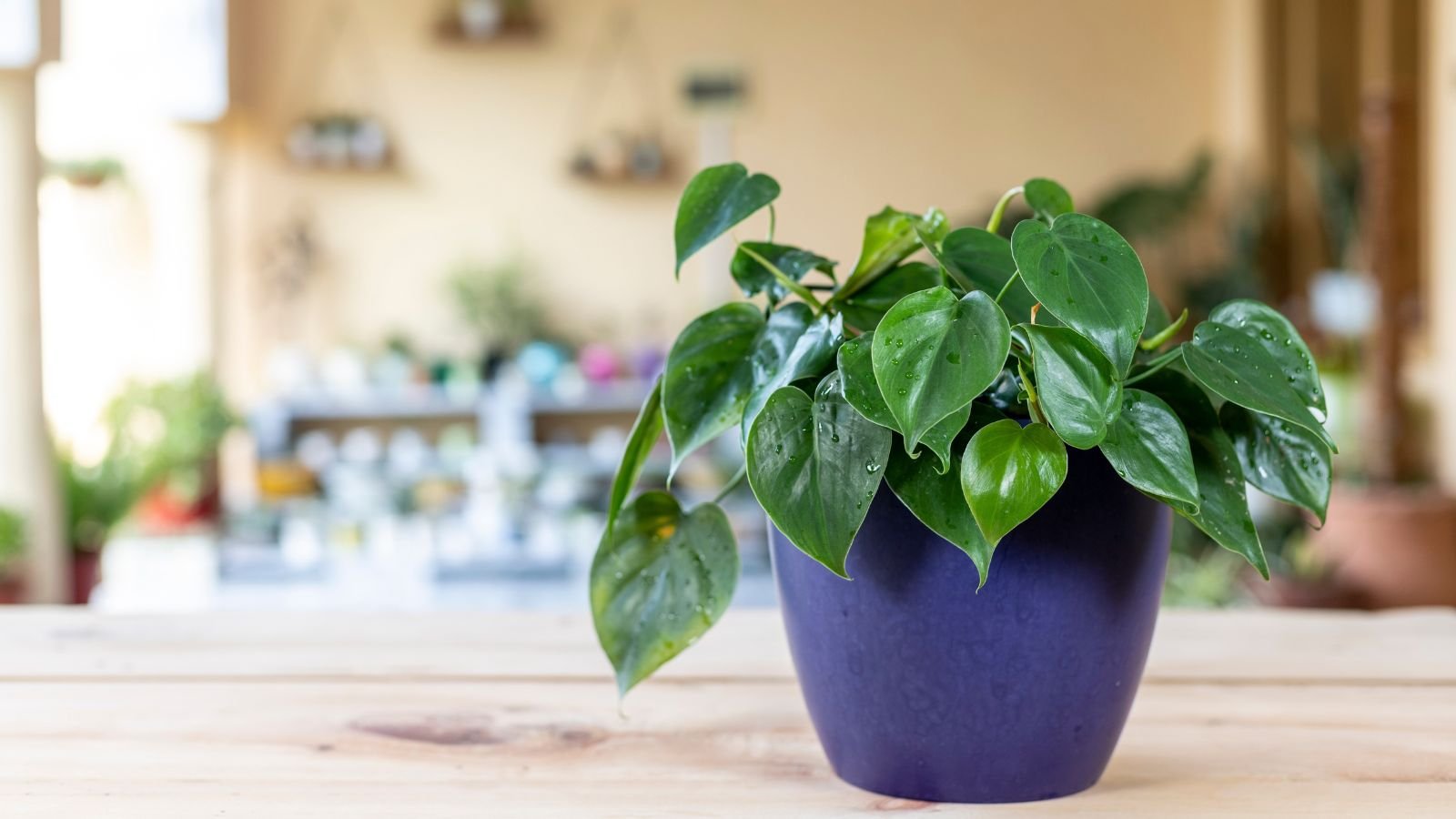
The heartleaf philodendron is a classic houseplant renowned for its trailing vines and heart-shaped leaves. It thrives in low light, getting 3-5 hours of dim, filtered light each day, whereas 4-6 hours of bright, indirect light speeds up growth. Among plant lovers, it’s easy maintenance makes it a favorite. This plant is ideal for hanging baskets or as a trailing accent on shelves.
Bird’s Nest Fern: The Nestled Nurturer
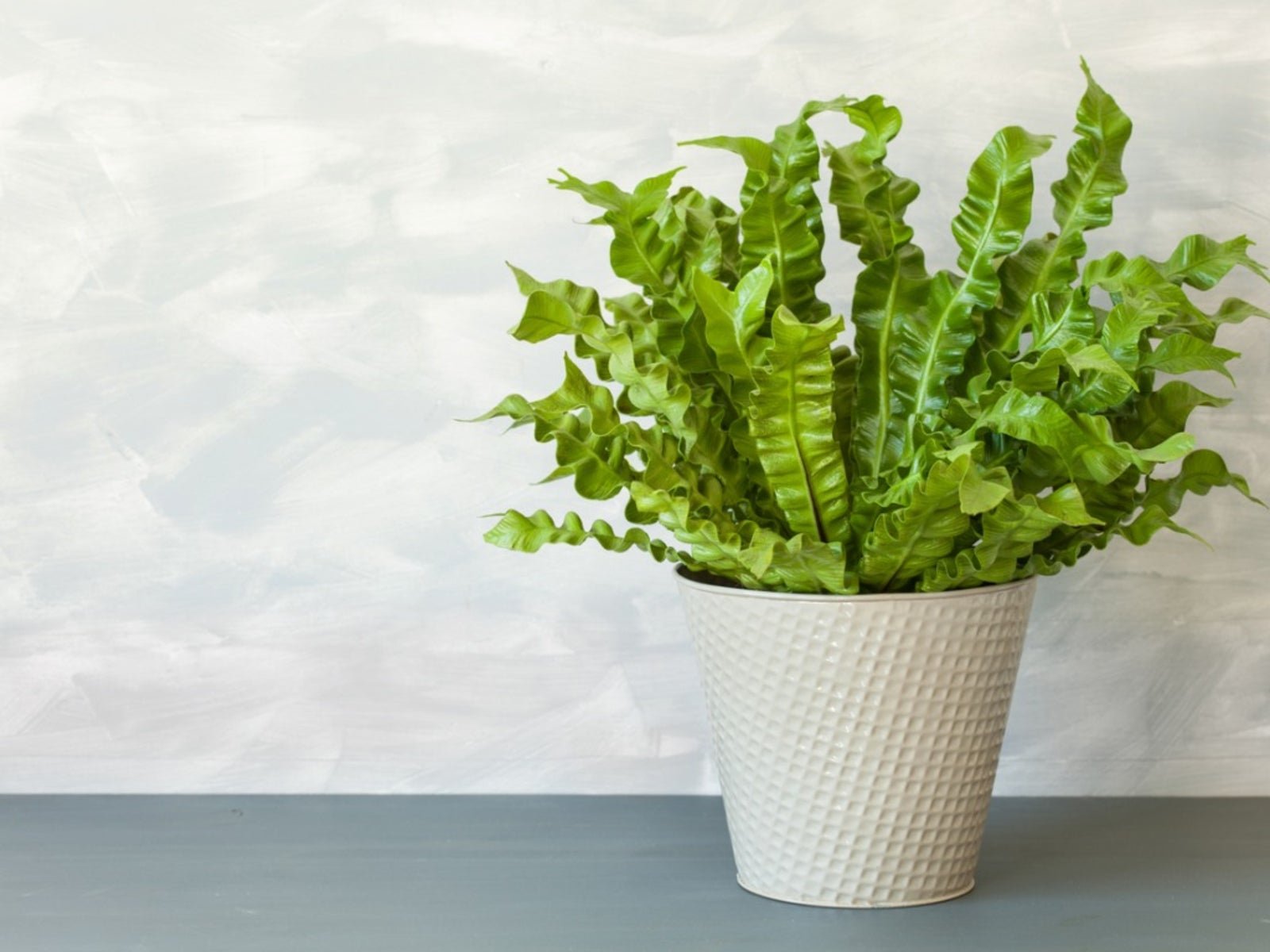
Bird’s nest ferns thrive in low-light environments with 3-5 hours of gentle, diffused light each day and are distinguished by their unique, rosette-shaped fronds. 4-6 hours of medium indirect light enhances luxuriance. Because they need high humidity and regular moisture, they thrive in terrariums or bathrooms. Any space gains a hint of lush vegetation and texture from bird’s nest ferns.
Conclusion
Selecting the best low-light houseplant for your space is based on the particular circumstances of your home and your own preferences. When selecting a plant, take into account elements like humidity, available space, and temperature. With the right care and attention, these hardy houseplants can flourish and add life to even the darkest areas of your house. There’s a low-light houseplant that’s ideal for you whether you’re a novice or a seasoned plant enthusiast. `


