

Snake plants, also known as Sansevieria or Dracaena trifasciata, are well-liked because they’re tough and look great. However, many plant lovers don’t realize these plants can flower beautifully and with a nice scent if given the right conditions. Snake plant blooms are rare, often happening only when the plant is a bit stressed. This article will cover 10 great tips to help your snake plant bloom, turning it into a flowering attraction instead of just a green plant.
Understanding the Snake Plant’s Natural Habitat
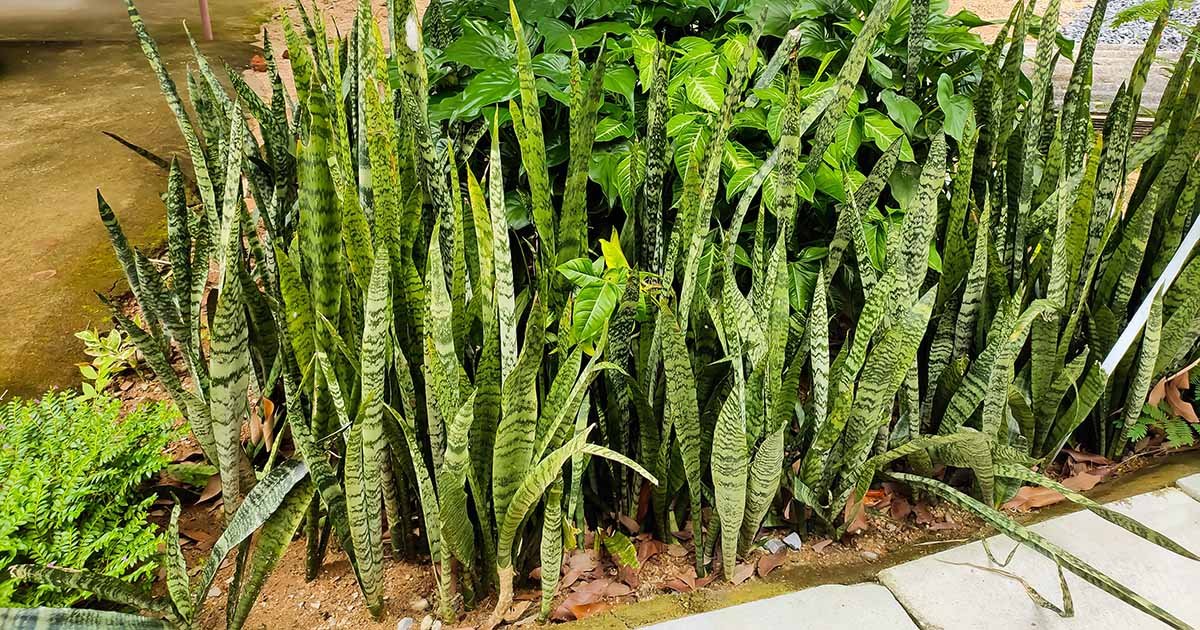
Snake plants come from West Africa, where they grow in dry, rocky places. They’re used to times of little rain followed by heavy rain, which affects how they grow and bloom. To make your snake plant bloom at home, you need to know and recreate its natural environment. By copying these conditions, you can encourage your snake plant to produce its hard-to-find flowers.
Optimizing Light Conditions
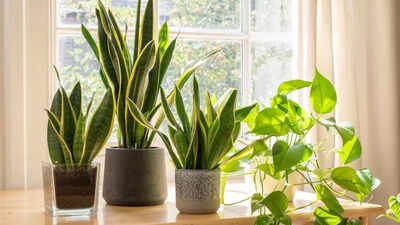
Snake plants can handle low light, but they need bright, indirect sunlight to flower. Put your plant near a window where it gets lots of light but not direct sun, which can burn its leaves. If there’s not enough natural light, think about using a grow light to give the plant what it needs.
Maintaining Ideal Temperature
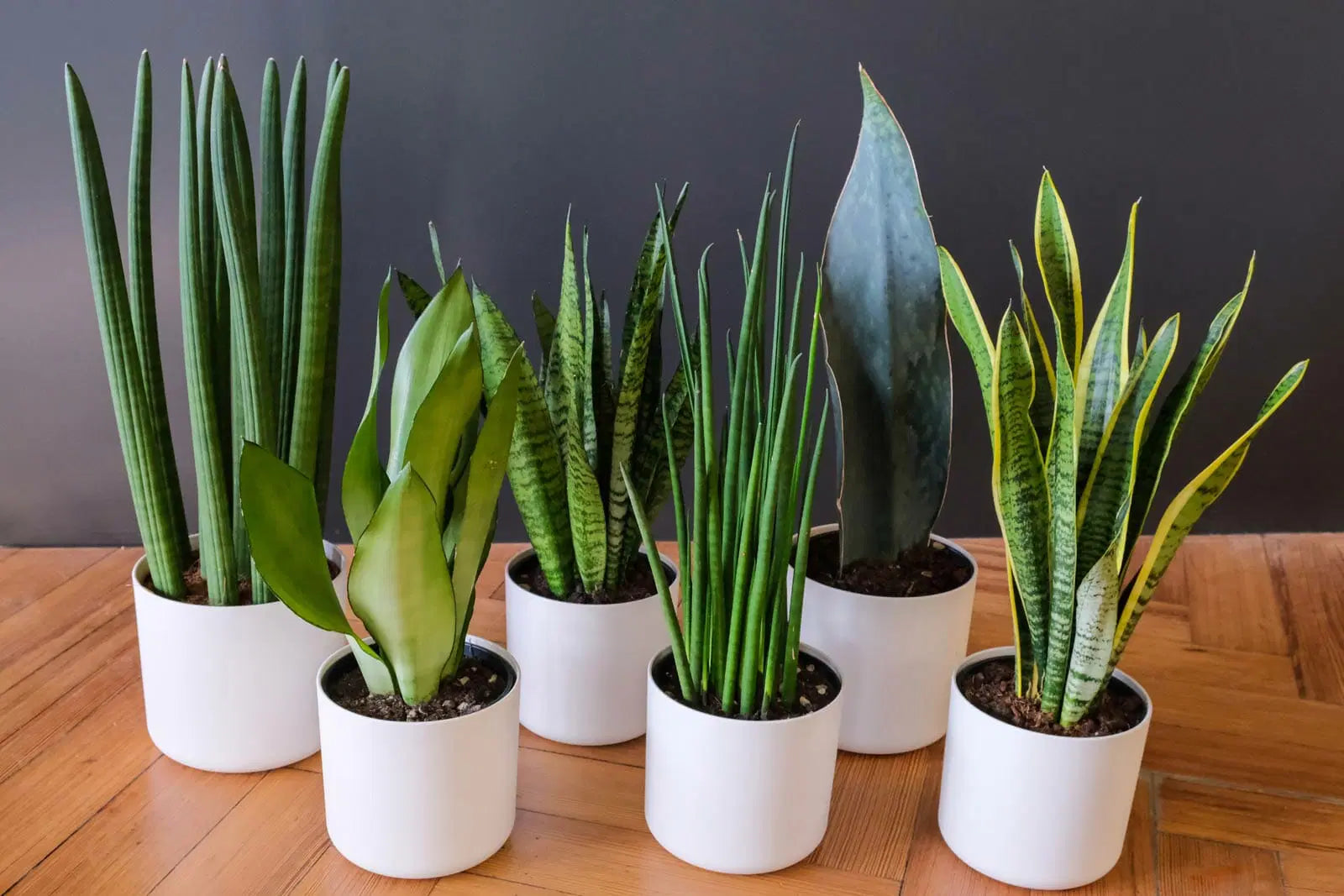
Snake plants do best in warm temperatures, between 70°F and 90°F (21°C to 32°C). To help it bloom, don’t let the plant get colder than 50°F (10°C). During the colder months, keep it away from cold air and windows to keep its environment warm and steady.
Watering Techniques for Blooming
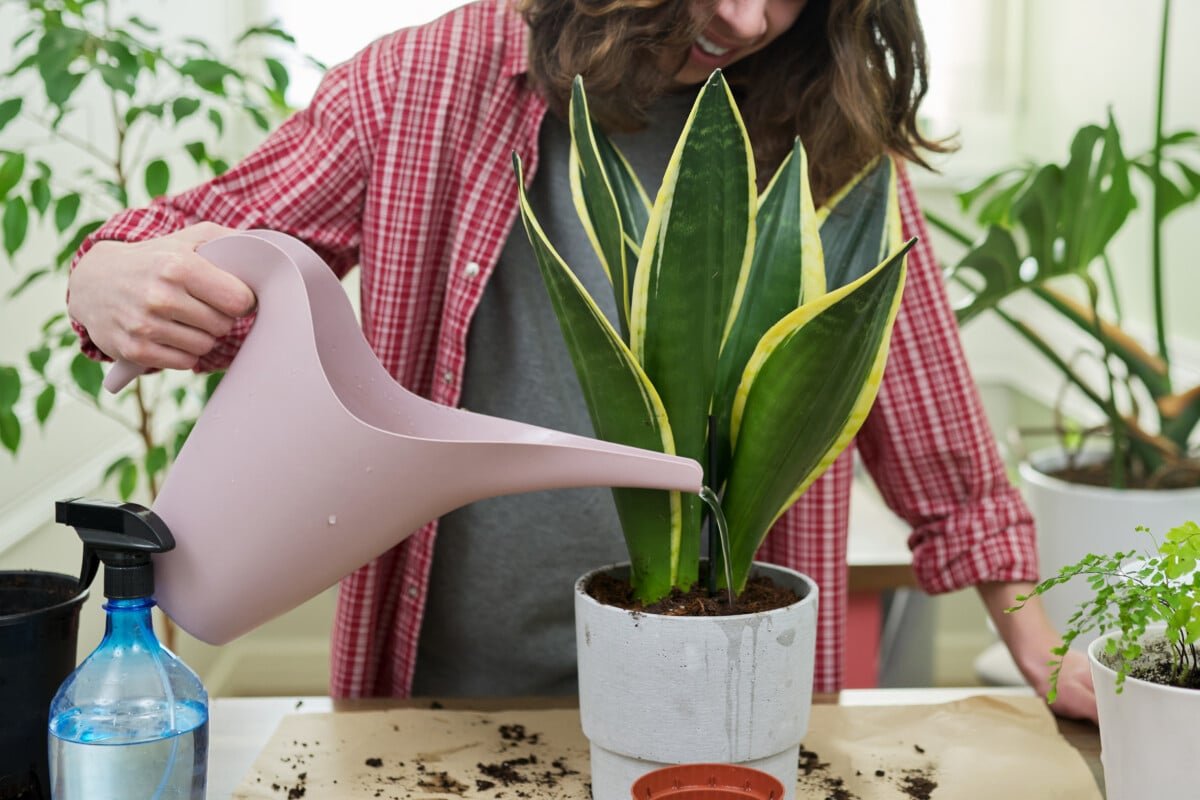
How you water your snake plant is key to getting it to bloom. Let the soil become completely dry between waterings to copy the dry conditions it’s used to. Too much water can cause root rot and stop it from blooming. During the growing season, water well but not too often, and water even less in the winter.
Soil Composition and Drainage
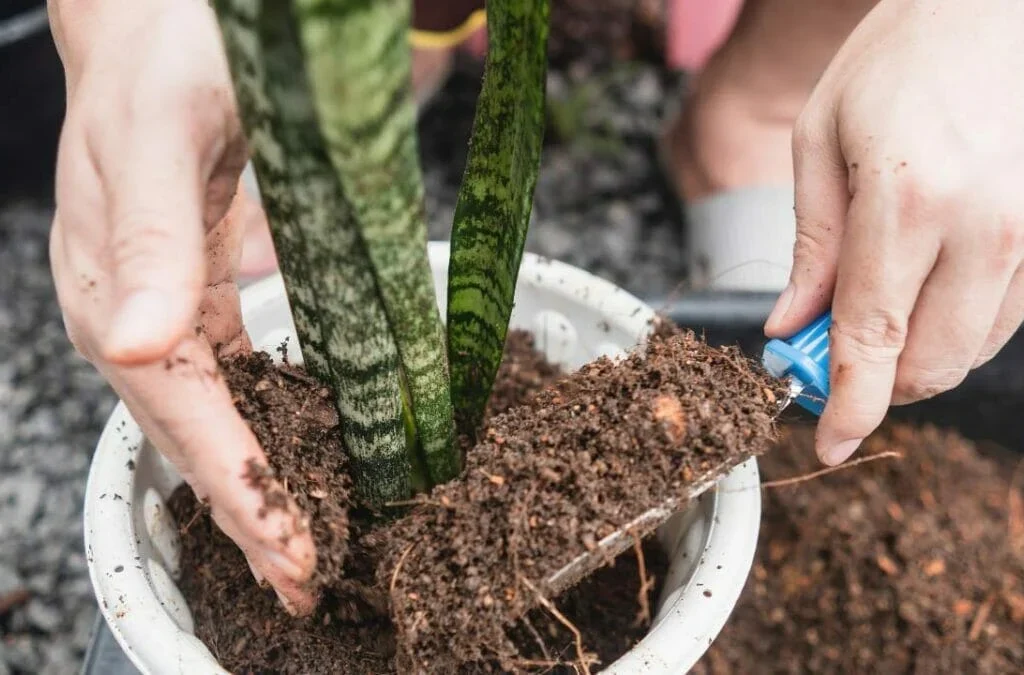
Snake plants need soil that drains well to grow strong and bloom. Use potting mix made for cactus or succulents; it usually has sand or perlite to help with drainage. Make sure the pot has holes at the bottom so water doesn’t build up, which can cause root rot.
Fertilization Strategies
During spring and summer (the growing season), fertilize your snake plant with a balanced, water-soluble fertilizer. Use a half-strength solution every 4-6 weeks to give it the nutrients it needs without over-fertilizing, which can harm the plant and keep it from blooming.
Pot Size and Repotting Tips
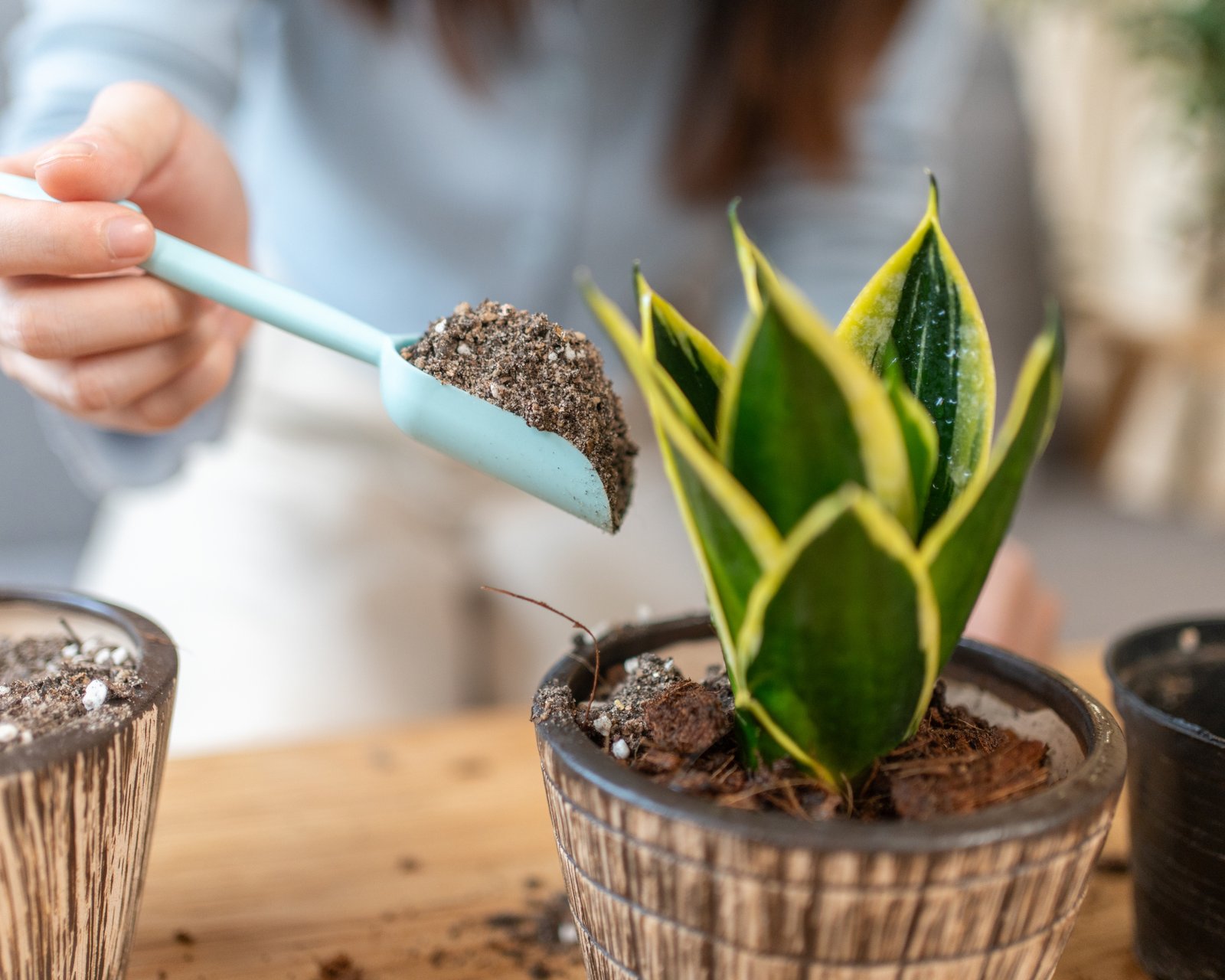
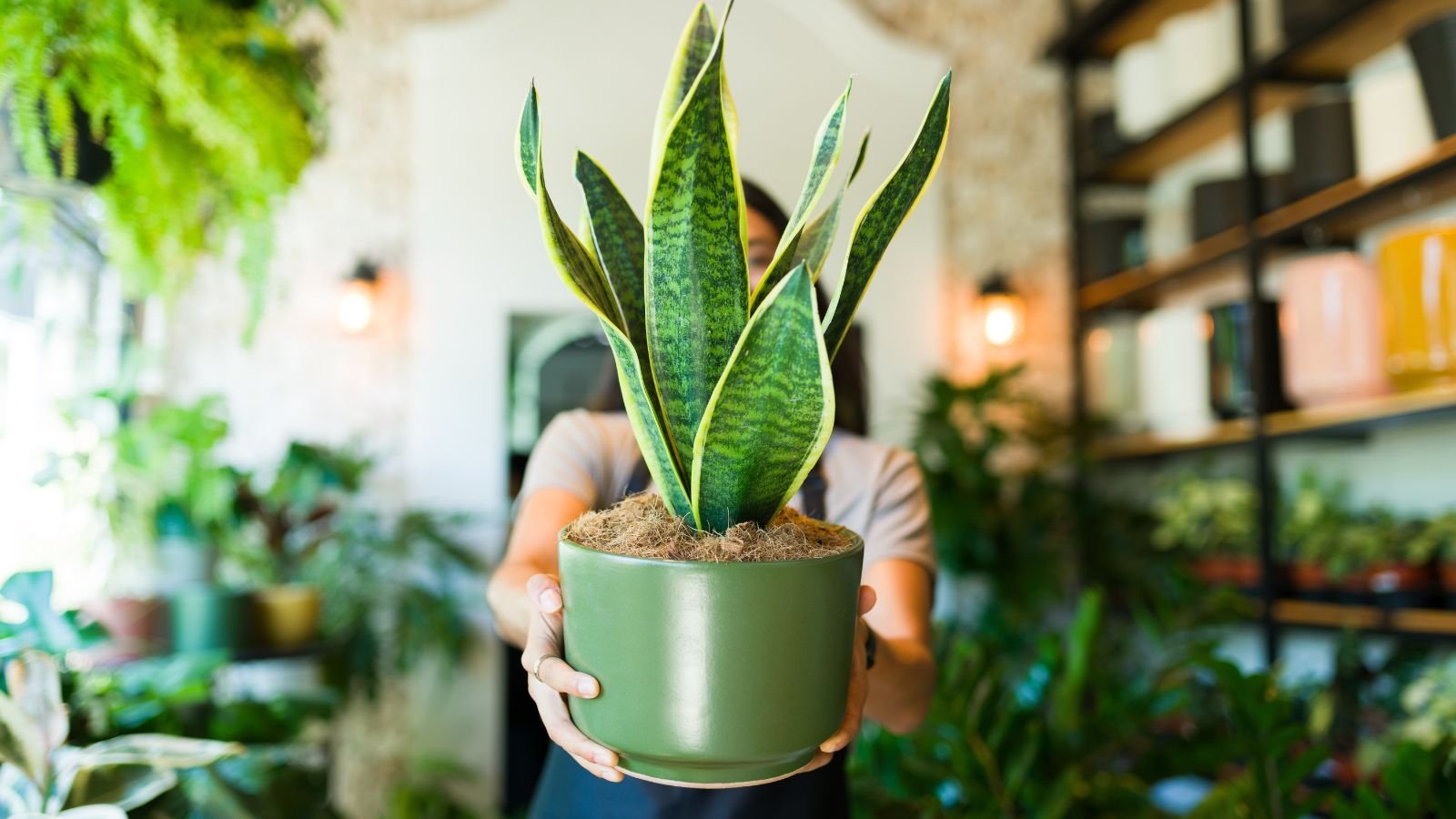
Snake plants like to have their roots a little crowded, which can help them bloom. Pick a pot that’s only a bit bigger than the plant’s root ball. Repot it every 2-3 years, or when the roots start to take over the pot, using fresh soil to add new nutrients.
Pruning for Healthier Growth
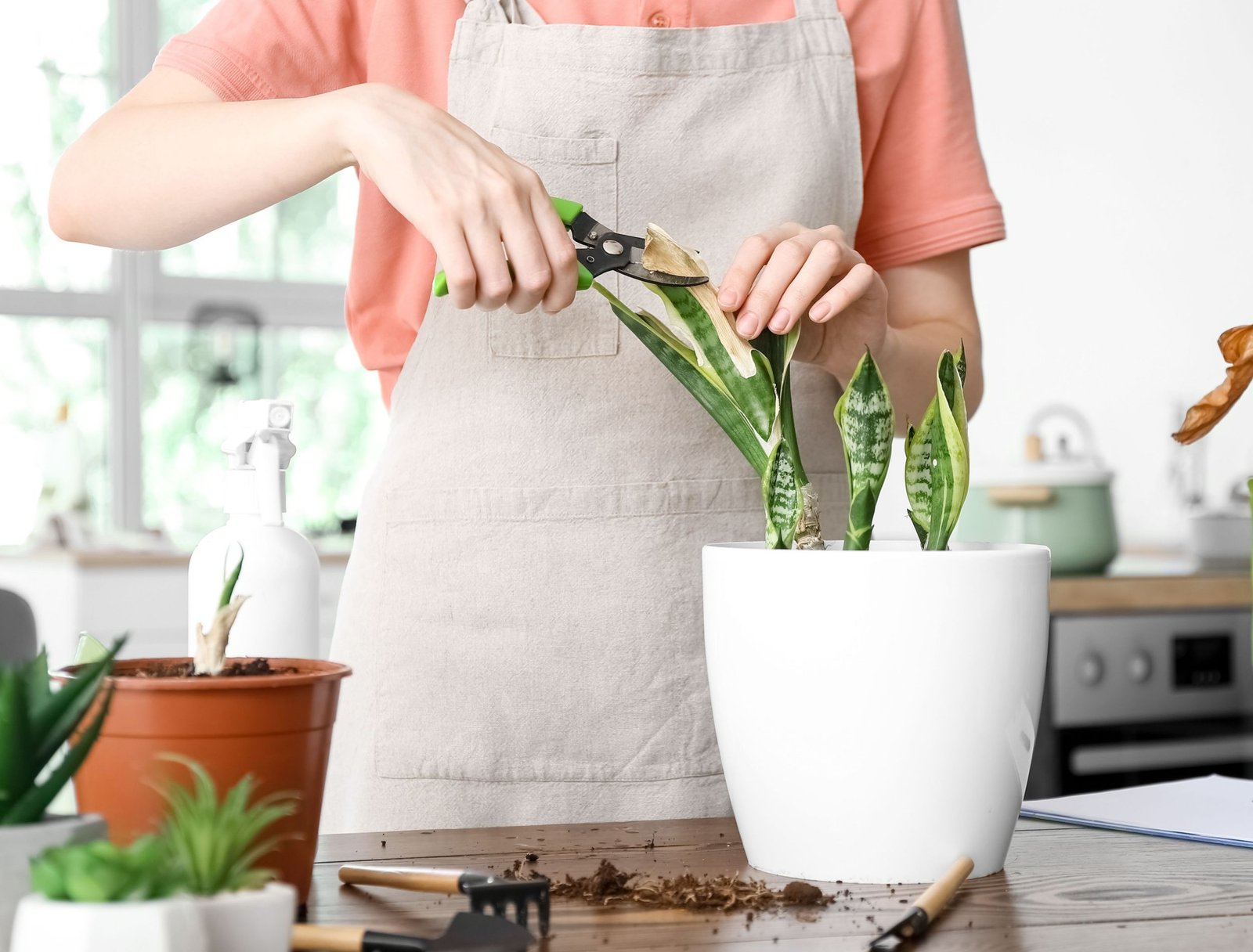
Regular pruning keeps the plant healthy and helps it bloom. Cut off any dead or damaged leaves so the plant can focus on making flowers. Pruning also lets air flow better around the plant, lowering the chance of disease.
Humidity Levels and Their Impact
Snake plants come from places with low humidity, so they don’t need extra humidity to bloom. But keeping humidity at a good level can stop the leaves from drying out. Don’t put the plant near humidifiers or in places that are too wet.
Seasonal Care Adjustments
Change your care routine with the seasons. In the growing season, give it more light, water, and fertilizer. In winter, water less and stop fertilizing to let the plant rest, which helps copy its natural growth cycle and encourages blooming.
Monitoring and Adjusting Environmental Stressors
Watch your snake plant for signs of stress, like yellowing leaves or slow growth. Fix any problems quickly by changing the light, water, or temperature. A little stress, like being a bit root-bound or a short dry spell, can make it bloom, but too much stress is not good.
Conclusion
To get a snake plant to bloom, you need the right balance of care and environment. By knowing where the plant comes from and using these 10 tips, you can make the best setting for it to produce its rare and beautiful flowers. If you’re patient and pay attention to the details, you’ll be rewarded by seeing your snake plant in bloom. `


