

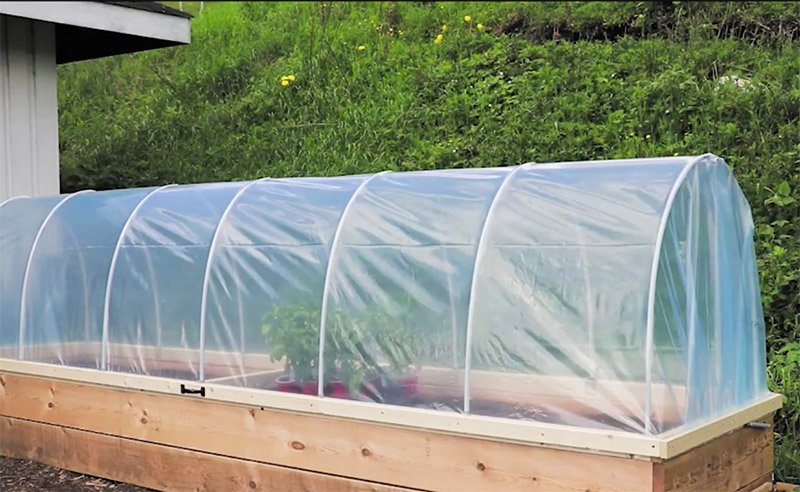
Gardeners aiming to lengthen their harvest period and shield their plants from severe weather will find a hinged hoophouse to be a flexible and useful solution. My grandpa, a dedicated gardener, always recommended this method because it’s both simple and effective.
A hinged hoophouse is basically a small, portable greenhouse designed for easy opening and closing, which enables excellent control over temperature and airflow. This guide will walk you through building your own hinged hoophouse, so your raised garden bed will flourish all year.
Benefits of a Hinged Hoophouse
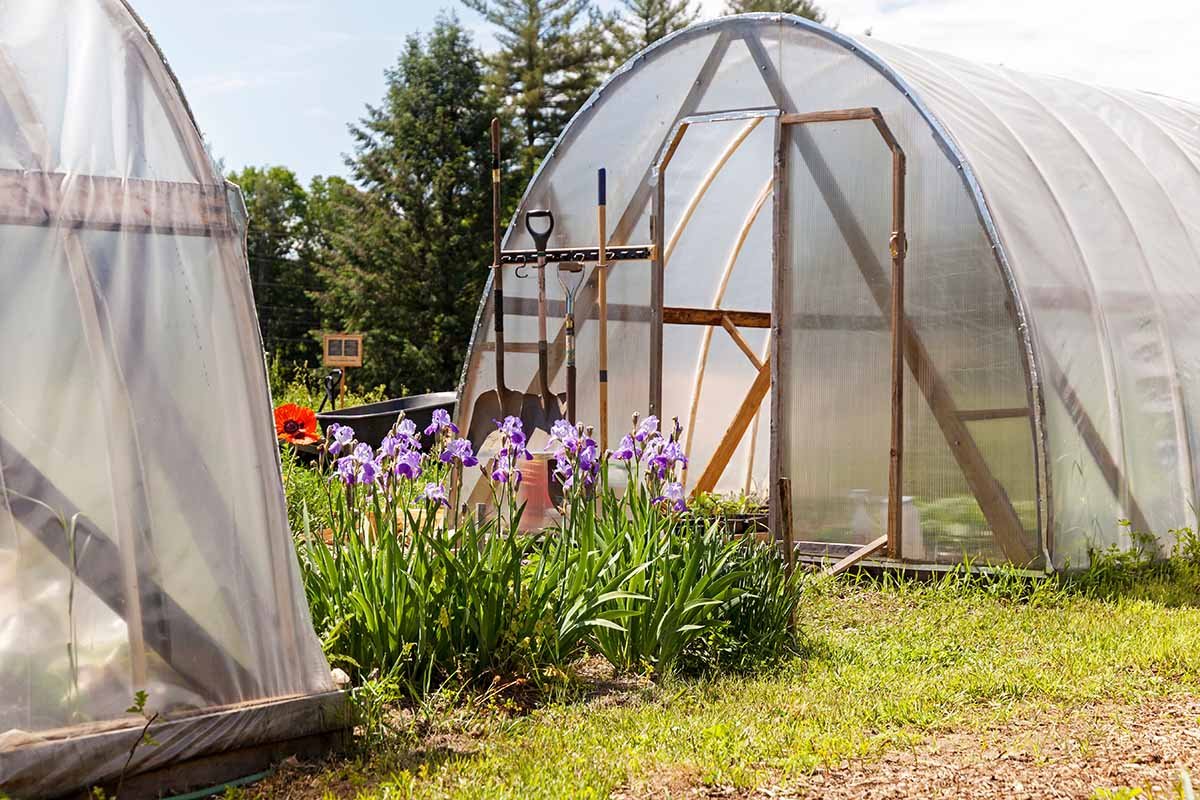
The main advantage of a hinged hoophouse lies in its capability to extend the growing season by creating a regulated environment for your plants. It offers protection from frost, wind, and pests, while at the same time grants simple access to your gardening area. The design that includes hinges makes it simple to open the structure for ventilation during warm weather, avoiding overheating and ensuring proper airflow to your plants. Furthermore, it can aid in water conservation by minimizing evaporation, rendering it a environmentally responsible option for those who enjoy gardening.
Materials and Tools Needed for Construction
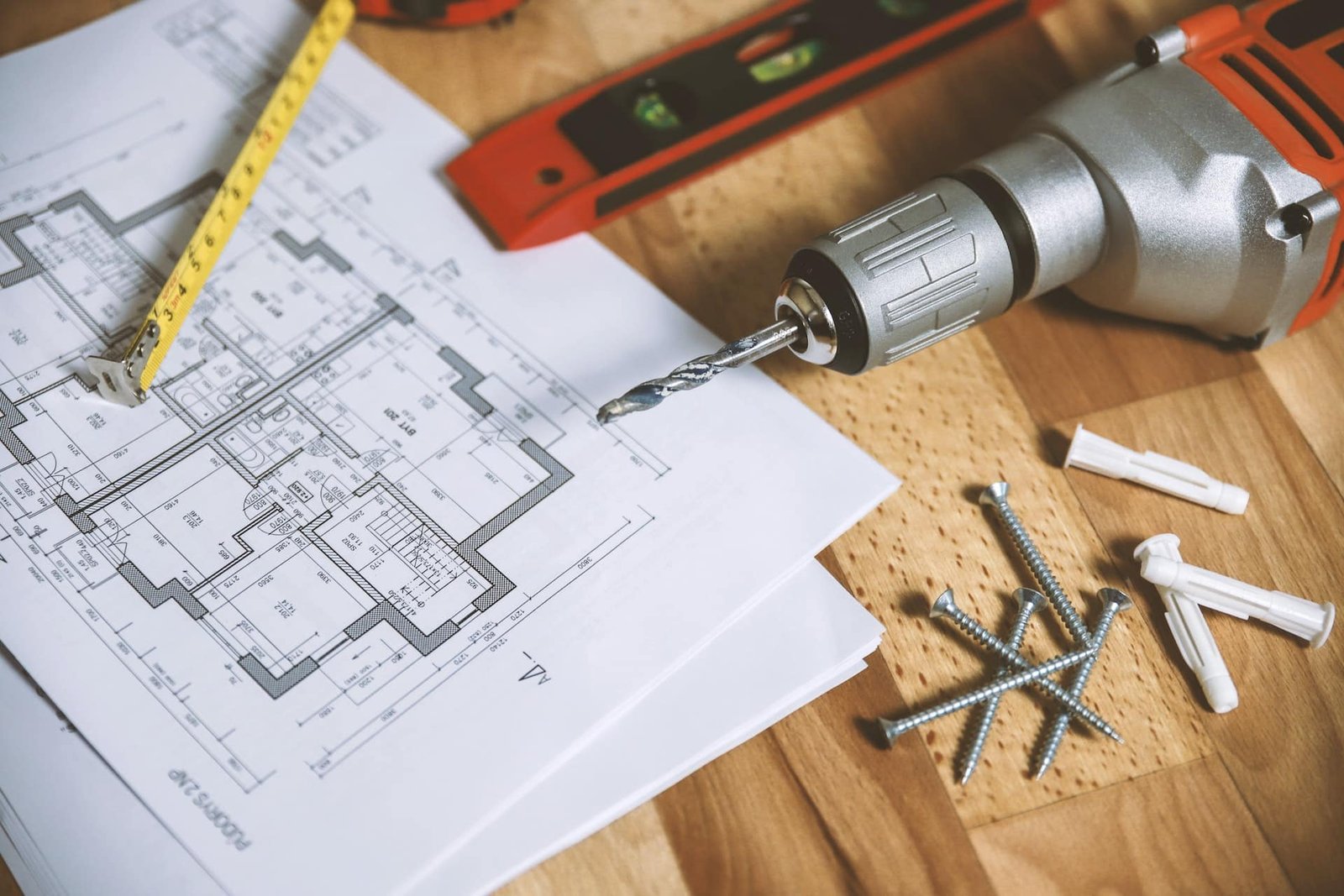
The following materials are needed to build a hinged hoophouse: PVC pipes, pipe clamps, hinges, screws, plastic sheeting (like polyethylene), and wood to create the frame. A saw, drill, measuring tape, and screwdriver are among the tools you’ll need. These supplies are often easily found at the majority of hardware stores and don’t cost a lot, which makes this a feasible project for gardeners of varying skill levels.
Step-by-Step Guide to Building the Hinged Hoophouse
Constructing a hinged hoophouse includes numerous crucial actions, including getting your garden bed ready and putting on the plastic cover. You can build a useful and long-lasting structure that will help your garden for many years by following these instructions carefully.
Preparing the Raised Bed Garden
Begin by making sure the raised bed you have is even and well-built. Clear the area of weeds and debris, and ensure the soil has adequate aeration, making it suitable for planting. Making ensuring a strong foundation is key before adding the structure.
Gathering and Measuring Materials
Measure the size of your raised bed to figure out how big the hoophouse should be. Cut the PVC pipes to fit, making sure they will form a curved arch over the bed. Before you start building, get all of the tools and materials you’ll need ready.
Constructing the Hoophouse Frame
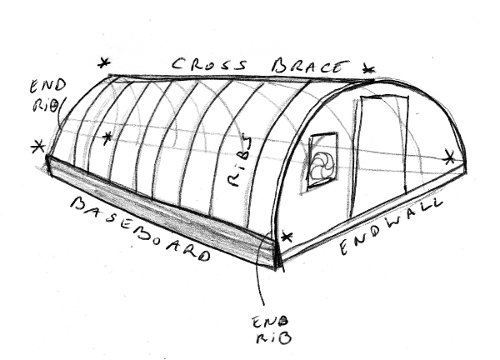
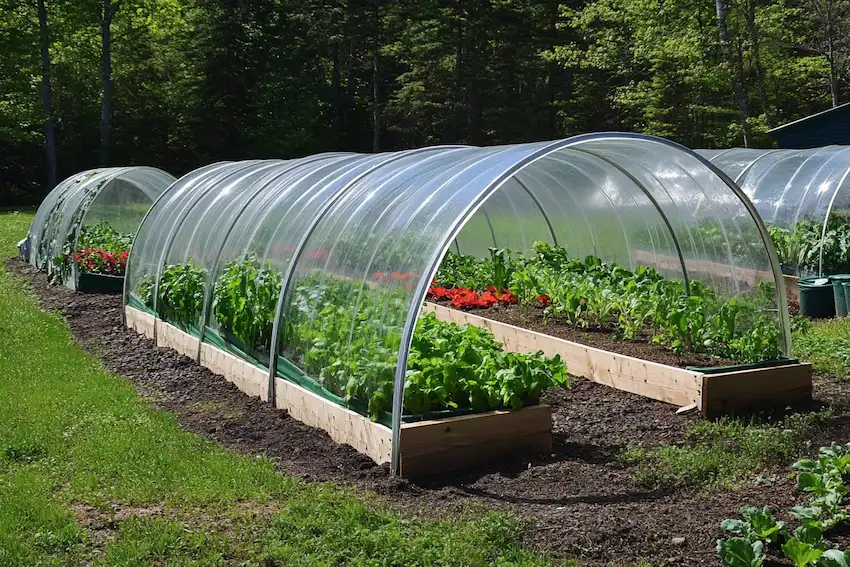
Bend the cut PVC pipes over the raised bed to make arches. Attach each end of a pipe to the sides of the bed using pipe clamps to hold it in place. To give the plastic cover enough support, space the arches out evenly along the bed.
Attaching the Hinges
Attach hinges to the wooden frame to form the base. Secure the other side of the hinges to the PVC frame, so that the built can be easily opened and closed. It’s important to use firm hinges to carry the load of the frame and the cover.
Installing the Plastic Cover
Drape the plastic cover over the PVC frame making sure it is pulled tight and evenly distributed. Secure the cover to the frame using clips or ties, firm enough to tolerate the wind when closed, but easy enough to open.
Securing the Hoophouse to the Raised Bed
Secure the full structure to the raised bed with screws or further clamps once the cover is secured. This will stop the hoophouse from moving or being swept away by strong winds.
Tips for Maintaining and Using Your Hinged Hoophouse
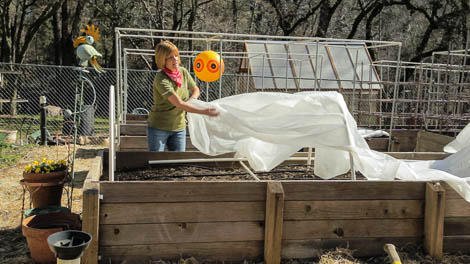
After storms, check the structure often for wear and tear. Open the hoophouse to allow proper ventilation and to avoid overheating. In the colder months, keep if closed so heat is retained, and protect your plants form frost.
Conclusion: Enjoying the Benefits of Your Hinged Hoophouse
You may enjoy plants that are healthier and a longer growing season with your new hinged hoophouse. This easy and effective structure gives protection from pests and the elements making it a great additive to any raised bed garden. You can create a durable hoophouse that fulfills your gardening demands for years by following these steps.


