

Baking soda, also known as sodium bicarbonate, is surprisingly effective in the garden. While mainly used for baking and cleaning, this plain white powder has a variety of gardening uses, from improving blooms to repelling pests and preventing disease. Its affordability, safety, and effectiveness make it a great tool for gardeners who want a more natural approach.
Understanding the Science Behind Baking Soda and Plant Blooming
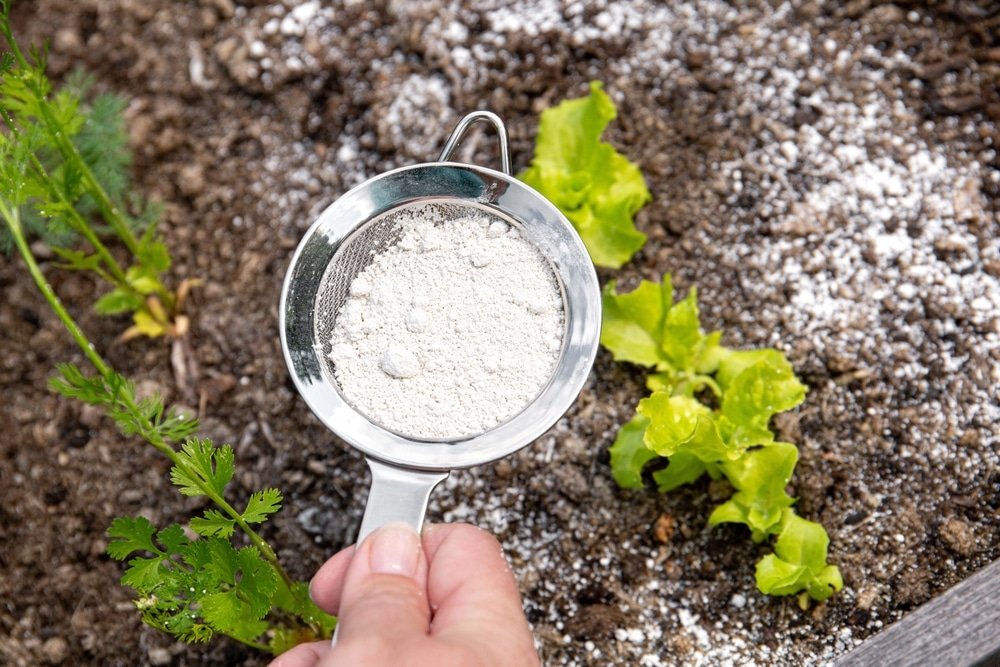
The pH level of soil can be altered by baking soda, which in turn affects plant blooming. Many flowering plants do well in slightly alkaline soil environments, which baking soda can help create. When used correctly, it lowers soil acidity, thus improving nutrient availability to plants, leading to more vibrant flowers. Moreover, baking soda is also a mild fungicide, protecting plants from diseases that can stop blooming.
Why Every Gardener Should Keep Baking Soda on Hand
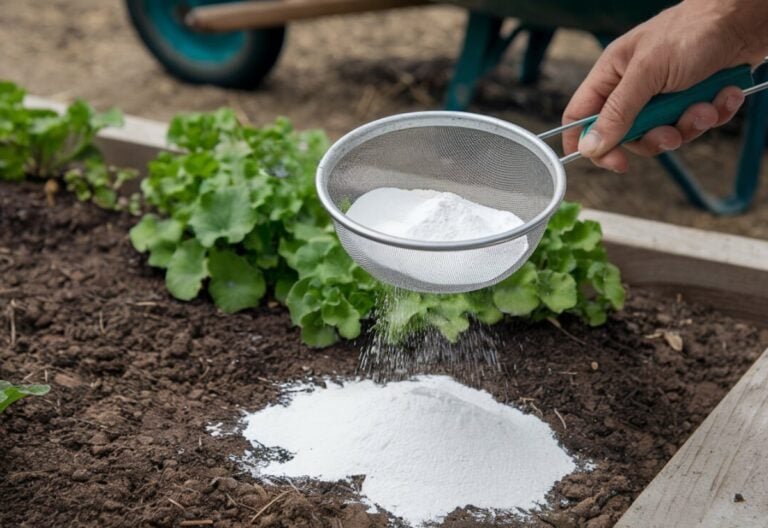
Baking soda isn’t just for the pantry; it’s a helpful gardening tool, providing safe, chemical-free solutions for common problems. Since it can boost blooms and control fungal infections, keeping baking soda around means you’re ready to deal with different gardening issues naturally and effectively.
Top 11 Baking Soda Hacks for Everyday Use
These tips illustrate how baking soda can help your garden flourish, by promoting healthier plants and protecting them from dangers.
Promoting Blooming in Begonias
Mix 1 teaspoon of baking soda with one gallon of water and, on a weekly basis, water your begonias using this mix. The resulting solution contributes to a more alkaline environment beneficial for encouraging more frequent and vibrant blooming.
Enhancing Hydrangea Colors
To intensify pink or blue colors, sprinkle a small quantity of baking soda around the hydrangeas’ base. This helps raise the pH level in the soil, with the ultimate color depending on the variety and the soil’s mineral composition.
Boosting Geranium Growth
Geraniums thrive in slightly alkaline soil. Every month, add one tablespoon of baking soda to your watering can. Doing so helps promote brighter flowers and fuller growth.
Preventing Powdery Mildew
Combine one tablespoon of baking soda, one tablespoon of vegetable oil, and one gallon of water to create a natural fungicide. Spray this mixture onto vulnerable plants like squash, roses, and cucumbers to treat or prevent powdery mildew.
Pest Deterrent for Cabbage Worms and Slugs
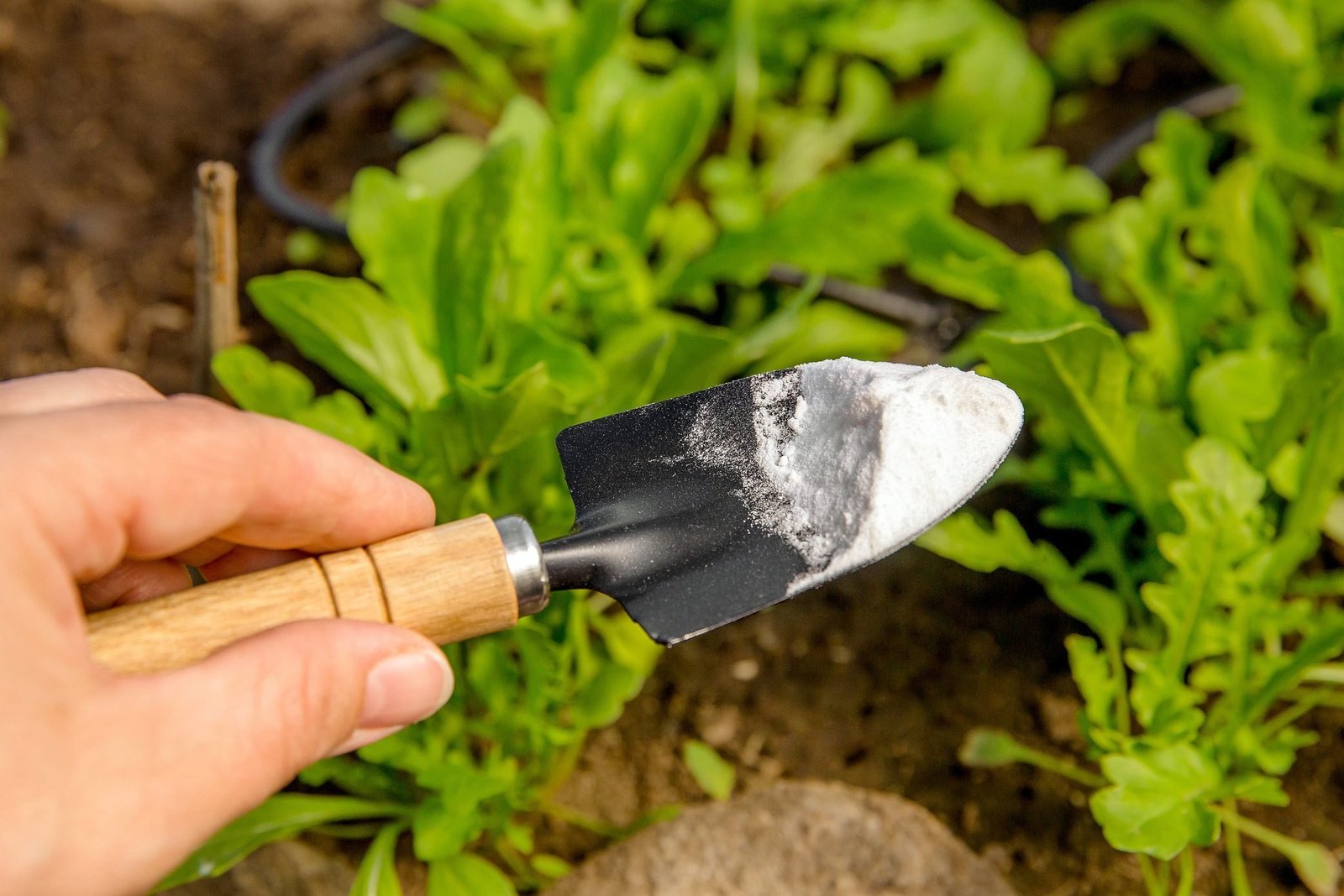
To deter slugs and cabbage worms, lightly sprinkle baking soda around lettuce, broccoli, or cabbage plants. After watering or rain, reapply as needed.
Cleaning Garden Tools
Make a paste of baking soda and water, then scrub your garden tools with it. This helps remove dirt and sap, reduces rust, and sanitizes them for future use.
Freshening Compost Piles
If your compost pile smells too sour or rotten, sprinkle some baking soda into it. This will neutralize strong odors and balance acidity, leading to healthier composting.
Treating Black Spot on Roses
Combine one teaspoon of baking soda and a few drops of dish soap in one quart of water. To help prevent and manage black spot fungus, apply this solution weekly on rose leaves.
Reviving Yellowing Leaves
Yellow leaves may indicate that the soil is too acidic. To gently raise the pH level and restore leaf color, dissolve one teaspoon of baking soda in a quart of water and apply around the base of the plant.
Weed Control in Cracks and Walkways
To help prevent weed growth, sprinkle baking soda directly into cracks in garden paths or between pavers. This is a much safer option than using chemical herbicides.
Extending the Life of Cut Garden Flowers
Put a teaspoon of baking soda in the vase water for your freshly cut flowers. This aids in maintaining a better pH balance, reducing the growth of bacteria, which in turn keeps blooms fresher for a longer duration.
Conclusion: The Essential Role of Baking Soda in Everyday Life
Baking soda is incredibly versatile and can solve many household problems. Its natural and non-toxic qualities make it perfect for those looking for eco-friendly options. Baking soda is a useful tool for enhancing your garden, cleaning your home, or even caring for your skin. Keeping this simple compound on hand means you are always ready to easily and efficiently complete everyday tasks.


