

Why nurture Schlumbergeras if their spectacular year-end blooms aren’t enjoyed? One crucial factor is the plant’s location. Below are places to avoid if you desire your Christmas cactus to flower.

Keeping Very Close to Heating Vents or Radiators
Originating from Brazil’s rainforests, the Christmas cactus prospers in humid, shaded tropical environments. As an epiphyte growing under the tree canopy, it’s vulnerable to dry conditions.
Locating it near radiators or heating vents exposes it to dryness and heat, which stresses the plant and inhibits bud creation. Such locations with dry air and elevated temperatures can also interfere with the plant’s crucial dormant period required for blooming.
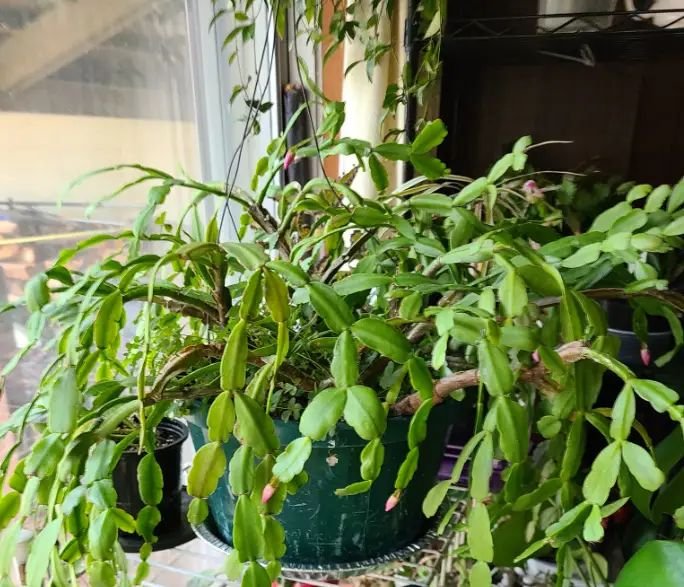
Spot With Direct Sunlight
The Christmas cactus thrives in its native habitat with indirect light that filters through dense tree canopies. Exposure to direct sunlight, such as on a bright windowsill, can scorch leaves and impair blooms, as the plant prioritizes survival.
Opt for a spot with ample, indirect sunlight instead to foster bud development and timely seasonal blooms for the holidays. However, a little gentle morning sun can be beneficial!
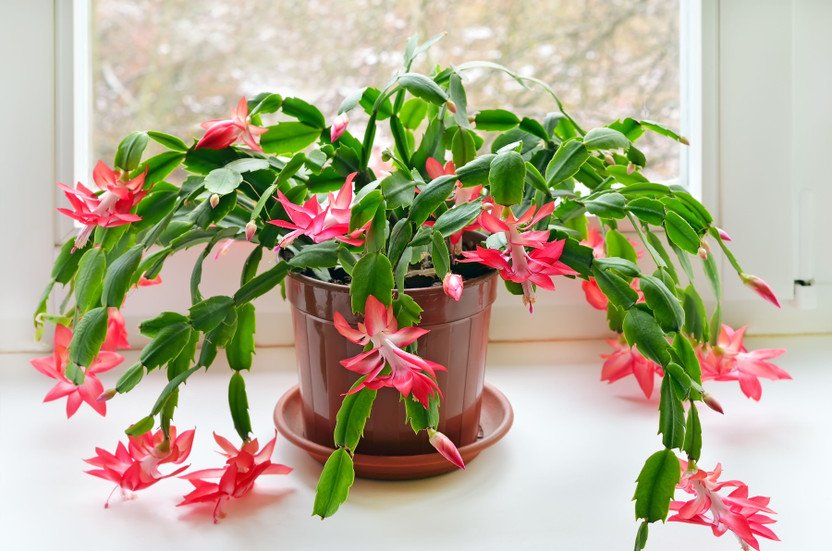
Near Drafty Windows or Doors
Fluctuating temperatures resulting from hot or cold drafts from doors and windows are detrimental to this plant, which prefers consistency. Stable temperatures are necessary for the Christmas cactus to enter its flowering phase.
Specifically, cold drafts can shock the plant during winter, leading to bud drop and lack of blooms. To allow your plant to flourish and produce stunning blooms (though short-lived), choose a place that is sheltered from extremes, humid, cool, and receives soft sunlight.
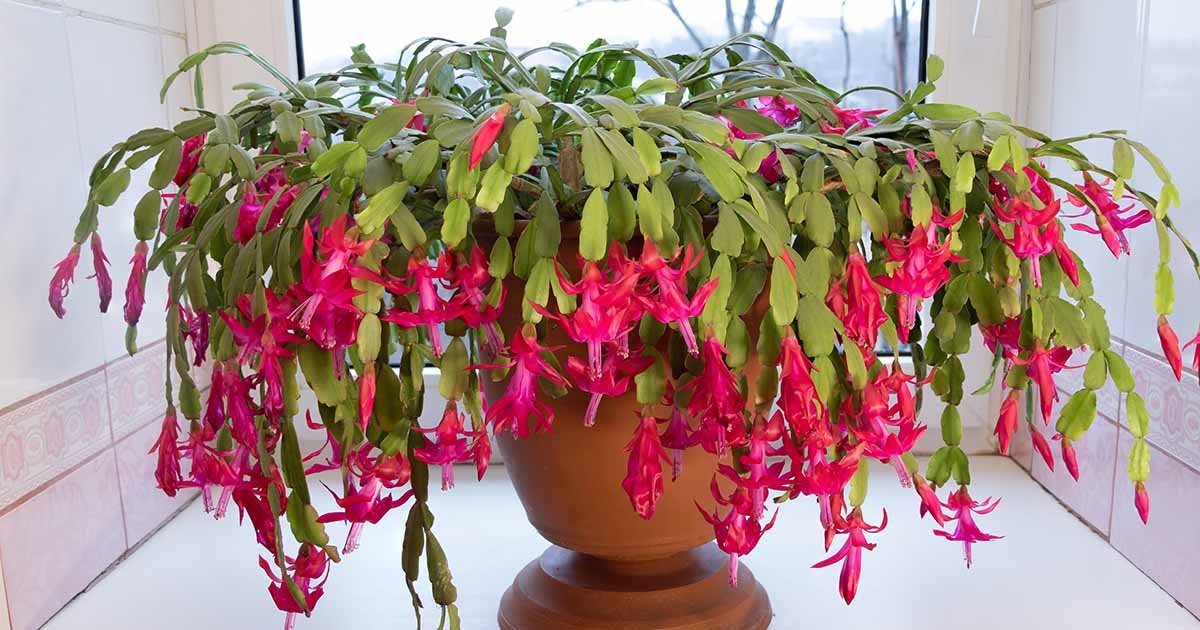
Close to Electronic Devices
Even with a suitable spot, proximity to lights and smart home devices can disrupt the bloom cycle. The heat and light emitted by these devices can disrupt the Christmas cactus’s necessary natural light-dark cycle for blooming.
The pre-bloom phase, which begins in late summer/early fall, requires 12-14 hours of darkness daily. Disrupting this crucial period with artificial light will prevent the blooming process.
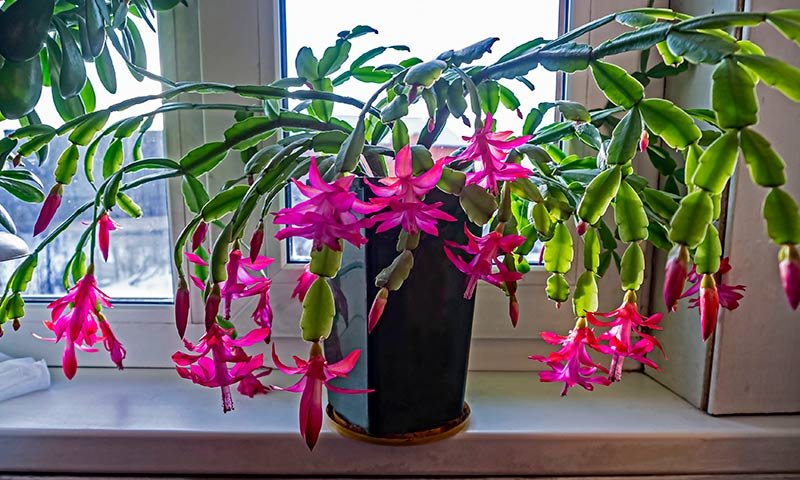
Outdoor Locations Exposed to Frost
While this winter bloomer appreciates moderately cool temperatures, it is not frost tolerant. Outdoor exposure to low temperatures and frost is lethal to the plant.
Avoid placing it outdoors during autumn or winter when temperatures fall below 50°F (10°C), as the cold will cause shock and damage to its tissues, hindering blooming.
Next to Fruit Bowls
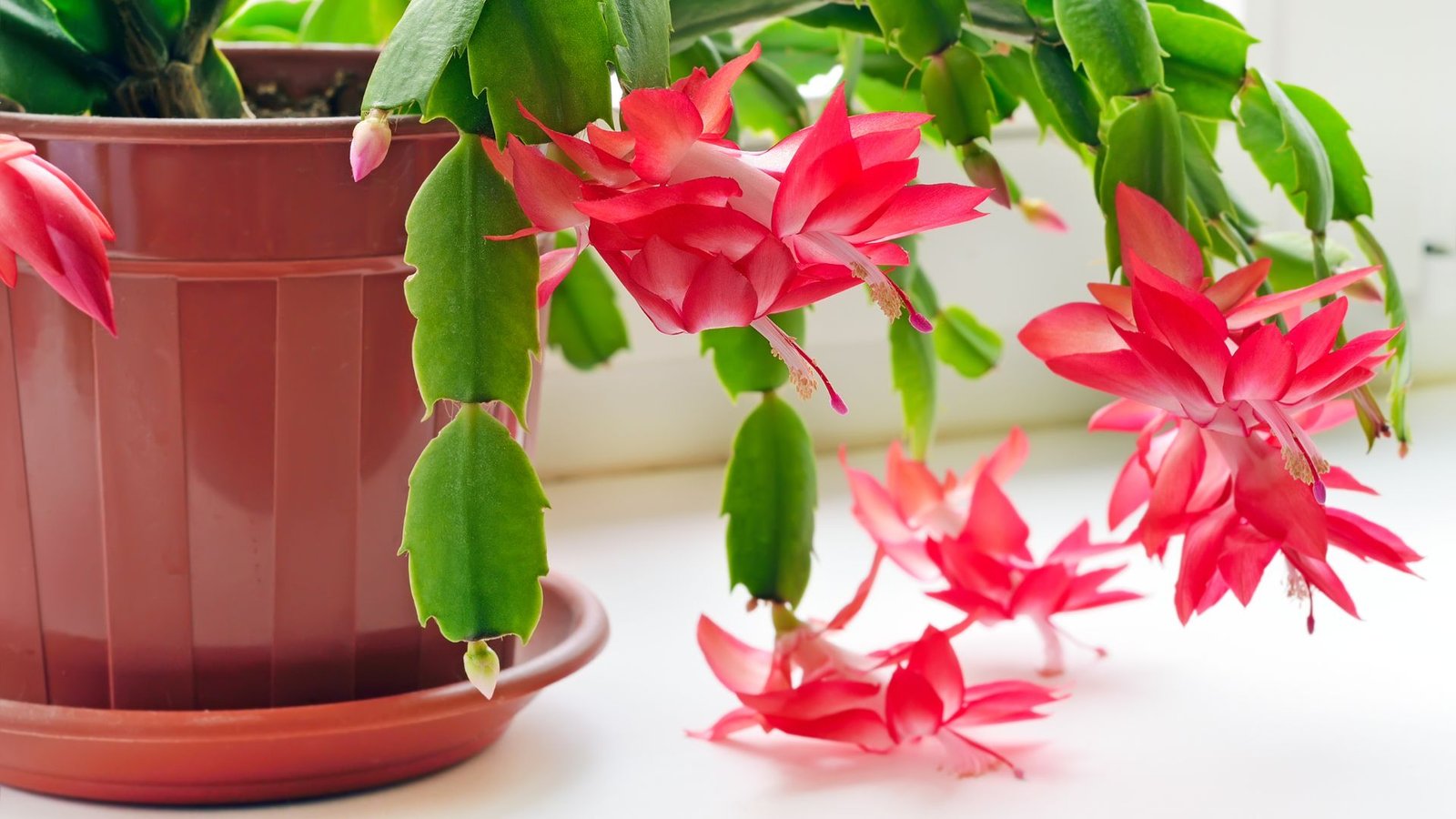
Surprisingly, keeping your Christmas cactus close to ripening fruit can impede its flowering. Ethylene gas released by the fruits triggers premature aging and bud drop before blooming.
High Traffic Areas in Your Home
The most undisturbed spot fosters the Christmas Cactus’s best growth. Placement in high-traffic zones such as busy hallways, entryways, or crowded corridors is a recipe for disaster. Frequent jostling or bumping can be disruptive.
This stress can lead to bud drop and flower loss. As the delicate foliage is prone to breakage if disturbed too often, ensuring a peaceful growing spot is essential.
Conclusion
If you want those spectacular year-end blooms, don’t just water and feed—place your Schlumbergera wisely. Avoid dry heat (radiators/vents), harsh direct sun, drafts, nighttime artificial light from electronics, frost outdoors, fruit bowls (ethylene gas), and high-traffic spots. Instead, give it bright indirect light, cool-to-moderate humidity, and stable temperatures—and from late summer into fall, ensure 12–14 hours of uninterrupted darkness daily to set buds. Once buds appear, keep the plant still. With a few smart placement tweaks, you’ll be rewarded with dazzling holiday flowers.


