

Growing tomatoes in containers is a fulfilling activity, allowing gardeners with limited space the joy of fresh, homegrown tomatoes. Often, container-grown tomatoes don’t perform as expected due to common, but easily avoidable, mistakes.
This article provides ten crucial tips for successfully cultivating tomatoes in containers. Covering aspects from selecting suitable container sizes to ensuring correct drainage and ample sunlight, these recommendations aim to help you grow thriving and productive tomato plants, even within very small spaces.

Choose the Right Container Size
The container’s size significantly influences the healthy development of tomato plants. You should aim for a container at least 18 inches in diameter and 24 inches deep. This provides adequate space for root expansion and access to necessary nutrients and water. Larger containers also help the soil retain moisture longer, preventing rapid drying which is a typical issue in smaller pots.
When choosing, consider materials like plastic, ceramic, or fabric. While each offers benefits, plastic containers are favored by many gardeners because they are lightweight and retain moisture effectively.
:max_bytes(150000):strip_icc()/tips-for-growing-tomatoes-in-containers-848216-06-41ce3f715bd74adc94a18d6cbae3bf7c.jpg)
Select the Best Tomato Varieties for Containers
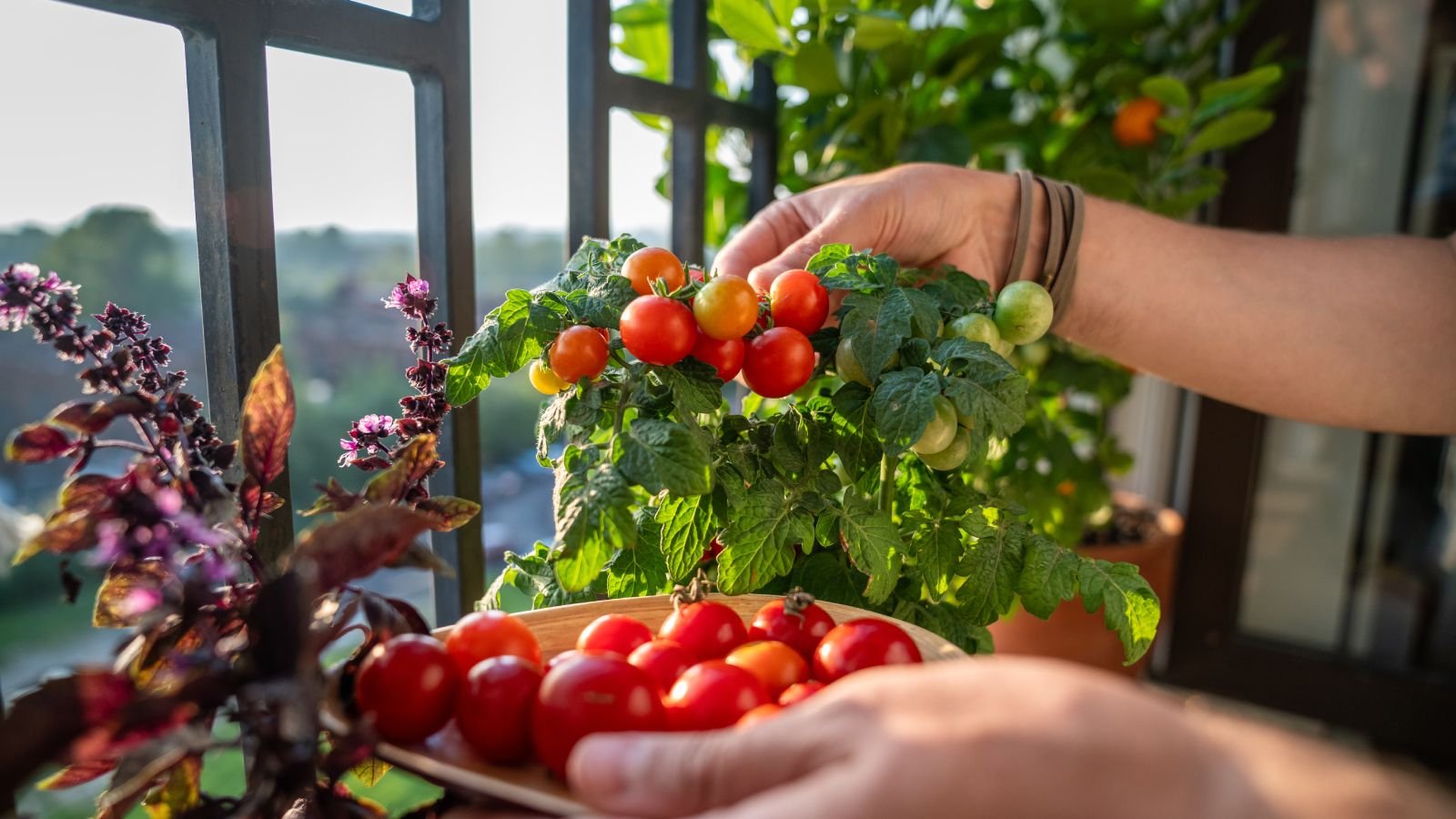
Not every tomato variety thrives in a container. Determinate varieties, also known as bush tomatoes, are generally ideal as they grow to a manageable size and produce fruit in a shorter timeframe. Great container options include varieties like ‘Patio Princess’, ‘Tiny Tim’, and ‘Bush Early Girl’.
If you prefer indeterminate varieties, which continue to grow and produce fruit throughout the season, pick compact cultivars like ‘Sweet Million’ or ‘Sungold.’ These can be trained to grow vertically when properly supported.
Use High-Quality Potting Mix
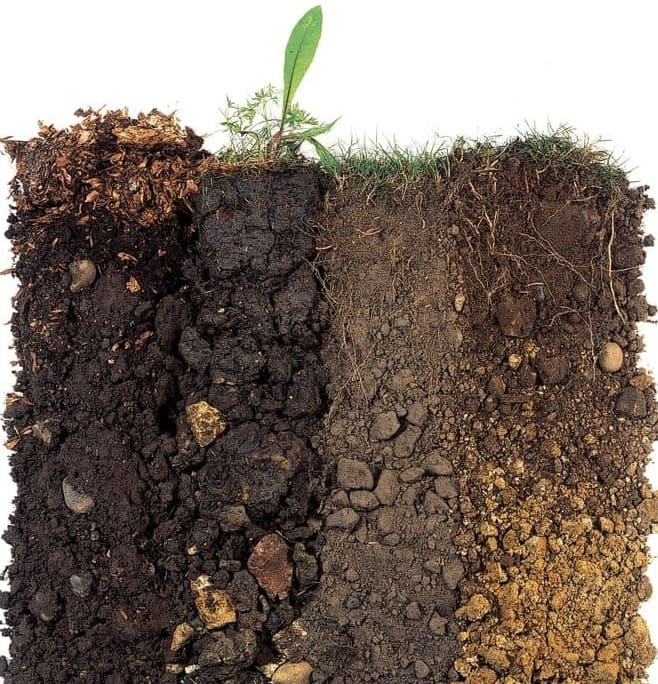
Using a high-quality potting mix is vital for tomatoes in containers. Potting mix, unlike garden soil, is designed to be lightweight and well-draining. This prevents root rot and other moisture-related problems. Find a mix containing peat moss, perlite, and vermiculite for optimal moisture retention and aeration.
Before planting, add a slow-release fertilizer to the potting mix. Doing so ensures a consistent supply of nutrients for your tomatoes throughout the growing season.
Ensure Proper Drainage
Proper drainage is essential to prevent waterlogged soil, which encourages root rot and diseases. Your container must have multiple drainage holes in the bottom. If holes are absent, you can drill them.
Further improve drainage by adding a layer of gravel or broken pottery at the bottom of the container before adding potting mix. This promotes efficient water dispersal and healthy roots.
Position for Optimal Sunlight
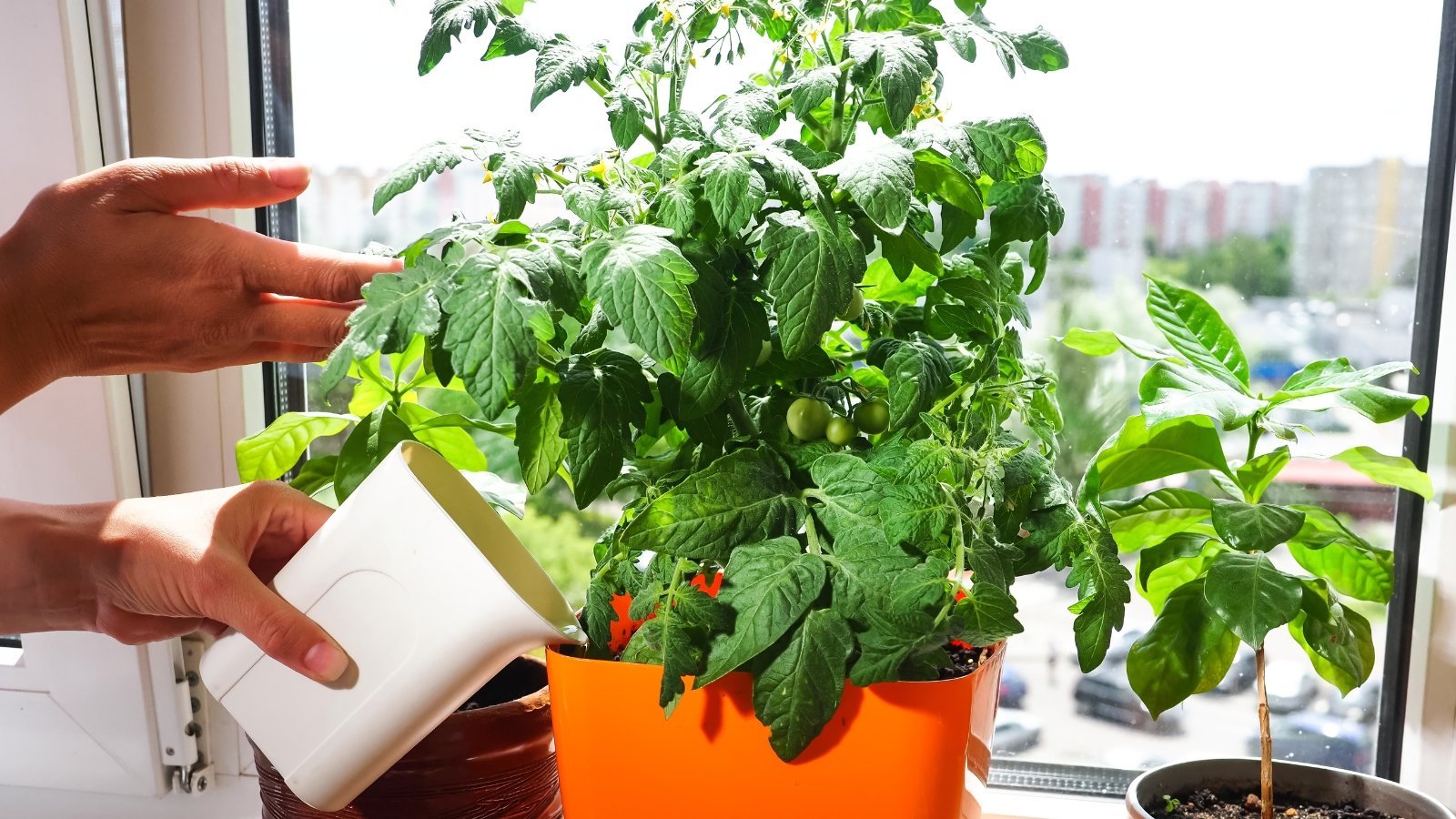
Tomatoes need a minimum of 6 to 8 hours of direct sunlight daily to thrive. Place your containers in a sunny location like a south-facing balcony or patio.
If you live in a hot climate, protect plants from afternoon overheating by providing shade. This can be accomplished using shade cloth or moving the containers to a slightly shaded zone during the day’s hottest hours.

Water Consistently and Correctly
Consistent watering is key for healthy tomato plants. Since containers dry out faster than garden beds, daily watering may be needed, especially in hot weather. Water thoroughly, allowing water to escape through the drainage holes to hydrate the entire root system.
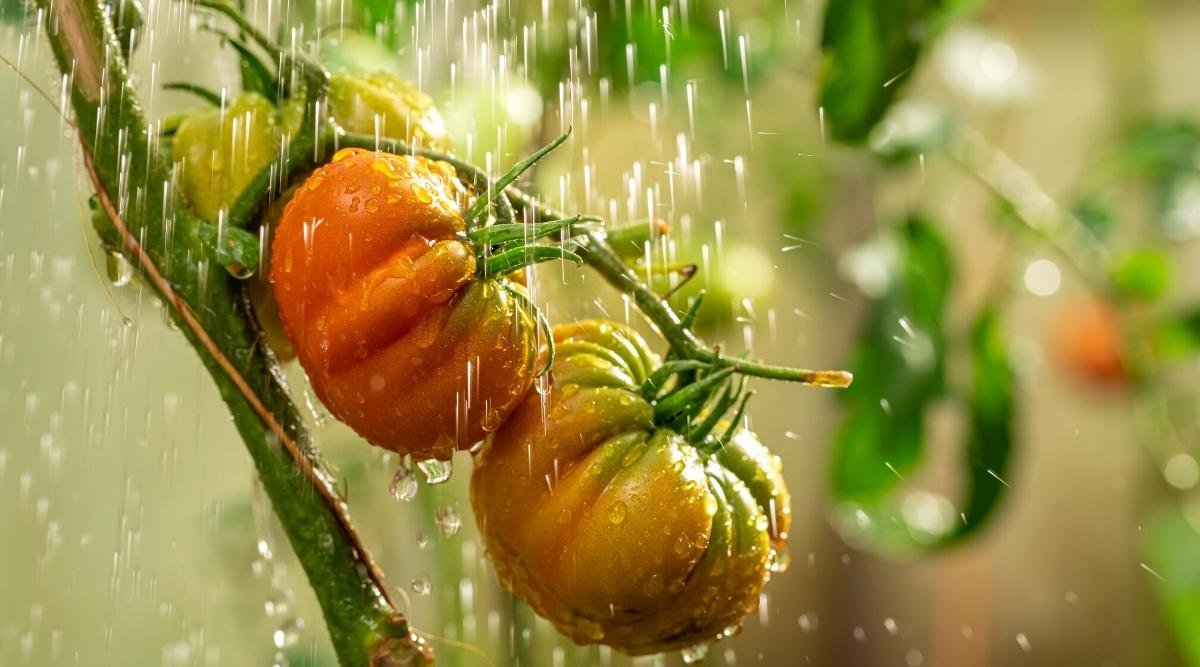
Avoid watering the plant from above, as this may cause fungal issues. Instead, water at the plant’s base or use drip irrigation to directly deliver moisture to the roots.
Fertilize Regularly with Balanced Nutrients
Tomatoes are heavy feeders; routine fertilization is needed for optimal growth. Use a balanced fertilizer with equal parts nitrogen, phosphorus, and potassium (e.g., a 10-10-10 formula). Apply every 4 to 6 weeks, following the manufacturer’s directions.
Supplement regular fertilization every two weeks with liquid seaweed or fish emulsion for trace minerals and enhanced foliage fruit development.
:max_bytes(150000):strip_icc()/SPR-guide-to-fertilizing-tomatoes-7151680-hero-f4da487e59374d61889d156b80821701.jpg)
Support Your Tomato Plants with Stakes or Cages
Providing support benefits all tomato varieties, even the compact ones. Support helps keep plants upright and prevents damage to the stems and fruit. Use stakes or tomato cages. A simple stake or small cage will work for determinate varieties.
Employ a strong cage, or stake-and-twine combination, to support the taller growth of indeterminate varieties. Secure the main stem to the support using soft ties to avoid plant damage.
:strip_icc()/bhg-caged-tomato-plant-11724954-7e2eac396ea14f8f8dbe71ce9ba2f1dc.jpg)
Prune and Pinch for Better Growth
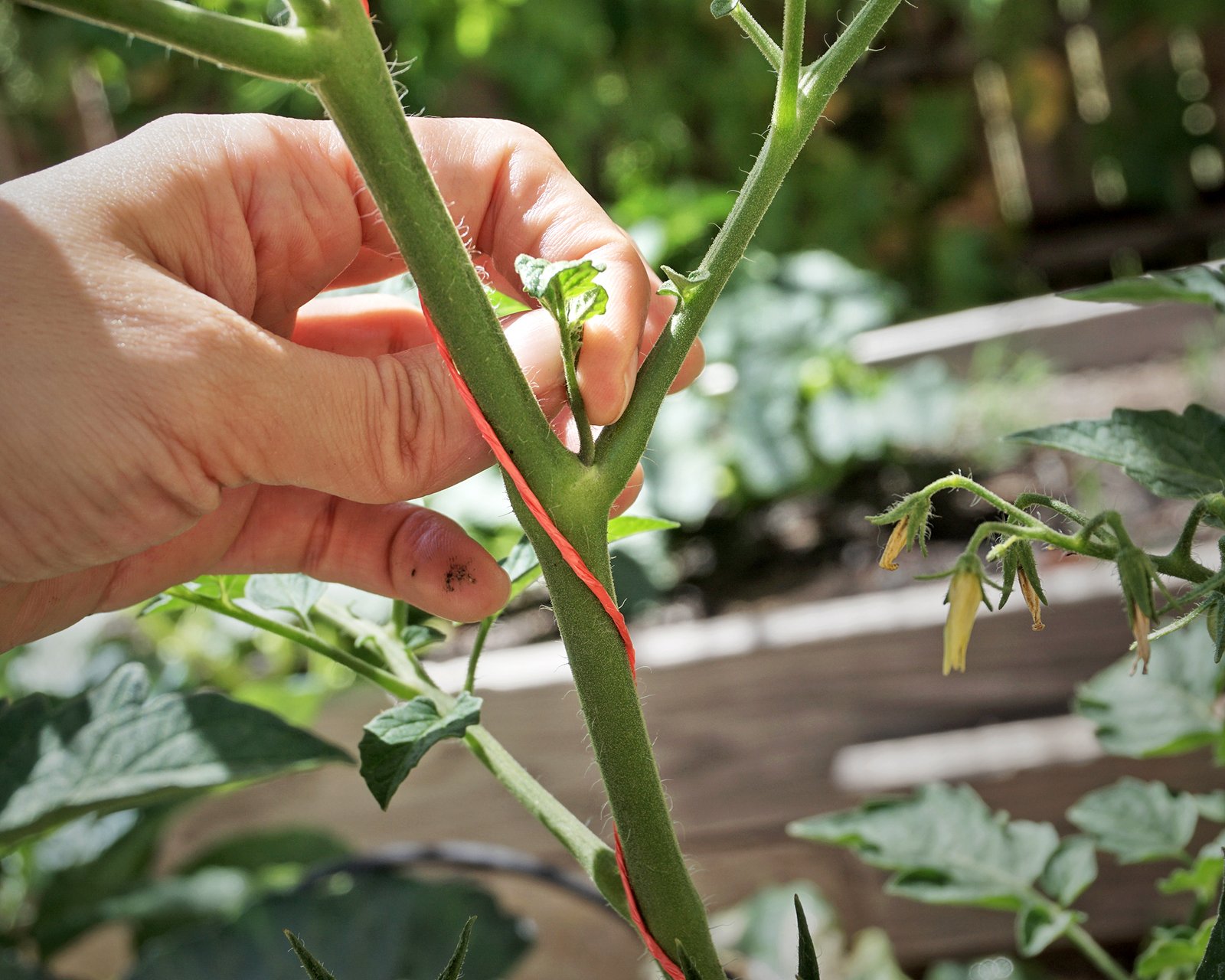
Pruning promotes robust growth and boosts fruit production. Remove suckers, which are small shoots growing in the leaf axils, to channel the plant’s energy toward fruit development, not foliage.
For indeterminate varieties, remove the lower leaves as the plant matures to improve ventilation and reduce disease risk. Avoid over-pruning, since foliage is required for photosynthesis and general plant health.
Monitor for Pests and Diseases
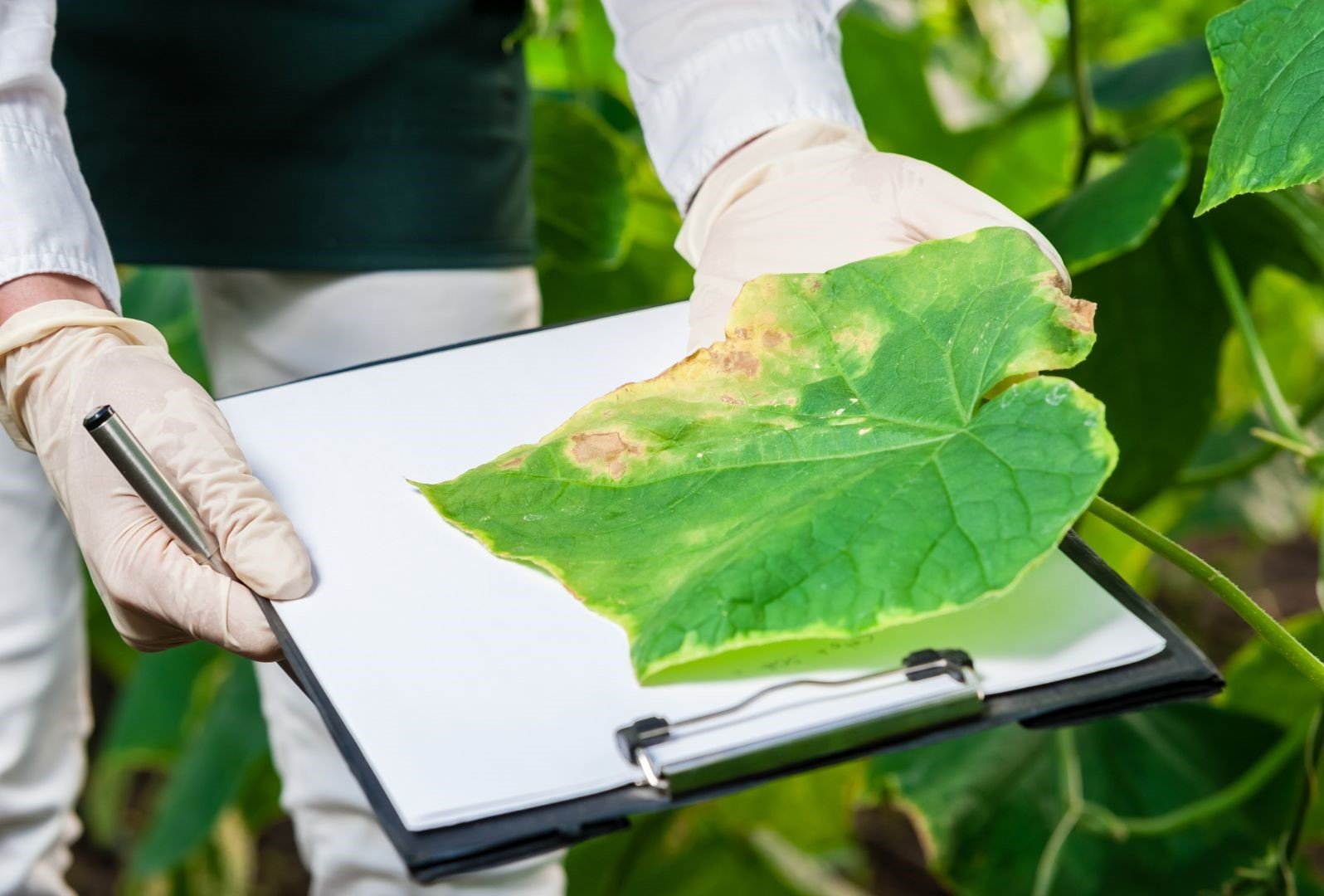
Check your tomato plants regularly for pests and diseases. Typical pests include aphids, whiteflies, and tomato hornworms, which can be managed with insecticidal soap or neem oil.
Fungal issues like blight and powdery mildew can be avoided by promoting good air circulation and avoiding overhead watering. If you spot disease signs, promptly remove affected leaves and consider using a fungicide if needed.
Rotate and Refresh Soil Annually
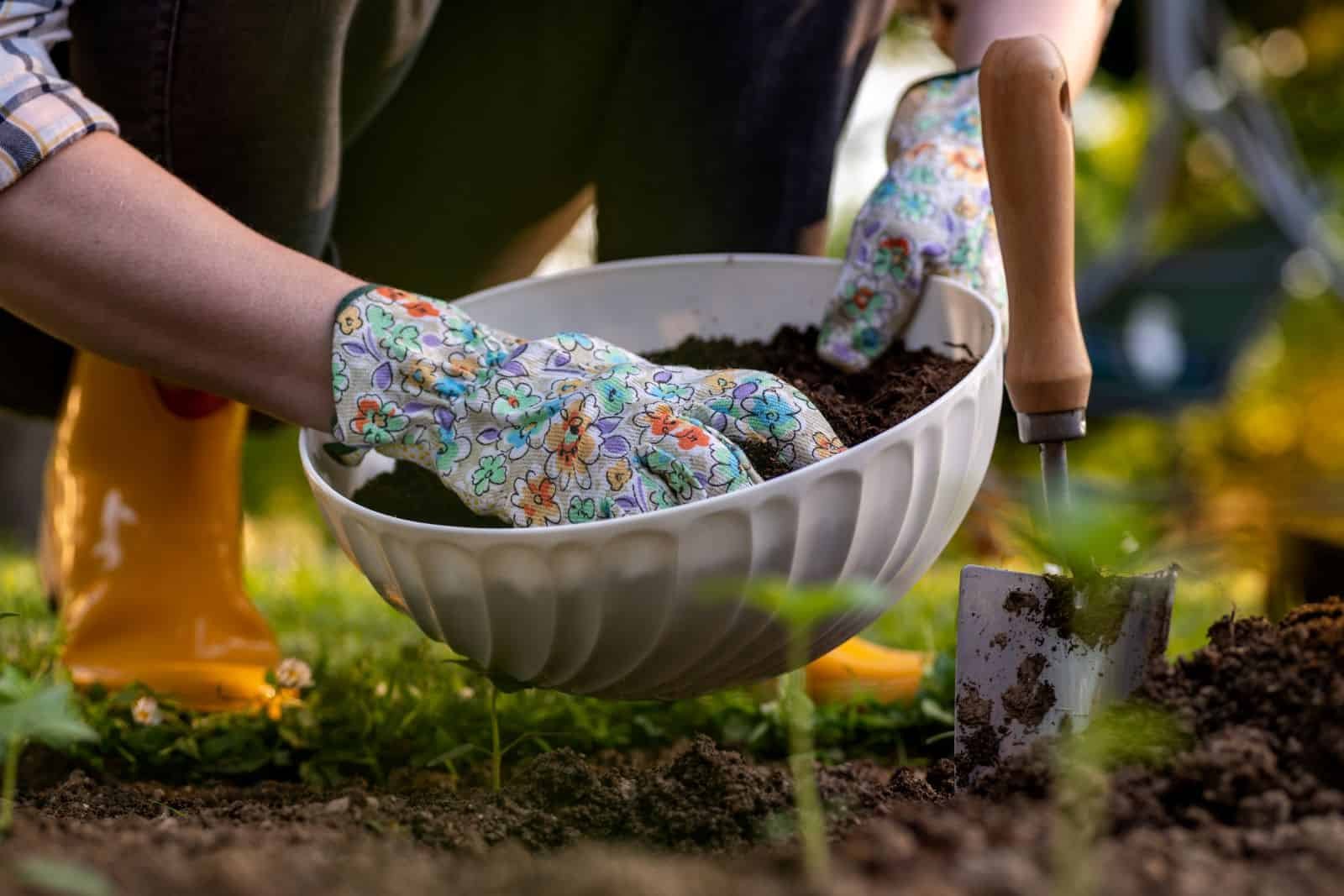
To prevent soil-borne diseases and nutrient depletion, crop rotation and soil refreshing each year are crucial. If you can, avoid replanting tomatoes in the same container consecutively.
At the end of the growing season, remove the exhausted soil and replace it with fresh potting mix. This maintains soil fertility and lowers disease risk, ensuring the best possible start for your tomatoes each season. `
Conclusion
Growing tomatoes in containers may seem challenging at first, but with the right strategies, it becomes an enjoyable and highly rewarding experience. By choosing appropriate containers, selecting suitable varieties, and providing consistent care with proper sunlight, watering, and nutrition, you set your plants up for abundant harvests. Adding support, pruning wisely, and keeping an eye out for pests and diseases further ensures strong, healthy growth.
With these tips, even a small balcony or patio can be transformed into a mini tomato garden, bringing fresh, homegrown flavor straight to your table. Each season becomes an opportunity not just to harvest delicious fruit, but also to refine your approach and enjoy the satisfaction of container gardening success.


