

Lavender, celebrated for its striking purple blossoms and calming aroma, is a favored addition to gardens across the globe. Beyond its aesthetic charm, lavender offers a host of unexpected advantages, making it an outstanding choice for garden borders. From boosting curb appeal to fostering biodiversity, lavender borders can transform your garden into a vibrant, attractive sanctuary.
In this article, we will delve into nine surprising benefits of integrating lavender into your garden as borders. Additionally, we will present a step-by-step guide to successfully cultivate and care for your lavender border. Whether you’re an experienced gardener or a novice, this guide will empower you to maximize the potential of this remarkable plant.
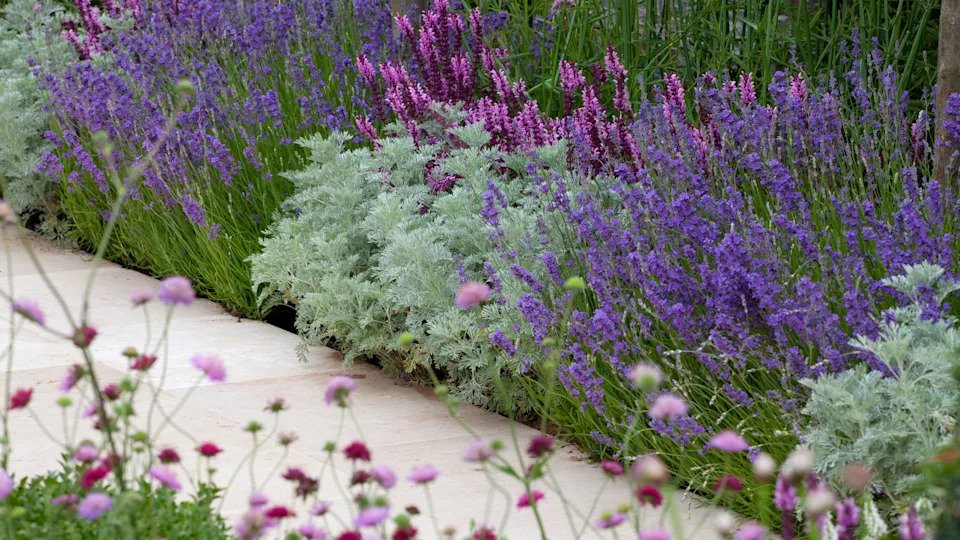
Enhancing Curb Appeal with Lavender Borders
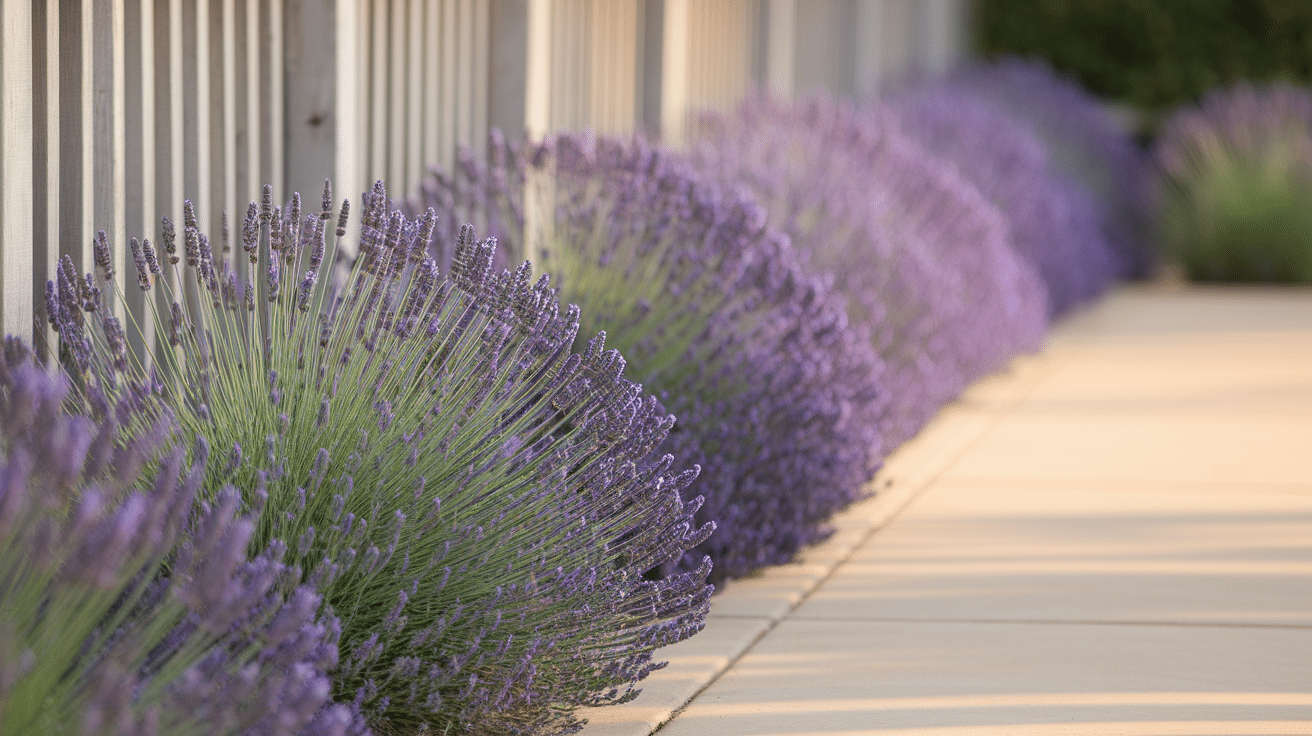
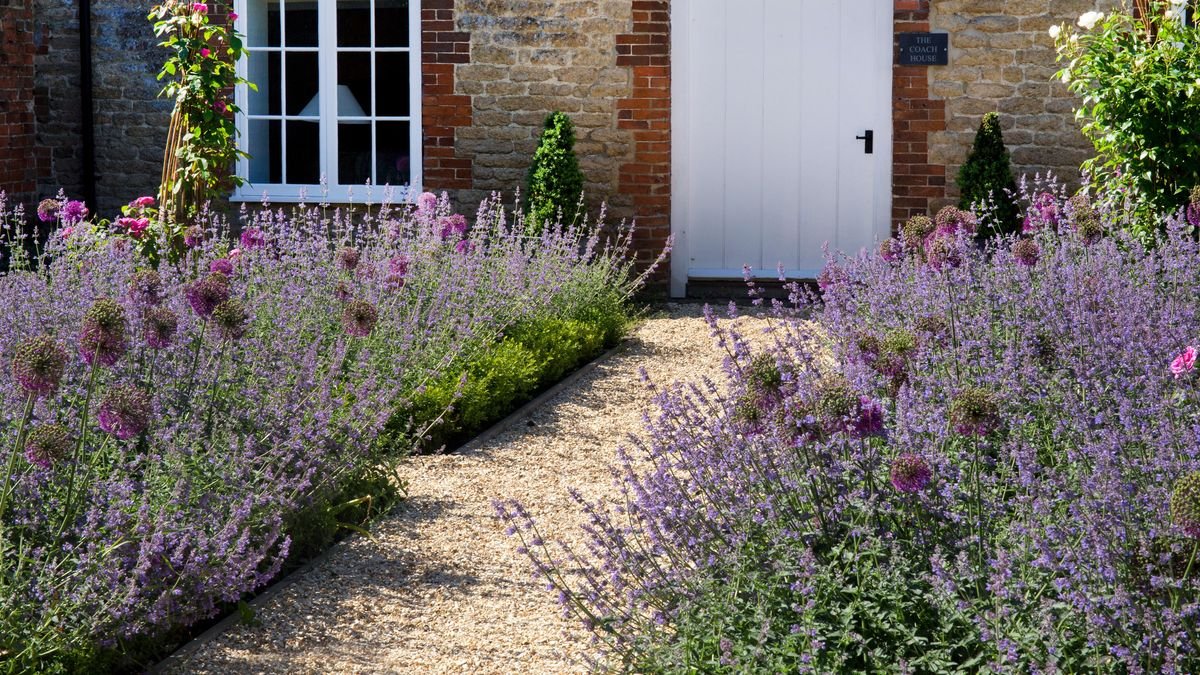
Lavender borders offer a visually stunning approach to elevating your home’s curb appeal. The vivid violet hues of the flowers create an eye-catching contrast against the green foliage and other plants in the garden. A well-maintained lavender border can naturally frame walkways, driveways, or garden paths, capturing attention and imbuing elegance into your landscape.
When establishing a lavender border, space your plants between 12 and 18 inches apart to promote adequate airflow and growth. This spacing will guarantee ample room for each plant to flourish, while simultaneously creating a dense, visually appealing border. The height of lavender plants, typically between 12 and 36 inches, can be leveraged to design layers in your garden, adding dimension and depth.
Lavender’s Natural Pest-Repellent Properties
Lavender is well-known for its inherent pest-repelling abilities, which makes it a superb option for gardeners who are seeking to minimize the use of chemical pesticides. The potent fragrance of lavender demonstrably deters prevalent garden pests, including moths, mosquitoes, and flies. By planting a lavender border, you can safeguard your garden from such unwanted pests, thereby fostering a more enjoyable outdoor setting.
Beyond repelling pests, lavender can also draw beneficial insects that assist in managing pest populations. For example, ladybugs and lacewings, recognized for preying on aphids—a typical garden pest—are frequently attracted to lavender plants. By integrating lavender into your garden, a more balanced ecosystem that promotes natural pest control can be implemented.
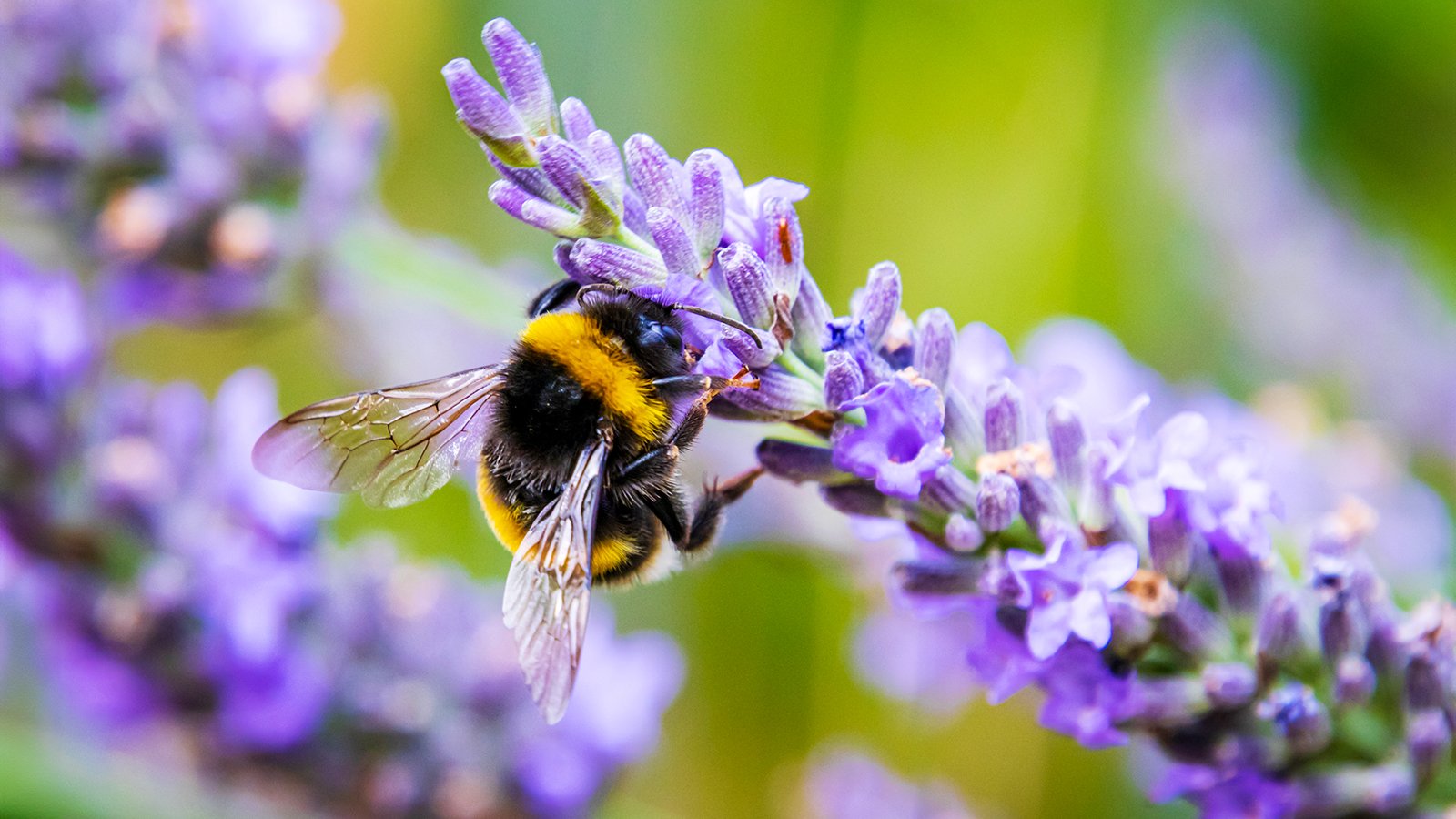
Attracting Pollinators: Bees and Butterflies Love Lavender
Lavender acts as a magnet for pollinators, notably bees and butterflies. The flowers, rich in nectar, supply an abundant food source for these vital creatures. This helps sustain their populations and boost the level of biodiversity in your garden. By installing a border of lavender, you can effectively create a pollinator haven, encouraging them to frequent your garden and pollinate your other plants.
To optimize the positive effects for pollinators, consider including several kinds of lavender species that flower during different times across the growing season. You’ll provide a consistent source of nectar and draw in a wide variety of pollinating insects. Furthermore, avoid the use of any insecticides near or directly on your lavender plants, as these chemicals can be destructive to pollinators and reduce their population.
Creating a Calming Atmosphere with Lavender Scents
The calming scent of lavender is widely recognized for its soothing effects, making it a common choice for relaxation and aromatherapy. By establishing a lavender border, you have the capacity to create an atmosphere of tranquility in your garden. This will make your garden the ideal space to unwind after a busy day. The gentle scent of lavender can play a role in reducing anxiety and stress, encouraging feelings of peace and well-being.
To further enhance the soothing effects provided by the lavender border, consider situating it nearby seating areas or outdoor spaces where you prefer to relax. The aroma is most powerful when the flowers are in blossom, so make sure you plant your border in a sunlit area to help ensure robust growth and profuse blooms.
Lavender as a Low-Maintenance Garden Choice
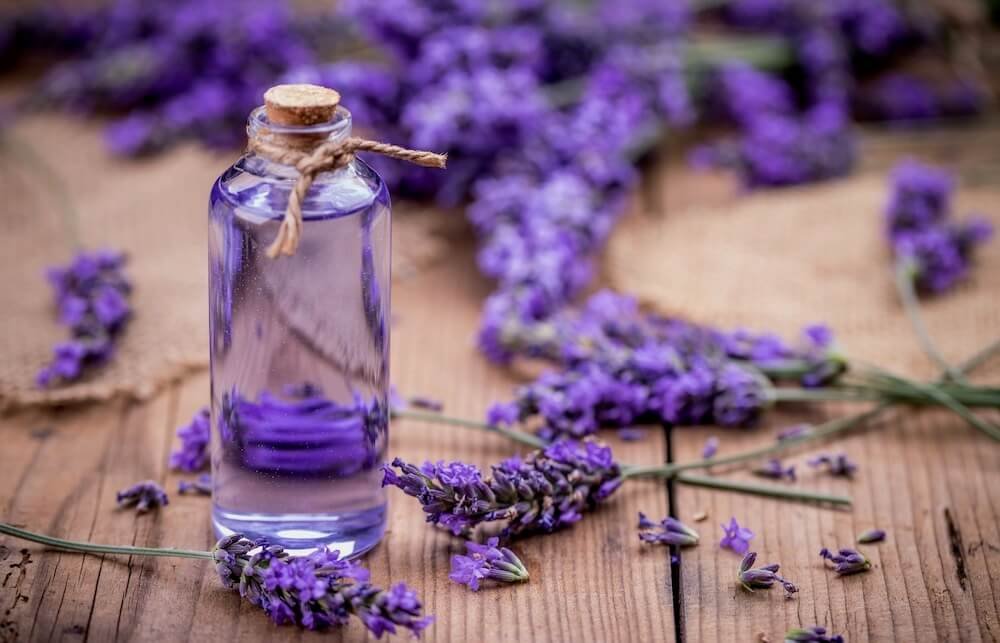
Lavender is a plant that requires little maintenance. It’s ideally suited to a range of garden conditions. It thrives in well-draining soil and only needs infrequent watering once properly established, making it a great substitute for gardeners who wish to reduce their water usage. Furthermore, lavender is drought-tolerant and can endure long stretches of dry conditions.
To ensure your lavender border stays healthy and vibrant, prune the plants one time per year to promote new growth and to help maintain its overall shape. You can prune them in springtime or after they’ve finished flowering, depending on which variety you have. When proper care is provided, a lavender border can offer years of beauty and enjoyment with minimal effort.
The Versatility of Lavender in Culinary Uses
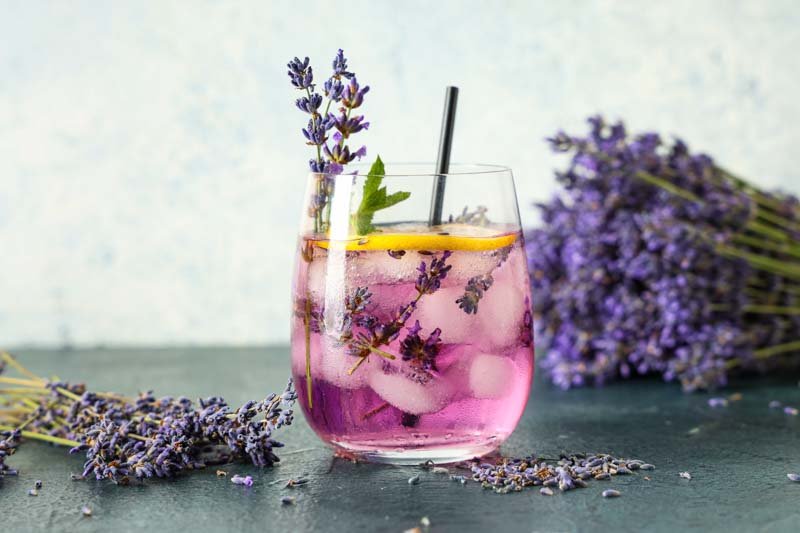
Lavender is both beautiful and fragrant, but it’s also considered a versatile herb for cooking. You can use the flowers and leaves to add a unique taste to a variety of recipes, ranging from savory to sweet. Lavender blends particularly well with rosemary, honey and lemon, making it a very popular way to flavor different kinds of teas, baked products and cocktails.
When cooking with lavender, it’s important to only use culinary-grade lavender that was grown with no insecticides or chemicals. The blossoms can be used either dry or fresh. A little bit of lavender goes a long way, so be certain to use it sparingly so you don’t overwhelm a recipe. Try incorporating lavender into your favorite recipes to find exciting and new flavors.
Lavender’s Role in Promoting Biodiversity
Planting a border of lavender will help you contribute to greater biodiversity in your garden. Various species of birds, tiny mammals, and insects make lavender their habitat, which helps contribute to the creation of a healthy environment that helps foster a diverse collection of species. The greater biodiversity may help contribute to more resilient and healthy gardens in general, helping gardens withstand diseases and pests.
Besides attracting pollinators, lavender also offers shelter to predatory spiders or beetles, which control pest populations. When you create a diverse and balanced environment in the garden, you are sustaining the health of surrounding ecosystems as well as your plants.
:max_bytes(150000):strip_icc()/low-maintenance-flowers-garden-lavender-getty-0523-d5270205c77a4b91a99398b6a1cf03ea.jpg)
Using Lavender for Homemade Beauty and Health Products
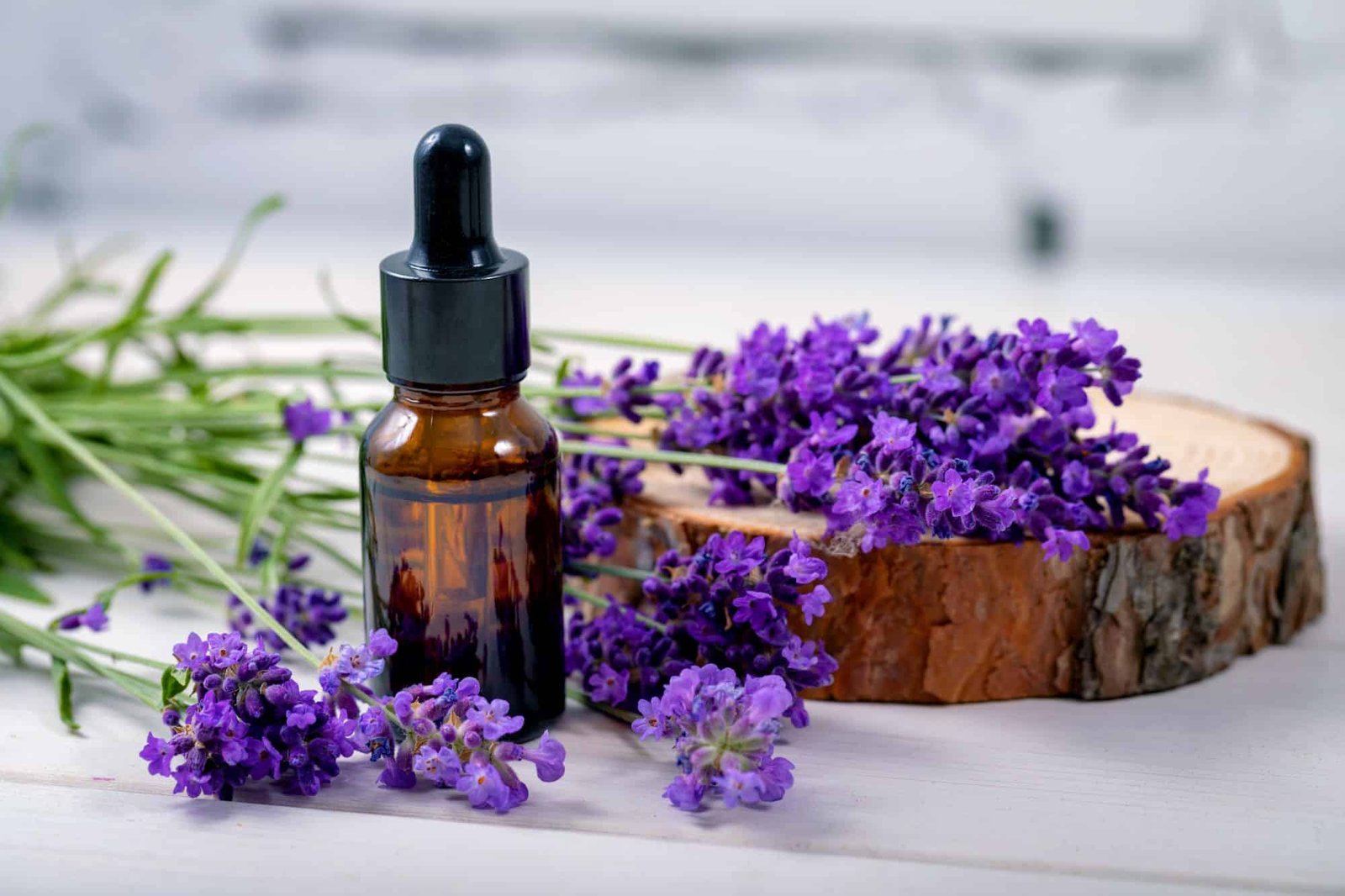
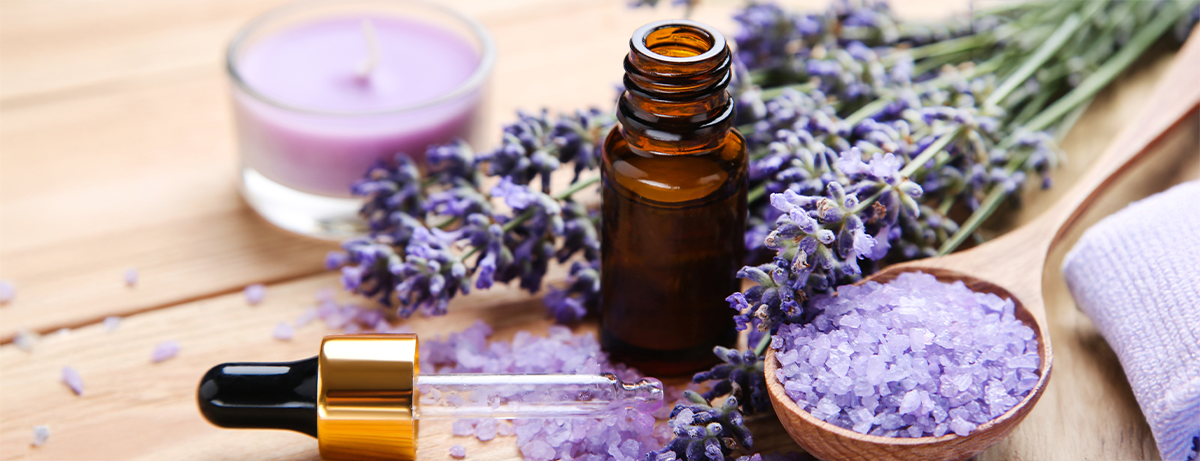
Due to its restorative and relaxing characteristics, lavender is a favored ingredient in numerous types of beauty and health products made at home. The essential oils taken from lavender blossoms can be used to make lotions, balms and bath salts. Such products might contribute to overall well-being, promote relaxation, and help calm irritated skin.
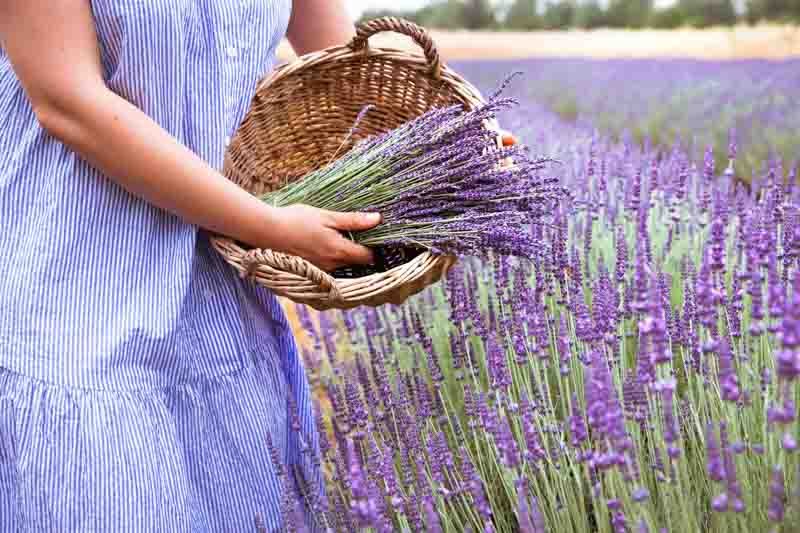
To make your own lavender-infused products, begin by harvesting the flowers during a full bloom and letting them dry inside of a cool, dark space. After the flowers have dried, they’re ready to use to add calming scents to sachets or to infuse oils. Test out various methods and recipes to design your own beauty- and health-related products that make good use of lavender’s inherent benefits.
Lavender’s Contribution to Soil Health
Lavender may help boost the overall health of your garden bed’s soil. Its deep roots tend to aerate the soil, which helps with drainage and the reduction of erosion. This is very helpful, particularly in areas including heavy, claylike or compacted soils, where sufficient drainage is difficult to get.
In addition to simply improving soil structure, lavender also tends to suppress the growth of weeds by creating a dense barrier on the ground that provides shade to the soil, cutting the amount of light that’s available for weeds to grow. This may help reduce how much chemical herbicides you’ll need, which allows for a healthier environment around the entire garden.
Step-by-Step Guide to Planting a Lavender Border
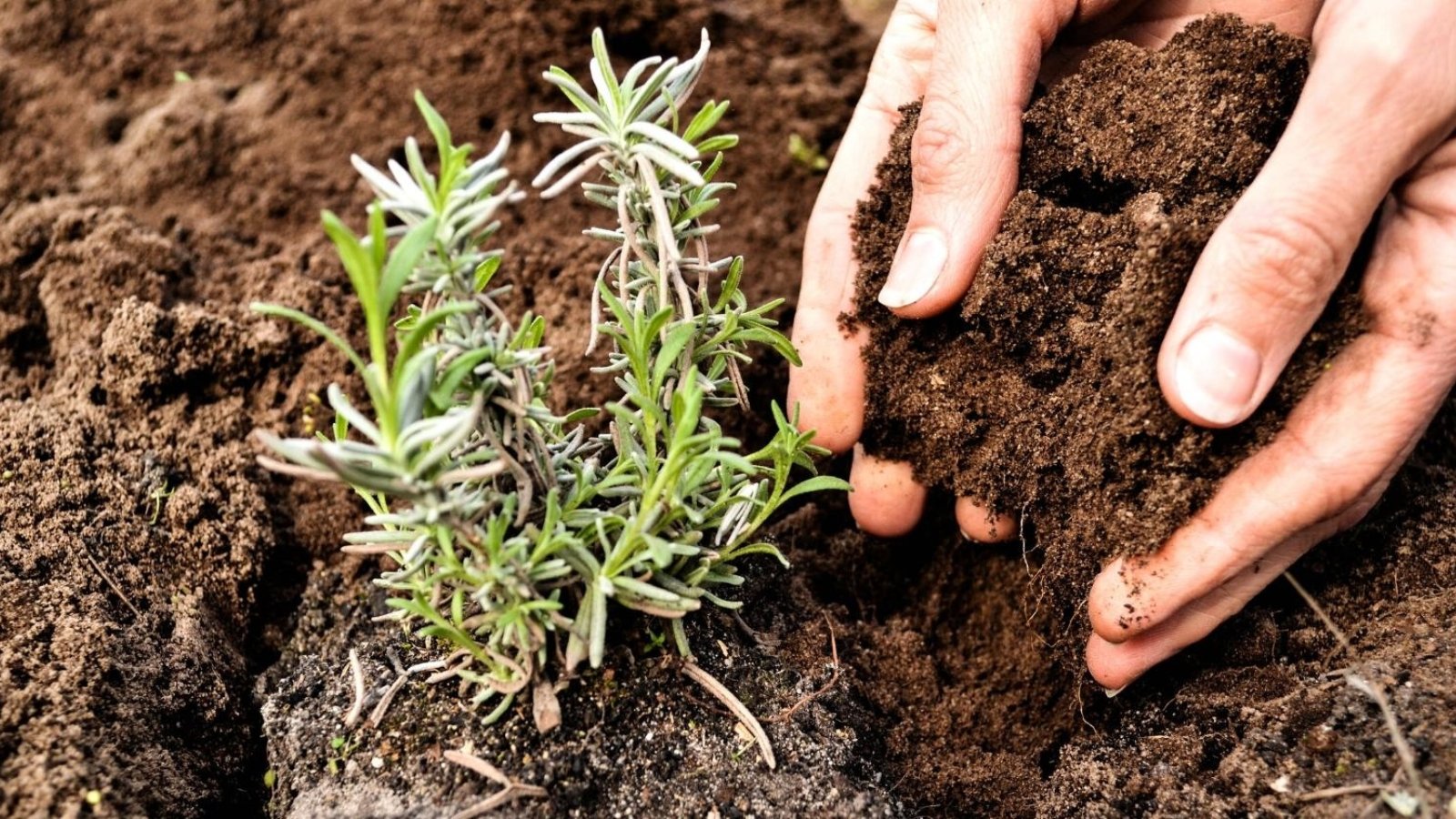
To plant a thriving garden border of lavender, begin by selecting a location which is sunlit with soil that drains well. Lavender does better in alkaline soils, so add lime to your soil if it’s too acidic. To prepare to plant, remove any weeds while loosening the soil to about 12 inches deep.
Remember to space the lavender plants between 12 and 18 inches apart to encourage proper growth and air flow. Dig a hole for each plant that is slightly larger in size compared to the root ball. Place each plant into the hole, ensuring the root ball’s top is even with the soil’s surface. When filling in the hole again with soil, ensure that the plants are thoroughly watered so they are more easily established.
After the plants are placed in the soil, add mulch around their bases to retain moisture and suppress weed growth. Water on a regular basis until the plants are well established; then, depending on rain levels, reduce watering to about once a week or even less. Prune the plants one time per year, encouraging new growth and its specific shape.
Popular Viral Hacks for Growing Lavender Successfully
It can sometimes be hard to grow lavender well, but below are several well-known and widely used tricks to help make sure your plants are thriving. One very common recommendation is planting lavender into a raised bed or within a container so it drains better, which prevents root rot (a frequent problem when lavender is rooted in soil which doesn’t drain well).
Another highly popular suggestion is adding sand or gravel to the hole when planting, increasing drainage while providing a better environment for lavender roots. Additionally, think about placing lavender alongside other plants that can survive dry soil, such as sage or rosemary, in order to construct a low-maintenance, cohesive garden design.
Conclusion
Finally, to encourage blooms and bushier growth, pinch back the young plant’s tips when it’s growing season. Doing so will encourage greater branching, making sure the lavender plant is fuller and more robust. `


