

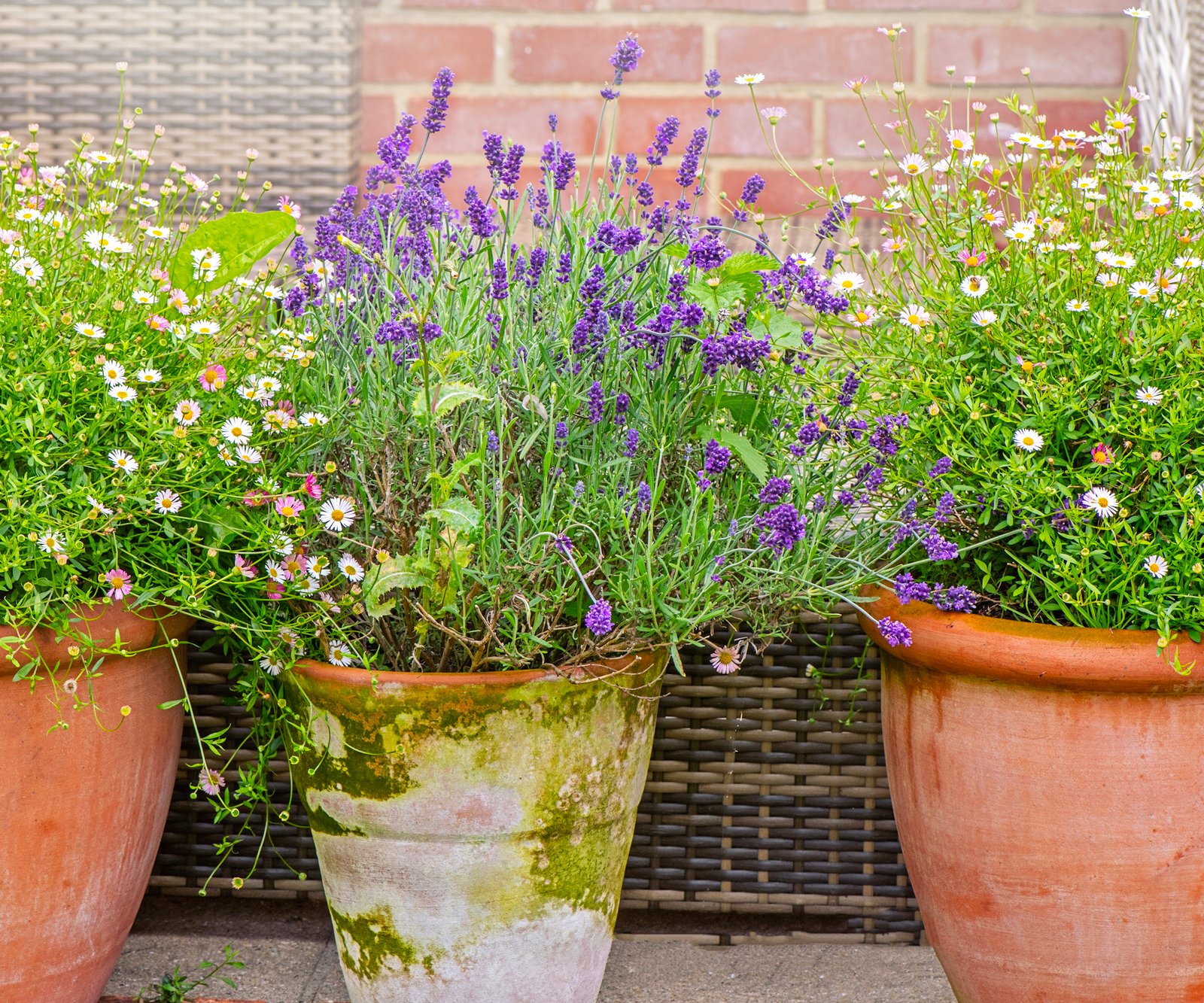
Companion Planting is a gardening technique that involves growing plants together for mutual benefit. Lavender, with its fragrant blooms and hardy nature, is a popular choice in many gardens. However, not all plants make good companions for lavender. Understanding which plants to avoid can help you create a more harmonious and thriving garden environment. Lavender thrives in well-drained, slightly alkaline soil and requires full sun, making it essential to choose companion plants with similar needs.
Understanding Lavender’s Growth Requirements
Lavender, a Mediterranean herb, flourishes in dry, sunny locations. It needs soil that drains well and can’t handle too much water or shade. Its ideal growth happens when the soil’s pH is between 6.5 and 7.5. Because it resists drought and loves well-ventilated spots, knowing these needs is key when choosing plants to grow with it; otherwise, dissimilar needs may hurt lavender’s health and growth.
The Importance of Choosing the Right Companion Plants
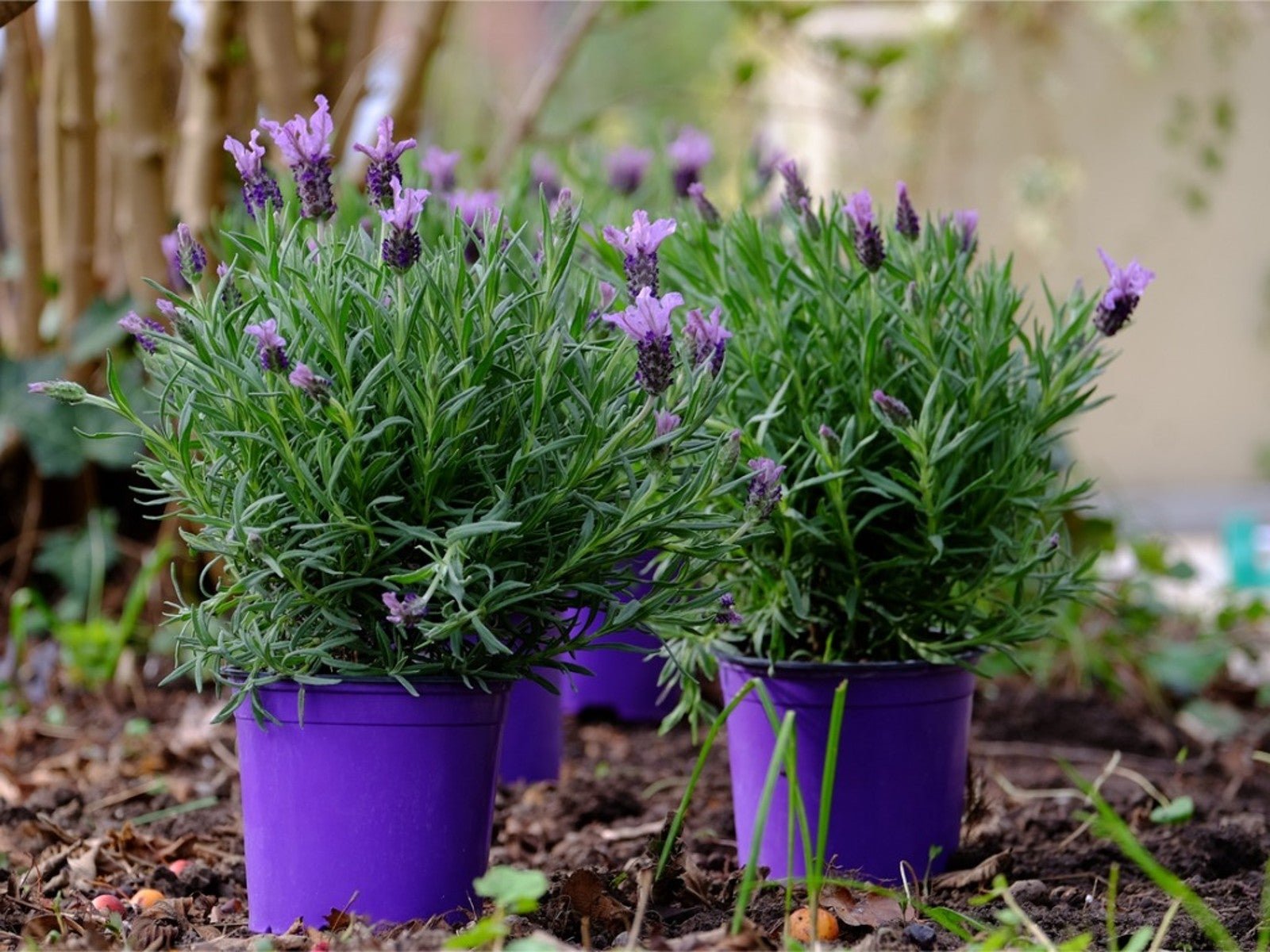
Selecting suitable companion plants for lavender is essential for the well-being of your entire garden. Plants that don’t get along can compete for resources, draw in pests, or make the growing conditions bad. By picking plants that like the same amounts of water, soil type, and sunlight, you can create a balanced environment. This supports healthy growth and cuts down on extra work.
Avoid Planting Mint Near Lavender
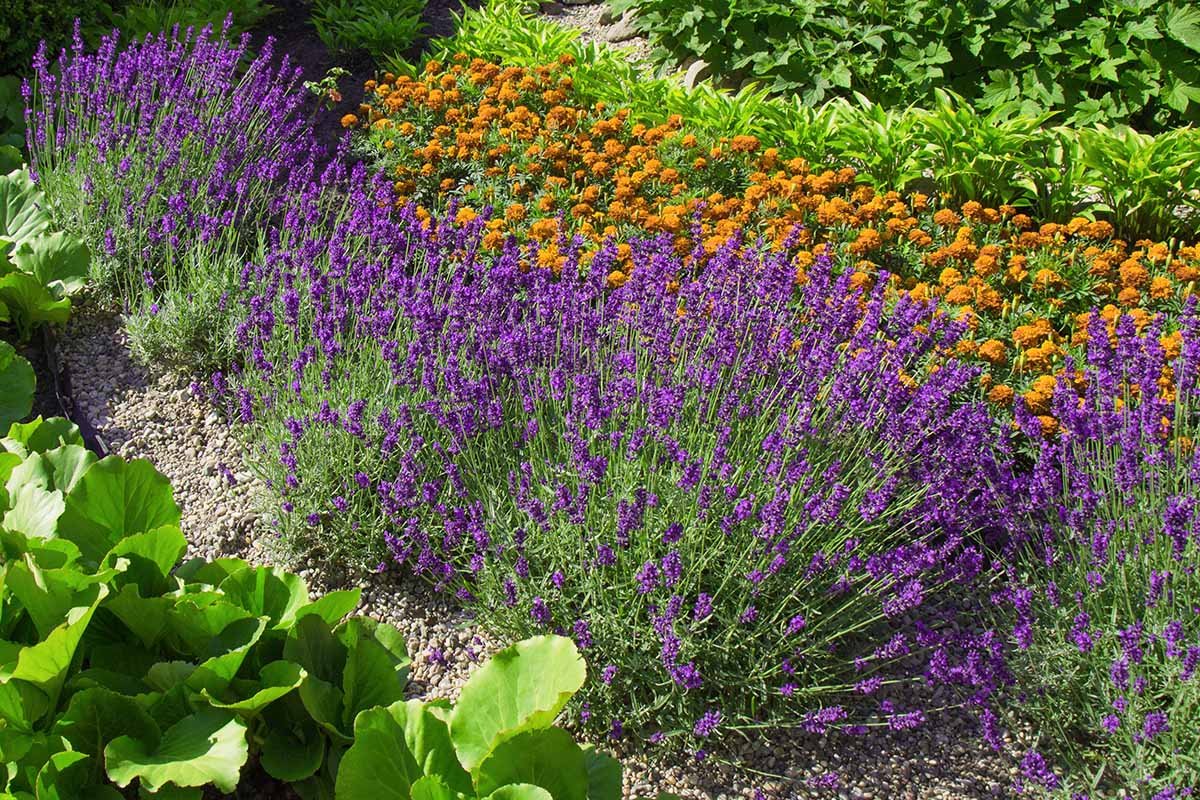
Mint is a strong grower needing damp, rich soil—the direct opposite of what lavender prefers. Mint’s fast growth could overwhelm lavender, stealing its nutrients and space. Moreover, mint’s love for shade and dampness can make things very bad for lavender.
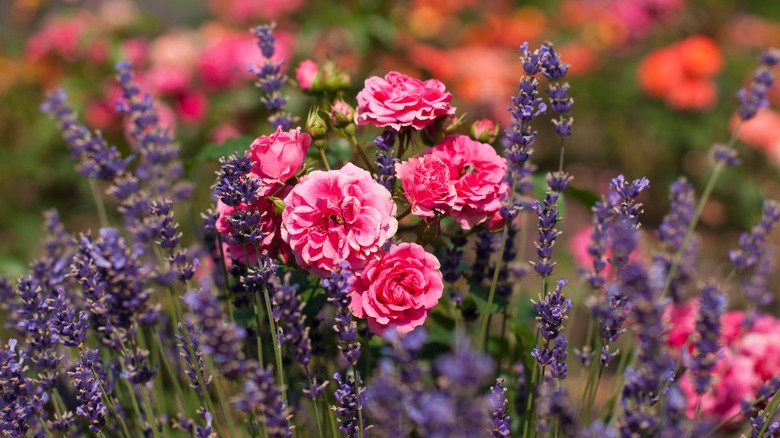
Why Roses Should Not Be Planted Near Lavender
Roses require more water and richer soil than lavender does, which makes them bad partners. The extra watering for roses can cause lavender roots to rot. Also, roses often attract pests and diseases that might spread to nearby plants, including lavender.
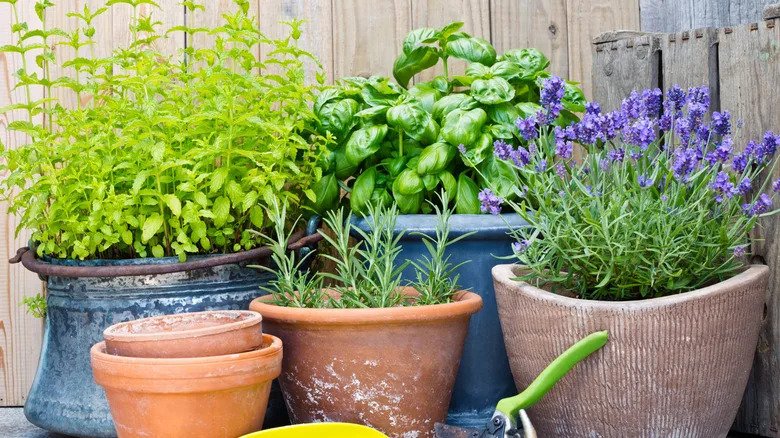
The Problem with Planting Basil Near Lavender
Basil grows best in wet, fertile soil, which is unlike lavender’s need for dry, well-draining soil. Planting basil by lavender can cause competition for water and nutrients, which slows down both plants’ growth. Also, basil’s need to be watered more often can make an environment that doesn’t suit lavender.
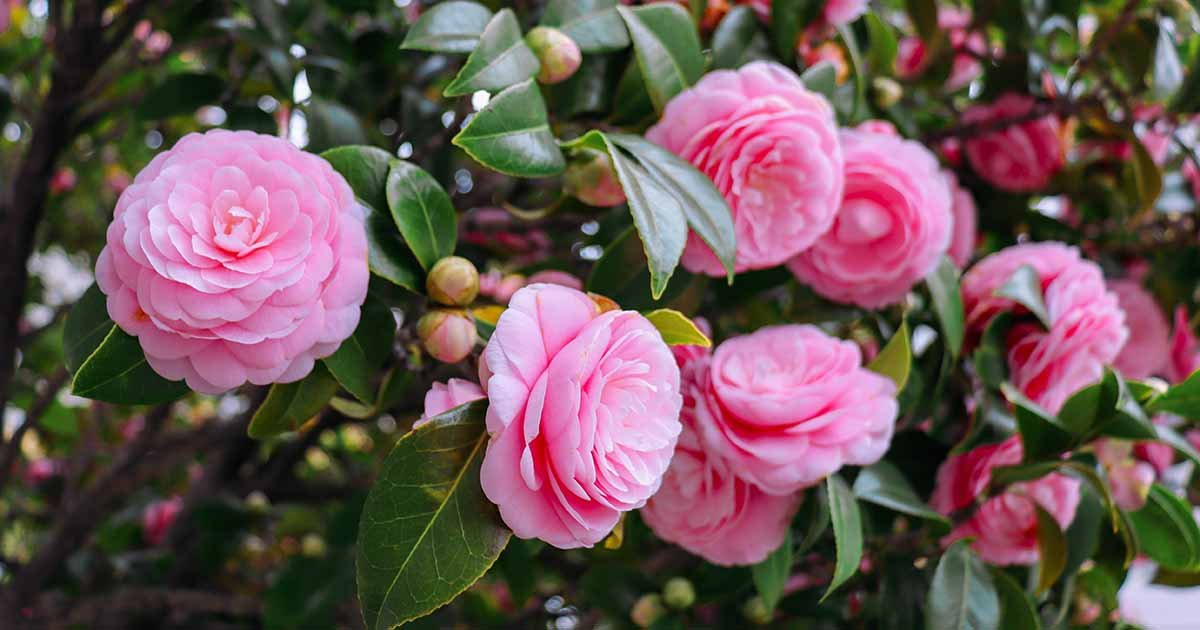
Reasons to Keep Camellias Away from Lavender
Camellias prefer partial shade and acidic soil, differing from the needs of lavender, which favors full sun and alkaline soil. These varied soil pH needs can cause nutrient problems, harming both plants’ health. Plus, camellias need more water, which can make the soil too wet for lavender.
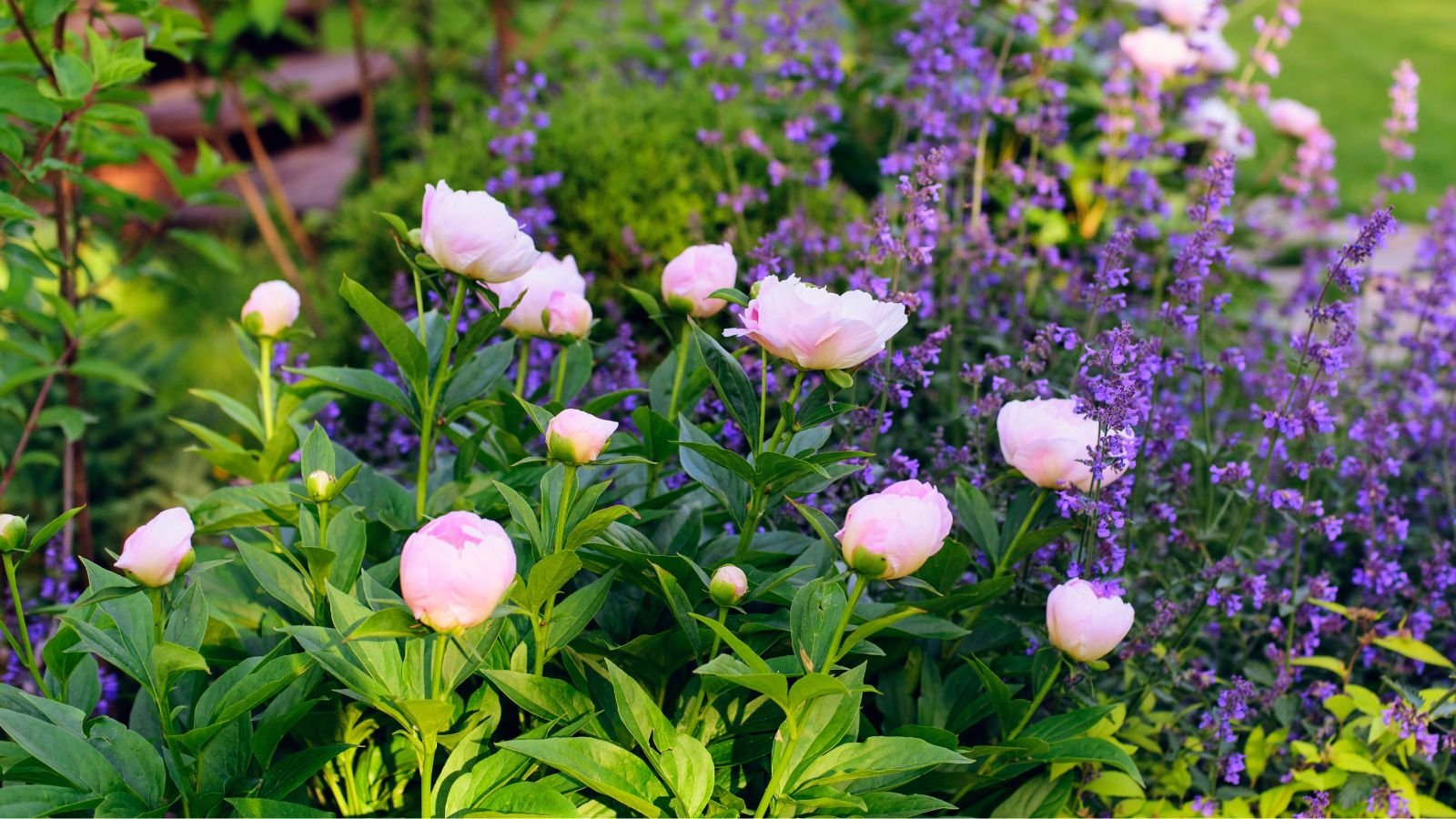
Why You Shouldn’t Plant Peonies Near Lavender
Peonies need plenty of water and rich, well-drained soil—more than lavender does. All that extra water can make the soil soggy, which hurts lavender. Peonies also like soil that’s slightly acidic, which can throw off the pH balance when they’re planted near lavender.
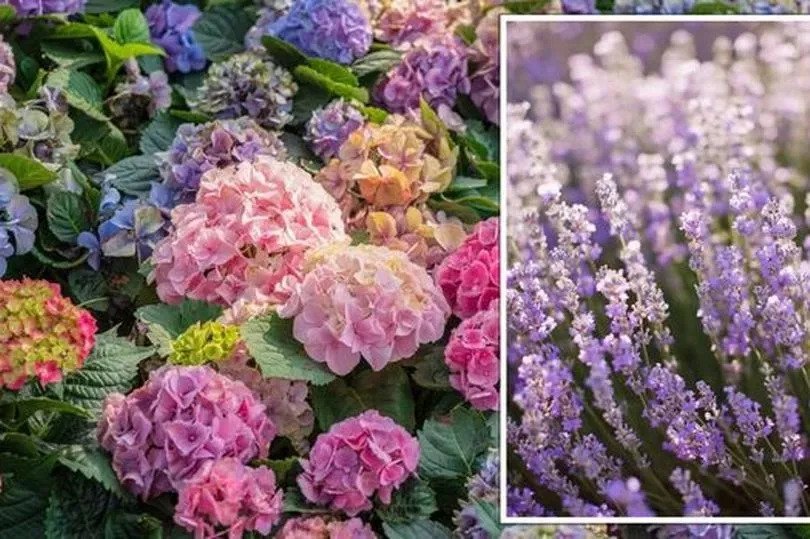
The Issue with Planting Hydrangeas Near Lavender
Hydrangeas do well in wet, acidic soil and partial shade—conditions that are unsuitable for lavender. The need to water them frequently and the preference for shade can create conditions that harm lavender’s growth. Additionally, the different soil pH needs can lead to a lack of nutrients.
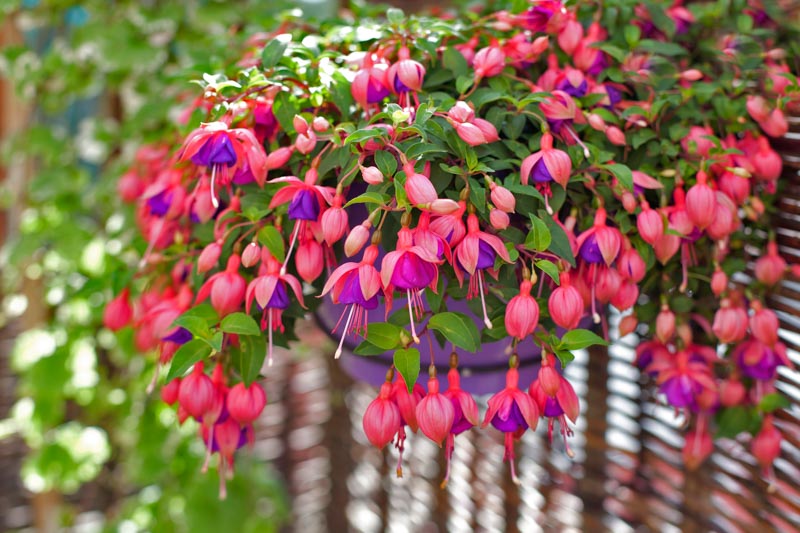
Avoid Planting Fuchsias Near Lavender
Fuchsias prefer partial shade and cool, damp conditions. These needs are opposite to lavender’s demand for dry soil and lots of sun. Watering fuchsias often can over-saturate the soil, increasing the chances of root rot in lavender.
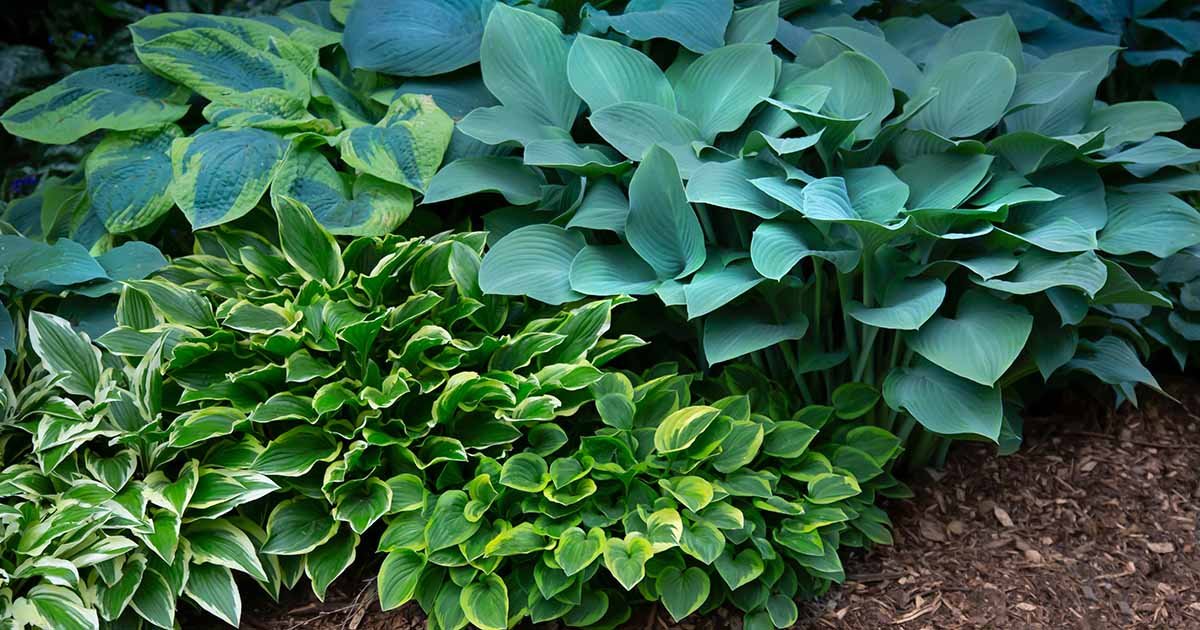
The Drawbacks of Planting Hostas Near Lavender
Hostas thrive in shady, moist spots, which is the opposite of what lavender wants. The need for shade and moisture makes conditions bad for lavender’s health. This can cause slow growth and increase chances of disease.
Why You Shouldn’t Plant Azaleas Near Lavender
Azaleas do best in partial shade and acidic soil, making them poor companions for lavender. These plants’ different light and soil pH needs can slow growth and limit nutrient uptake. Also, azaleas need more water, which can create overly wet conditions for lavender.
:max_bytes(150000):strip_icc()/GettyImages-578253860-e68ce9d2a6bd46c993f8ed48dac28aff.jpg)
The Problem with Planting Rhododendrons Near Lavender
Rhododendrons need more moisture and partial shade in acidic soils compared to lavender. These varied requirements can lead to competition for resources and create an environment unfavorable for lavender. The extra watering that rhododendrons need also increases the risk of root rot in lavender.
:max_bytes(150000):strip_icc()/rhododendron-growing-guide-7109537_04_Catawbarhododendron-84a72684d5e140bf80fc560294483649.jpg)
Alternative Plants to Grow Near Lavender
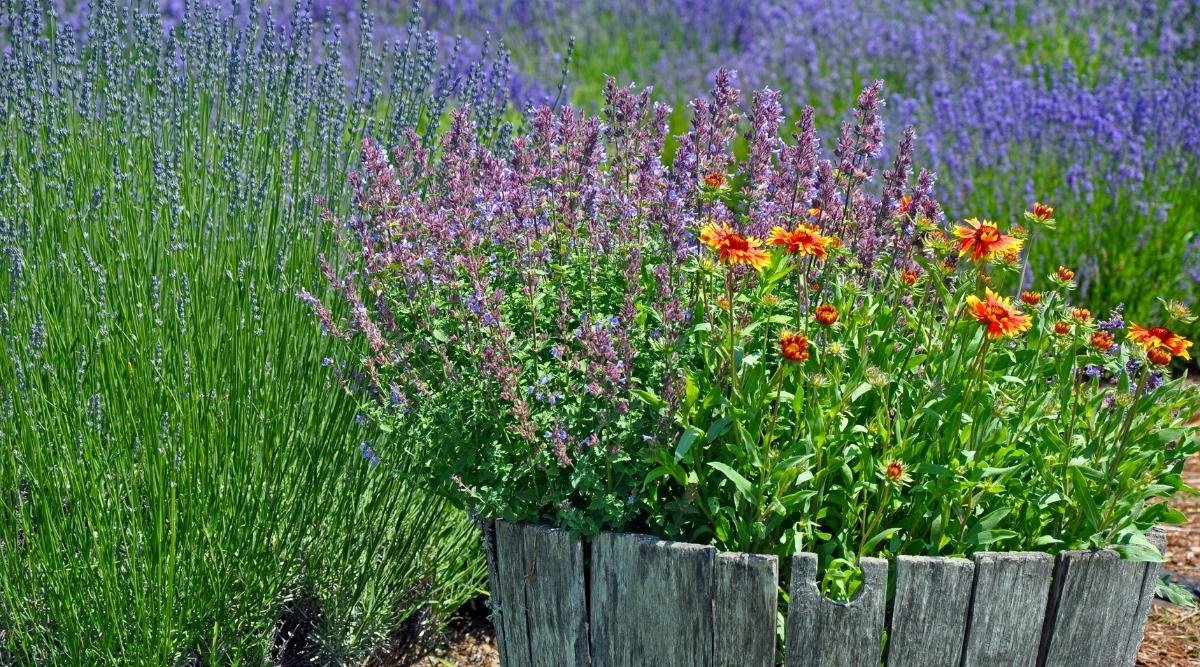
Instead of the plants mentioned above, think about growing drought-resistant flowers and herbs that like the same conditions as lavender. Good partners are sage, thyme, rosemary, and echinacea. These plants like the same soil, water, and sunlight, making for a healthy garden that thrives.
Conclusion: Creating a Thriving Garden with Lavender
Create a stunning and thriving garden by knowing what lavender needs to grow, and picking plants that get along with it. Steer clear of plants whose needs clash to ensure your lavender and its pals grow healthy and strong, putting on a spectacular display of color and scent.


