

Gardeners frequently regard nettles as mere weeds, yet they offer a wealth of advantages. Those who capitalize on nettles can transform their gardens into flourishing environments, even if their sting is a deterrent to some. Not only are these plants resilient, they also serve as nutrient-rich sources and offer ecological advantages, improving the health and productivity of gardens. Gardeners can access a natural resource that promotes sustainable gardening by comprehending and utilizing nettles.
Understanding the Nutritional Benefits of Nettles
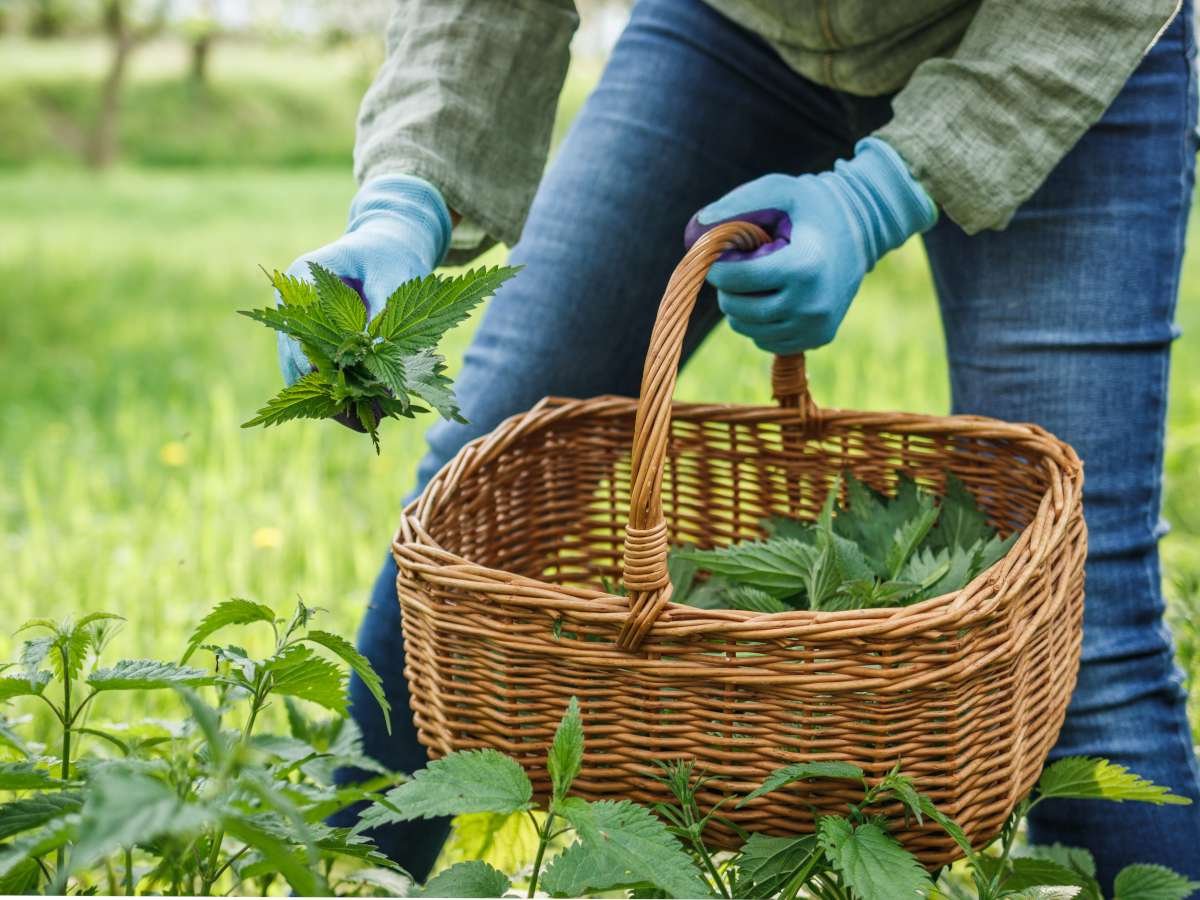
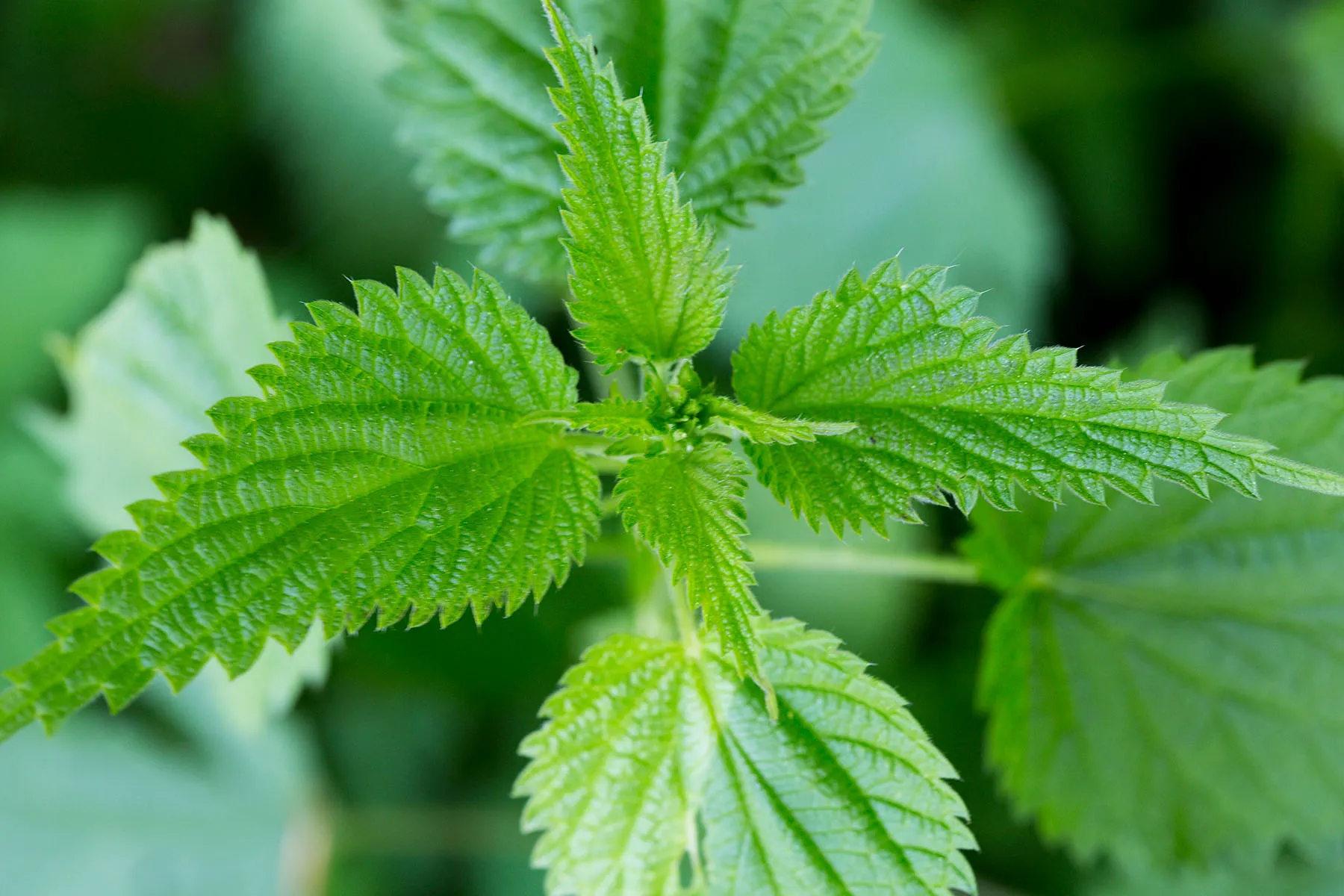
Nettles are brimming with crucial nutrients that can positively affect both plants and the soil. They are rich in nitrogen, phosphorus, and potassium, providing the essential components for plant development. Furthermore, nettles contain a variety of trace minerals like calcium, magnesium, and iron, all of which are beneficial to the overall health of garden plants. Plants readily absorb these nutrients, which makes nettles an outstanding choice for a natural fertilizer, assisting robust growth and healthy plants.
Enhancing Soil Fertility with Nettles
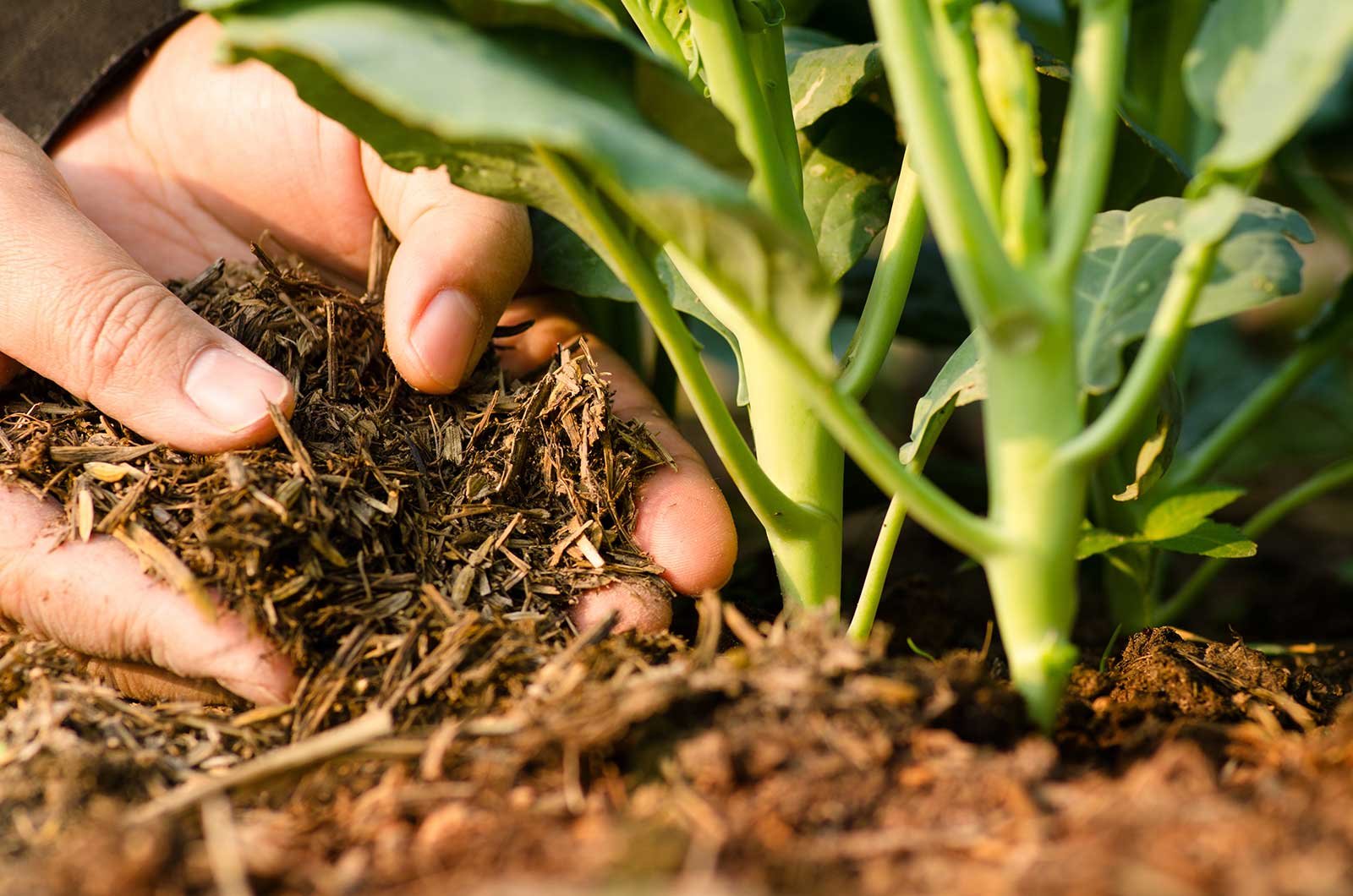
The incorporation of nettles can drastically improve your garden’s soil fertility. Nettles release their nutrient-rich content back into the soil when they decay, enriching it with organic matter. With this process, the capacity of the soil to retain moisture and nutrients is increased and the soil structure is improved. As a result, plants are more resistant to environmental stress and receive a reliable stream of sustenance in soil enriched with nettles.
Boosting Plant Growth Using Nettle Tea Fertilizer
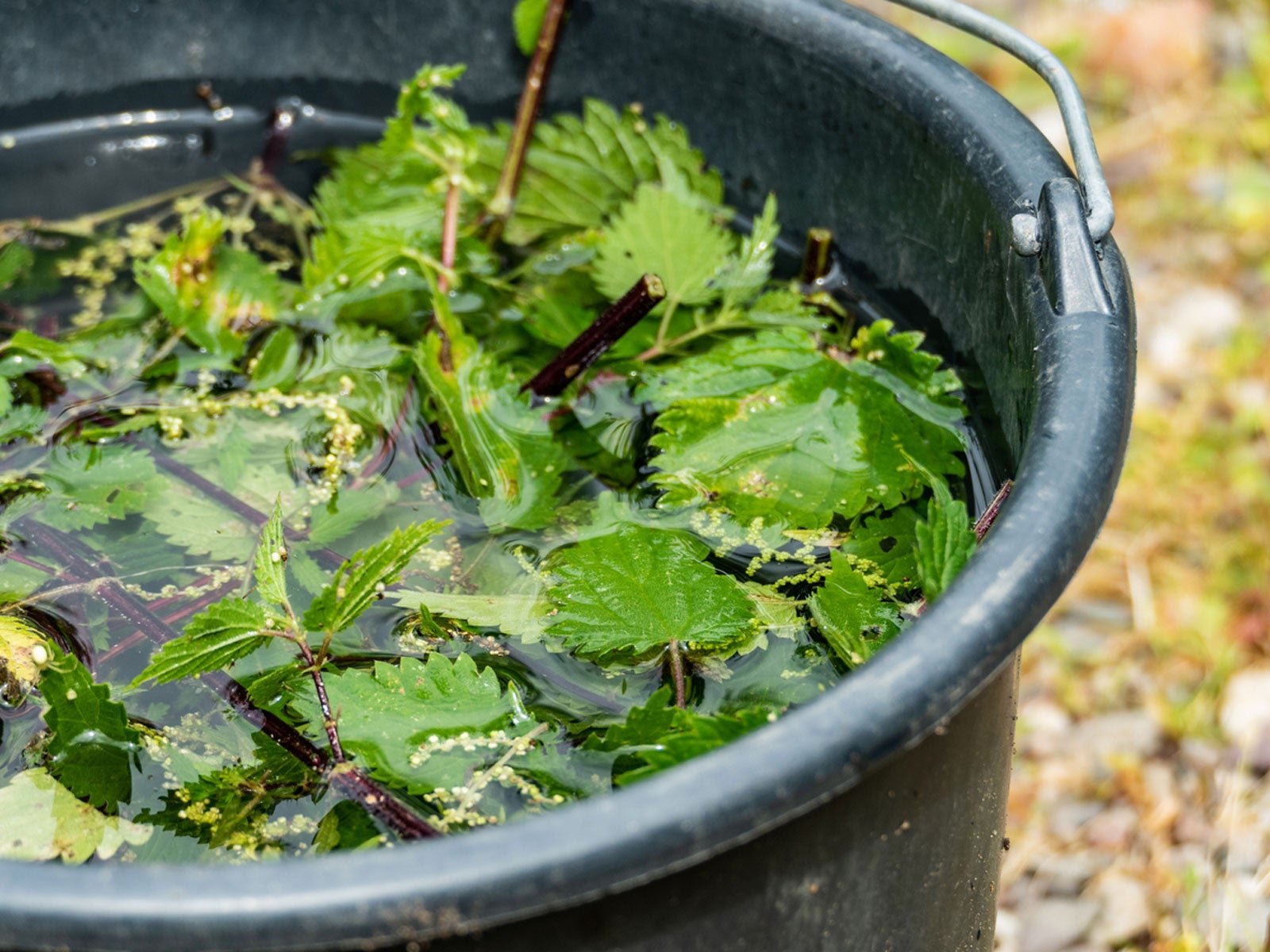
Nettle tea, created by soaking nettles in water, stands as a powerful liquid fertilizer capable of stimulating plant growth. This all-natural tonic is packed with plant growth hormones and nutrients, both of which encourage plant development. Nettle tea helps with root and foliage growth when applied to plants and enhances overall plant health. Because of its natural makeup, plants are guaranteed to receive a well-rounded supply of nutrients without the potential for chemical accumulation that comes with synthetic fertilizers.
Recipe and Measurements for Nettle Tea Fertilizer
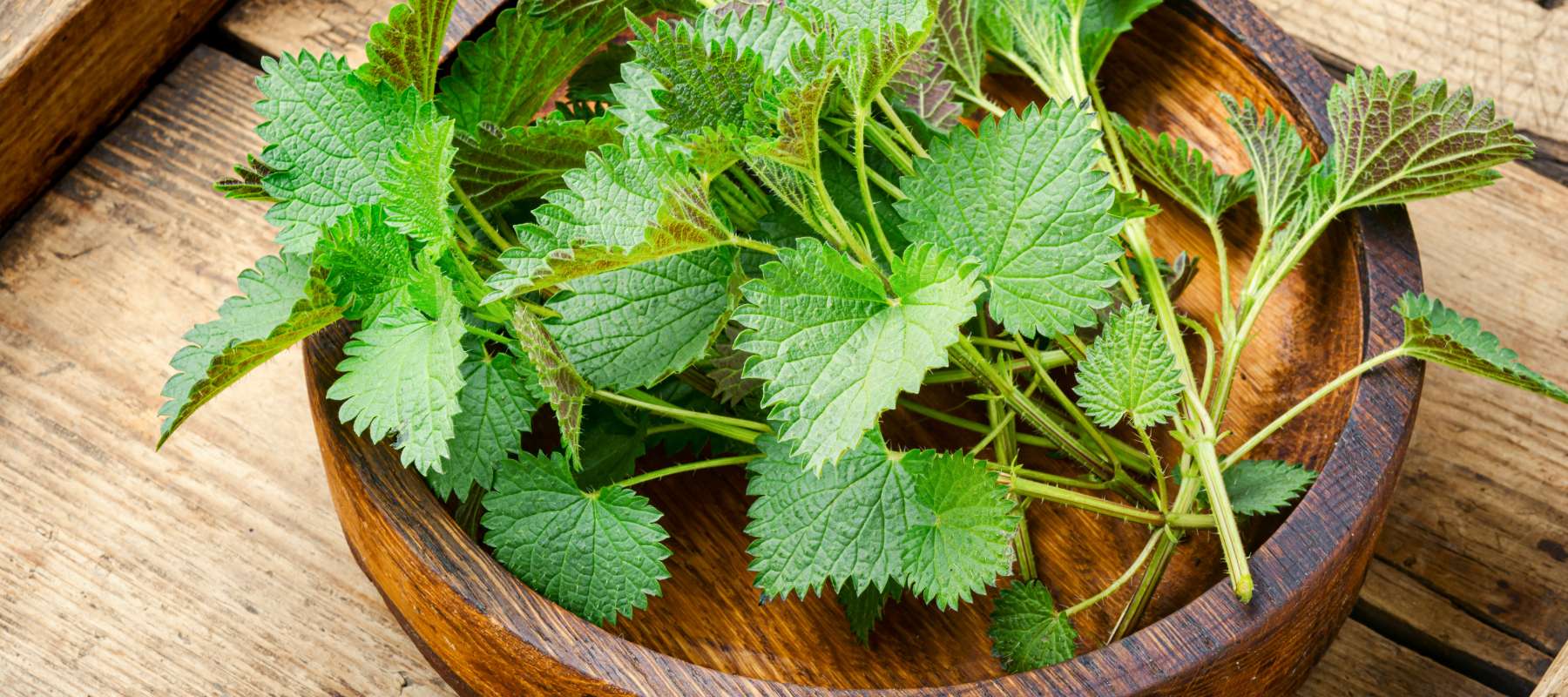
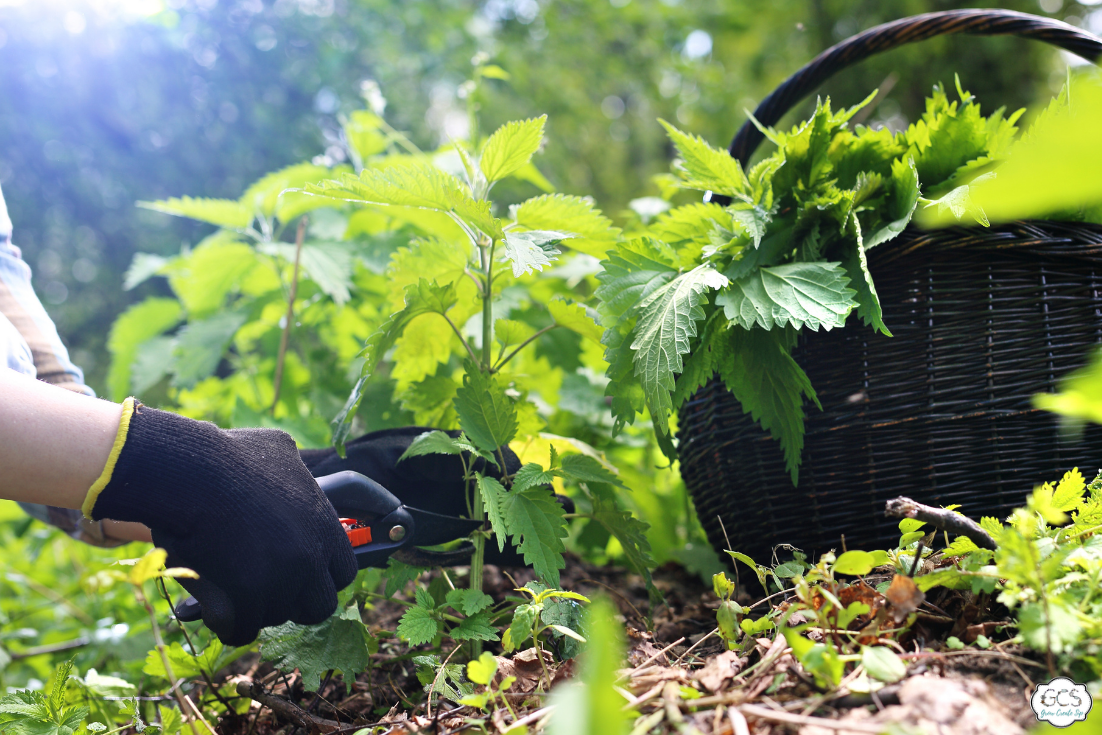
To prepare nettle tea fertilizer, gather a significant quantity of fresh nettles, taking them before blooming if possible. In a large container, place your gathered nettles and cover them completely with water. The solution should then sit for about 14 to 28 days, with the occasional stirring. Strain the liquid when fermentation is done and mix it with water in a 1:10 ratio before application. Ultimately, this effective and simple formula provides a nutrient boost that will help plants develop.
Improving Pest Control with Nettles
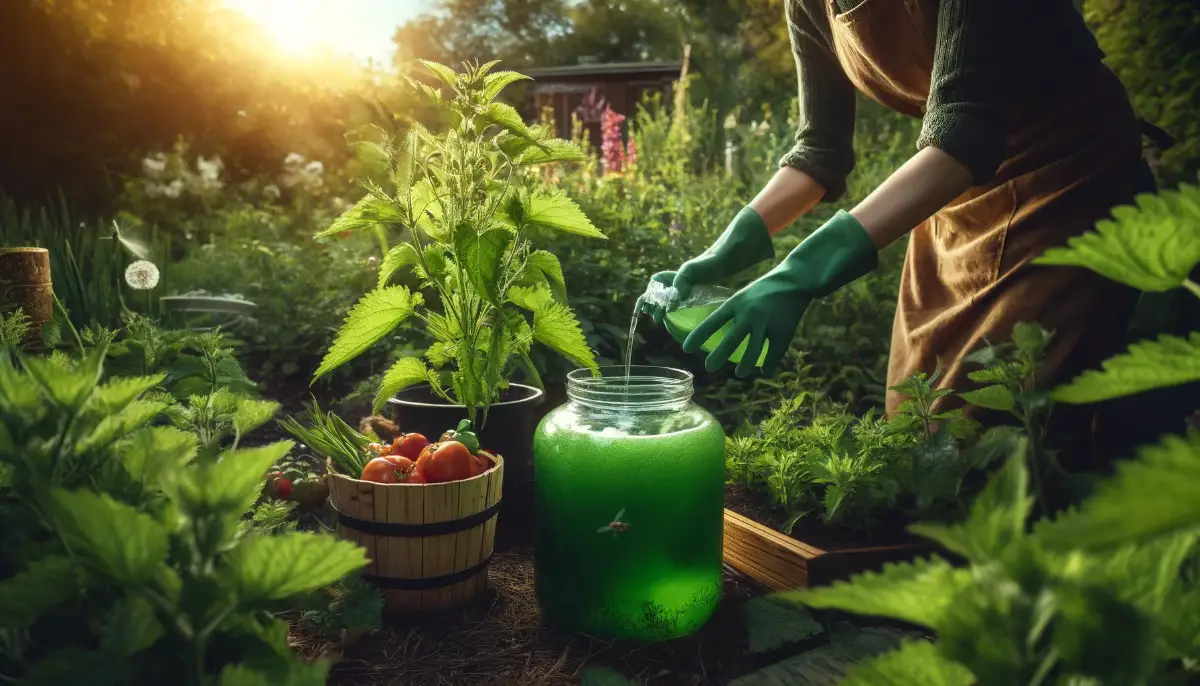
Nettles can contribute significantly to natural pest control. They are attractive to beneficial insects like ladybugs and predatory wasps, that help control pest populations. Further, a natural insecticide can be obtained from nettles by steeping them in water, creating a spray that repels aphids and other soft-bodied insects. With this environment-friendly method to pest management, a healthier garden ecosystem is supported and the demand for chemical pesticides is lowered.
Supporting Biodiversity and Attracting Beneficial Insects
Nettles contribute greatly to the biodiversity in the garden. They offer food and shelter to a variety of insects, like butterflies and moths. Wildlife with a diverse variety is encouraged in the presence of nettles, supporting a well-balanced ecosystem. Gardeners can improve natural pest control and pollination by helping these beneficial insects, resulting in a more productive and resilient garden.

Utilizing Nettles for Composting and Mulching
Nettles, due to their high nitrogen content, make a great additive to compost heaps where they speed up the decomposition. As mulch, chopped nettles can inhibit weeds, gradually supply the soil with nutrients, and keep it moist. It’s a sustainable option for environmentally aware gardeners, as this usage of nettles reduces garden waste and enhances soil health.
Nettles as a Natural Remedy for Plant Diseases
Nettles have antibacterial and antifungal traits that assist in stopping and treating plant diseases. Use a nettle infusion as a spray to combat fungal infections like rust and powdery mildew. Instead of using chemical fungicides, which can leave residue on edible plants, this organic treatment promotes a cleaner garden.
Nettles’ Role in Enhancing Garden Aesthetics
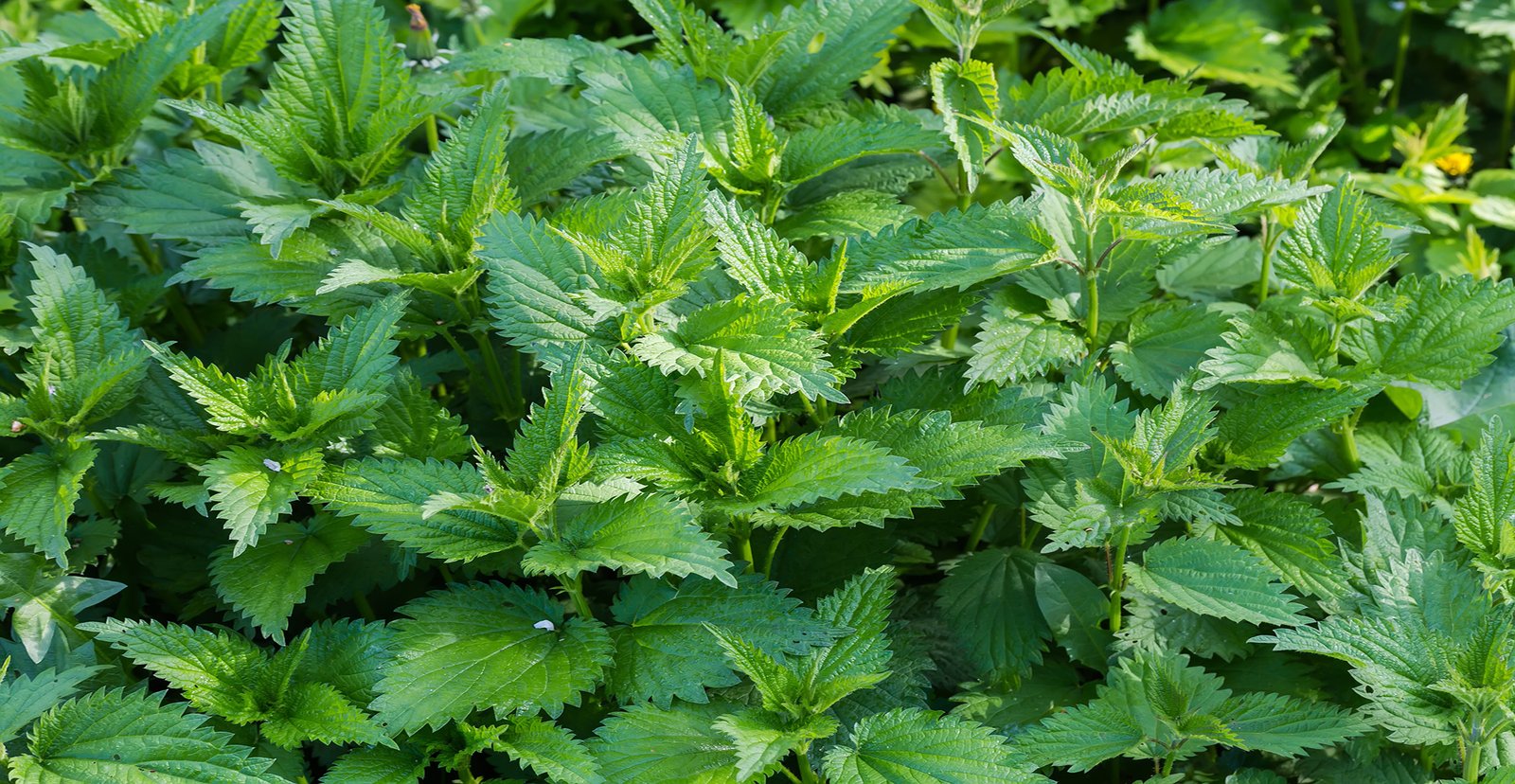
Nettles can add to the attractiveness of gardens in addition to their practical advantages. Their tall, upright growth and rich green foliage enrich the textures and heights of garden borders. They create exquisite blooming clusters of small blooms that draw pollinators and enhance visual appeal. Gardeners can create a dynamic and beautiful landscape by adding nettles into garden design.
Conclusion: Embracing Nettles for a Thriving Garden
Incorporating nettles in the garden brings numerous benefits that surpass their image as a bothersome weed. Nettles are a flexible and worthwhile resource for gardeners looking to boost plant development and nurture soil richness to facilitate natural insect control and biodiversity. We can grow healthier, more sustainable gardens that flourish in sync with nature by using nettles in gardening techniques. It’s time we appreciated, understood, and leveraged nettles’ in our gardens to their fullest extent.


