

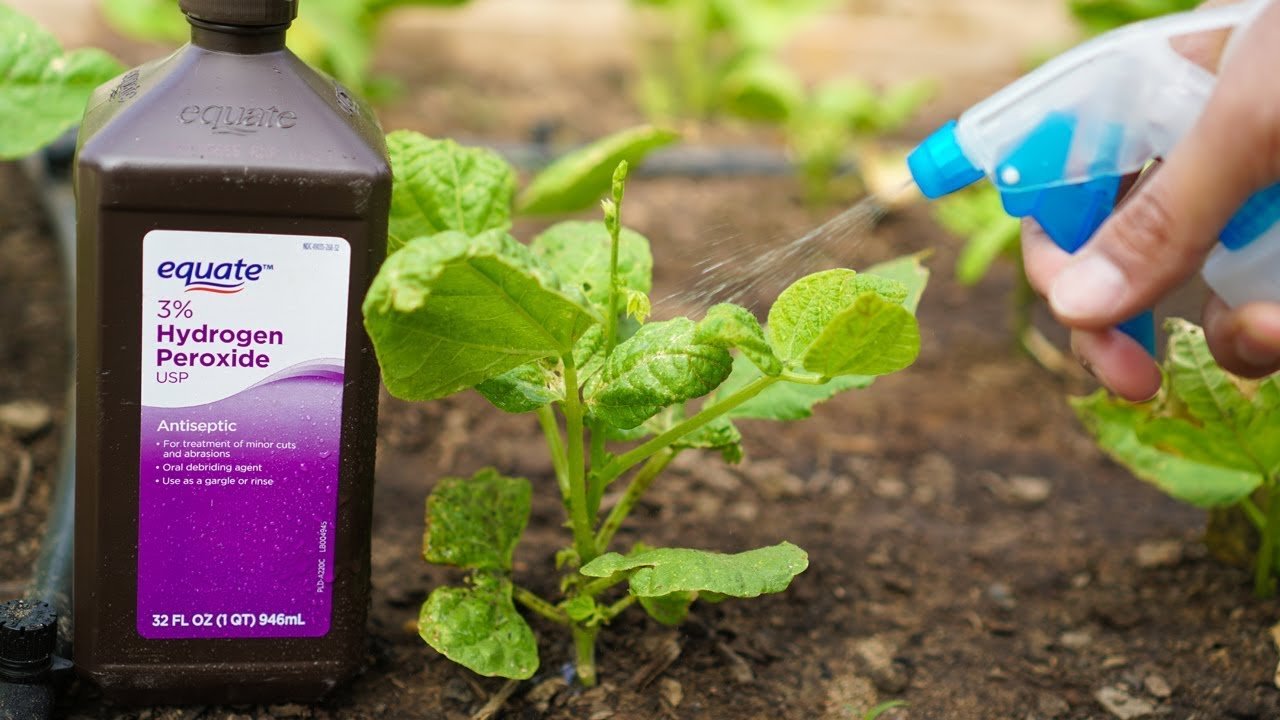
Hydrogen peroxide, a common disinfectant in households, has also become a valuable and effective solution in gardening for various plant care needs. Its chemical composition, H2O2, is similar to water, which makes it a safe and environmentally conscious choice for gardeners.
This straightforward compound can handle a wide array of gardening issues, from managing diseases to promoting plant growth, making it an essential tool for gardeners of all skill levels.
Speed Up Seed Germination
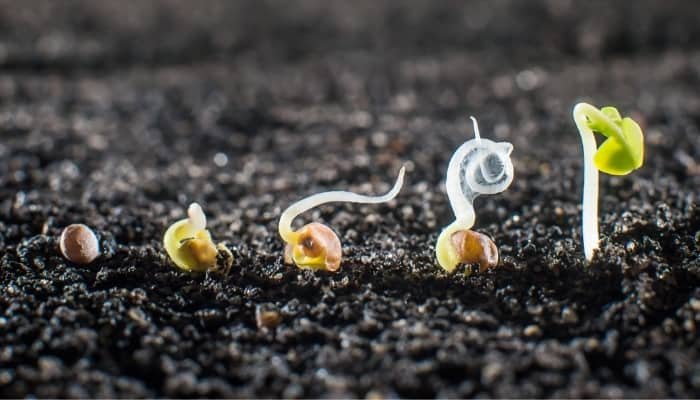
Seeds require oxygen to germinate. Hydrogen peroxide can accelerate this process by supplying an increased amount of oxygen along with softening the tough seed coats. This technique is especially helpful for older seeds or those having hard shells.
Recipe:
- Mix 1 teaspoon of 3% hydrogen peroxide with 1 cup of water.
- Soak seeds in this solution for 12–24 hours (do not exceed this time to prevent damage).
- Rinse the seeds with plain water, and then proceed with planting as usual.
Why It Works: The added oxygen mimics the natural decomposition process, thereby initiating germination.
Prevent Root Rot
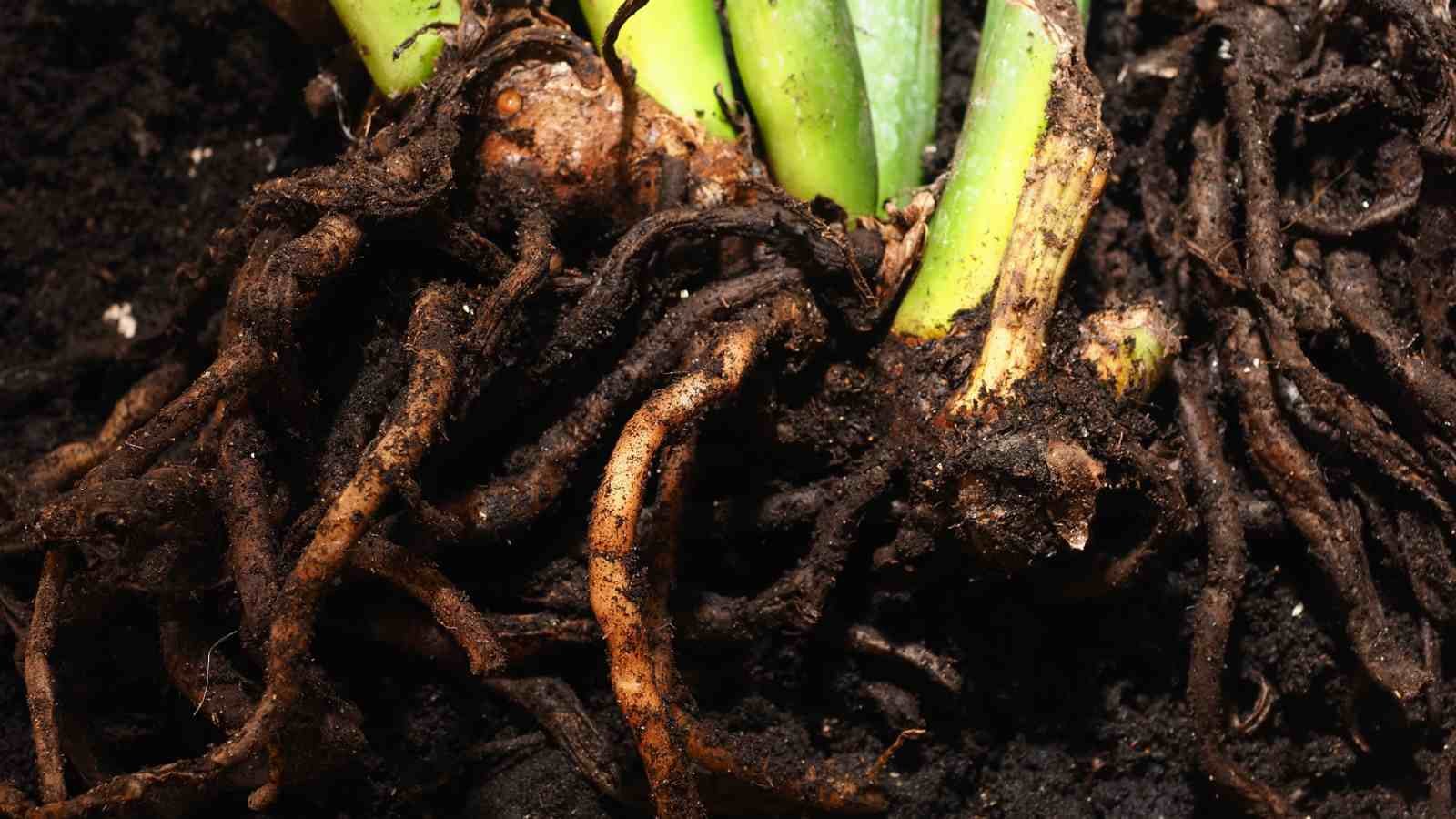
Root rot, a frequent cause of plant death, can occur due to overwatering. This is because the roots suffer from oxygen deprivation, and fungal proliferation begins. Hydrogen peroxide not only aerates the soil but also combats harmful pathogens.
Recipe:
- Combine 1 tablespoon of 3% hydrogen peroxide with 1 quart of water.
- Water the soil surrounding the affected plants, ensuring thorough saturation of the root zone.
- Repeat this process every 3–5 days until the plant shows signs of recovery.
Why It Works: The introduction of oxygen revitalizes the roots, and the antimicrobial characteristics work against fungi such as Pythium.
Disinfect Garden Tools
Diseases can be easily transmitted among plants by using unclean gardening tools. Using hydrogen peroxide offers a quick and chemical-free method of sterilizing tools such as pruners, shovels, and pots.
Recipe:
- Pour undiluted 3% hydrogen peroxide into a spray bottle.
- Thoroughly spray the tools or immerse smaller items for 5–10 minutes.
- Wipe with a clean cloth, or allow to air dry; rinsing is unnecessary.
Why It Works: It eradicates bacteria, fungi, and viruses upon contact, promoting hygiene within your garden.
Boost Plant Growth with Oxygenated Water
Plants flourish with sufficient oxygen at their roots. Incorporating hydrogen peroxide into your regular watering simulates the effects of rainfall, which naturally contains H₂O₂.
Recipe:
- Mix 1/2 cup of 3% hydrogen peroxide with 1 gallon of water.
- Use this solution to water your plants once every 1–2 weeks.
- Be careful not to overdo it. Excessive amounts can harm beneficial soil microbes.
Why It Works: The surplus oxygen fortifies the roots and improves the plant’s capacity to absorb nutrients.
:max_bytes(150000):strip_icc()/SPR-hydrogen-peroxide-for-plants-8598430-01-a1cd51335ff147099a061f6592fdf5c7.jpg)
Treat Powdery Mildew
Powdery mildew, apparent as a white coating on leaves, can damage plants. Hydrogen peroxide functions as a natural fungicide that halts the spread of this fungal issue.
Recipe:
- Mix 4 teaspoons of 3% hydrogen peroxide with 1 pint of water.
- Pour the mixture into a spray bottle and gently mist the affected leaves, making sure not to oversaturate them.
- Apply in the early morning every 2–3 days until the mildew disappears.
Why It Works: It causes oxidation of the fungal spores, preventing their further expansion without resorting to harsh chemicals.
:strip_icc()/treating-powdery-mildew-plant-ac36e077ba4a4f6184824bd68483489c.jpg)
Repel Pests Naturally
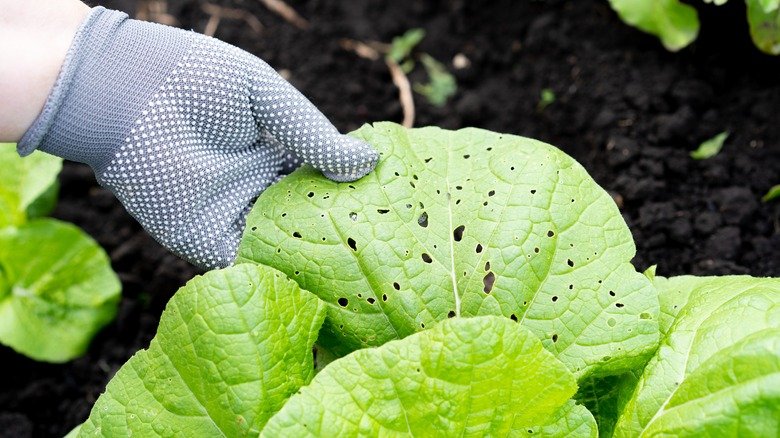
Hydrogen peroxide is disliked by aphids, spider mites, and other soft-bodied pests making it a milder substitute for synthetic pesticides.
Recipe:
- Combine 1 tablespoon of 3% hydrogen peroxide, 1 teaspoon of mild liquid soap, and 1 quart of water.
- Spray the mixture directly onto the pests, specifically targeting the undersides of the leaves.
- Apply once a week, or after it rains, until the pests are gone.
Why It Works: The solution interferes with the cell membranes of the pests, while the soap aids it in adhering for longer.
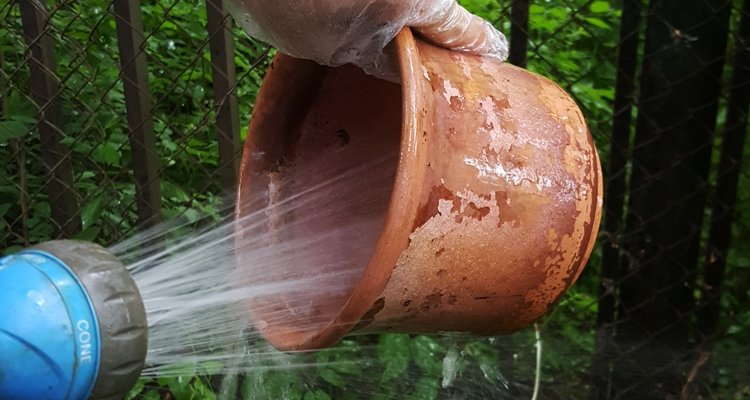
Clean and Sterilize Pots
Reusing pots without cleaning them may lead to harboring unwanted pathogens. Ensuring the cleanliness of your pots using hydrogen peroxide means they are safe for your next planting.
Recipe:
- Combine 1 part of 3% hydrogen peroxide with 1 part of water (for example, 1 cup of each).
- Using a brush, scrub the pots using the solution, and then wash with water.
- Allow the pot to fully dry before using it again.
Why It Works: It gets rid of mold, bacteria, and any salt accumulation from old soil.
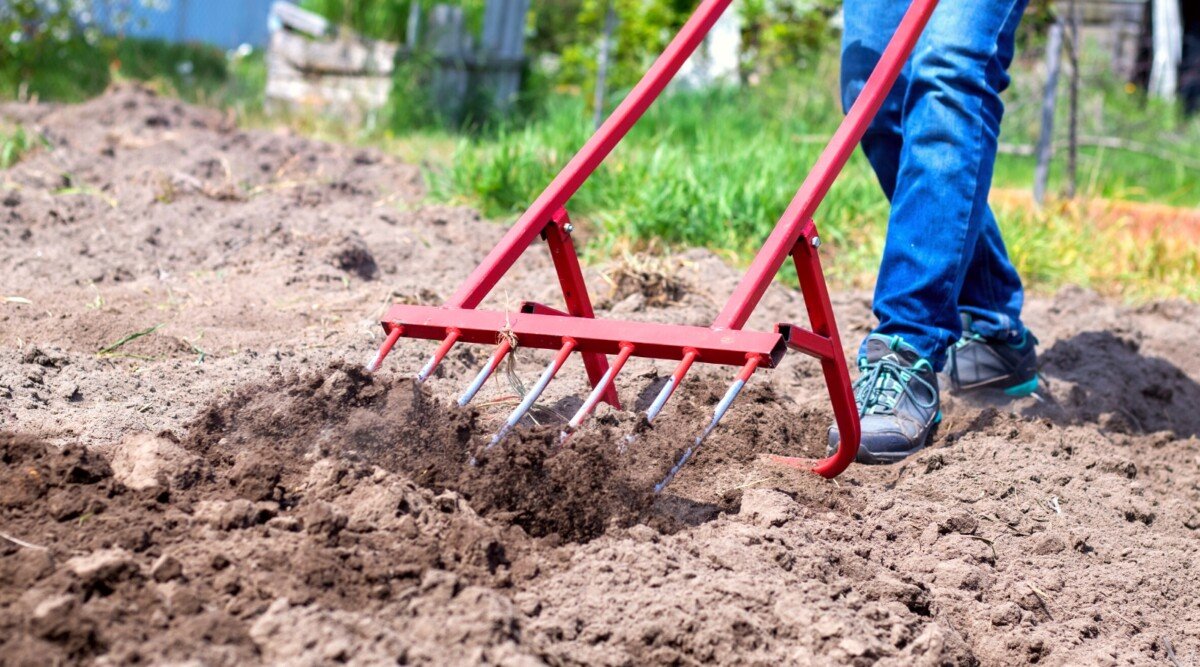
Improve Compost Aeration
Compost piles that decompose slowly often lack enough oxygen, which results in foul smells. By using hydrogen peroxide, you can speed up the decomposition process and maintain a fresher environment.
Recipe:
- Dilute 1/4 cup of 3% hydrogen peroxide in 1 gallon of water.
- Sprinkle evenly over the compost pile, and then turn it using a pitchfork.
- Apply once per month or whenever the pile seems slow.
Why It Works: The enhanced oxygen levels promote the decomposition of organic materials faster by aerobic bacteria.
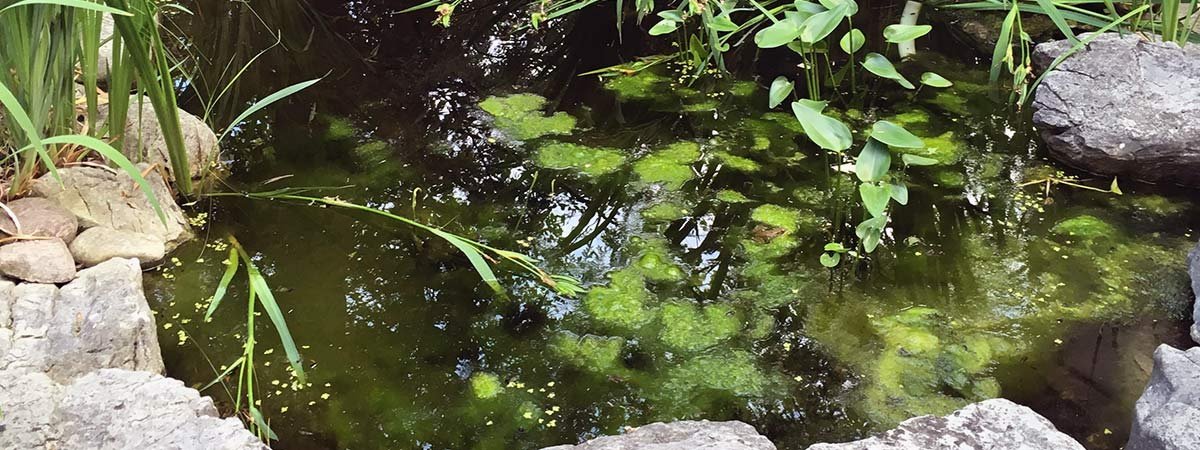
Control Algae in Water Features
Algae can cause garden ponds or birdbaths to become green. By using hydrogen peroxide, the issue can be cleared effectively without endangering wildlife, provided it is used in a limited amount.
Recipe:
- Add 1/2 cup of 3% hydrogen peroxide for every 100 gallons of water (adjust as necessary based on your volume).
- Stir gently and allow it to rest for 24 hours.
- Observe for a few days, and if required, repeat, but avoid overusing it.
Why It Works: It oxidizes the algae cells, thereby restoring the clarity to the water.
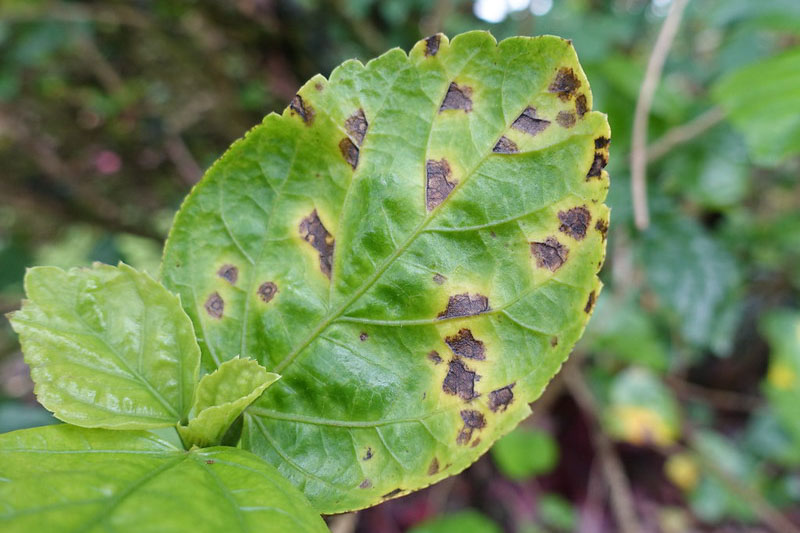
Fight Bacterial Leaf Spot
Unattractive lesions can be caused by bacterial leaf spot, usually spreading with water splashes. The condition can be kept under control using hydrogen peroxide.
Recipe:
- Mix 3 tablespoons of 3% hydrogen peroxide with 1 quart of water.
- Spray impacted plants lightly, keeping away from flowers and buds.
- Implement every 3 days during a week, ideally during the evening hours to prevent leaf burn.
Why It Works: It immediately eliminates bacteria and reduces any further contamination.
Why Hydrogen Peroxide Shines in the Garden
Hydrogen peroxide’s advantages stem from its simplicity. Being a naturally available compound, it decays into oxygen and water, avoiding harmful remains. Generally available at a 3% concentration (common in most drugstores), it’s safe, when properly diluted. Harm can be caused by high concentration levels or using excessive amounts (such as 35% for food); therefore, adhere to the suggested recipes.
Beyond its practical use, it’s also cost-effective; a bottle might last for a full growth season. Furthermore, the selection is a sustainable one that lowers the reliance on artificial chemicals known to negatively impact pollinators or leak into the soil.
A Few Tips for Success
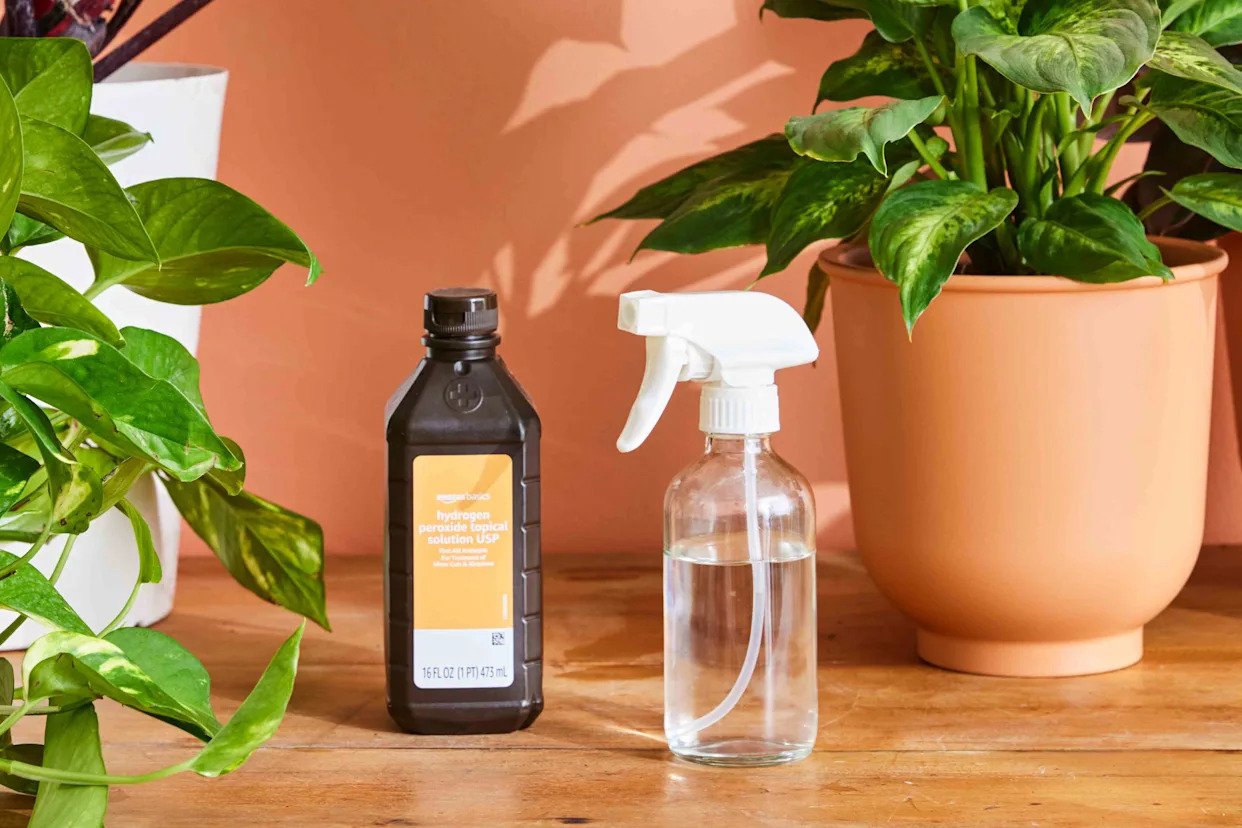
Always use 3% hydrogen peroxide unless otherwise noted. This concentration is standard for household use.
Test solutions first on a small portion of your plant to check for sensitivities.
Keep hydrogen peroxide in a cool, shadowed spot, because light and warmth could cause it to break down.
Wear gloves while interacting with the substance regularly to prevent irritating the skin. `
Conclusion
Hydrogen peroxide proves to be far more than just a household disinfectant — it is a versatile, affordable, and eco-friendly ally for gardeners. From accelerating seed germination and protecting roots, to combating fungal diseases and pests, this simple compound offers practical solutions that enhance plant health while minimizing reliance on harsh chemicals. Its natural breakdown into oxygen and water makes it safe for plants, soil, and the environment when used responsibly.


