

Gardeners are increasingly finding that tea bags, frequently thrown away after making tea, are actually a valuable resource. These small bags filled with tea leaves aren’t just waste; they offer various benefits to your garden. As gardeners look for more environmentally friendly ways to garden, reusing tea bags has become a popular trend. This not only reduces waste but also enriches your soil, helps plants grow better, and leads to a healthier overall garden. Gardeners can make their gardens more productive and sustainable by leveraging the potential of tea bags.
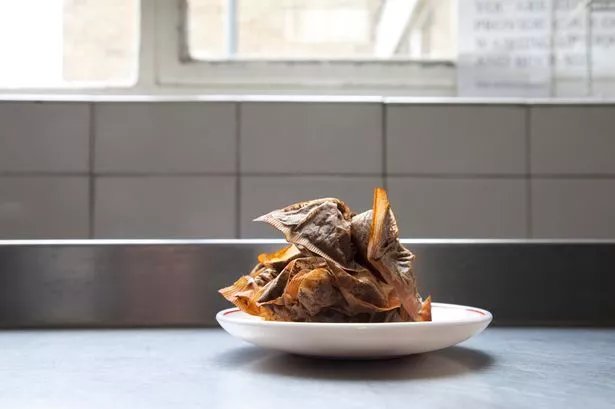
Understanding the Nutritional Components of Tea Bags
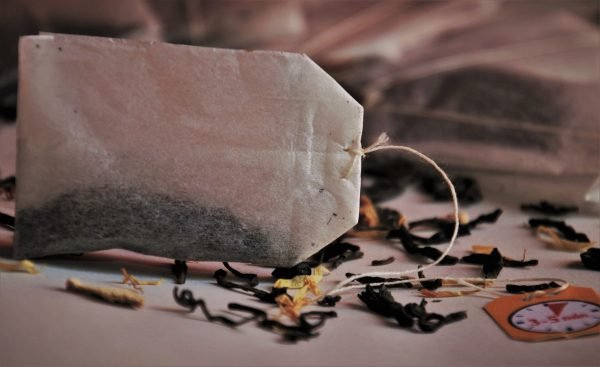
Tea bags are full of nutrients that can help your plants thrive. The primary component, tea leaves, boasts rich amounts of tannins, nitrogen, and other organic compounds. Tannins, which create tea’s recognizable flavor, can boost soil structure and aid in retaining nutrients. Nitrogen, essential for plant development, is released as tea leaves decay, acting as a slow-release fertilizer. In addition, tea bags have trace minerals like potassium and phosphorus, which are crucial for overall plant health. Due to these nutrients, tea bags are a wonderful addition to your garden, boosting robust plant growth and soil fertility.
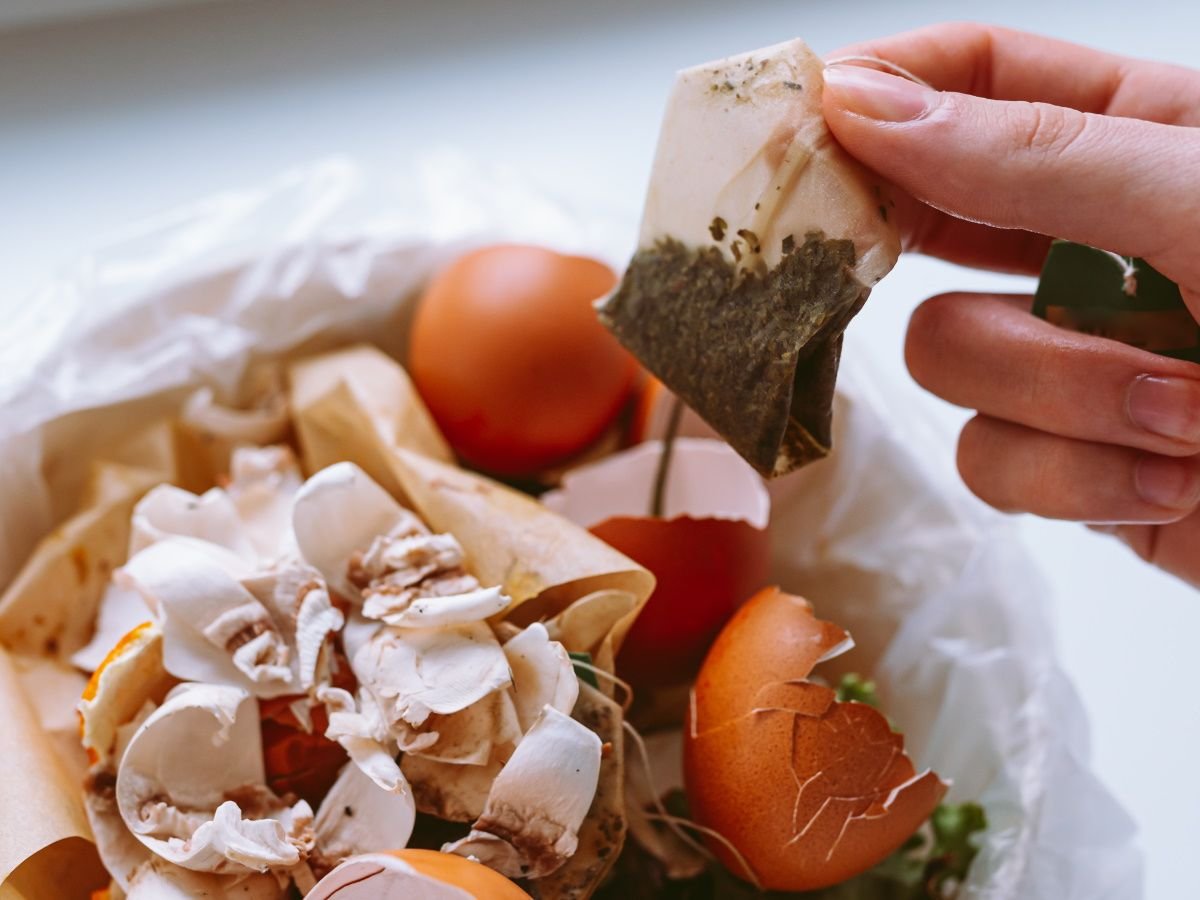
How Tea Bags Improve Soil Structure and Drainage
The fibrous composition of tea bags aids in enhancing soil structure and drainage. When buried in the soil, tea bag materials decay bit by bit, forming small air pockets that improve aeration. This better aeration lets roots access oxygen more efficiently, resulting in healthier root systems. Furthermore, tea bags’ gradual decay helps to prevent soil compaction, ensuring water can easily reach the roots of the plant. This is particularly helpful in heavy clay soils, where drainage can often be difficult. By incorporating tea bags into the soil, gardeners can establish a friendlier environment that is more advantageous in plant growth.
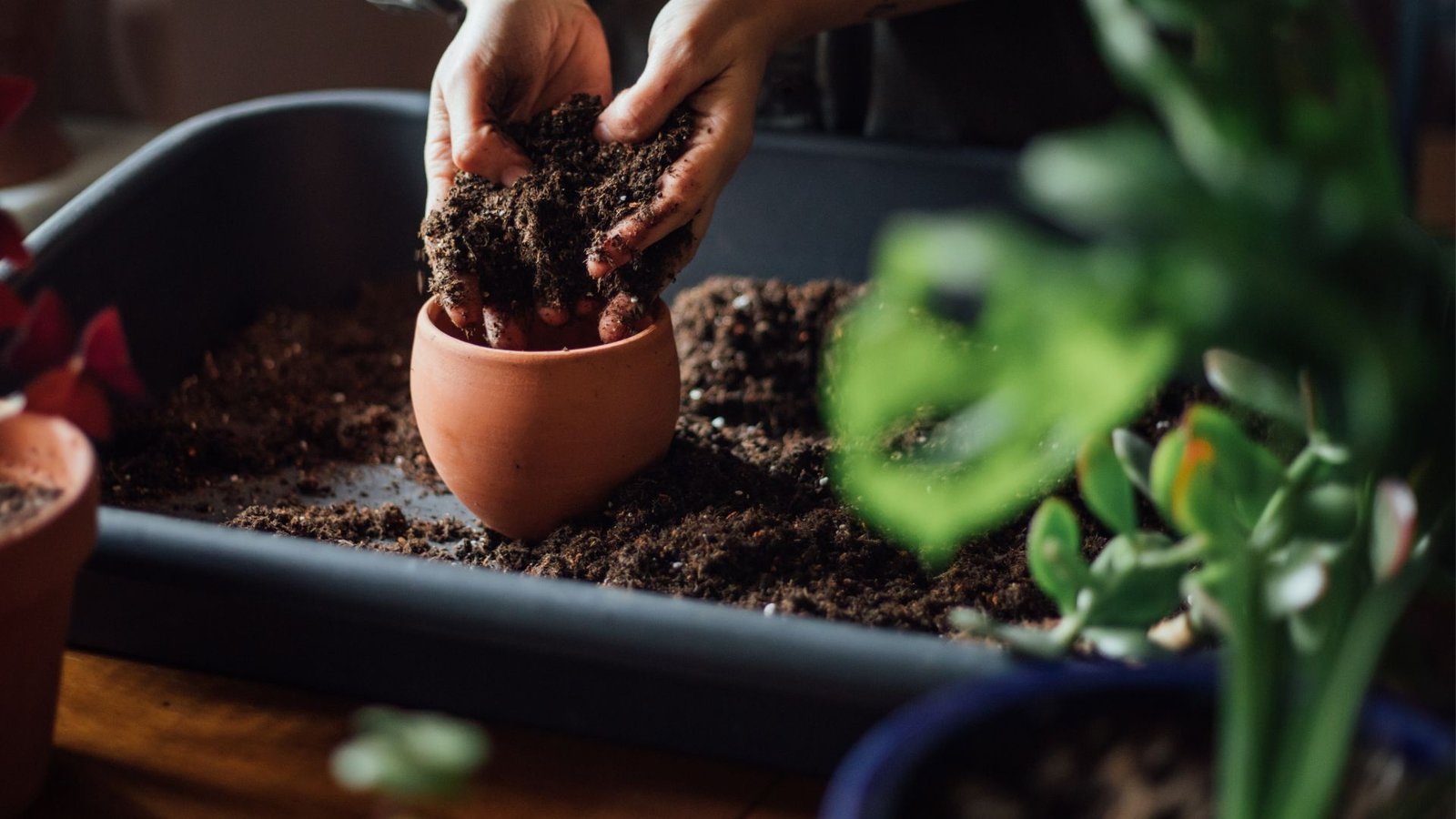
Enhancing Soil Acidity with Used Tea Bags
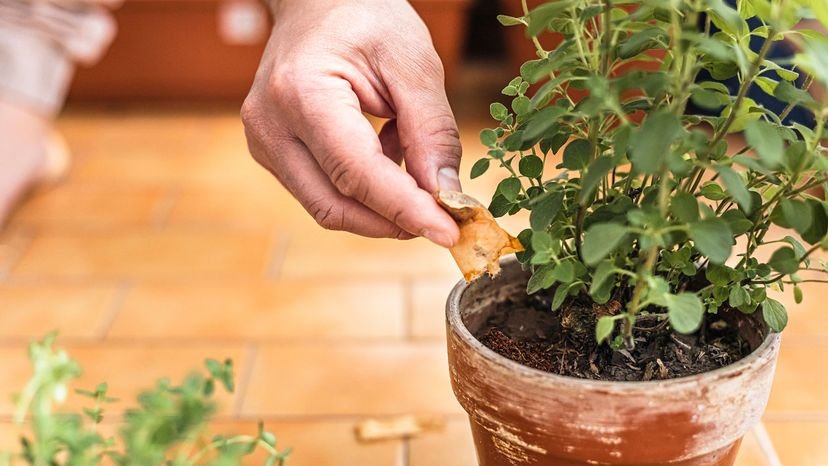
Because tea leaves are naturally acidic, adding used tea bags to the soil can assist in lowering the pH level, making the soil more acidic. As such, this is especially advantageous for plants that thrive in more acidic soil, such as azaleas, rhododendrons, and blueberries. By adjusting the soil’s pH, tea bags create better growing conditions for these plants, enhancing their overall health and productivity. Gardeners can simply bury used tea bags around the base of acid-loving plants, or mix it into the soil to gradually increase acidity over time.
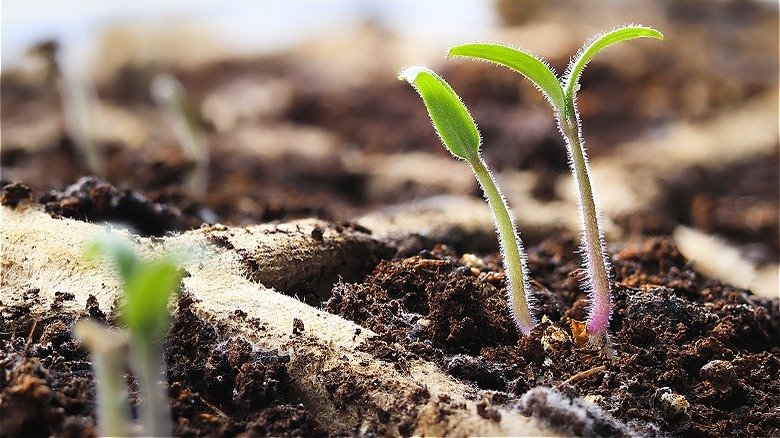
Tea Bags as a Natural Pest Repellent
Tea bags can also prove useful as a natural pest repellent in the garden. The powerful scents of tea, particularly herbal types such as peppermint or chamomile, can repel common garden pests, such as slugs, ants, and aphids. The tannins present in tea leaves have astringent qualities that can repel insects, thereby lowering any need for pesticides. Gardeners can position tea bags at the base around plants or steep them in water to make a natural spray that can repel pests. This environmentally friendly method protects plants while also promoting a healthier garden by reducing the number of chemical uses.
Boosting Plant Growth with Tea Bag Nutrients
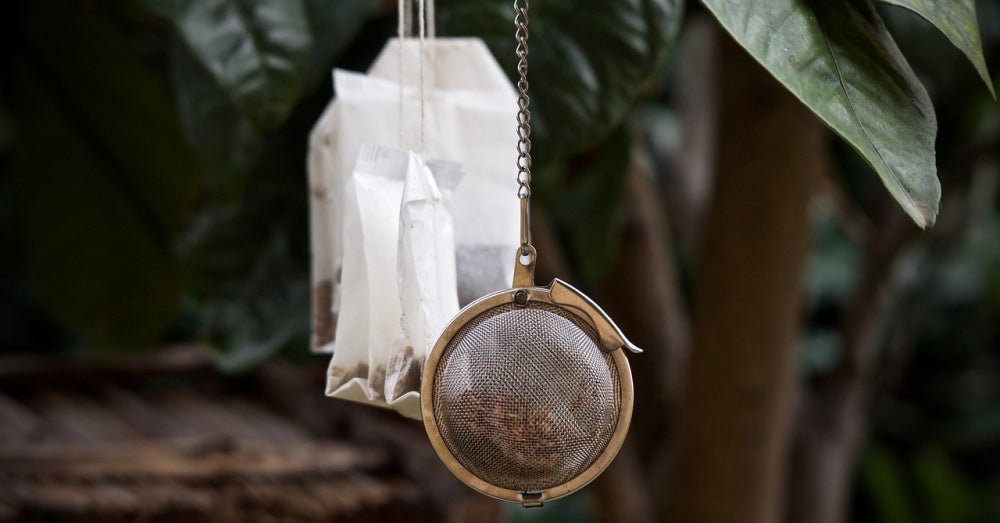
The nutrients that are released from tea bags that are decomposing can significantly improve plant growth. As tea leaves disintegrate, they release nitrogen, which helps in the development of lush, green foliage. The slow-release aspect of these nutrients provides a continuous flow to the plants involved, promoting sustained growth that lasts for the duration of the growing season. Also, the trace minerals in tea leaves support various physiological operations in plants, enhancing their health and endurance. By incorporating tea bags to the garden, gardeners can provide a balanced, natural source of nutrients that encourages strong plant growth.
Composting with Tea Bags for Richer Soil
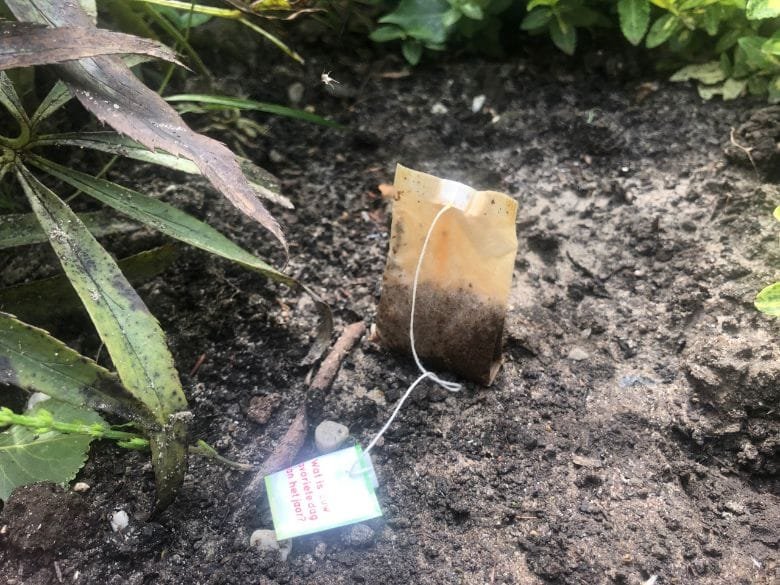
Tea bags are an excellent addition to compost piles, making compost richer and nutrient-dense. The organic materials found in tea bags break down quickly, adding key nutrients such as valuable nitrogen into the compost. This quickens the decomposition process while also boosting the overall grade of the compost itself. Gardeners can toss utilized tea bags in their compost bins, making sure to eliminate any non-biodegradable elements, such as synthetic bags or staples beforehand. The resulting compost might be utilized to improve the structure of garden beds, and provides plants with a growing medium that contains a variety of nutrients.
Tea Bags for Moisture Retention in Garden Beds
The fibrous material that make up tea bags can help in moisture retention within garden beds. When it is mixed to the soil, tea bags can help retain water, which in turn reduces how often watering is needed. This is particularly helpful in times of dryness or in areas that generally have fairly little rainfall. Retaining moisture can ensure that plant roots will constantly have accessibility to water, stopping any stress while also improving overall healthy growth. By utilizing tea bags to retain moisture, gardeners can create garden beds that are more durable and tolerant to droughts.
Preventing Fungal Infections with Tea Bag Antioxidants
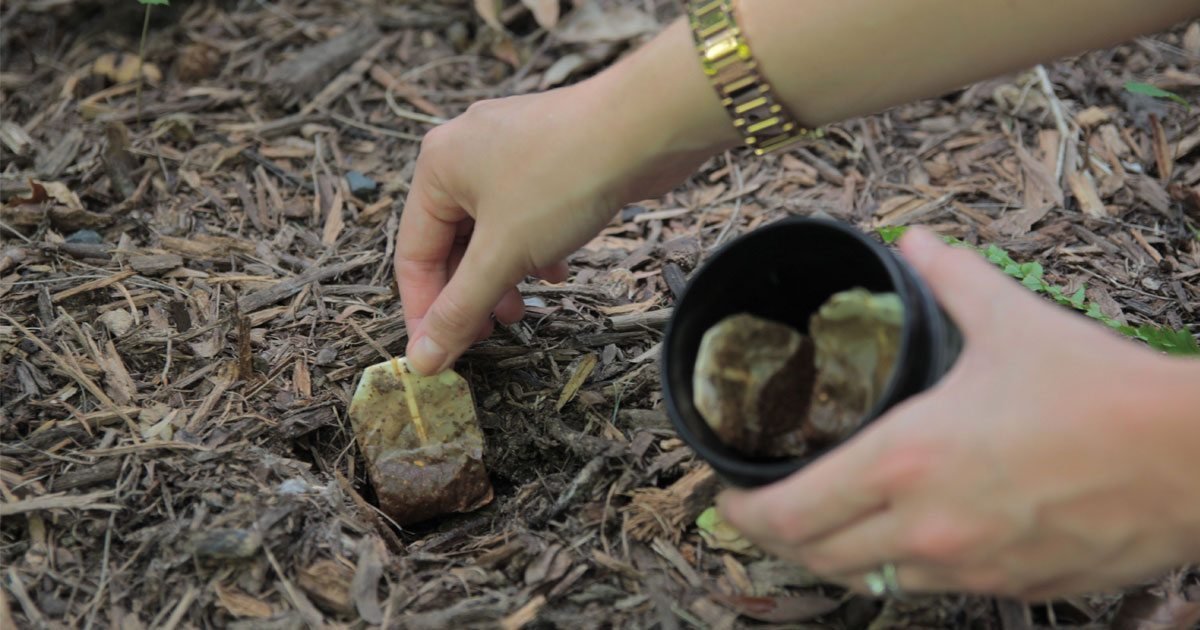
Tea leaves contain antioxidants, such as polyphenols, with antifungal qualities. These compounds might provide support in preventing fungal infections in plants, such as powdery mildew and root rot. When utilized tea bags are introduced to the soil or utilized as mulch, they create an environment that is less conducive for fungal growth. The antioxidants might slow the development of any kind of fungal spores, which protects plants from widespread fungal diseases. A natural approach in preventing diseases of any kind can provide strong overall support in plant health while also reduces need for chemical fungicides.
Tea Bags as a Source of Nitrogen for Plants
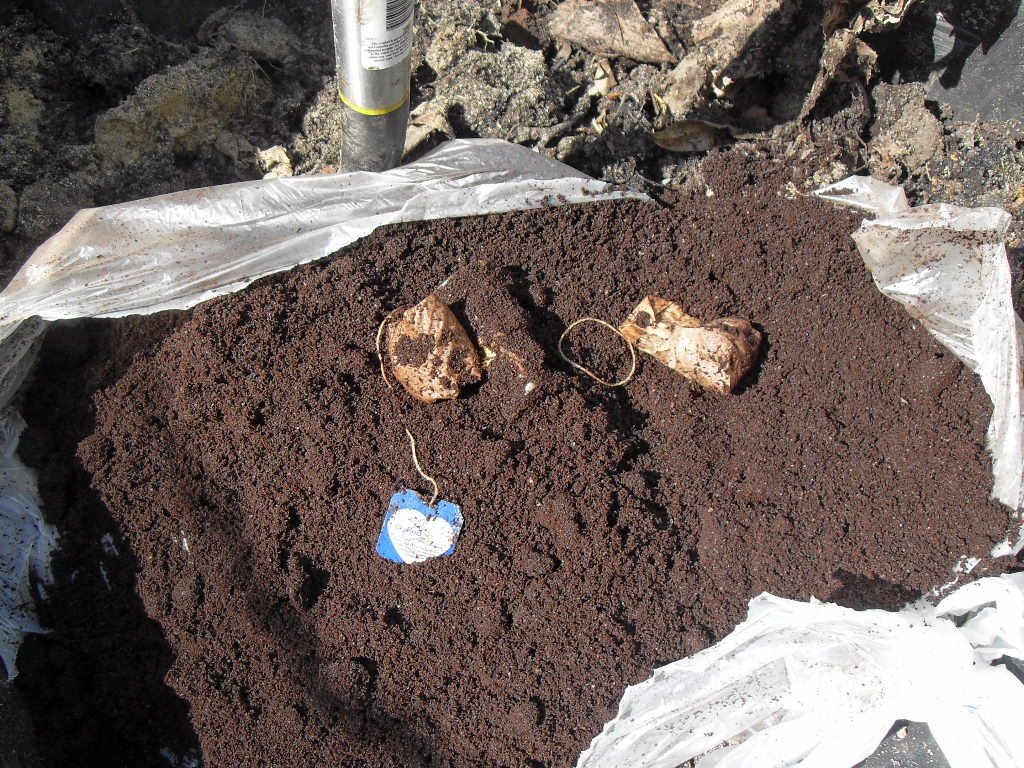
For plants to grow, nitrogen is an essential element, and tea bags are a source of this element. As tea leaves decompose, they then release nitrogen into the soil, and provides fertilizers that are sustainable and natural. This slow releasing nitrogen is especially useful for leafy vegetable or other kinds of nitrogen-loving plants, encouraging strong growth while also lush foliage. Gardeners can bury usedtea bags at the roots nearby or mix them in the soil to ensure that there’s a consistent stream of nitrogen throughout the growing season.
Using Tea Bags to Attract Earthworms
Earthworms are incredibly beneficial creatures, because they enhance nutrient availability while also aerating the soil. By providing an organic food source, tea bags can attract earthworms. When the tea leaves decompose, a nutrient rich environment is then created that appeals to earthworms. The presence of earthworms within the garden improves the soil composition, enhancing the cyclical process that nutrients go through, while also supporting plant health. By using tea bags to attract these creatures that are helpful, gardeners can foster a balanced, thriving garden ecosystem.
Conclusion: The Sustainable Benefits of Recycling Tea Bags in Gardening
Many sustainable benefits come with recycling tea bags gardening. By repurposing old tea bags, soil can be enriched and healthier plant growth can be promoted, while also reducing waste. The nutrients and organic matter found in tea bags help drive a thriving garden environment, whose natural assets help deter pests and avoids disease. This environment-friendly exercise lines up properly with many sustainable horticulture principles, and can helps contributes to more resilient and fertile garden. Gardeners will constantly seek solutions that are also environmentally aware, and with that, tea bags can provide a simple method by which both the health and sustainability can be improved.


