

Cinnamon, a beloved spice in culinary traditions worldwide, is renowned for its warm, sweet aroma and flavor. However, its uses extend far beyond the confines of the kitchen. In recent years, gardeners have discovered that cinnamon can be a powerful ally in the garden as well. From acting as a natural pest repellent to enhancing soil quality, cinnamon offers a multitude of benefits that can help your garden thrive. This article explores ten compelling reasons to incorporate cinnamon into your gardening routine, showcasing its versatility and effectiveness.
Understanding the Benefits of Cinnamon in Gardening
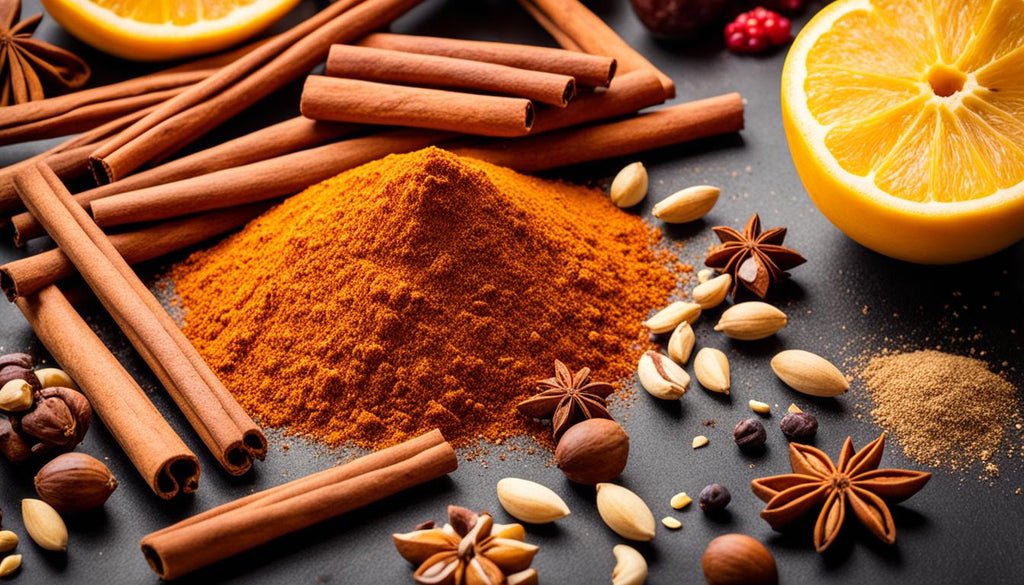
The usefulness of cinnamon in gardening comes from its inherent characteristics. It contains essential oils and components such as cinnamaldehyde. These elements offer antifungal, antibacterial, and insect-repelling effects. These qualities make it a wonderful option for those gardening and searching for all-natural, sustainable methods to deal with typical horticulture issues. Gardeners can unlock its power to boost plant well-being, keep pests away, and boost total garden strength by comprehending how cinnamon functions.
:max_bytes(150000):strip_icc()/GettyImages-2211597739-73a586365bc04f0ba03a9338fd630444.jpg)
Natural Pest Repellent: Keeping Bugs at Bay
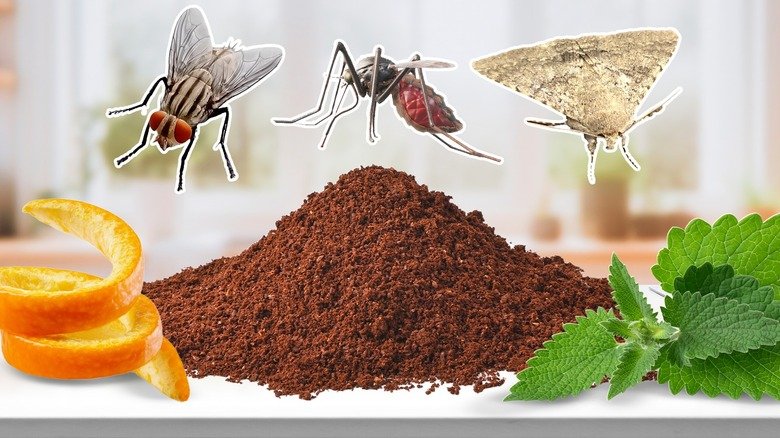
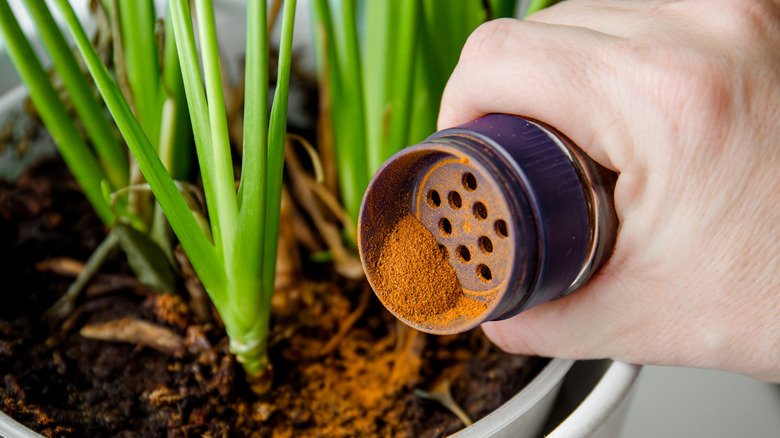
Cinnamon is a great deterrent to a variety of garden pests because of its intense scent and natural oils. Employing cinnamon powder around plants can act as a natural repellent to insects such as mosquitoes, gnats, and other unwanted insects. Its natural formula is safe for plants and the environment, providing a chemical-free alternative to conventional pesticides.
Ant Deterrent: A Simple Solution for Ant Problems
Ants in the gardening can be a burden that could make even more significant issues with pests. Cinnamon works as a natural ant deterrent because of its powerful aroma and aggravating features. By making a barrier of cinnamon powder around plants or next to ant trails, horticulture lovers can disrupt the ants’ scent trails and stop them from invading the area.

Fungicide Properties: Protecting Plants from Fungal Infections
It’s antifungal qualities can make cinnamon an excellent choice for preventing, and treating fungal infections in plants. Cinnamon, when applied to the soil or to affected plant areas, it can help prevent familiar fungus issues such as damping-off disease, which affects seedlings. It works as a natural fungicide that helps protect plants with no hard chemicals.
Rooting Agent: Encouraging Healthy Plant Growth
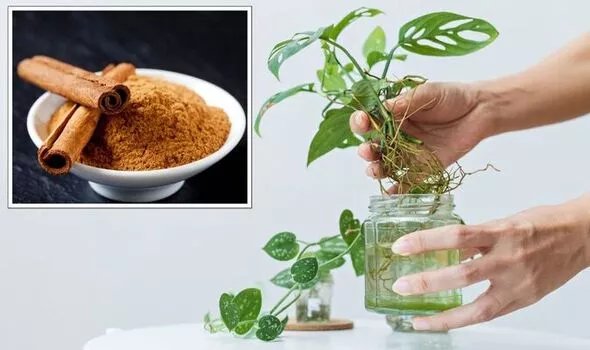
A natural rooting agent could be cinnamon and using it prompts strong, well-developed roots in cuttings. Before they plant clippings, gardeners can dip the cut ends of plant cuttings into cinnamon powder. This starts root growth and also helps in keeping the rooting process clear of any fungal infections.
Soil Enhancer: Improving Soil Quality and Health
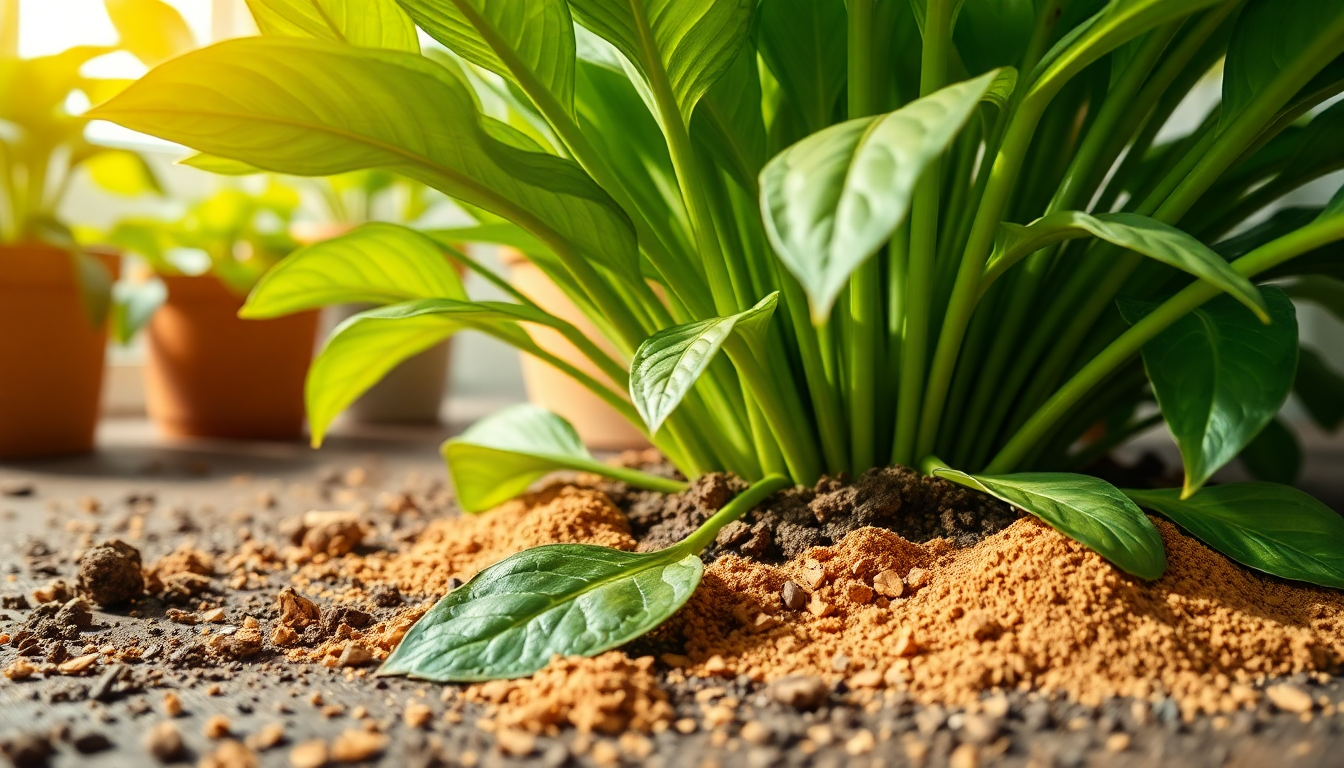
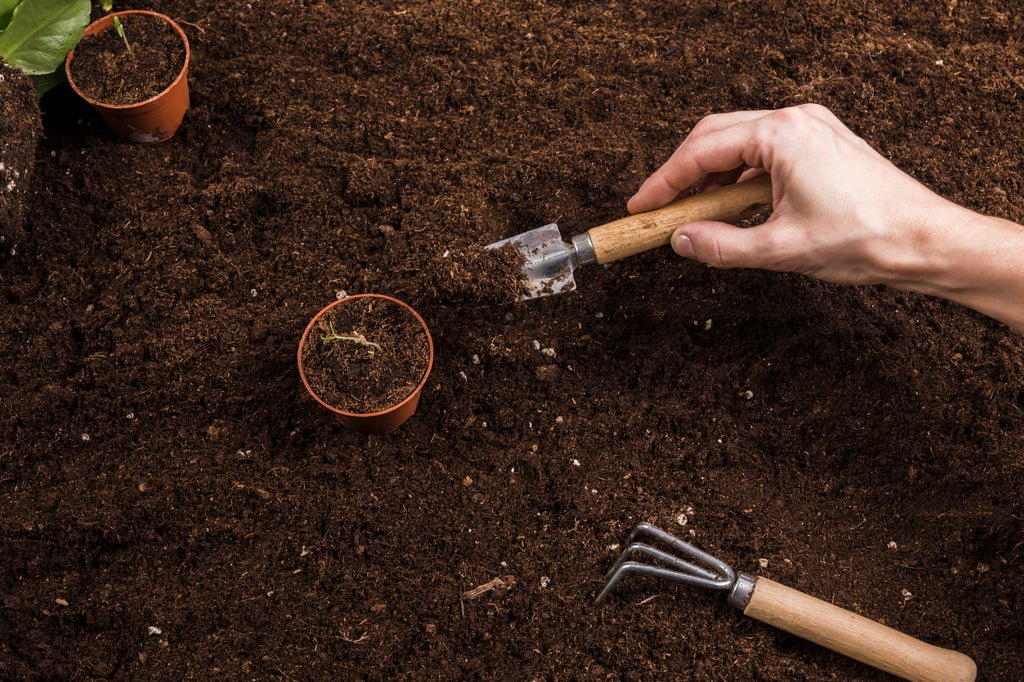
Adding cinnamon to the gardening soil can enhance its well-being and quality. Cinnamon’s antimicrobial features help in reducing damaging bacteria and fungi in the soil. This creates a healthier environment for plant growth. Furthermore, it has the capability to improve soil structure, as well as nutrient availability, which helps plants develop more strongly.
Animal Deterrent: Keeping Unwanted Visitors Out
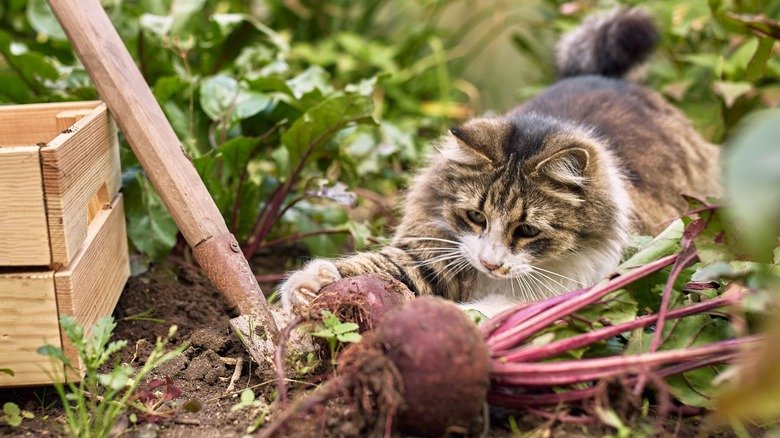
Cinnamon’s pungent fragrance is not only effective at getting rid of bugs, but it will also stop different garden guests like rabbits and squirrels. You can keep these animals away by sprinkling cinnamon around the perimeter of the garden or on plants, preserving your plants from damage and guaranteeing a more abundant crop.
Seed Germination Booster: Enhancing Seedling Success
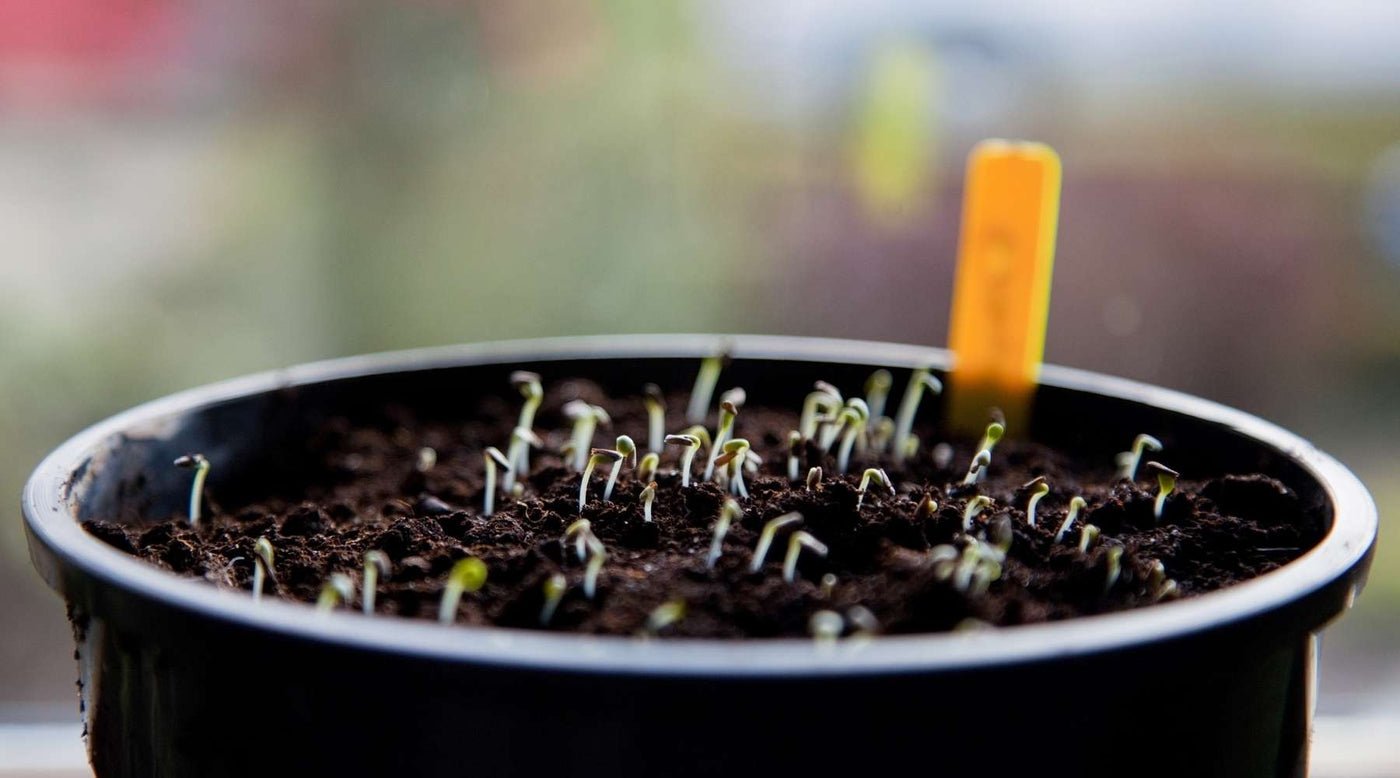
Cinnamon, by fostering a more favorable environment for seeds to sprout, can help in the whole process of germination. Its antifungal properties help keep seed rot and damping-off from appearing, and these are common issues that hinder seedling success. The chance of germination success and vigorous seedling development can be increased by gardeners who dust seeds with cinnamon before planting.
Healing Agent for Plant Wounds: Promoting Recovery
Cinnamon serves as a healing agent to encourage recovery when plants sustain cuts or injuries. When applied to plant injuries, cinnamon powder helps to prevent infection and accelerates healing. This natural cure is especially helpful for pruning cuts or random damage, which makes sure plants heal fast and continue to flourish.
Odor Neutralizer: Maintaining a Fresh Garden Environment
The appealing fragrance given off by cinnamon will assist in reducing unpleasant smells in the garden, creating a more pleasant outdoor space. Regardless of whether it’s the odor of compost or other organic ingredients, a sprinkle of cinnamon can help mask undesirable fragrances and maintain a fresh garden environment.
:max_bytes(150000):strip_icc()/GettyImages-2211593904-67d62cdd93174f7ca08b3e9f1149f9df.jpg)
Companion Planting Benefits: Enhancing Plant Relationships
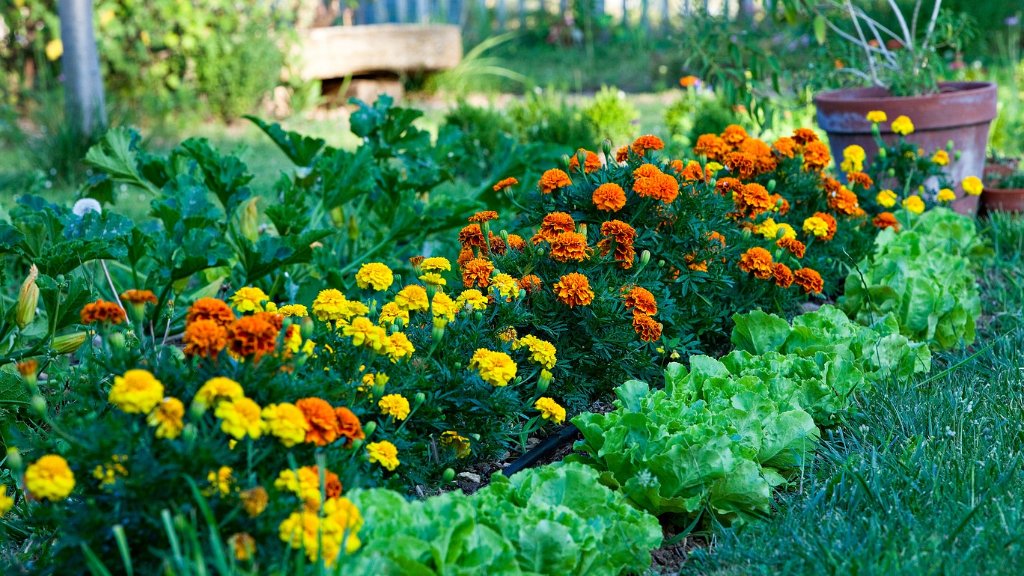
Cinnamon through its pest-repelling and soil-enhancing features can affect how several plant species relate when doing companion planting. It can benefit neighboring plants, and it can lead to a better and more successful garden environment. By strategically using cinnamon, gardeners can optimize plant interactions and improve overall garden health.
Conclusion: Embracing Cinnamon as a Garden Ally
Cinnamon goes beyond being simply a kitchen necessity; it’s a flexible and efficient instrument for horticulture enthusiasts. You can take advantage of a variety of advantages by integrating cinnamon into your gardening techniques, from pest management to enhanced plant health. Accept cinnamon as an all-natural, sustainable solution to typical gardening issues, and witness your garden flourish.


