

Pruning is vital for petunias, those bright, trumpet-shaped flowers favored for gardens and hanging baskets. It keeps them vigorous and blooming profusely all season. Without trimming, petunias may get sparse, bloom less, and become unsightly. This article details how to prune petunias correctly, so they flourish and beautify your garden continuously.
Common Mistakes in Pruning Petunias
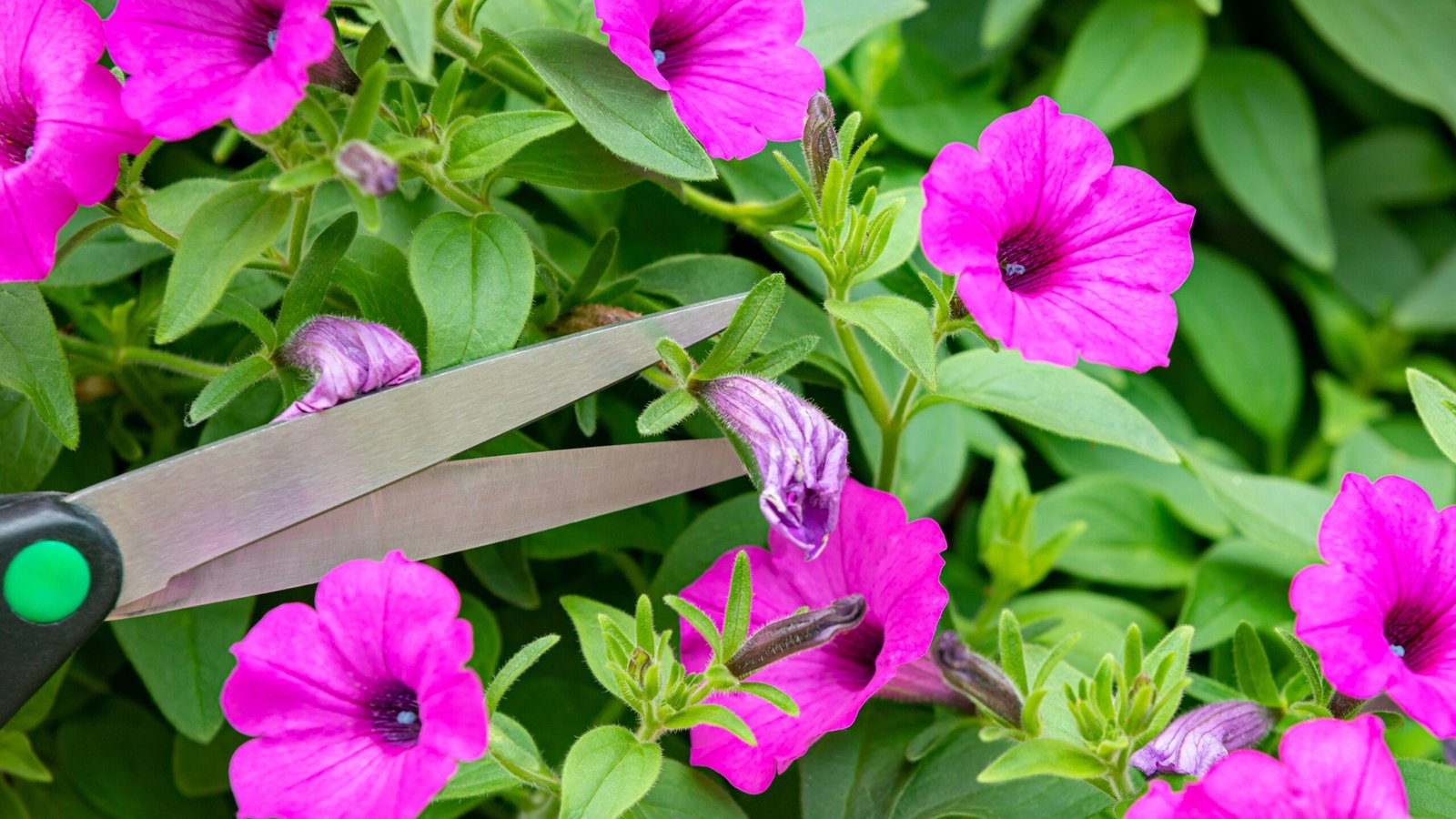
Many gardeners either forgo pruning or do it incorrectly. Cutting back an excessive amount at once is a frequent mistake, and it can stress the plant, reducing its blooms. Another error is not removing old flowers, leading the plant to spend energy on seeds instead of new growth. Using blunt or unclean tools can also injure the plant and introduce diseases.
Understanding the Importance of Proper Pruning
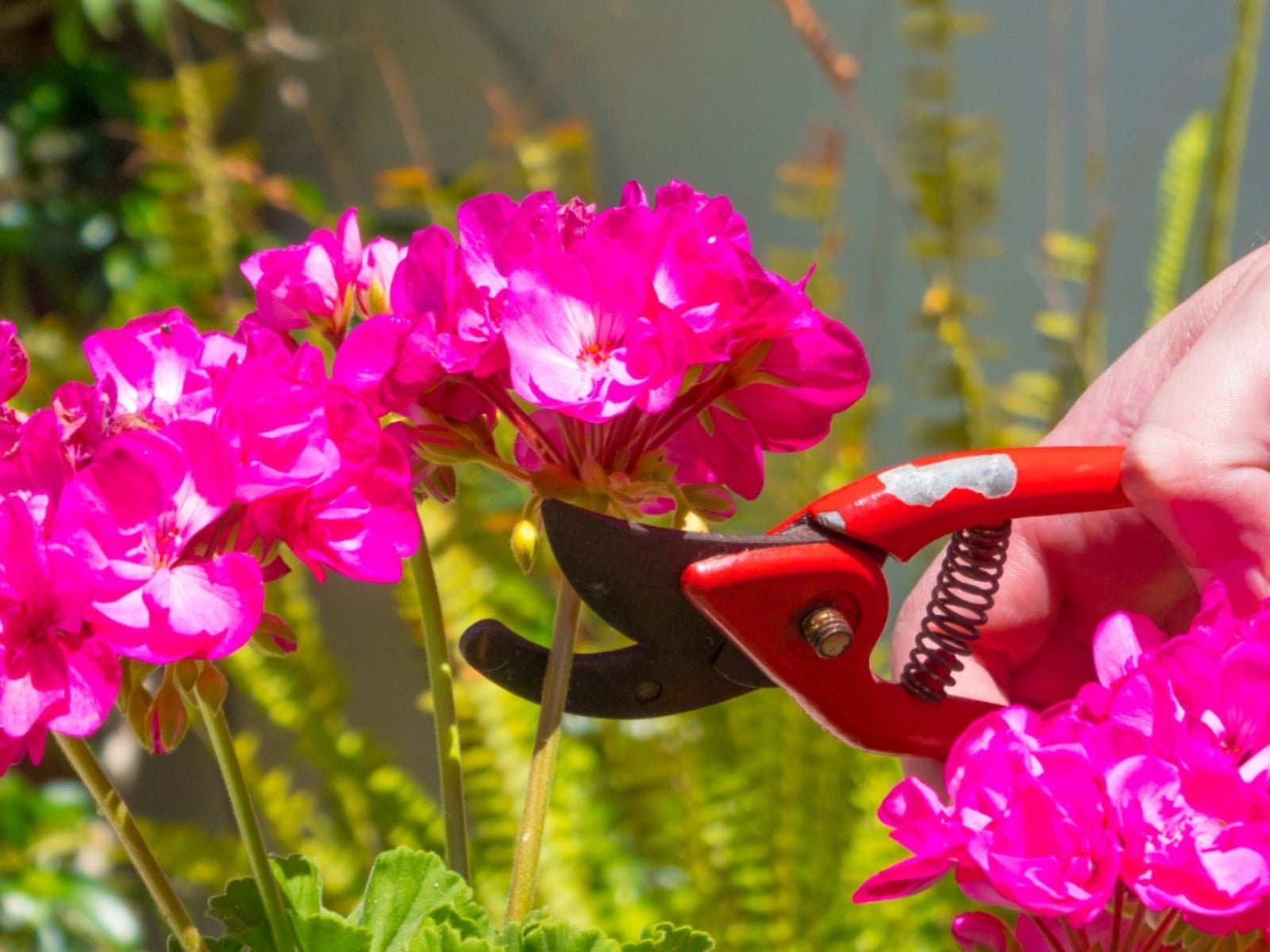
To keep petunias healthy and strong, pruning properly is key. By taking off dead or sick flowers, you encourage the plant to grow more. Pruning also helps them stay compact and bushy, instead of growing sparsely and becoming overgrown. Routine pruning also promotes air circulation, lowering the chance of fungal infections.
Tools and Materials Needed for Pruning
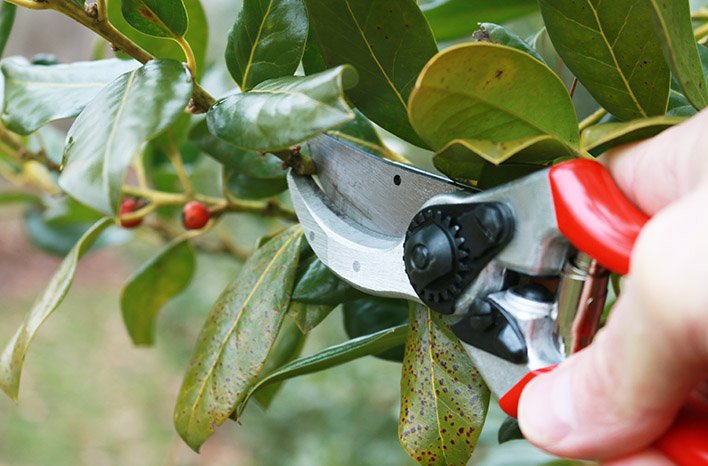
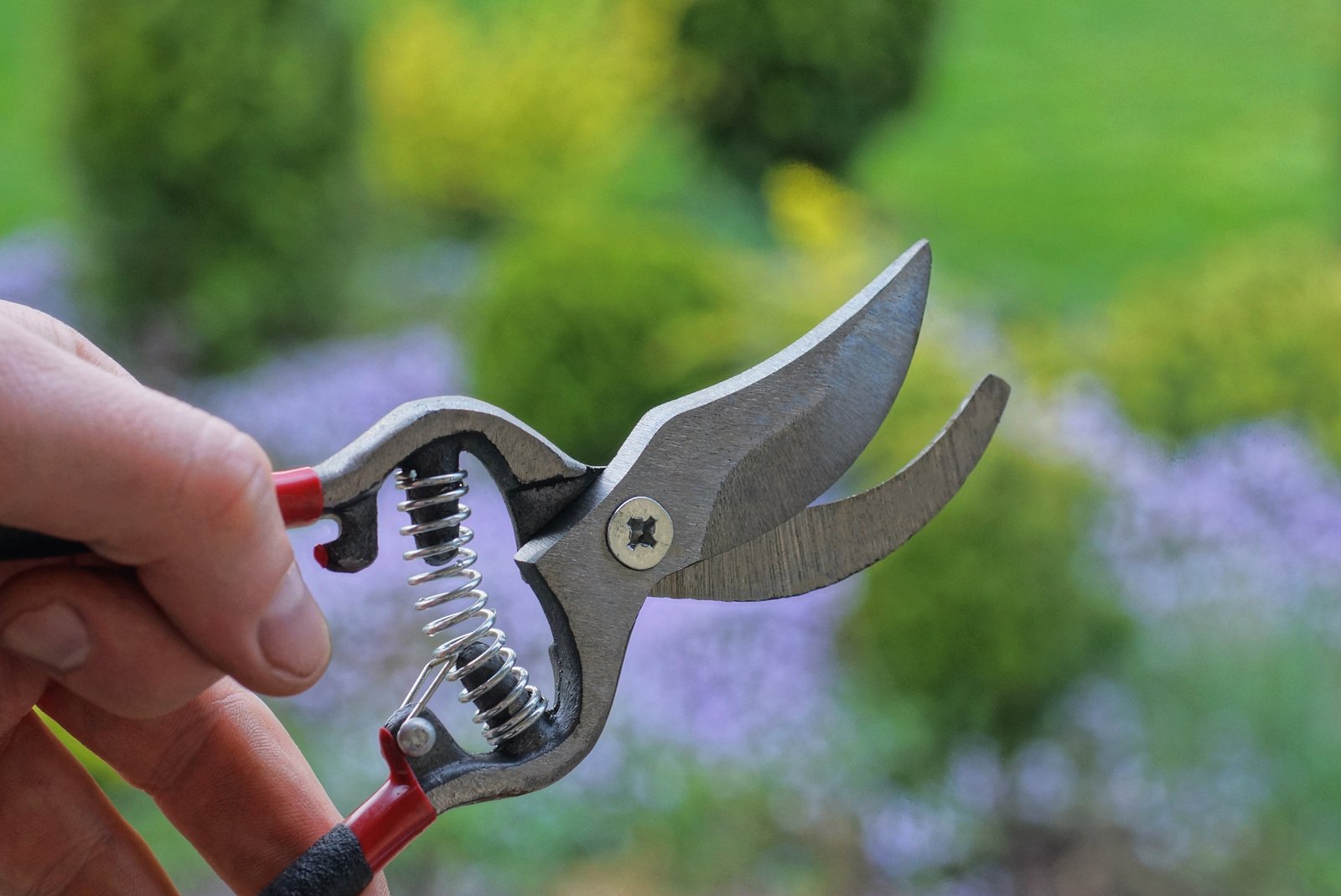
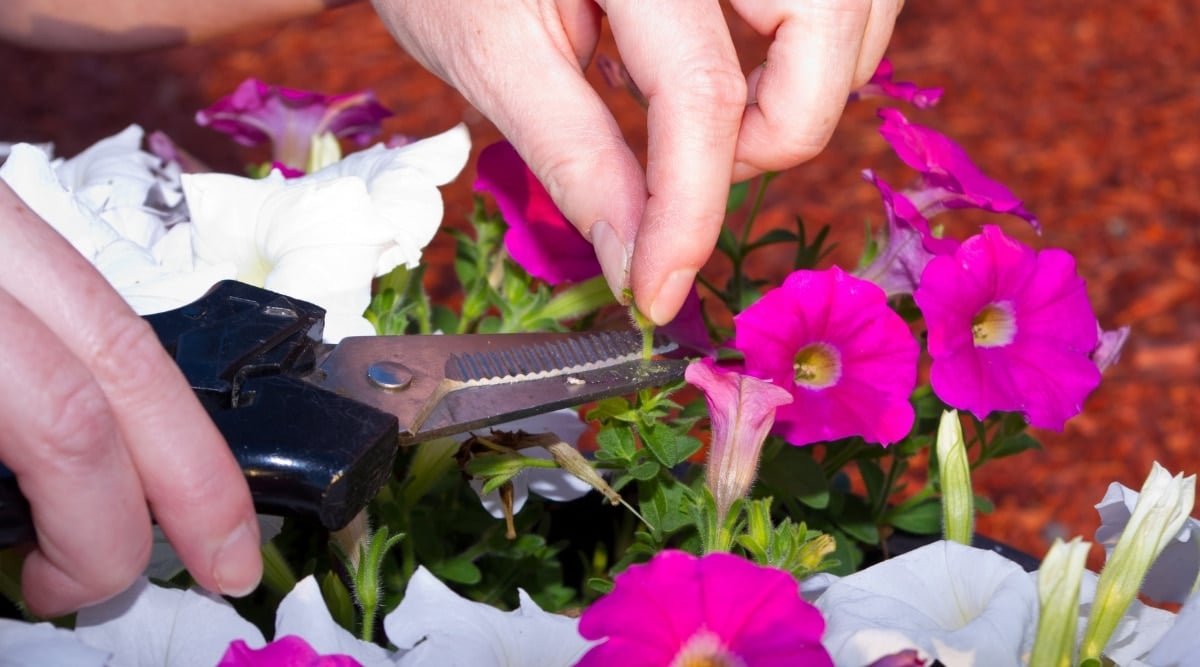
Effective petunia pruning requires specific tools and materials: sharp, clean pruning shears or scissors, gloves for hand protection, and a container for collecting clippings. A disinfectant is also useful for cleaning tools after each cut, more so when handling infected plants.
Step-by-Step Guide to Pruning Petunias
Pruning petunias requires multiple steps, each contributing to their health and flowering rate. Follow this guide to keep your petunias looking their finest all growing season.
Step 1: Assessing the Health of Your Petunias
Before beginning, assess your petunias’ overall health. Check for signs of sickness, like yellow or spotted leaves, or for pests. Healthy petunias will have vivid green leaves and many flowers.
Step 2: Identifying the Right Time to Prune
It’s best to prune petunias in the early morning or late afternoon when the sun isn’t too strong. This reduces plant stress. Prune regularly during the growing season; a more substantial pruning mid-season can rejuvenate the plant.
Step 3: Preparing Your Tools for Pruning
Be sure your pruning tools are sharp and clean. Dull blades can damage stems and dirty ones spread diseases. Sharpen your shears and disinfect them before you start.
Step 4: Removing Dead or Diseased Blooms
Begin by taking off all dead or diseased flowers. Cut the stem directly above the first group of healthy leaves. This helps the plant prioritize growing new flowers over supporting the old ones.
Step 5: Trimming Overgrown Stems
Then, trim any stems that have grown too long to keep the plant compact. Cut back to a leaf node, where new growth will emerge. This helps the plant avoids becoming sparsely and encourage bushier growth.
Step 6: Shaping the Plant for Optimal Growth
Think about the plant’s overall shape as you prune. Strive for a balanced, rounded form that lets light reach all areas. This improves appearance and supports consistent growth.
Step 7: Cleaning Up After Pruning
After pruning, gather all clippings and throw them away properly. Leaving debris around the plant attracts pests and diseases. If you removed diseased material, disinfect your tools again to prevent spreading infection.
Step 8: Monitoring Petunias Post-Pruning
After pruning, keep an eye on your petunias for signs of stress or disease. Make sure they have enough water and nutrients to sustain new growth. With good care, new flowers should appear in weeks.
Tips for Maintaining Healthy Petunias
Provide well-draining soil, regular watering, and balanced fertilizer to maintain healthy petunias, in addition to routine pruning. Regularly remove old blooms to encourage continuous flowering, and watch for signs of pests or diseases.
Conclusion: The Benefits of Proper Pruning
Pruning petunias properly makes them look better and grow healthier and stronger. By using the correct steps, you can have a garden full of bright, blooming petunias all season. Regular care will keep your petunias beautiful in your garden.


