

Gardening enthusiasts are always on the lookout for natural, effective solutions to protect their plants. Soap water has emerged as a versatile tool in the gardener’s arsenal, offering a sustainable way to manage pests and promote plant health. This simple yet powerful solution can help maintain a thriving garden without relying on harsh chemicals. In this article, we explore the multifaceted benefits of soap water and how it can be a gardener’s best defense.
Understanding the Composition of Soap Water
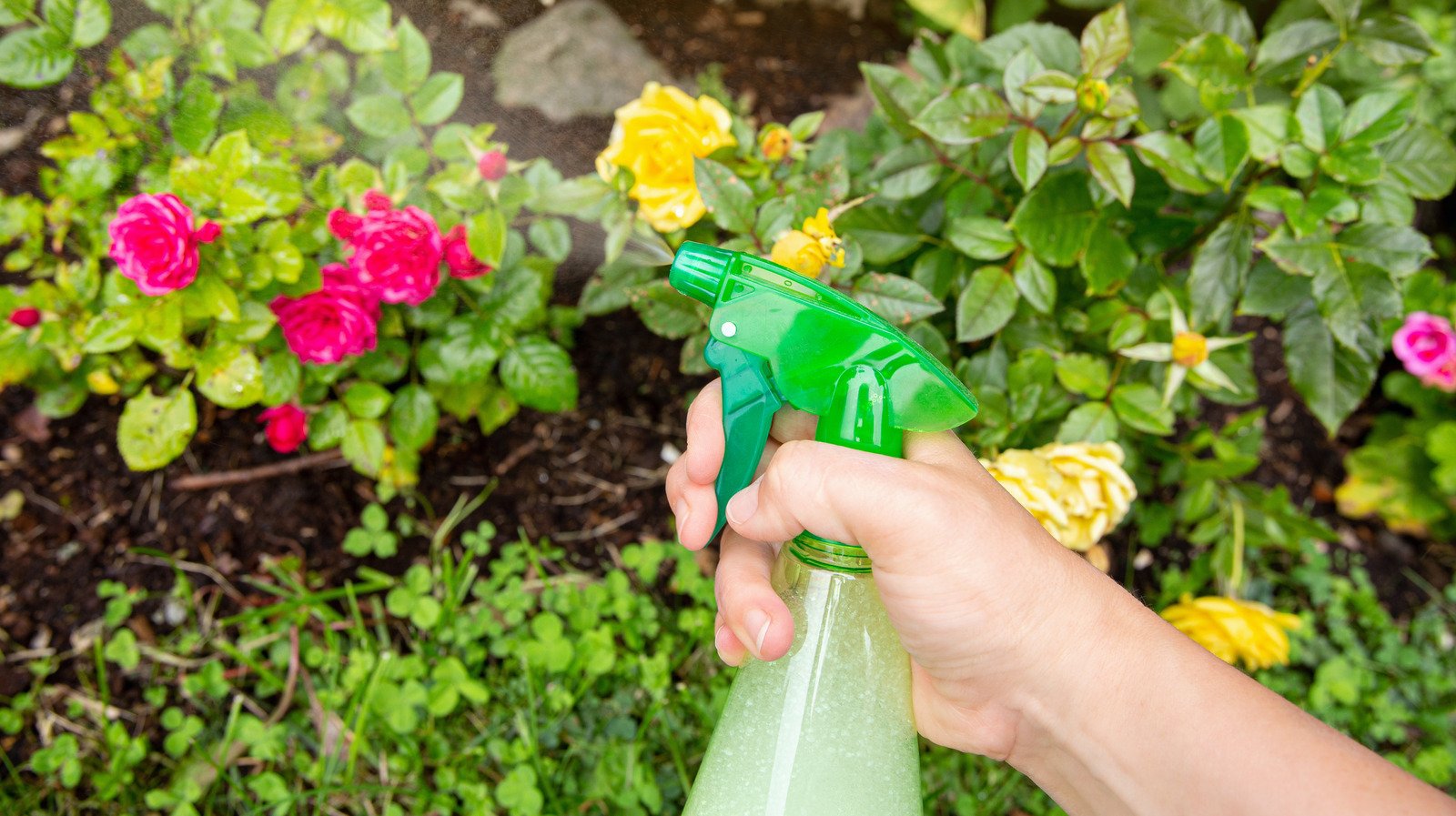
Typically, soap water is created by diluting liquid soap with water. Soap stands as the crucial ingredient; it’s a surfactant which aids in breaking down the outer protective layers of pests. It is essential to use pure liquid soap, ensuring it’s devoid of additives like fragrances or moisturizers, as these can potentially harm plants. Achieving the proper balance between soap and water is vital to ensure that it is effective, while also minimizing any potential harm to the plants.
How Soap Water Acts as a Natural Pesticide
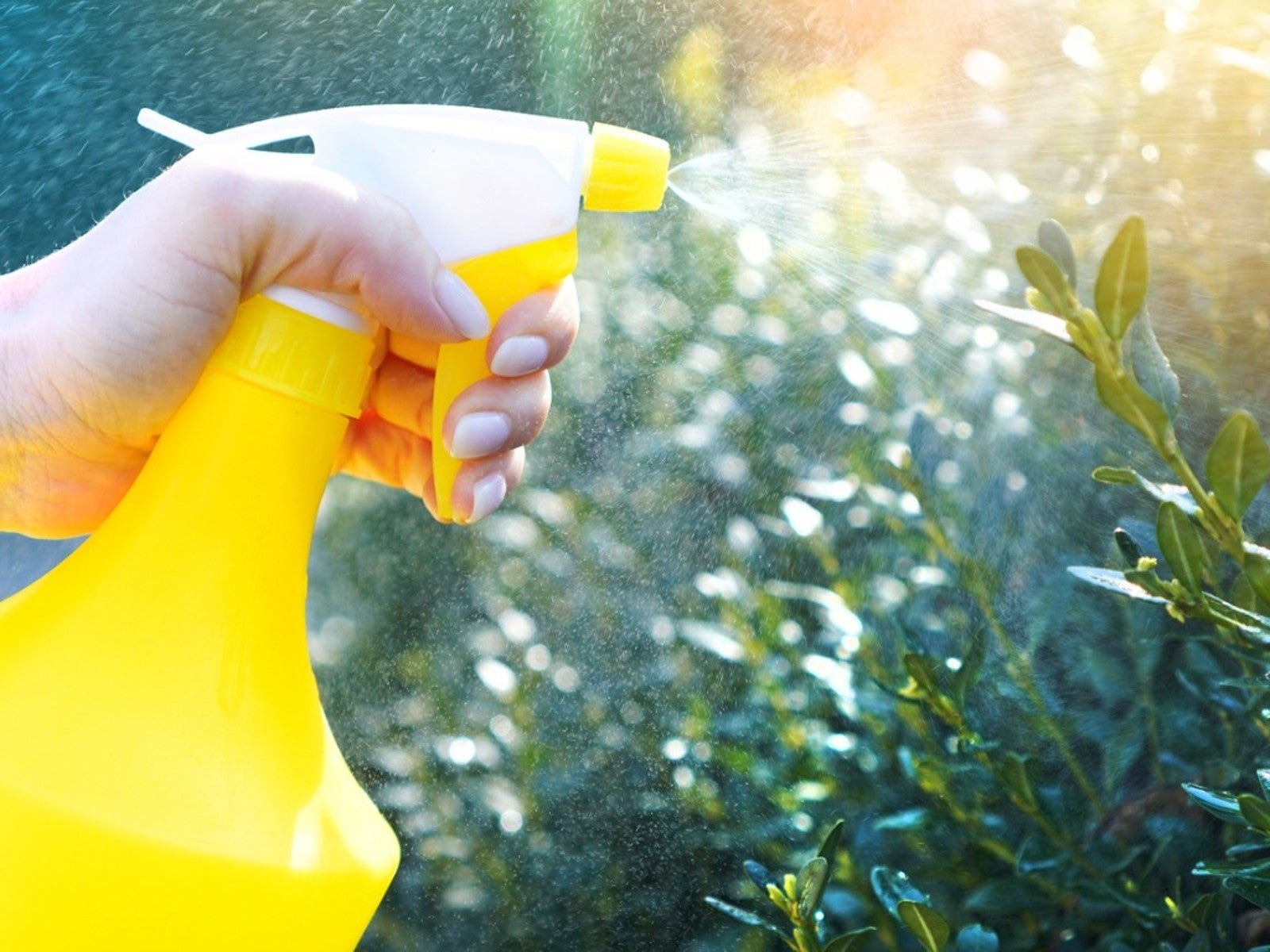
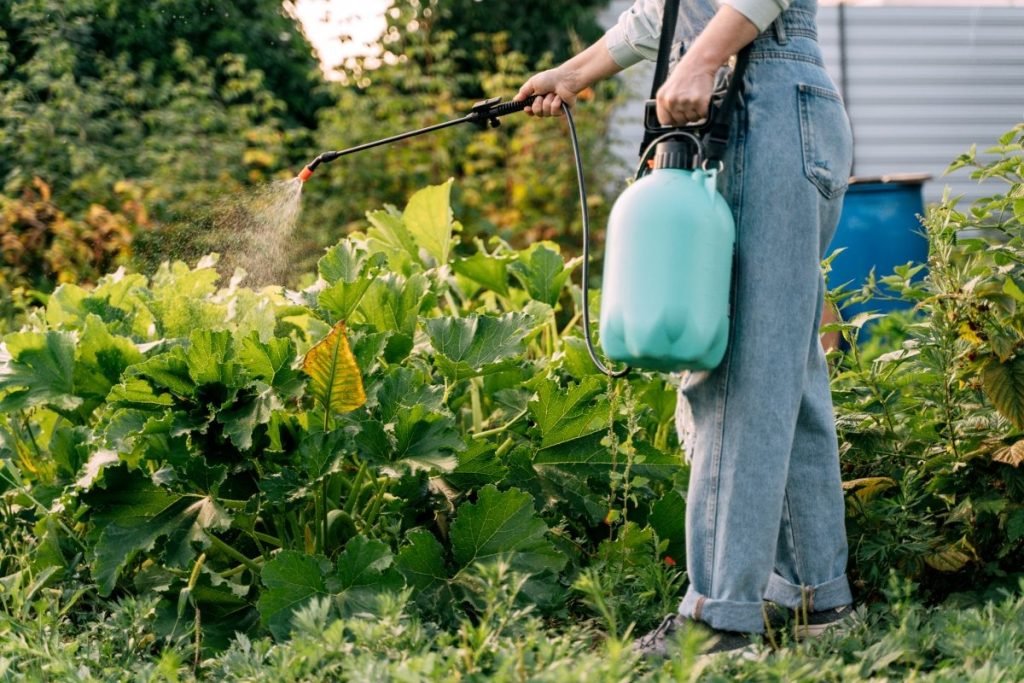
Soap water functions by disrupting the cellular membranes present in soft-bodied insects, including aphids, spider mites, and whiteflies. Upon spraying these pests, the soap gets inside their external shell, promoting dehydration, ultimately resulting in death. This method is effective and also environmentally responsible, effectively targeting pests while avoiding harmful residues.

Benefits of Using Soap Water in the Garden
Using soap water in gardening presents plentiful benefits. It proves to be cost-effective and easy to prepare and lessens the necessity for utilizing chemical pesticides. It maintains safety for the majority of plants, and avoids any harm to the environment. Soap water may also clean plant foliage, in turn, removing dust and debris that may obstruct photosynthesis.
Safety Considerations When Using Soap Water
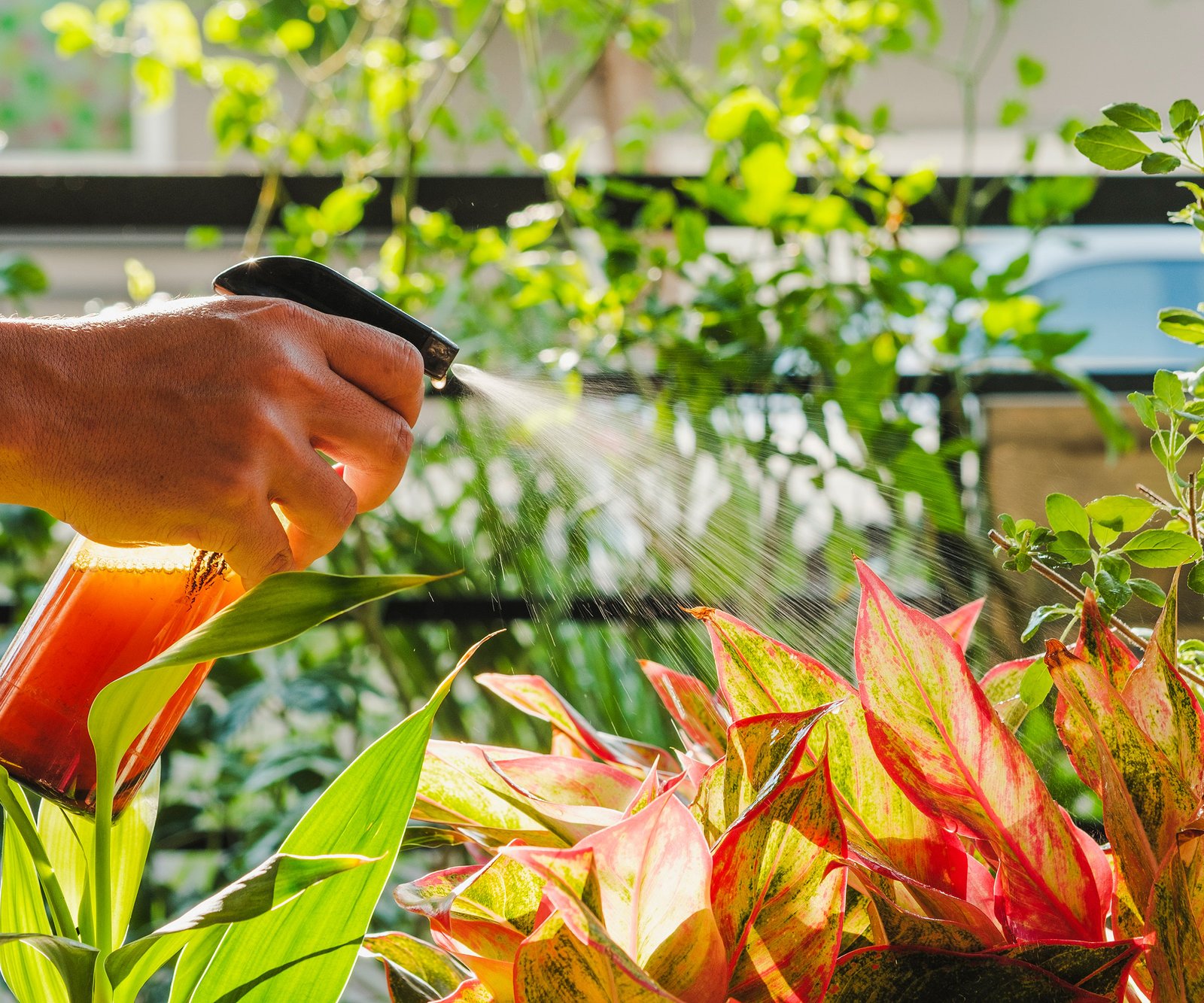
Even though soap water remains safe, it’s necessary to initially test it on a small part of the plant to confirm that it doesn’t trigger an unfavorable reaction. It’s important to avoid utilizing soap water on plant species featuring hairy or waxy foliage, because it leads to harm. Always make sure to apply soap water in the early phases of the morning or late afternoon to further avoid sunburn on wet foliage.
Top 12 Viral Tips for Using Soap Water in Gardening
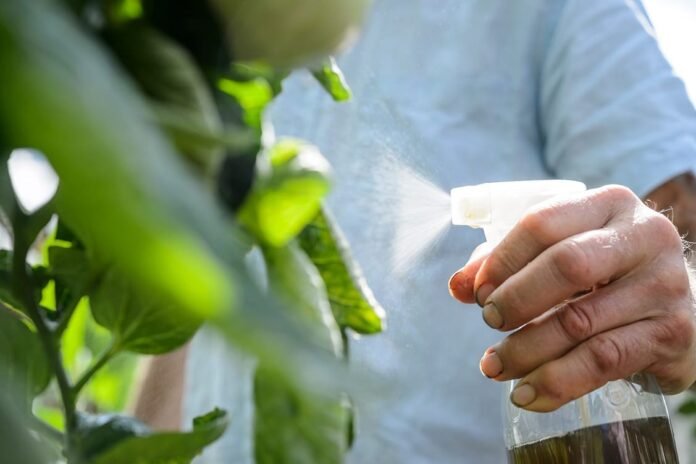
To maximize the advantages of soap water, gardeners have the option to follow these popular tips which have been shared extensively and tested by gardening communities all over the world.
Tip 1: Creating the Perfect Soap Water Solution Combine 1 tablespoon of liquid soap (like castile or dish soap without degreasers) with 1 quart of water. When correctly utilized, this concentration weakens the protective outer coating (cuticle) of soft-bodied insects, which causes dehydration coupled with death, but remains gentle on the plant tissue.
Tip 2: Targeting Aphids with Soap Water Aphids feature soft, waxy exoskeletons, which are easily disrupted thanks to the fatty acids contained in soap. Spray the soap water right onto the colonies, giving attention to the undersides of the leaves where aphids tend to cluster. Soap manages to get through their exterior layer, resulting in cell collapse as well as suffocation.
Tip 3: Combating Spider Mites Effectively Spider mites often excel within hot, dry settings, plus rapidly reproduce. Soap water interferes with their webbing and egg-laying surfaces, while additionally dissolving their protective cuticle. Regularly spraying it stops their reproduction cycle, and prevents outbreaks.
Tip 4: Soap Water for Fungal Control Even though not a fungicide, soap water could physically dislodge fungal spores away from plant surfaces. Surfactant qualities serve to wash away early-stage mildew or mold, which makes it more difficult for the spores to create colonies, most notably when put with appropriate airflow including sunlight.
Tip 5: Using Soap Water on Edible Plants Soap water often stays harmless when utilized on fruits and vegetables, although, always completely rinse everything thoroughly prior to eating. Soap loosens any dirt and pests but deposits harmful residues that might negatively affect the taste of foods, or cause small stomach problems if it is not cleaned off.
Tip 6: Enhancing Soil Health with Soap Water When utilized infrequently, soap water has the ability to help in breaking up compacted soil due to surfactant components within it. This momentarily softens surface tension, boosting the amount of water penetration and oxygen flow. However, an excessive amount utilized could potentially harm healthy microbes, consequently, it’s best to conserve usage.
Tip 7: Soap Water for Weed Management Soap impacts waxy outer layers that are present within younger weed leaves, turning them more likely to dry in order to remove them. It isn’t an individual herbicide, but will soften all the weeds for easier removal, or when blended with vinegar or compost.
Tip 8: Protecting Beneficial Insects In order to prevent damaging pollinators and helpful predators such as ladybugs, only spray where pests may be found and never spray flowering components of the plants. Timing coupled with aiming to prevent an excessive amount of damage to the garden’s pest-control allies.
Tip 9: Frequency and Timing of Application Administer soap water one occasion per week, and as needed throughout infestations. Morning hours, and even afterwards within the day, is often the most effective in avoiding the interaction between soap and sun, which in turn will singe the leaves. Keep track of the plants when it comes to stress that will control the concentration and frequency.
Tip 10: Combining Soap Water with Other Natural Remedies Mix soap water alongside neem oil for a widespread defense, acting like an insect growth regulator, or even garlic spray, that may repel pests. Soap improves adherence and coverage, which enables active ingredients to stay firmly over the pests and the foliage.
Tip 11: Storing and Reusing Soap Water Solutions Keep extra solution inside a labeled spray container within a cool, dark setting. Prior to each usage shake to mix out the soap, which typically gets separated over long periods of time. Dispose right after a week or two given that the soap might degrade and could reduce the level of effectiveness.
Tip 12: Troubleshooting Common Issues In the event the plant shows curling, browning, or spotting following use, wash it immediately with fresh water. This will showcase indications of sensitivity. Reduce the soap content or maybe switch to a mild soap ( for instance, castile) to guard against phytotoxicity.
Conclusion: Embracing Soap Water as a Gardener’s Ally
To many cultivators seeking natural options, soap water stays a versatile and highly effective resource. By simply understanding its advantages and appropriate application skills, growers will safeguard their plants, whilst sustaining a healthier garden ecosystem.
Additional Resources and References
For more reading, think about resources such as garden-related publications, online discussion boards, and university expansion programs which supply thorough guides on natural types of pest decline as well as using soap water in gardening endeavors.


